Wavy Shag Haircut for Men | BlondeFilter AI Try-On
Discover the modern wavy shag haircut for men. Learn styling tips, maintenance hacks, and use AI to virtually try the look before you cut. Explore variations.


Click or drag photos here to upload
Supports JPG, PNG formats, max 5MB, JPEG format recommended


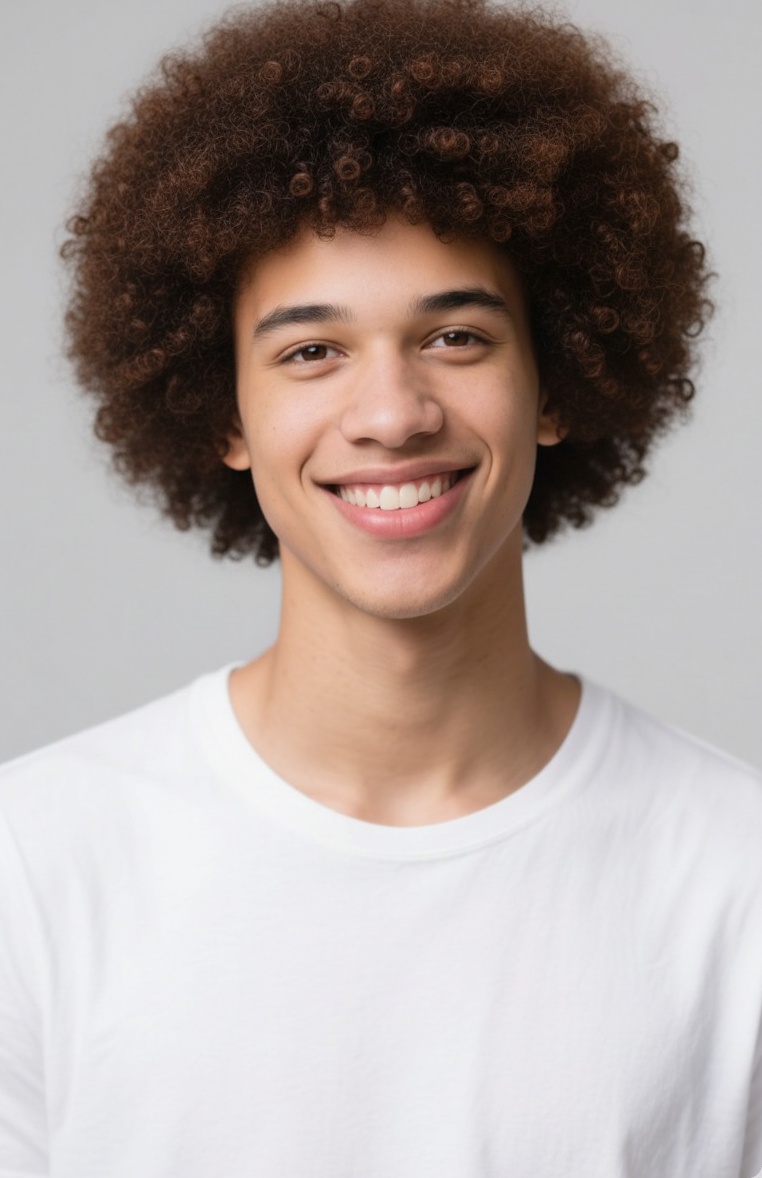


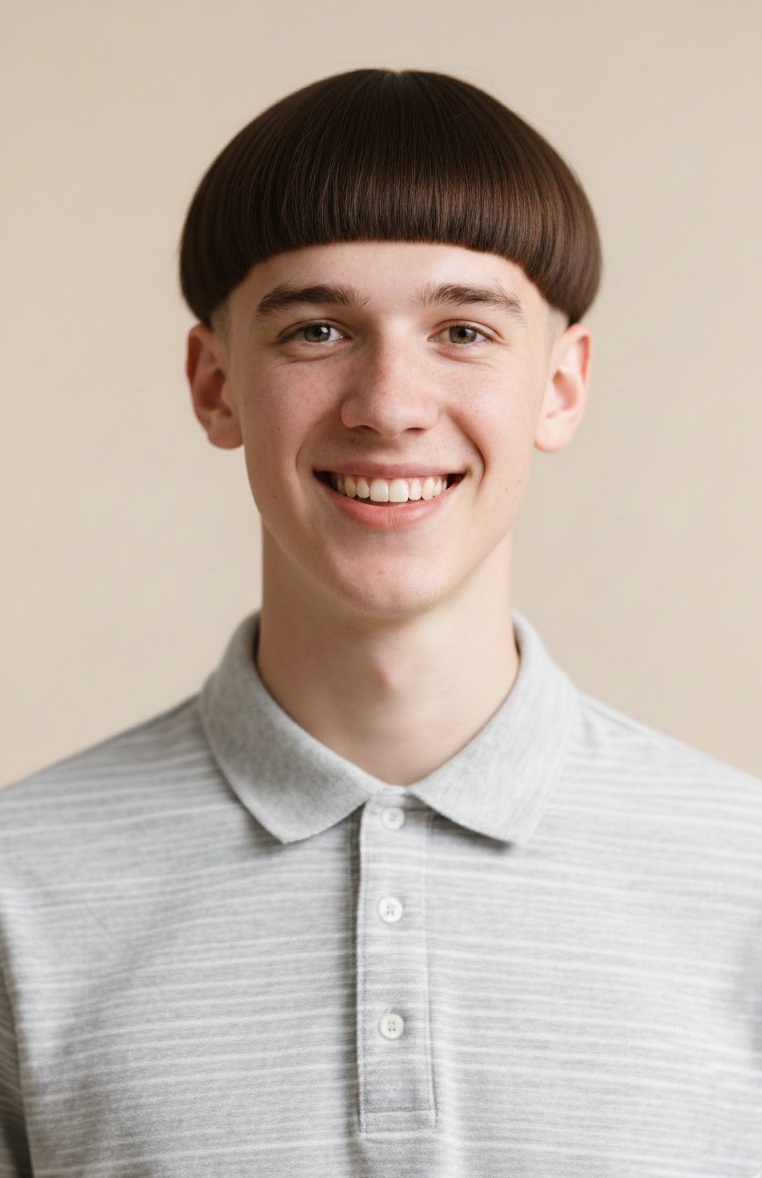
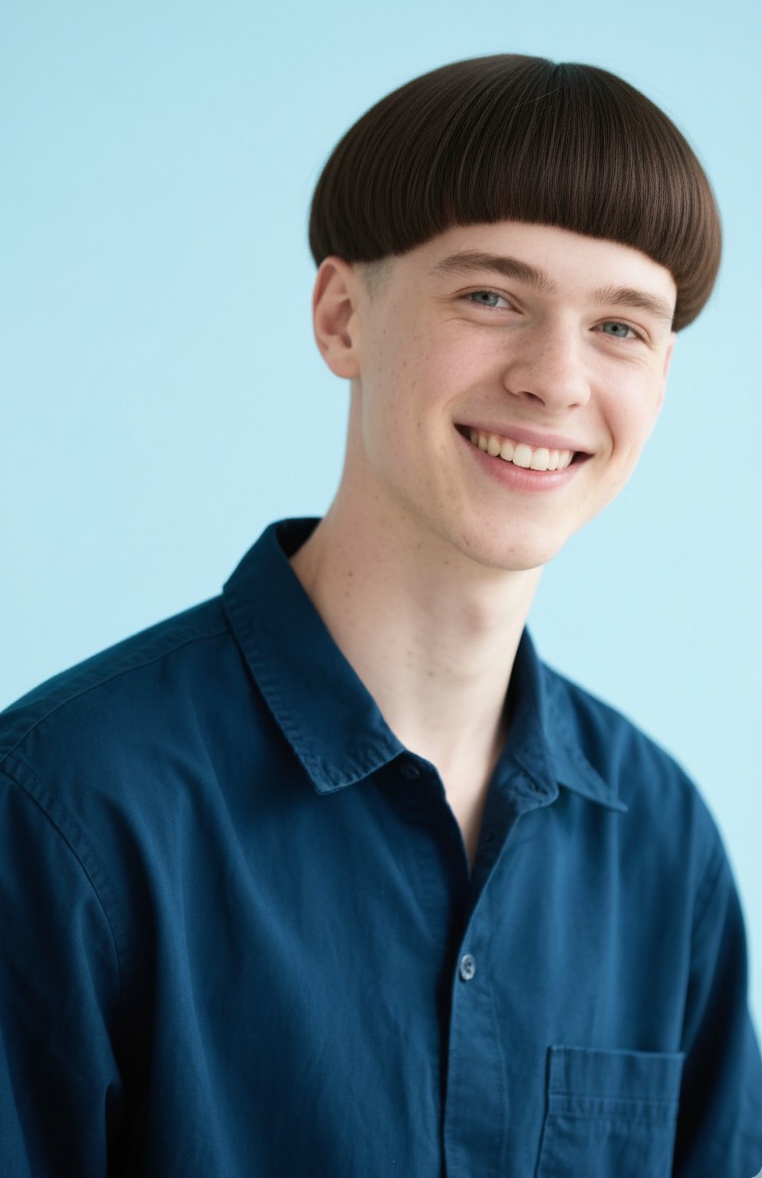
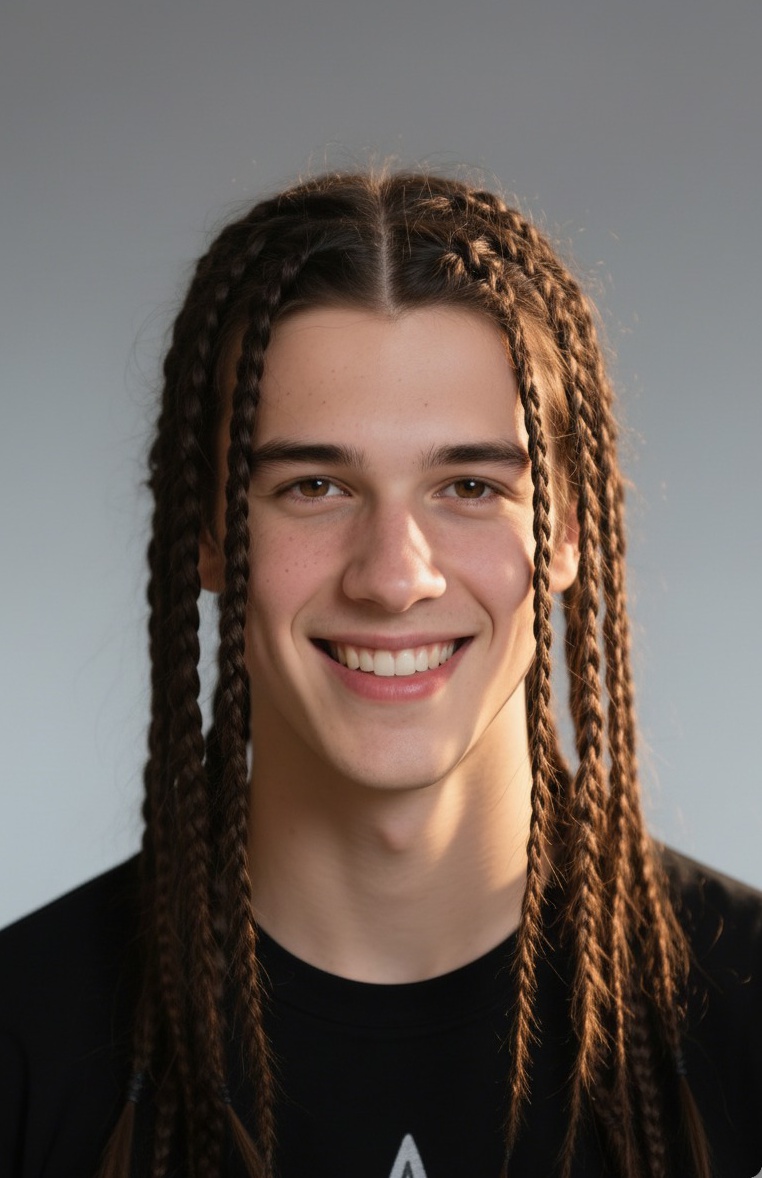





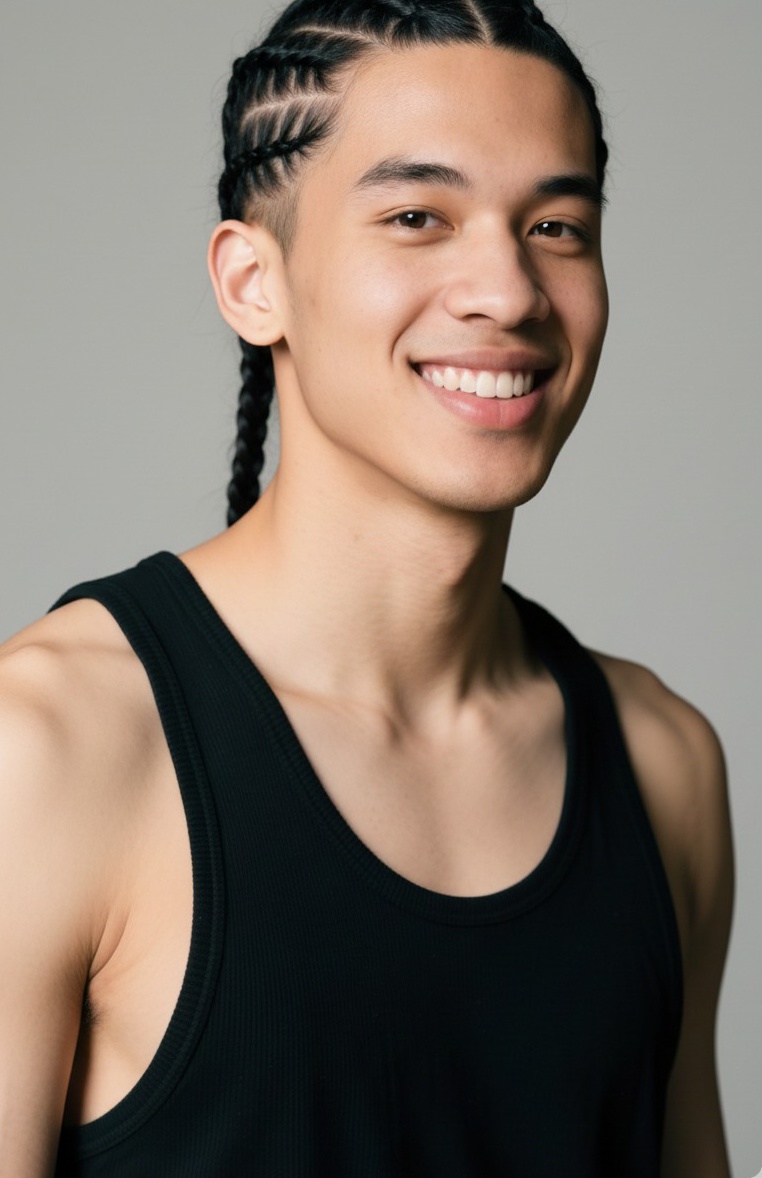



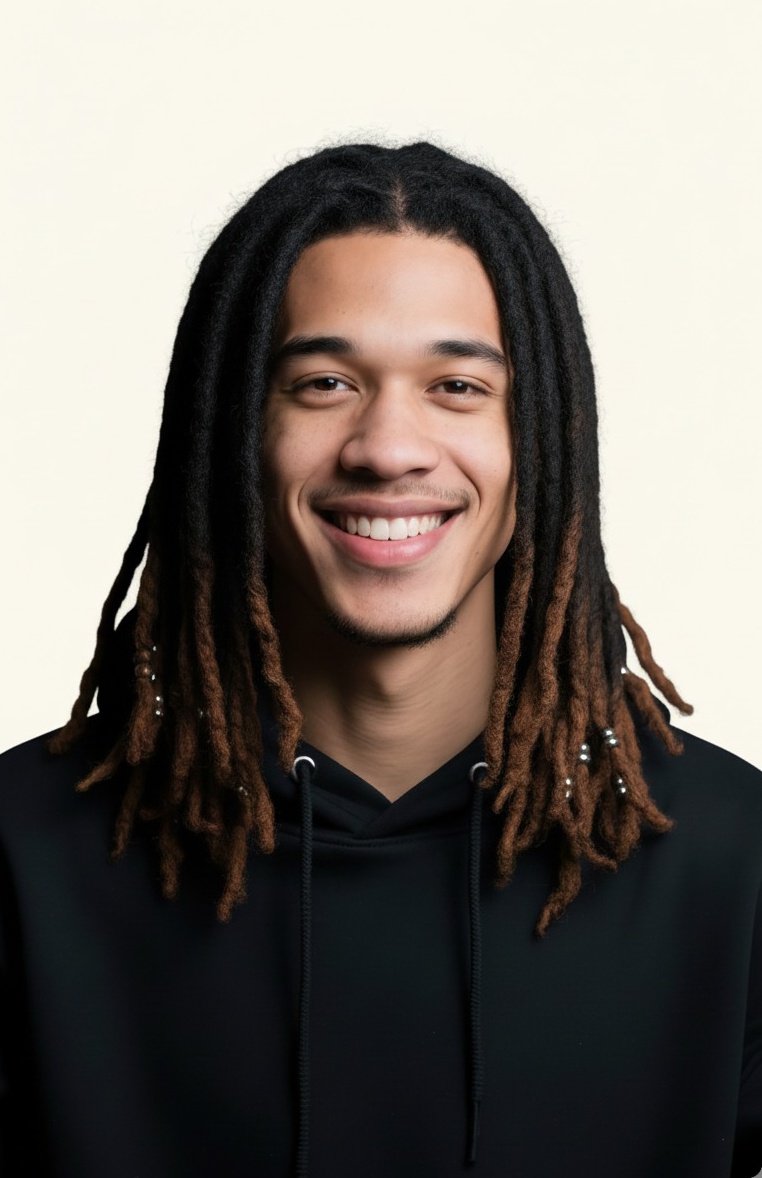






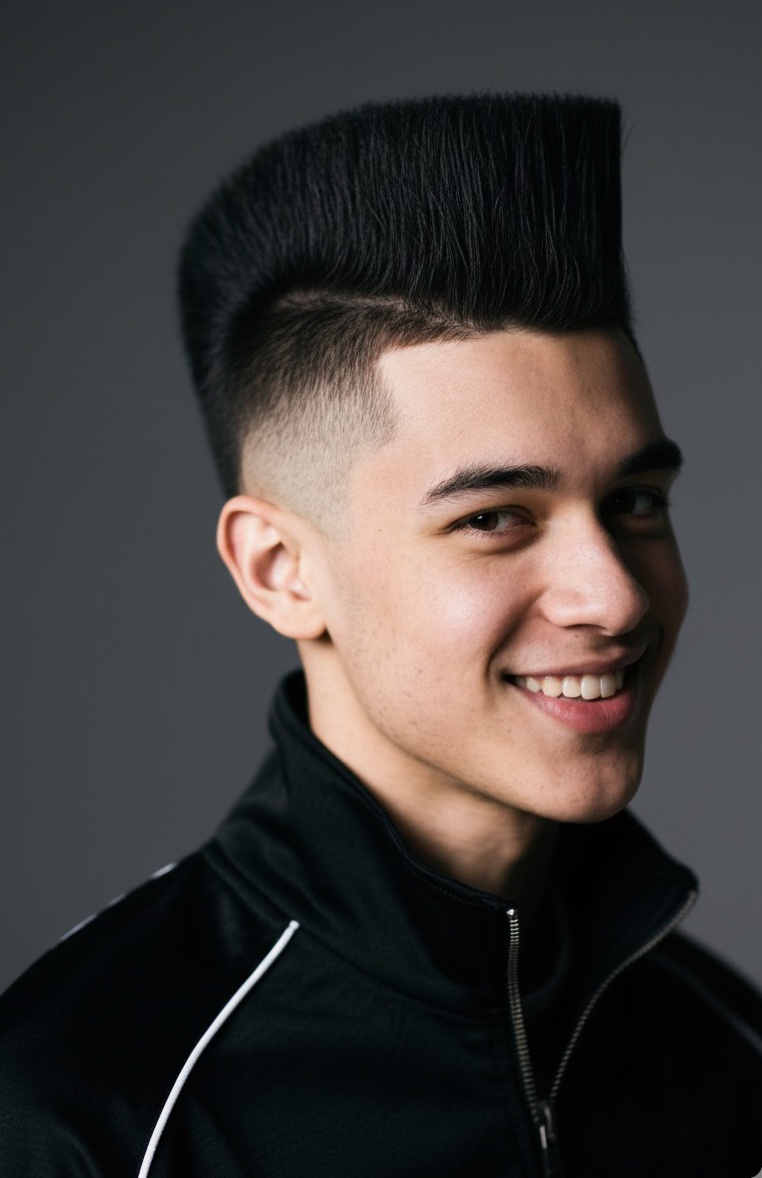


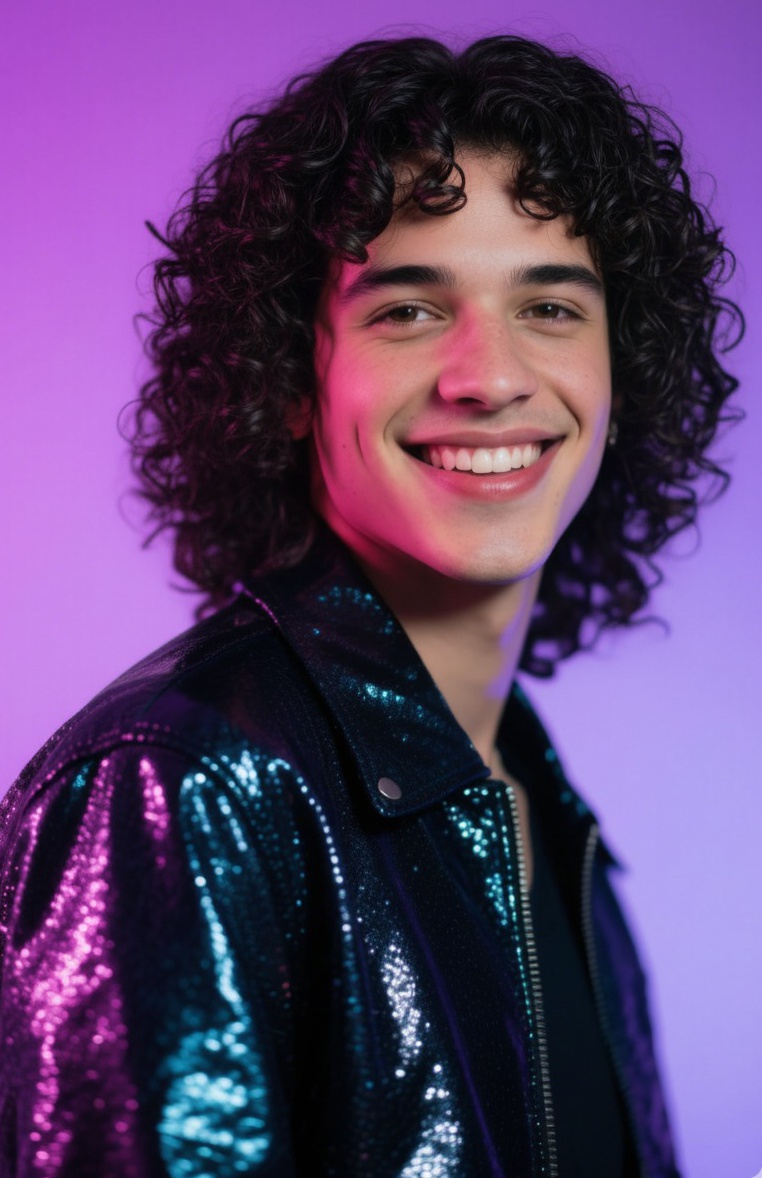
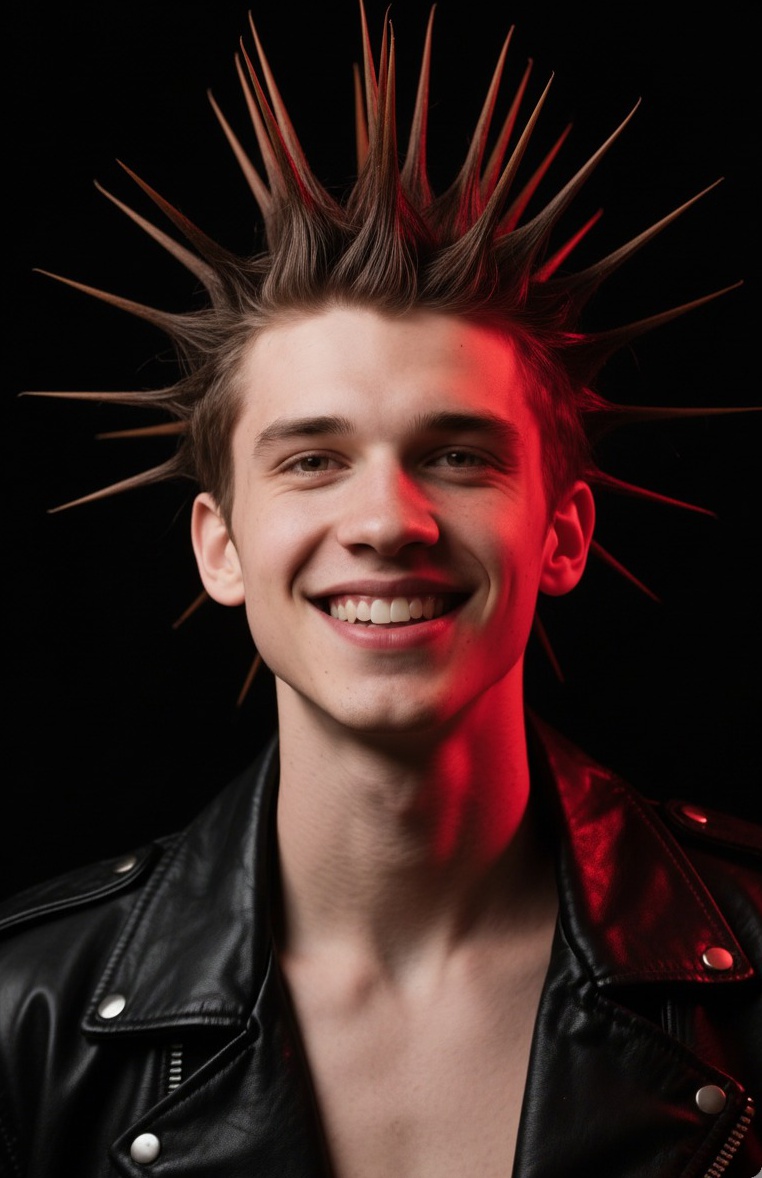

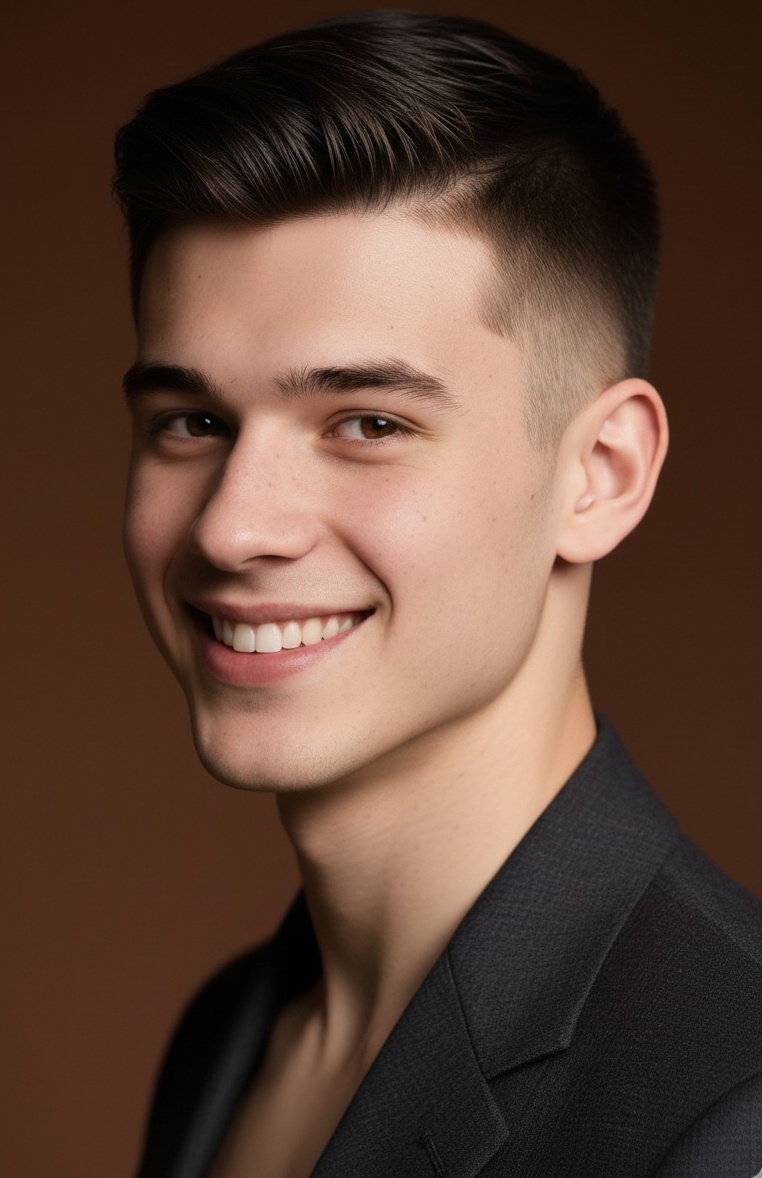




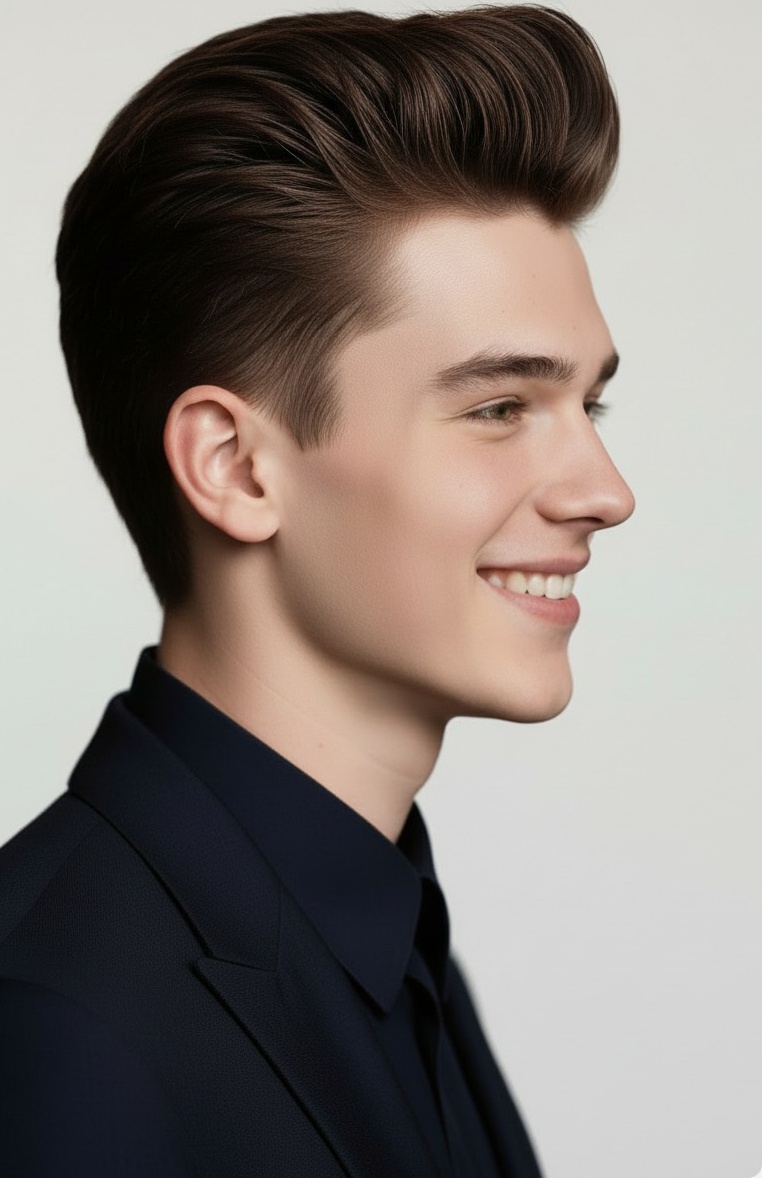
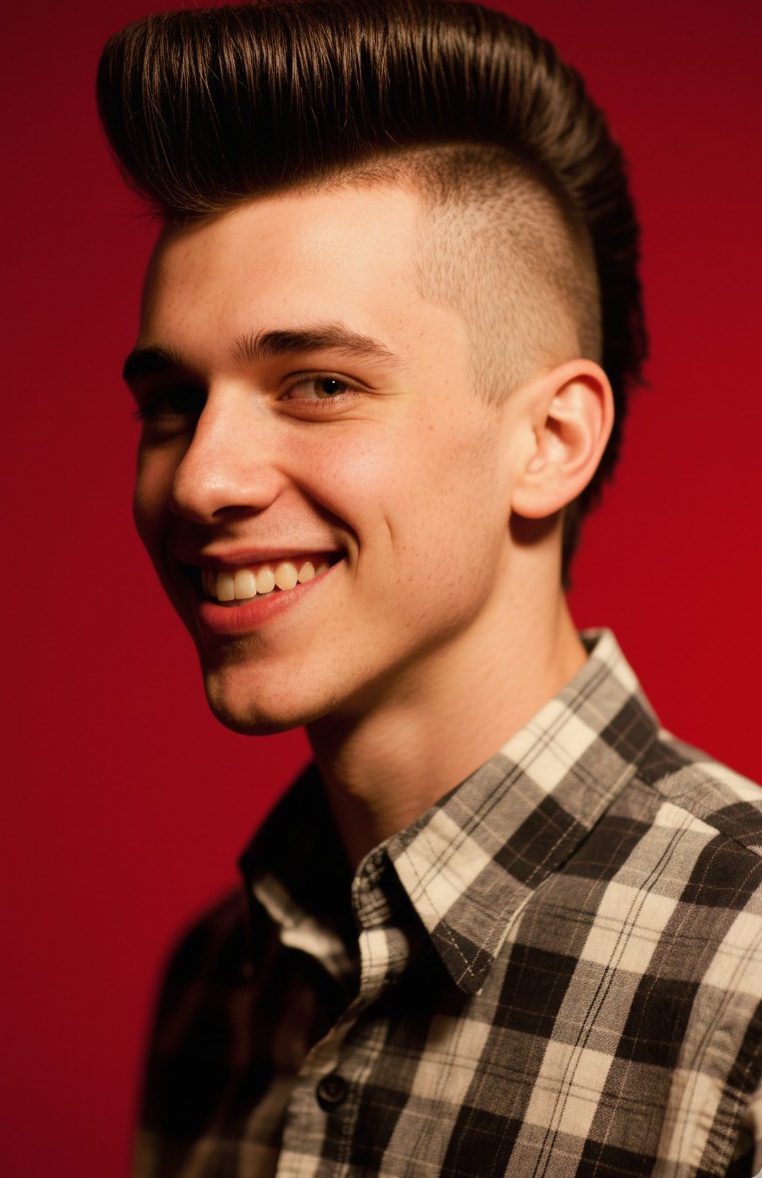

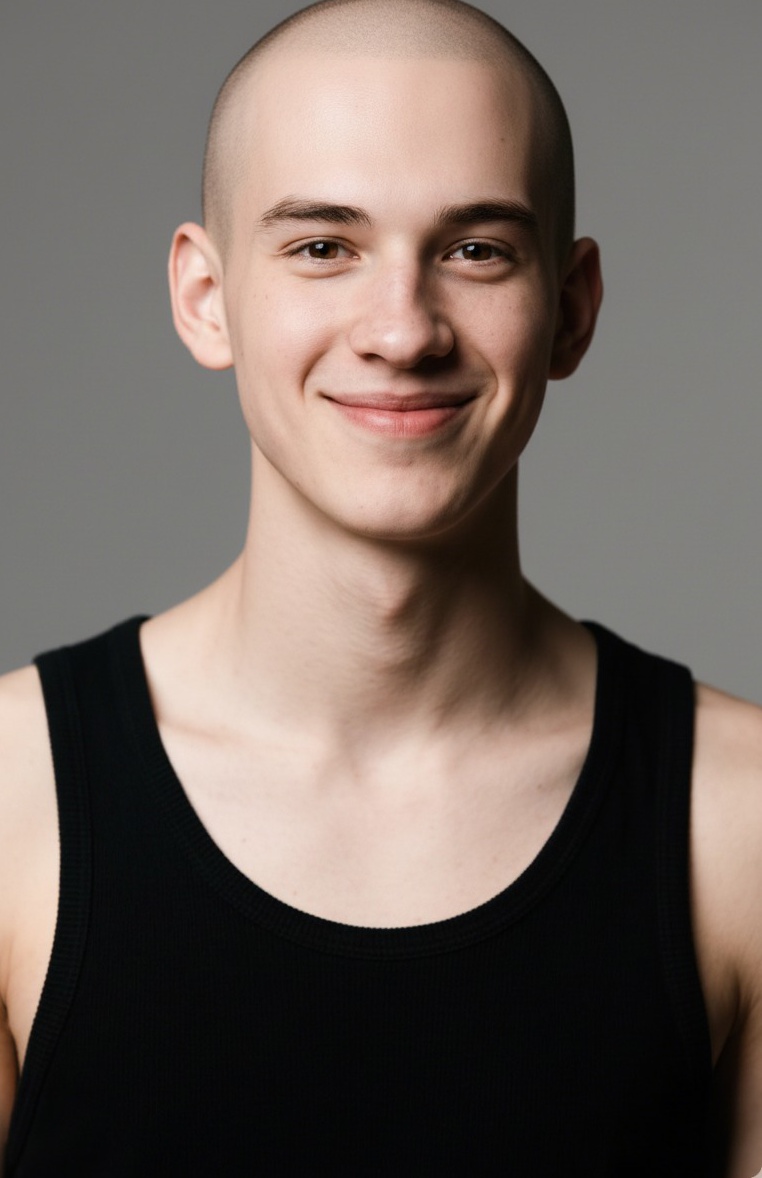


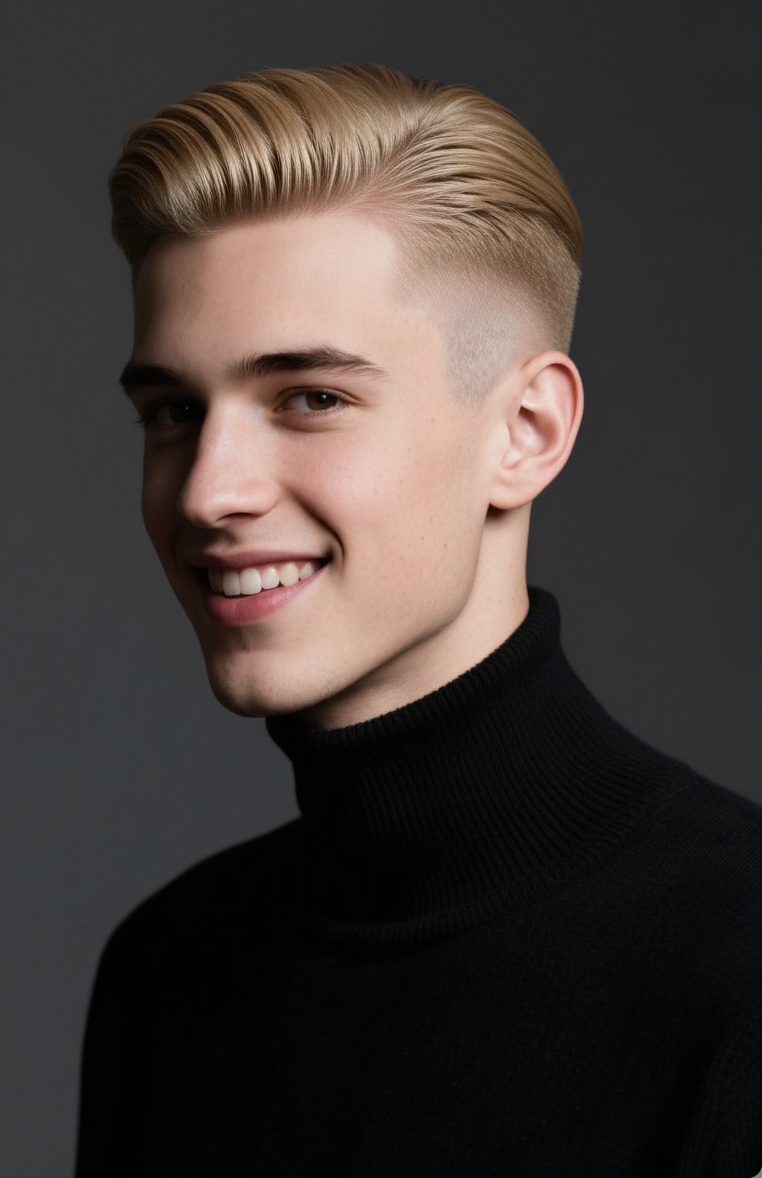




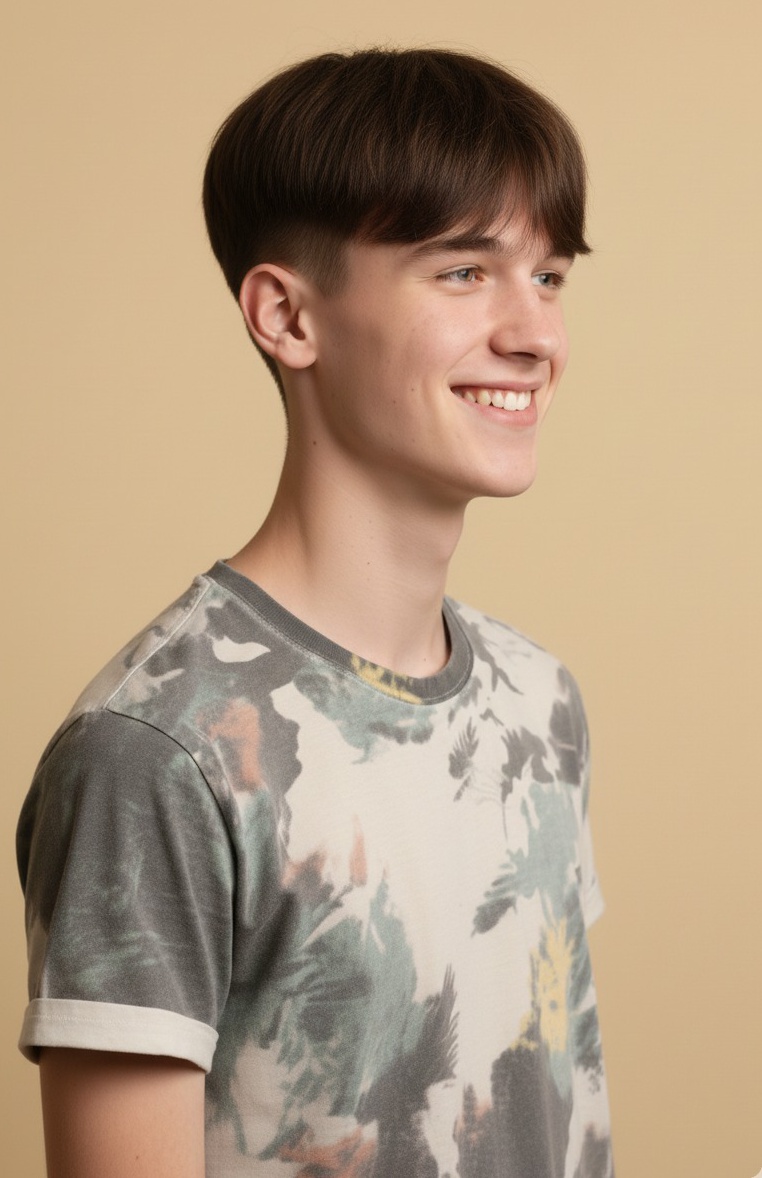
Choose your preferred style, then upload and process your photo on the left
The wavy shag haircut blends the relaxed edge of the 1970s with today"s textured, low-maintenance styling. It works with natural wave patterns, adds movement, and looks intentional without feeling over-styled. Use this guide to understand the cut, see how it fits your hair and face shape, and preview the look with BlondeFilter"s AI hairstyle try-on before you book a trim.
Gallery references:


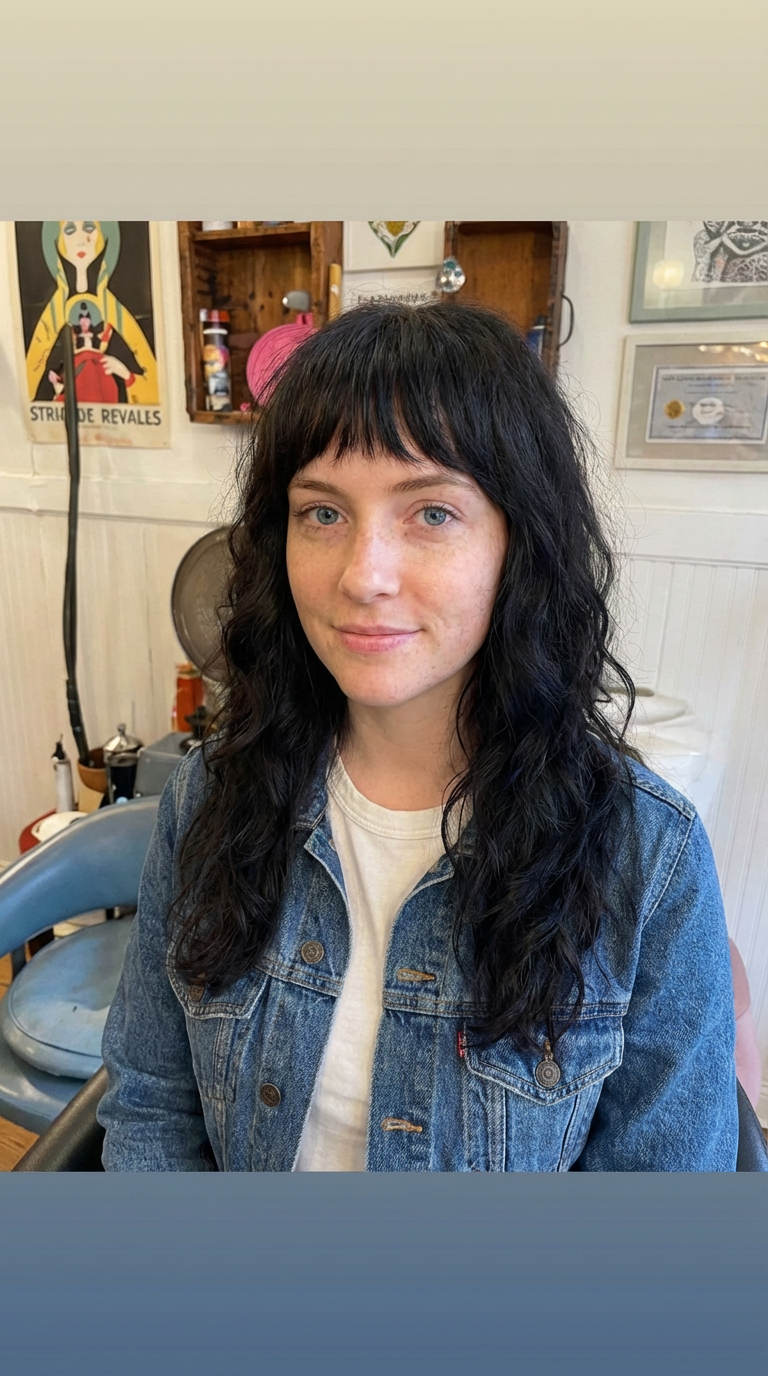

What Is a Wavy Shag Haircut?
A wavy shag is a layered cut built for movement and texture. Shorter, choppier layers are concentrated at the crown for lift, then lengthen around the sides and back to frame the face. The goal is to emphasize natural wave patterns rather than fight them. Compared with a polished layered cut, a wavy shag is more visibly textured and intentionally tousled.
The modern version nods to 70s glam rock icons like David Bowie and Mick Jagger, but feels sharper and more versatile for 2025. Strategic layering removes weight where needed while keeping structure so waves can expand and move. Before you commit, use BlondeFilter"s AI hairstyle try-on to see the layering density and fringe length on your own face; it is the fastest way to align with your stylist.
[CTA_VIRTUAL_TRYON_1]
Wavy Shag vs. Layered Hair: Key Differences
A traditional layered cut distributes softer, longer layers for dimension and face-framing. A wavy shag uses denser, shorter layers near the crown and sides to create a bold, choppy outline. Layers blend gently; shags spotlight texture. Knowing this distinction helps you and your stylist target the right shape and avoid an overly subtle result when you want a pronounced shag.
Layered cuts are often designed to polish and smooth; shags are engineered to move and separate. If you simply ask for layers, you may end up with a refined shape that lacks the signature lift and definition. Asking for a wavy shag signals that you want visible texture and a lived-in finish.
Why Men Are Choosing the Wavy Shag in 2025
- Low-maintenance styling: waves do most of the work, often with just sea salt spray or light mousse.
- Adaptable to multiple hair types and face shapes with small tweaks to length and density.
- Trend-forward yet wearable, boosted by celebrity influence without relying on heavy product or hard parts.
- A creative statement that reads confident but not extreme.
This style also matches the current shift away from heavily sculpted fades toward shapes that feel effortless. It lets you keep length, experiment with movement, and still look intentional in professional settings when blow-dried smooth. There is also a psychological appeal: visible texture signals ease and creativity without looking messy, so you can lean into a more relaxed vibe while keeping polish. Celebrity examples normalize the look, and the shag avoids the dated, overly gelled finishes that can make a cut feel rigid.
Is the Wavy Shag Right for You?
Hair Type Compatibility
- Wavy or curly hair: the easiest match; the cut channels existing texture so styling can be as light as air-drying with sea salt spray.
- Straight hair: workable with more styling effort—round-brush blow-dry plus texturizing product to build waves. Using a volumizing mousse at the roots gives the crown the lift a shag needs.
- Fine hair: ask for controlled layer density to avoid a wispy look; keep some weight through the lengths and focus the choppiness up top instead of everywhere.
- Thick hair: ideal for bulk removal while keeping shape; layering lightens without losing structure and prevents heavy waves from collapsing.
Face Shape Considerations
- Oval or square: the movement and face-framing layers naturally balance proportions and soften angles.
- Heart: add width through mid-length layers to offset a narrower jaw; keep fringe soft to avoid exaggerating forehead width.
- Round: keep layers longer to elongate the face and avoid stacking extra height at the crown; emphasize vertical flow instead of horizontal fullness.
Lifestyle matters too. If you want a style that air-dries well after the gym, the shag is built for that. If you prefer precise, slick looks every day, a shag will feel too loose. Match the cut to how much styling effort you realistically want to give it. Bring photos that match your hair density and face shape so your stylist can replicate the exact balance of volume, fringe length, and separation you expect.
[CTA_VIRTUAL_TRYON_2]
Wavy Shag Variations to Explore
- Short wavy shag with volume: dense layers near the crown for lift; great if you prefer frequent trims and less length.
- Medium wavy shag: around ear to neck length, offering flow and easy management; can style tousled or smooth depending on the day.
- Long wavy shag with flow: reaches the shoulders, delivering dramatic movement and a rock-inspired feel.
- Wavy shag with curtain bangs or wolf cut influence: longer front pieces or an edgier crown for added dimension.
Use the gallery paths above to align with the look you want, then match that reference with your stylist. Showing a photo that matches your face shape and hair density removes guesswork.
How to Style a Wavy Shag: Step-by-Step
- Wash and condition with volumizing formulas suited to your hair type; gently squeeze out water instead of rough towel-drying.
- Apply product on damp hair: sea salt spray for natural waves; volumizing mousse if hair is straighter or needs lift. Work from mid-lengths to ends and sparingly at the roots.
- Blow-dry with intention using a medium round brush—lift at the crown, curve the sides to frame the face, then direct airflow downward to seal cuticles and reduce frizz.
- Finger-shape and lightly scrunch to define sections; touch up bangs or front pieces with a small curling iron if desired, but keep the finish flexible.
- Finish with a light texturizing or flexible-hold spray so the shag moves instead of feeling stiff. Skip heavy hold products that can collapse layers.
Air-drying with sea salt spray works for many wavy hair types; adjust based on how much polish you want. Straight hair may need more heat styling to build the wave, while naturally wavy hair can skip tools most days.
Maintenance & Care: Keeping Your Wavy Shag Fresh
- Trim every 6–8 weeks to preserve the shape; letting layers overgrow blurs the silhouette and makes styling harder.
- Wash 2–3 times per week with lukewarm or cool water to reduce frizz; deep-condition weekly to maintain hydration and reduce breakage.
- Avoid heavy product buildup that can make layers stringy; use a wide-tooth comb on damp hair instead of brushing dry to protect the wave pattern.
- Protect from heat with a spray if you blow-dry or curl; medium heat is enough for this texture-focused cut. Overheating flattens the shape and dries out ends.
Regular upkeep pays off. The shag depends on deliberate weight distribution, and skipping trims lets the bottom length overwhelm the crown. Consistent care keeps the lift and movement you see in the first few weeks after a cut. If you find styling gets harder, it"s usually a sign your layers have overgrown and you need a quick maintenance trim.
Best Products for Styling Your Wavy Shag
- Sea salt spray: enhances natural waves with light hold.
- Volumizing mousse: boosts lift at the roots, especially on straight or fine hair.
- Texturizing spray: adds grip and definition as a finishing layer without stiffness.
- Matte clay or paste: for deliberate, sculpted texture without shine when you want a more defined finish.
- Lightweight leave-in conditioner: keeps mid-lengths and ends hydrated so waves stay healthy.
- Anti-frizz serum: tames flyaways on damp hair before drying, especially useful in humid climates.
Try lighter formulas first; the shag looks best when product is invisible but effective. You can add more hold later, but removing heaviness is harder.
[CTA_VIRTUAL_TRYON_3]
Try Your Wavy Shag Before You Cut: BlondeFilter AI Try-On
Uncertainty is the biggest barrier to changing your hair. BlondeFilter"s AI hairstyle try-on lets you upload a photo and see yourself with different wavy shag lengths, bang shapes, and texture levels before committing. You can preview a medium version with softer bangs one minute and a longer, higher-volume version the next. Bring the preview to your stylist to show exactly how much layering and movement you want, and to agree on maintenance needs before the first snip.
[CTA_VIRTUAL_TRYON_4]
Frequently Asked Questions
What is a shag haircut? A shag is a layered style with shorter, choppy layers at the crown that flow into longer layers on the sides and back, creating movement and texture. It gained fame in the 1970s and is resurging with modern refinement.
What is the difference between layers and shags? Layers add soft dimension and framing, usually blending smoothly. A shag uses denser, choppier layers for pronounced texture and visible separation, especially near the crown.
What is a wavy hair cut? Any cut tailored to enhance natural wave patterns. The wavy shag is one example, using strategic layering to show off movement and flow.
What does having shaggy hair mean? It describes hair with relaxed, textured layers and visible separation—a lived-in, tousled look rather than a polished finish.
Ready to experiment? Use the AI preview to see your wavy shag, then head to your stylist with confidence.