
Undercut Hairstyle for Men | BlondeFilter AI Try-On
Discover the undercut hairstyle for men. Variations, face shape tips, maintenance, and try undercut online with BlondeFilter's AI preview.


Click or drag photos here to upload
Supports JPG, PNG formats, max 5MB, JPEG format recommended


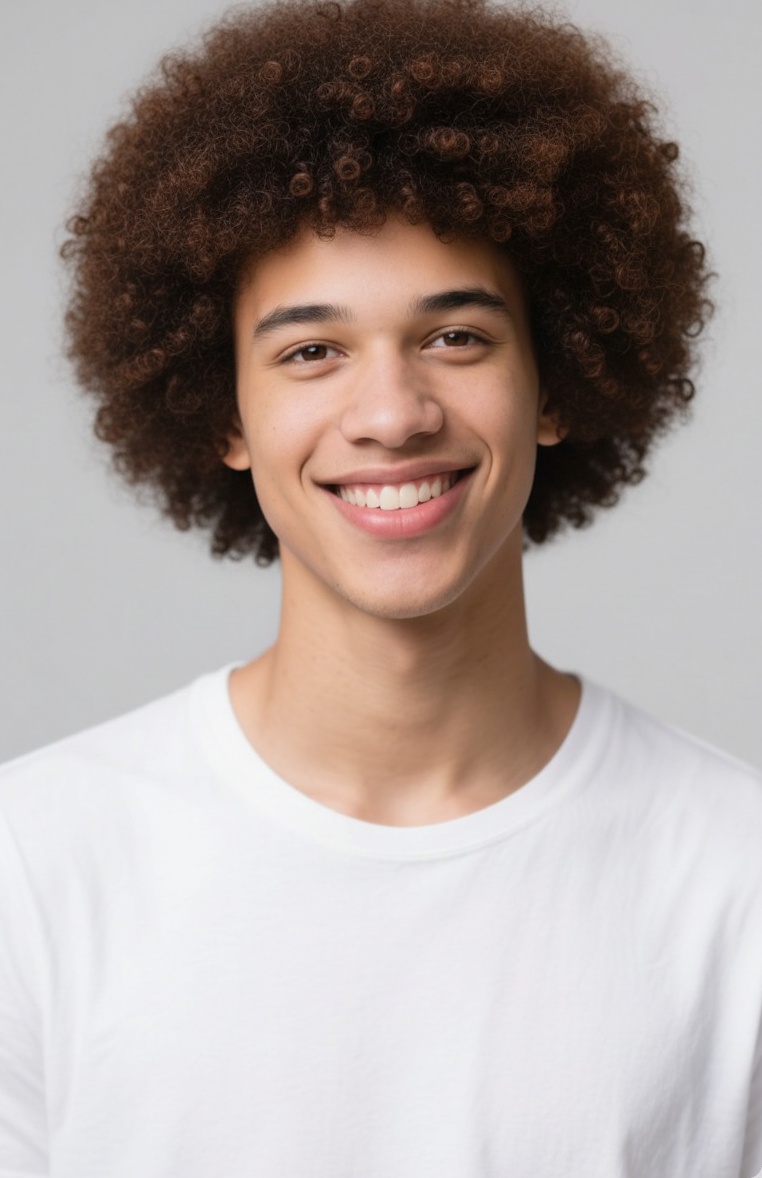


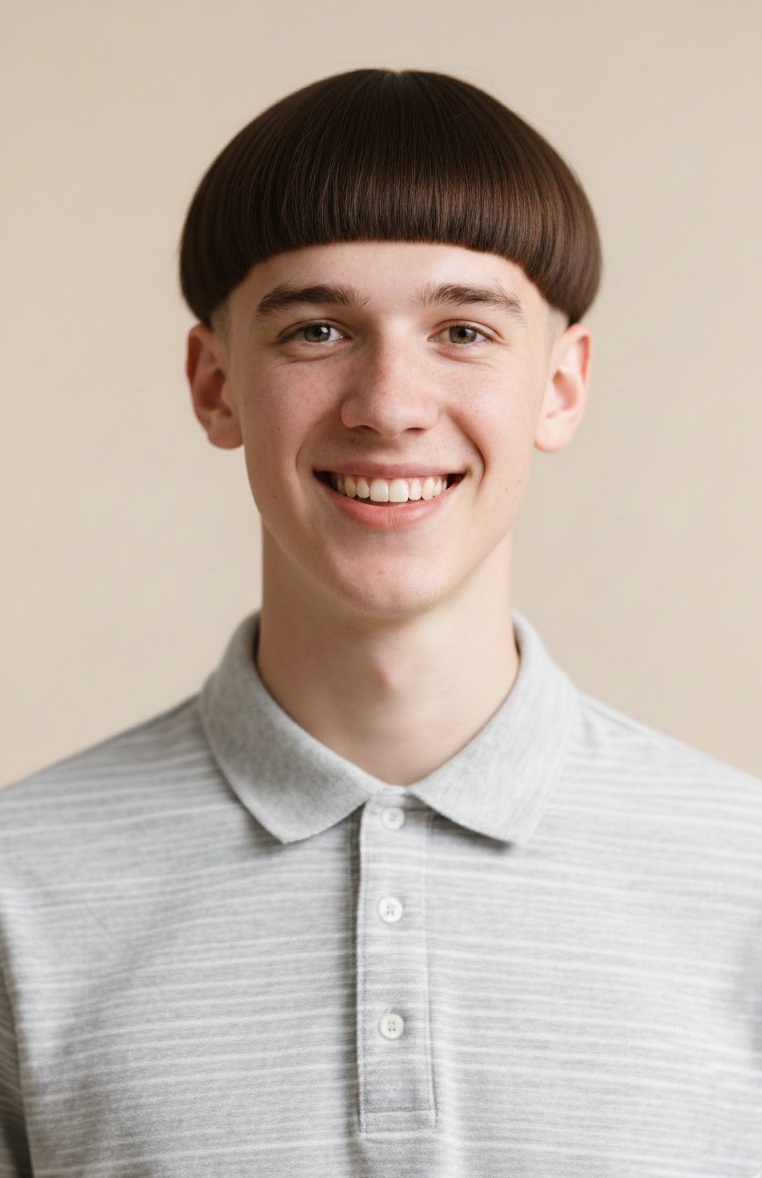
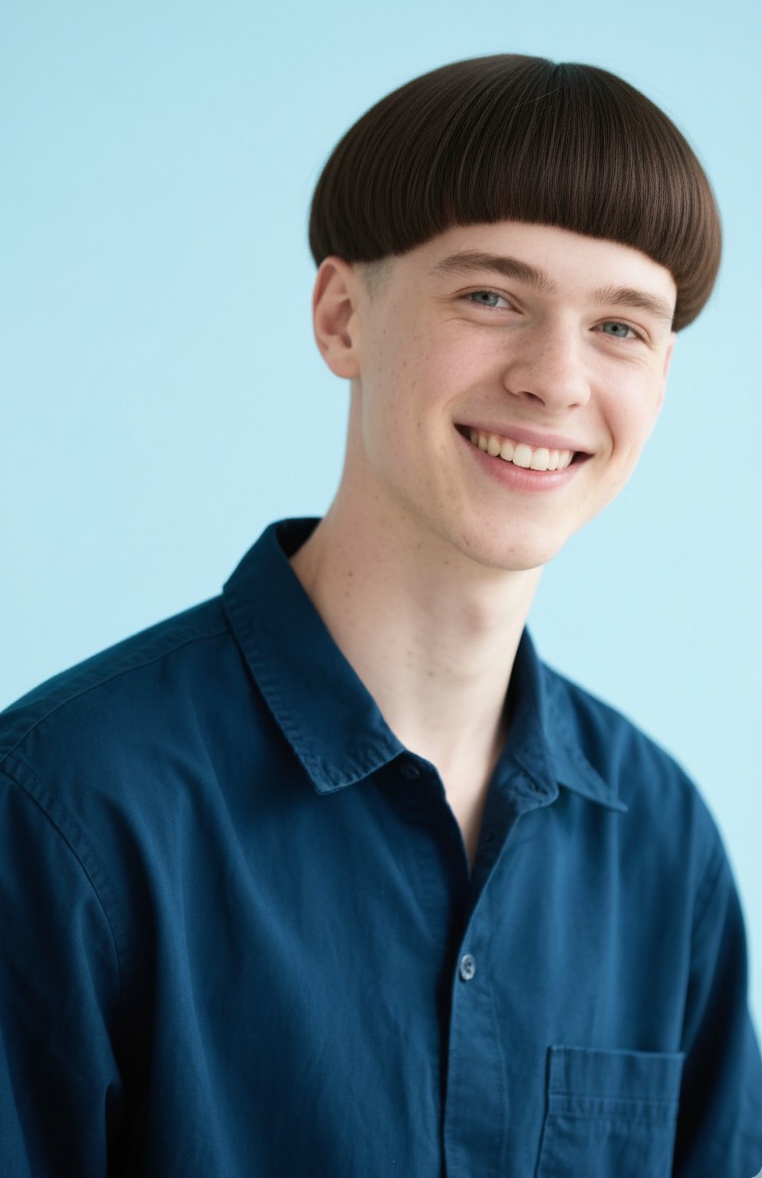
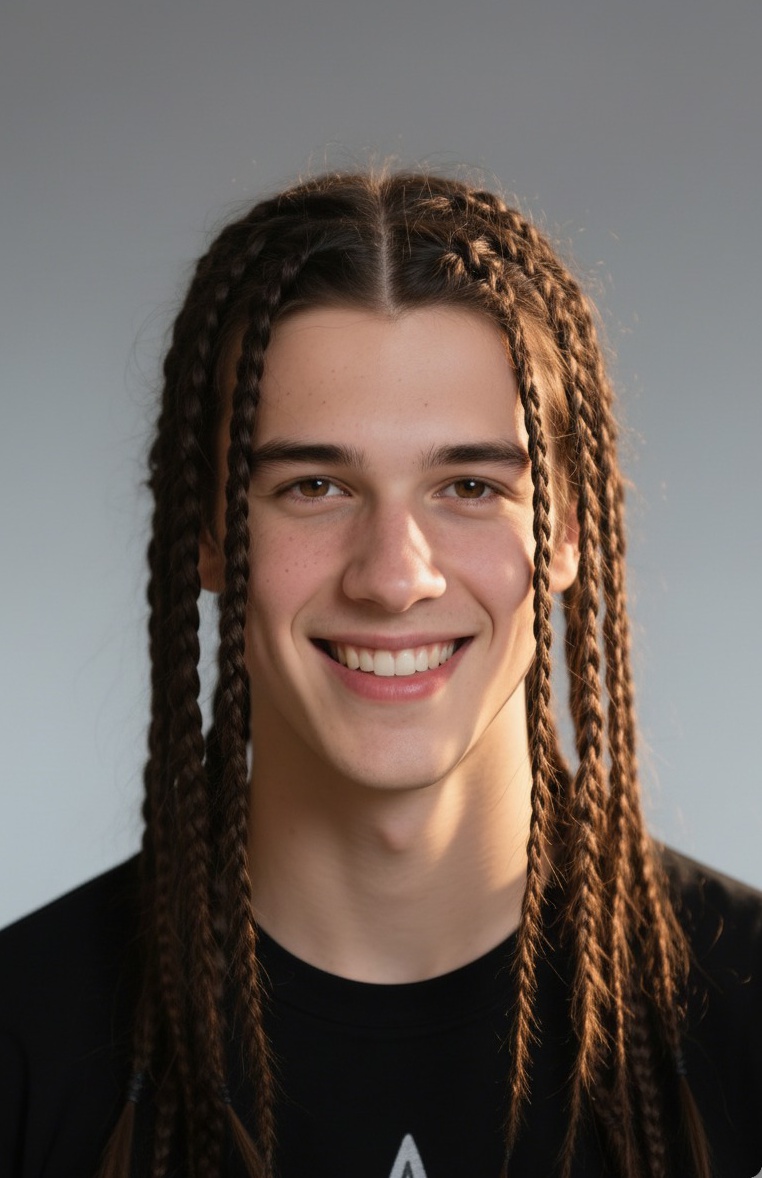





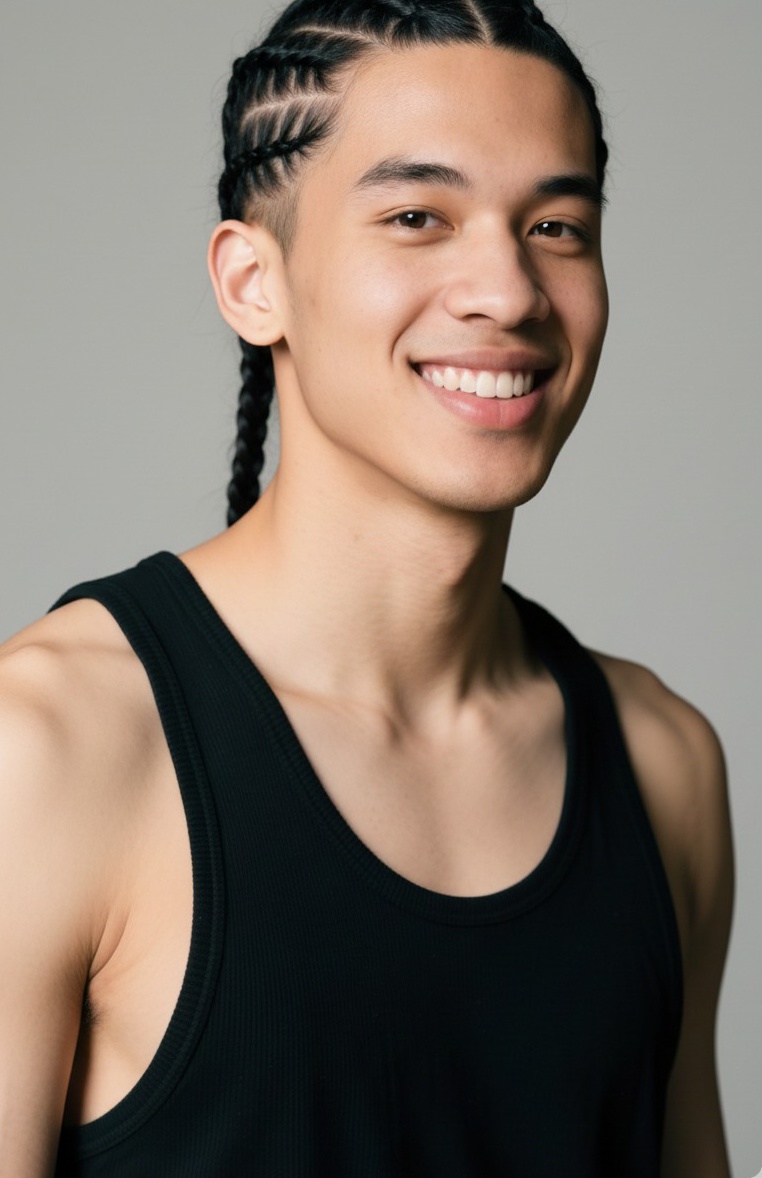



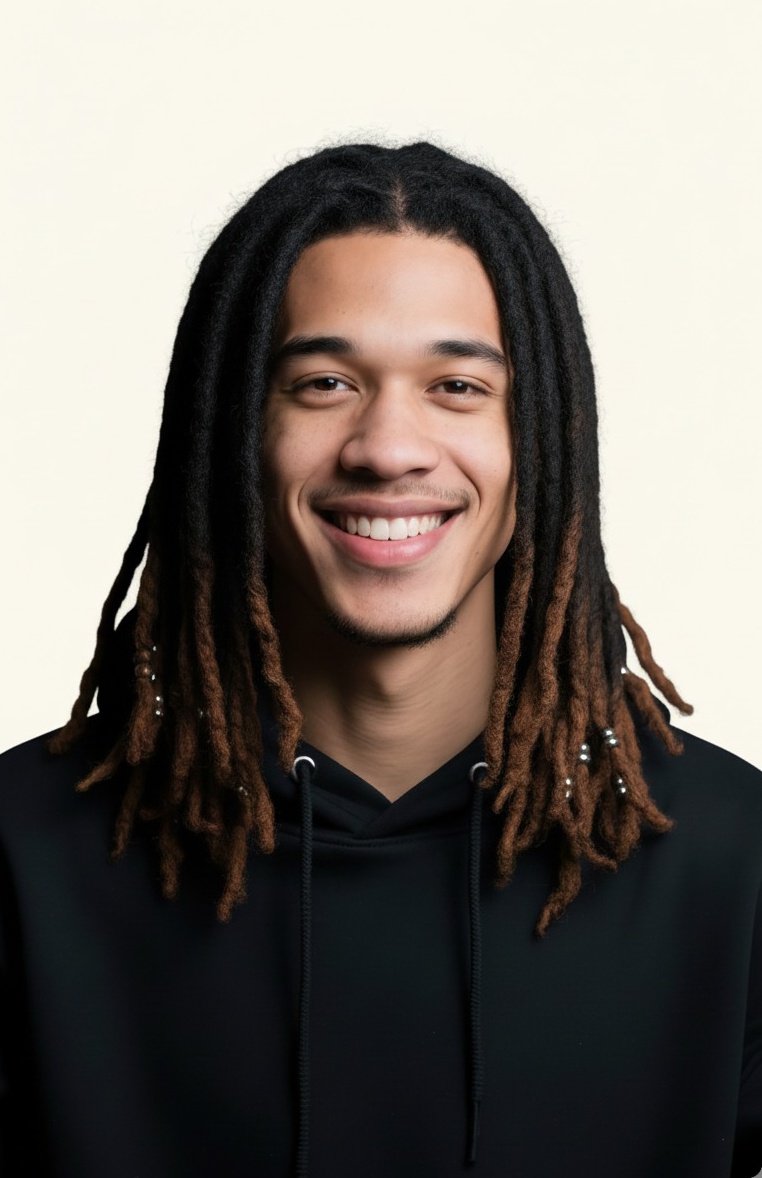






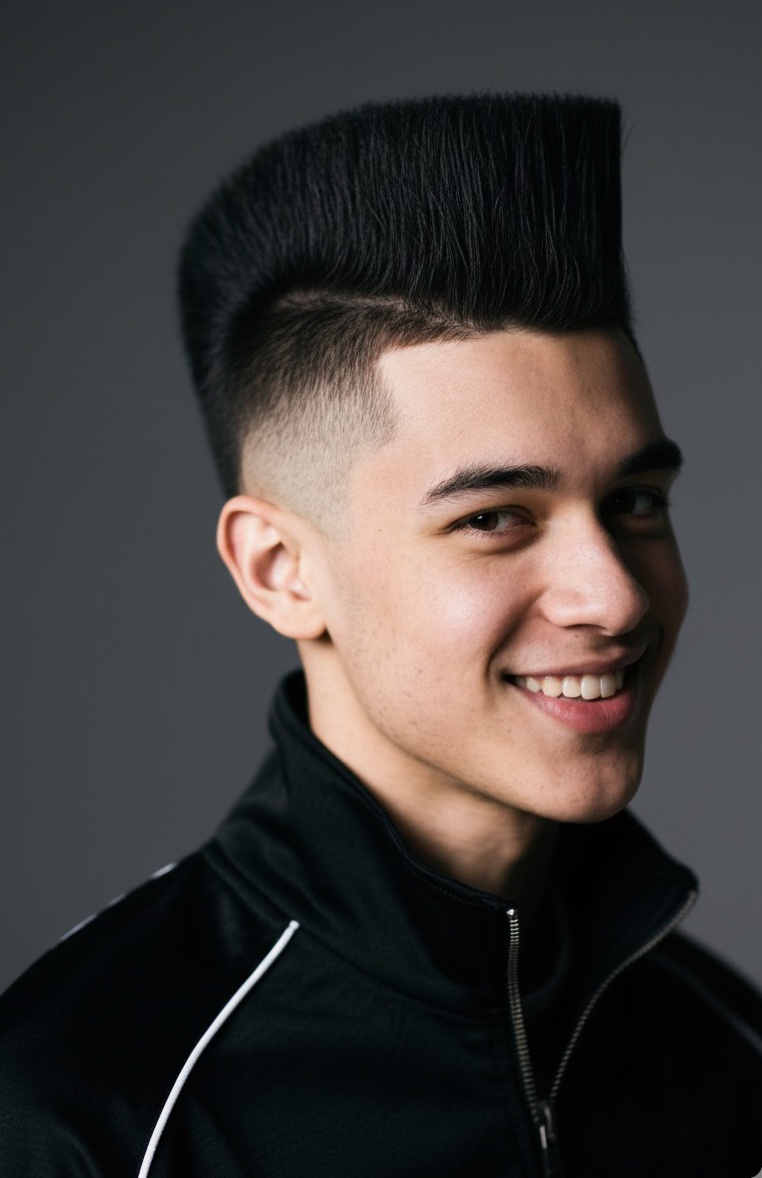


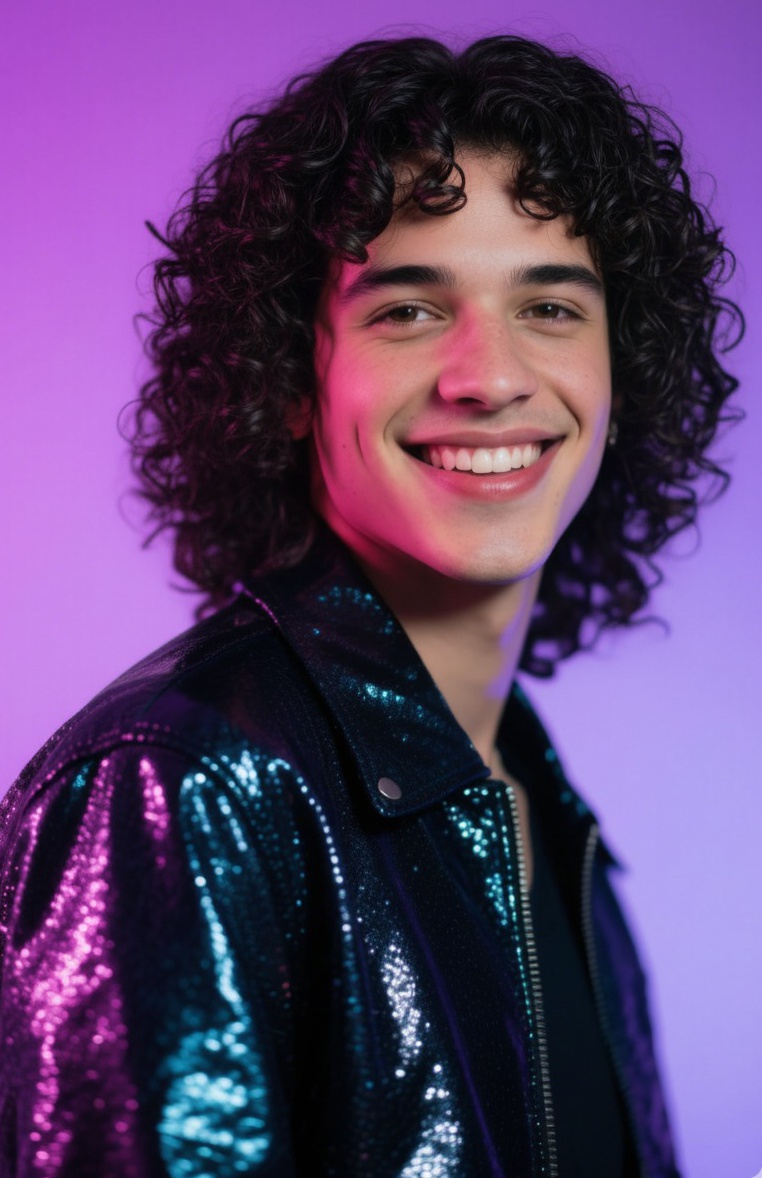


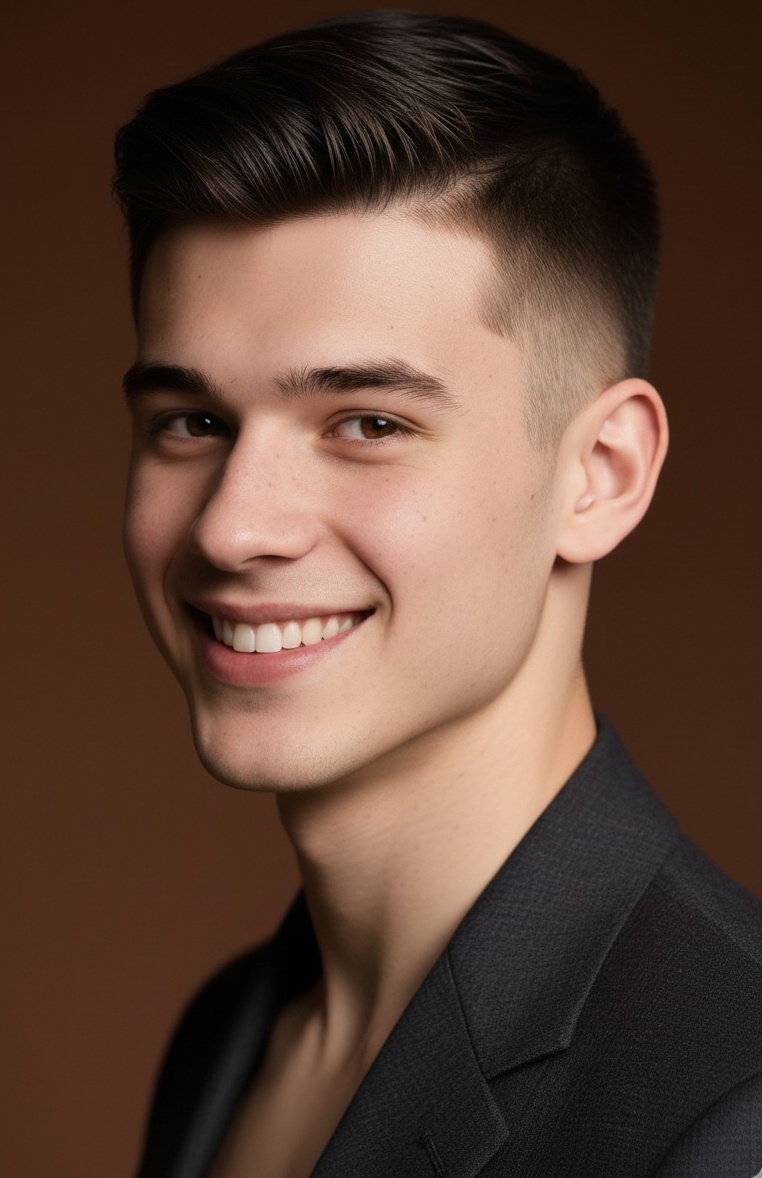




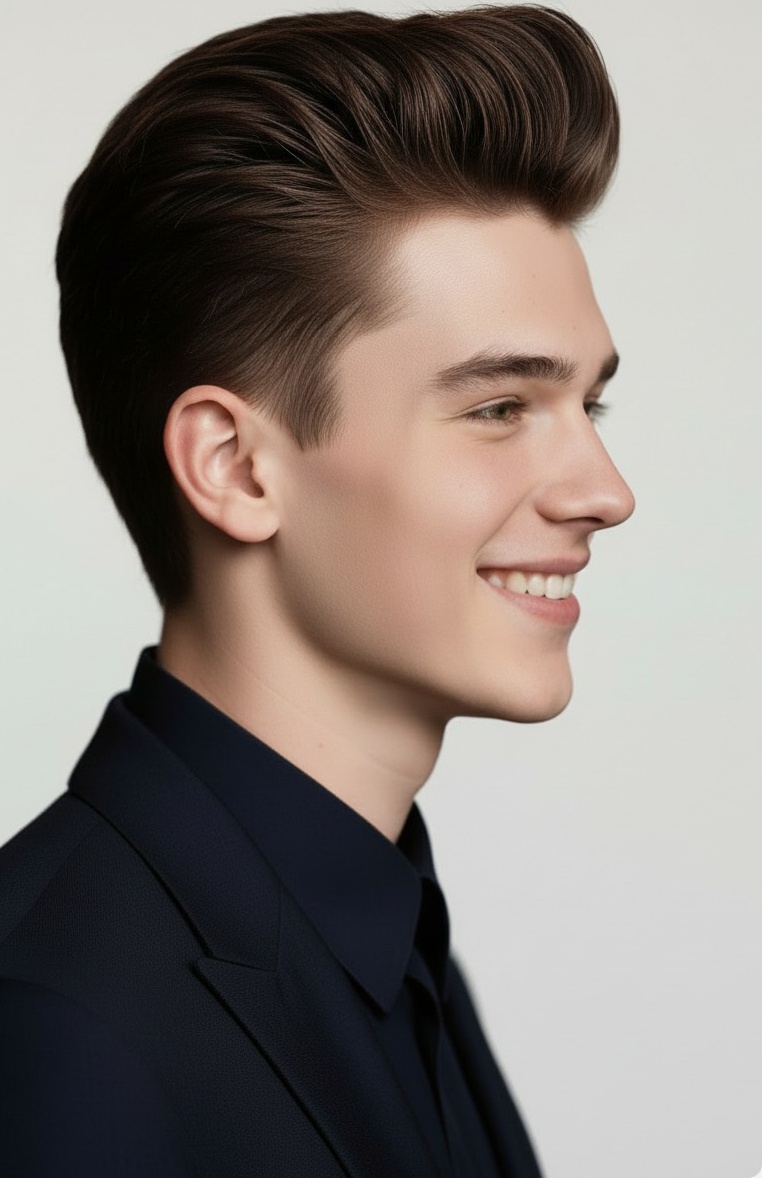


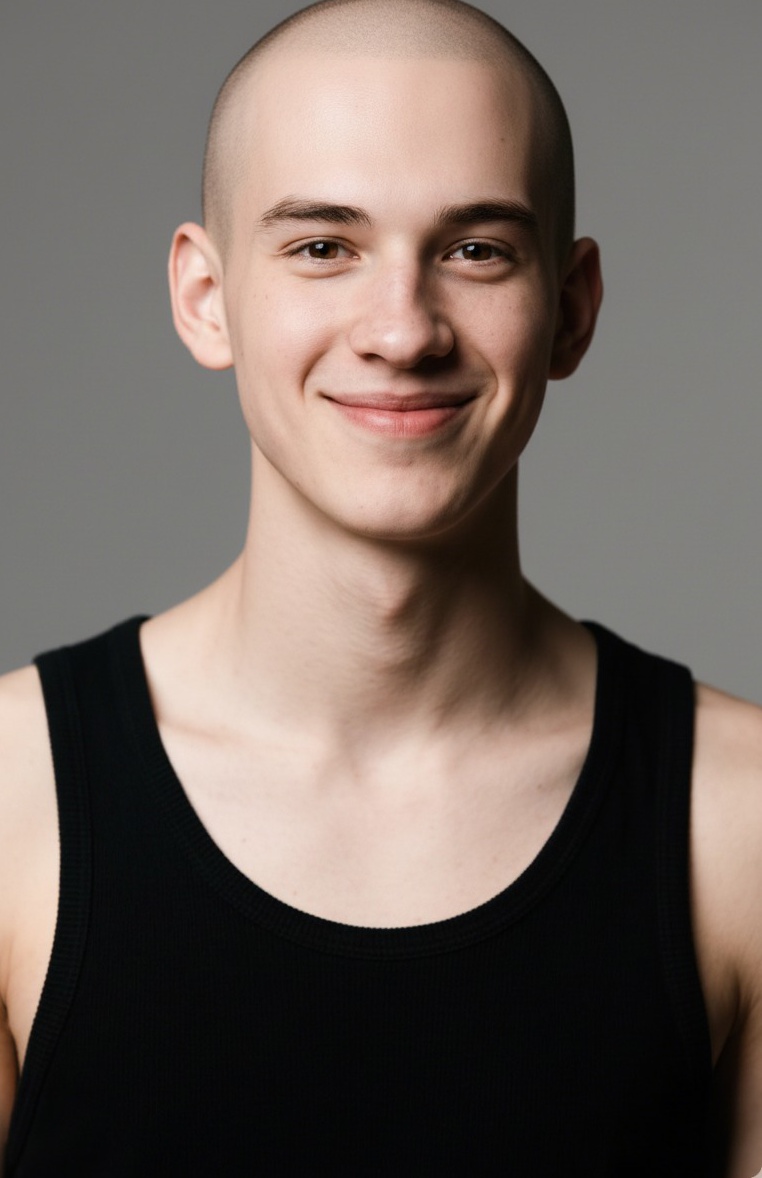


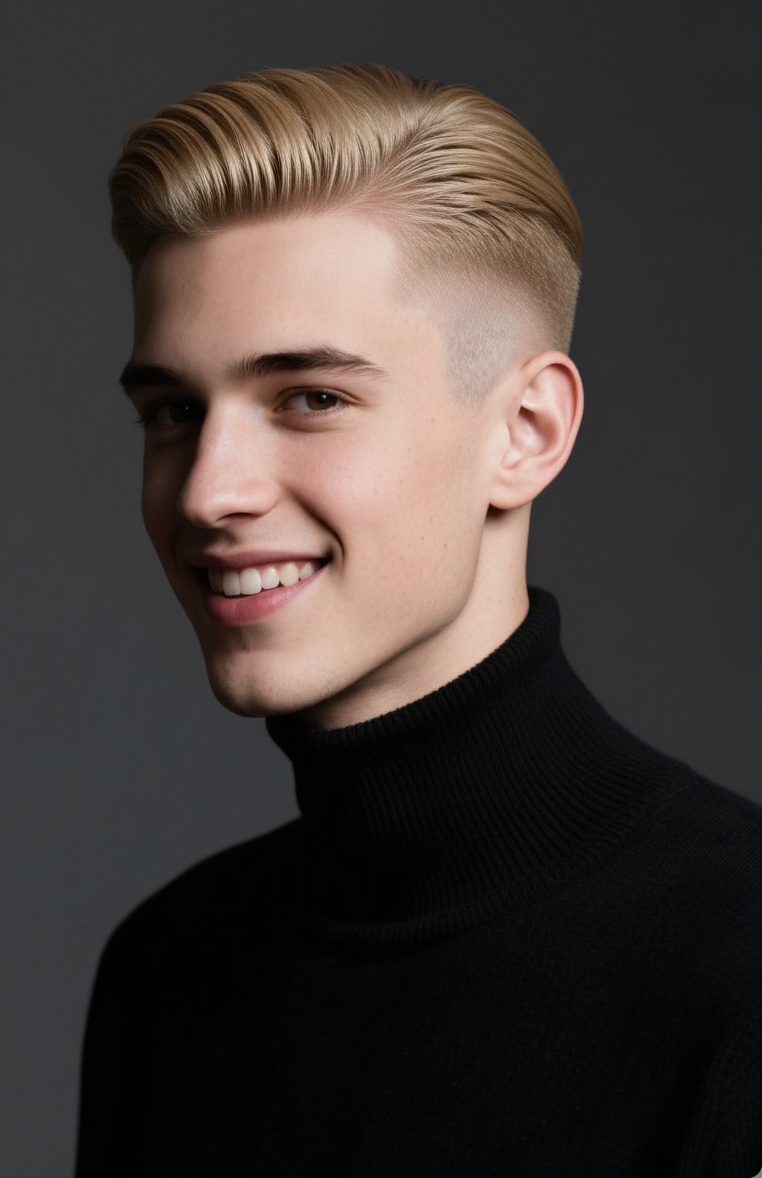





Choose your preferred style, then upload and process your photo on the left
The undercut has evolved from working-class practicality to a defining men’s cut of the 21st century. Its bold contrast between a longer top and clipped sides is recognizable and adaptable. This guide covers what makes an undercut distinct, how it differs from a fade, which variations fit your face shape, how to style and maintain it, and how to preview the look with AI before booking.
Introduction to the Undercut: What Makes It the Ultimate Modern Haircut?
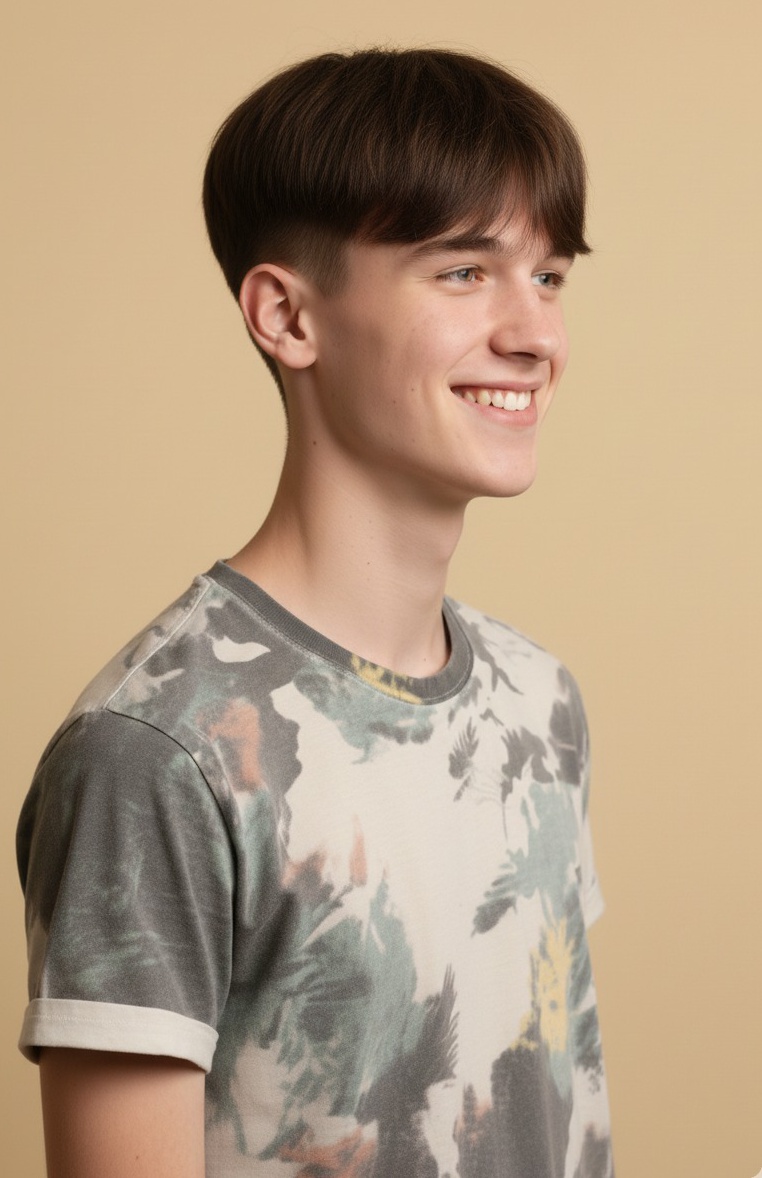
The undercut is defined by contrast: a longer top over buzzed, faded, or shaved sides that frame the face with a crisp line. It stays intentional as it grows out and can read polished, textured, or bold depending on how you finish the top. Because the sides are tight, the top becomes the canvas.
Want an early look before you commit? Use BlondeFilter’s virtual hairstyle try-on to see how an undercut frames your features in seconds.
What Is an Undercut? The Sharp Contrast That Never Goes Out of Style
An undercut keeps the sides and back uniformly short while the top stays distinctly longer. There is no gentle taper; the transition is abrupt, creating a bold line that defines the silhouette. This high-contrast shape resurged because it reads both clean and modern, and it often grows out more gracefully than a skin-tight fade.
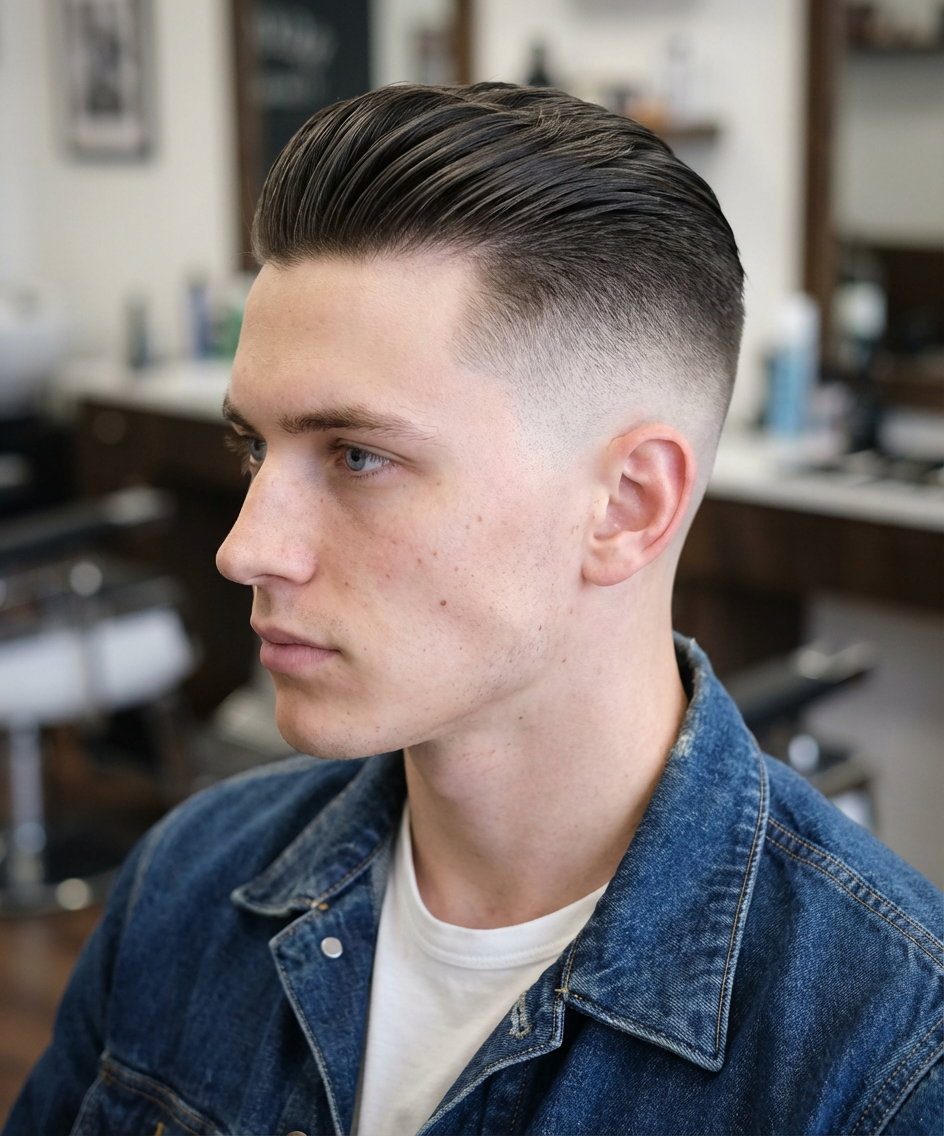 This cut works for most hair types. Thick or coarse hair gains structure, fine hair benefits from lift at the top, and wavy hair can be shaped into natural movement. Round and oval faces especially benefit from the vertical emphasis, and square, heart, and rectangular faces gain definition when the top is styled with intent.
Undercut vs. Fade: Understanding the Differences
The undercut is a disconnect: longer hair on top with sides cut evenly short, creating a sharp line where lengths meet. A fade is a gradient: the sides transition smoothly from longer to shorter with no hard edge.
- Visual impact: Undercut is bolder; fade is subtler and more corporate-neutral.
- Upkeep: Undercut needs more daily styling but can stretch 3 to 4 weeks between cuts. Fade needs fewer products but more frequent barber visits.
- Fit: Choose the undercut for edge and definition; pick a fade for polish and softer transitions.
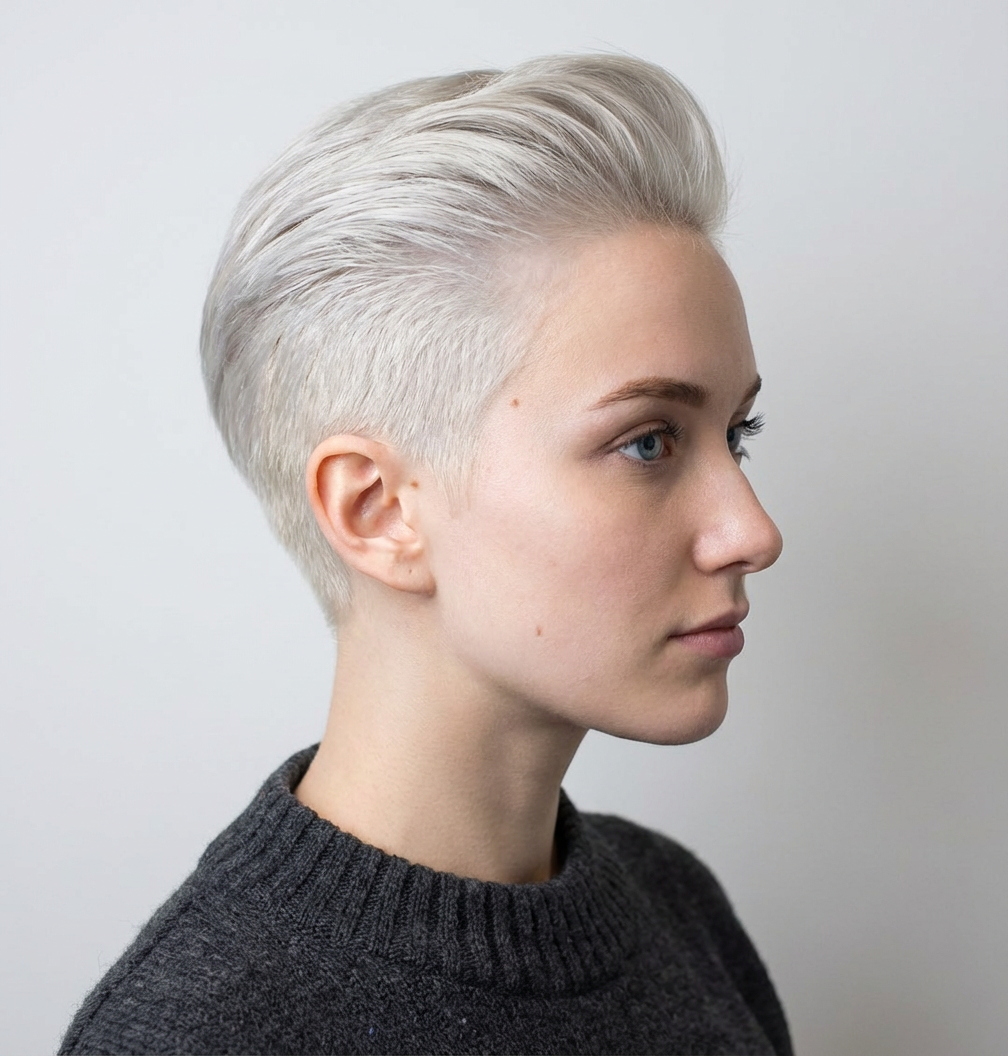 Still deciding? Compare both looks on your own photo with BlondeFilter’s virtual try-on. Visual proof removes guesswork when you explain your choice to your barber.
Is the Undercut Right for Your Face Shape?
The undercut’s vertical lift and sharp sides add structure to most faces, but the way you style the top makes the difference:
- Round faces: Add height and a slight side sweep to elongate proportions.
- Oval faces: Most variations work; choose by lifestyle.
- Square faces: Keep texture or a soft sweep to balance a strong jaw.
- Heart faces: Add mid-length volume to match a broader forehead.
- Rectangular faces: Favor textured volume over a flat slick-back.
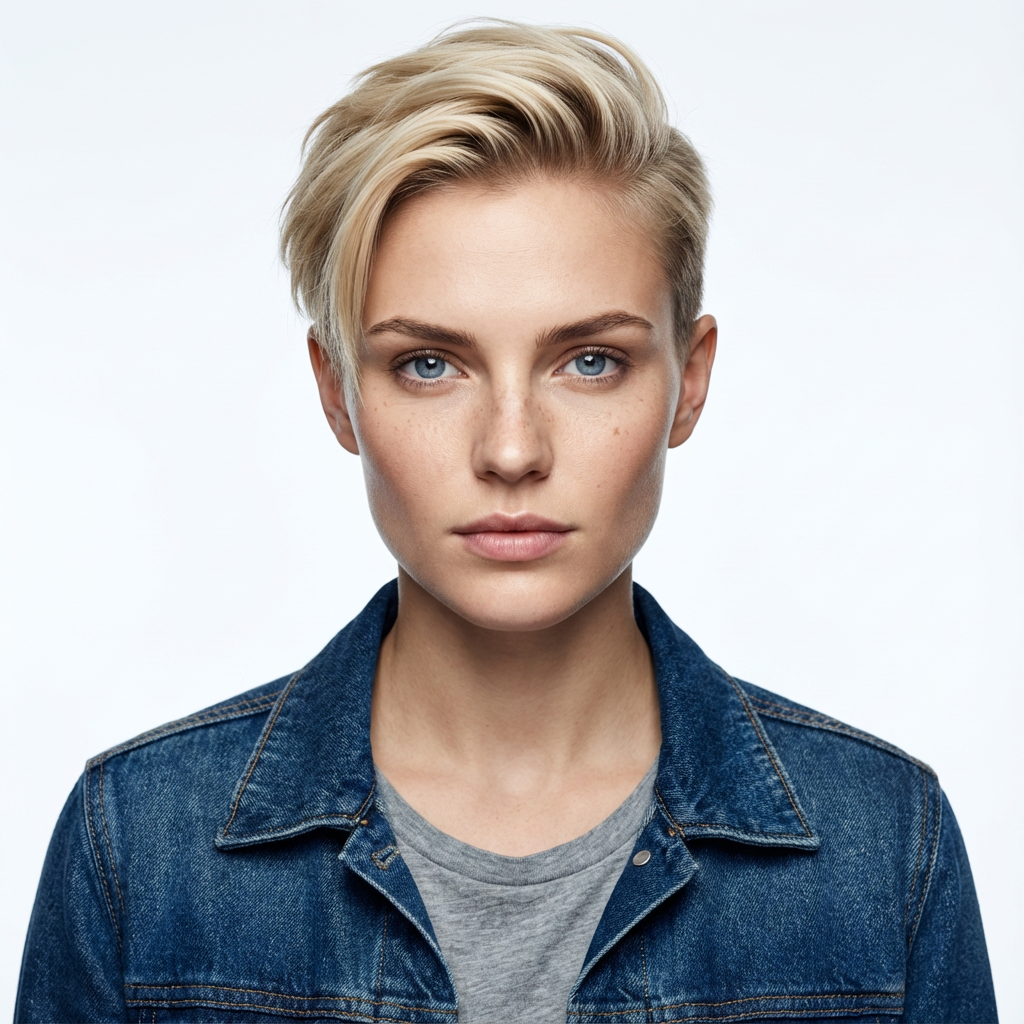 Hair type matters too. Thick or coarse hair benefits from pomade or clay to control volume. Fine hair responds well to sea salt spray, light creams, and blow-drying for lift without weight. The goal is to keep the top intentional so the disconnect looks deliberate.
Undercut Variations: Finding Your Perfect Style
Short undercut: Cropped top just longer than the sides; clean lines and low maintenance.
Long undercut: Fuller top to sweep back or over; biggest styling canvas, more product and blow-dry time.
Faded undercut: Hybrid that softens the disconnect with a light taper.
Pompadour undercut: Volume pushed back and up for classic power.
Disconnected undercut: Minimal blending for maximum contrast.
Slicked-back undercut: Clean, polished, and office-ready with controlled shine.
Textured crop undercut: Matte, piecey movement built with salt spray and clay.
Undercut with beard: Beard anchors the bold top and balances tight sides.
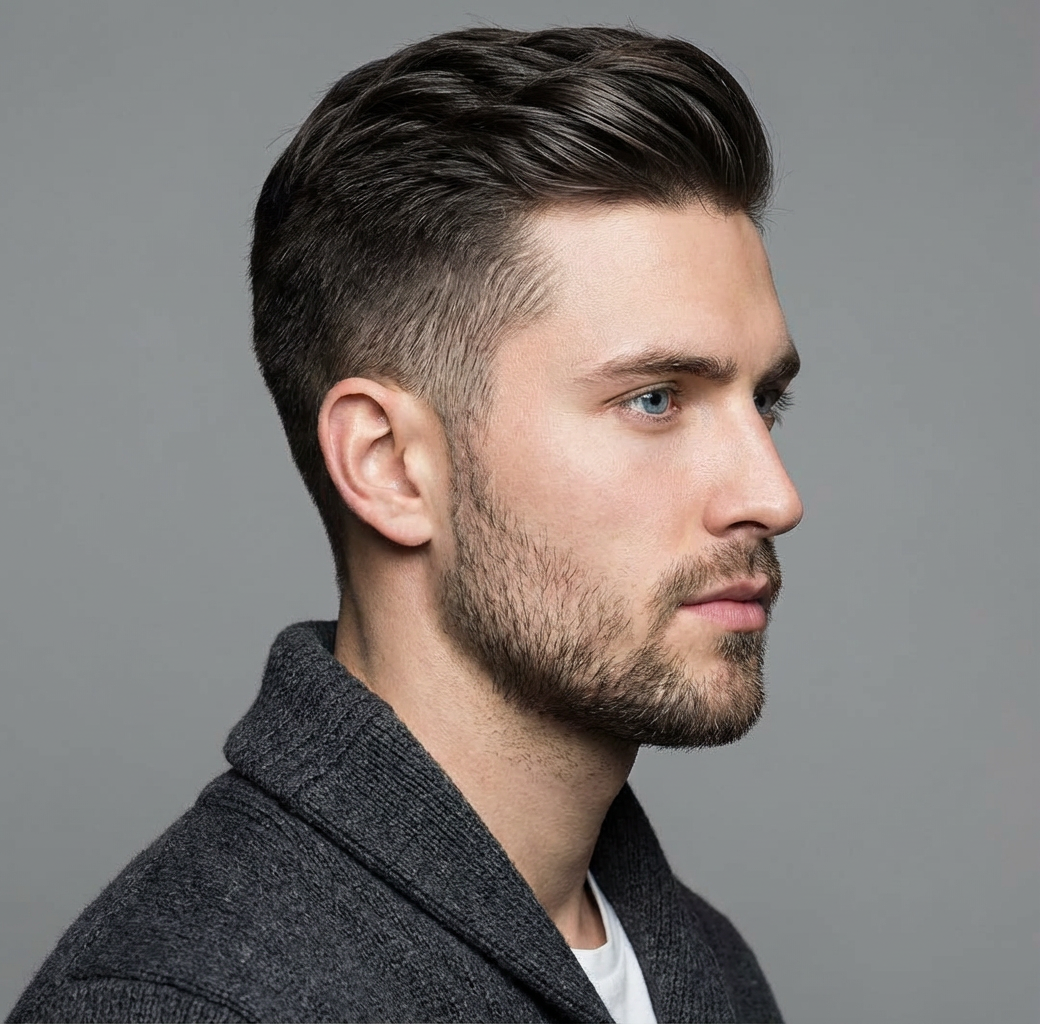 Man bun undercut: Long top tied back over close sides for a high-contrast profile.
Side-swept undercut: Volume to one side for movement without the rigidity of a straight slick-back.
Korean two-block undercut: Softer edges, textured top, and a slightly less severe disconnect inspired by K-style cuts.
Each variation changes how the contrast reads. Cycle through multiple versions in BlondeFilter’s virtual try-on before booking.
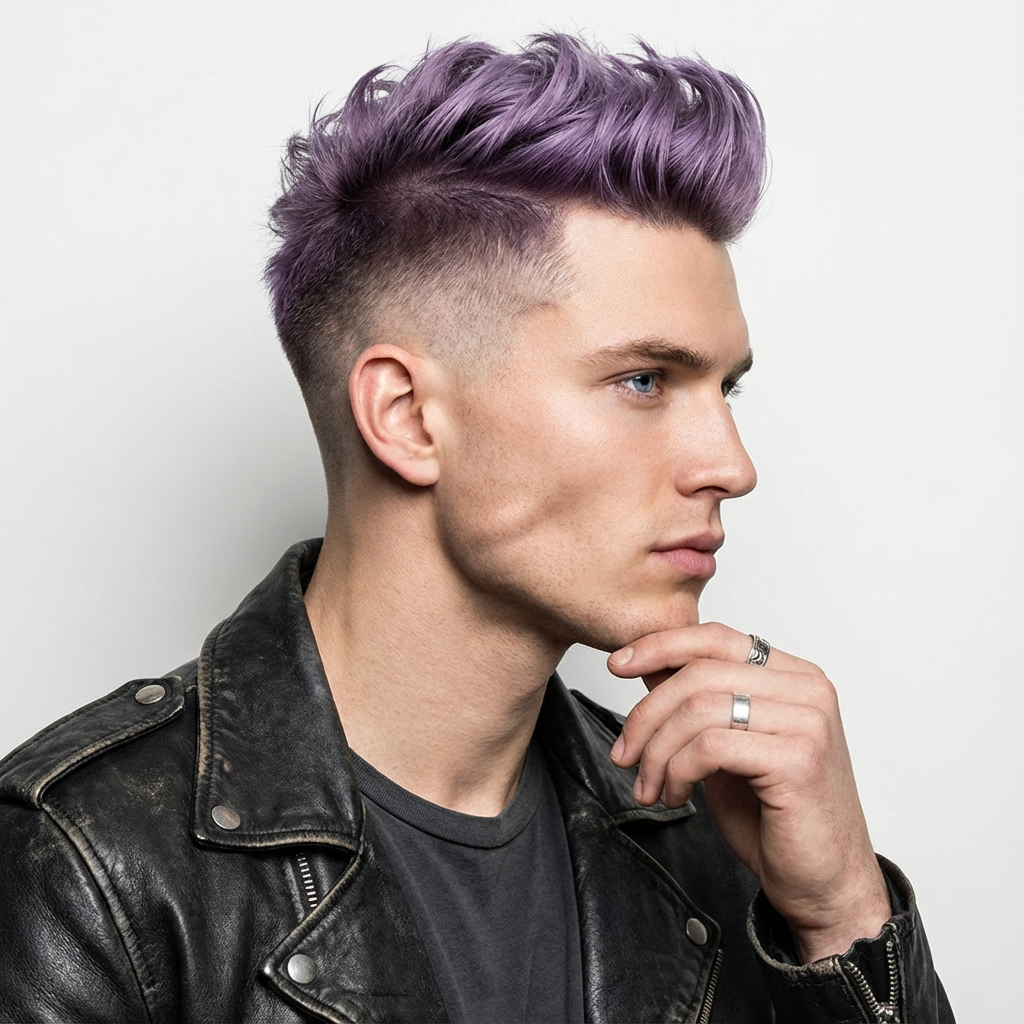
How to Style Your Undercut: Products, Techniques, and Daily Maintenance
Great styling is half technique, half product choice. Start with a quick blow-dry to set direction; it locks in shape before product goes on.
- Slicked-back polish: Apply strong-hold pomade or gel to damp hair, comb back, and blow-dry to set. Finish with a touch of shine spray if you want a sleek finish.
- Textured movement: Use sea salt spray on damp hair, rough-dry with your hands, then add matte clay or paste for separation without shine.
- Defined volume: Dust texture powder at the roots of dry hair, lift with fingers, and seal with light cream for control.
- Control for thick hair: Opt for pomade or wax with higher hold. Apply in small amounts, building slowly to avoid weight.
- Lift for fine hair: Choose lightweight cream or mousse plus blow-dry. Avoid heavy waxes that collapse volume.
- Slicked-back polish: Apply strong-hold pomade or gel to damp hair, comb back, and blow-dry to set. Finish with a touch of shine spray if you want a sleek finish.
- Textured movement: Use sea salt spray on damp hair, rough-dry with your hands, then add matte clay or paste for separation without shine.
- Defined volume: Dust texture powder at the roots of dry hair, lift with fingers, and seal with light cream for control.
- Control for thick hair: Opt for pomade or wax with higher hold. Apply in small amounts, building slowly to avoid weight.
- Lift for fine hair: Choose lightweight cream or mousse plus blow-dry. Avoid heavy waxes that collapse volume.
- Slicked-back polish: Apply strong-hold pomade or gel to damp hair, comb back, and blow-dry.
- Textured movement: Use sea salt spray on damp hair, rough-dry with hands, then add matte clay or paste.
- Defined volume: Dust texture powder at the roots of dry hair, lift with fingers, and seal with light cream.
- Control for thick hair: Use pomade or wax with higher hold, applied in small amounts.
- Lift for fine hair: Choose lightweight cream or mousse plus blow-dry; avoid heavy waxes.
Expect 3 to 5 minutes of styling on most days. Light conditioner or leave-in prevents flyaways and keeps product application smooth.
Maintenance and Upkeep: What to Expect
Barber cadence: Plan a trim every 3 to 4 weeks to keep the disconnect crisp.
Home care: Wash 2 to 3 times per week, condition as needed, and moisturize if you shave down to skin.
Lifestyle fit: The undercut trades daily styling time for fewer barber visits than a tight fade. If you can spare a few minutes with a blow-dryer and product, you get a silhouette that stays sharp through the grow-out.
Try Your Undercut Before the Chop: Virtual Hairstyle Try-On
Upload a photo to BlondeFilter’s virtual hairstyle try-on and test multiple undercut variations. Walk into your appointment with proof of the look you want and give your barber clarity.
FAQ: Your Undercut Questions Answered
What is an undercut?
It is a cut with short or shaved sides and back, contrasted with a longer top and a clear disconnect between the two lengths.
What is undercut and why is it bad?
It is not inherently bad; it demands daily styling and may read too bold for very formal environments. If you want a low-effort look or strict corporate neutrality, a fade may fit better.
Is undercut allowed in Islam?
Grooming guidance varies by community. The undercut itself is not prohibited, but check with your local imam or community leader if you want specific direction.
What is a Korean undercut called?
Often called a two-block haircut: shorter sides and back with a longer, textured top and a softer transition than a classic Western undercut.
How often should I get my undercut trimmed?
Every 3 to 4 weeks to keep the disconnect sharp.
What is the difference between an undercut and a fade?
The undercut has a hard disconnect between long top and short sides; the fade blends gradually with no line. Undercuts need more daily styling, fades need more frequent barber visits.
Does an undercut suit round faces?
Yes. The vertical emphasis and clean sides add length and structure.
How do I style an undercut?
Blow-dry in your target direction, then apply product: pomade for shine, clay for texture, powder for lift.
Can I get an undercut with long hair?
Yes. A long undercut keeps length on top while the sides stay tight.
What products work best for an undercut?
Pomade or wax for strong hold and shine, clay or paste for matte texture, sea salt spray for natural movement, and texture powder for volume at the roots.
Hair type matters too. Thick or coarse hair benefits from pomade or clay to control volume. Fine hair responds well to sea salt spray, light creams, and blow-drying for lift without weight. The goal is to keep the top intentional so the disconnect looks deliberate.