
Twin Braids Hairstyle: The Ultimate Styling & Care Guide
Master twin braids styling, Dutch vs French techniques, care tips, accessories, and AI virtual try-on guidance for casual, sporty, and formal looks.


Click or drag photos here to upload
Supports JPG, PNG formats, max 5MB, JPEG format recommended



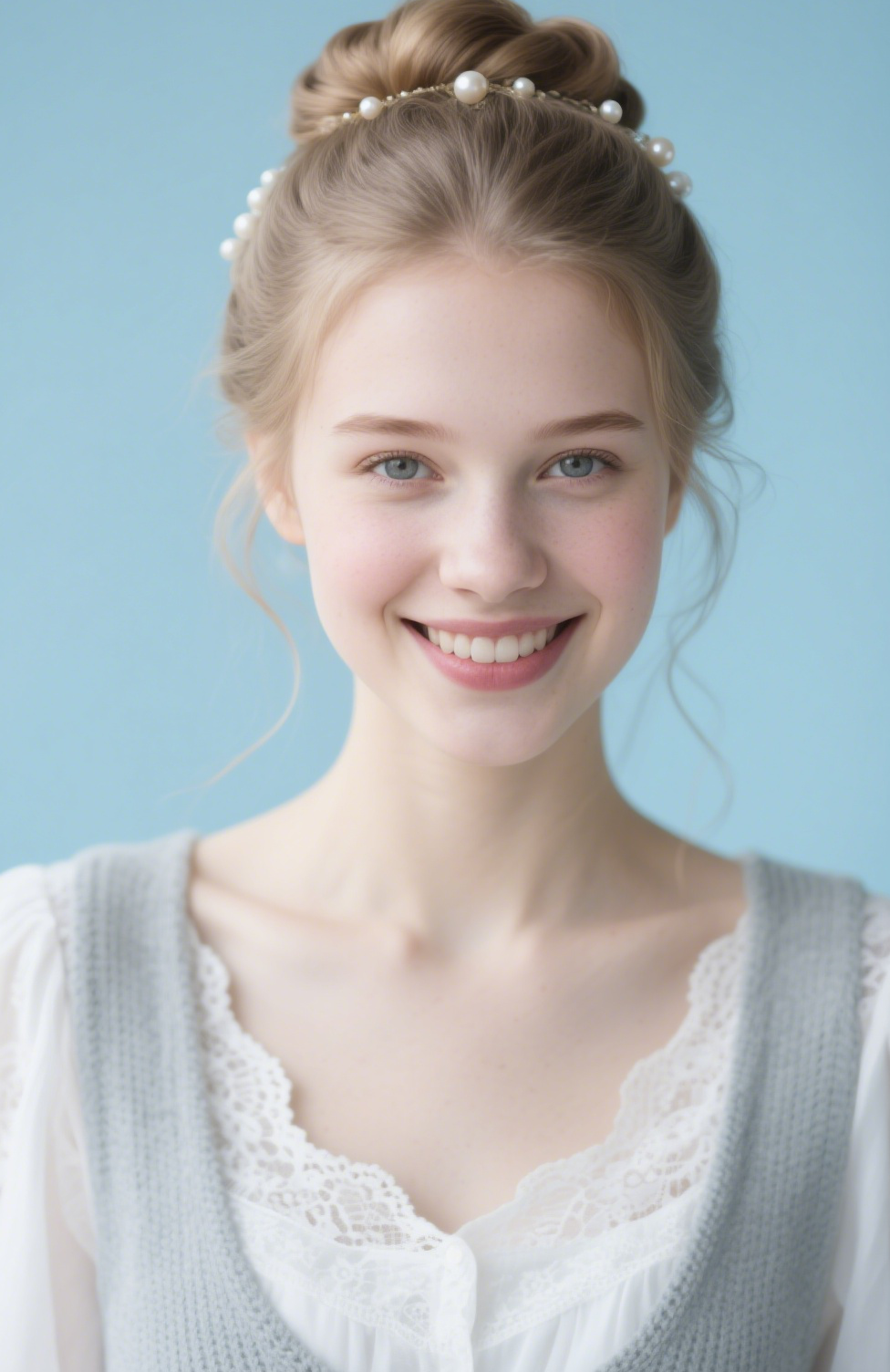
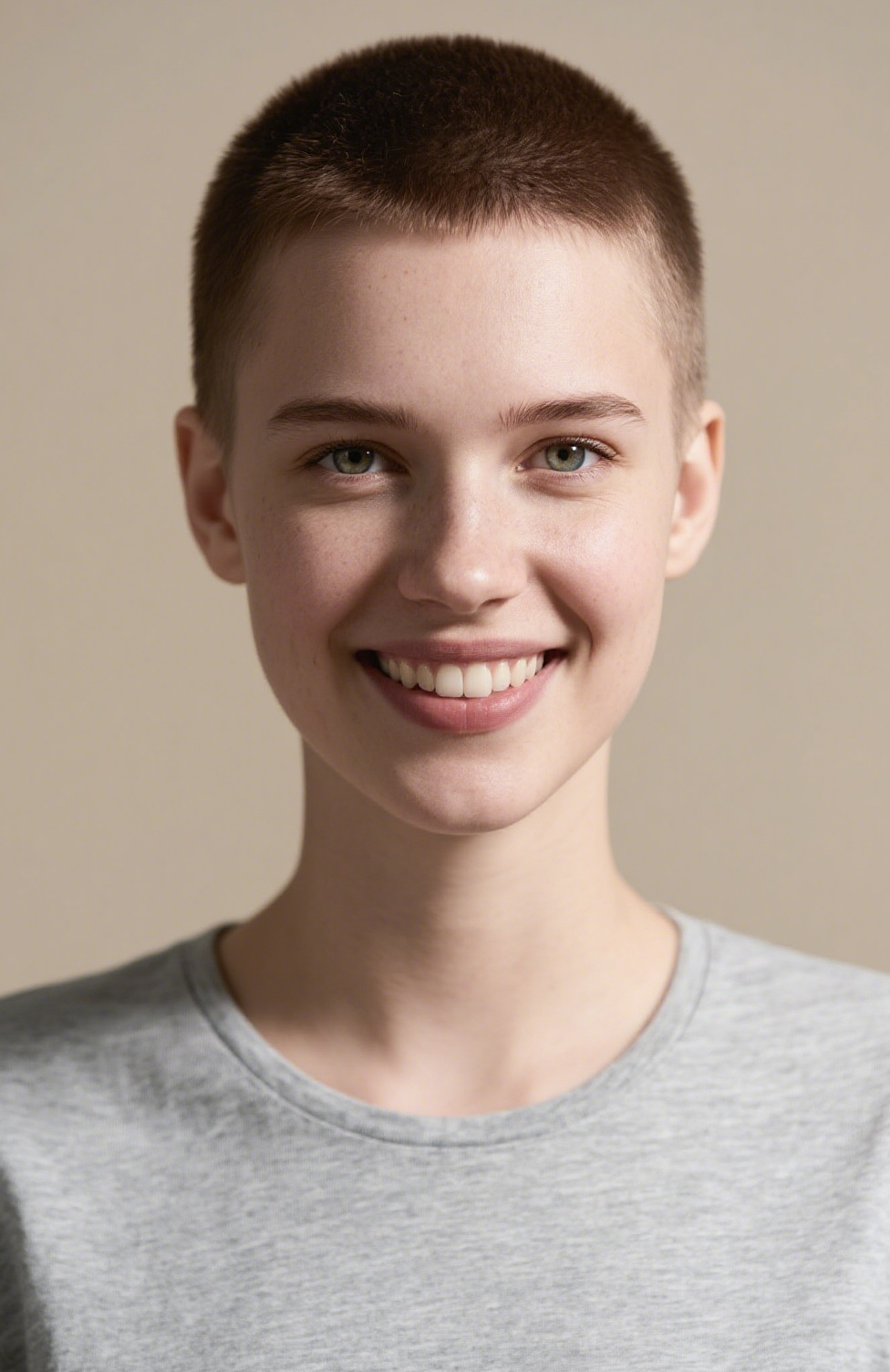

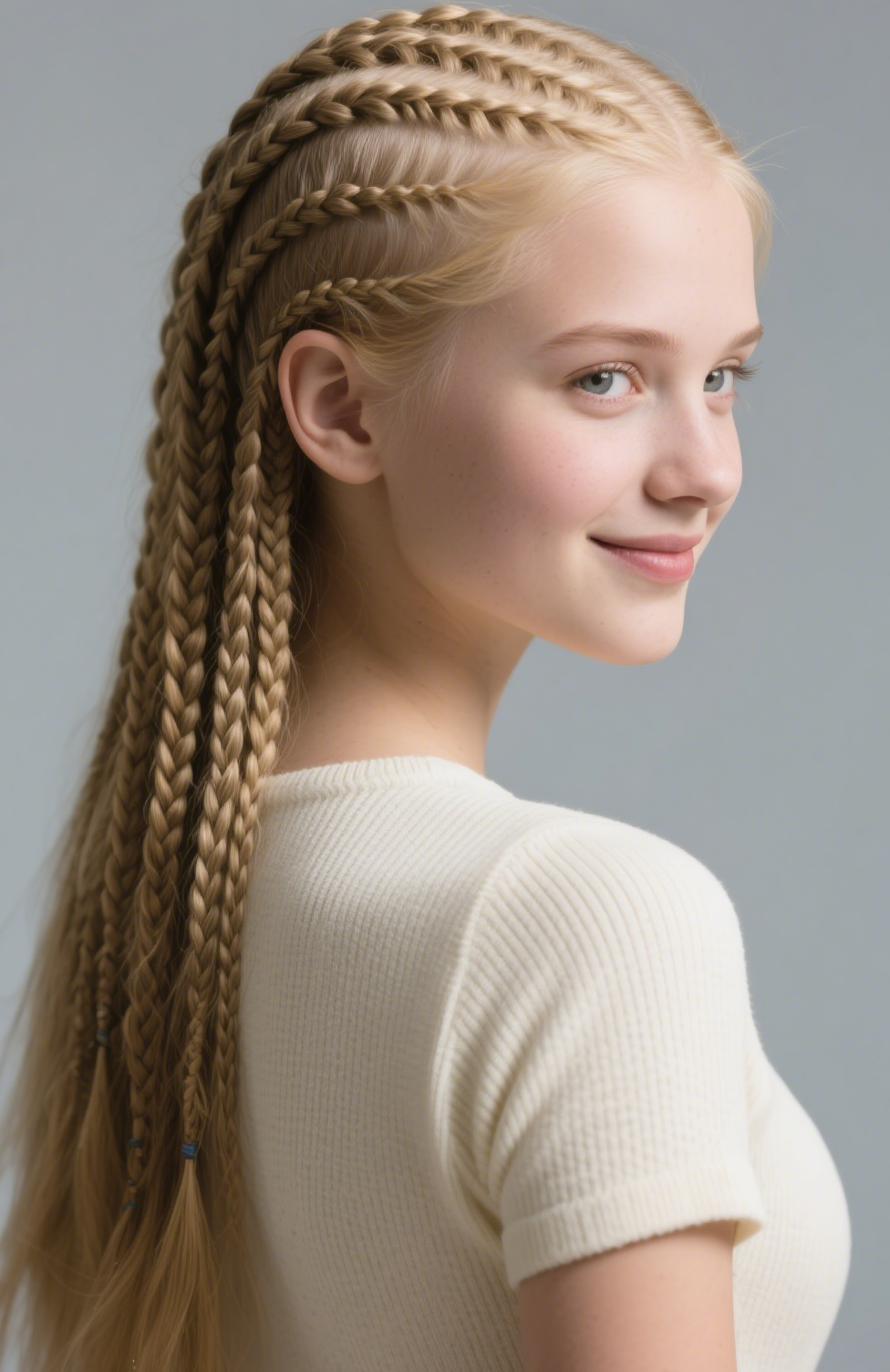
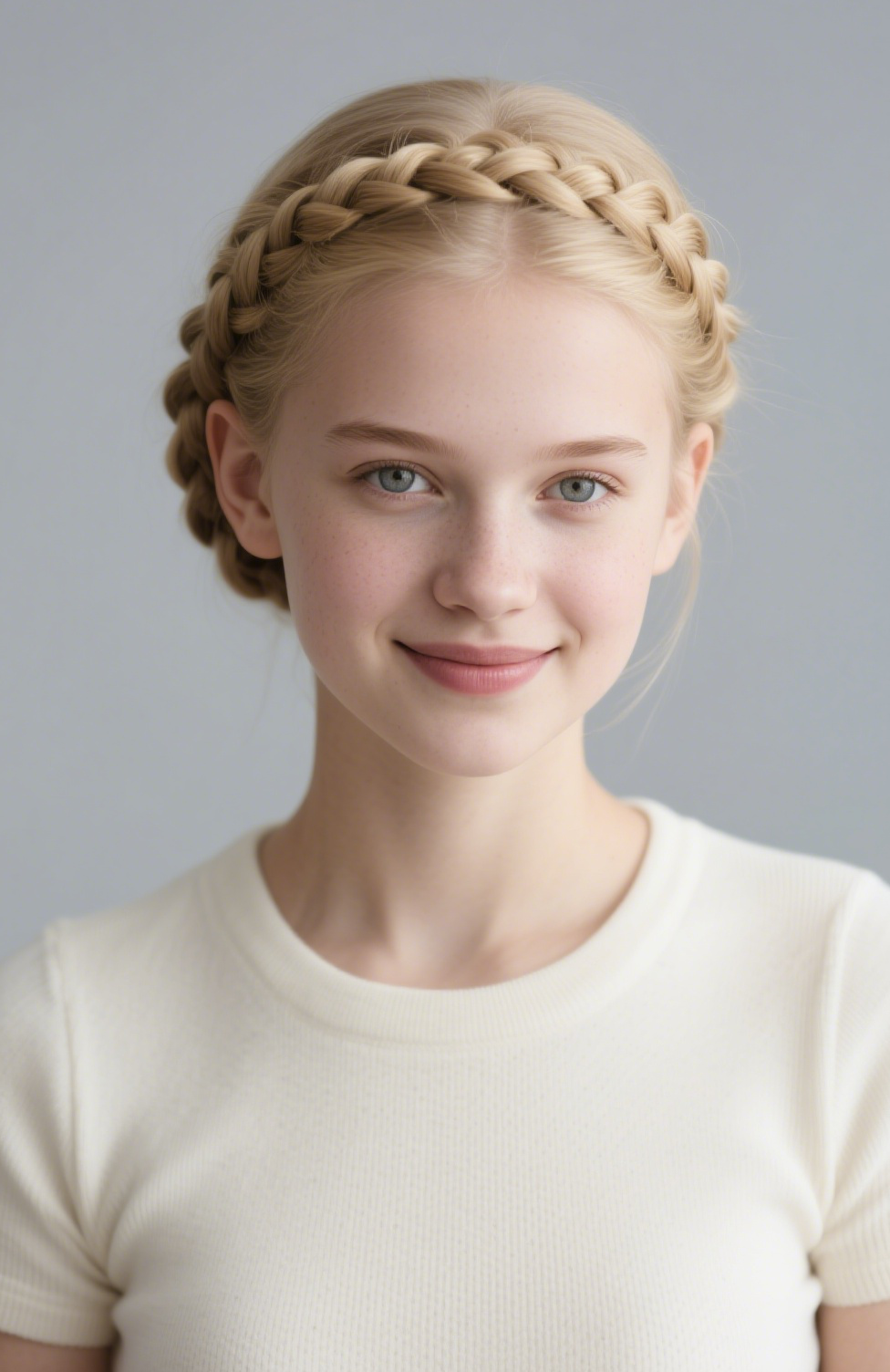

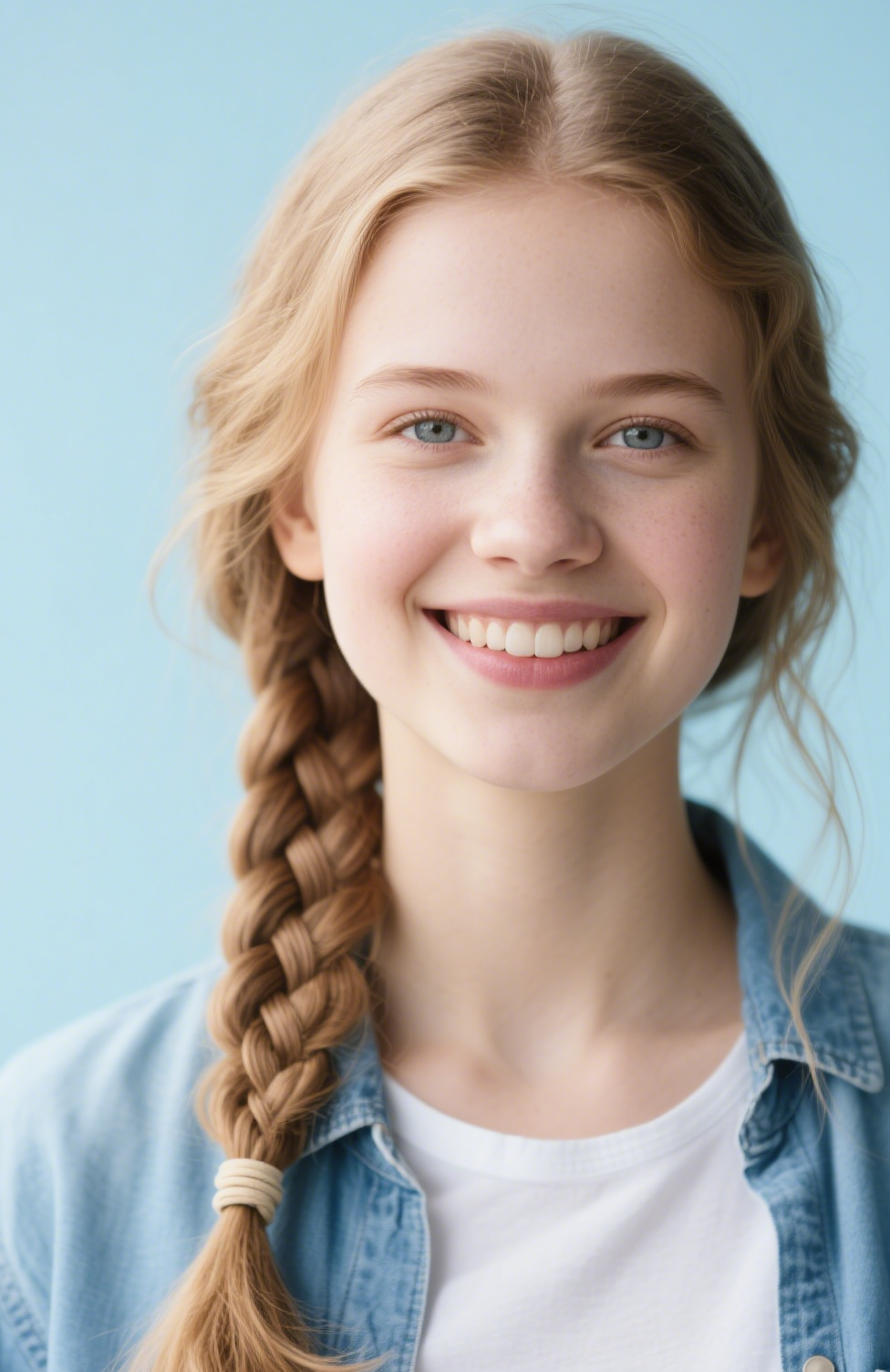
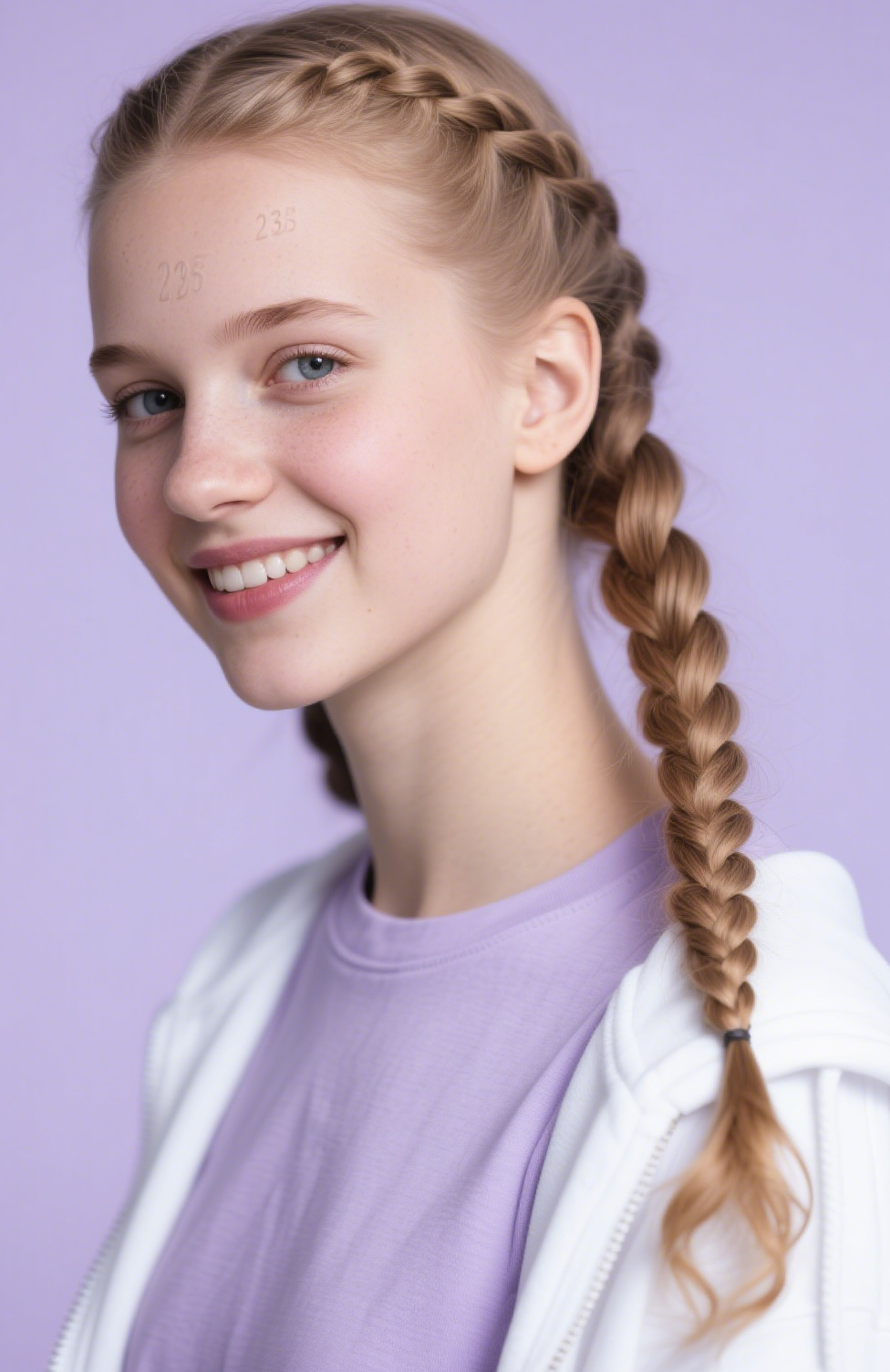



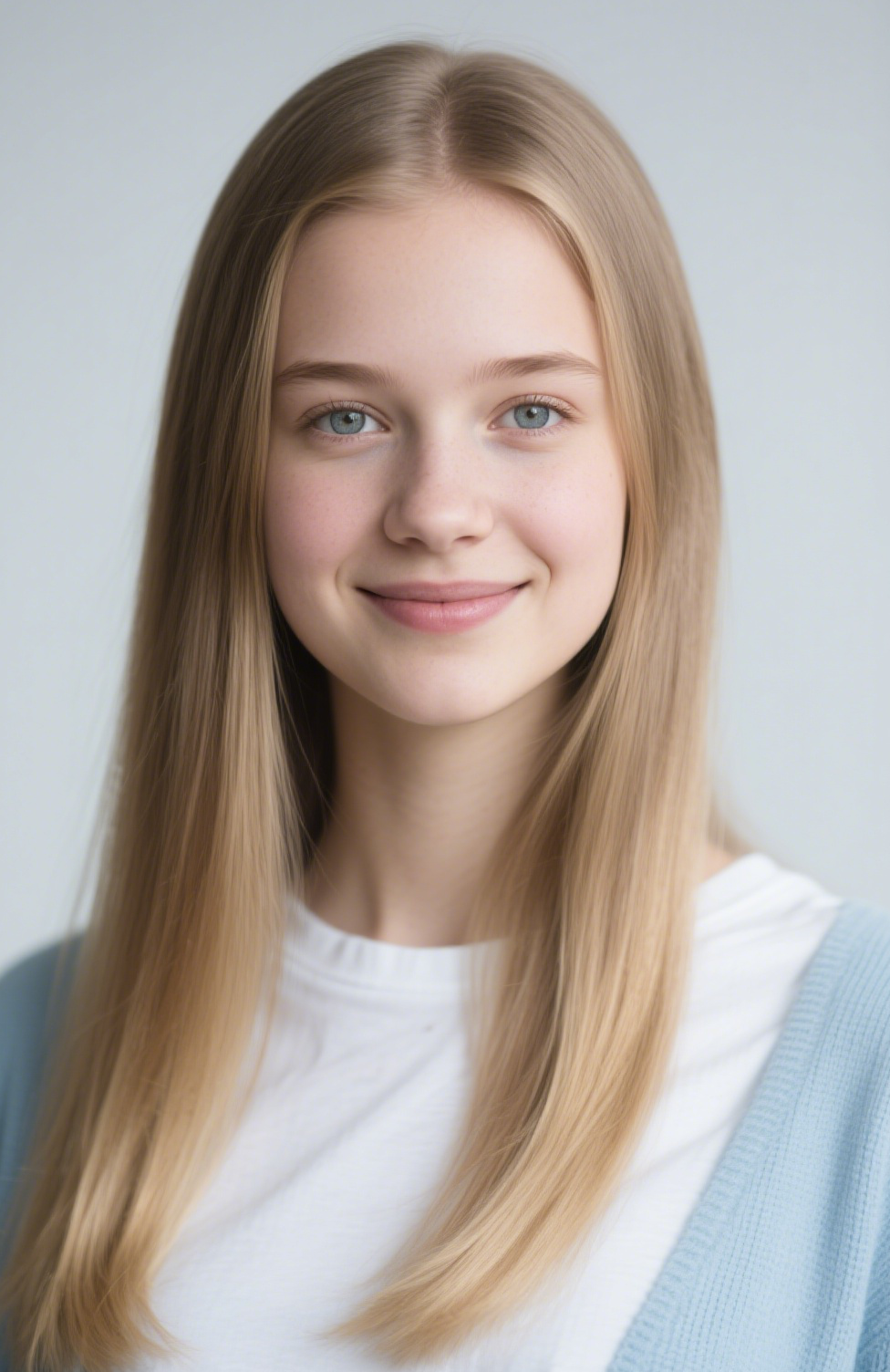
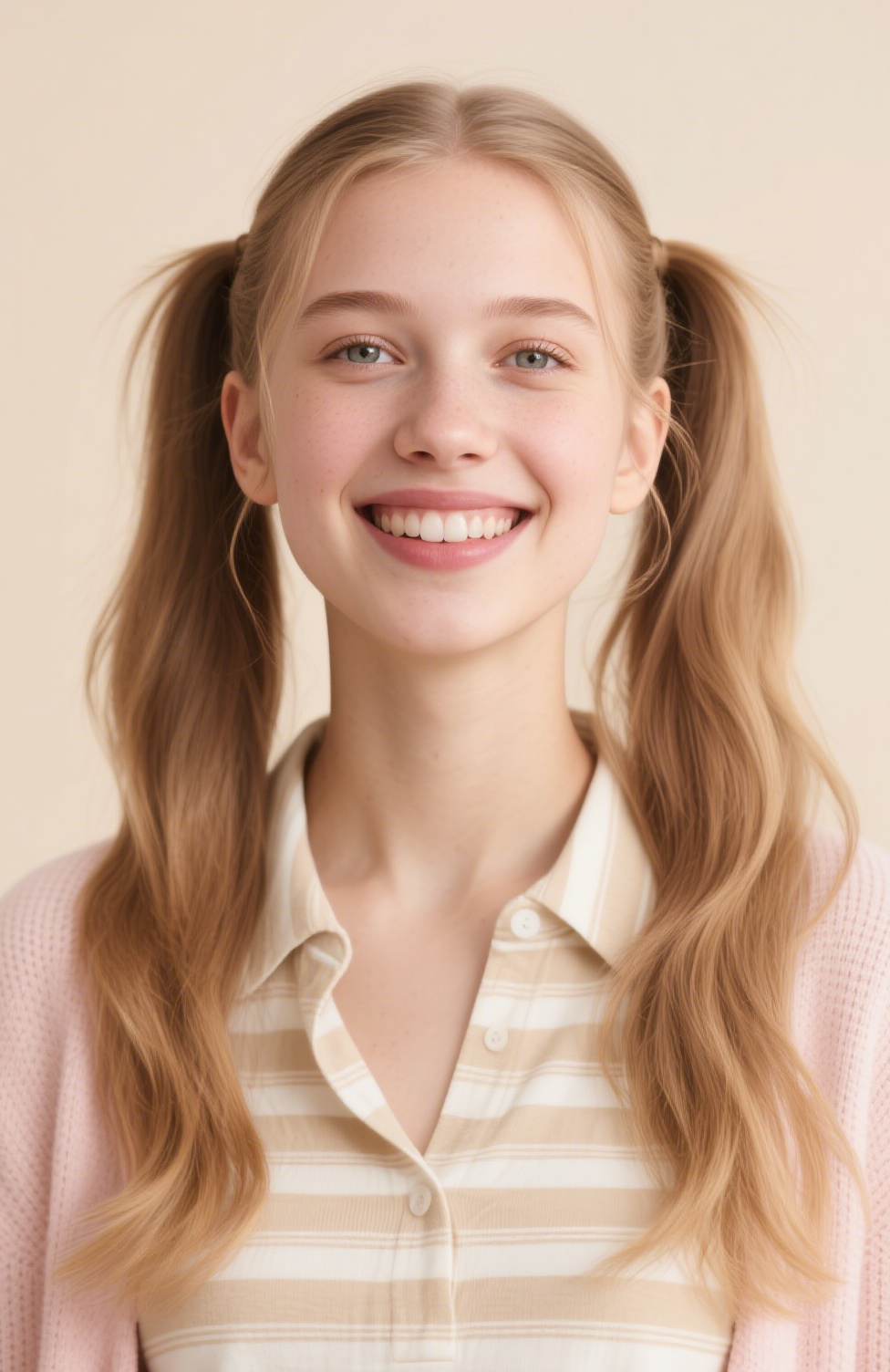

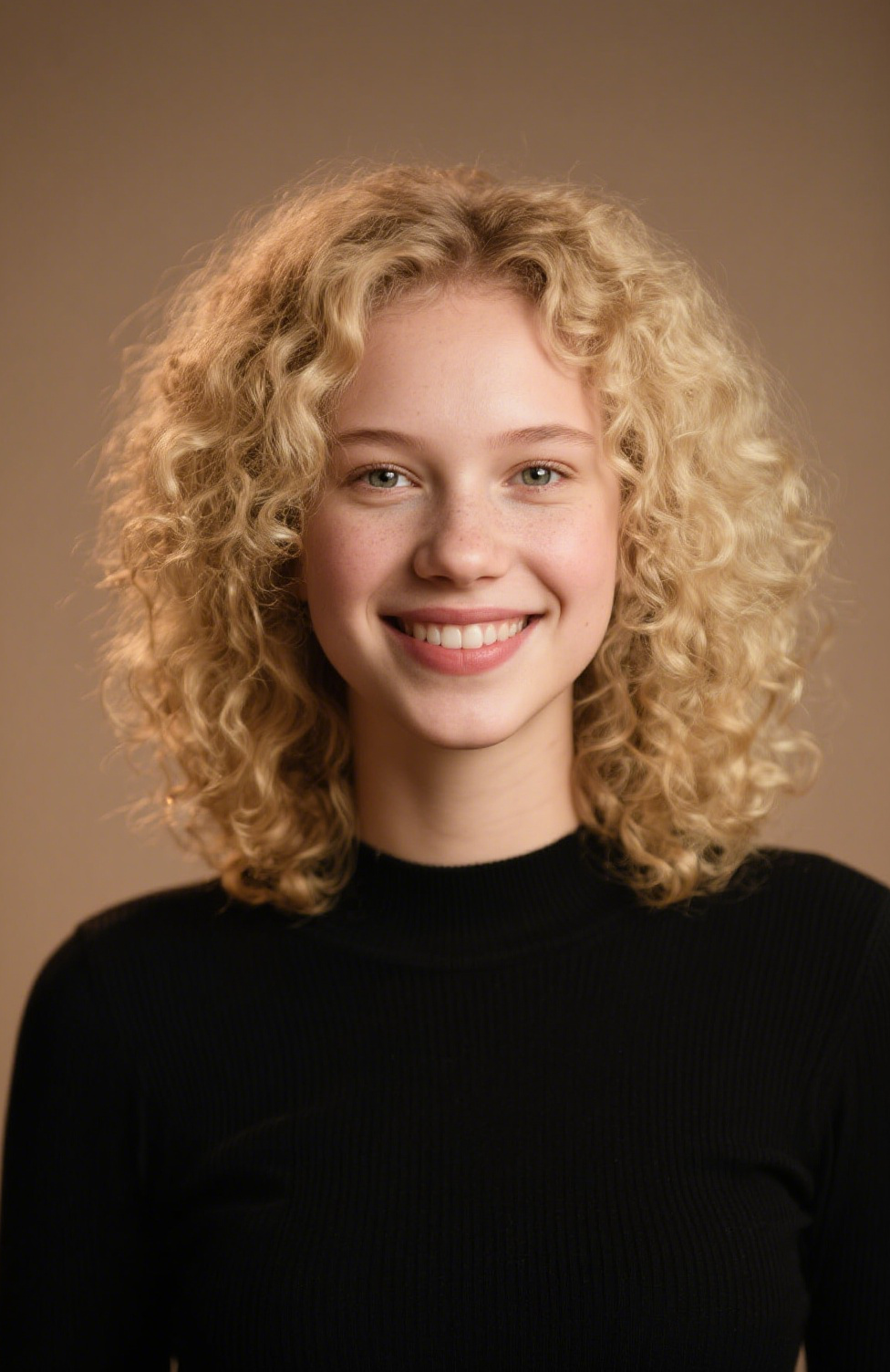
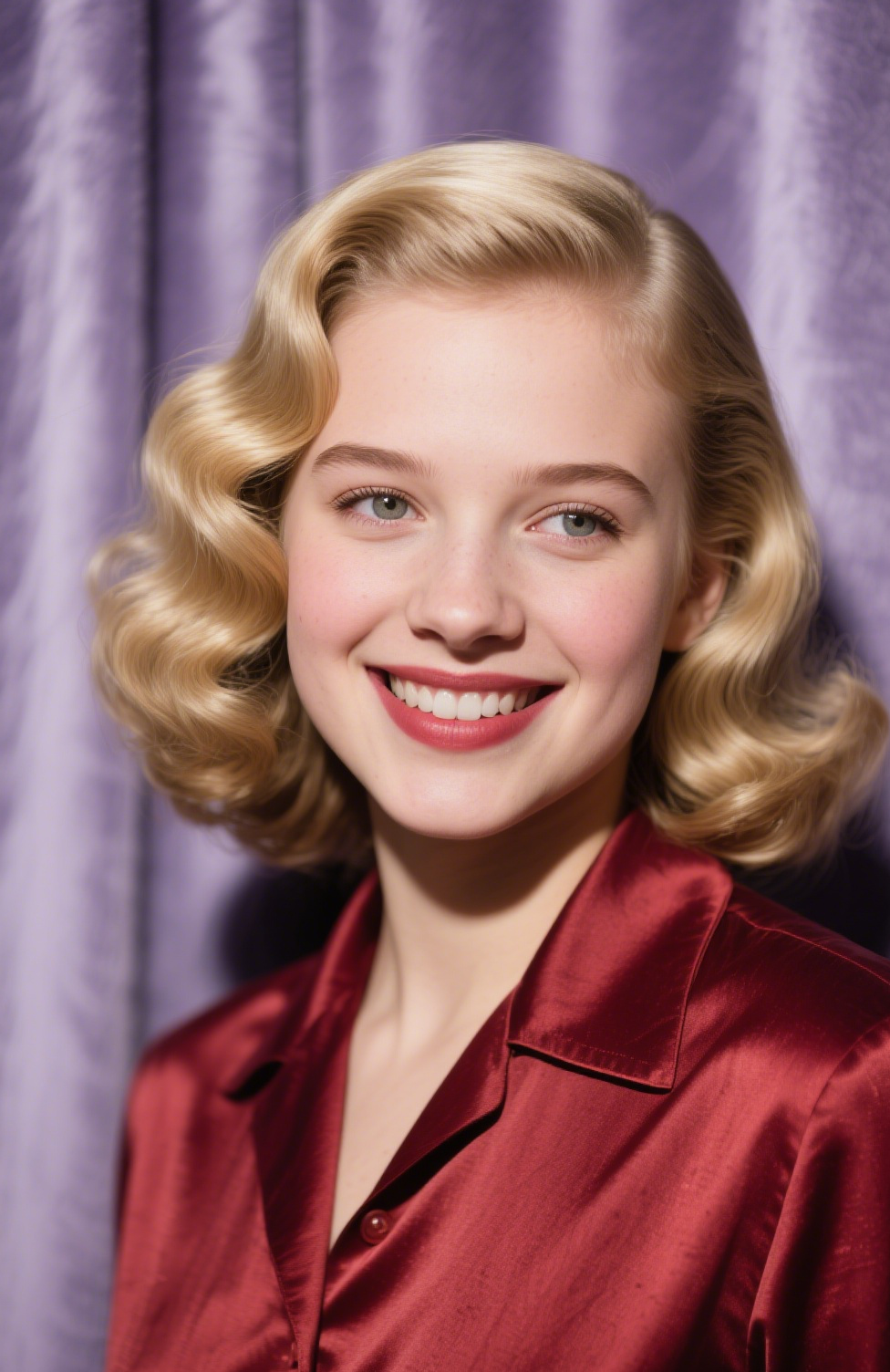

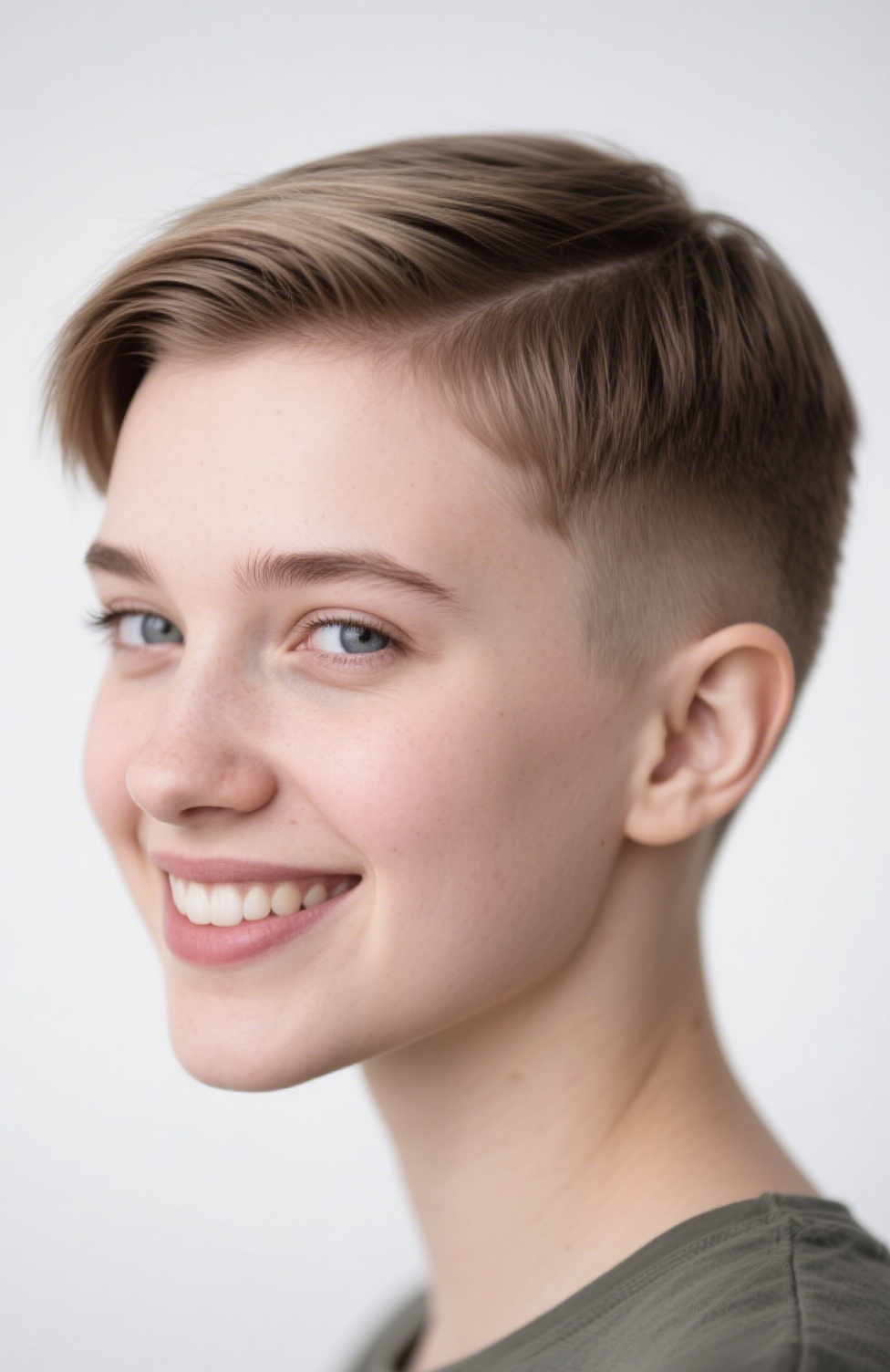
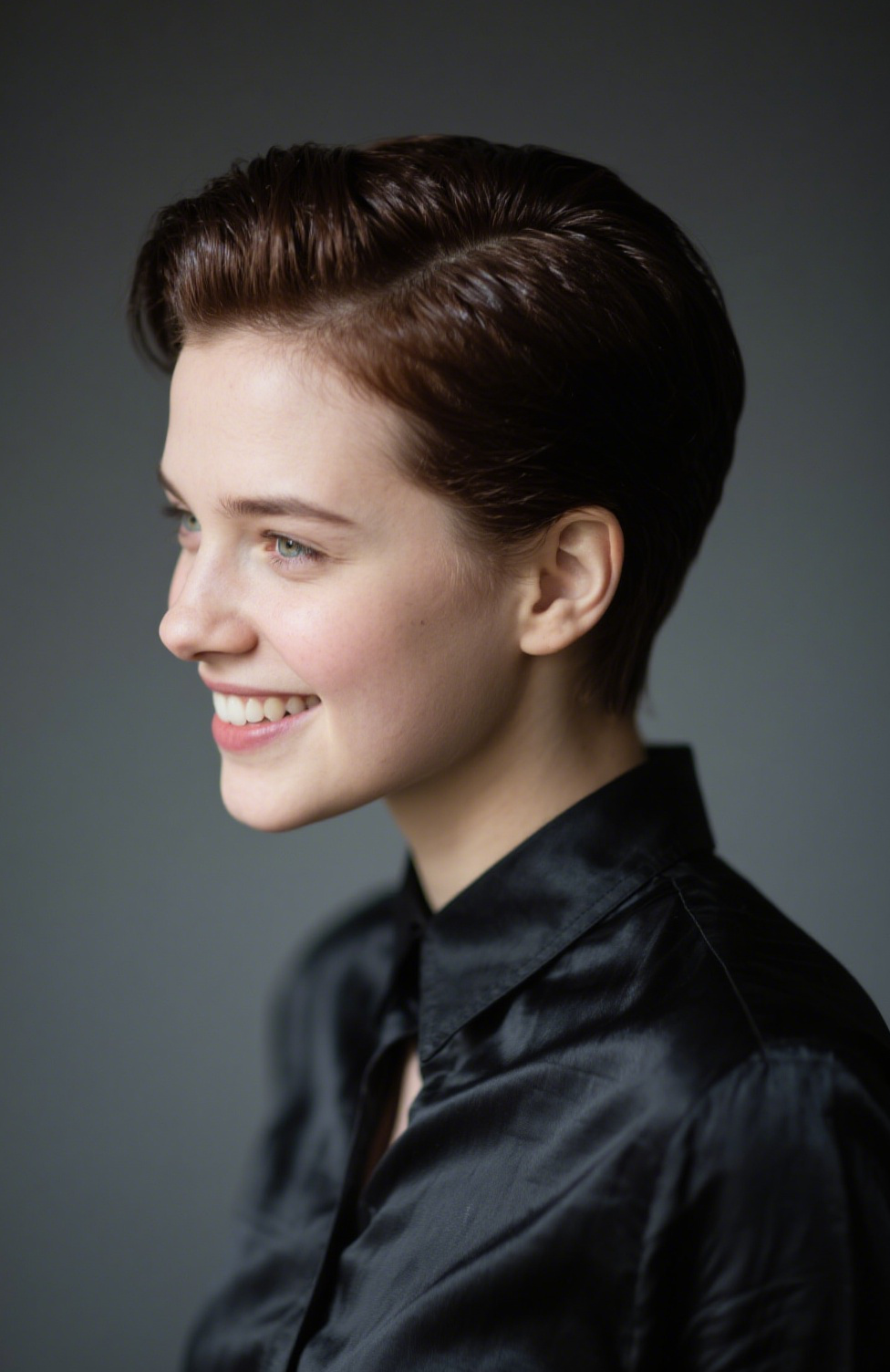

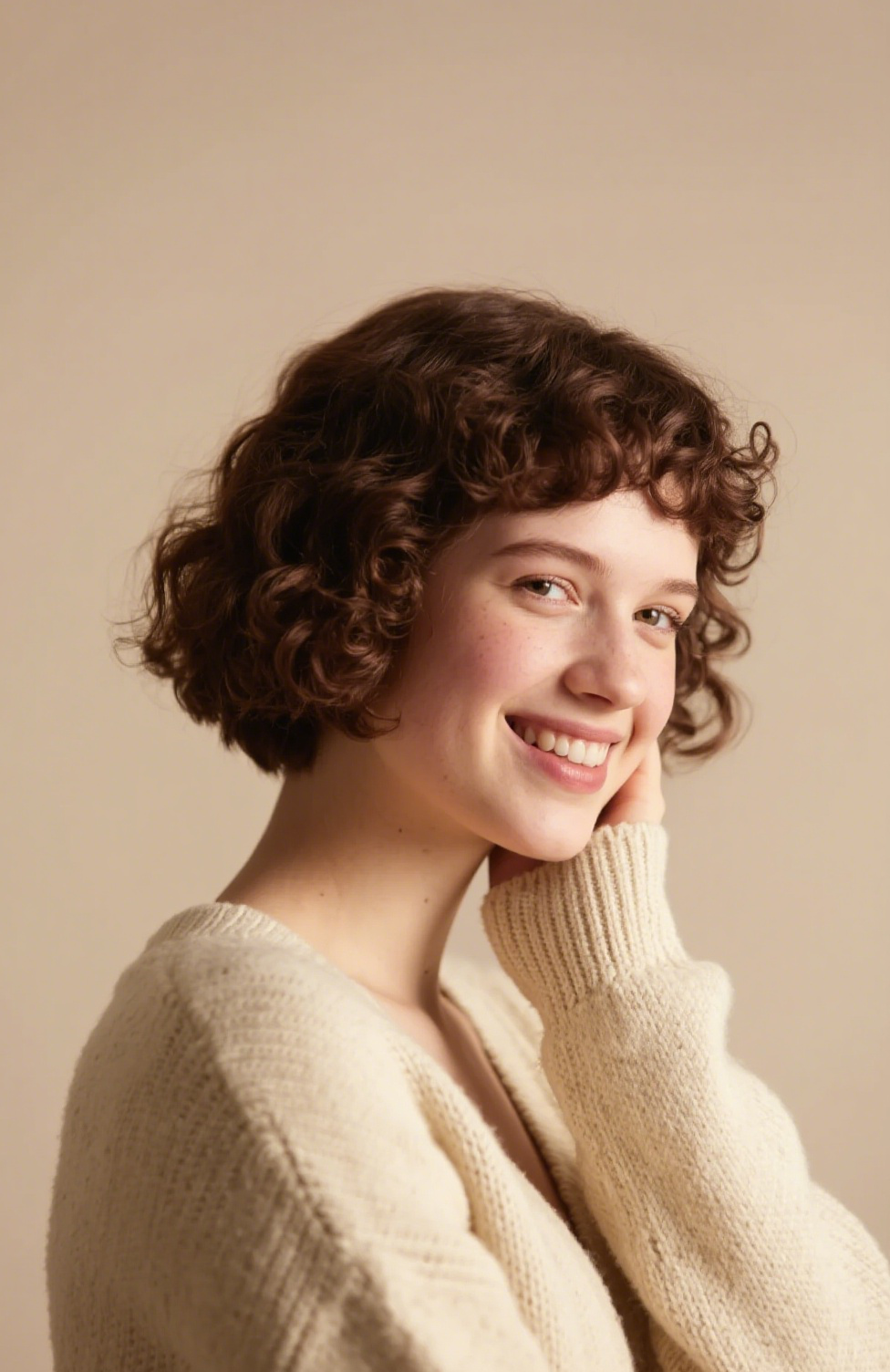
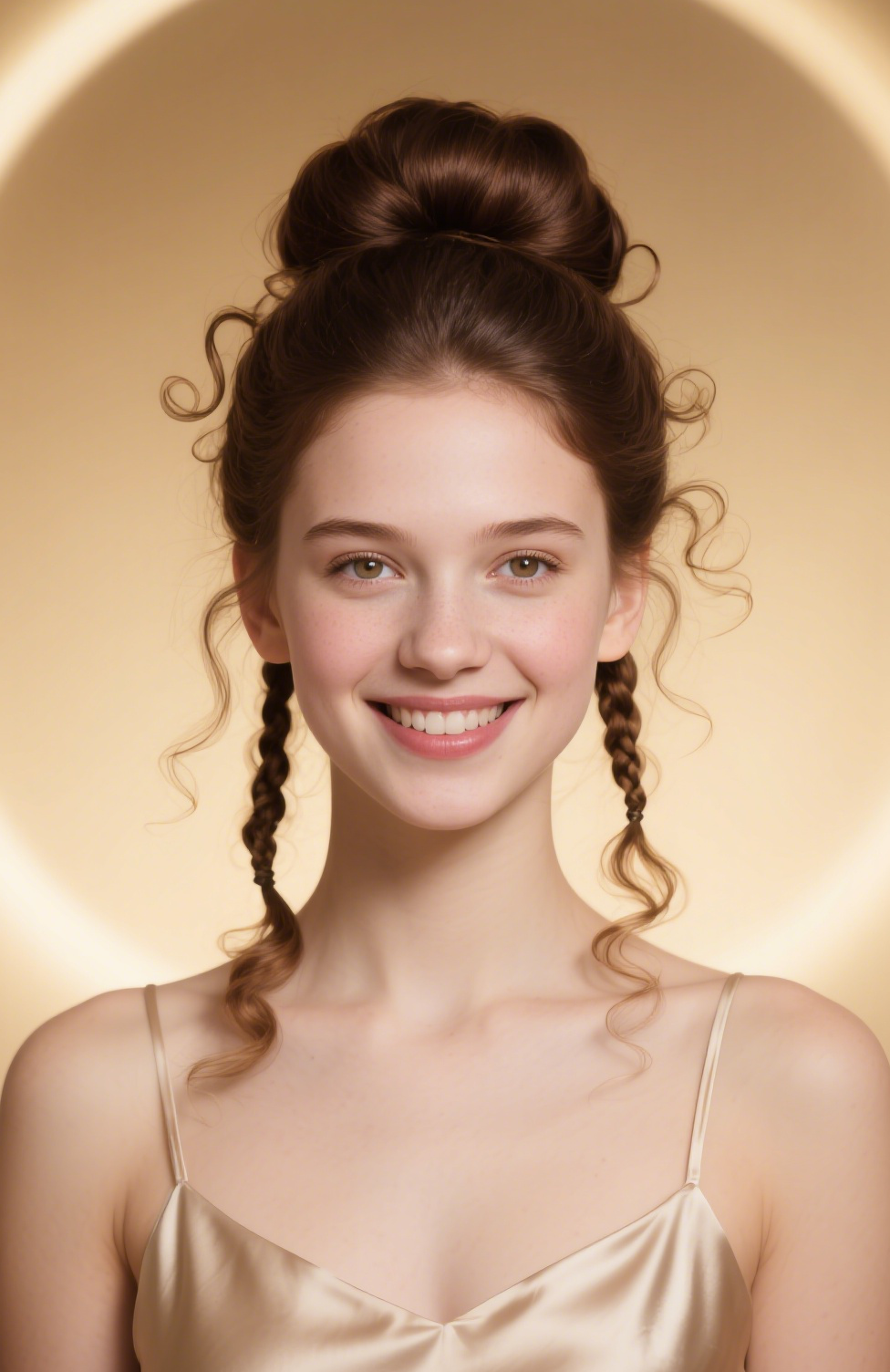
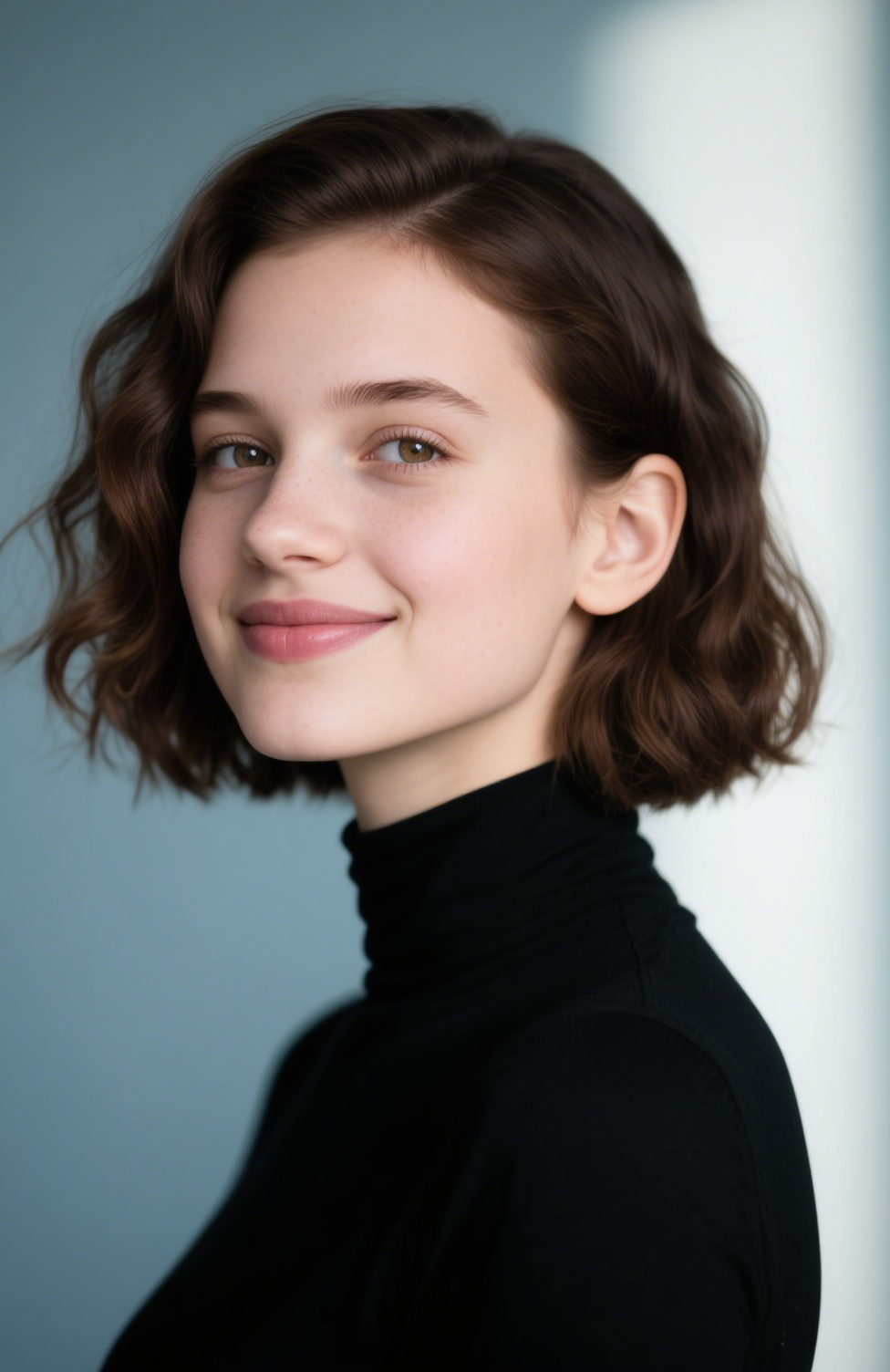
Choose your preferred style, then upload and process your photo on the left
Twin braids remain one of the most versatile and enduring hairstyles in fashion history. Two symmetrical plaits frame the face, deliver balanced visual interest, and work across casual, sporty, and formal settings for women in Western markets. The look bridges protective styling and fashion-forward polish, so whether you want an everyday option or a standout occasion style, twin braids offer endless ways to express yourself. Want to see how twin braids complement your face shape before you commit? Use our AI hairstyle filter or virtual hairstyle try-on to preview variations in seconds.
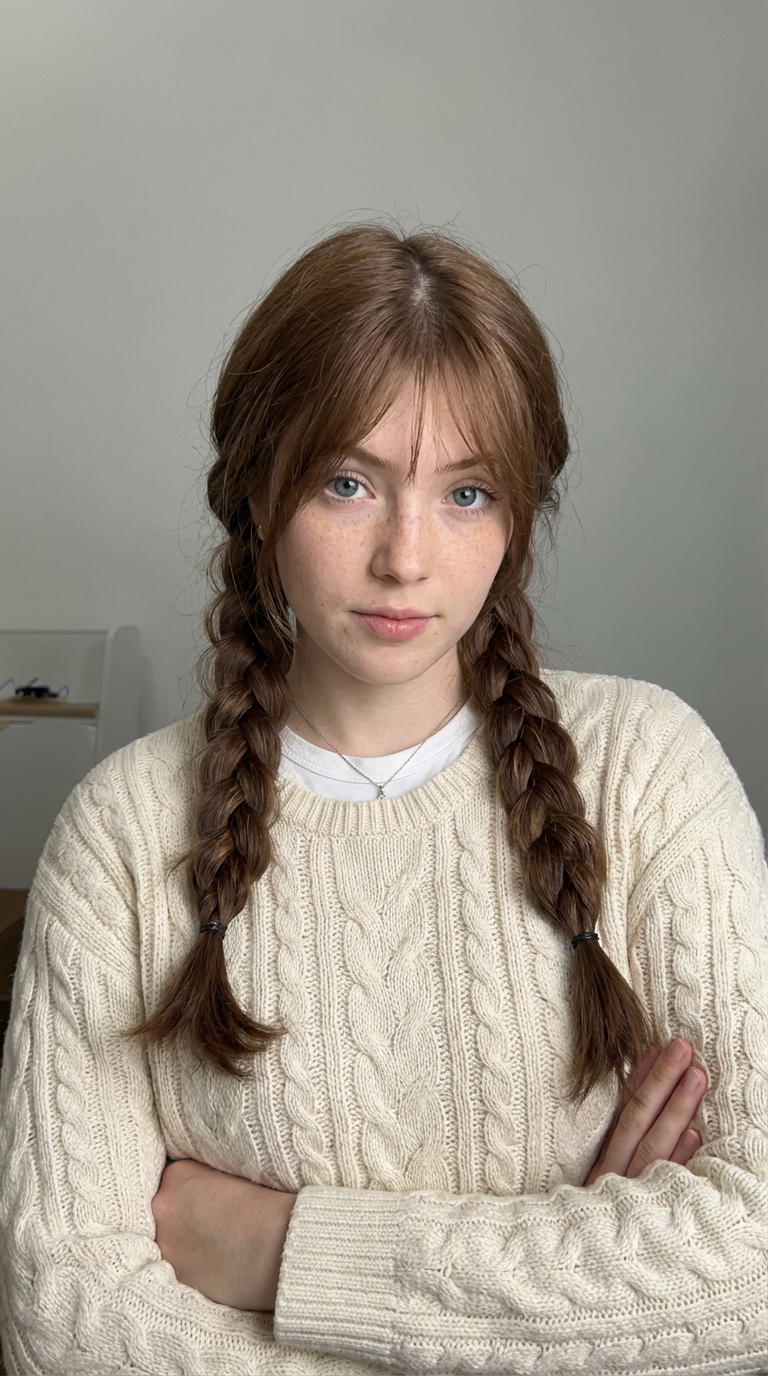 The beauty of twin braids lies in adaptability. You can keep them sleek and polished, leave them a bit undone for a boho vibe, or elevate them with beads and ribbons. Modern AI hairstyle filters make it easy to experiment virtually with parting, braid size, and accessory choices so you can decide on your favorite look before styling.
What Are Twin Braids? Understanding This Iconic Style
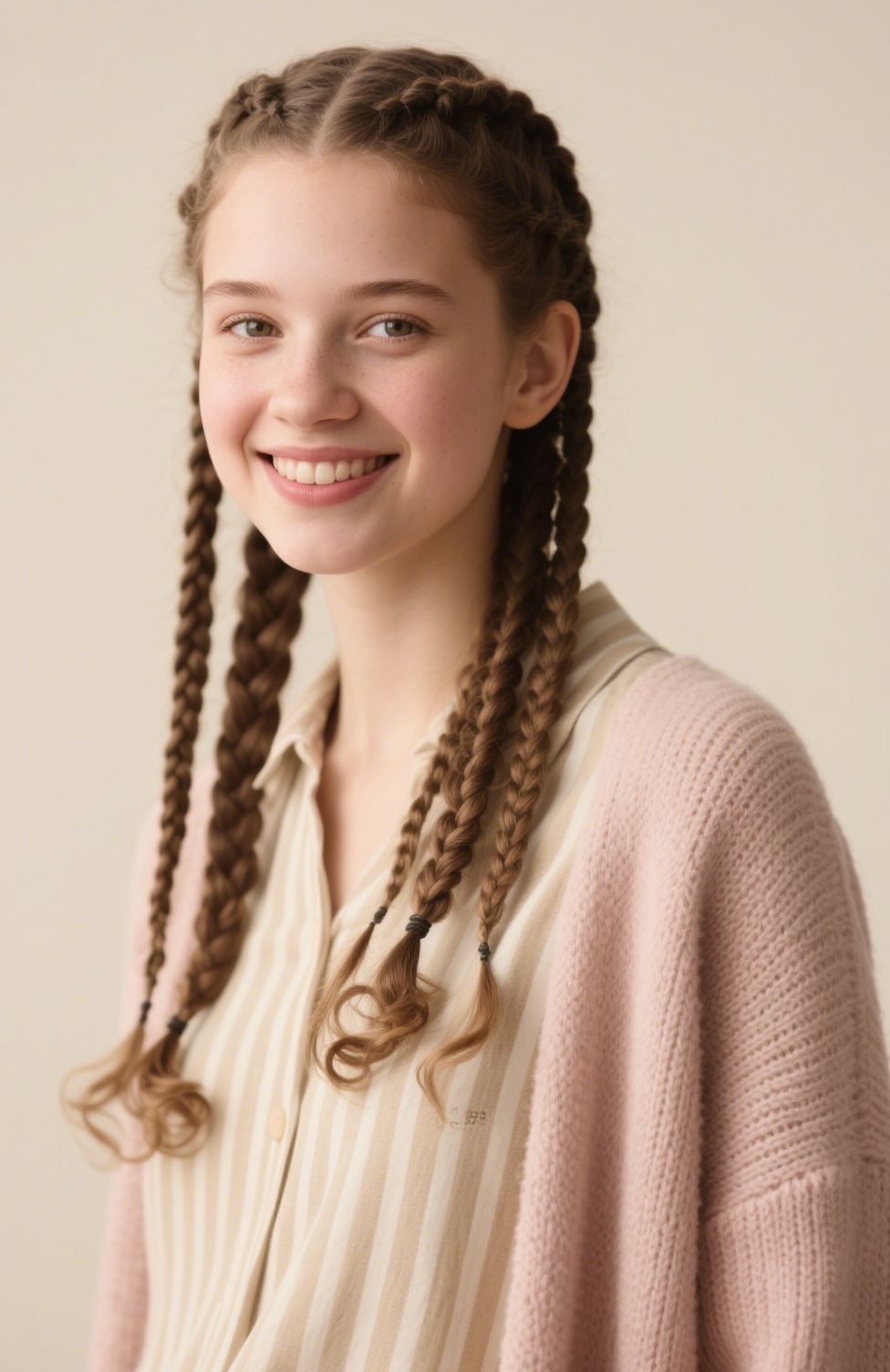
Twin braids are exactly what the name implies—two matching braids placed symmetrically on opposite sides of the head. The hair is parted down the center, then braided into identical plaits that frame the face and cascade down the back. Unlike a single braid or ponytail, twin braids double the visual impact and flatter many face shapes and hair textures. The terminology can be confusing because people sometimes use “twin braids,” “double braids,” and “pigtails” interchangeably. Historically, pigtails referred to braided pairs; in modern usage, twin braids emphasizes the braided nature of the look, while “twin tails” in anime and J-fashion often refers to unbraided twin ponytails.
The Cultural Roots and Evolution of Twin Braids
Across cultures, twin braids carry deep significance. Ancient Viking warriors wore intricate braids as symbols of identity and strength. African braiding traditions use plaits for practical protection, cultural expression, and storytelling, with patterns signaling heritage and creativity. East Asian cultures have also embraced variations of twin braids through different eras. The style surged during the Y2K era, resurfaced in contemporary fashion, and continues to trend across social platforms and street style photography, proving that twin braids are both nostalgic and timeless.
Dutch vs. French Twin Braids: Choosing Your Perfect Technique
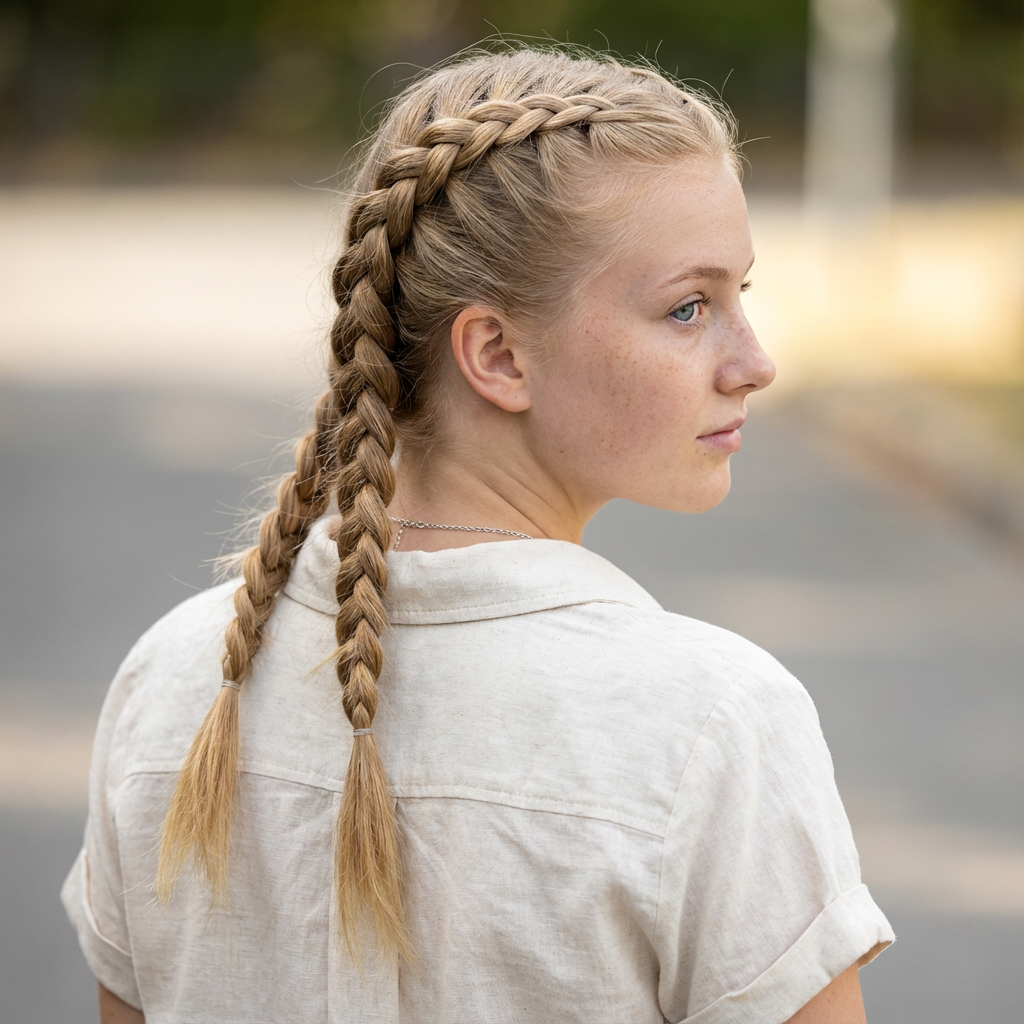
One of your first decisions is technique. Dutch braids (reverse French) use an underhand weave, so each outer section passes under the center strand, creating raised, dimensional plaits that stand off the scalp. French braids use an overhand weave, so sections cross over the center strand for a flatter, integrated finish along the scalp. Dutch twin braids feel bold and defined; French twin braids lean classic and streamlined. Pancaking—gently tugging braid edges after completion—adds volume to either method. Not sure which approach suits you? Try a virtual hairstyle filter to compare Dutch and French twin braids on your own photo instantly.
How to Create Twin Braids: Step-by-Step Essentials
Preparation sets you up for success. Start with clean or slightly damp hair; damp strands grip better. Detangle completely with a wide-tooth comb or detangling brush. Have snag-free elastics, a rattail comb for parting, bobby pins, and light gel or smoothing serum to manage flyaways.
- Create a precise center part from hairline to nape. Clip one side away so sections stay clean.
- Take a small triangular section at the front hairline on the loose side and divide it into three equal strands.
- For Dutch twin braids, pass the outer strand under the center; for French, pass over. Add small, even sections as you travel down the scalp to keep tension consistent.
- Once you reach the nape, continue a three-strand braid to the ends and secure with an elastic.
- Repeat on the other side, mirroring placement relative to the center part.
- Gently pancake the braids for fullness if you want extra volume, or leave them tight for sport-ready control.
Pro tips: keep sections even to avoid bulging, add product sparingly to prevent buildup, and use a mirror (or phone camera) to check symmetry as you work. A virtual hairstyle try-on can guide you toward braid thickness and placement that best suits your face shape before you pick up the comb.
Five Stunning Twin Braids Hairstyles for Every Occasion
Casual daily twin braids: Keep tension moderate and ends soft for an effortless look that pairs with tees, sweaters, and denim. A light smoothing serum controls flyaways without making hair stiff.
Sporty and fitness-friendly: Tighten tension, skip pancaking, and add a headwrap or sweatband to keep everything secure during workouts. This approach prevents slippage during runs, yoga, or weight training.
Elegant and formal: Thread ribbons through braids, add delicate cuffs, or wrap braids into low buns at the nape for refined events. A middle part with sleek roots keeps the silhouette polished for dinners and weddings.
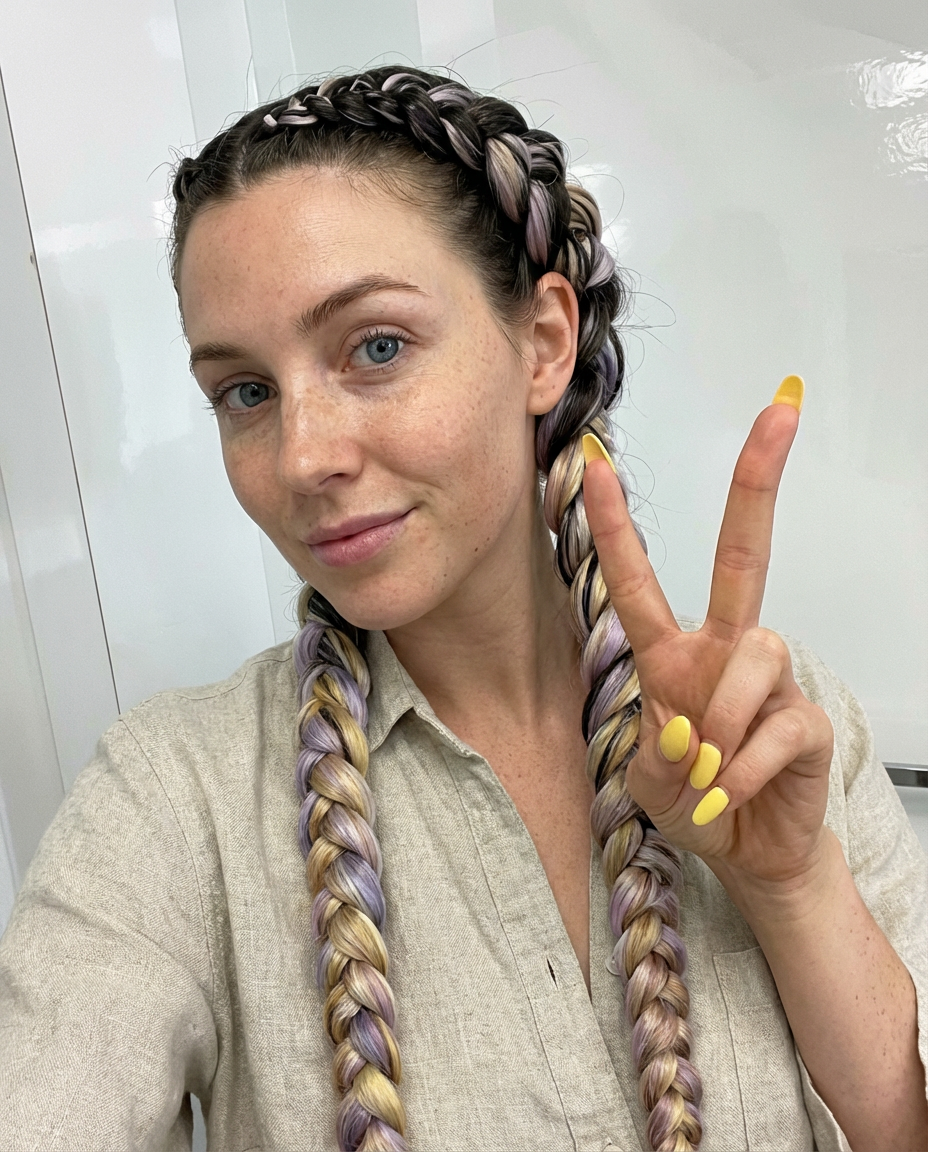
Festival and trendy: Experiment with color sprays, fabric strips, or bead accents for a playful, expressive vibe. Layer multiple accessory types for texture, or go monochrome with one color family for cohesion.
Length and texture play: Twin braids on short hair feel fashion-forward; bangs soften the frame, while long lengths read romantic and flowing. Natural texture or curls add volume without heavy pancaking, so embrace your hair’s own pattern.
Twin Braids for Different Hair Types and Lengths
Twin braids adapt to most hair textures. Fine hair benefits from texturizing spray before braiding to increase grip, while coarser textures often need a smoothing cream to keep sections even. If your hair is very straight and slippery, start on slightly damp strands and anchor the first turns tightly. For short hair, start your braid close to the hairline and keep added sections small so the plait stays secure. Bangs pair nicely with twin braids by framing the face and softening the center part. Longer hair can vary braid thickness: thick, loose plaits look romantic, while tighter, smaller braids feel sporty. If you have layered cuts, a light pomade on the ends helps prevent pieces from poking out. Not sure which combo highlights your features? Use a virtual hairstyle try-on to preview parting depth, braid size, and accessory placement on your own photo before styling.
Accessorizing Your Twin Braids
Accessories instantly shift the mood. Wooden beads, metallic cuffs, and colorful rings add texture. Silk ribbons weave in romance; gold or silver cuffs deliver an edgy, fashion-forward finish. Temporary hair chalk or spray lets you test color without commitment, and delicate chains draped through braids give subtle luxury. Layer accessories for boho impact, or keep one focal element for a minimal statement. If you want to preview combinations, an AI hairstyle filter helps you test bead placement, ribbon color, and braid thickness without undoing your style.
Essential Hair Care for Your Twin Braids
Healthy hair under twin braids starts with a gentle washing routine. Shampoo every two weeks with a sulfate-free formula, focusing on the scalp and letting suds run through the braids without rough scrubbing. If you work out frequently, a light, water-based refresher spray between washes keeps the scalp balanced. Moisturize weekly with leave-in conditioner or lightweight oils to combat dryness and itchiness, and concentrate on mid-lengths and ends so roots do not look greasy. Protect at night with a silk or satin scarf or pillowcase to reduce friction and frizz. Choose snag-free elastics to minimize tension and breakage, especially at the ends, and swap them out if they stretch to maintain hold without pulling.

How to Care for Twin Braids to Maximize Style Longevity
Minimize constant handling—finger adjustments beat brushes that can catch and pull. As new growth appears, a stylist can gently tighten roots every three to four weeks to refresh the look. If ends start to fray, re-dip them in hot water to reseal. When you are ready for a change, a virtual try-on can help you choose your next twin braids variation before you re-style.
Frequently Asked Questions About Twin Braids
What are twin braids called?
They are commonly known as twin braids, double braids, or pigtails. In Japanese fashion and anime culture, “twin tails” often refers to unbraided twin ponytails.
What are the two braids called?
They are simply the left and right braid, and the technique names—French, Dutch, fishtail, or box braid—describe the pattern you use.
How to do double Dutch braids?
Create a center part, divide one side into three strands, and pass each outer section under the middle as you add hair down the scalp. Repeat on the other side, then pancake if you want added volume.
Is it twin braids or pigtails?
Pigtails can mean any two-section style, braided or not. Twin braids specifies that both sections are braided, so use the term that matches the style you are wearing.
Final Thoughts: Embracing the Versatility of Twin Braids
Twin braids combine practicality, cultural depth, and expressive fashion in one hairstyle. Start with the technique that feels intuitive—Dutch for definition or French for sleek integration—then explore accessories, tension levels, and parting variations. Ready to commit? Use an AI hairstyle try-on to compare looks on your own photo, then braid with confidence knowing you have already found the twin braids style that fits you best.