
Textured Crop Haircut Guide | BlondeFilter AI Try-On
Master the textured crop with fade options, styling tips, face shape advice, and AI try-on to preview your look before the barber.

Click or drag photos here to upload
Supports JPG, PNG formats, max 5MB, JPEG format recommended


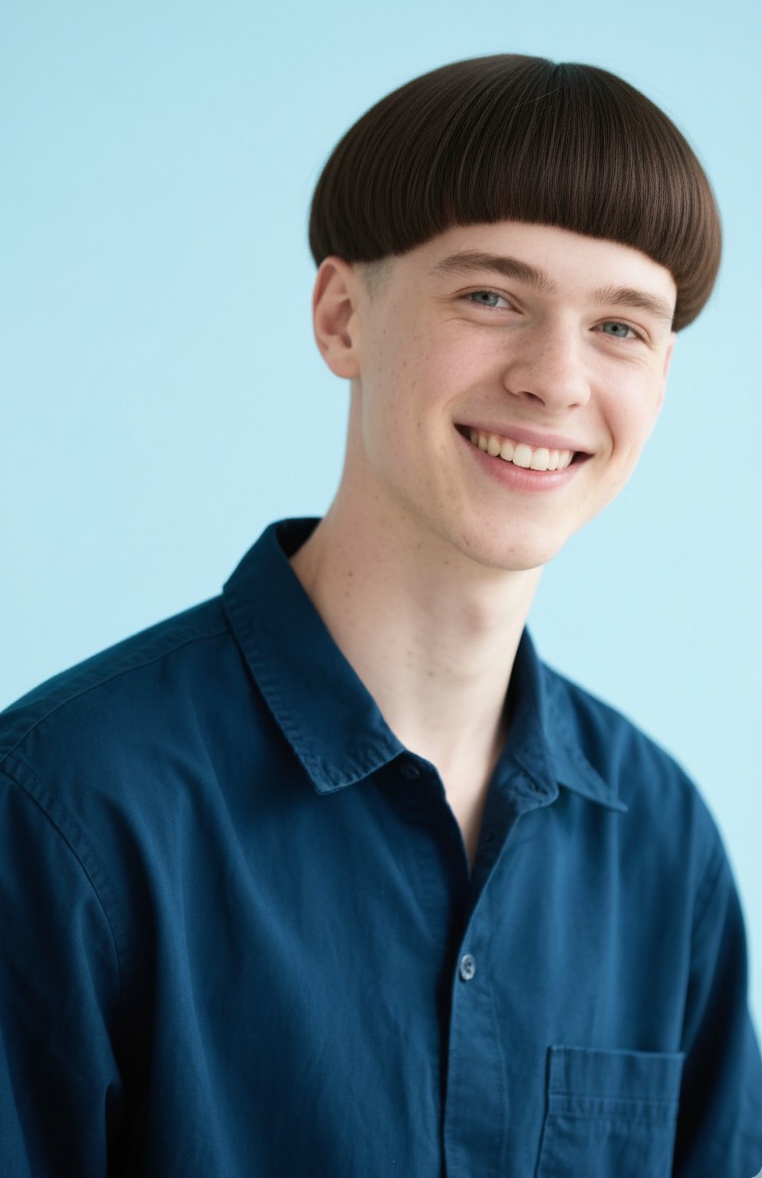
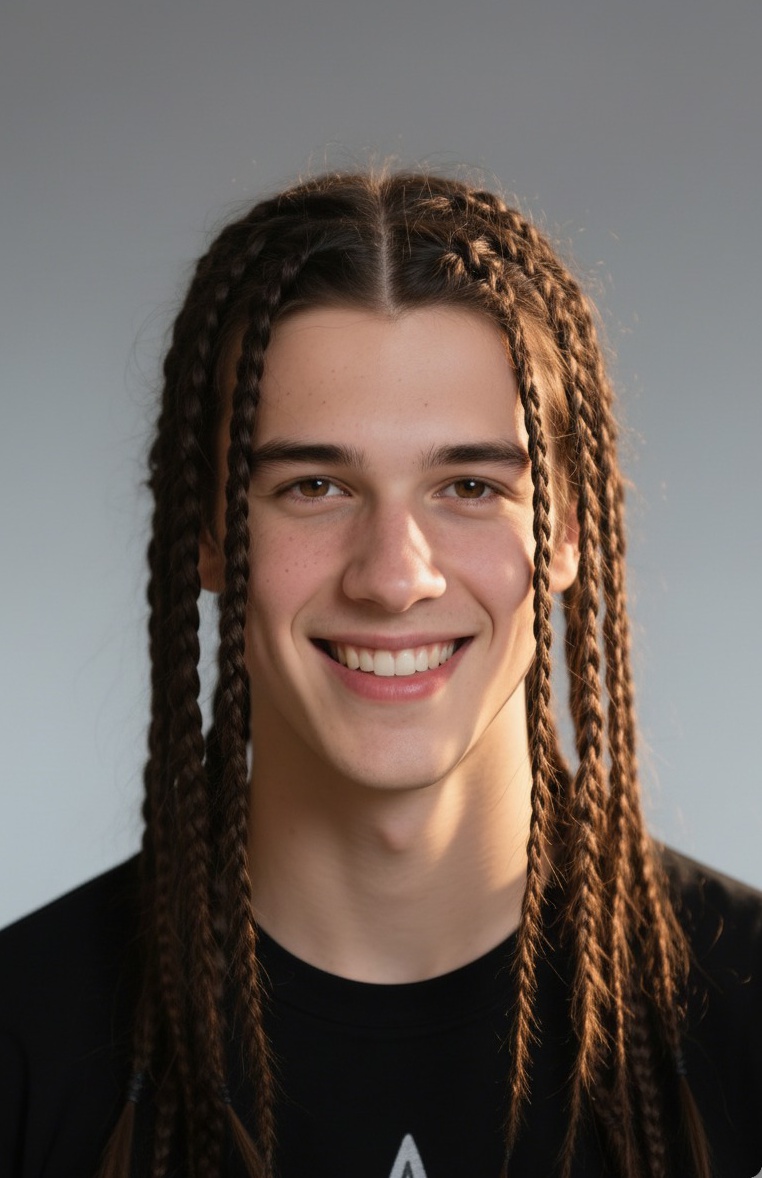
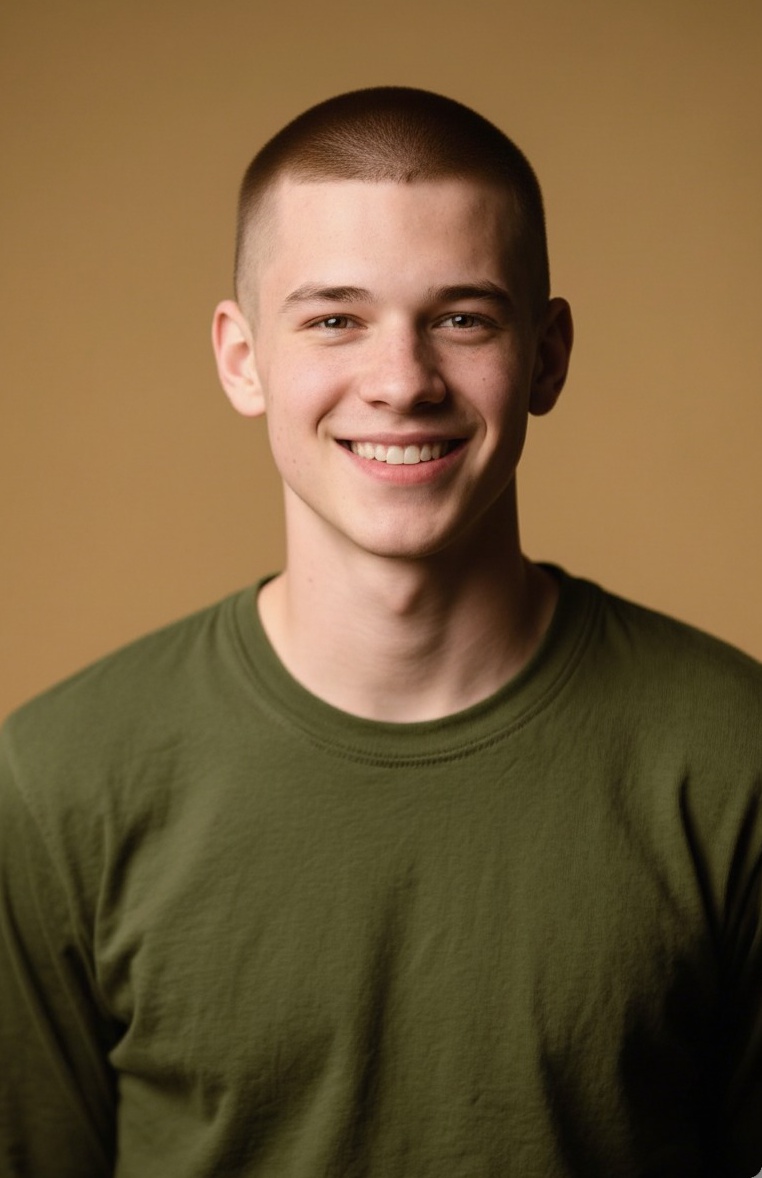
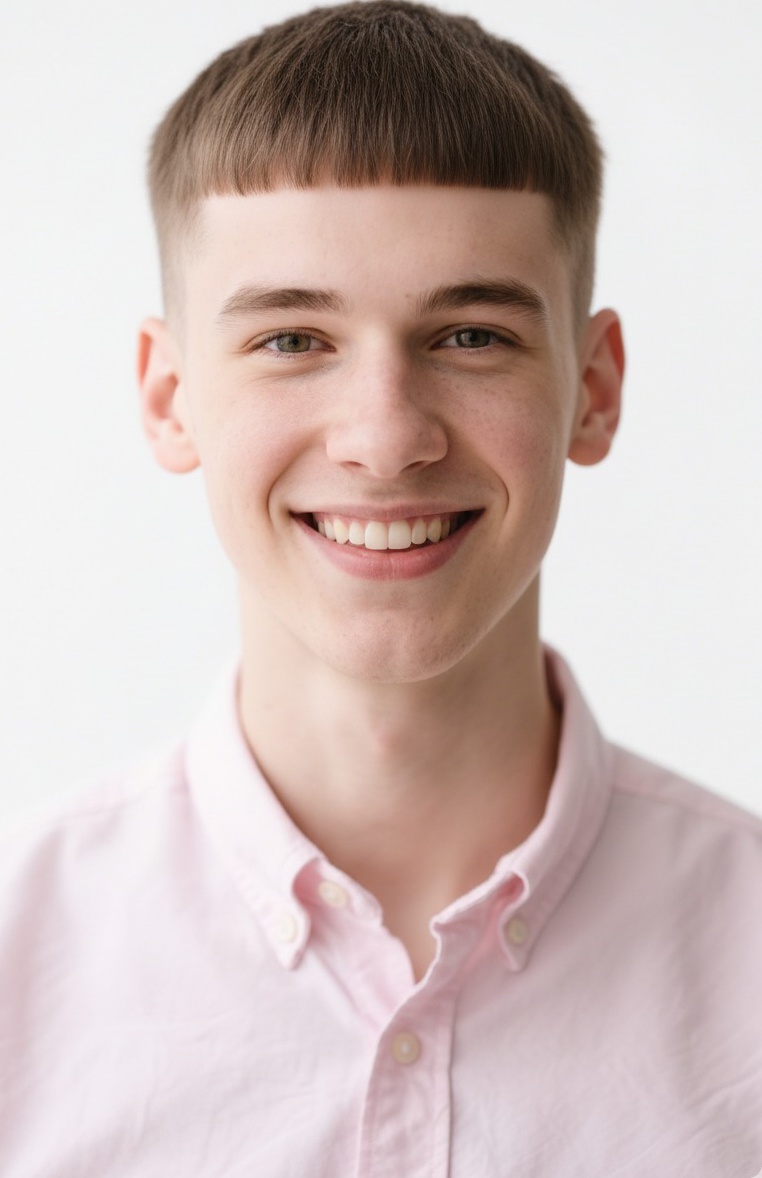

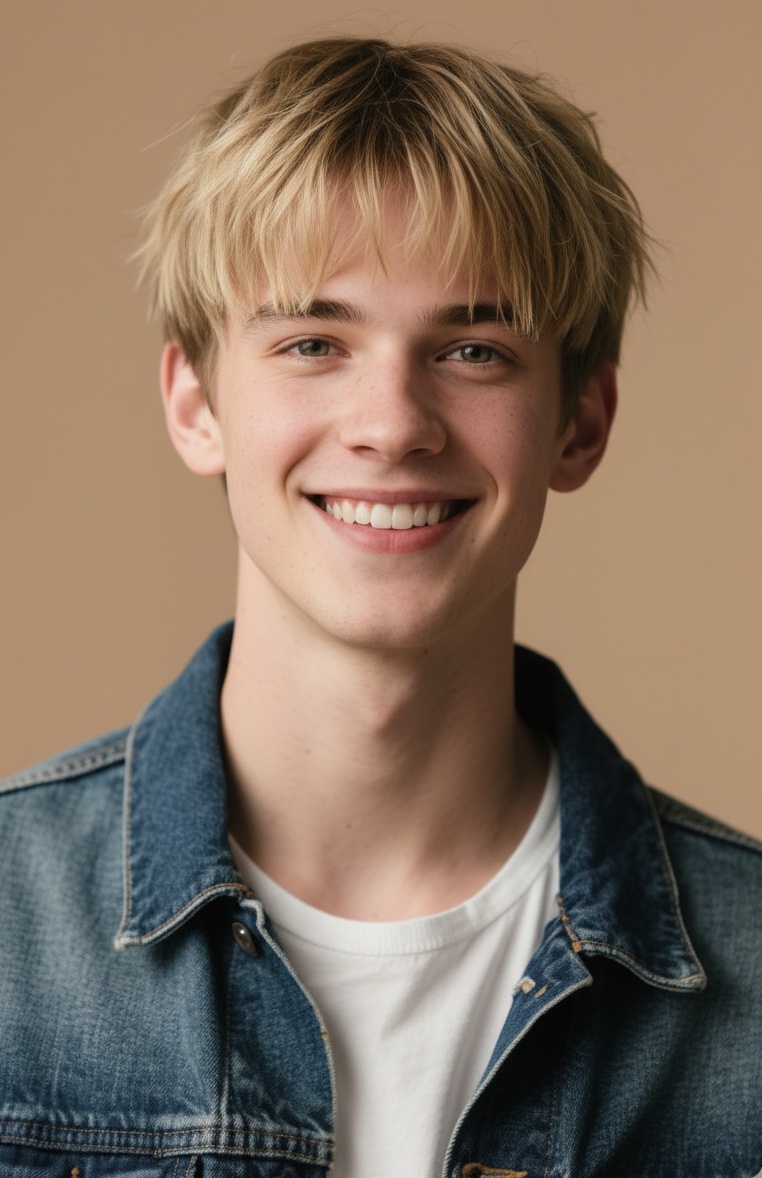

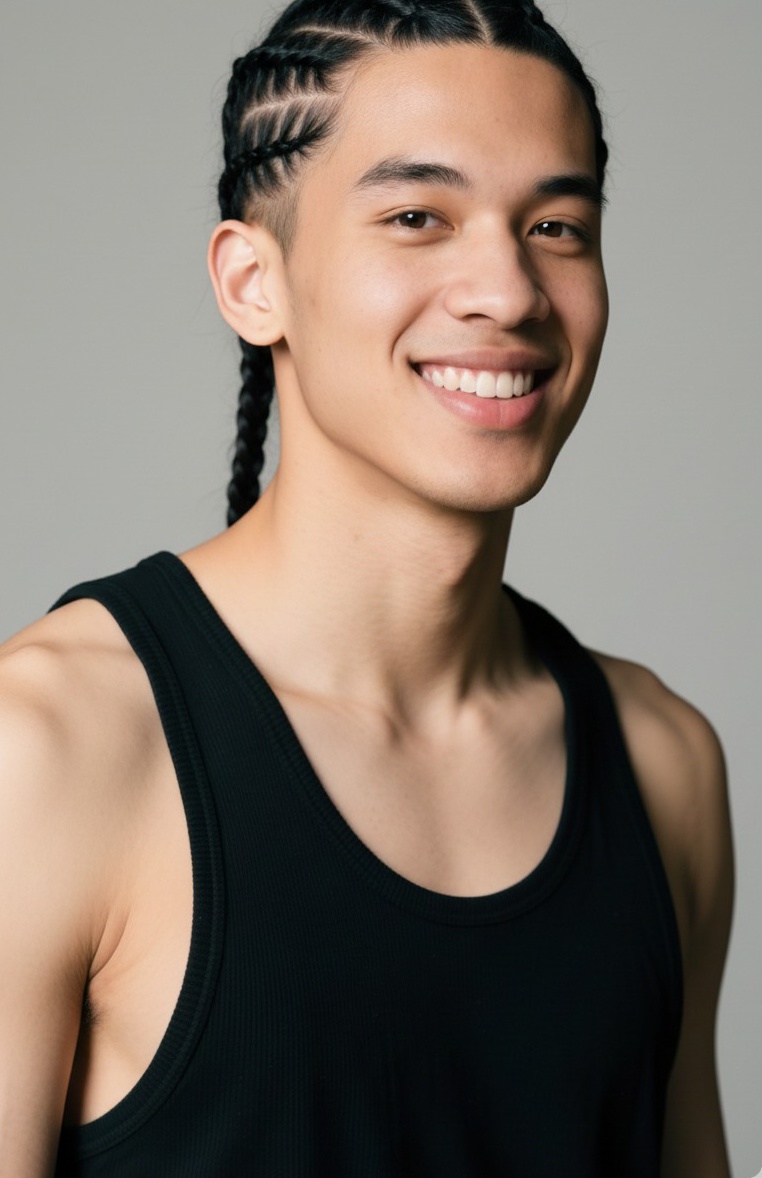
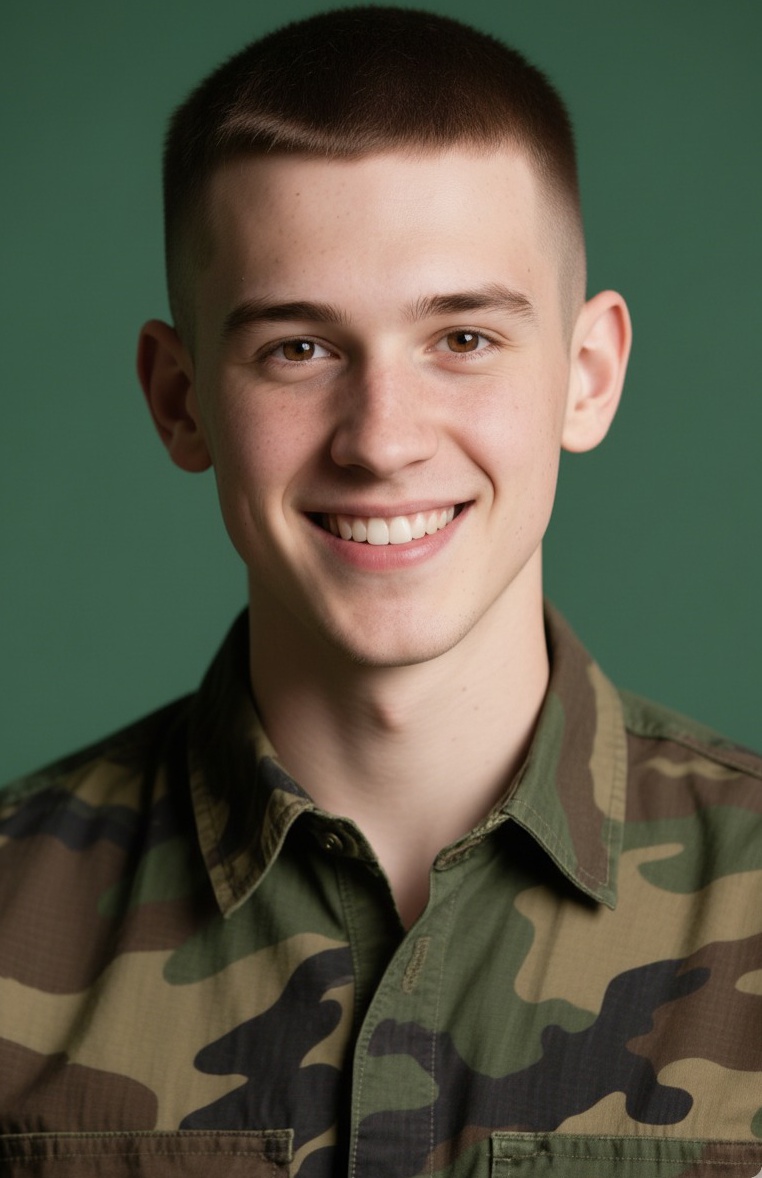

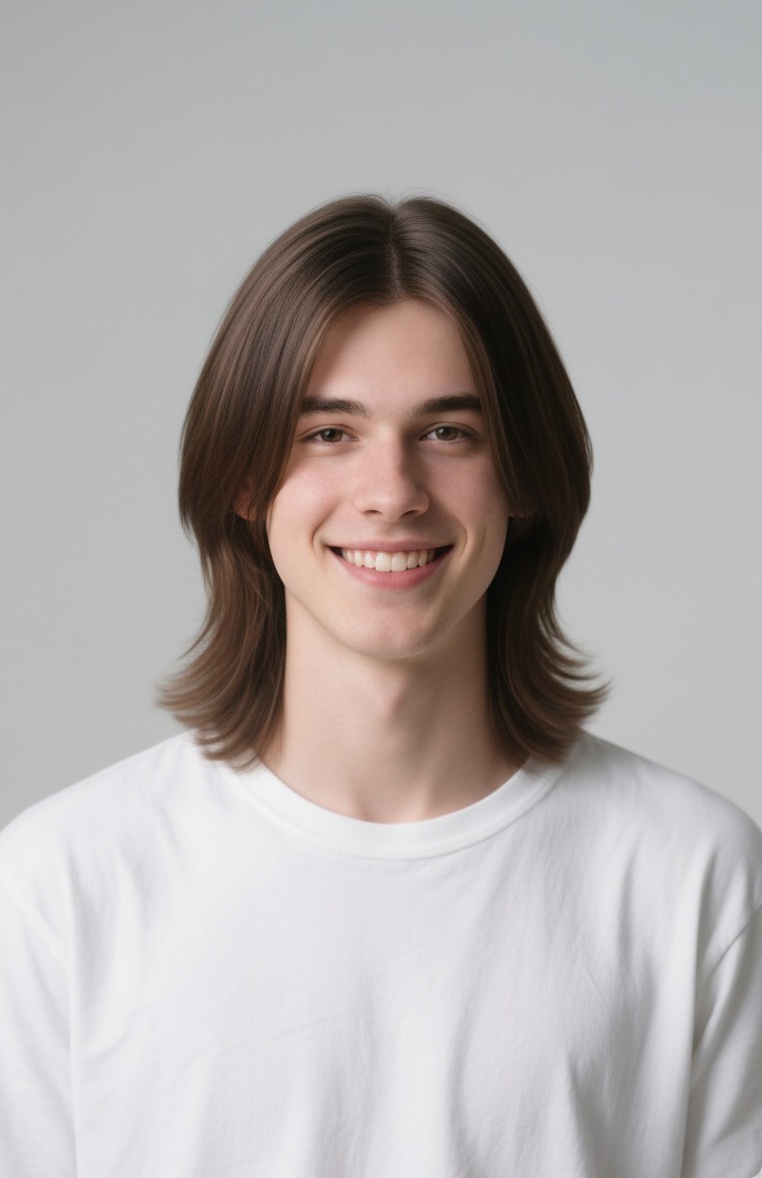
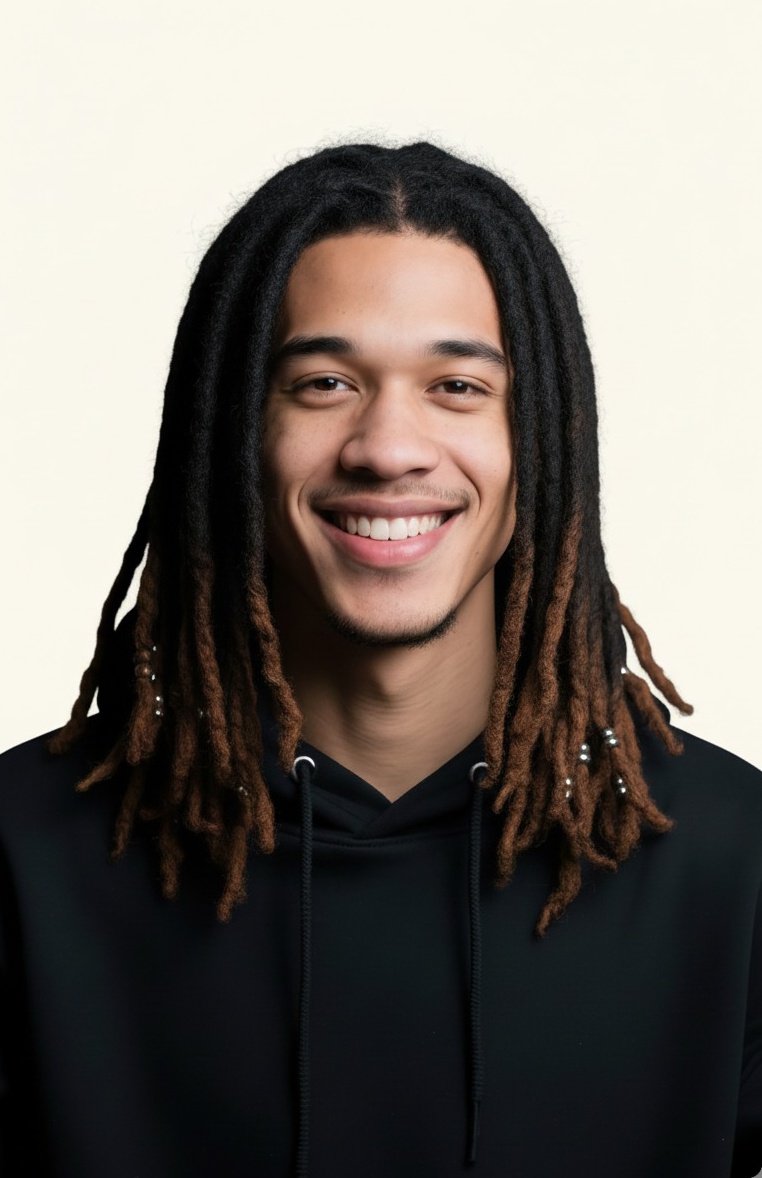
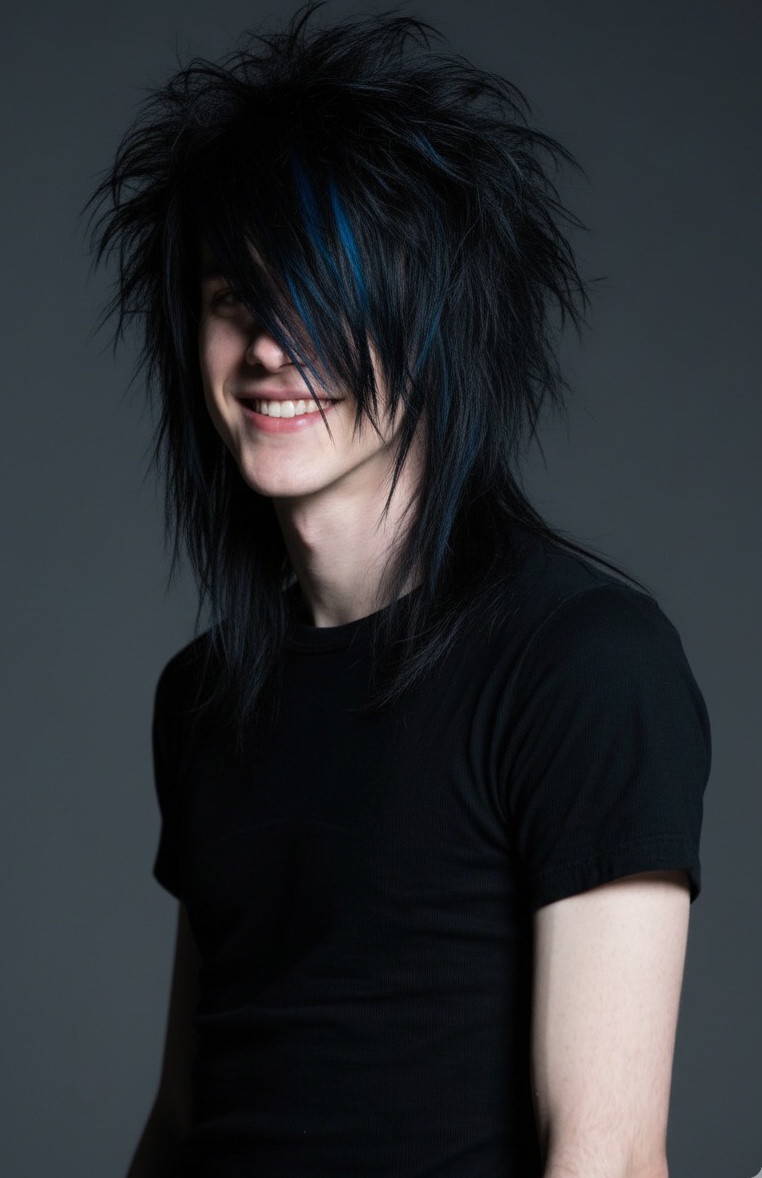
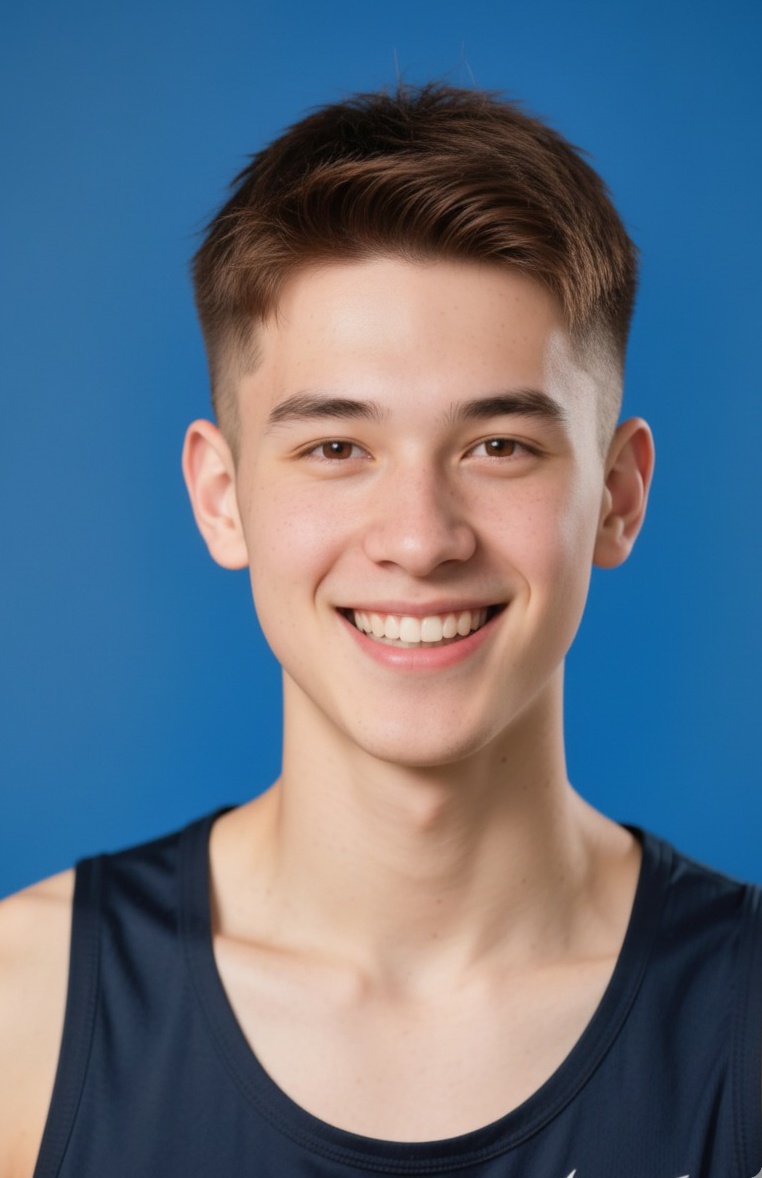
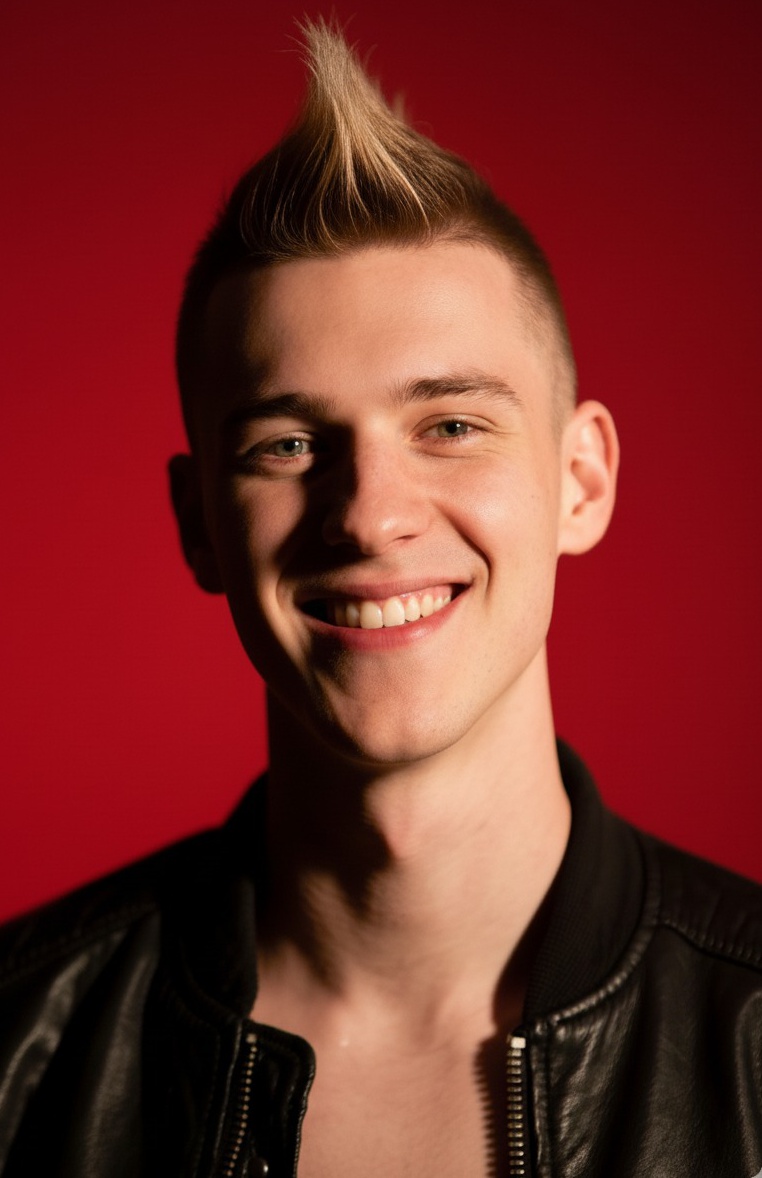

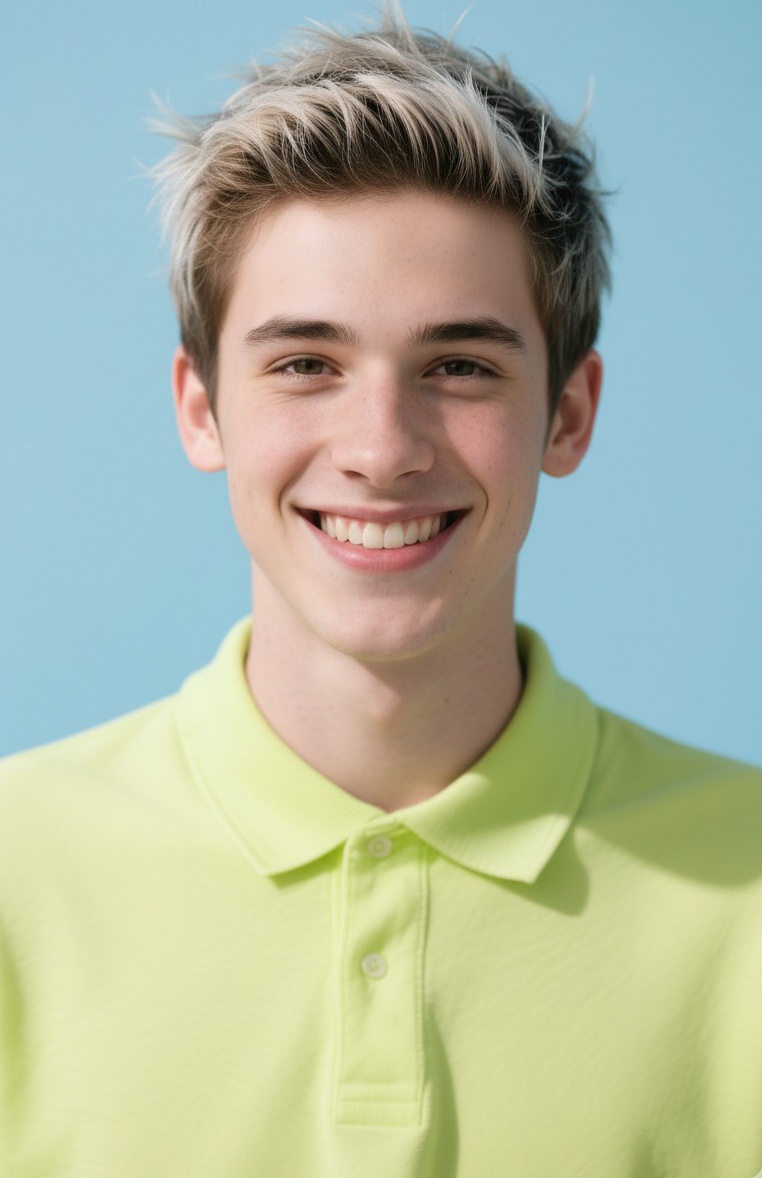
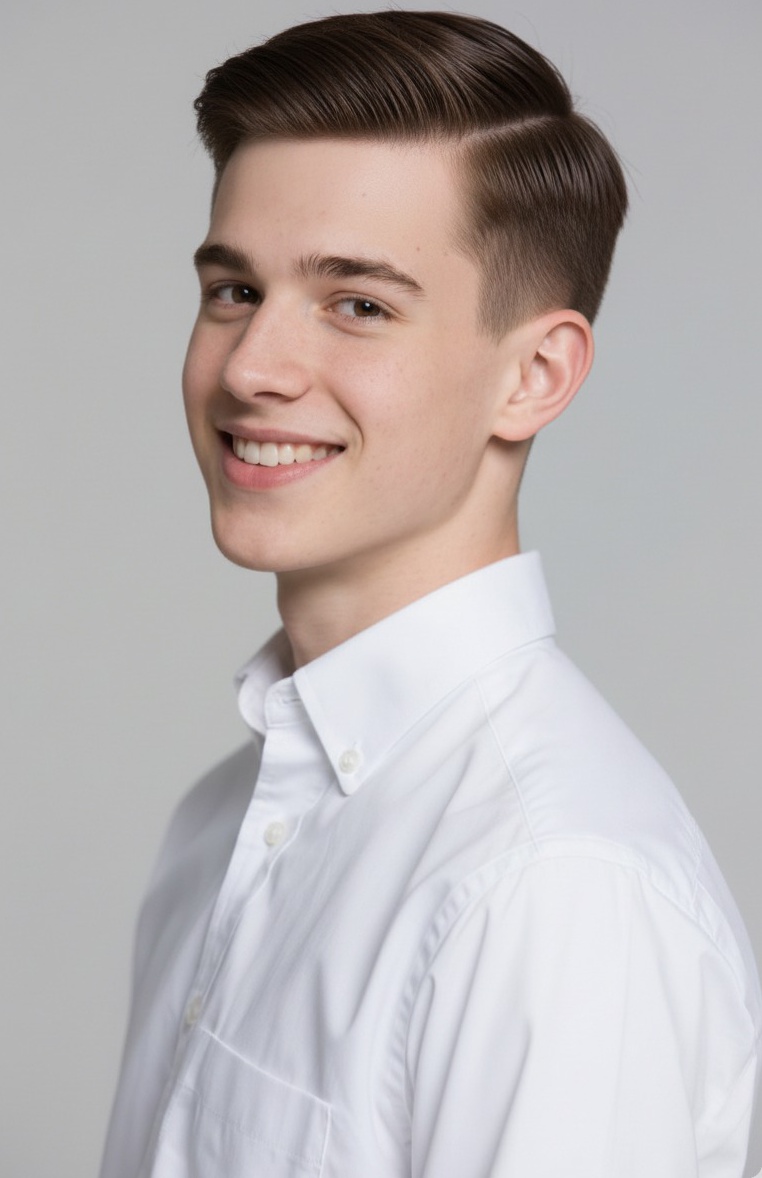
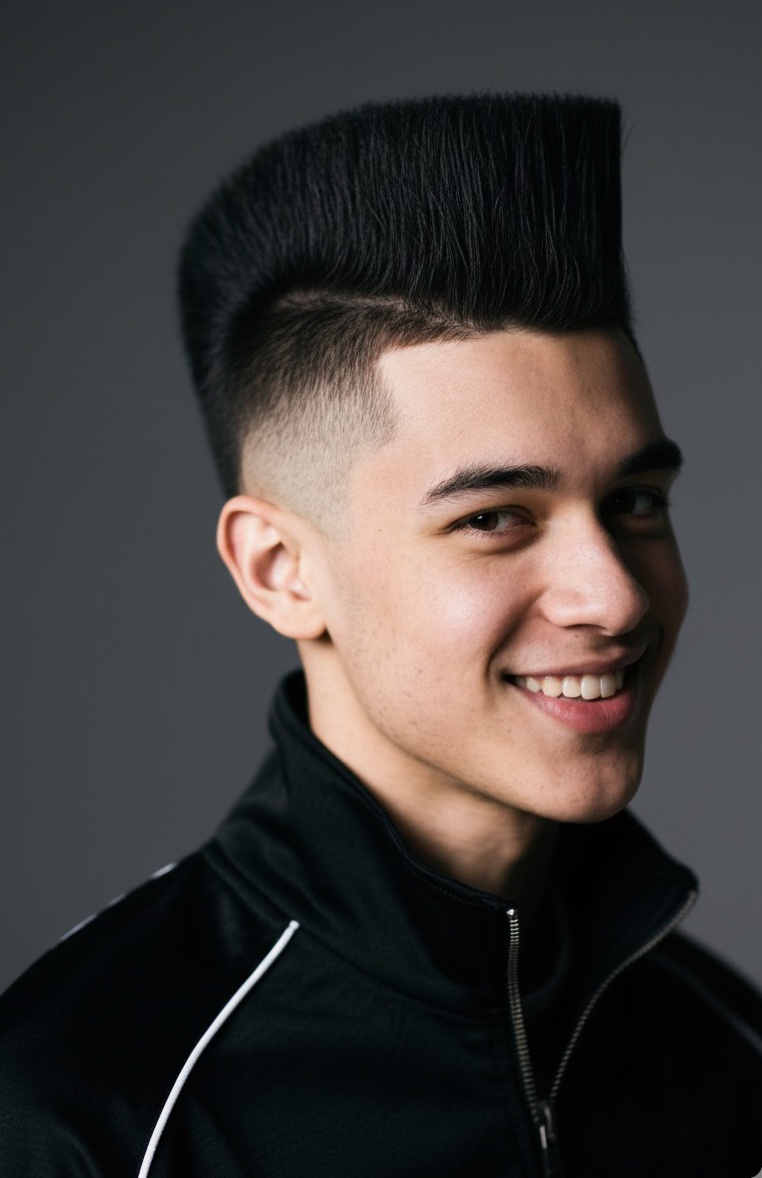
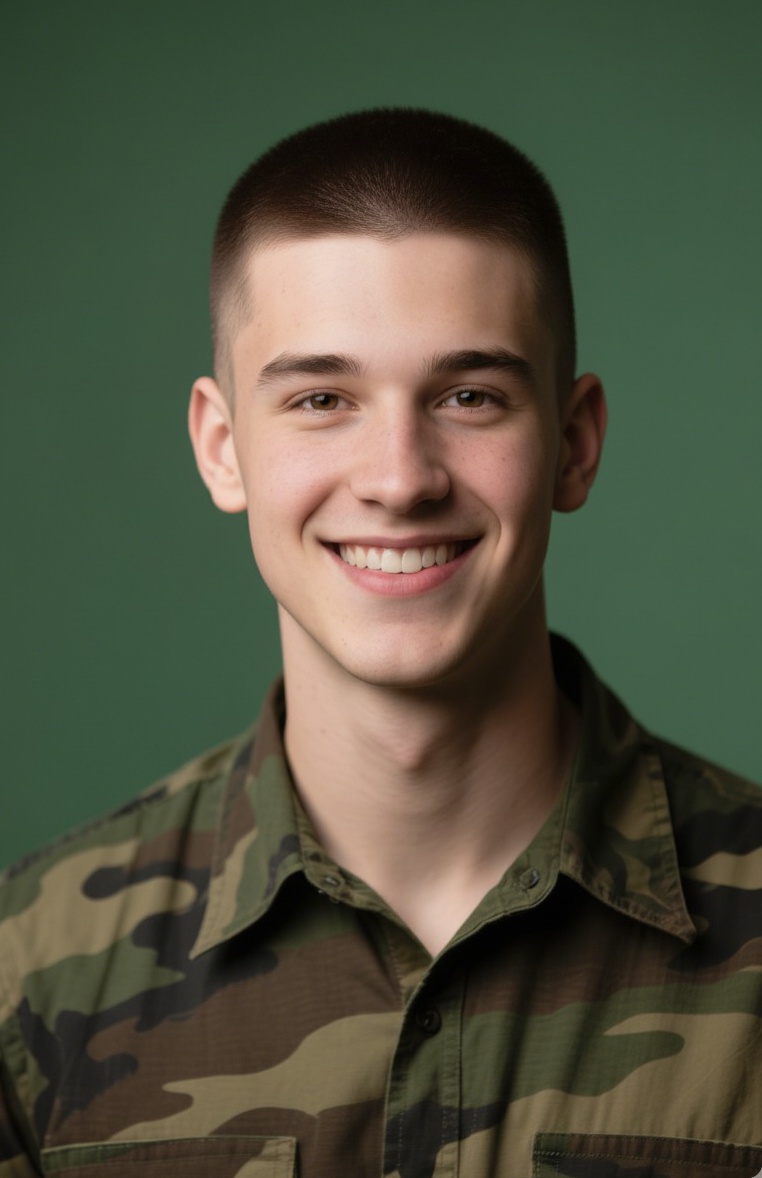
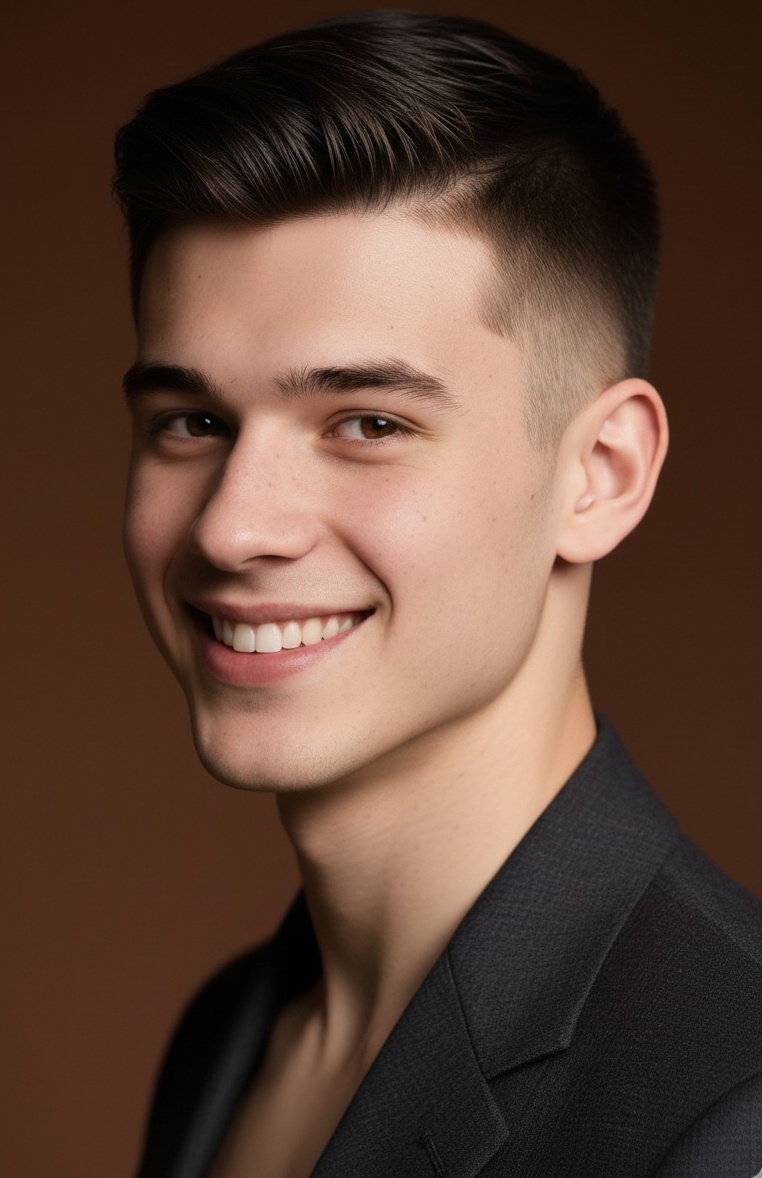
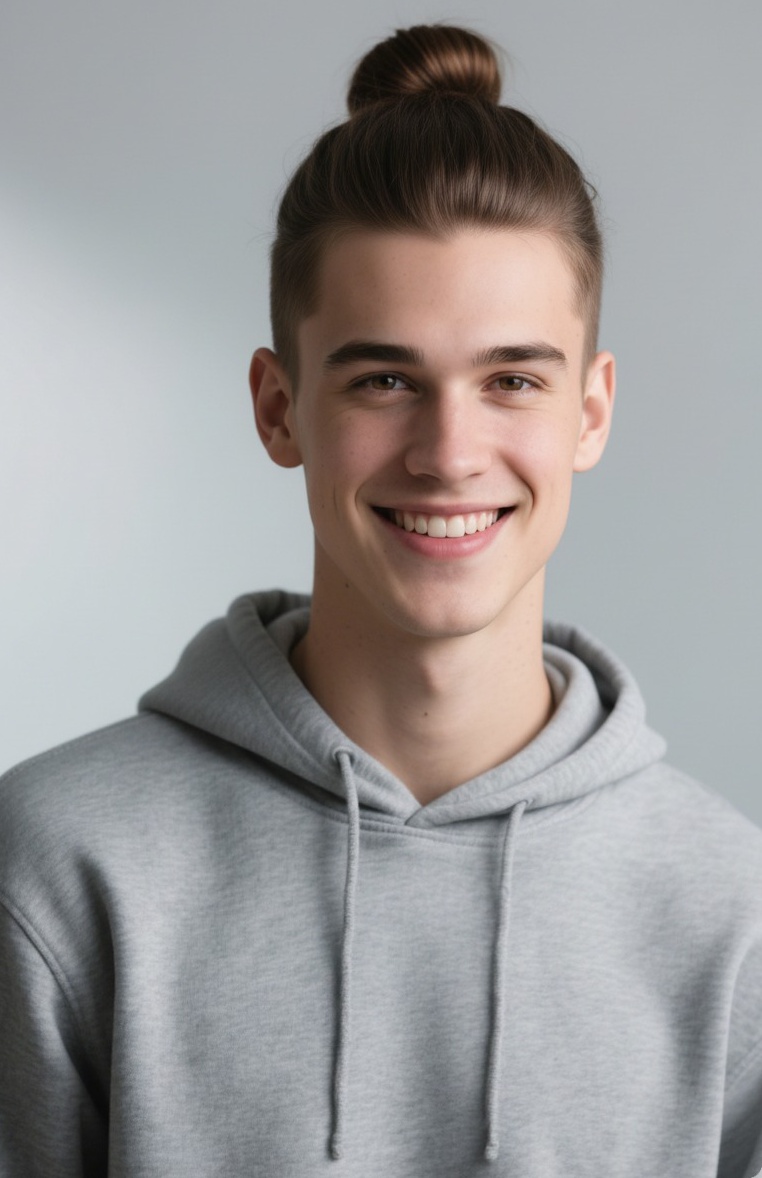


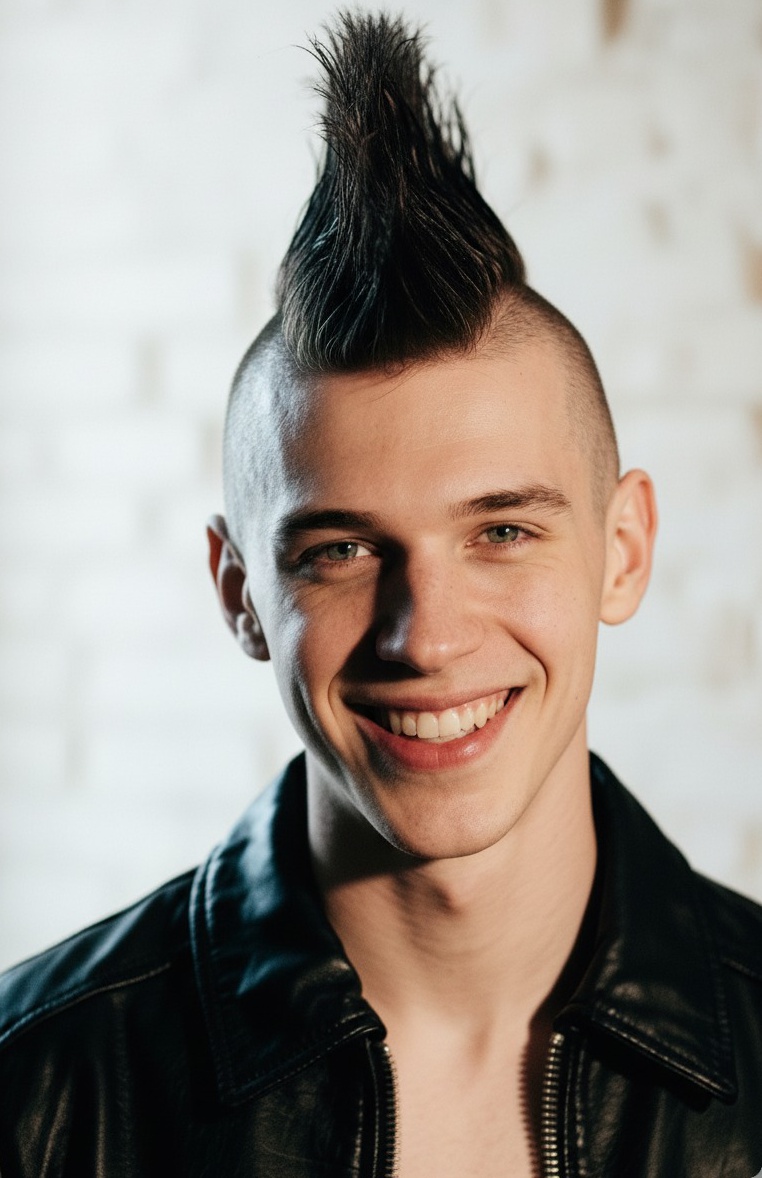
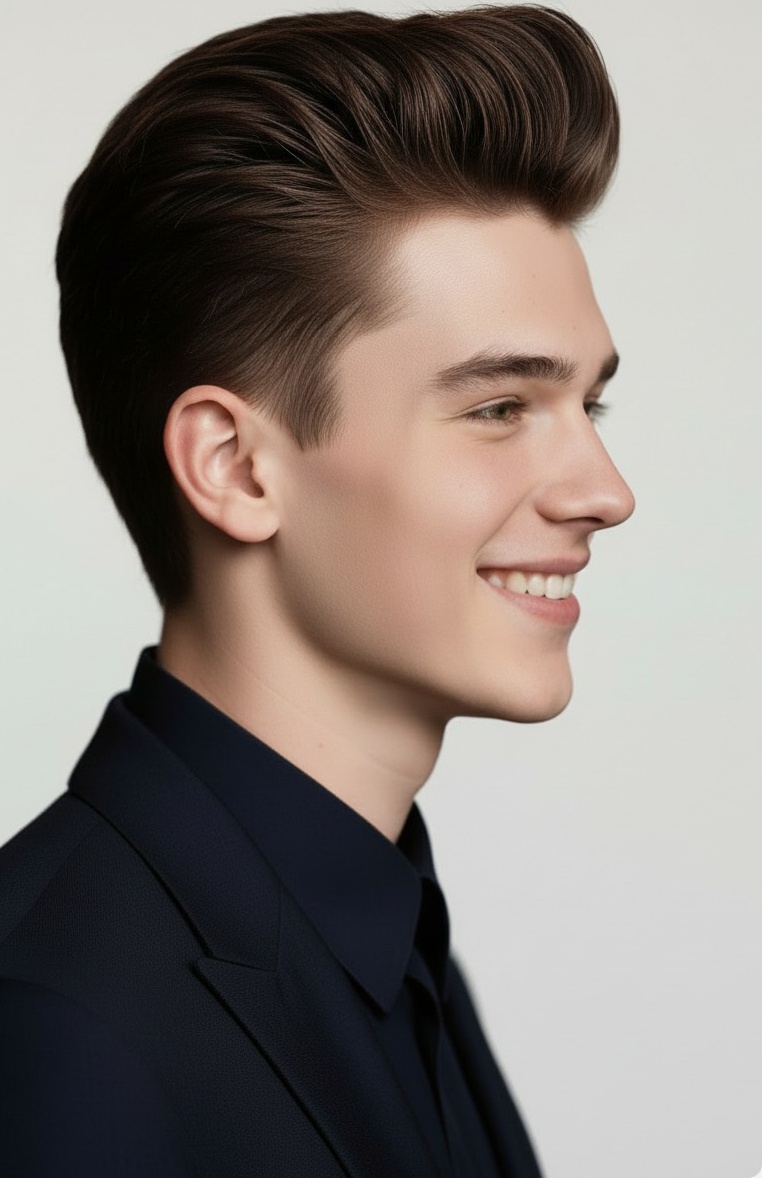
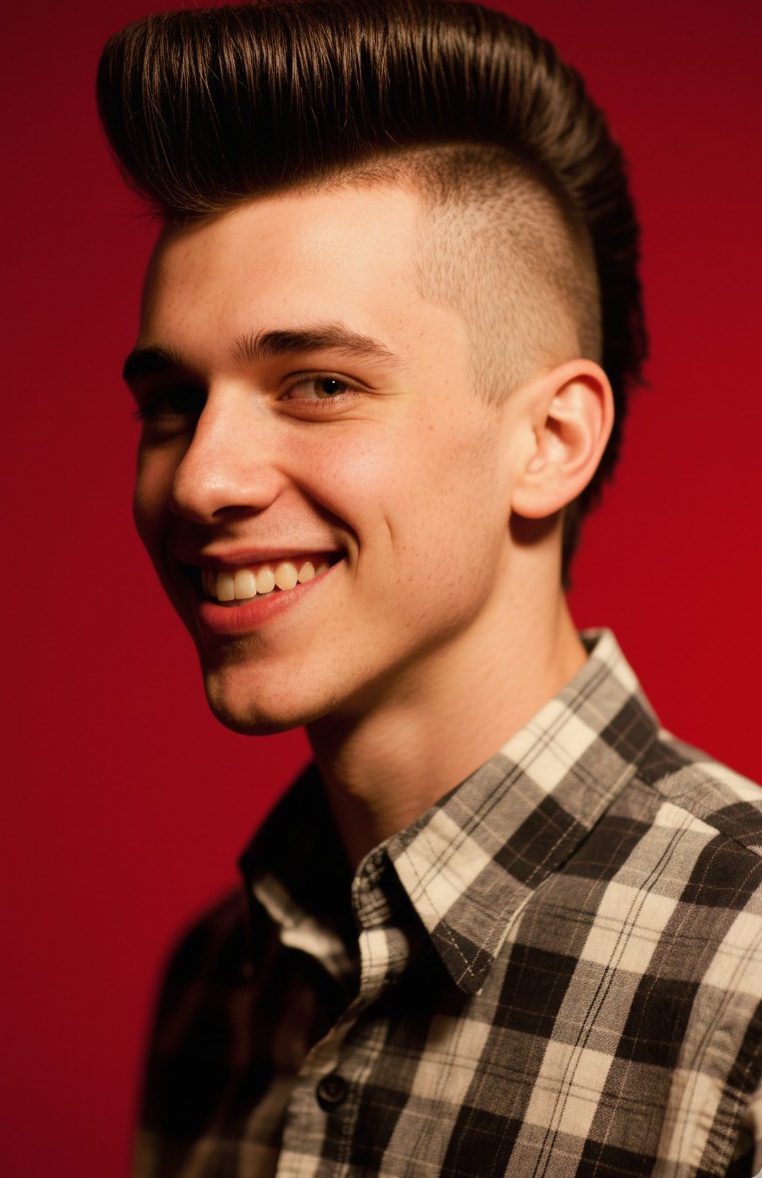
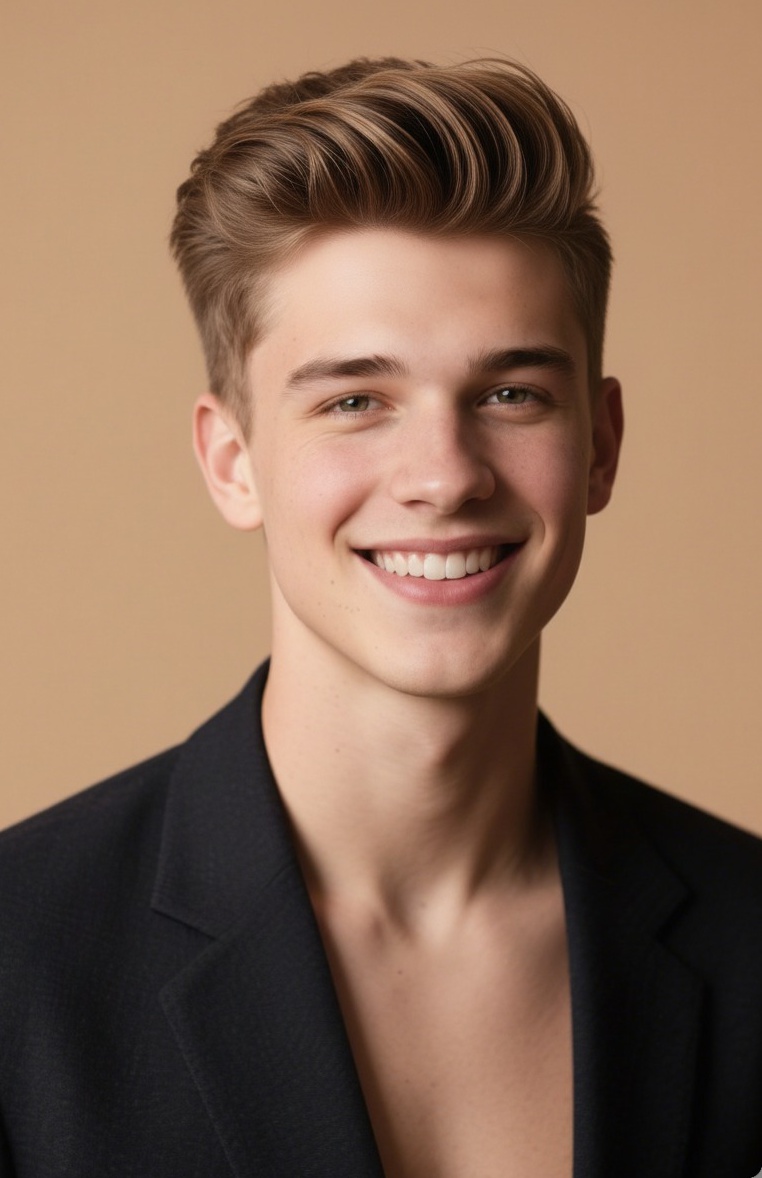
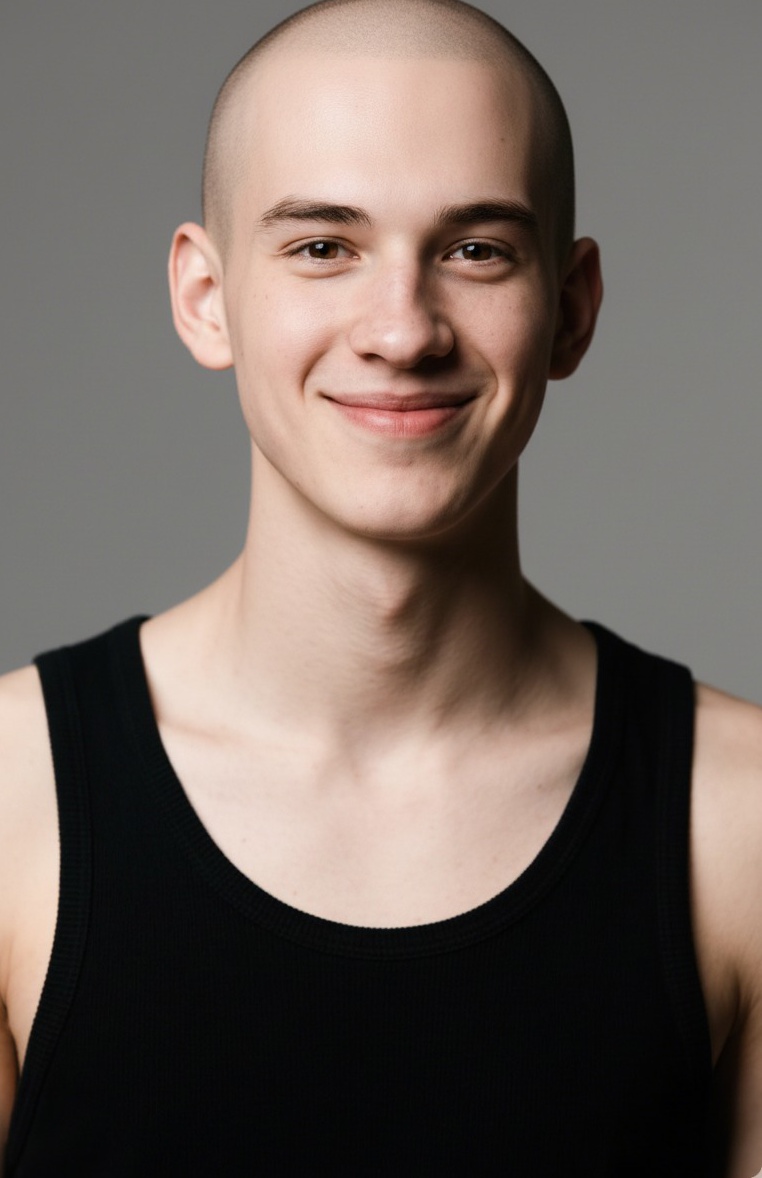
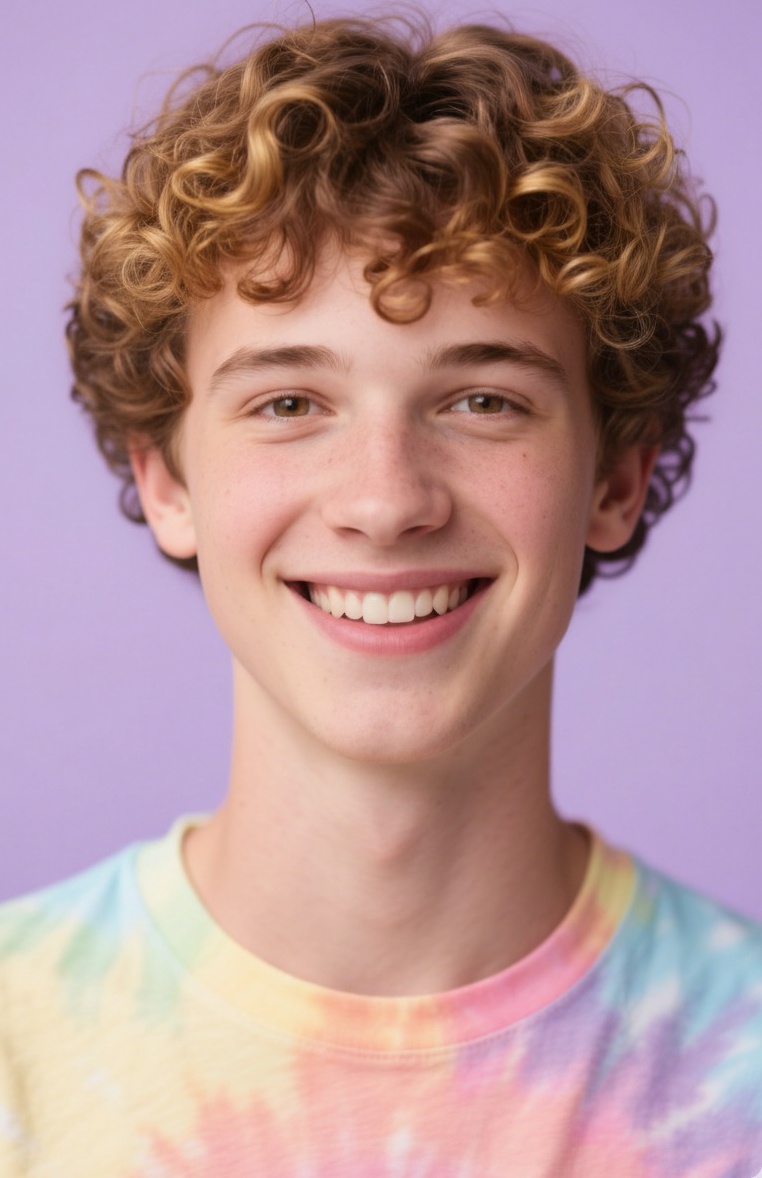
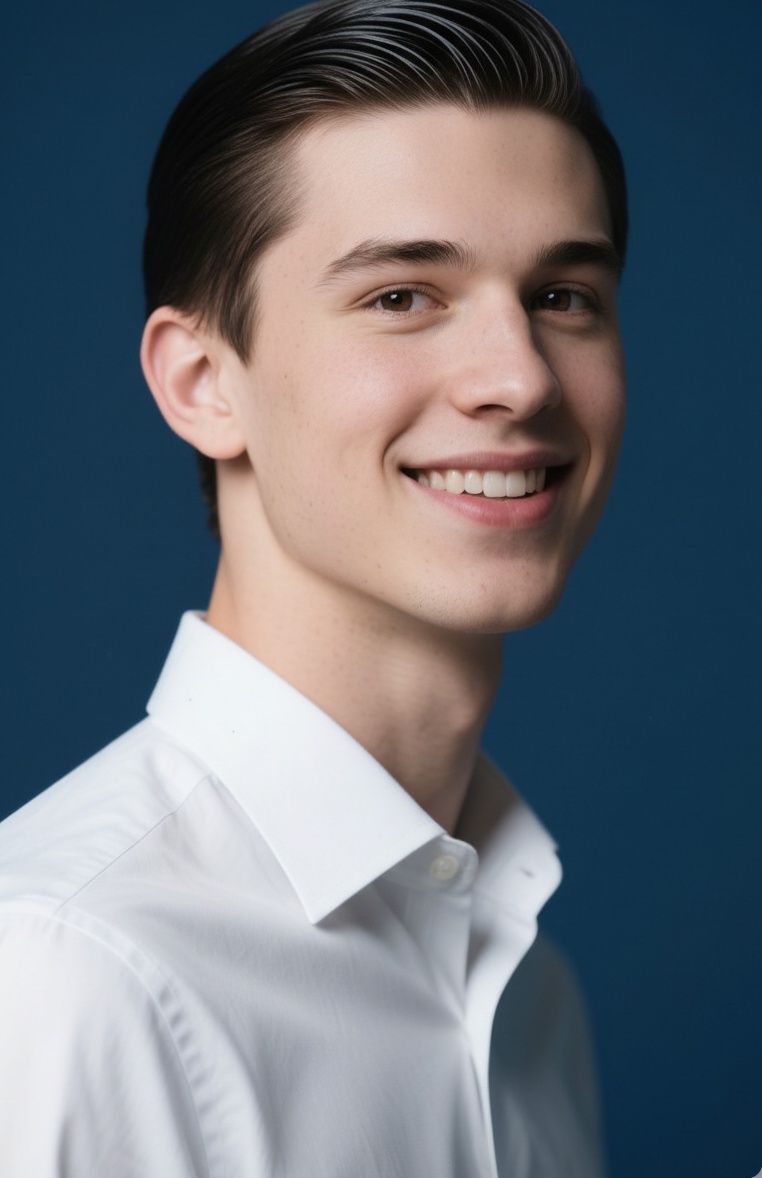
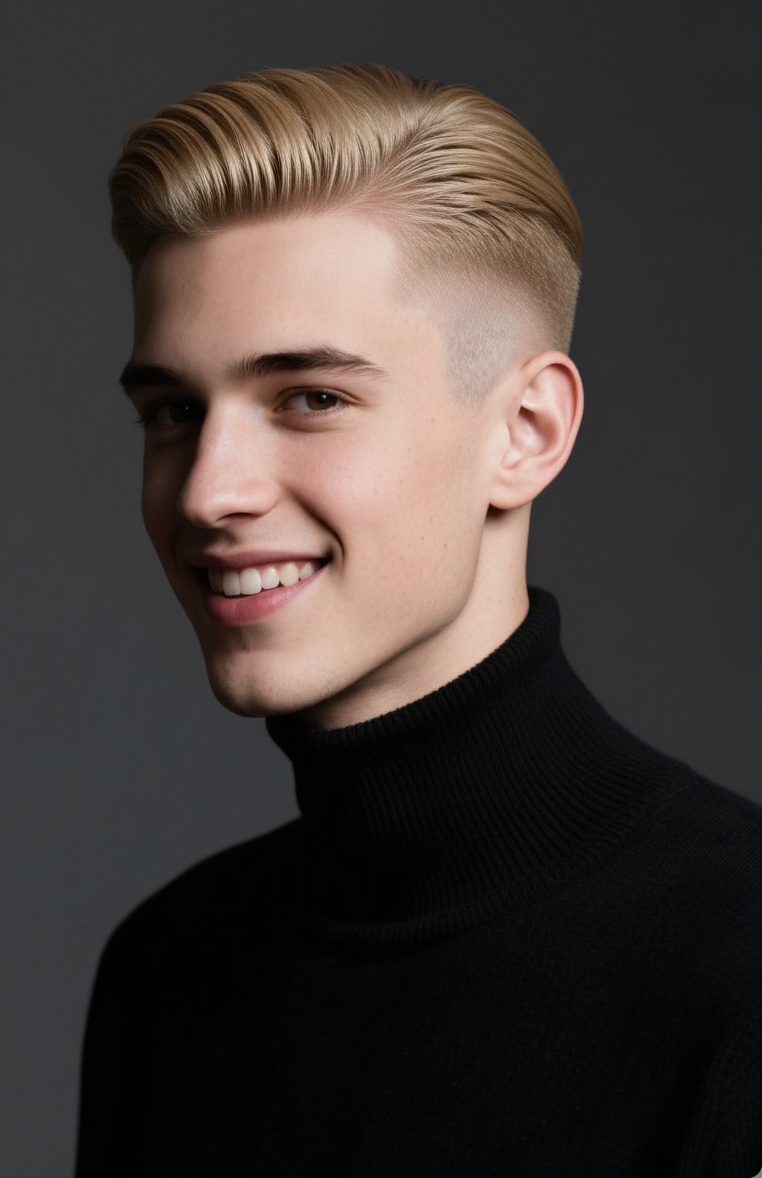

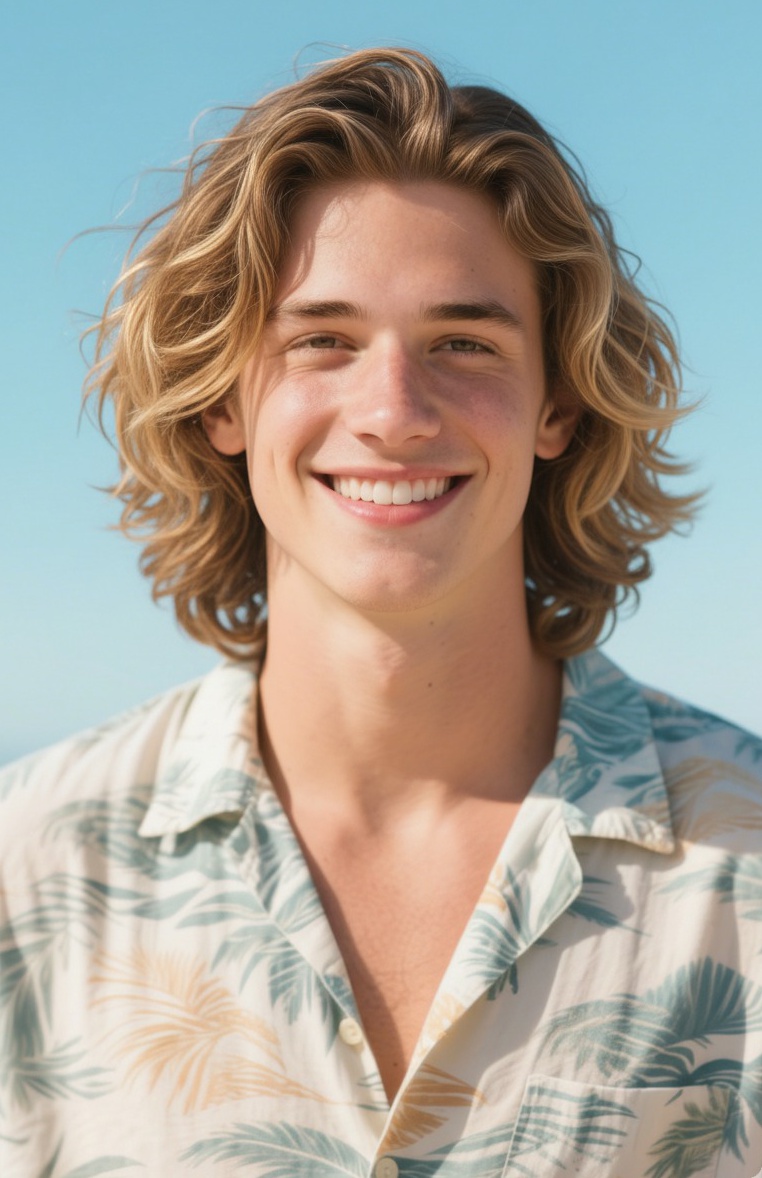
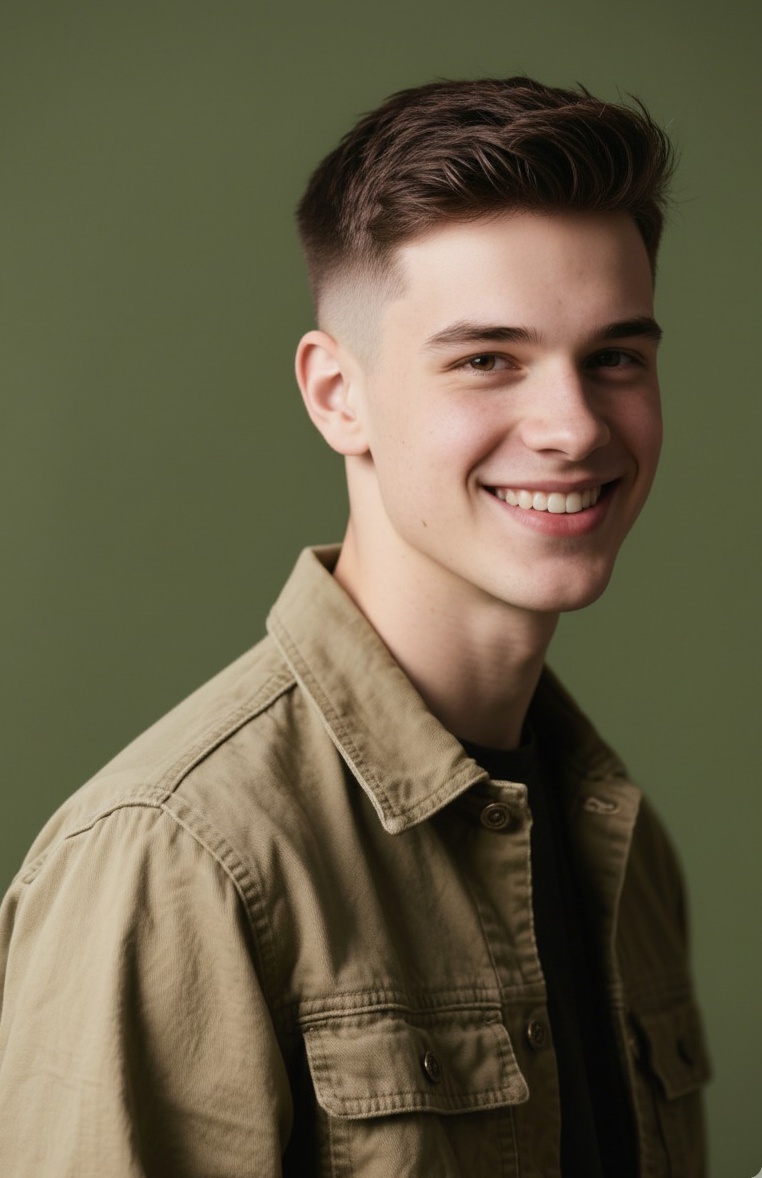
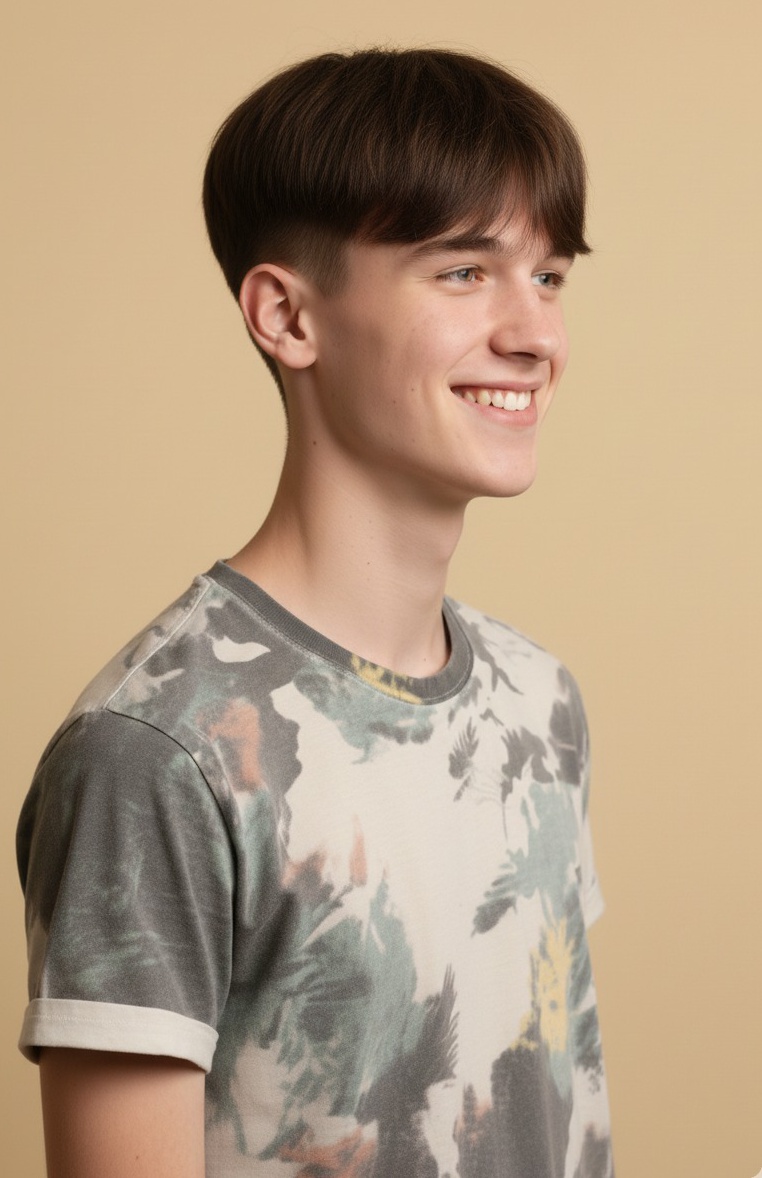
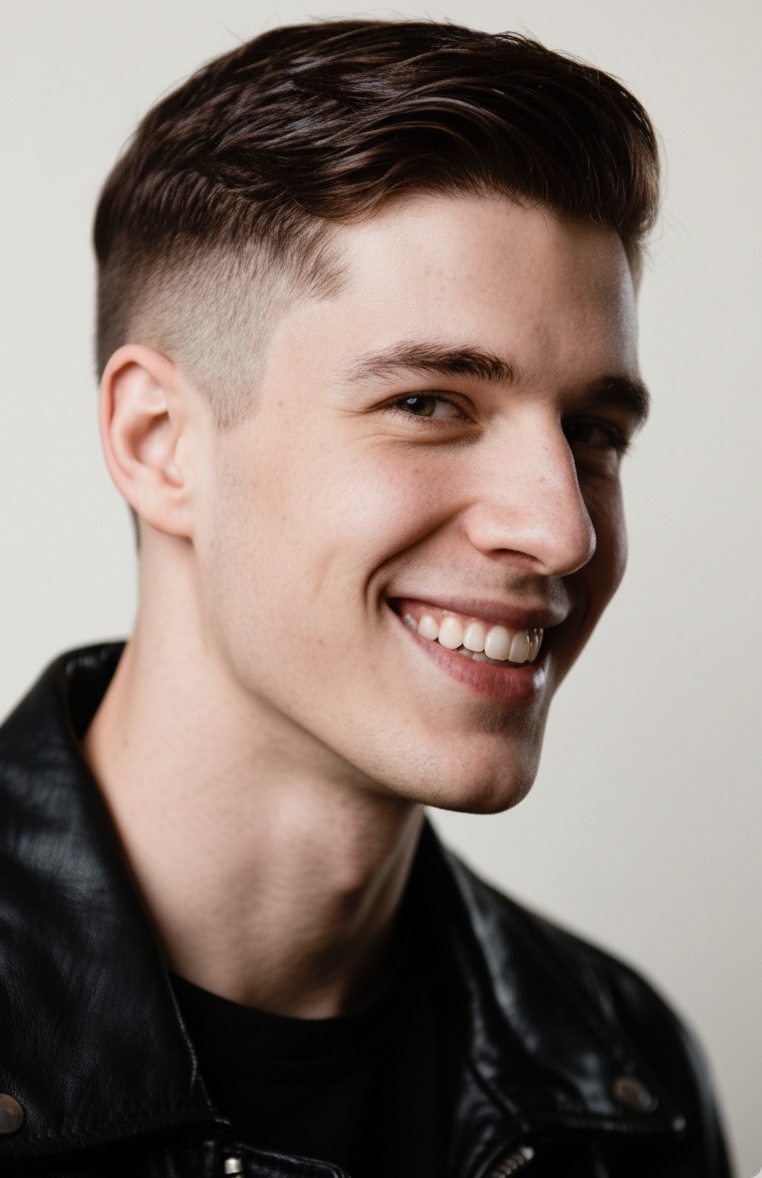
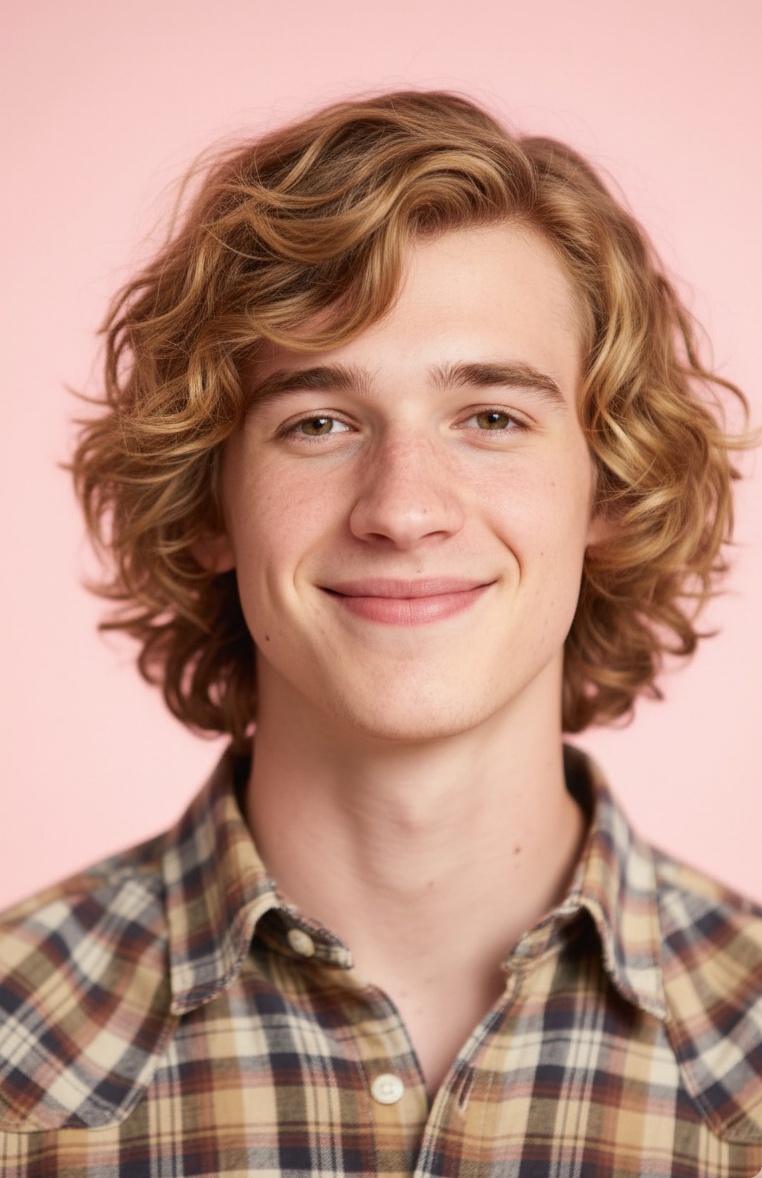
Choose your preferred style, then upload and process your photo on the left
The textured crop is the modern men’s haircut dominating 2025 because it blends sharp structure with lived-in texture. Short faded or tapered sides keep everything clean, while the top stays layered and choppy so it moves naturally. Guys pick this cut because it looks intentional, styles fast, and adapts to different settings without losing its edge.
What is a Textured Crop?
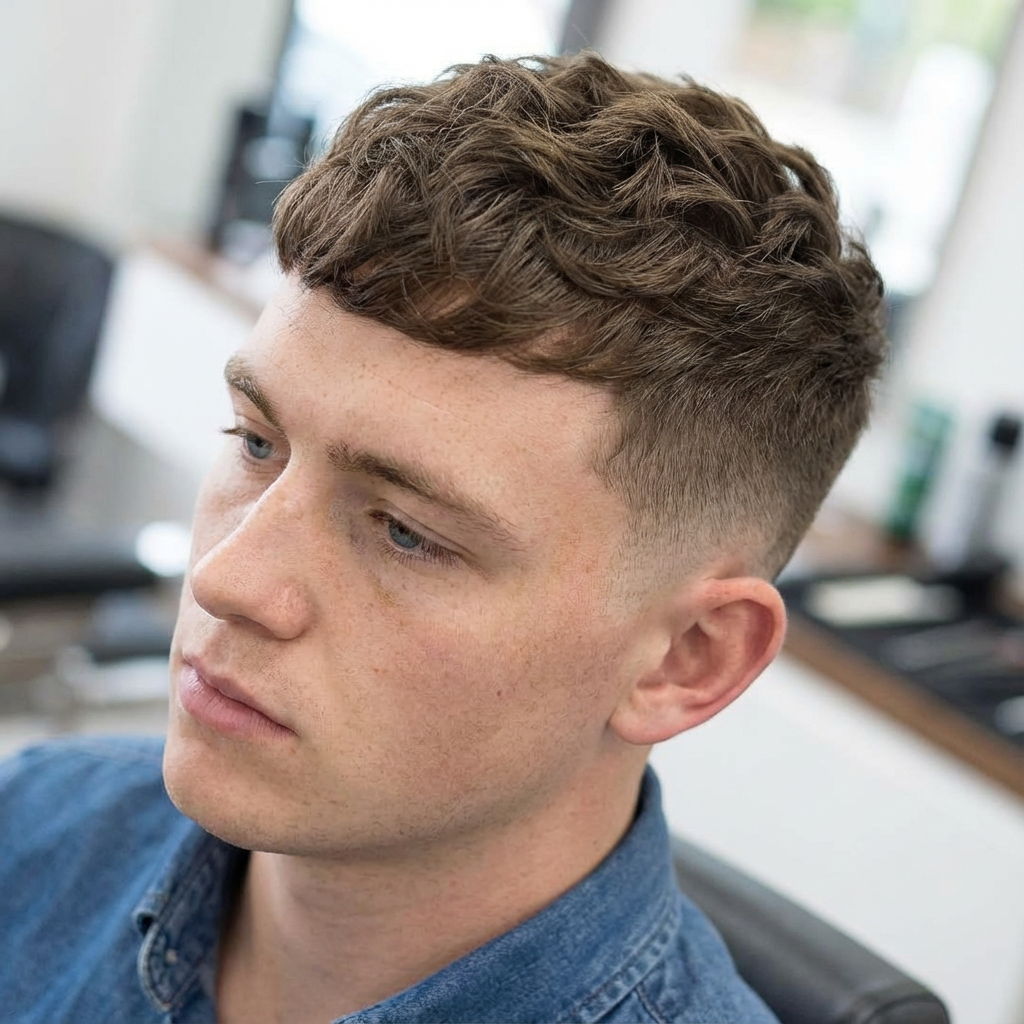
A textured crop keeps the top around 2 to 4 inches, layered with point cutting or razor texturizing to build separation and lift. The fringe usually falls forward with a controlled, slightly messy finish, while the sides taper or fade down for contrast. The overall shape is meant to look cool without effort—matte, airy, and directional rather than stiff or shiny. Because the structure is simple, you can tune it to your personal style: go sharper with a skin fade or softer with a taper, longer fringe or shorter, extra height or more forward flow. It fits most face shapes and hair types, which is why barbers keep recommending it. [BLONDEFILTER_CTA] Preview the textured crop on your face with BlondeFilter’s AI hairstyle try-on before you book.
The Versatility: Textured Crop vs French Crop vs Caesar Cut
The French crop leans on a longer, blunt fringe and minimal texture for a neat, classic vibe. It reads polished and symmetrical, ideal if you want a timeless take. The Caesar cut keeps everything short and sharp, with the fringe cropped close to the hairline and minimal styling required—great for conservative looks or receding hairlines where simplicity wins.
The textured crop splits the difference: a medium fringe, pronounced layering, and plenty of movement. It stays the most fashion-forward of the trio because you can dial it casual or polished with product choice and fade strength. Add height and a low skin fade for a bold street feel, or soften it with a taper and choppy fringe for everyday wear.
Fade Variations Explained
Your fade choice sets the overall attitude of a textured crop. Use it to control contrast, maintenance, and how bold the haircut feels.
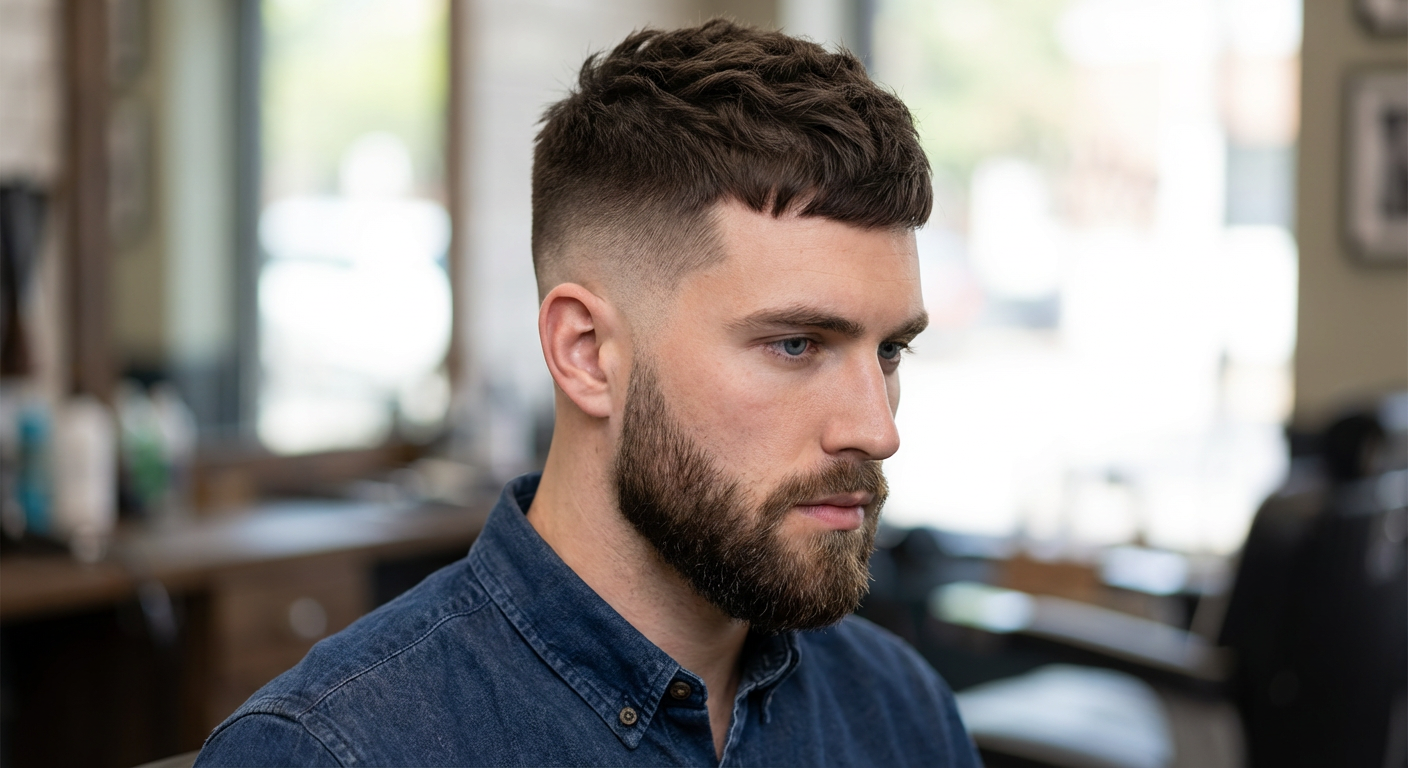
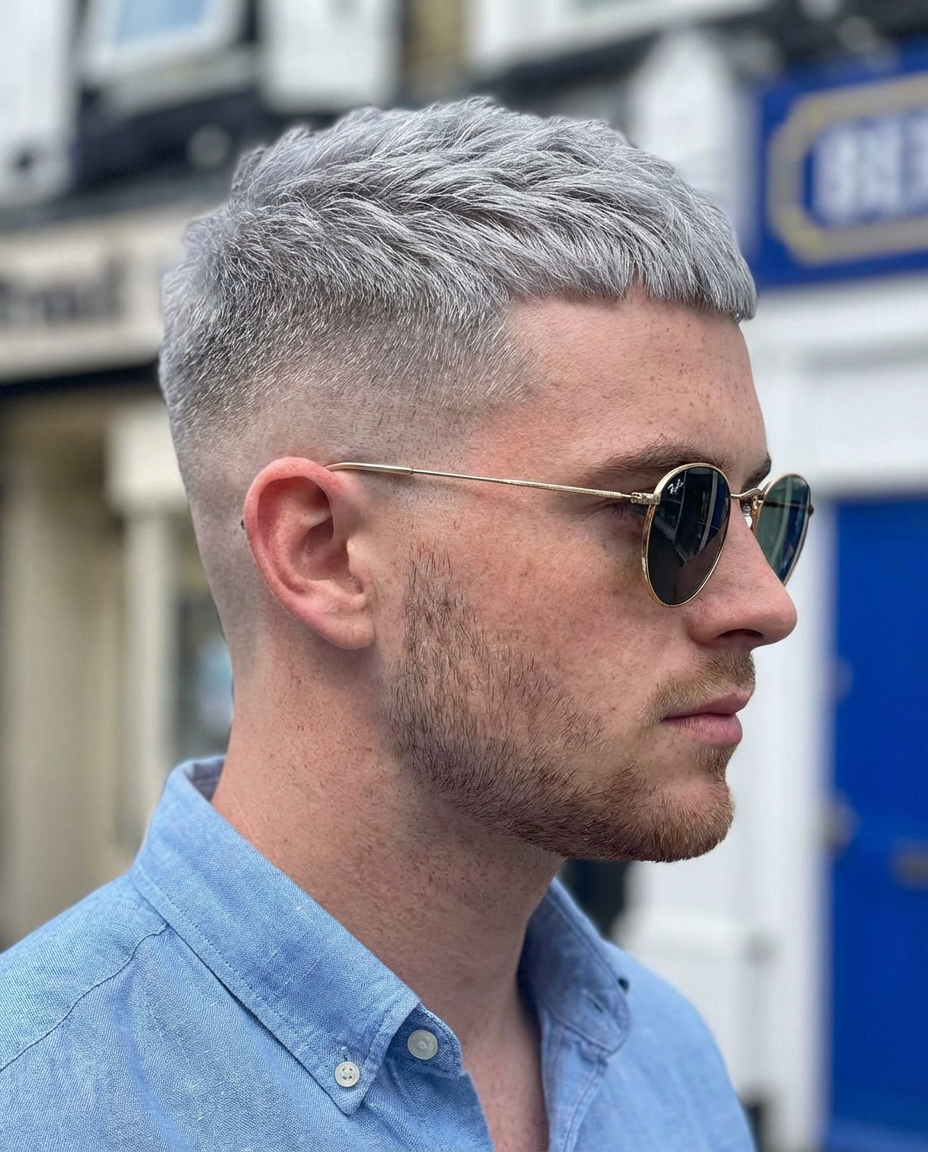
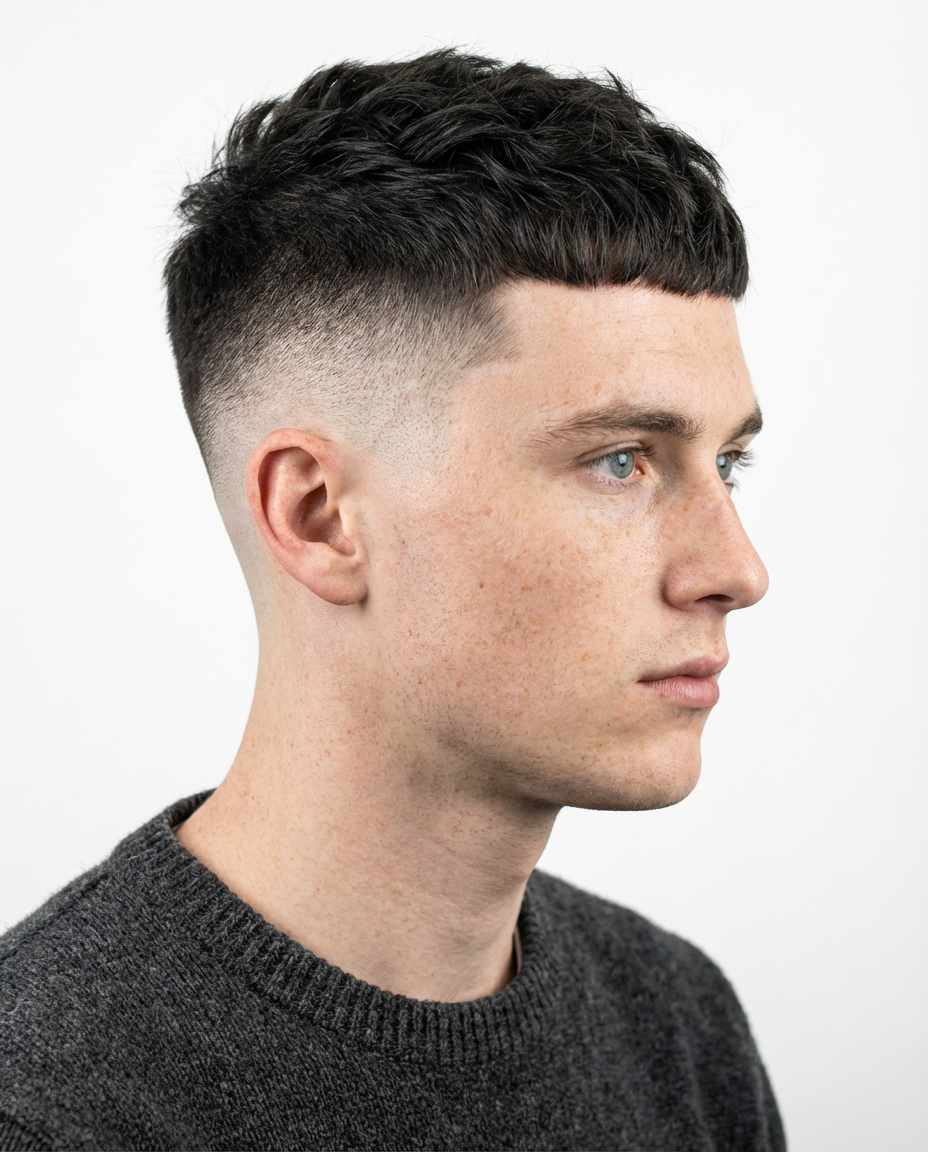
Low Skin Fade: Maximum Contrast and Edge
A low skin fade drops to bare skin below the ear, creating the strongest line between the textured top and sides. It is bold, sharp, and perfect if you want the texture to pop—especially on thick hair. Expect to keep trims on schedule so the transition stays crisp. Pair it with a blunt fringe for a statement look or choppy ends for controlled chaos.
Mid Fade: Balanced and Versatile
The mid fade sits halfway up the head for a cleaner blend that still shows contrast. It is the most popular pick because it grows out neatly, suits most face shapes, and works in both creative and professional settings. A mid fade also plays well with facial hair, keeping the outline tidy without feeling severe.
Taper: Subtle and Professional
A taper keeps the sides short without going to skin, blending smoothly into the top. Choose this when you want a refined, low-drama look or when your workplace calls for less graphic contrast. Tapers are forgiving between appointments and flatter finer hair because they avoid harsh lines that can expose scalp.
Combining Fades with Fringe Styles
Pair a blunt fringe with a low skin fade for a high-impact, street-forward look. Choose a choppy fringe with a taper for a softer, lived-in finish. The fringe and fade act like sliders—adjust both with your barber until the shape matches your face shape, hair density, and lifestyle.
Hair Type and Face Shape Compatibility
Hair types: Straight and wavy hair showcase the layers with minimal effort. The texture naturally separates, so you can rely on matte product and finger-styling. Curly hair looks strong with the right barber technique and curl-friendly products; the shape honors the curl pattern while keeping sides clean. Fine or thinning hair benefits from the layering and forward fringe, which add visual density and disguise recession.
Face shapes: Oval faces get full freedom—any fade works and you can experiment with fringe length. Square faces like a mid or low fade with textured height to soften angles and draw the eye upward. Round faces need extra lift on top and a textured, directional fringe to elongate the silhouette; avoid heavy, flat fringes that shorten the face. Heart-shaped faces balance a wider forehead with a slightly longer, textured fringe and a taper or mid fade to keep proportions even.
Not sure which combo fits you? [BLONDEFILTER_CTA] Use BlondeFilter’s AI hairstyle filter to see textured crop variations on your face shape before you commit. Toggle fades and fringe lengths until the proportions feel right.
Styling Your Textured Crop
Essential products: Matte clay or paste for flexible hold, texturizing powder for grip and lift, and sea salt spray to boost natural movement. Avoid shiny pomades that flatten the texture and erase the layered work your barber built.
Quick routine: Start with slightly damp hair. Mist sea salt spray if you want more movement, then work a pea-sized amount of matte product through the top, directing strands forward with your fingers. Air-dry for an easy, tousled look, or finger-blow-dry to add height and control. Use texturizing powder at the roots when you need extra grit without weight.
Maintenance: Expect trims every 4 to 6 weeks to keep the layers defined and the fade clean. Between appointments, rely on product to revive separation rather than overloading with heavy styling. If your fade grows out, switch to a softer, side-directed fringe until your next cut. [BLONDEFILTER_CTA] Test how different product finishes look on you with BlondeFilter’s virtual try-on before changing your routine.
How to Ask Your Barber for a Textured Crop
Lead with specifics: say “textured crop with a low or mid fade” and clarify if you want a blunt or choppy fringe. Mention technique preferences like point cutting or razor texturizing if you have them. Share whether you prefer a matte, broken-up finish or a slightly tighter top. Ask for take-home tips on products, styling steps, and when to return so you keep the shape intact.
Bring reference photos from multiple angles and pair them with clear notes: “Like this fade height, but keep the fringe slightly longer and choppier.” Finish the consult with questions on maintenance timing, how to restyle after workouts, and which product amounts to use. The more you align on vocabulary and visuals, the closer the result will be to what you picture. [BLONDEFILTER_CTA] Create precise reference images with BlondeFilter’s virtual hairstyle simulator and show your barber the exact fade depth and fringe texture you want.
Try the Textured Crop Before Your Salon Visit
Upload a photo to BlondeFilter, test low vs mid fades, switch between blunt and choppy fringes, and save your favorites. Compare how the cut looks with and without facial hair, or with more height versus more forward flow. Walk into your appointment with visual proof of what you want and skip the guesswork. [BLONDEFILTER_CTA] Start with the free AI hairstyle try-on and finalize your textured crop plan in minutes.
Frequently Asked Questions
What is the textured crop? A textured crop is a men’s haircut with short faded or tapered sides and a layered, textured top that keeps movement and dimension.
How to ask a barber for a textured crop? State your fade level (low, mid, or taper), describe your fringe (blunt or choppy), and bring reference photos; confirm styling products and trim timing before you leave.
Which hair cut is most attractive? It depends on your face shape, hair type, and personal style; the textured crop is popular because it adapts from edgy to polished with minor tweaks.
What is the gen z haircut called? The textured crop is often tagged as a Gen Z favorite thanks to social media and its effortless, modern finish.
Is a textured crop good for thin hair? Yes. Layering adds visual density and the forward fringe helps disguise recession, making it practical for thinning hair.
What products do I need to style a textured crop? Matte clay or paste for hold and texture, texturizing powder for lift, and sea salt spray for extra movement; skip shiny pomades.
How often should I get a textured crop trimmed? Plan on every 4 to 6 weeks to keep the texture crisp and the fade clean.
Can I get a textured crop if I have curly hair? Absolutely—just work with a barber experienced in curly cuts and use curl-friendly stylers to define the shape.
What’s the difference between a textured crop and a French crop? The French crop keeps a longer, blunt fringe with less texture; the textured crop uses more layering and movement for a modern look.
How do I maintain a textured crop between salon visits? Restyle existing layers with matte product, avoid heavy buildup, and rely on light product refreshes until your next trim.
Ready to lock in your look? [BLONDEFILTER_CTA] Preview the textured crop on BlondeFilter now, choose your fade and fringe, and show up to your barber with a clear plan.