
Taper Cut | BlondeFilter AI Hairstyle Try-On
Learn what a taper cut is, how to ask your barber, and compare taper vs fade with BlondeFilter's AI try-on.


Click or drag photos here to upload
Supports JPG, PNG formats, max 5MB, JPEG format recommended




















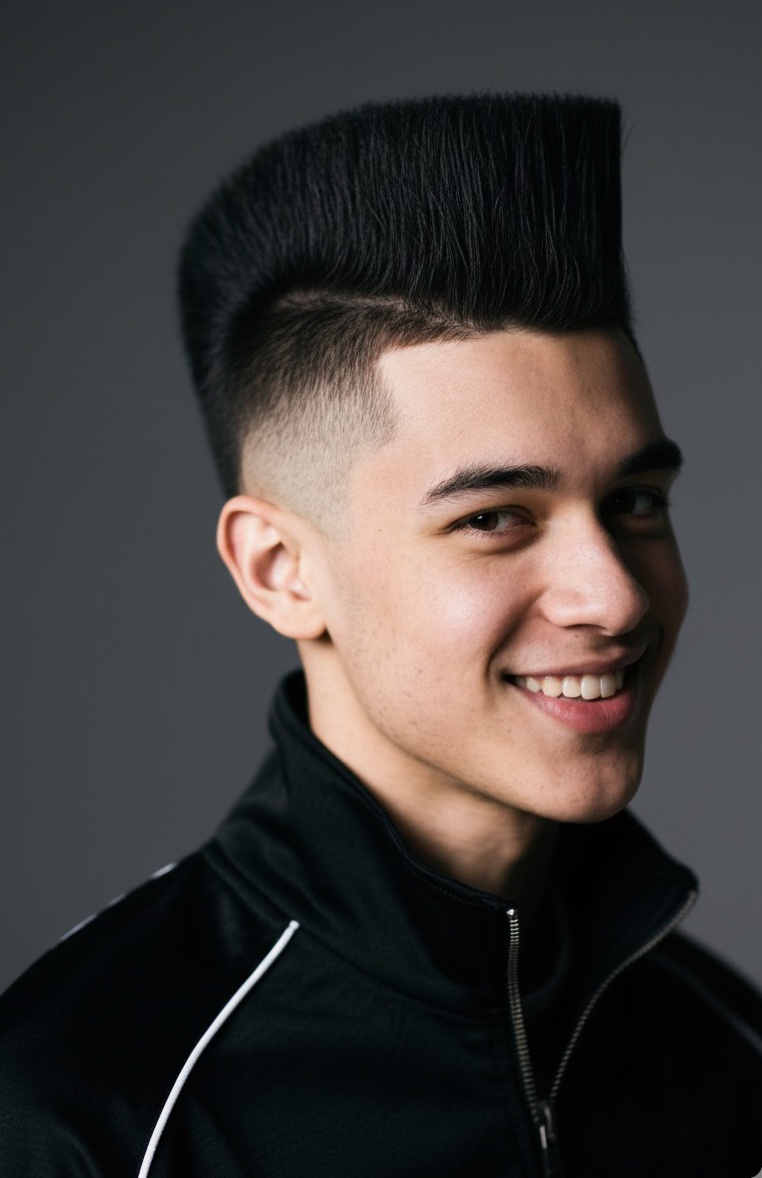










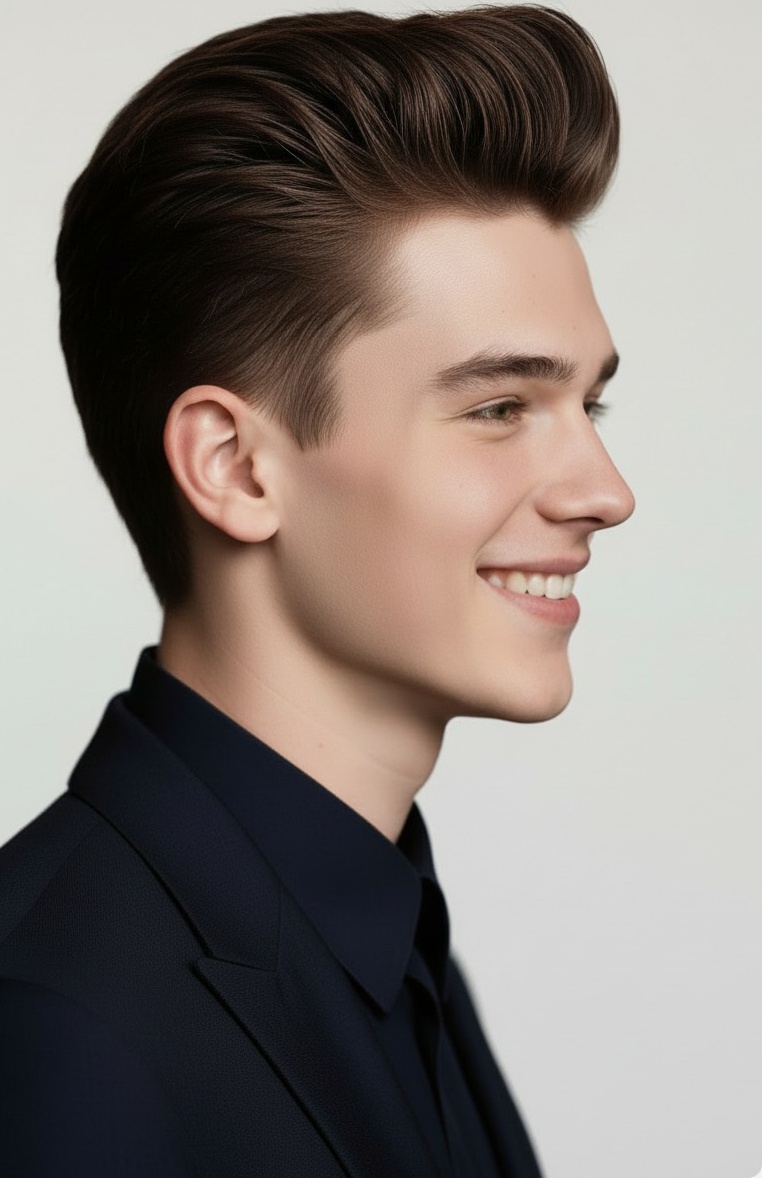









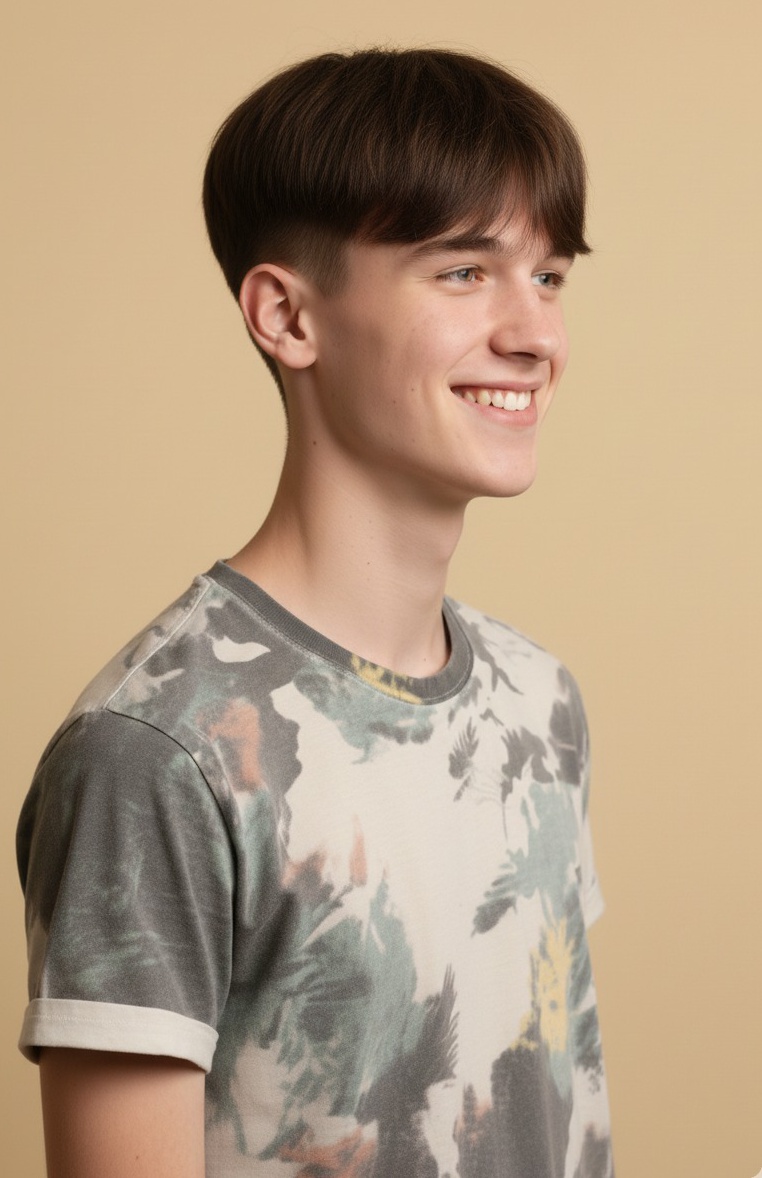


Choose your preferred style, then upload and process your photo on the left
Introduction
The taper cut is one of the most adaptable men’s hairstyles, defined by a clean gradient that stays sharp at the office, on weekends, and for special events. Because it works across most face shapes and hair types, the taper cut stays reliable whether you want a polished profile or a casual, textured finish. This guide covers what a taper cut is, how it compares to fades, how to talk to your barber, and the maintenance moves that keep it looking intentional.
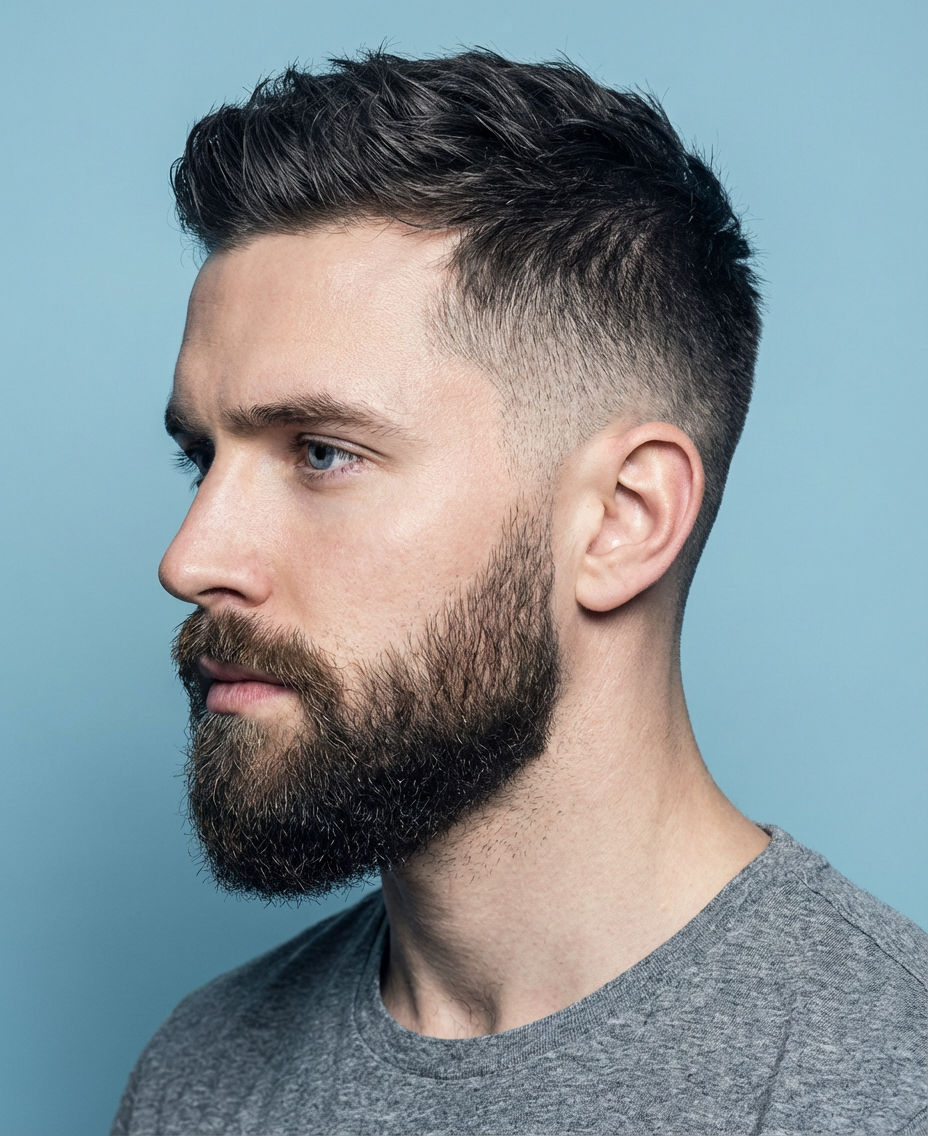 Not sure which version fits you? Preview taper cuts before you book by using BlondeFilter’s AI hairstyle filter - see low, mid, or high tapers on your own face in seconds.
What Is a Taper Cut?
A taper cut is a men’s haircut built on gradual reduction in length from the top down to the sides and back. Instead of a hard line, the hair shortens smoothly, creating a natural blend that never goes fully to skin. The result is a refined silhouette that feels intentional without looking severe.
How a Taper Works
Barbers create the taper by stepping down clipper guard lengths from the crown toward the neckline and sideburns. The top typically stays 1-3 inches long for styling flexibility, while the shortest hair sits around the nape and temples. This soft transition frames the face without exposing the scalp, keeping the look versatile and professional.
Why Men Choose Taper Cuts
The taper cut balances polish and ease. It suits straight, wavy, and curly hair, adapts to most face shapes, and requires modest upkeep - usually a visit every 2-3 weeks.
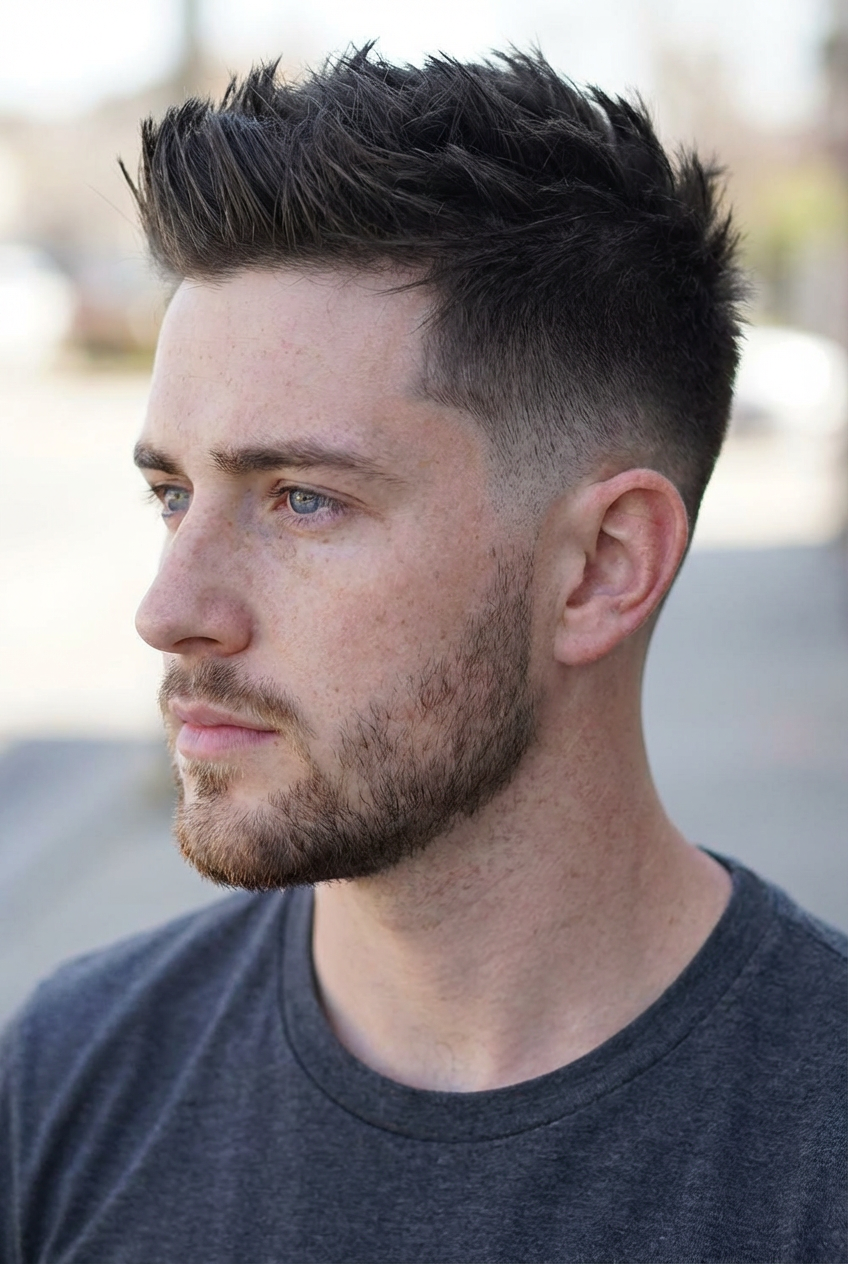 Want to see how different taper heights affect your profile? Use BlondeFilter’s virtual try-on to compare low, mid, and high taper gradients before your next appointment.
Taper Cut vs. Fade: What’s the Difference?
Both haircuts thin the sides, but they deliver different levels of contrast. A taper keeps visible hair at the shortest point, delivering a subtle gradient. A fade blends all the way to skin - especially in high fades - creating stronger contrast and a sharper edge.
Fade vs. Taper: Key Distinctions
- Transition: Tapers stay above skin; fades often reach skin level.
- Contrast: Tapers read softer and more classic; fades appear bolder and more modern.
- Maintenance: Fades tend to need more frequent touch-ups to keep the close blend crisp.
- Use Case: Choose a taper for versatility and professional settings; pick a fade for maximum definition.
Popular Taper Variations
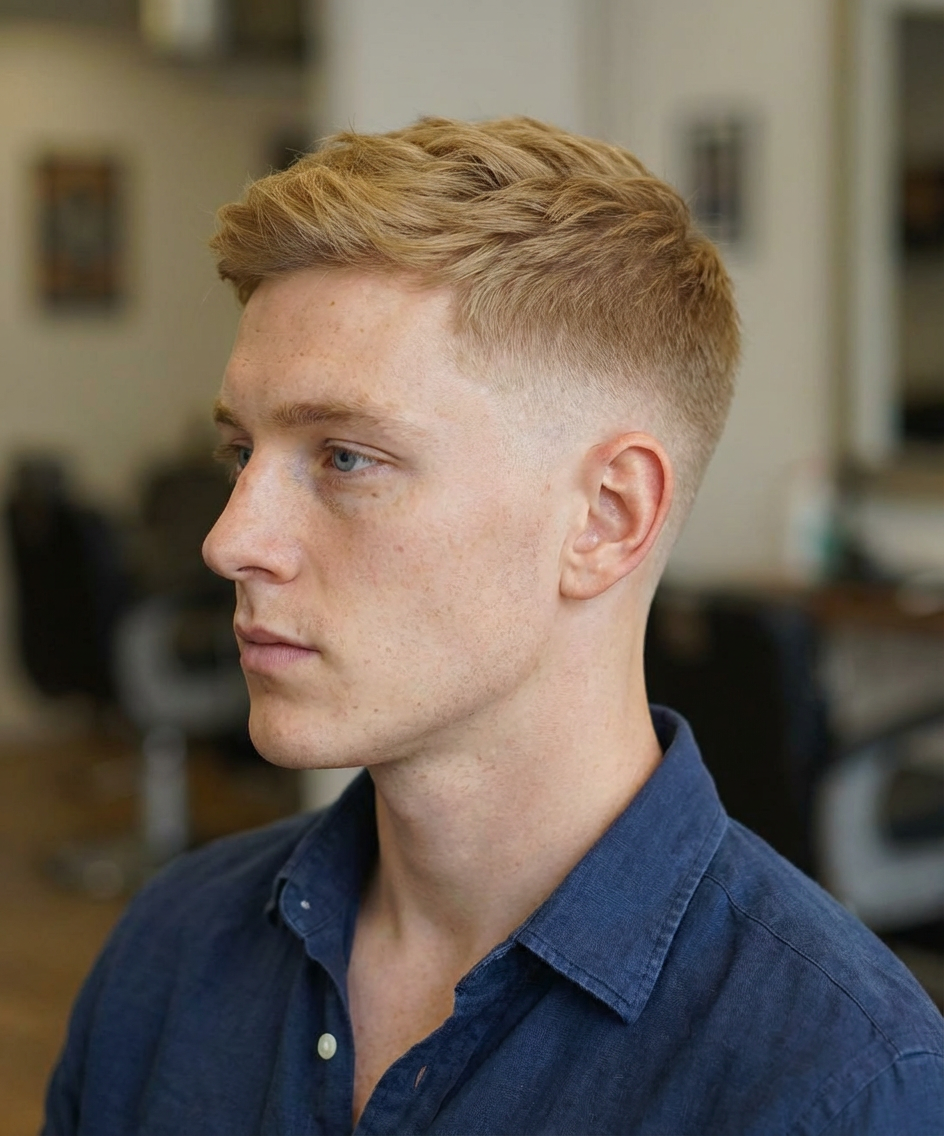
- Low Taper: Transition starts just above the ears for the most understated finish.
- Mid Taper: Begins around the temples for balanced definition that suits most face shapes.
- High Taper: Starts higher on the head for a sharper, more dramatic outline without going full fade.
- Slicked Back Taper: Tapered sides with a combed-back top for a polished, fashion-forward look.
- Taper Fade Hybrid: A taper that subtly approaches a fade near the edges for extra definition.
How to Ask Your Barber for a Taper Cut
Clear, concise direction helps your barber deliver exactly what you want. Come in with the taper height, top length, and neckline preference ready to share, plus photos if possible.
Communication Checklist
- Length on Top: State the range you want to keep (commonly 1-3 inches) and whether you prefer textured or slick styling.
- Taper Height: Specify low, mid, or high taper so the shortest point lands where you expect.
- Neckline Shape: Choose squared for a geometric finish or rounded for a softer edge.
- Sideburns: Decide between tapered, natural, or clean-shaven sideburns.
- Finish: Note if you style casually, with matte texture, or with shine and structure.
What to Say to Your Barber
Try: “I’d like a [low/mid/high] taper cut with about [preferred length] on top, a [squared/rounded] neckline, and a [textured/slicked/natural] finish.” This covers the main technical decisions in one sentence.
Questions to Ask Your Barber
- How often should I return to keep the taper sharp?
- Which product fits my hair type and styling goal?
- Does my face shape benefit more from a low, mid, or high taper?
- Can you show me how to maintain the neckline between visits?
Styling & Maintenance Tips
How Often Should You Get a Taper Cut?
Most men maintain a taper by visiting every 2-3 weeks. Faster growers or high taper wearers may prefer 10-14 days; slower growers can stretch toward 3 weeks without losing shape.
Recommended Grooming Products
- Matte Texture Clay or Paste: For casual, natural volume without shine.
- Strong-Hold Pomade or Cream: For slicked-back or combed styles that stay neat.
- Curl-Defining Cream or Mousse: For curly or wavy taper cuts that need definition without stiffness.
At-Home Maintenance Between Visits
- Edge Cleanups: Use a trimmer on neckline and sideburns every 5-7 days with a hand mirror.
- Wash Rhythm: Shampoo every 2-3 days to avoid dryness; condition to keep the taper smooth.
- Daily Brushing: A soft brush maintains the gradient and prevents uneven growth lines.
Styling for Different Hair Types
- Straight Hair: Blow-dry for lift, then add a light paste for control.
- Wavy Hair: Work in a medium cream to define waves without weight.
- Curly Hair: Use curl cream or mousse and either air-dry or diffuse to keep texture intact.
Finding Your Perfect Taper Cut
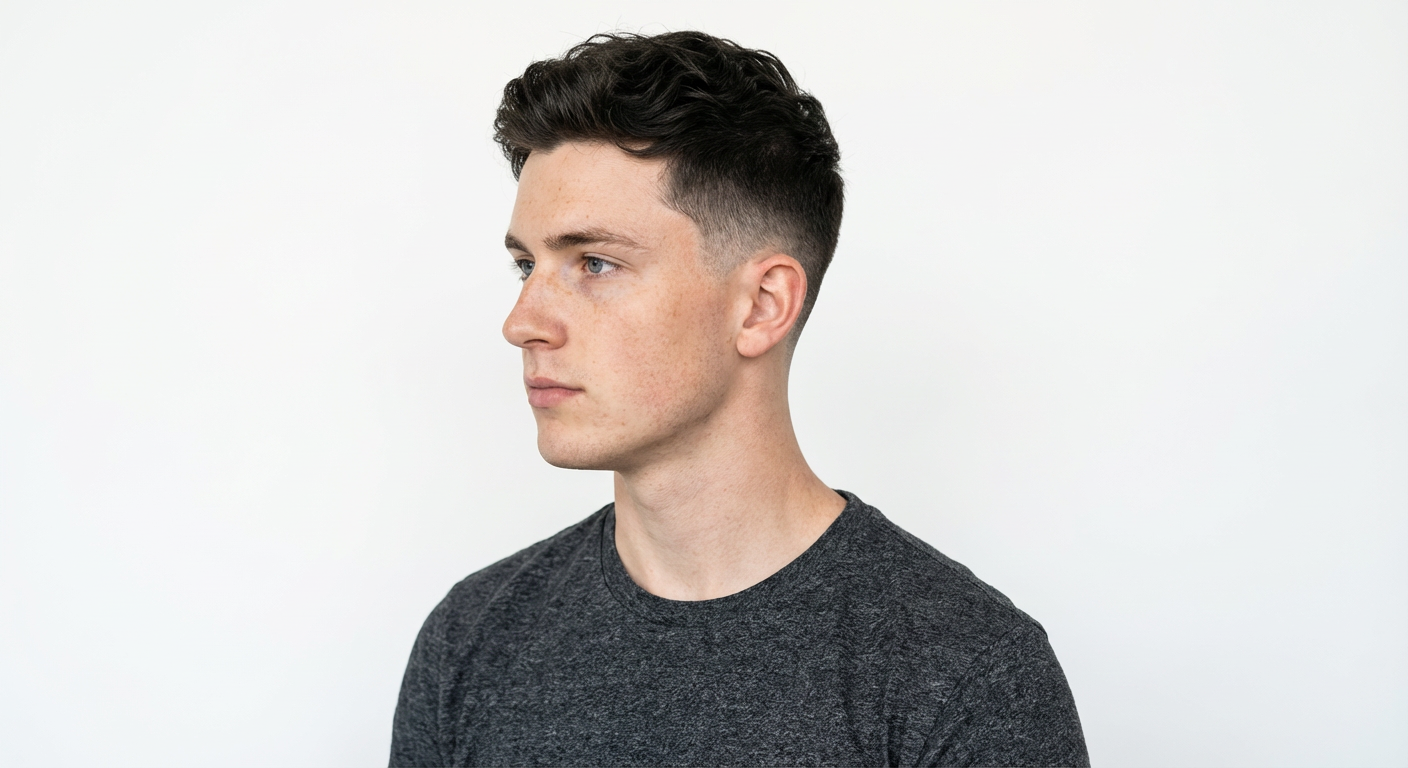
Taper Cuts for Curly Hair
Keep more length on top to showcase curls while tapering the sides and back cleanly. Low to mid tapers typically balance volume with structure, and curl-defining products help the gradient stay sharp.
Taper Cuts for Black Men
Taper cuts remain a staple for Black hair textures, pairing sharp outlines with coils or waves on top. Variations like detailed line-ups or taper fade hybrids build on the core taper shape while respecting natural texture.
Taper Cuts for Different Face Shapes
- Round: Mid or high tapers with extra height on top to elongate the face.
- Square: Low or high tapers both work; choose based on desired subtlety or drama.
- Oval: Most taper variations suit this balanced shape; pick by personal style.
- Heart-Shaped: Lower taper with fuller top to balance a wider forehead.
- Diamond: Mid taper to avoid overemphasizing temples while keeping proportions even.
Try Your Taper Cut Online with AI
Visualizing your taper before you commit removes guesswork. BlondeFilter’s AI hairstyle filter lets you test low, mid, or high tapers, play with top length, and preview textured or slick finishes on your own face.
How Virtual Try-On Helps
- Compare taper vs. fade instantly.
- Save references to show your barber.
- Experiment with styling finishes without cutting your hair.
- Reduce uncertainty and feel confident in your choice.
Ready to see the difference? Open BlondeFilter’s virtual try-on, toggle between taper variations, and walk into your appointment with proof of what you want.
Frequently Asked Questions
What is a taper cut?
A taper cut gradually shortens hair from the longer top to shorter sides and back without going fully to skin, creating a smooth, polished gradient.
Is a fade or taper better?
Neither is universally better. Tapers give subtle, professional versatility; fades give high contrast and modern edge. Choose based on how bold you want the transition to be.
What do I tell my barber for a taper?
Ask for a low, mid, or high taper, specify top length, neckline shape, and styling preference. Sharing photos and your maintenance cadence helps them refine the cut.
What’s the difference between a temp fade and a taper?
A temp fade targets the temple area with a defined curve to skin, while a taper manages a gradual reduction across the sides and back without necessarily exposing skin.
How often should I get a taper cut?
Visit every 2-3 weeks to keep the gradient clean; adjust to 10-14 days if your hair grows fast or you wear a high taper.
What’s the best taper cut for curly hair?
Low to mid tapers with ample top length keep curls defined while maintaining neat sides. Pair with curl cream or mousse for control.
Can I maintain a taper cut at home?
You can extend its life by cleaning edges with a trimmer weekly, but precise tapers are best refreshed by a barber on schedule.
Which taper cut suits my face shape?
Round faces benefit from mid or high tapers with volume; square faces can wear low or high; oval faces handle most options; heart-shaped faces prefer lower tapers with top fullness; diamond faces balance well with mid tapers.
Conclusion
The taper cut delivers a timeless mix of polish and flexibility for men who want a clean gradient without the full-skin contrast of a fade. Nail the look by communicating taper height, top length, neckline, and styling goals clearly, then maintain it every few weeks with light at-home touch-ups. Combine that clarity with BlondeFilter’s AI hairstyle try-on to preview your taper in advance and arrive at the barber with confidence and a saved reference.