
Surfer Hair for Men | BlondeFilter AI Hairstyle Try-On
Get the relaxed surfer hair look for men with step-by-step styling, product picks, care advice, and BlondeFilter virtual try-on.


Click or drag photos here to upload
Supports JPG, PNG formats, max 5MB, JPEG format recommended


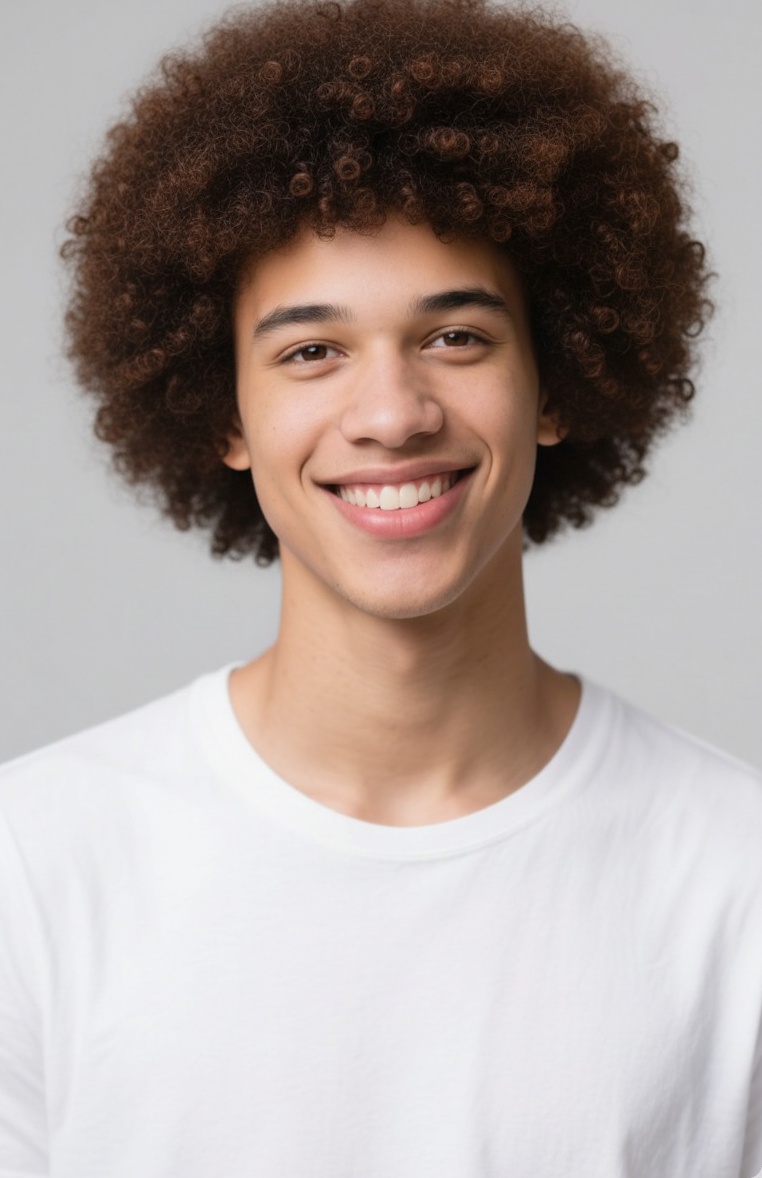








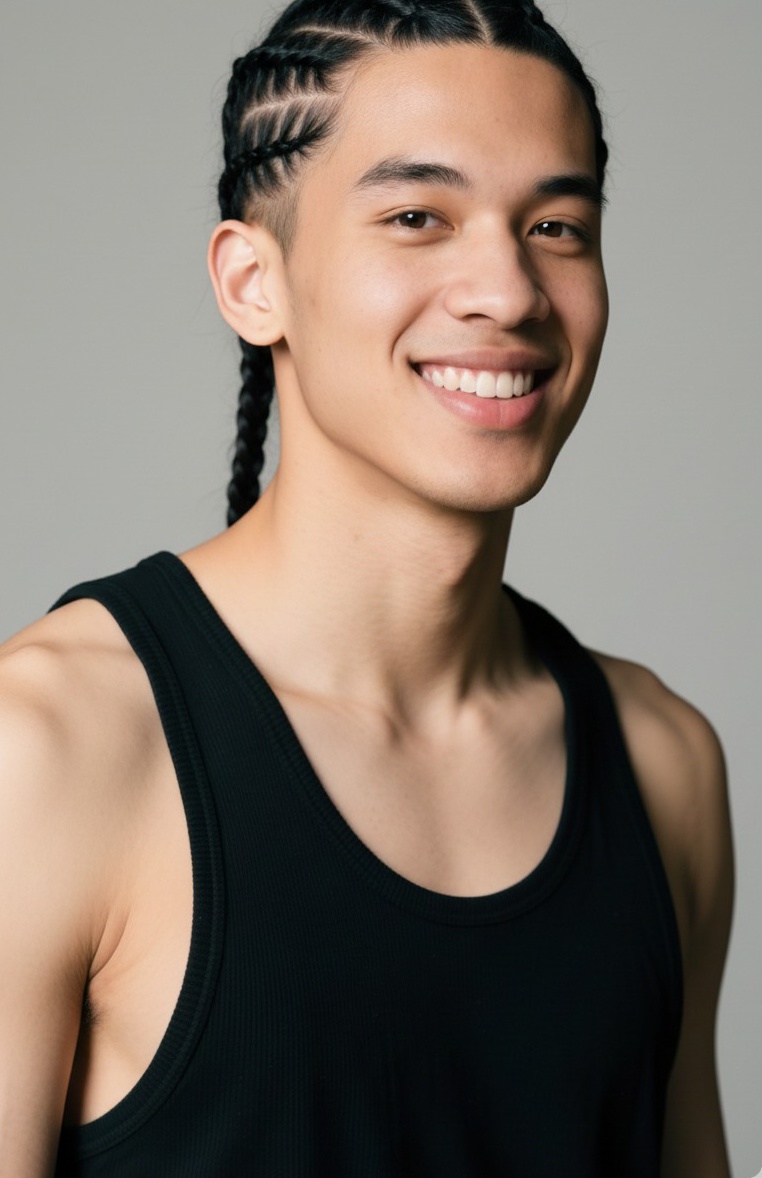



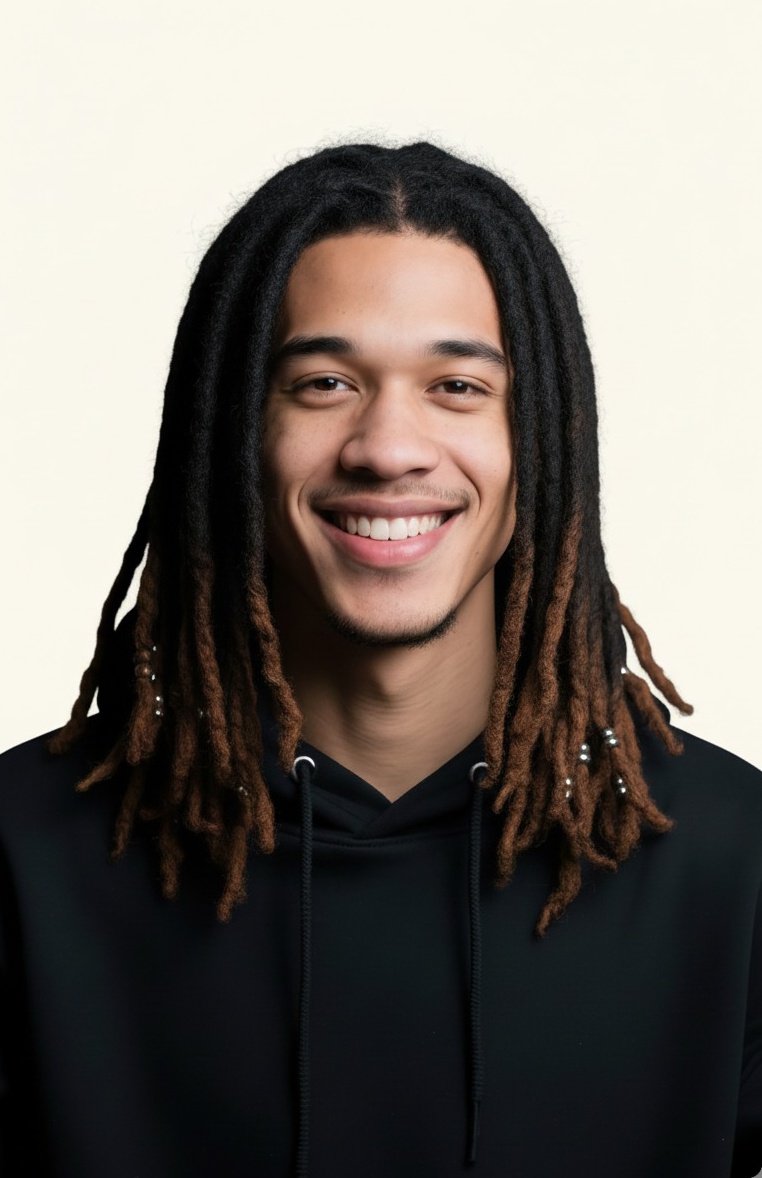






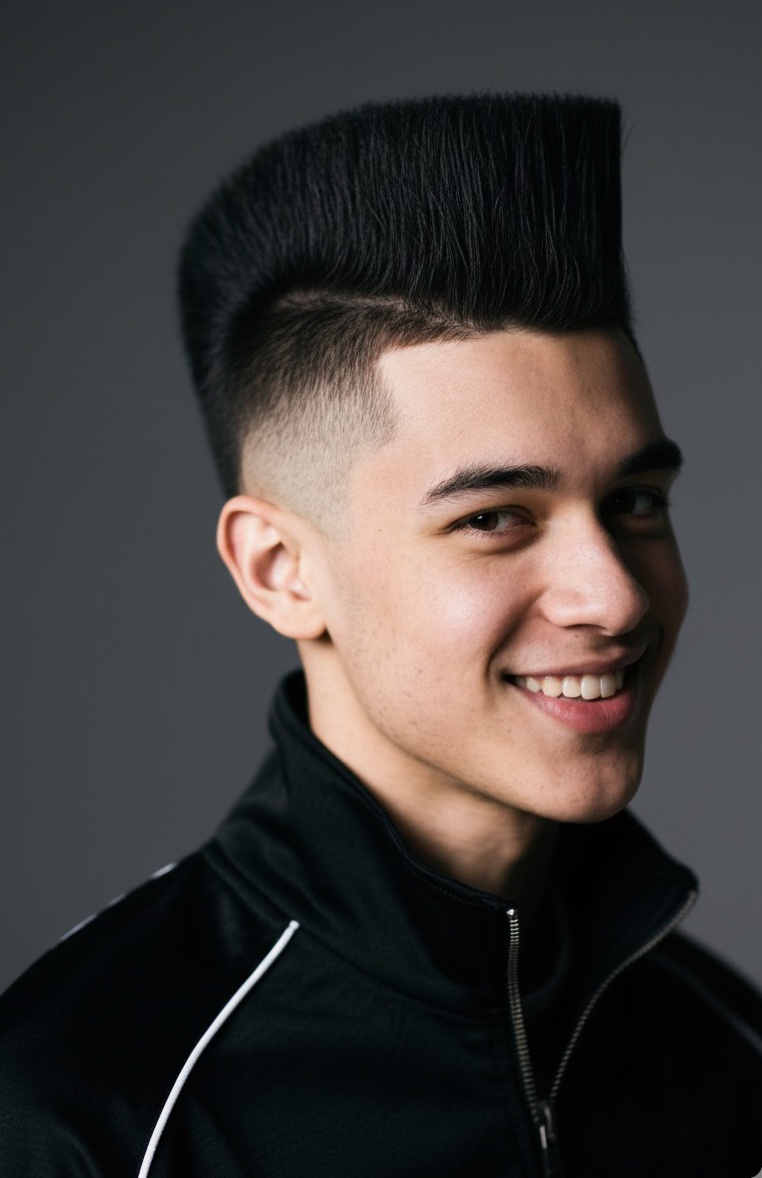


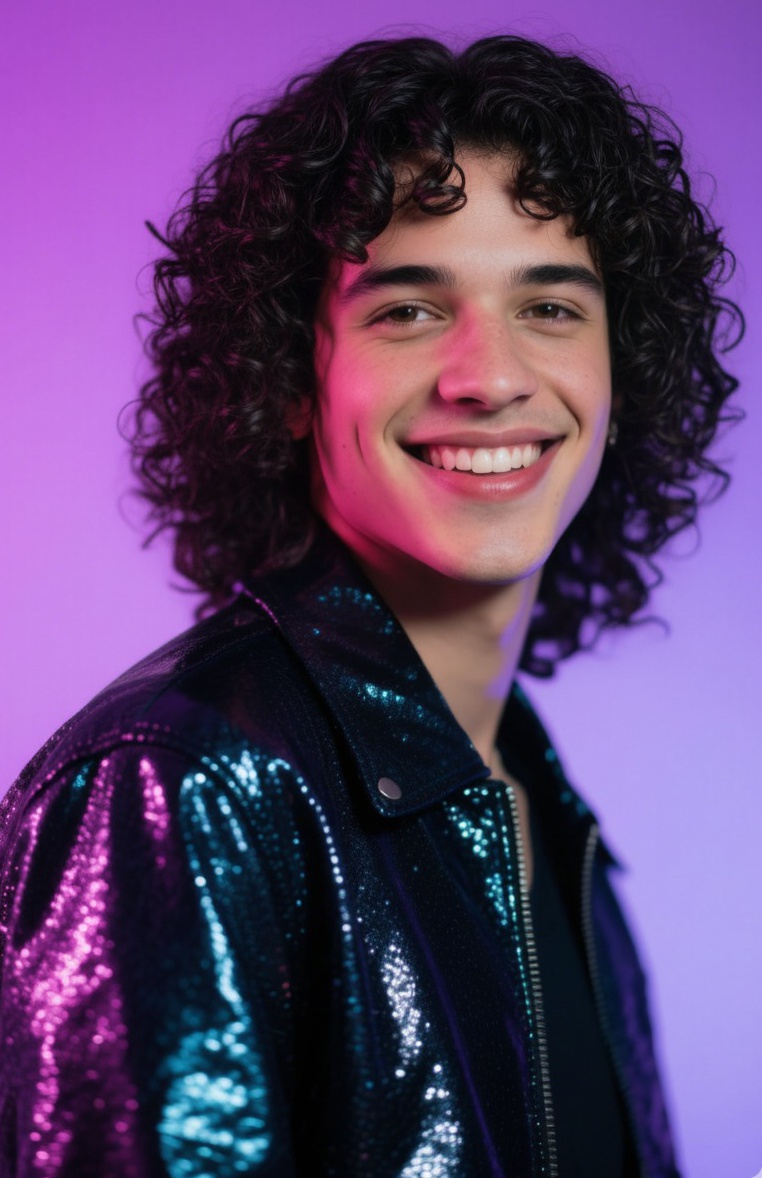







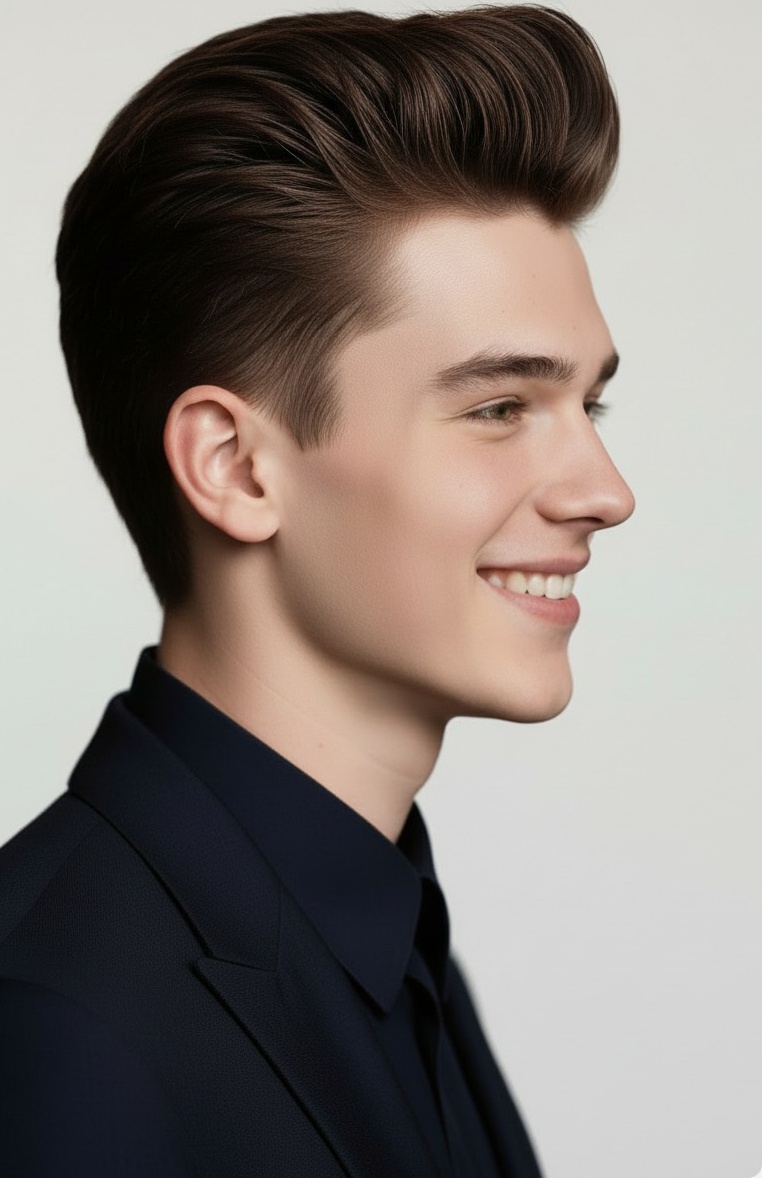





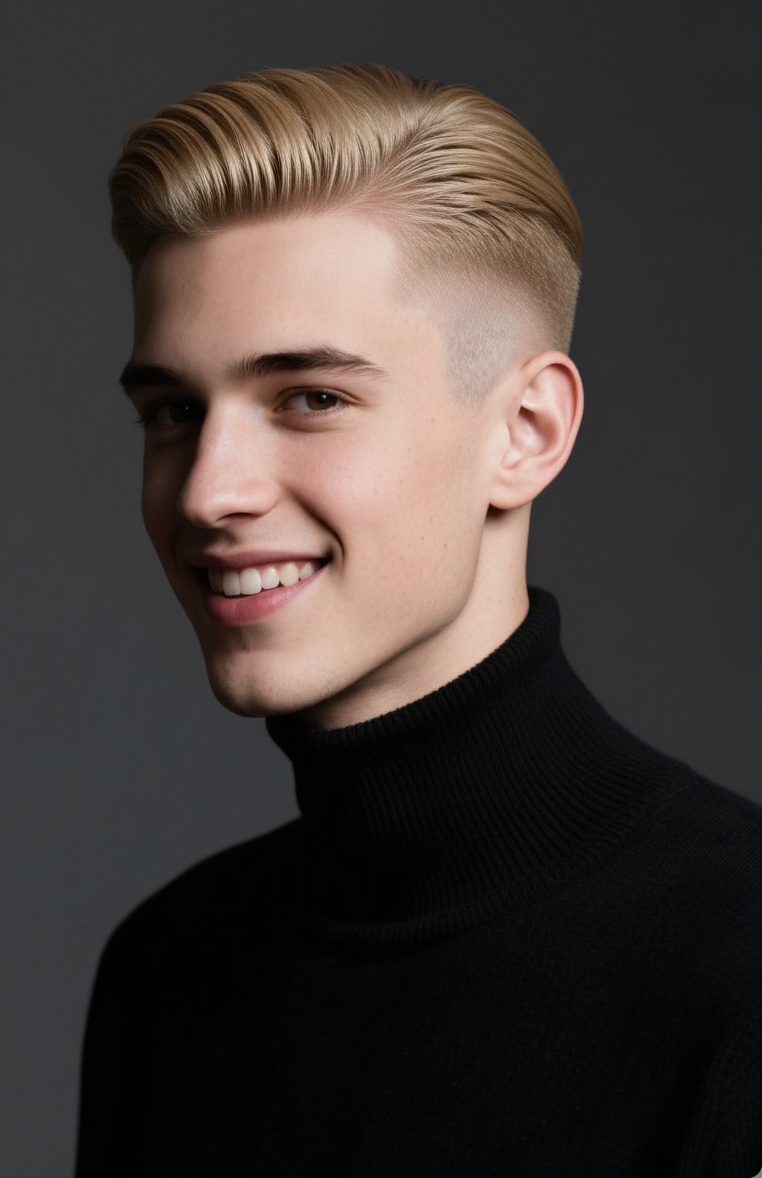



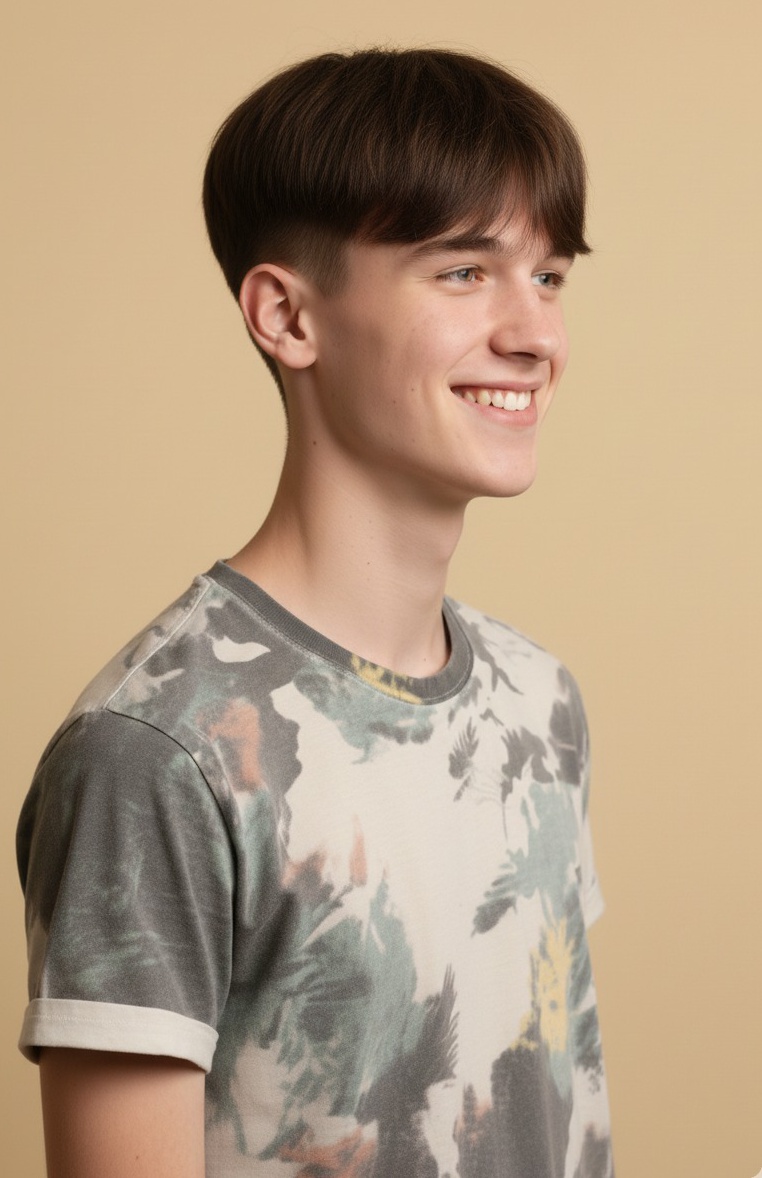


Choose your preferred style, then upload and process your photo on the left
Surfer Hair is a timeless men’s hairstyle, iconic for its messy, wavy texture and effortless beach vibe. Think medium-to-long hair with movement, sun-kissed dimension, and a relaxed flow that looks natural, not over-styled. This guide distills the essentials from the research files so you can style, maintain, and virtually try on the look with confidence.

What Is Surfer Hair?
Surfer Hair is defined by touchable texture, visible wave, and a lived-in finish shaped by sun, saltwater, and wind. It usually sits at medium to long lengths with a center or off-center part, light layering to keep hair moving, and soft edges rather than sharp lines. The style works on straight, wavy, or curly hair; products and air-drying create the beach texture even when you are nowhere near the ocean.
Key characteristics:
- Messy, textured, wavy finish that looks sun-bleached rather than glossy.
- Medium-to-long length with natural volume and movement.
- Minimal trimming and low-intervention styling; air-drying beats heavy heat.
- Products that add grit and separation (sea salt spray, putty, clay) without stiffness.
- Flexible parts: center curtains, loose side parts, or brushed-back flow.

Why This Look Works
- Effortless appeal: Relaxed but purposeful styling fits casual and creative settings.
- Versatile texture: Straight hair gains bend, wavy hair gains definition, and curls get airy separation with the right routine.
- Soft framing: Loose layers and movement soften strong jawlines common in men’s cuts.
- Low stakes: Imperfection is the point; humidity and wind only add to the vibe.
Step-by-Step: How to Get Surfer Hair at Home
- Wash and prep: Use a volumizing or curl-enhancing shampoo and lightweight conditioner; avoid harsh sulphates. Rinse cool to reduce frizz.
- Towel dry, then air dry: Pat with a microfiber towel instead of rough-rubbing. Air drying preserves wave and reduces puffiness.
- Add texture while damp: Spray sea salt from mid-lengths to ends and scrunch. For hold, rake in a pea of putty or clay, keeping roots light. On thick or curly hair, add a drop of lightweight cream first to prevent crunch.
- Shape with fingers: Twist small sections away from the face, scrunch, and let them air dry. A wide-tooth comb can loosen clumps without killing texture.
- Let it set: Hands off while it dries. Once dry, break up any cast with dry fingers for a lived-in finish.
- Optional finishing: Tap a tiny amount of matte clay on the ends for separation. For shine, mist a light oil only on the tips.
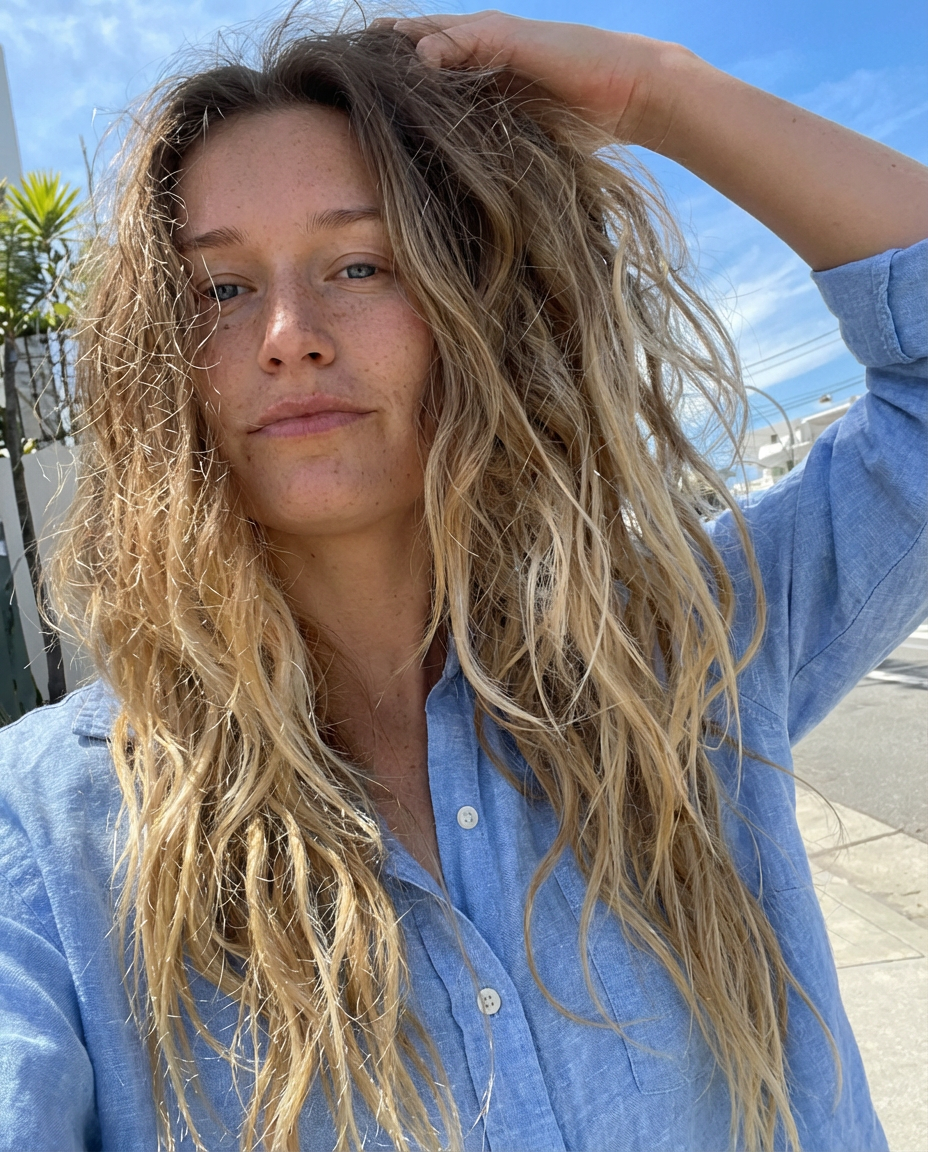
Styling Variations to Try
- Surfer curtains: Medium-long hair parted down the middle; best with natural wave and a soft bend.
- Brushed-back flow: Push hair off the face with salt spray and a touch of clay; polished but relaxed.
- Messy half-up or man bun: For longer lengths, tie the crown half-up to keep movement while controlling bulk.
- Short textured crop: Short sides with a messy top for beach texture without long hair.
- Loose waves with volume: Ideal for curlier types; air dry or diffuse on low, then separate with fingertips.
Product Guide (What to Use and When)
| Product type | Why it helps | When to reach for it |
|---|---|---|
| Sea salt spray | Adds grit, wave memory, and beachy separation without shine | After towel-drying, before air drying |
| Styling putty or clay | Provides light structure and matte hold so waves stay defined | Use sparingly on damp or dry hair, mid-lengths to ends |
| Lightweight cream | Softens and detangles thicker or curlier hair, preventing crunch | Layer under salt spray on coarse hair |
| Conditioning mask | Repairs after sun and salt exposure; keeps ends from splitting | Once per week, especially in summer |
| Natural oils (light) | Seals moisture on long ends without greasiness | Finish on dry hair; avoid roots |

Care and Maintenance
- Wash 2-3 times per week to avoid stripping natural oils; co-wash or use a gentle shampoo on off days.
- Rotate in sulphate-free formulas and hydrating conditioners to counter sun and salt dryness.
- Trim every 8-10 weeks to keep ends clean while preserving length and flow.
- Protect from UV with hats at midday and after-sun or leave-in conditioners to prevent brittleness.
- After chlorine or heavy salt exposure, rinse immediately and apply a conditioning mask to rebalance moisture.
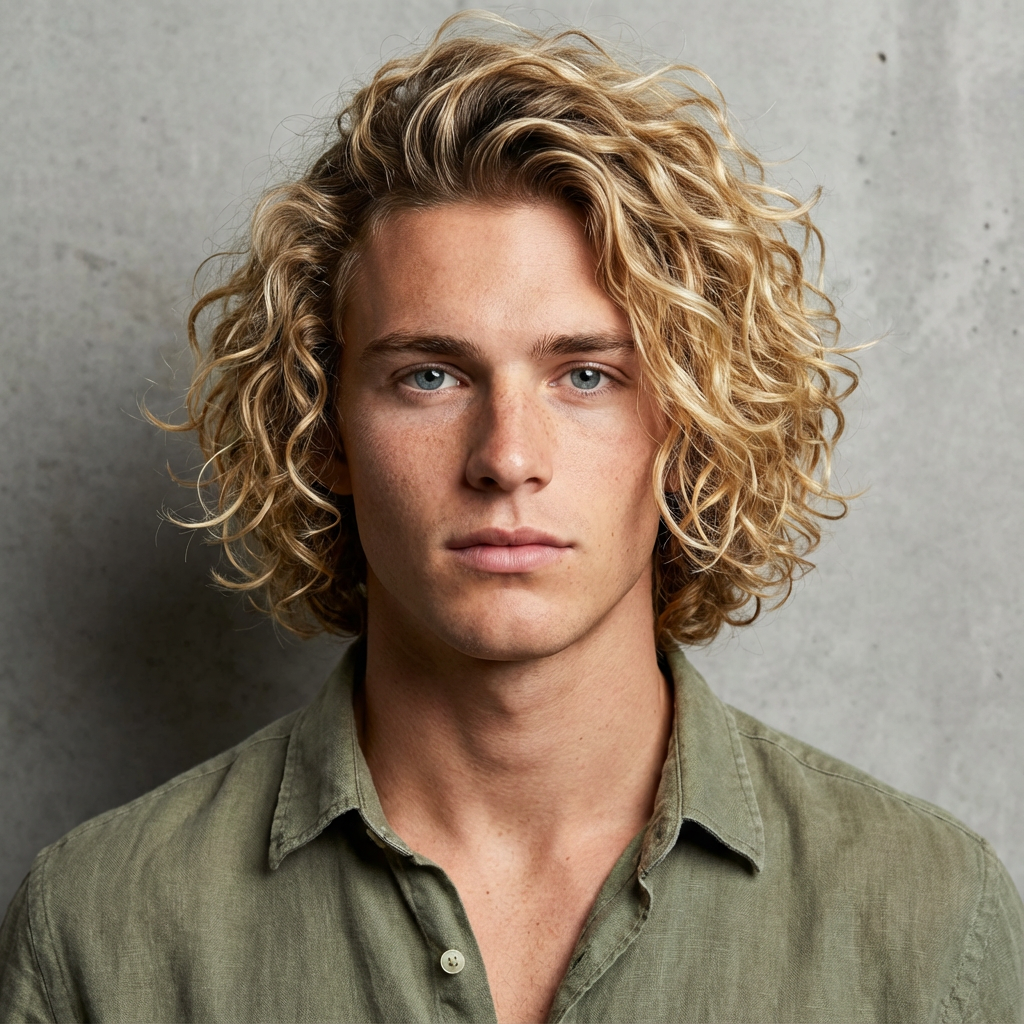
FAQs
What exactly is surfer hair?
A messy, textured, wavy style inspired by sun and saltwater, typically worn at medium-to-long lengths with natural movement.
What is a surfer haircut called?
It is often just called surfer hair, characterized by loose waves, center or off-center parts, and minimal structured lines.
How do you get surfer hair without going to the beach?
Use volumizing or curl-enhancing shampoo, apply sea salt spray and light putty, then air dry while scrunching to build wave.
What products do surfers use?
Sea salt spray for texture, styling putty or clay for hold, lightweight creams for slip on thick hair, and conditioning masks to repair.
Does surfer hair work for short hair?
Yes. Keep the top longer than the sides, use salt spray for grit, and separate with a small amount of clay.
Can straight hair pull off surfer texture?
Yes. Salt spray plus scrunching creates bend; adding a tiny amount of clay on dry hair locks in separation.
Try Surfer Hair Instantly
See how Surfer Hair looks on your face in seconds. Use BlondeFilter’s virtual try-on, upload a photo, and preview the beach texture before you book a cut.