
Spiky Haircut for Men | BlondeFilter AI Hairstyle Try-On
Explore trending spiky haircuts for men with fades, texture tips, and products. Try styles online first with BlondeFilter AI hairstyle try-on.


Click or drag photos here to upload
Supports JPG, PNG formats, max 5MB, JPEG format recommended



















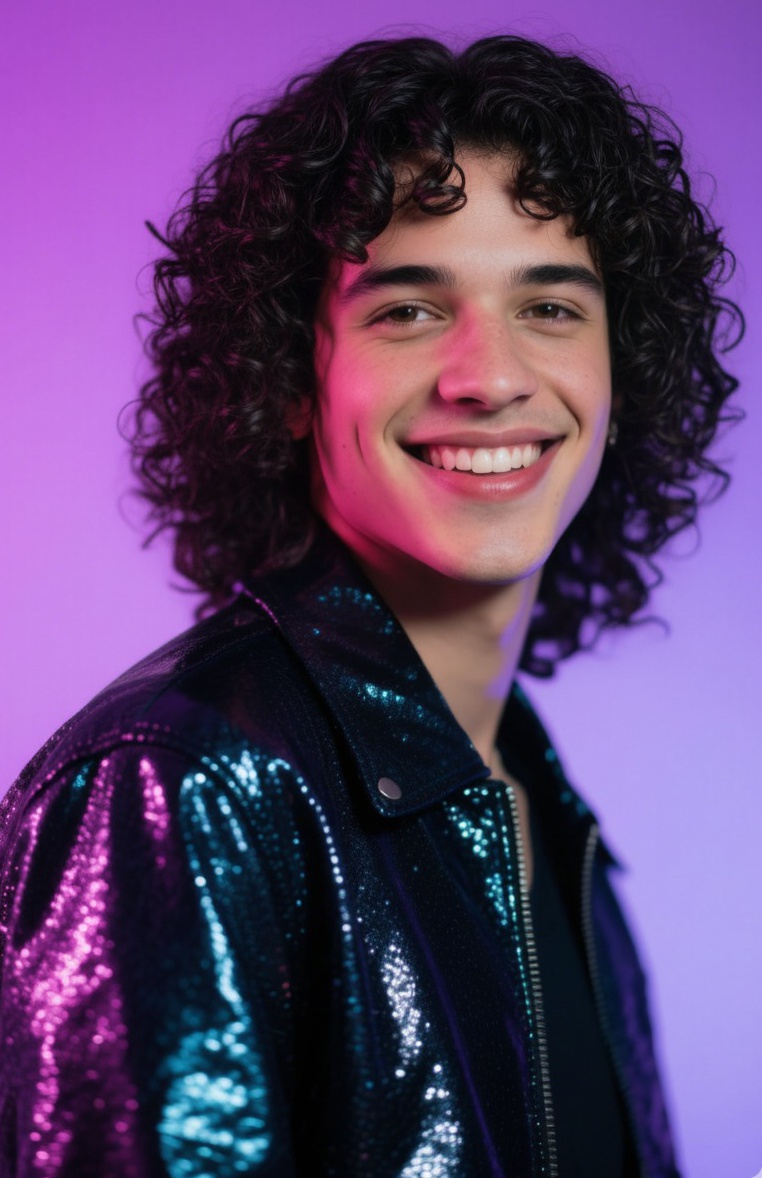
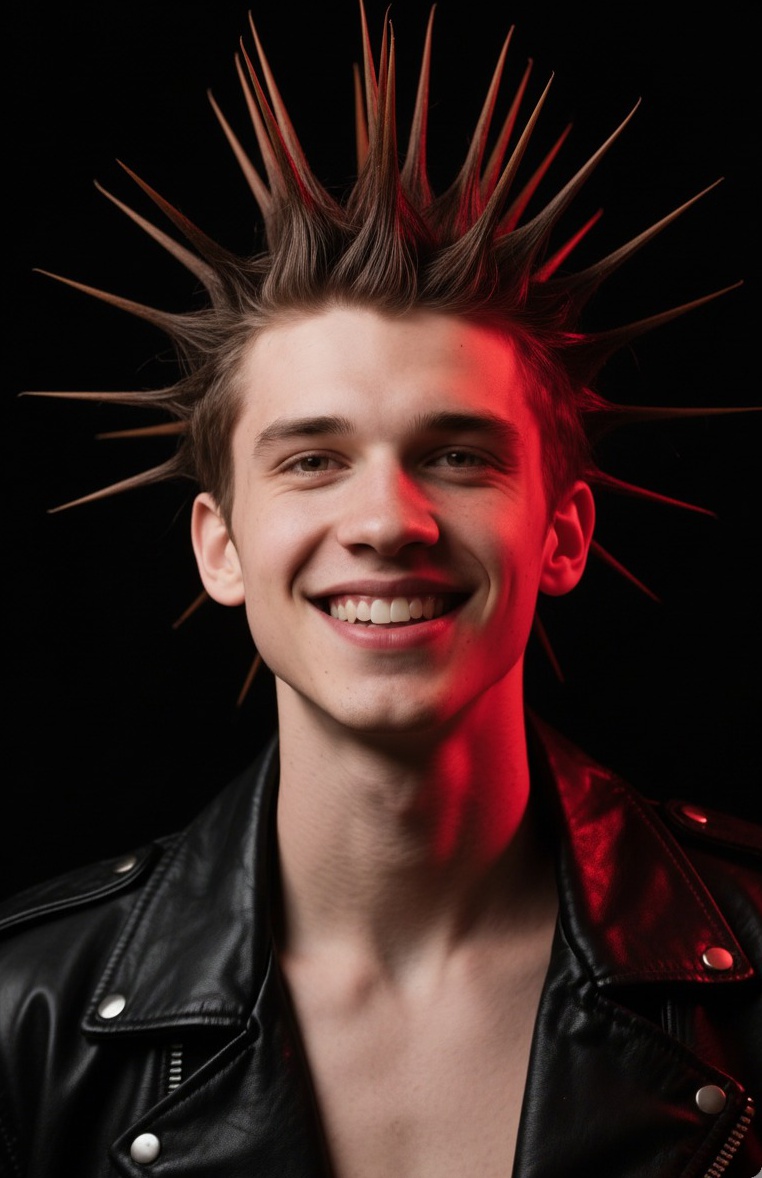
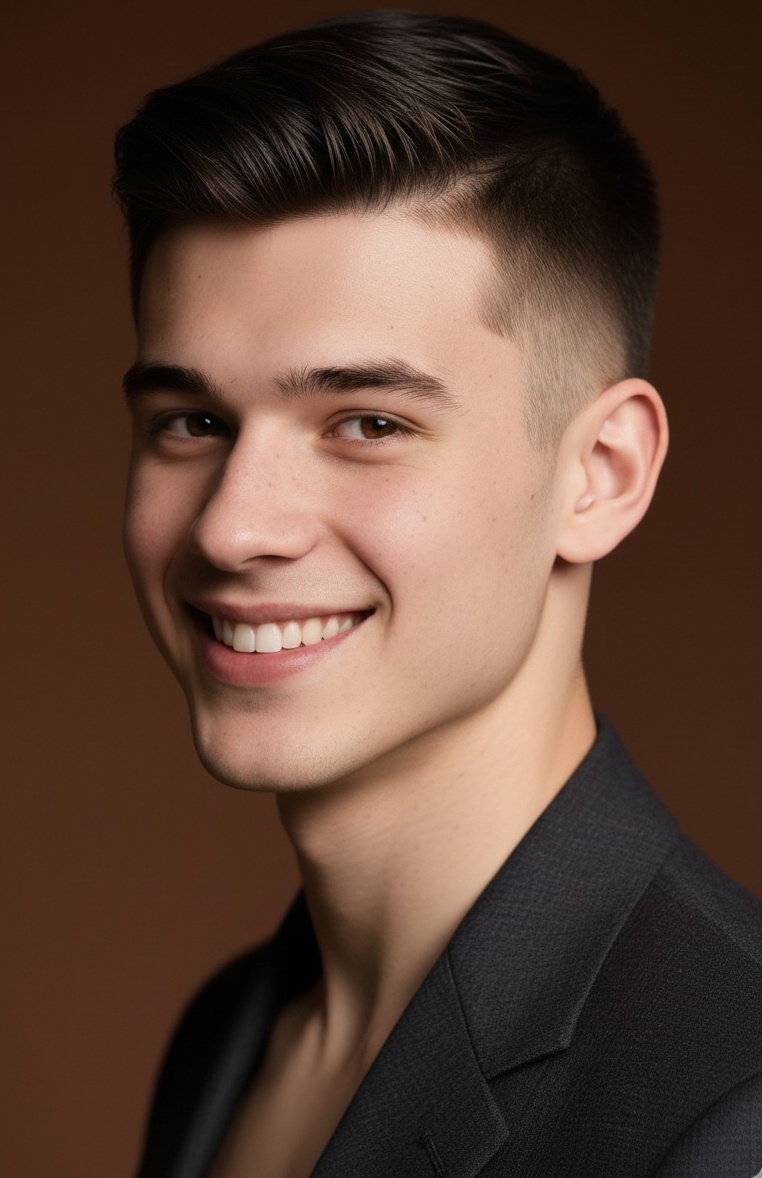
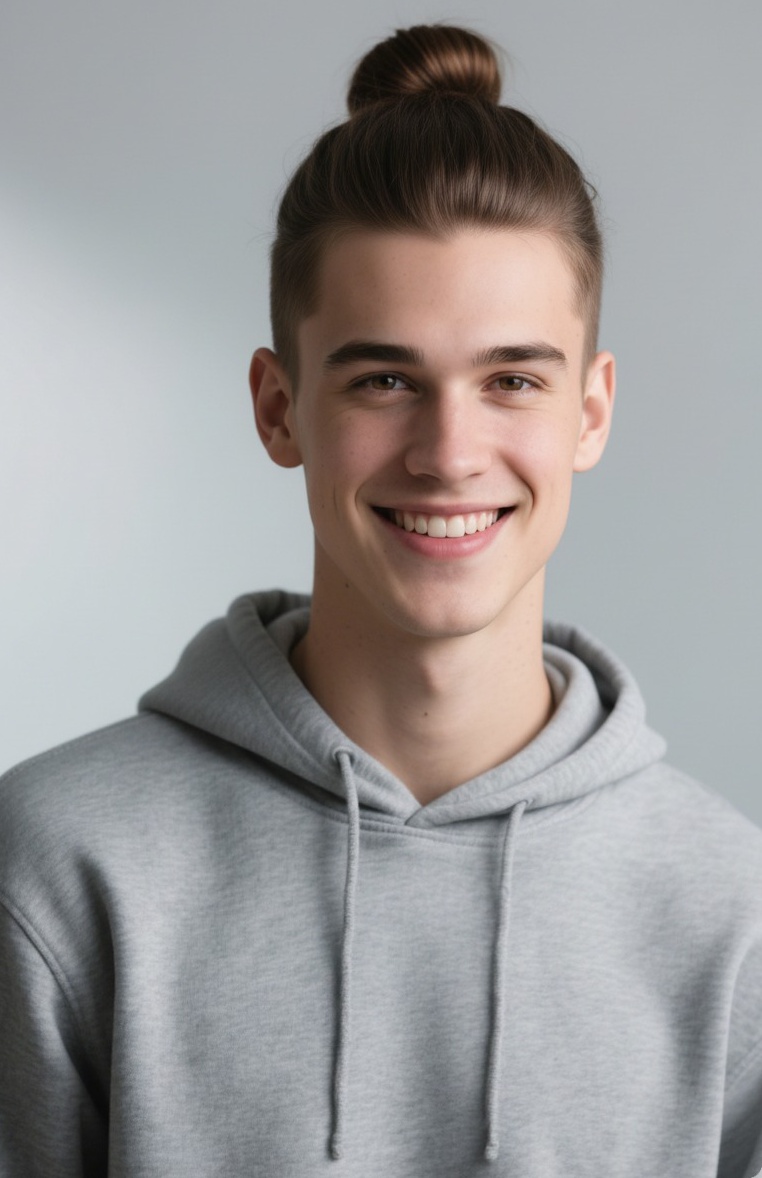


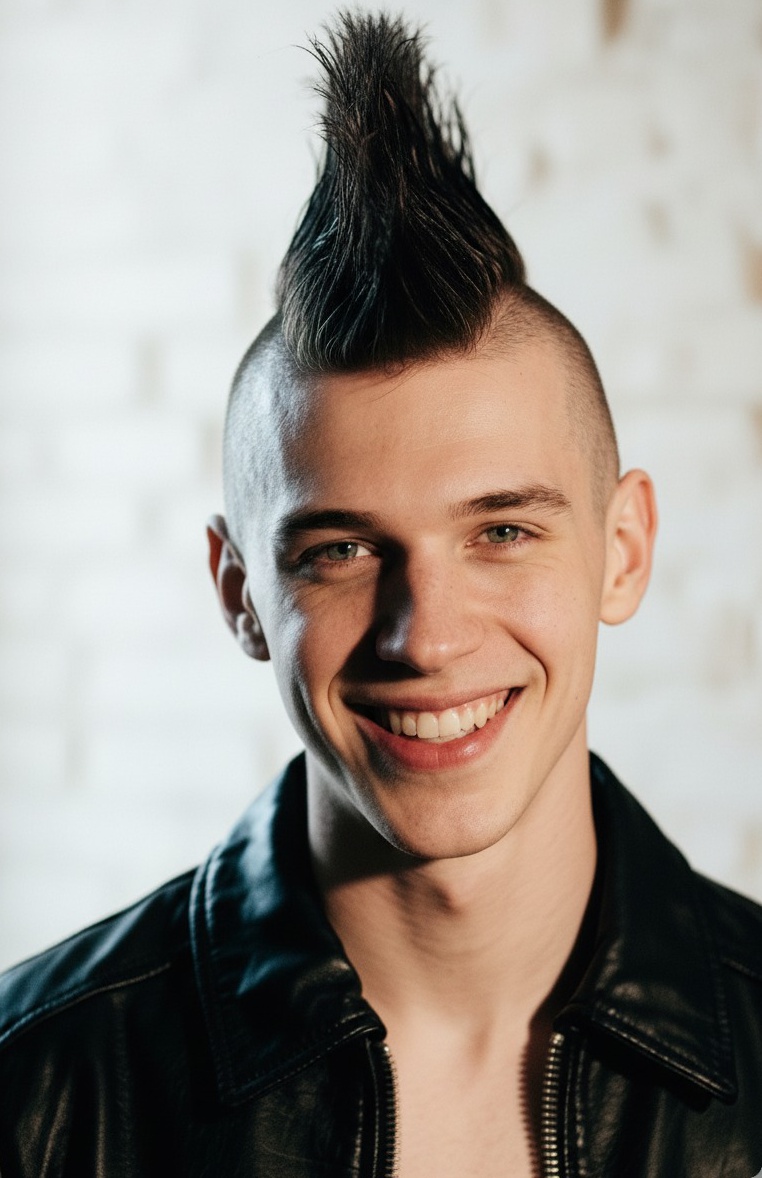
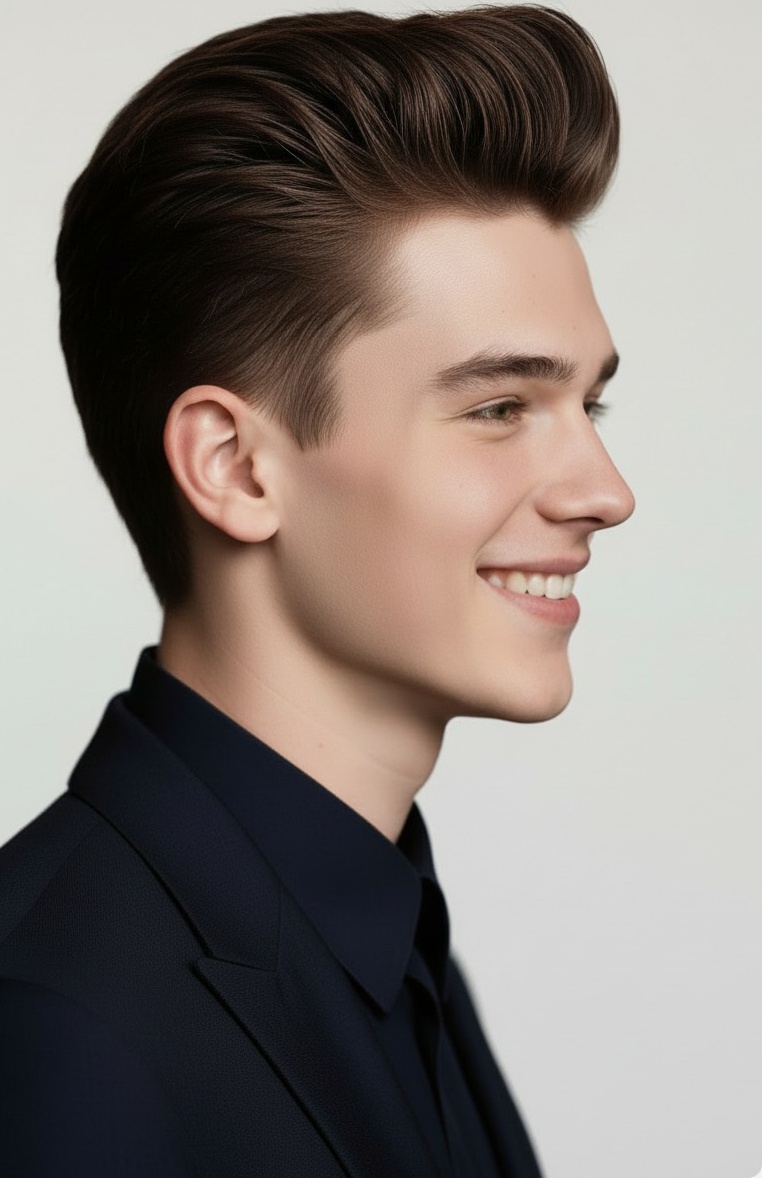


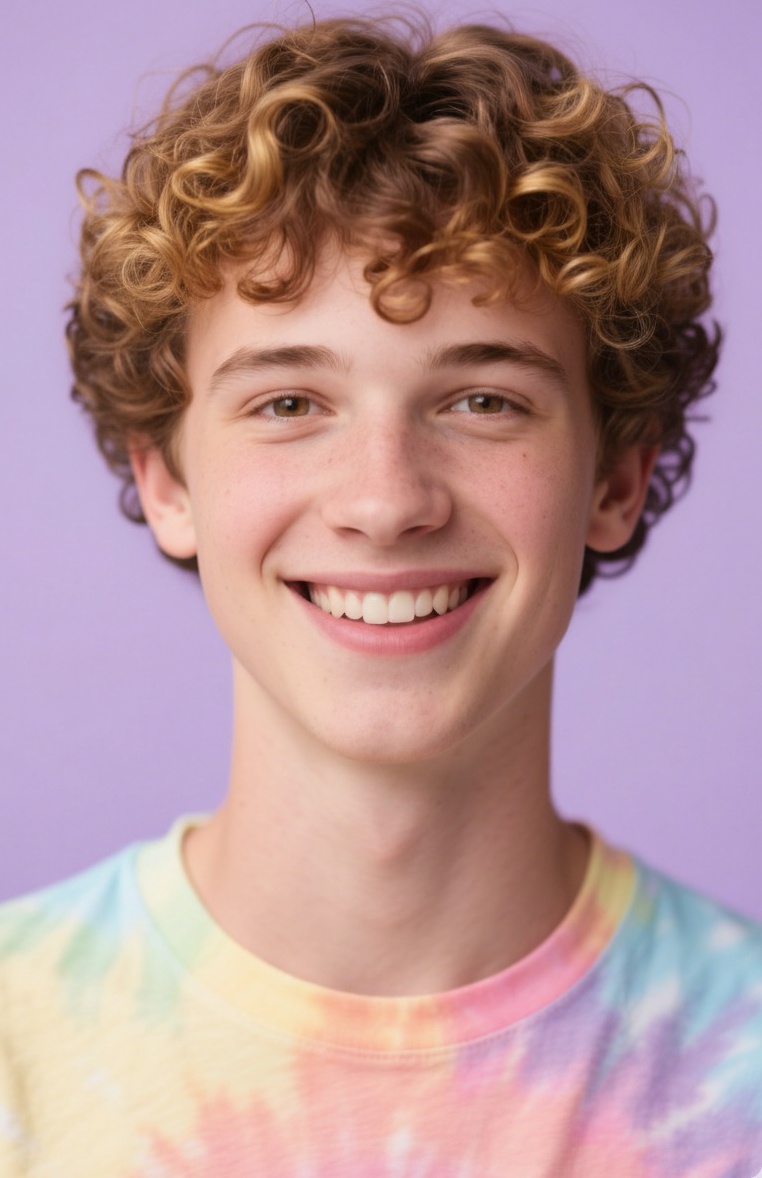

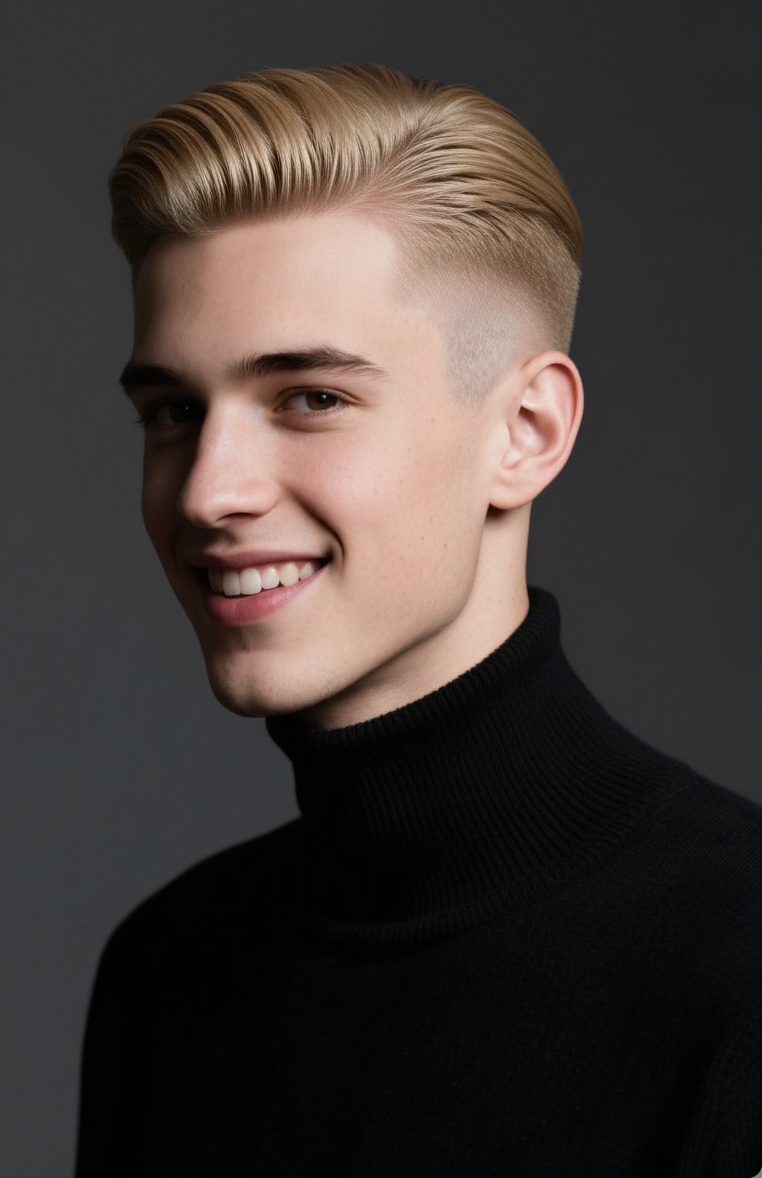



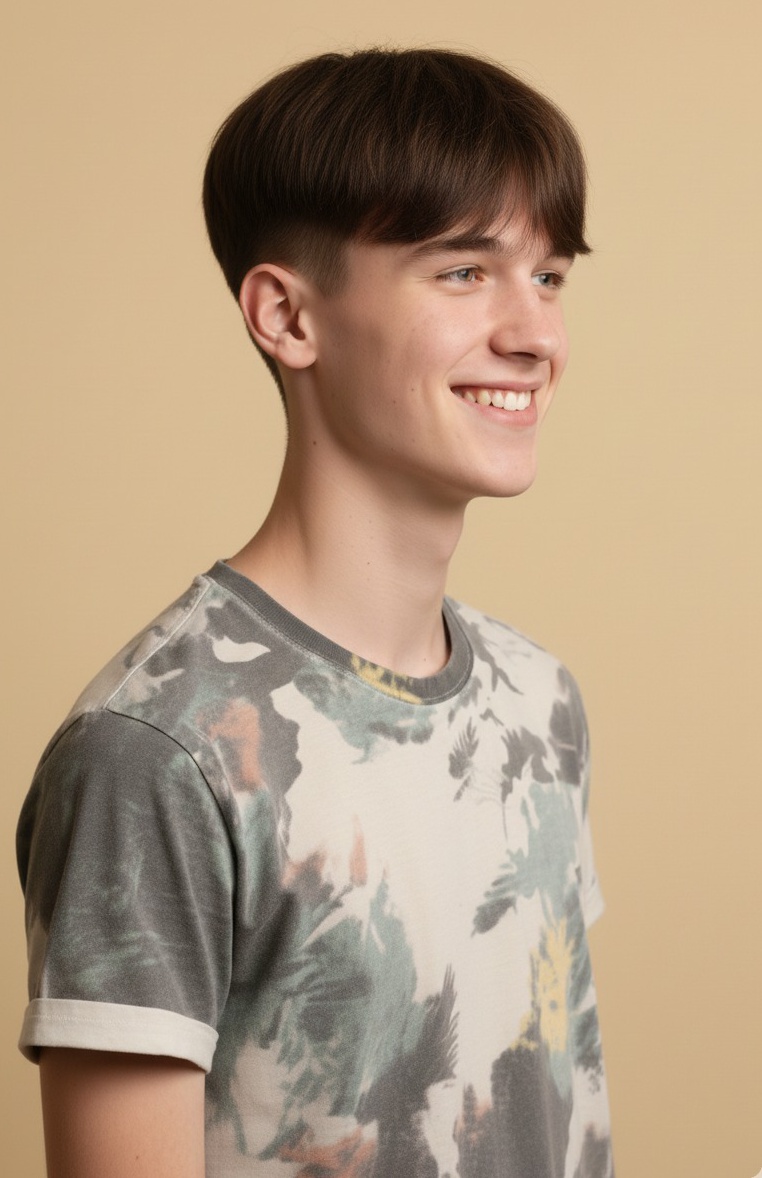
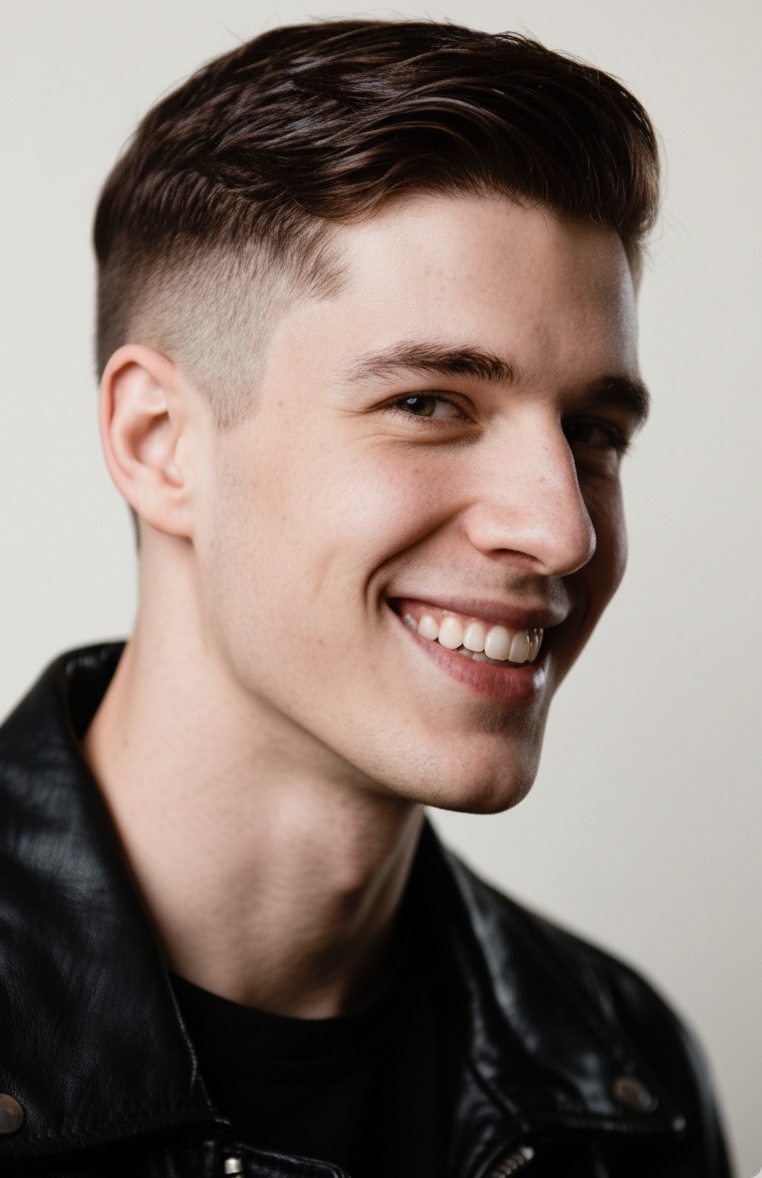
Choose your preferred style, then upload and process your photo on the left
The spiky haircut stays popular because it delivers attitude without demanding an hour in front of the mirror. Short to medium hair on top is pushed upward into defined points, while sides stay neat with a fade or taper. This guide distills research-backed tips, style ideas, and product choices so you can wear spikes that match your face shape, hair type, and routine. If you want to preview the look first, use BlondeFilter’s AI hairstyle try-on to test different spike heights and fades before you book your barber.
Why the Spiky Haircut Works
- Versatile across face shapes and hair types, from straight to wavy and even short curls.
- Easy to dial up or down: keep the sides tight for a bold profile or taper them for a cleaner transition.
- Modern variants (high fades, disconnected undercuts, Korean-inspired texture) keep the style current going into 2025.
- Technology reduces risk: a virtual hairstyle try-on shows how different spike lengths and fades sit on your features.
Popular Spiky Styles to Consider
Use these references to match the vibe you want and show your barber. Try them on virtually in BlondeFilter to see which height, fade, and texture balance your face shape.
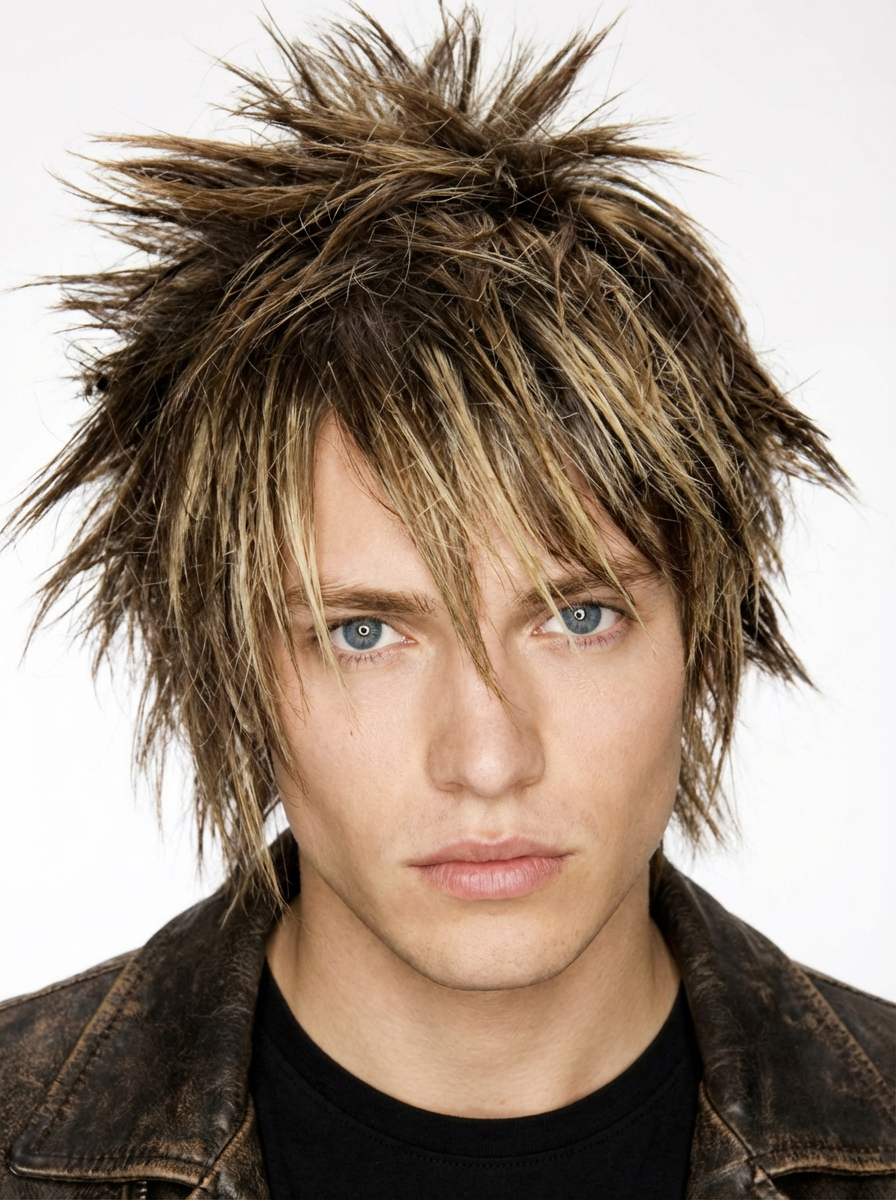
- Classic short spikes with highlights:
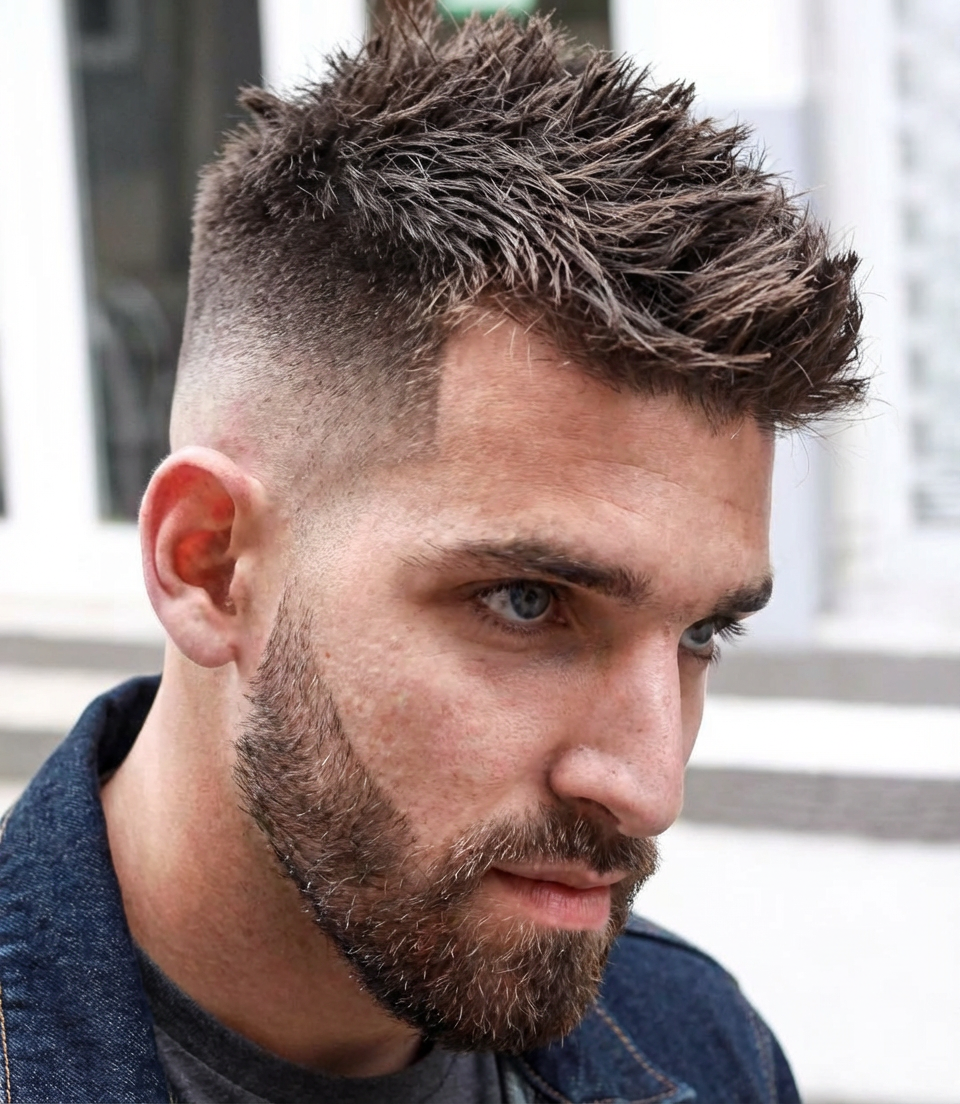
- High fade textured spikes:
- Medium-length textured copper spikes:

- Close-cropped platinum spikes:

- Tousled platinum spikes with natural texture:

The classic short spiky. One to two inches on top, sides kept tight. Low effort, high definition, works for most hair types.
High fade spiky. Skin or near-skin fade on the sides with sharp texture on top. Great for thick hair and anyone wanting maximum contrast.
Disconnected undercut with spikes. A clear line separates the longer top from short sides, adding a geometric edge.
Korean-inspired textured spikes. Slightly longer top with soft, airy texture. Less rigid, more movement, and youthful.
Textured and layered spikes. Layering adds depth so spikes look intentional even if your daily styling is quick.
Spiky pompadour. Height pushed back at the crown, mixing classic volume with modern points.
Taper fade spikes. A gradual taper instead of a stark fade for a refined, office-friendly take.
To translate these ideas into a cut, decide on three variables before you sit in the chair: how tight you want the sides, how tall you want the spikes, and how separated you want the texture. Then bring one of the references above plus a BlondeFilter try-on screenshot so your barber sees the exact height and fade you prefer.
How to Style Spiky Hair (Step by Step)
-
Start clean and damp. Shampoo and condition, then towel-dry until just damp. Damp hair holds product evenly.
-
Apply product with intent. Warm a thumbnail-sized amount between palms. Work from hairline back, getting product to the roots so spikes stand, not sag.
-
Blow-dry for lift. Use medium-high heat and direct air upward. This sets the structure. Move section by section to build consistent height.
-
Define spikes individually. Run fingertips from base to tip to sculpt points. This separates texture instead of leaving clumps.
-
Lock it in. Optional finishing spray or a touch more product keeps definition through wind, gym sessions, and long days.
If you are unsure about height or fade level, load a photo into BlondeFilter’s AI hairstyle try-on and test variations before you commit to a cut.
Styling Products Explained
Hair gel (strongest hold, high shine). Best for razor-sharp spikes that do not move. Expect stiffness and a wetter finish.
Hair wax (matte to low shine, flexible). Ideal for textured, natural-looking spikes you can restyle during the day.
Pomade (medium hold, classic shine). Touch-up friendly. Choose if you like a polished look without freezing your hair in place.
Texture clay (matte, buildable). Adds volume and movement, excellent for fine hair that needs lift.
Styling cream (light hold). Minimal control with a natural finish for effortless, low-drama spikes.
Match the product to your hair type and the finish you prefer. For daily wear, many men rotate wax or clay for texture and save gel for nights out.
Finish by situation. Commute or office days: wax or clay for movement that still looks intentional. Nights out: gel or pomade for glassy definition. Gym days: lighter cream that is easy to rinse before a second styling session.
Spiky Hair by Face Shape
Square. Add height and slight softness on top. High fades pull attention upward and away from a strong jaw.
Round. Taller spikes and a clean fade elongate the face. Avoid adding bulk at the sides.
Oval. Nearly any spiky variation works. Choose based on personal style rather than compatibility.
Heart-shaped. Keep most height toward the crown instead of the temples. Mid-fades balance the proportions better than extreme highs.
Preview the effect with BlondeFilter’s virtual hairstyle try-on so you can adjust spike height before sitting in the chair.
Spiky Hair by Hair Type
Straight hair. Easiest for sharp spikes. Any product works; gel and wax give the most definition.
Wavy hair. Embrace the movement. Wax or clay enhances natural texture for a relaxed finish.
Curly hair. Shorter spikes show curl texture without forcing it flat. Use creams or curl-friendly waxes for control.
Fine hair. Spikes add visual volume. Skip heavy gel; use clay or light wax so the style does not collapse.
Thick hair. Most forgiving and dramatic. High fades plus strong-hold products create standout shape.
Maintenance and Care
- Haircut cadence: every 2-4 weeks to keep the top crisp and the fade clean.
- Daily routine: 3-5 minutes. Damp hair, product, blow-dry upward, finger-define, optional finish.
- Washing: lightweight shampoo and conditioner that will not weigh hair down. Daily or every other day based on your scalp.
- Tools: a blow dryer with concentrator nozzle and your fingertips do most of the work; a wide-tooth comb can help separate sections.
- Barber communication: bring a photo of the spiky height and fade you want. Consistency with one barber improves results over time.
Before your next trim, test adjustments (shorter sides, higher top, more texture) in BlondeFilter’s AI hairstyle filter so you walk in with a plan.
Troubleshooting Common Spike Issues
- Spikes clump together: you are using too much product up front. Start with less, apply from roots, and add a pea-sized amount only where needed.
- Height collapses midday: blow-dry longer at the roots and pick a stronger-hold wax or gel for humid days.
- Crunchy finish you dislike: switch from gel to wax or clay and avoid layering products before they dry.
- Fade looks uneven with the top: ask your barber for a mid-fade taper and soften the top edges with a bit of texture cream.
- Texture looks flat in photos: lift small sections with your fingers after blow-drying and pinch the ends for separation.
If a change still feels risky, run a BlondeFilter virtual hairstyle try-on with slightly different spike heights and side lengths to see which combination solves the issue.
Find Your Spiky Style with AI
Not sure whether to go classic, high fade, or textured? Upload a photo to BlondeFilter’s virtual hairstyle try-on and compare spiky options side by side. It is a fast, risk-free way to pick the exact spike height, fade level, and texture you want before committing.
Frequently Asked Questions
What is a spiky haircut? Short to medium hair on top styled into defined points with shorter sides, often faded for contrast.
How do I style spiky hair daily? Start damp, apply product, blow-dry upward, sculpt spikes with your fingers, then finish if needed. It takes about five minutes.
What is the best product for spikes? Gel for maximum hold and shine, wax for matte flexibility, pomade for classic shine, clay for airy texture, and cream for light control.
How often should I get a spiky haircut? Every 2-4 weeks to maintain sharp lines and consistent spike length.
Does a spiky cut work for curly hair? Yes. Keep the top shorter, use curl-friendly products, and emphasize texture rather than rigid points.
Can I combine a spiky top with a fade? Absolutely. High, mid, and low fades all pair well; pick based on how bold you want the contrast.
How long does it take to grow out? Expect several weeks for spikes to soften into a textured crop. A tidy taper during the grow-out keeps it intentional.
Is a spiky haircut easy to maintain? Moderately. The routine is simple, but consistency and regular trims keep it sharp.
How do I choose the right spiky style? Consider face shape, hair type, and lifestyle. Use the AI hairstyle try-on to preview different spike heights and fade levels so you know exactly what to request.