
Slicked Back Undercut Styling Guide
Master the slicked back undercut with fade options, styling routine, product picks, and AI try-on to preview the look before your next barber visit.


Click or drag photos here to upload
Supports JPG, PNG formats, max 5MB, JPEG format recommended
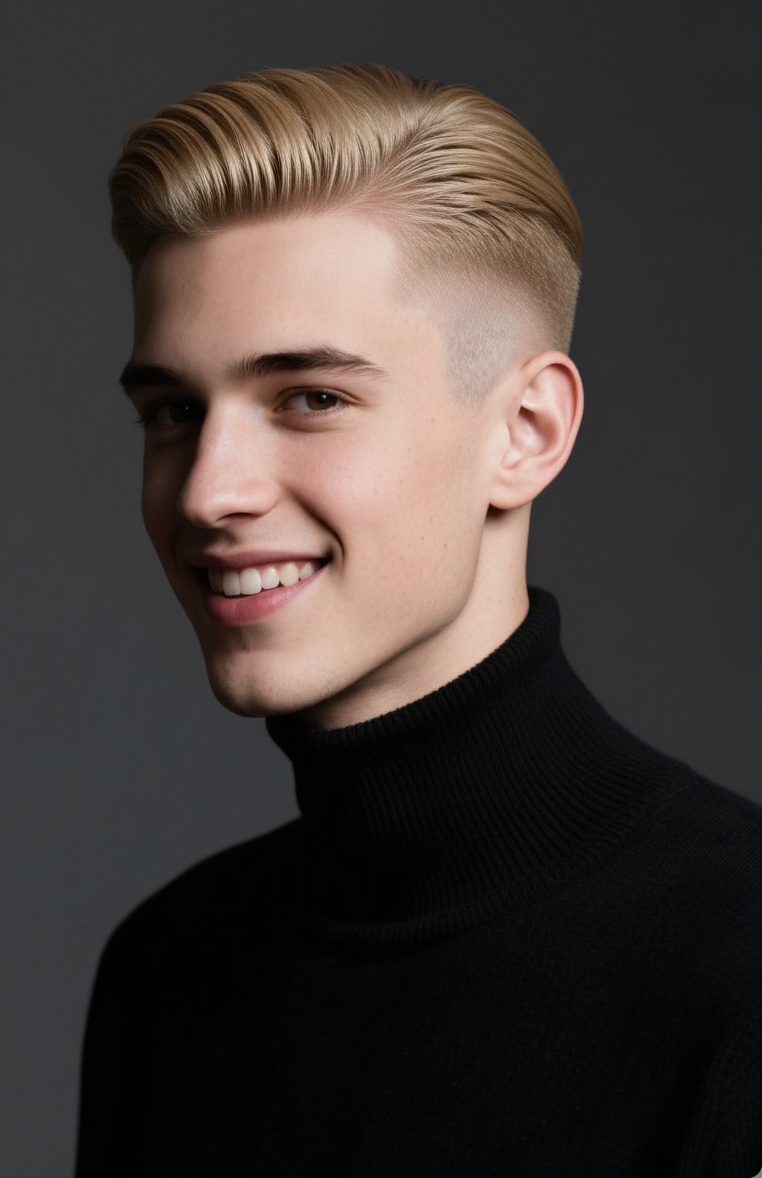



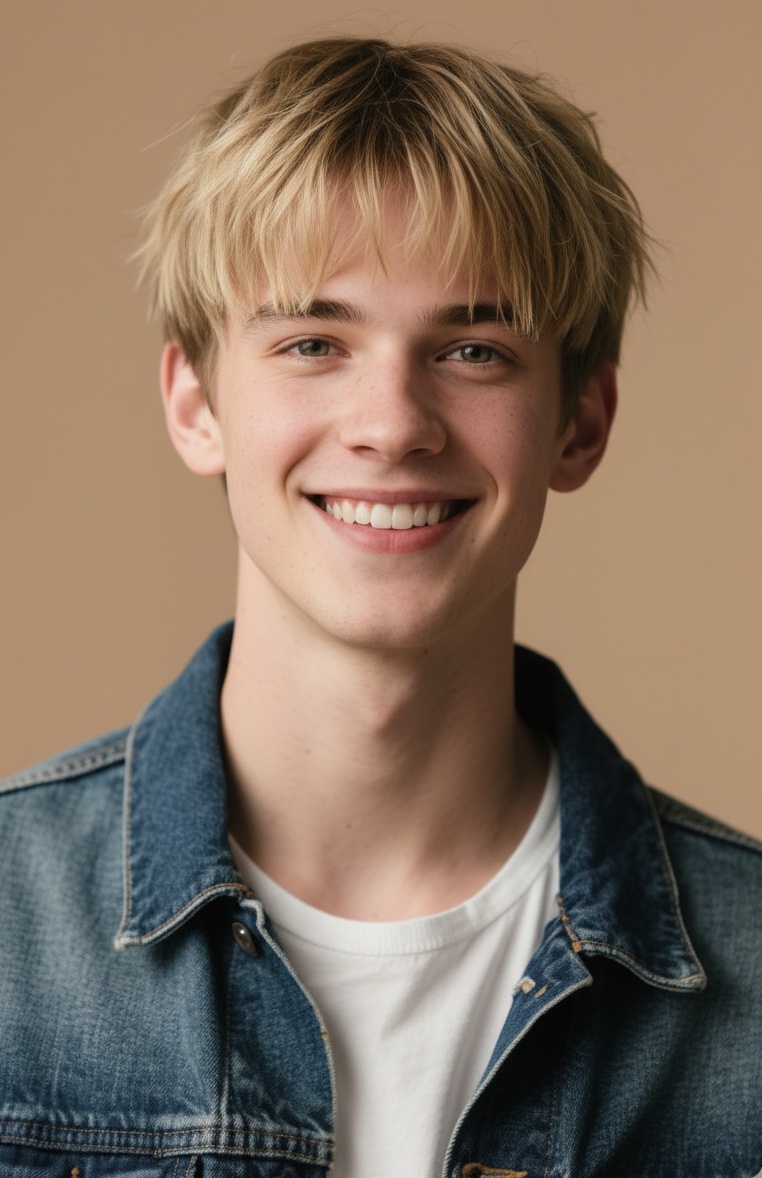

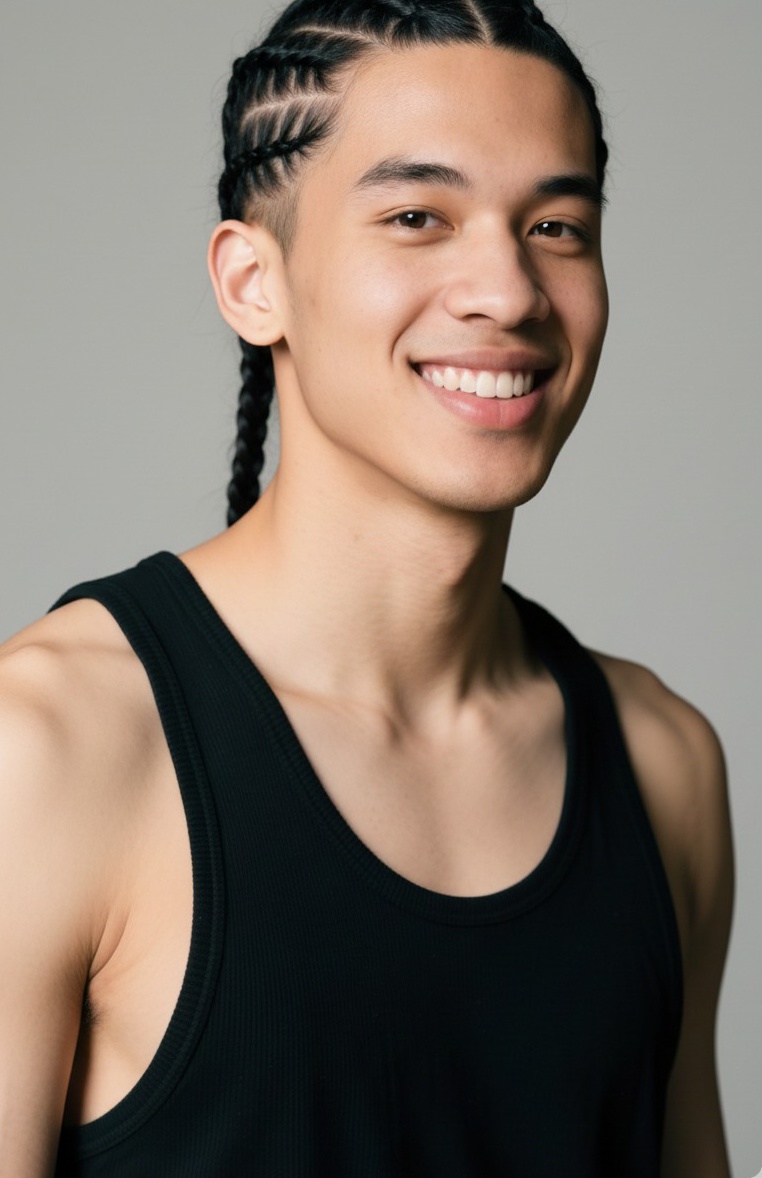
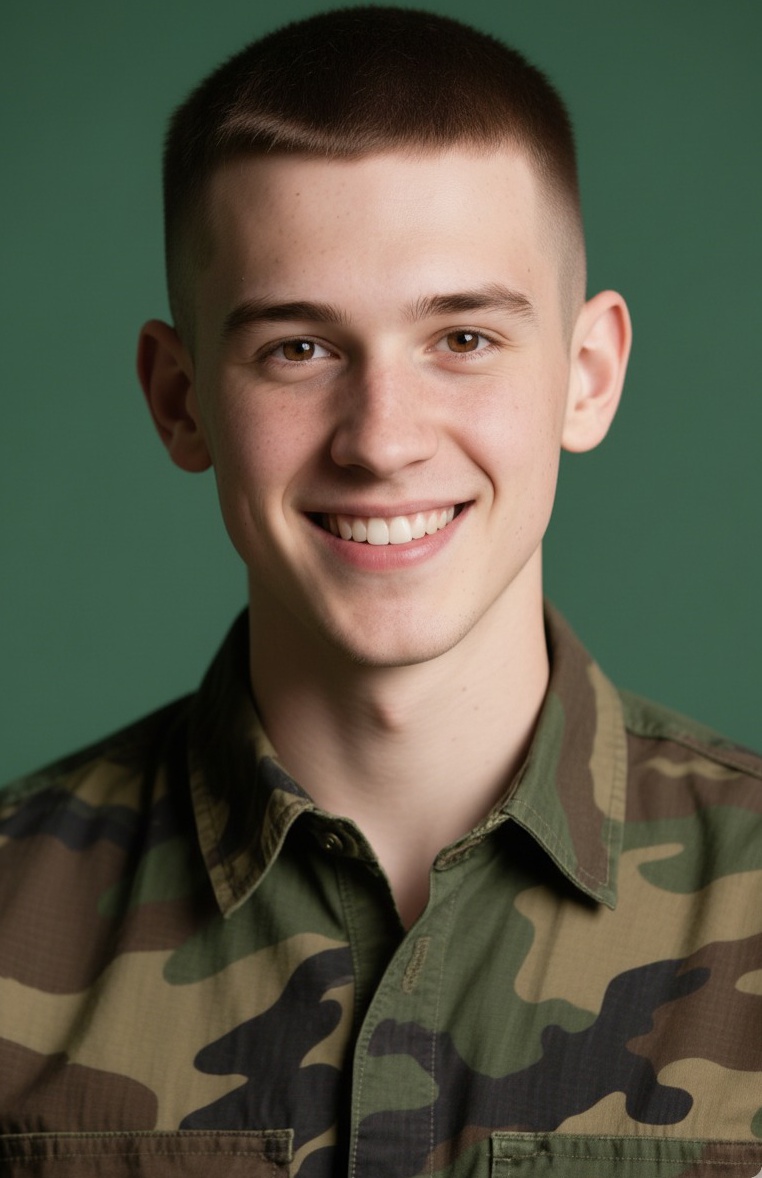


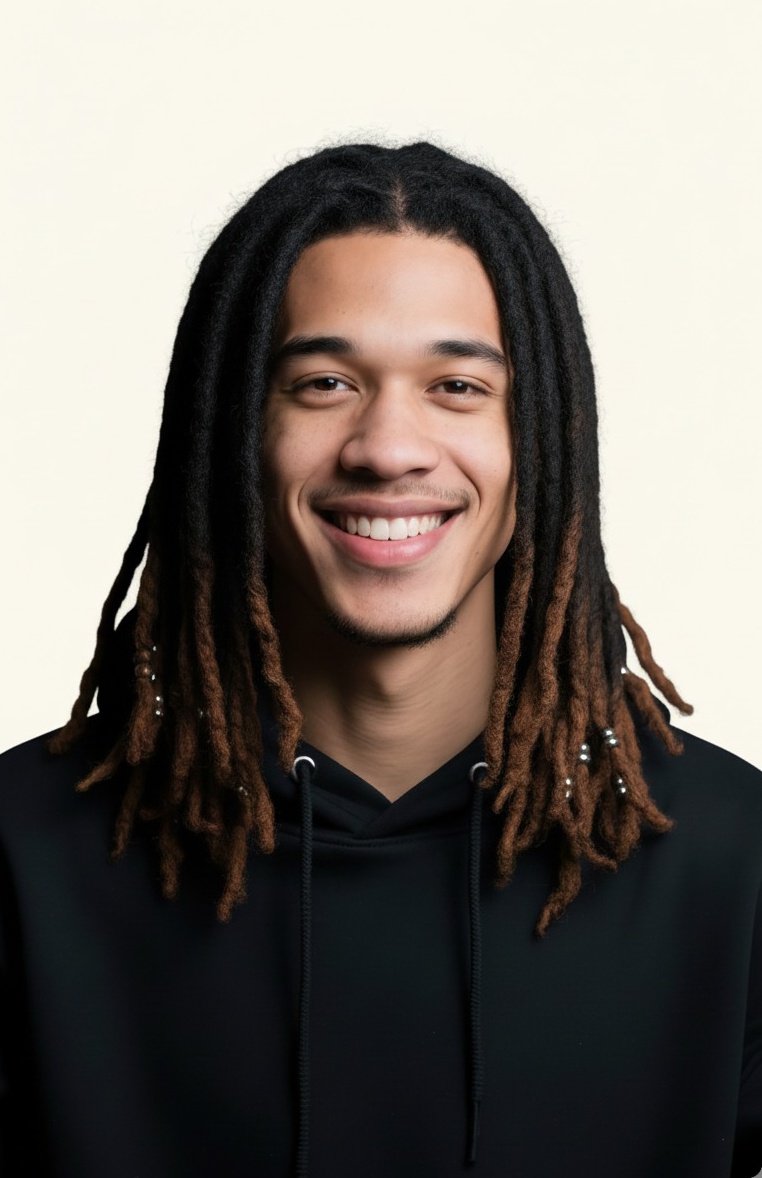
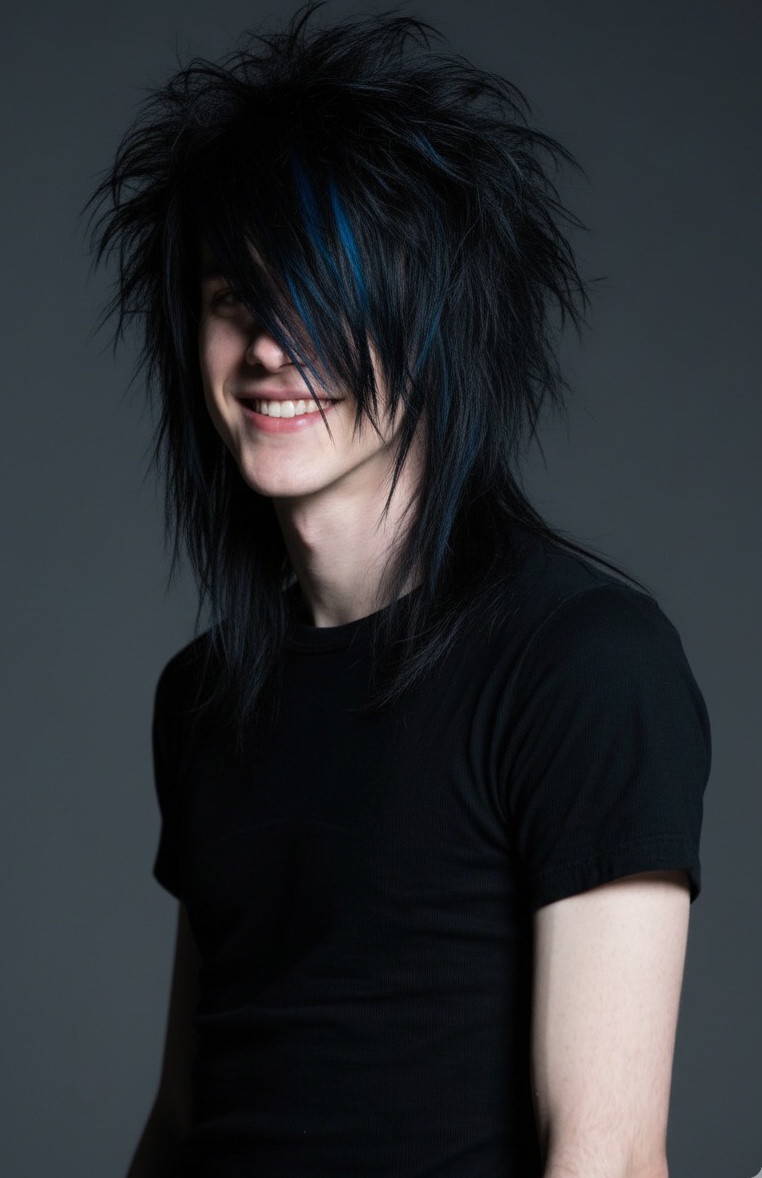
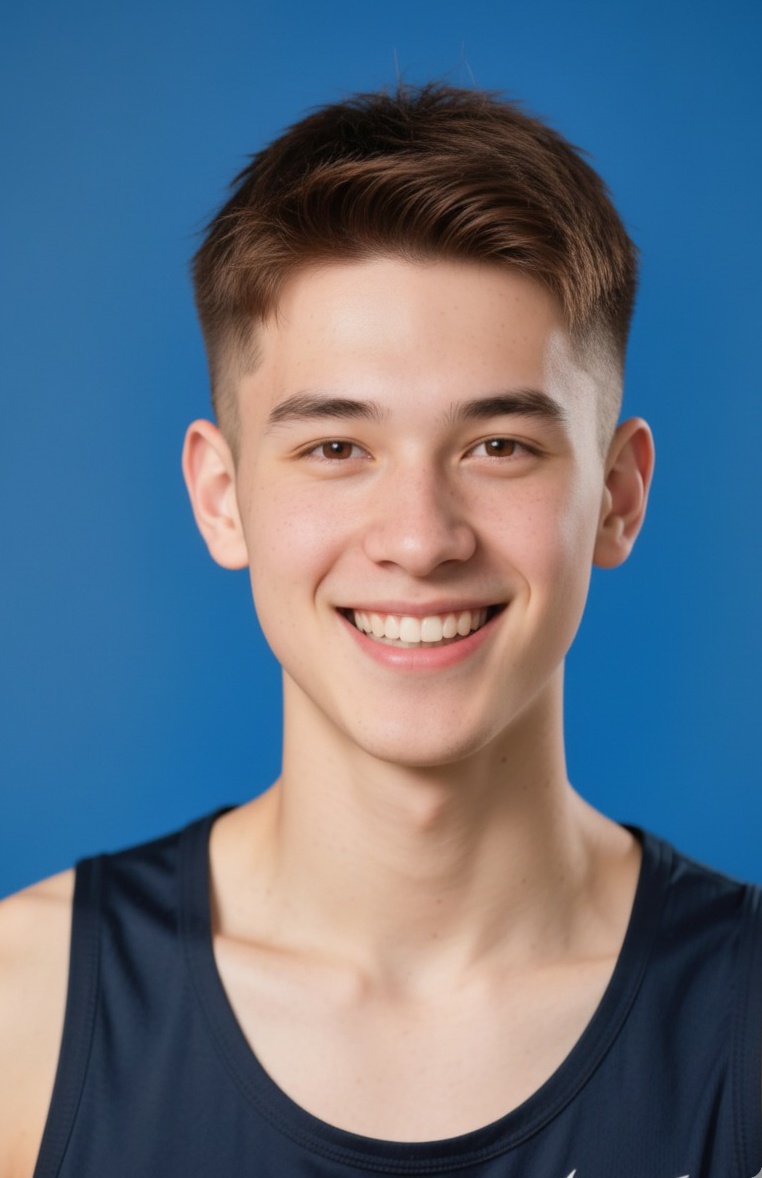
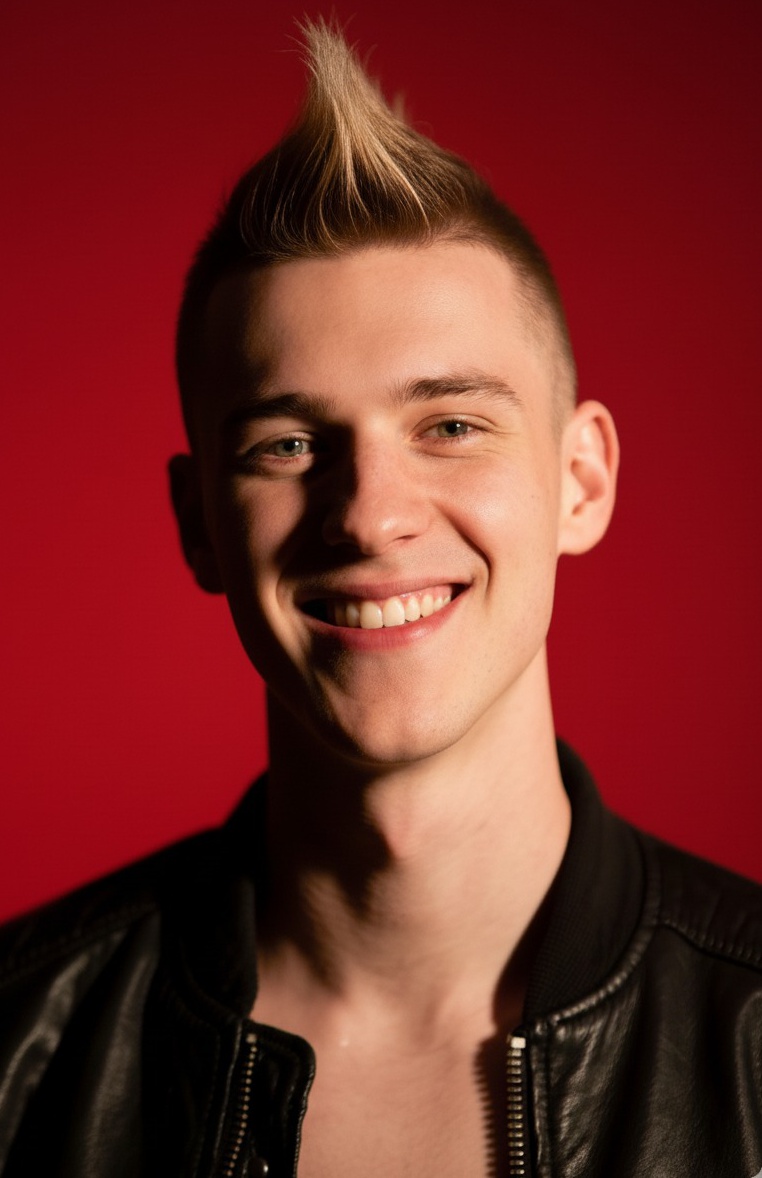


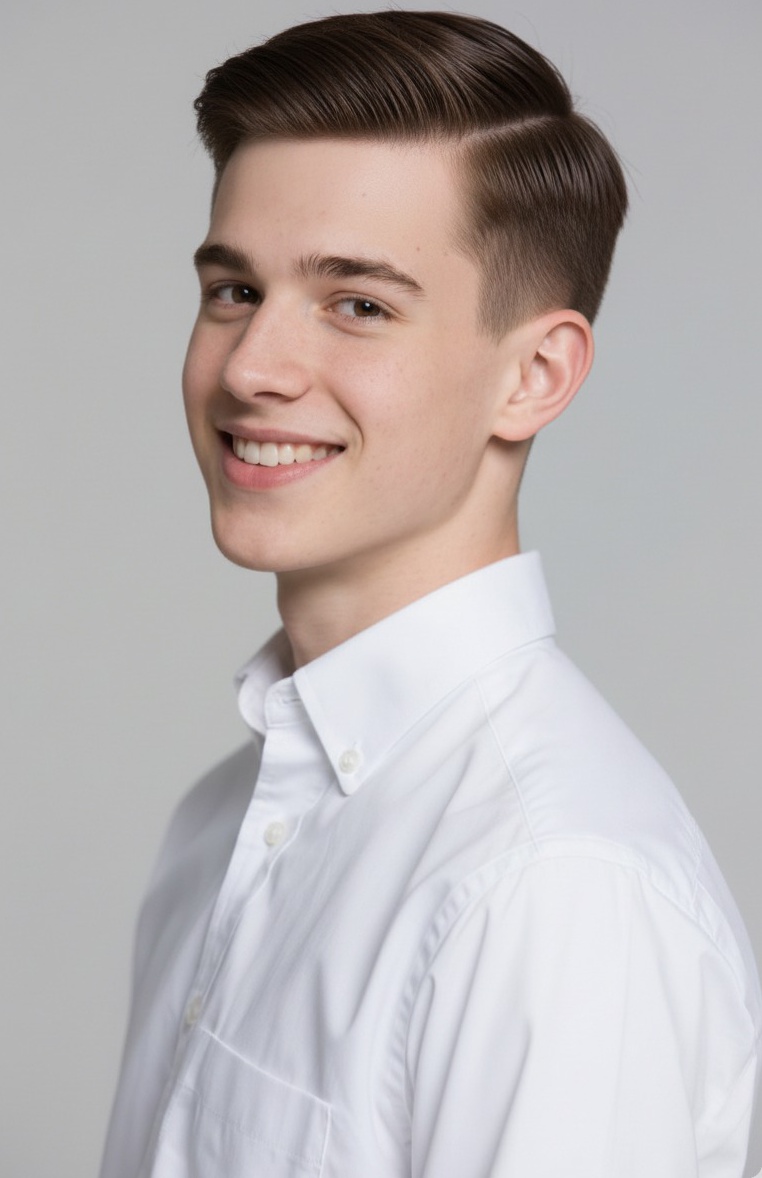
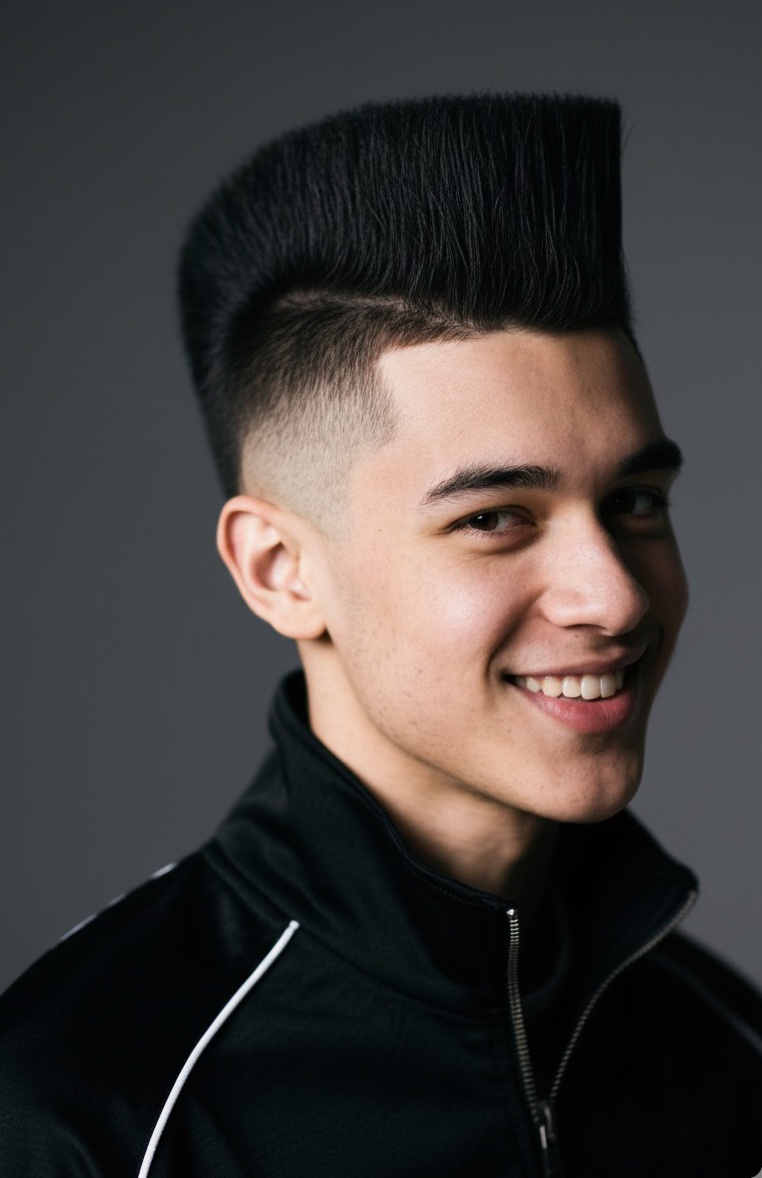
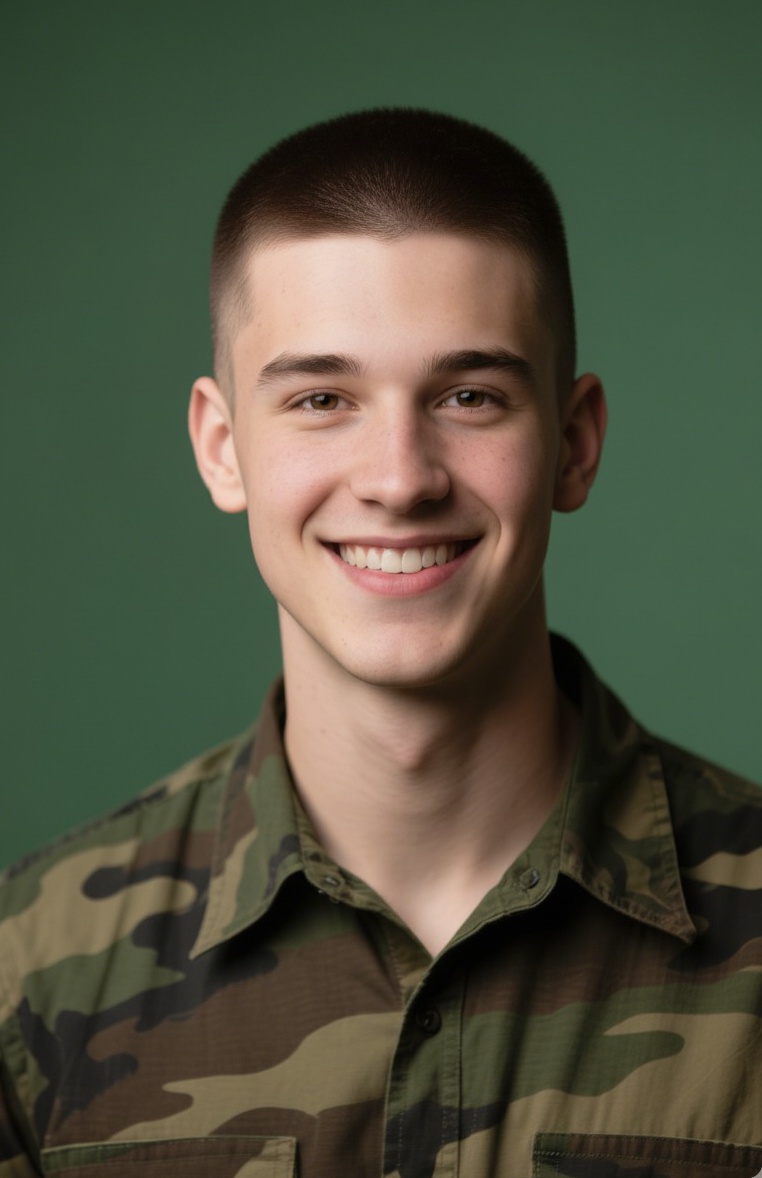

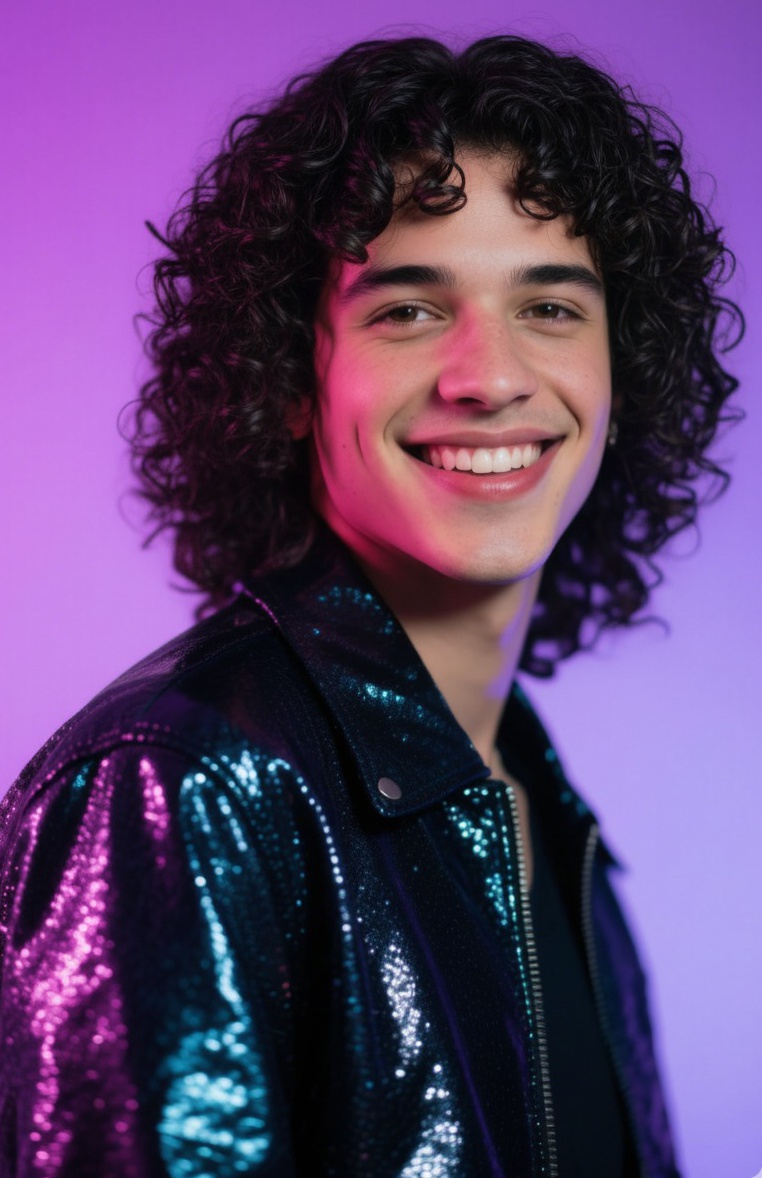
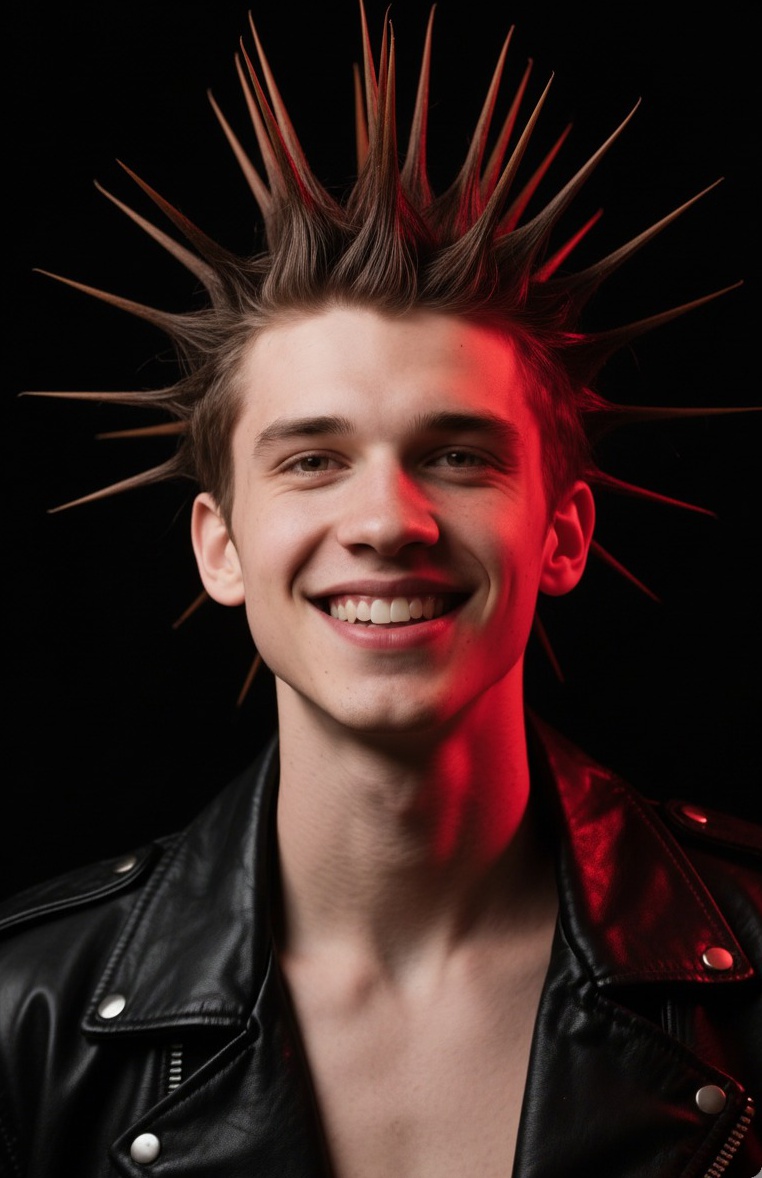
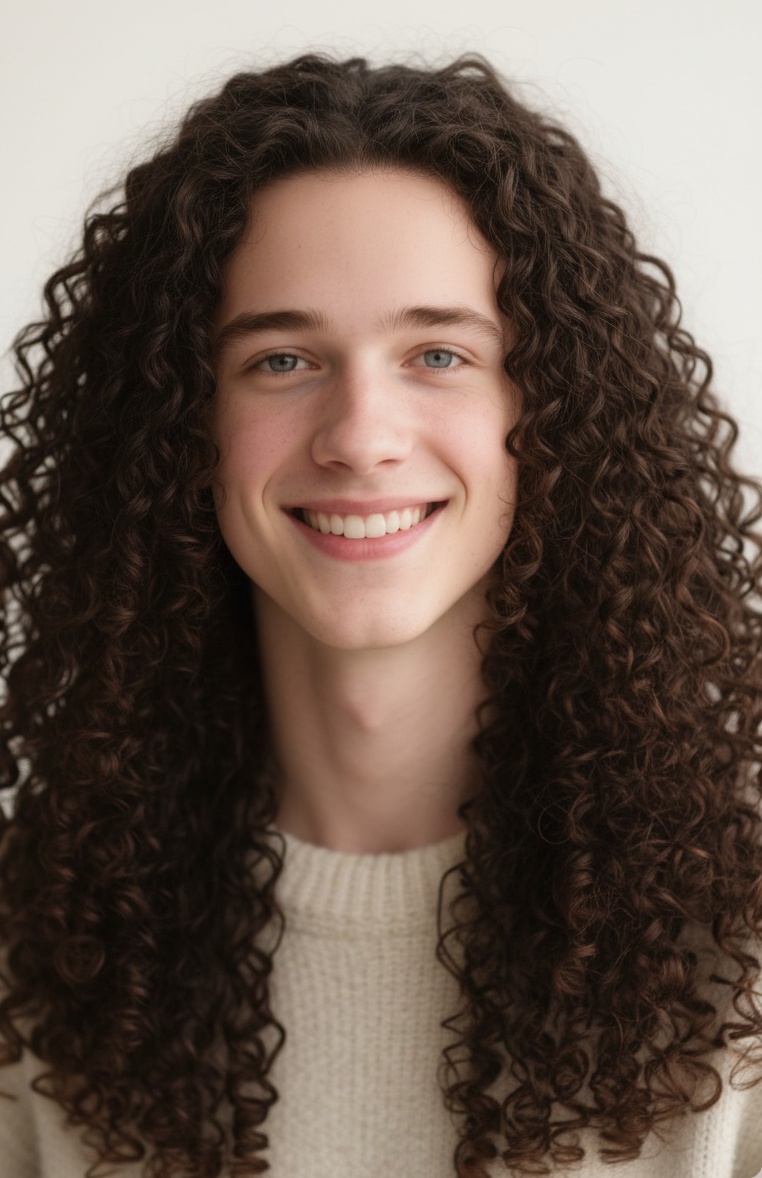
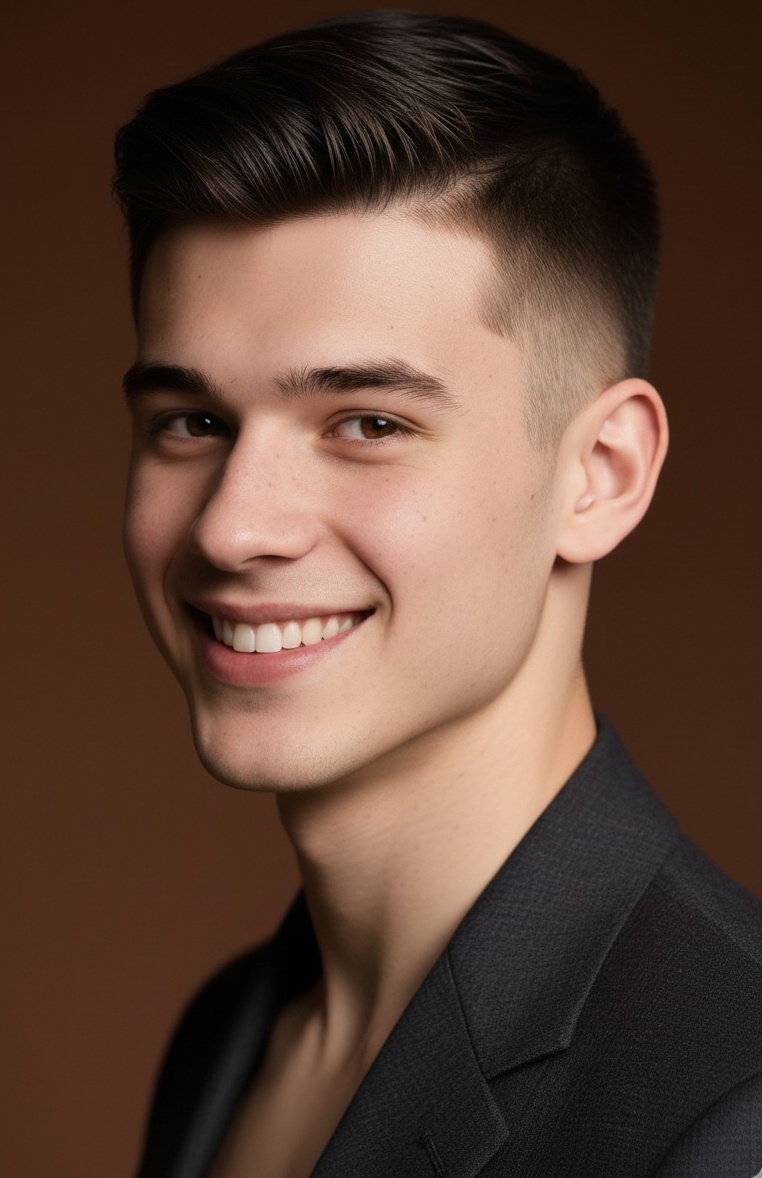
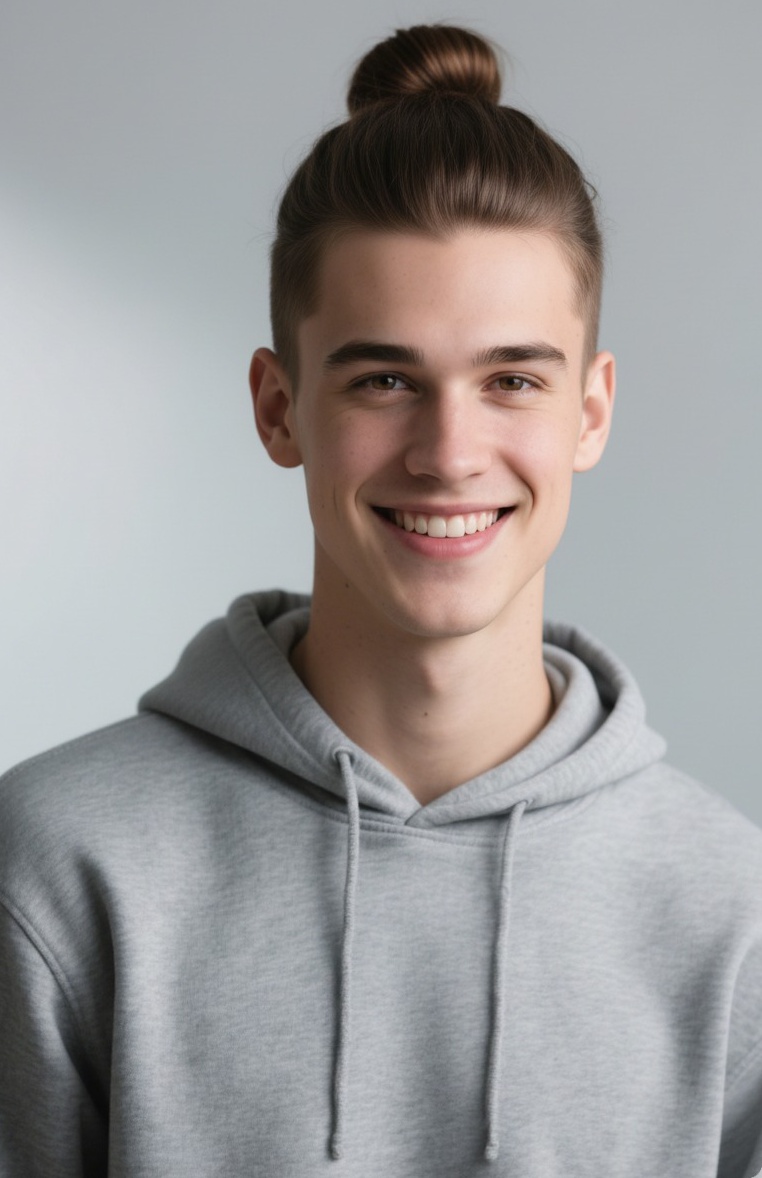


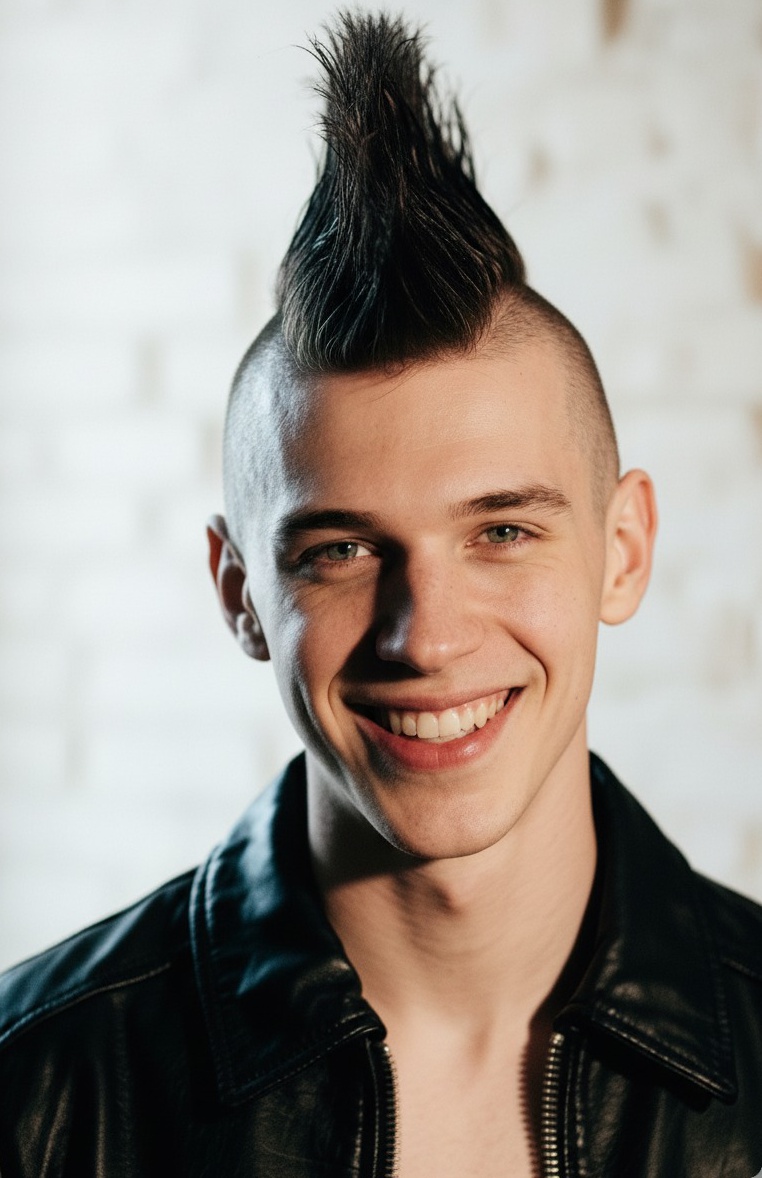
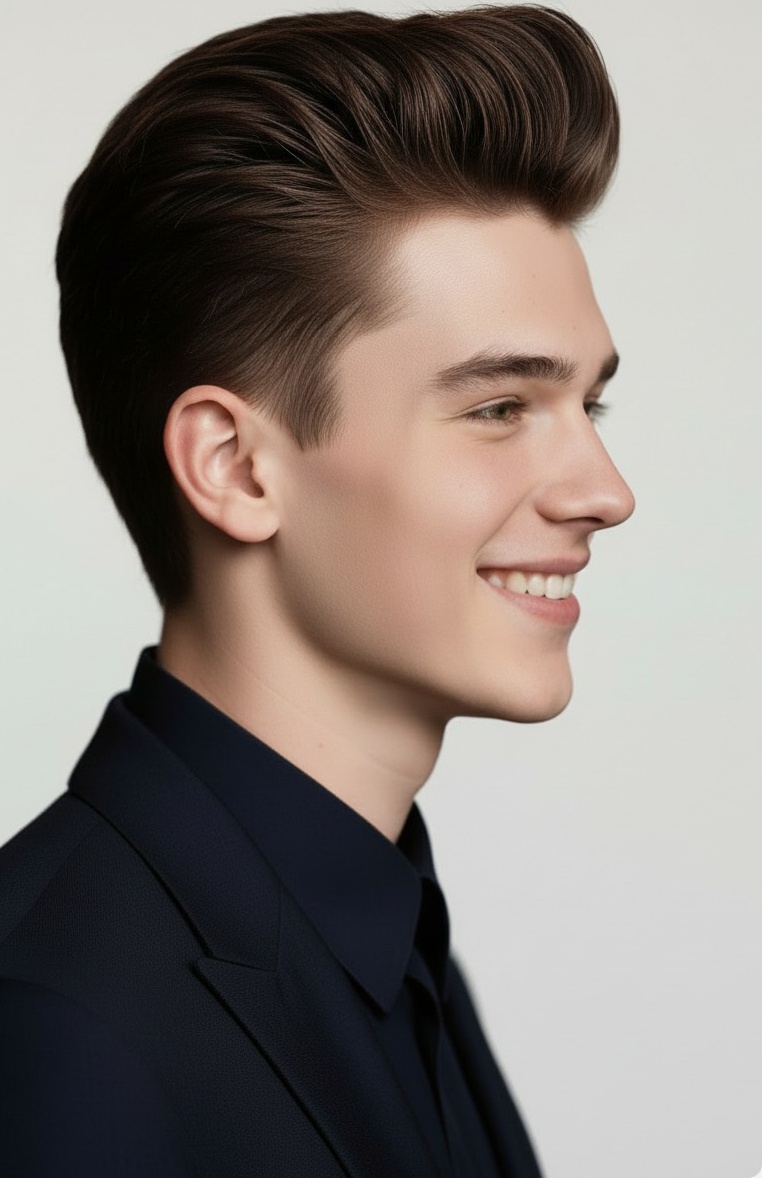
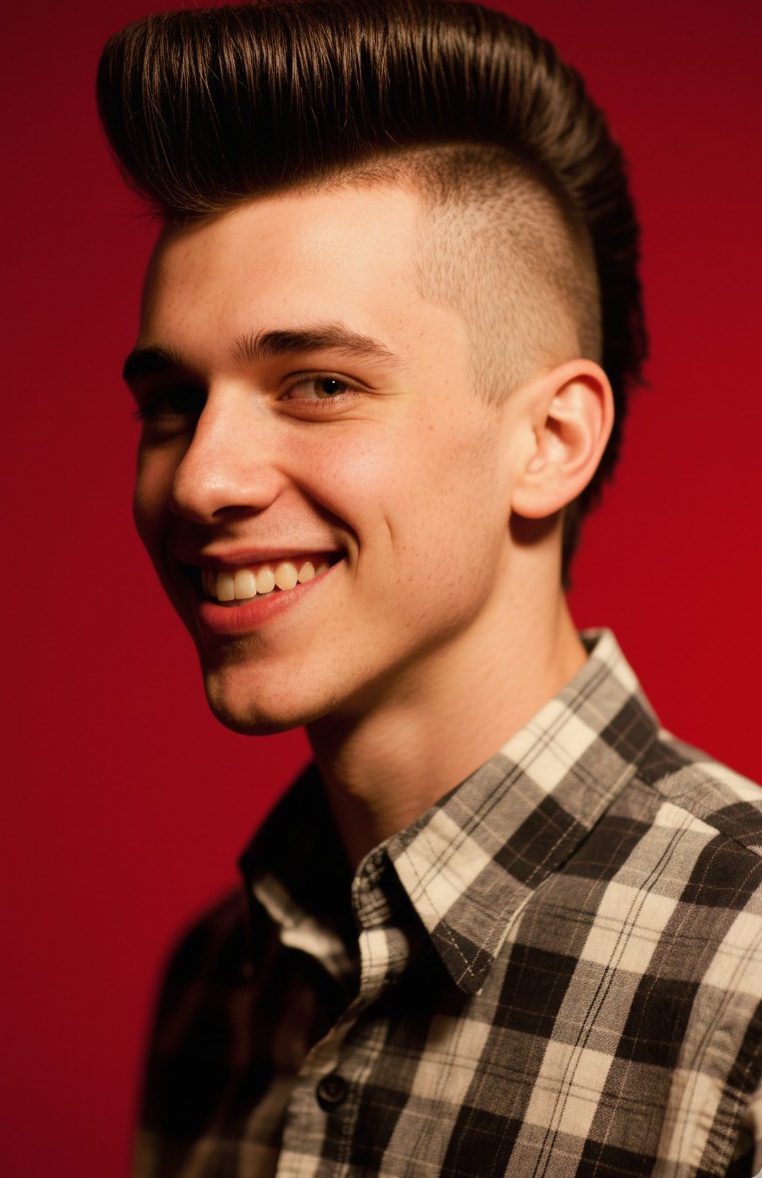
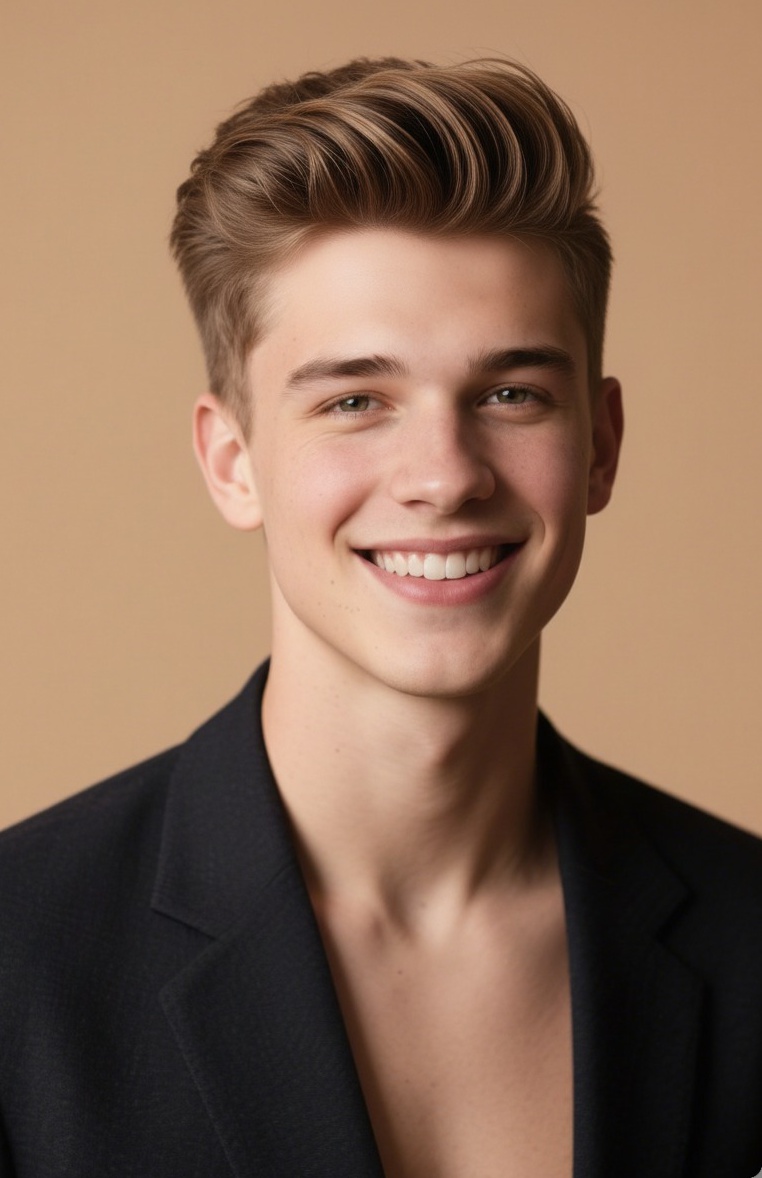




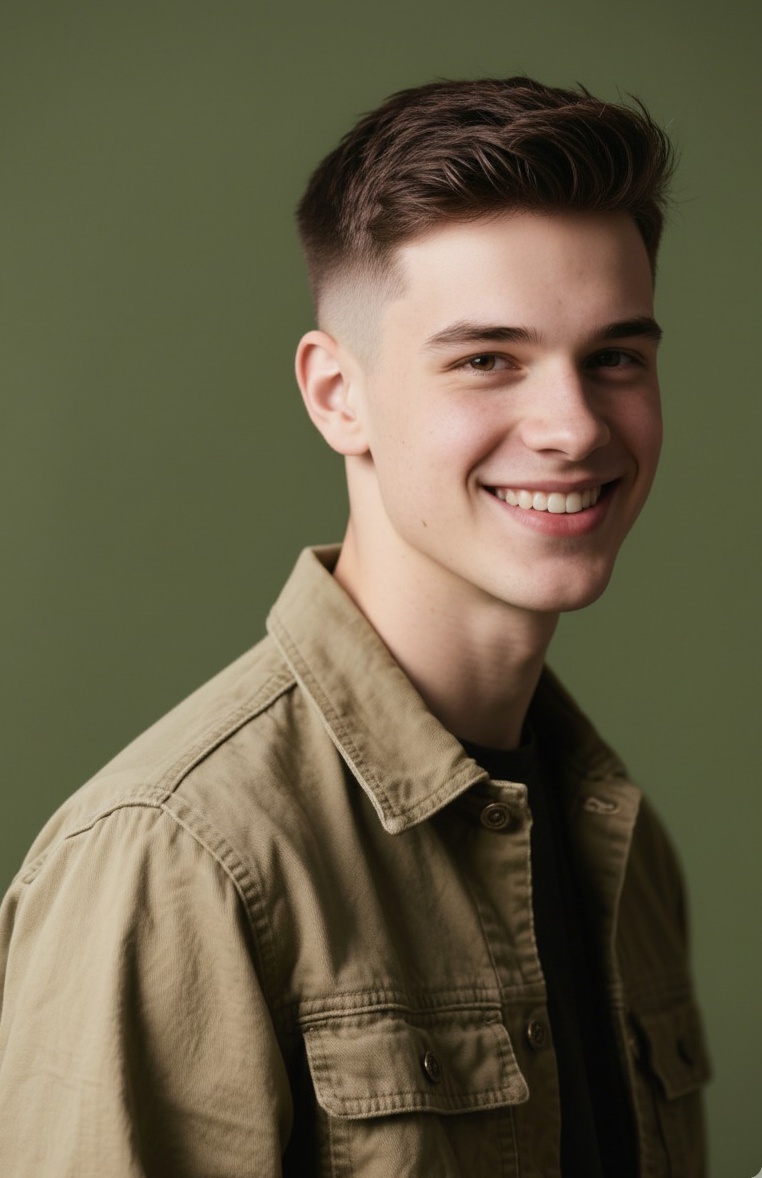

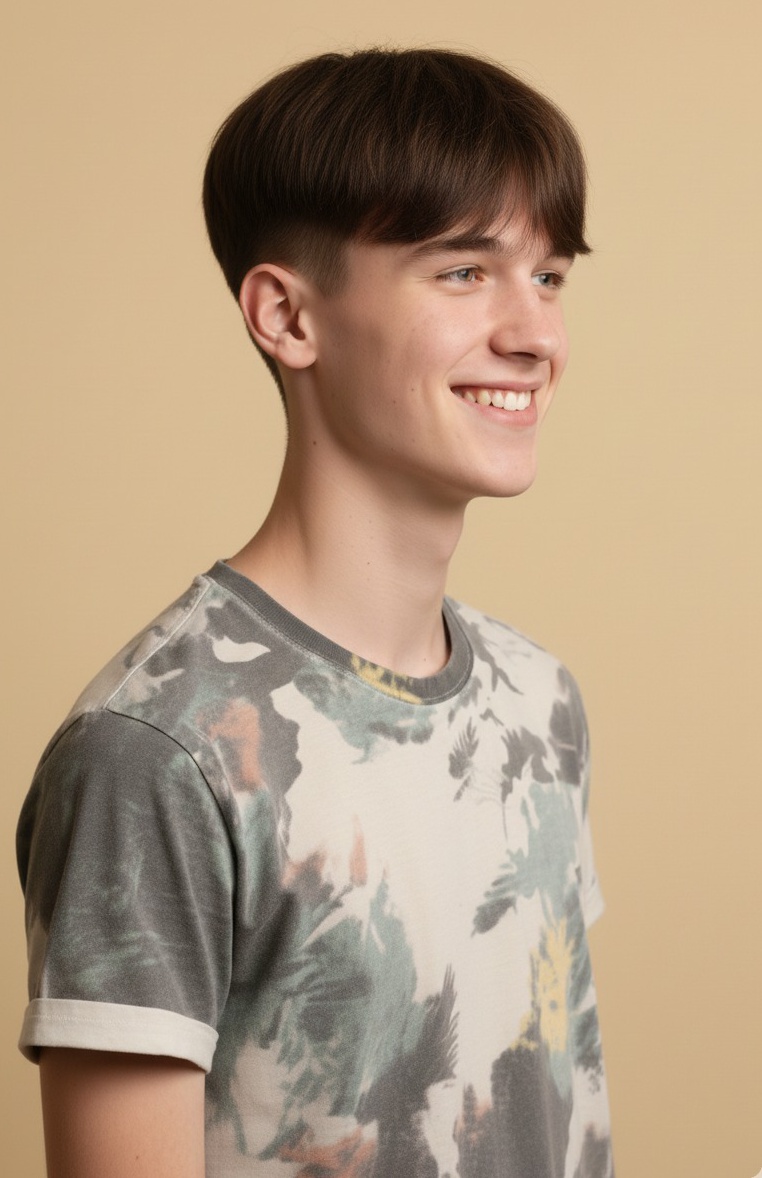
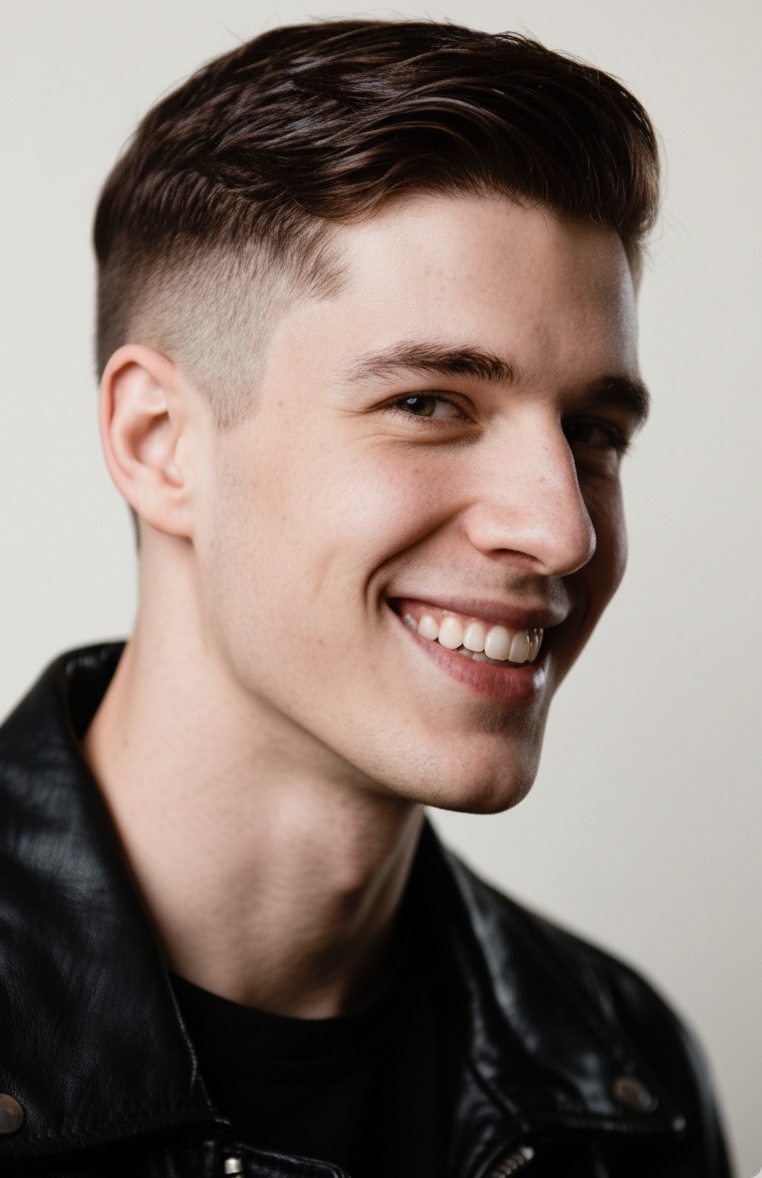
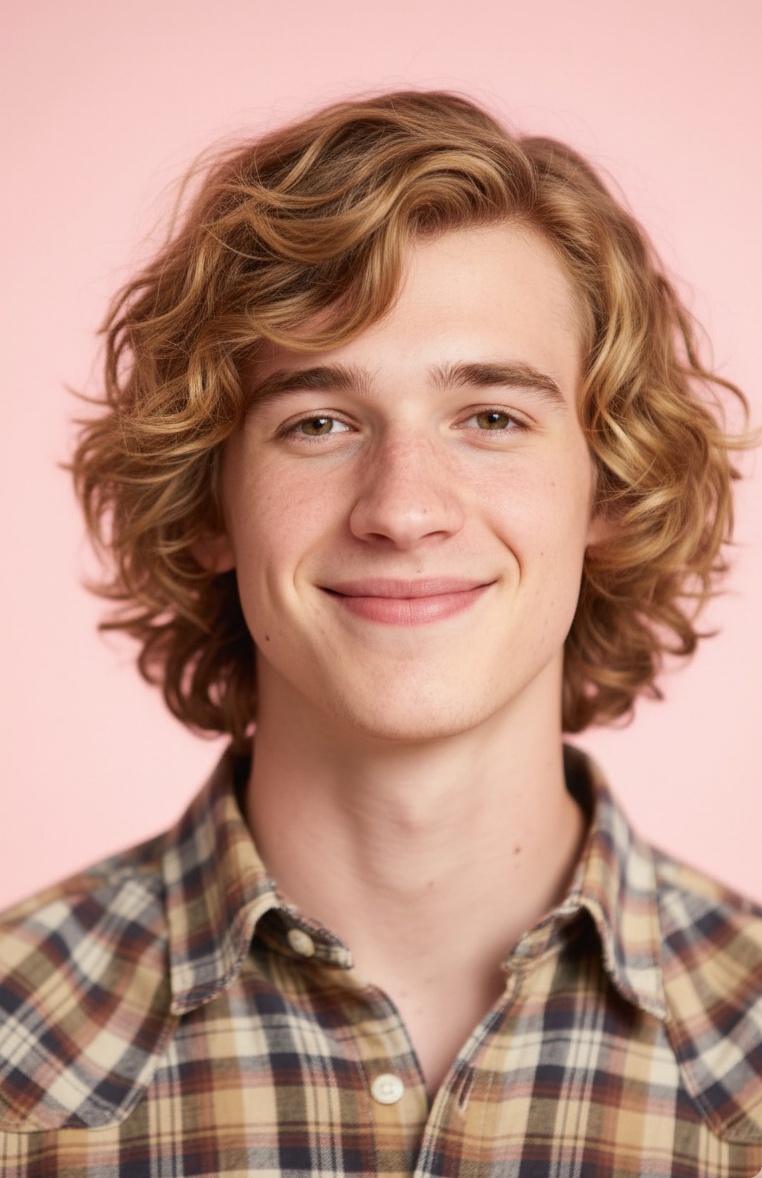
Choose your preferred style, then upload and process your photo on the left
The slicked back undercut pairs razor-clean sides with a polished top that combs straight back. It is confident but flexible: groomed enough for a boardroom, relaxed enough for a weekend, and photogenic from every angle. Think of it as a 1920s icon reimagined for 2025, with modern fades, smart product choices, and AI-powered previews that let you test-drive the look before you commit.
The undercut keeps the perimeter disciplined while the longer crown carries volume and direction. You can dial the vibe from high-shine formal to matte and textured without changing the underlying cut, which is why it suits men juggling professional schedules, travel, and quick morning routines.
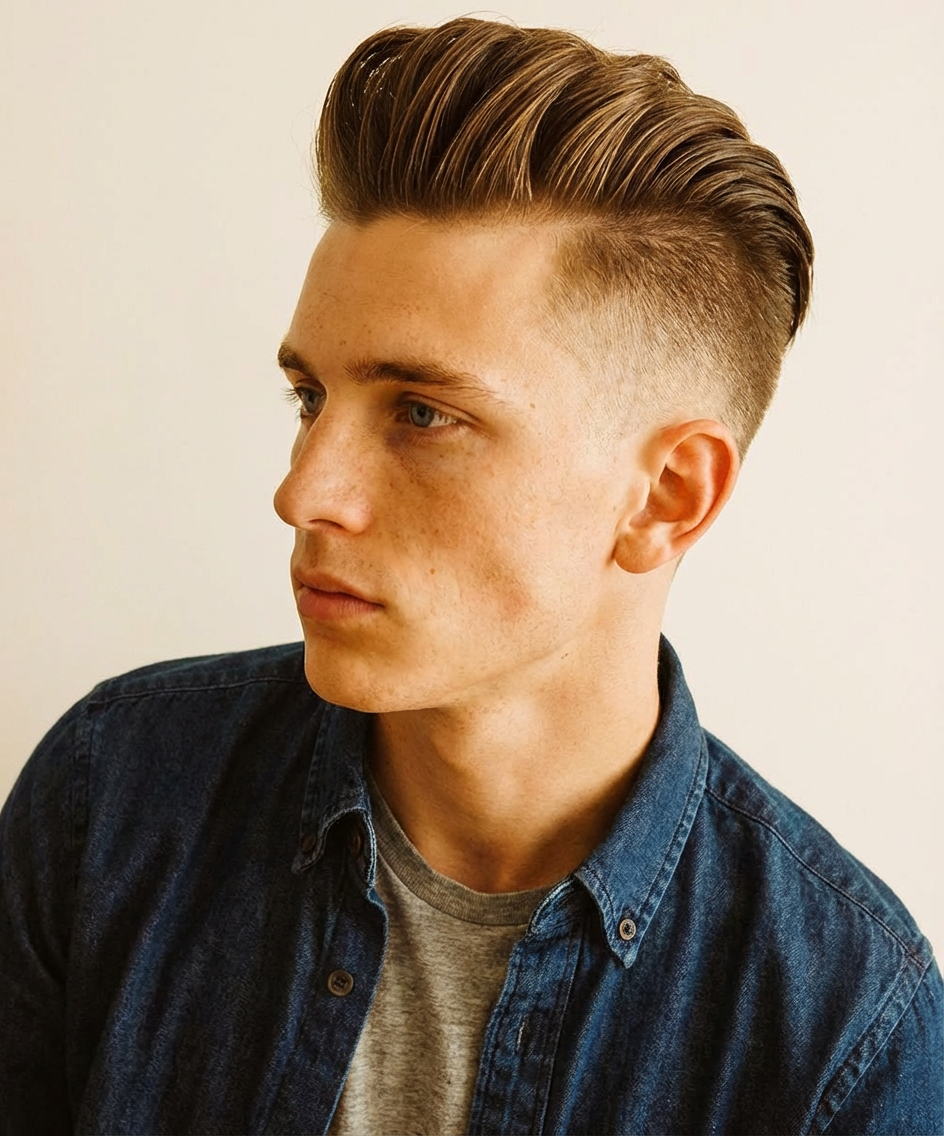
What Exactly Is a Slicked Back Undercut?
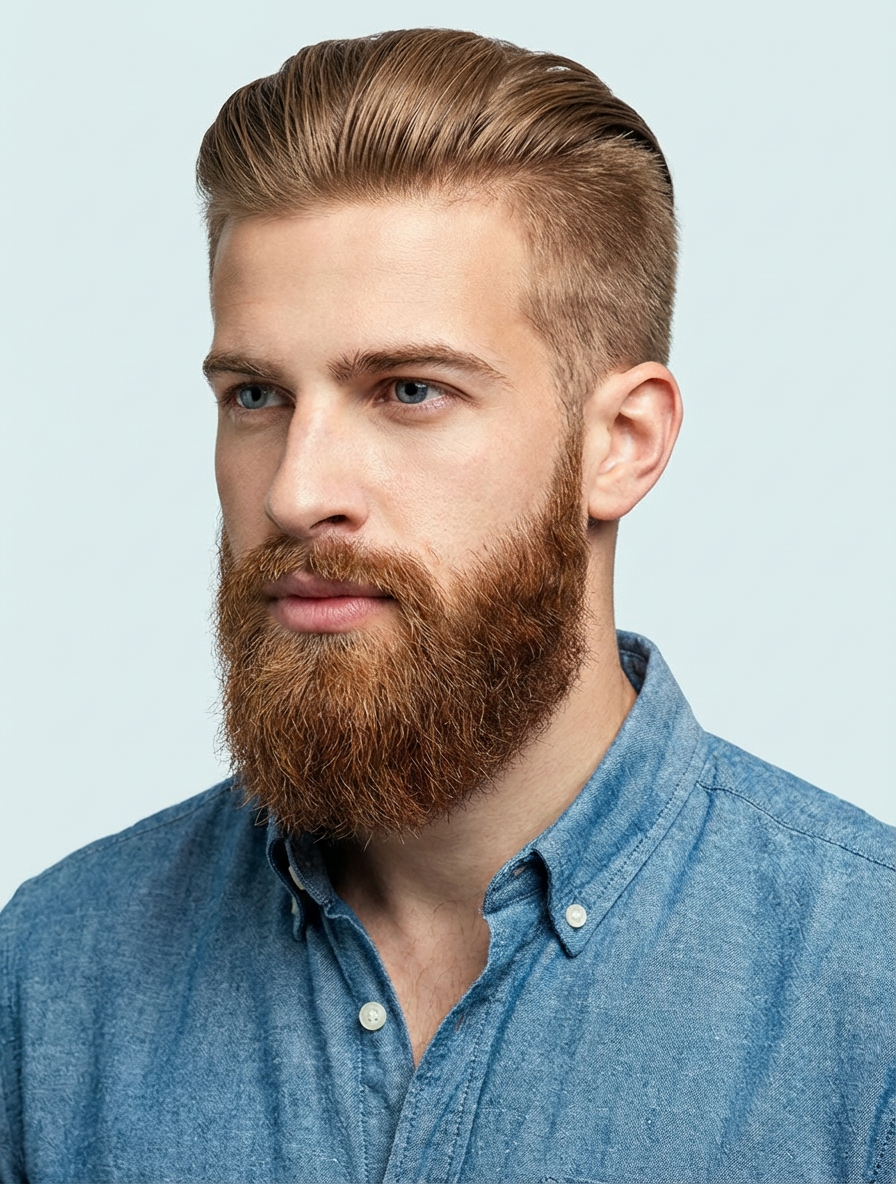
This style is a collaboration between cut and styling. The undercut creates dramatic contrast by buzzing or fading the sides and back while leaving length on top. Slicking the top back with a fine-tooth comb and product delivers that controlled, mirror-smooth finish. The combination sculpts your face: clean edges define the jaw and cheekbones, while the longer crown adds height and authority. Its roots trace to pomade-heavy 1920s grooming, but today the contrast is bolder and the finishes range from glassy shine to matte texture.
The Definition and Key Components
Most men keep the top between 3 and 6 inches so it can sweep back without collapsing. High fades create the strongest contrast, mid fades balance drama and ease, and low fades stay conservative. A disconnected undercut leaves a visible shelf between the top and sides; a blended version softens the transition for a subtler profile. Whatever you choose, the slicking motion is what locks the top into a unified flow.
Historical Origins and Modern Evolution
Early Hollywood and 1920s barbershops made slicked pomade looks the standard for polish. Modern versions borrow that DNA but add precision fades, weight removal, and product variety. You can go full Gordon Gekko shine for formal events or adopt a textured, low-shine finish for everyday wear.
Why Men Are Choosing This Style in 2025
The slicked back undercut bridges worlds: it is professional yet expressive, rooted in tradition but updated for current trends. It respects time, too; once you know the routine, five to seven minutes is enough to leave the house looking intentional.
[CTA] Visualize the slicked back undercut on your own features with BlondeFilter’s AI hairstyle try-on before you book the chair.
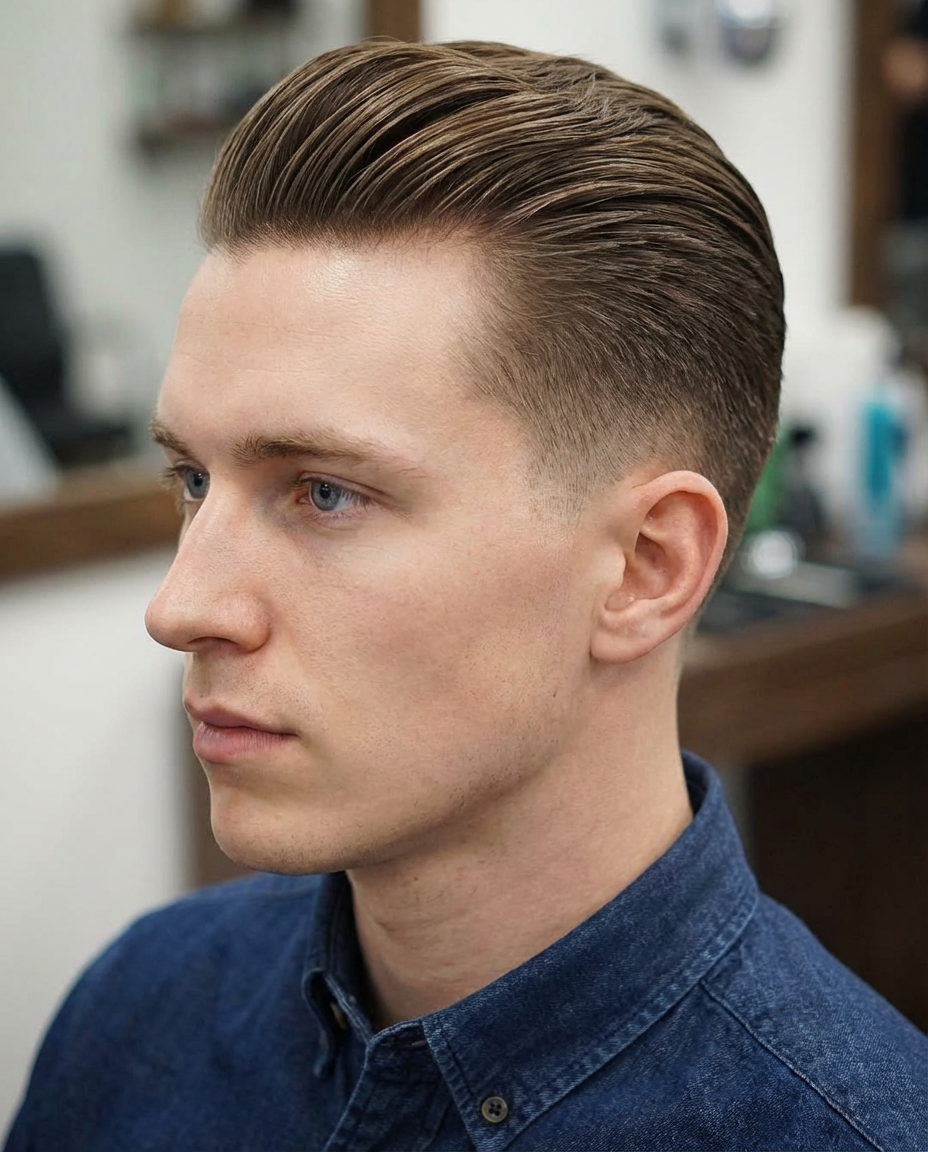
Is This Haircut Right for You?
Hair type compatibility. Straight hair is the easiest canvas; it wants to sweep back with minimal effort. Wavy hair thrives with a lightweight pomade or clay plus a quick blow-dry to set direction and reduce puffiness. Curly hair works when the top is trimmed slightly shorter (around 3 inches) and paired with a strong-hold gel made for texture. Fine hair prefers lighter products, while thick hair responds to medium hold and a precise comb-through.
Face shape matching. Round faces gain length from the added height and tight sides, especially with a mid or high fade. Square and rectangular faces look sharper because the clean fade mirrors the jawline. Oval faces can wear almost any fade height and finish. Heart-shaped or long faces benefit from a mid fade and controlled volume to avoid overstretching the forehead; a touch of side volume can balance the proportions.
Lifestyle fit. The style reads intentional in professional settings and adapts easily to casual looks. Expect barber visits every 4 to 6 weeks to keep the fade crisp. Morning styling takes minutes once you know your routine, and the haircut holds up through commutes and long workdays with the right product.
[CTA] Not sure if it suits your hair type or face shape? Try the slicked back undercut instantly with AI and see how it frames your features.
The Complete How-To: From Barber to Daily Styling
Your barber consultation. Ask for a slicked back undercut with your preferred fade height: high for bold contrast, mid for balance, low for subtlety. Request length on top in the 3 to 6 inch range depending on your texture, and clarify whether you want a disconnected undercut (a visible line) or a softer blend. Bring a reference photo and confirm how often you should return so the shape stays sharp.
Daily routine (about 5 to 7 minutes). Start with clean, towel-dried hair. Comb backward to set direction, then blow-dry while brushing to lock in lift. Warm a dime-sized amount of product between your palms until it feels almost transparent, then work it from roots to ends. Comb to smooth; if you want a modern finish, break it up lightly with your fingers afterward. A light hairspray or finishing spray locks the silhouette for long days and humidity.
Choosing the right product.
- Pomade: Classic choice with restylable hold and either glossy or matte finishes (Reuzel, Uppercut Deluxe).
- Clay: Strong hold with a modern, low-shine finish that suits wavy or thicker hair.
- Gel: Use a slick-back-specific gel to avoid crunch; best for textured hair that needs firm control.
- Budget vs. premium: Options like Bed Head cover basics, while premium picks such as Firsthand Supply add refined texture and wash out cleanly.
Maintenance cadence and troubleshooting. Keep the fade sharp every 4 to 6 weeks. If you clipper at home, ask your barber to demo guard lengths so you can tidy between appointments without losing shape. If your hair splits down the middle, switch to a finer comb, add a touch more product at the roots, and blow-dry in a slightly diagonal direction.
[CTA] Practice different finishes in BlondeFilter’s virtual try-on - matte vs. shine, high vs. mid fade - to see what you like before the next trim.
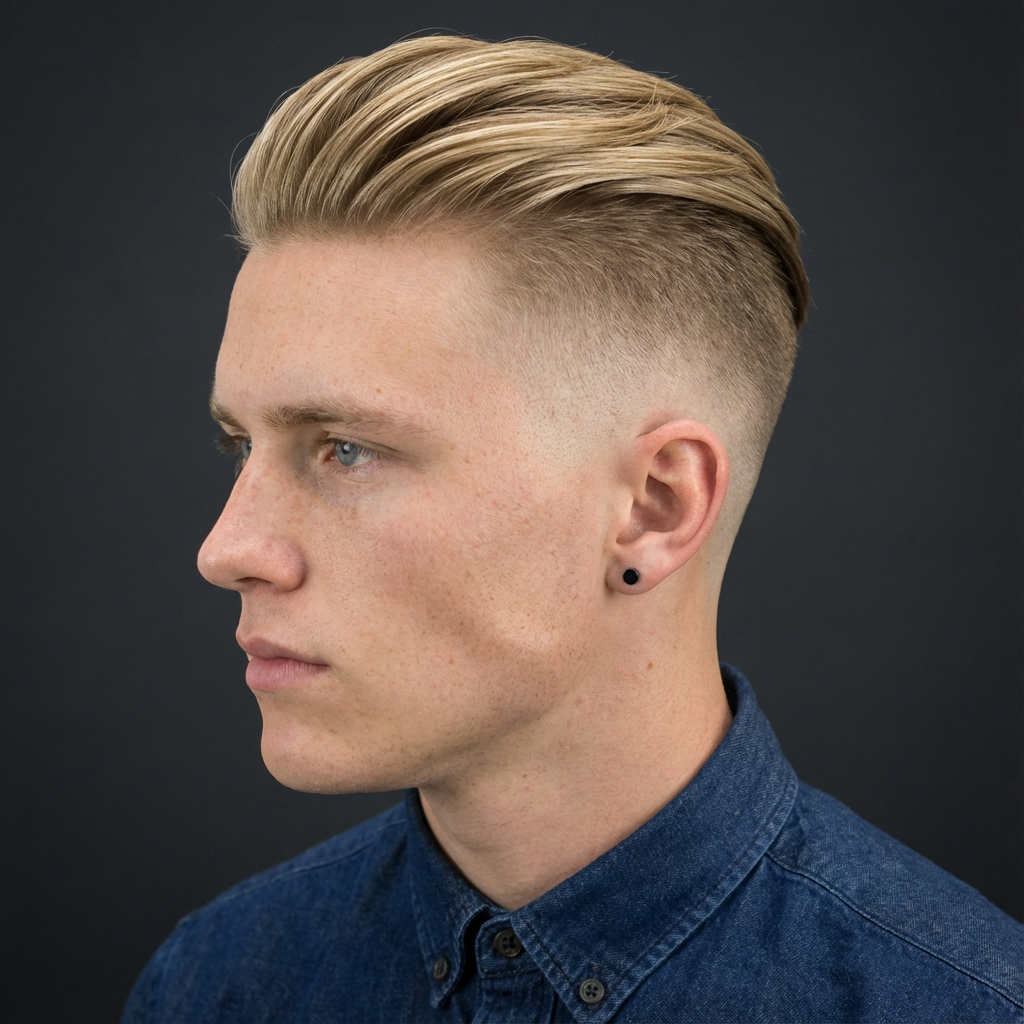
Slicked Back Undercut Variations: Finding Your Version
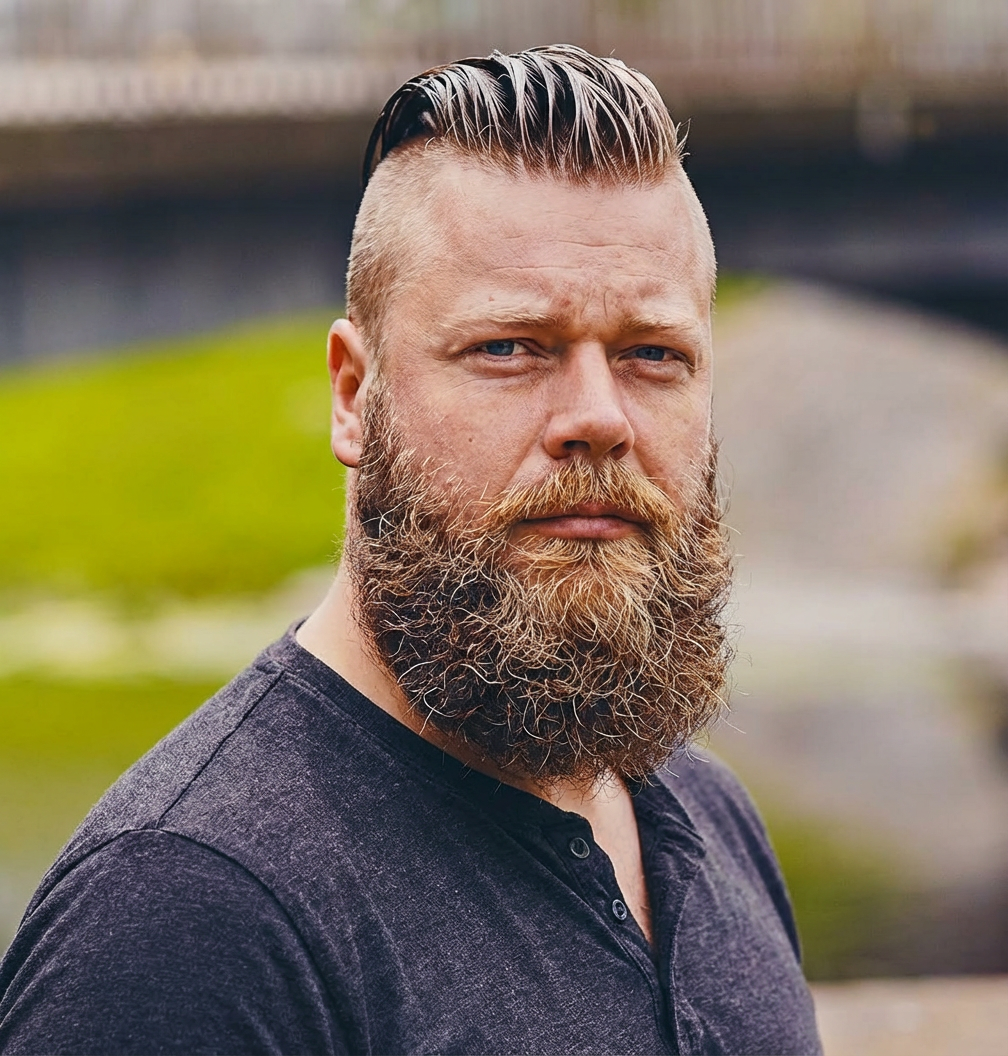
High fades place the transition near the temples for maximum contrast and a youthful edge. Mid fades start around the ear for an all-around crowd-pleaser. Low fades hug the neckline for a conservative, office-ready result. Skin fades push the look into a sharper, contemporary lane, while drop fades curve around the head for sculpted definition. Disconnected undercuts carve a visible line between top and sides; blended versions are smoother and more understated. Finish with high shine for formal events or matte texture for everyday wear. Facial hair changes the balance: a full beard adds weight below, light stubble keeps things minimal, and clean-shaven emphasizes the haircut itself.
Celebrity Inspiration: How They Wear It
David Beckham remains the modern reference: he toggles between mid and high fades, alternating glossy and matte finishes while keeping the undercut structure intact. K-pop artists such as Jaehyun, Ten, and Eunwoo lean into sharper lines and slightly longer tops, proving the style’s versatility across aesthetics. Business professionals adopt it because the silhouette stays crisp under pressure, and it transitions seamlessly from client meetings to weekends. Current trends keep the fade clean, the top controlled, and the finish tailored to the setting rather than locked to one look.
[CTA] See how your version compares to these inspirations by previewing the slicked back undercut on your selfie with BlondeFilter’s AI try-on.
Pro Styling Tips and Common Mistakes
- Apply product on damp, not dripping, hair for even distribution and better control.
- Stick with a fine-tooth comb as your precision tool; mixing brushes and fingers can break the shape.
- Warm product thoroughly before application to avoid clumps and streaks.
- Adjust for climate: stronger hold in humidity, lighter in dry conditions.
- Avoid overloading product, skipping blow-dry when you need volume, or letting the fade grow past six weeks - all three weaken the impact.
Frequently Asked Questions
What is the difference between slick back and undercut? A slick back is a styling method: combing hair straight back with product for a smooth finish. An undercut is a cut structure with short sides and back against a longer top. The slicked back undercut combines both for contrast plus polish.
What is undercut and why is it bad? An undercut simply means shorter sides and back with length on top. It is not inherently bad; issues arise only when the fade is poorly executed, mismatched to face shape, or left unmaintained. A well-cut undercut is timeless and professional.
What is a 3 2 1 haircut? It refers to a fade progression using clipper guards #3, #2, and #1 from top to bottom, creating a clean gradation on the sides and back.
What is a Korean undercut called? Often labeled a Korean undercut or undercut fade, it favors sharper transitions and precise lining popularized by K-pop styling, usually with slightly longer tops and defined fade lines.
Ready to Try It?
You now know what defines the slicked back undercut, who it flatters, and how to style it daily. Lock in your version before you visit the barber by testing finishes, fade heights, and beard pairings virtually. Walk in with a screenshot of your favorite virtual result so your barber can mirror the exact length, finish, and fade you already approved.
[CTA] Try the slicked back undercut on BlondeFilter right now to choose your fade, finish, and volume with confidence before your next appointment.