
Short Curly Hairstyles Guide
Thinking of going short? Explore pixie, bixie, shag, and French bob curls, then preview the look instantly with the BlondeFilter AI hairstyle filter.


Click or drag photos here to upload
Supports JPG, PNG formats, max 5MB, JPEG format recommended

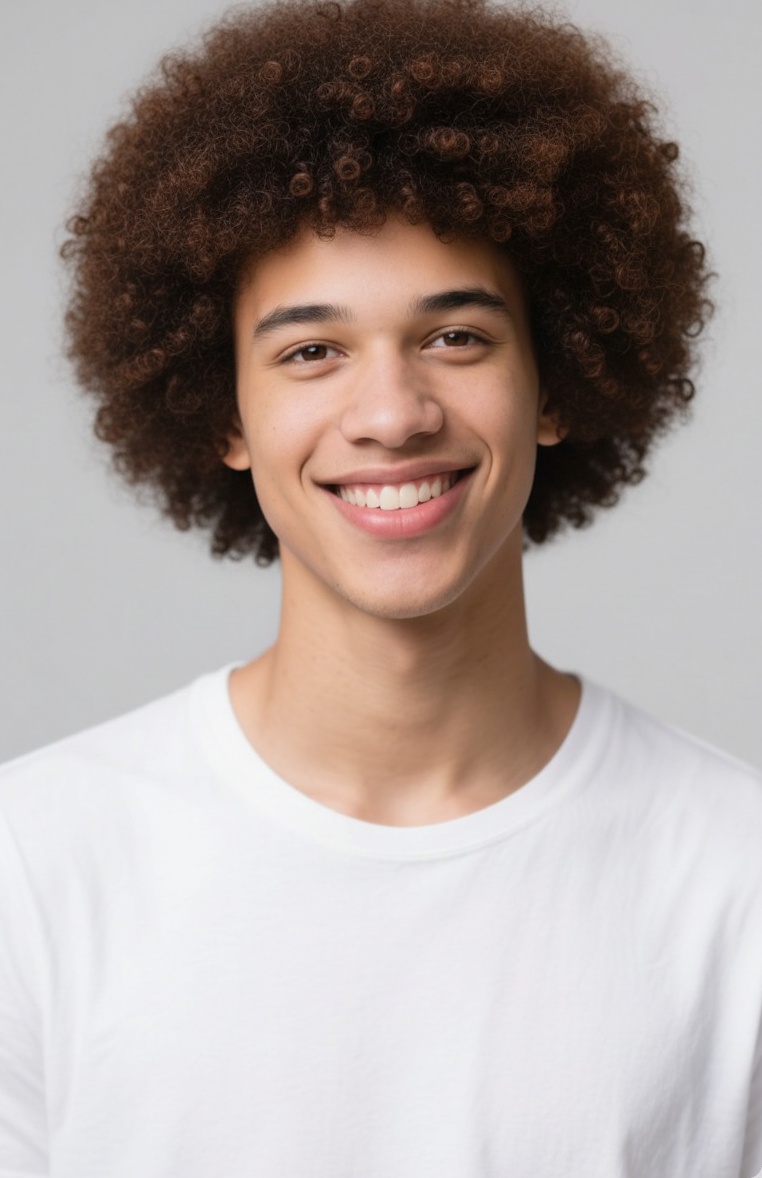


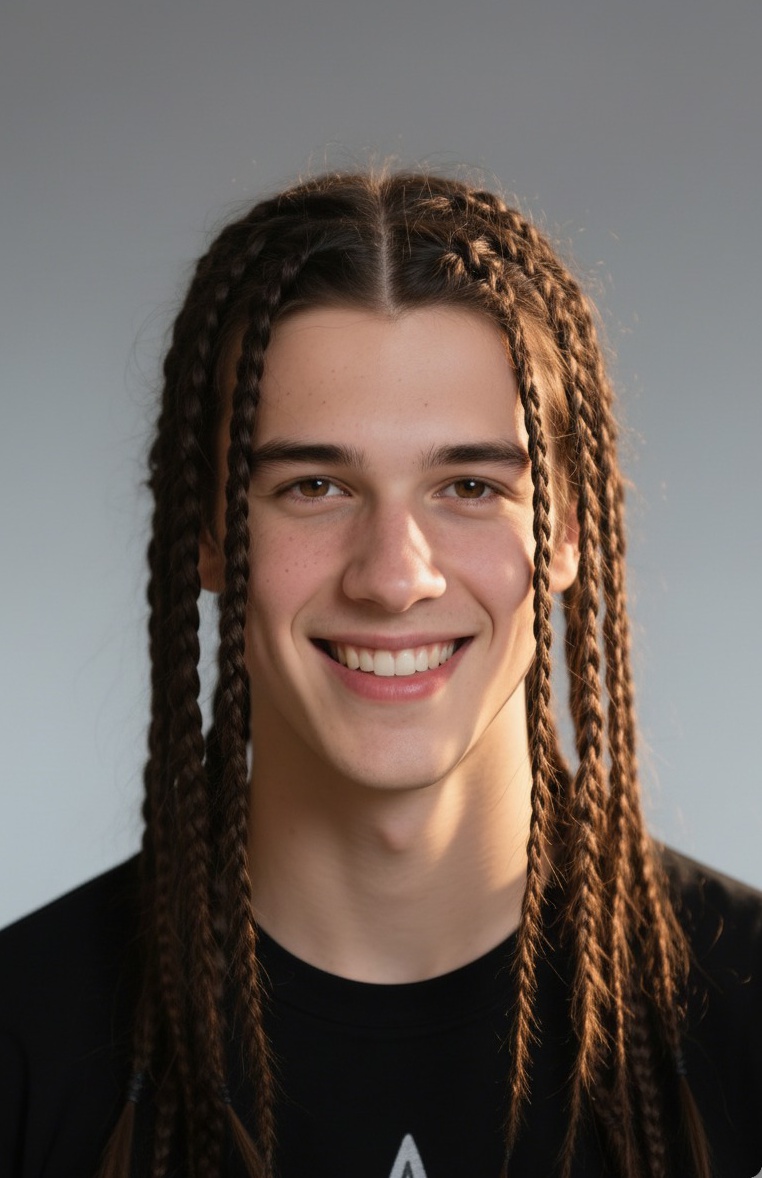





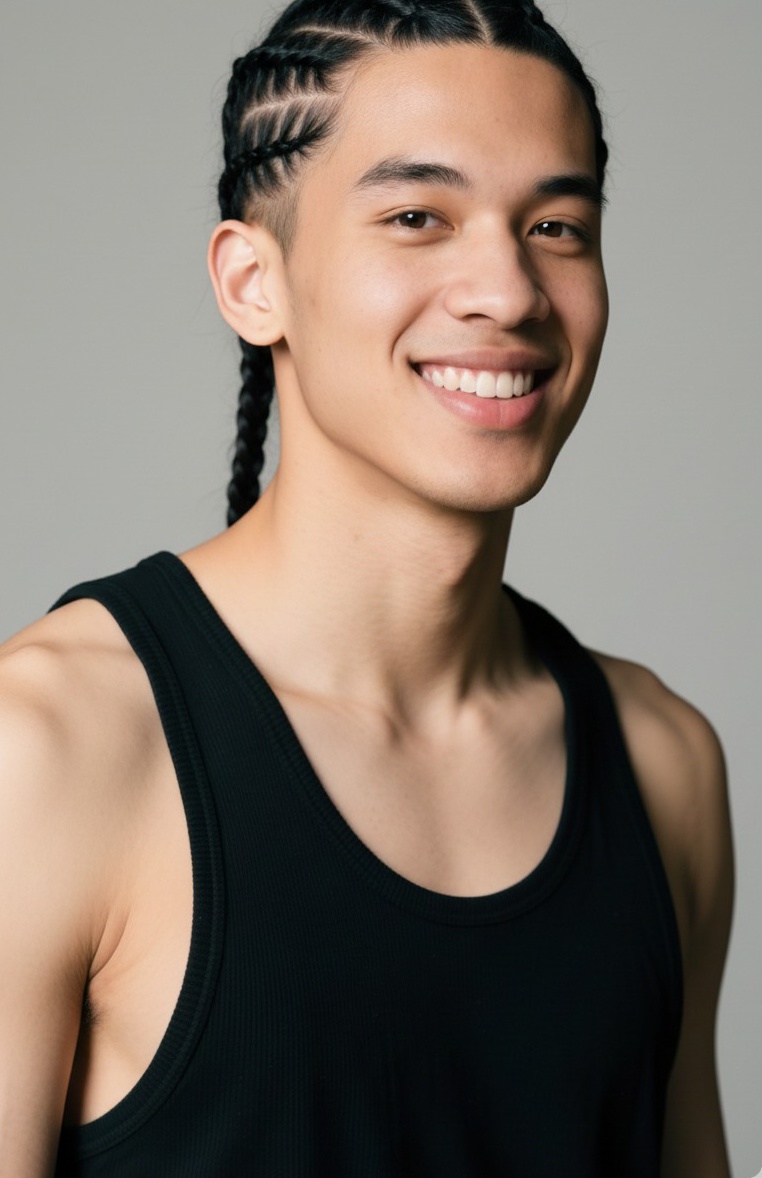



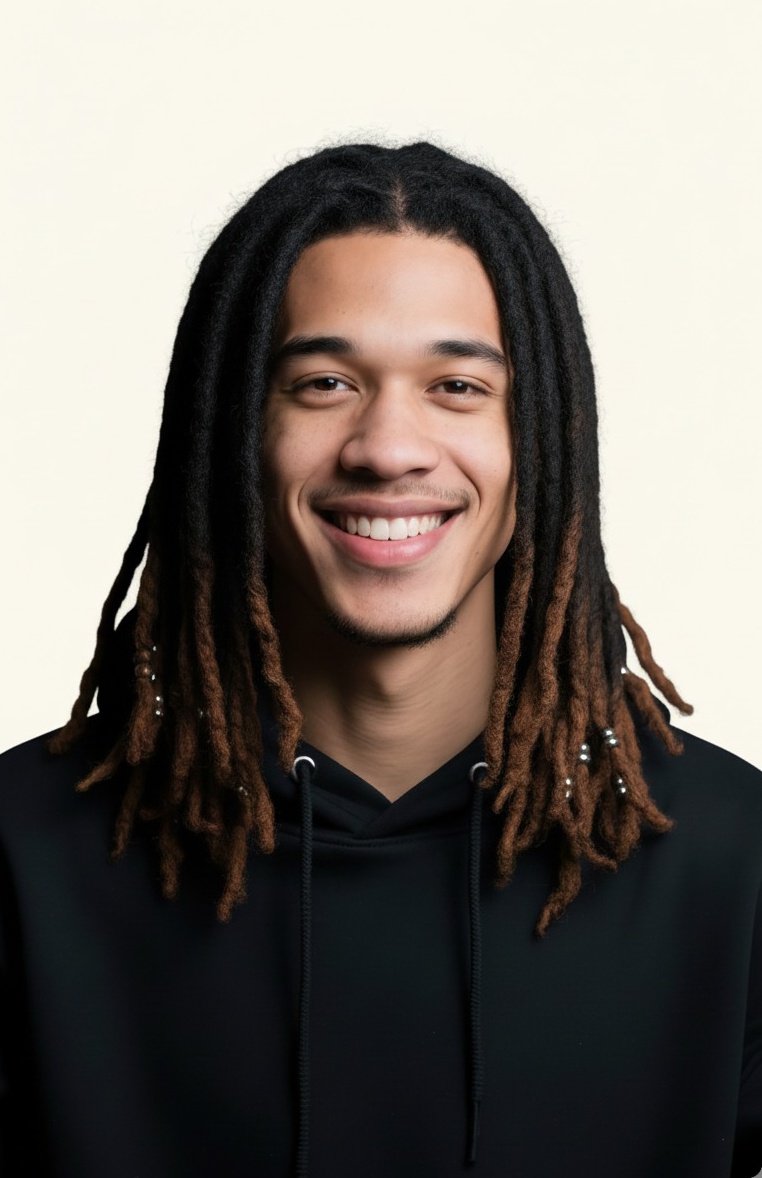
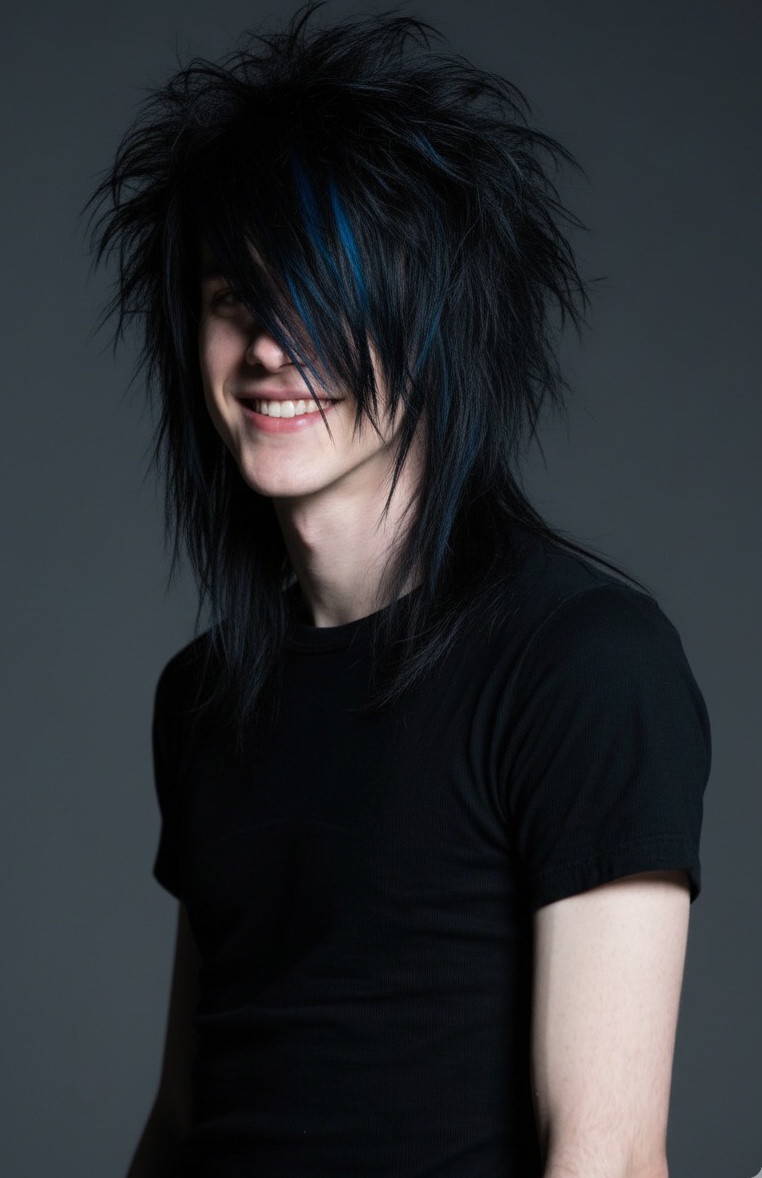








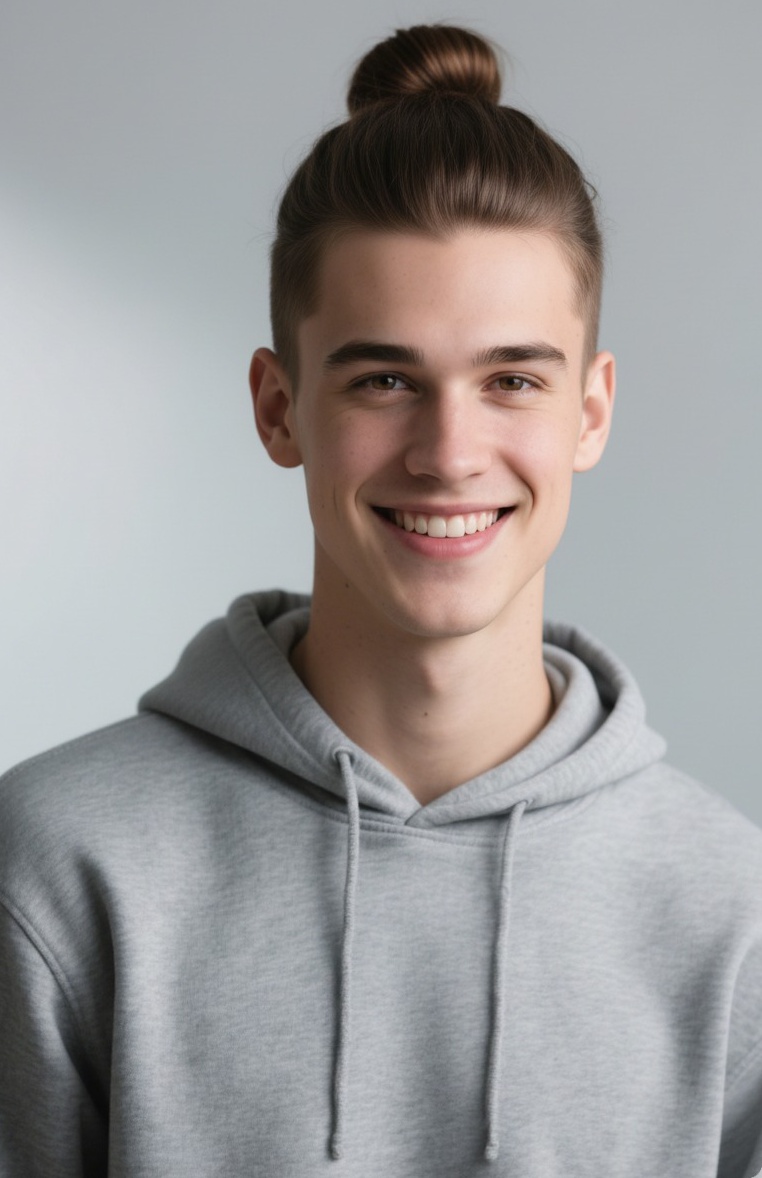



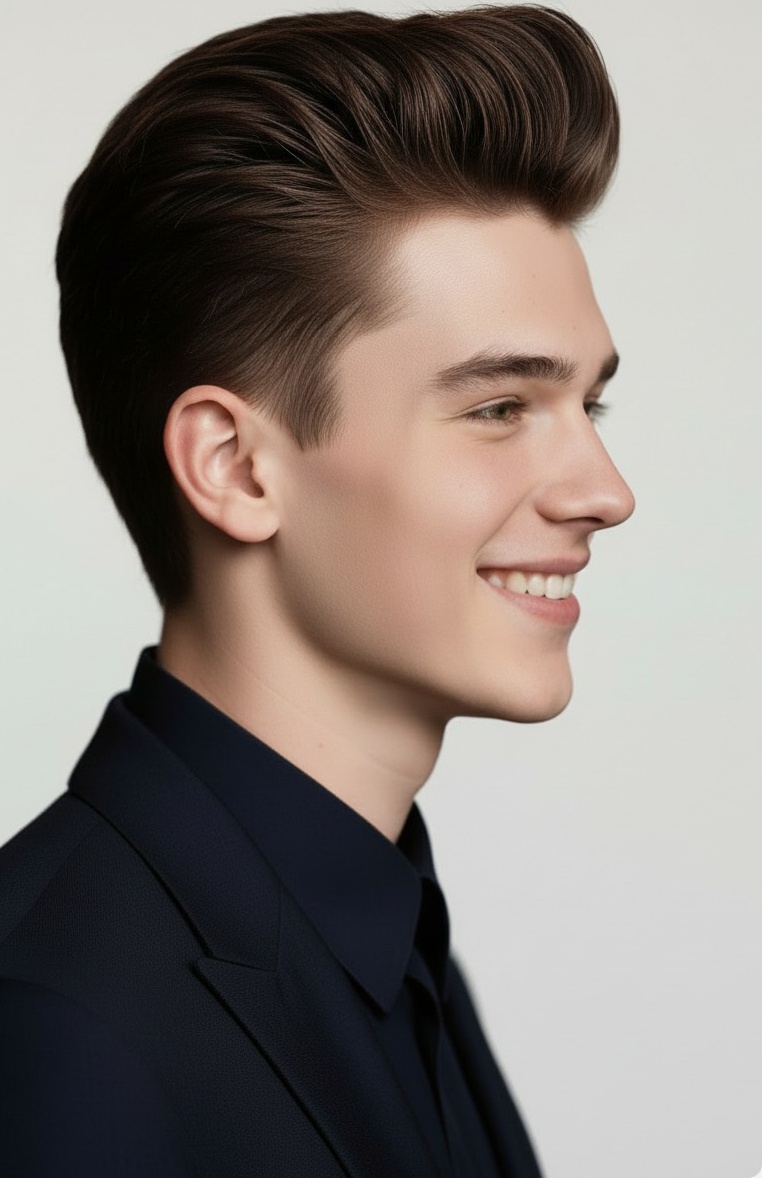

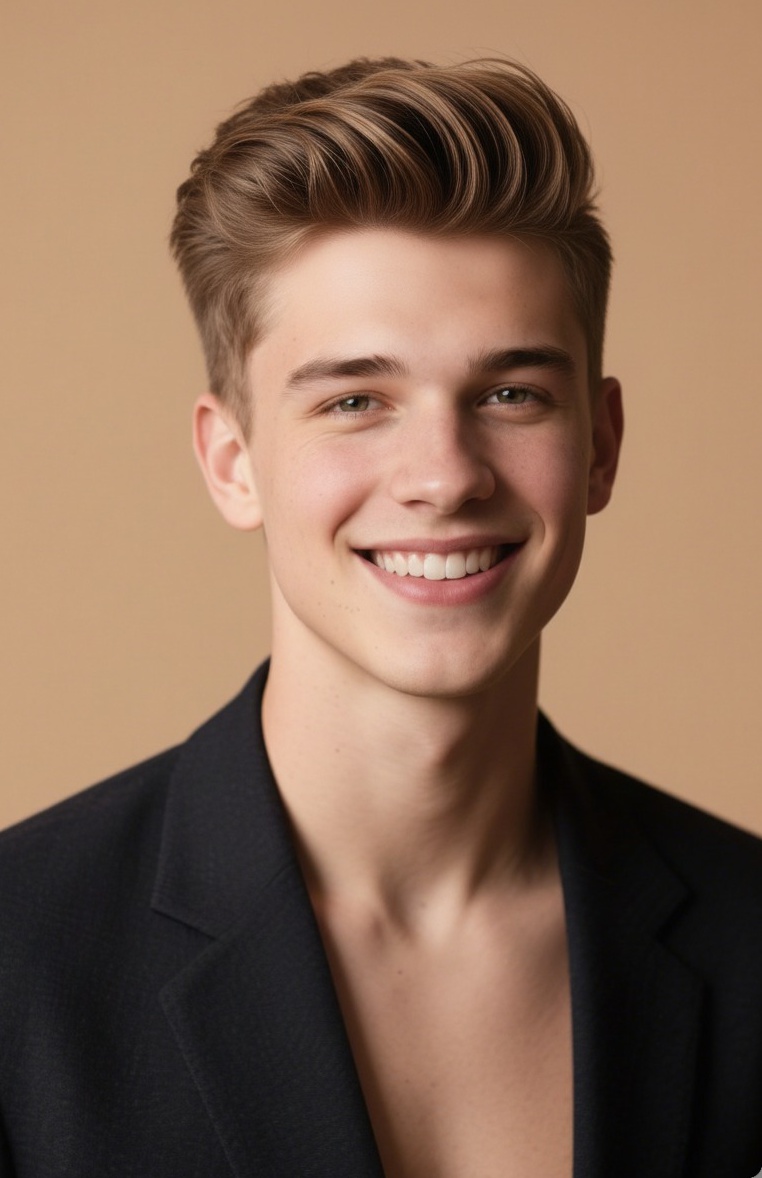
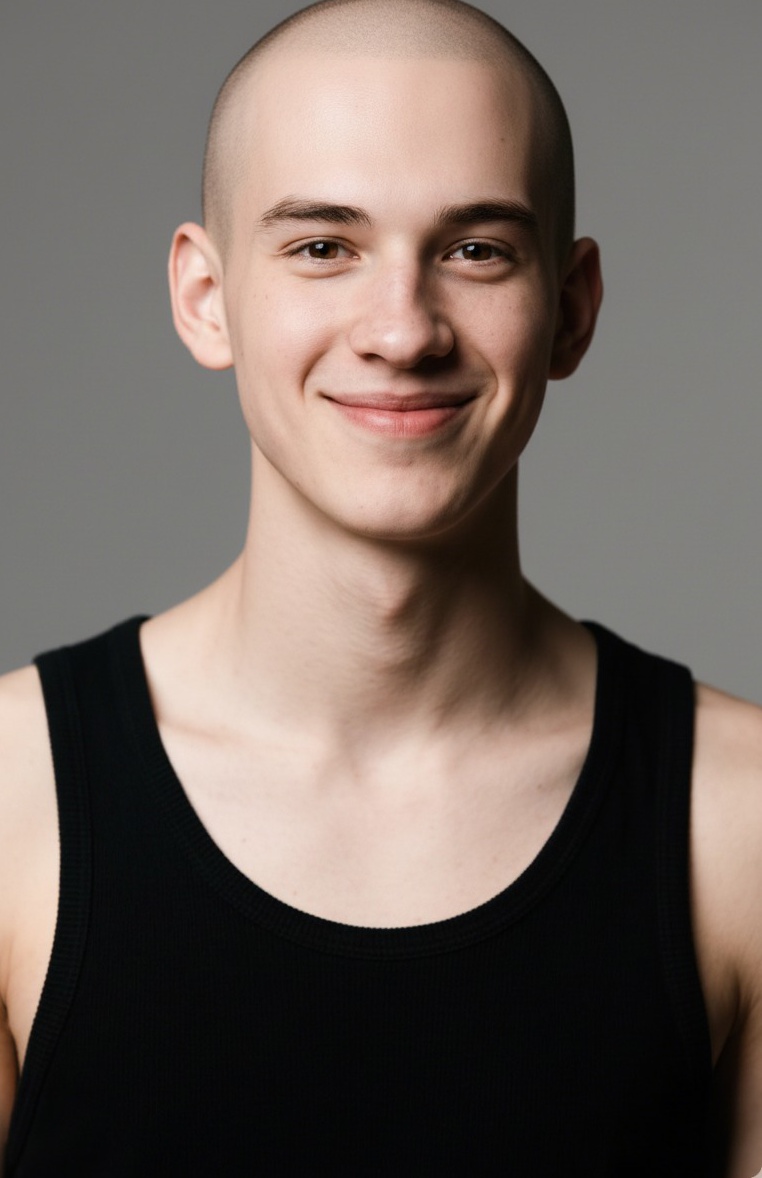






Choose your preferred style, then upload and process your photo on the left
Short curly hair has moved from “maybe someday” to “why not now?”—and for good reason. Cutting curls short releases weight, lets ringlets spring up, and spotlights cheekbones and eyes in a way long hair rarely can. The lingering fear is the unknown: will you look chic or triangular, polished or poodle? This guide keeps you in the safe, stylish zone by pairing trend intel with face-shape logic and maintenance know-how. And if you still want reassurance before booking, you can test-drive the look in minutes with the BlondeFilter AI hairstyle filter.

Why Short Curly Hair Is The Moment
Runways, red carpets, and street style are trading glassy blowouts for texture-forward cuts. Short curly hair fits the “lived-in luxury” mood: it frames the face, spotlights the neck, and dries faster. The current poster children are the airy “Bixie” and the tousled Shag, but the broader shift is toward authenticity—letting natural movement be the statement. If you worry about proportion or frizz, that’s normal. A virtual try-on bridges inspiration and reality, letting you see how a chin-length bob, cropped pixie, or fringe-heavy shag sits on your unique features before any scissors come near.
Top Trending Short Curly Cuts for Women
Knowing the language of cuts helps you steer the salon conversation and avoid surprises. These four shapes are trending hard across US/EU searches and editorials.
The Curly Pixie
The power move: closely cropped sides and back with enough length on top to keep curls lively. It draws attention to eyes and cheekbones, offers near-zero dry time, and can be styled tight for polish or fluffed for volume. Great for anyone craving definition without weight.

The “Bixie” (Bob-Pixie Hybrid)
If a pixie feels too bare and a bob too safe, the Bixie splits the difference. It usually sits at the ear or nape with airy, stacked layers to remove bulk. That balance makes it a confidence-building first step into shorter territory while keeping soft movement around the face.
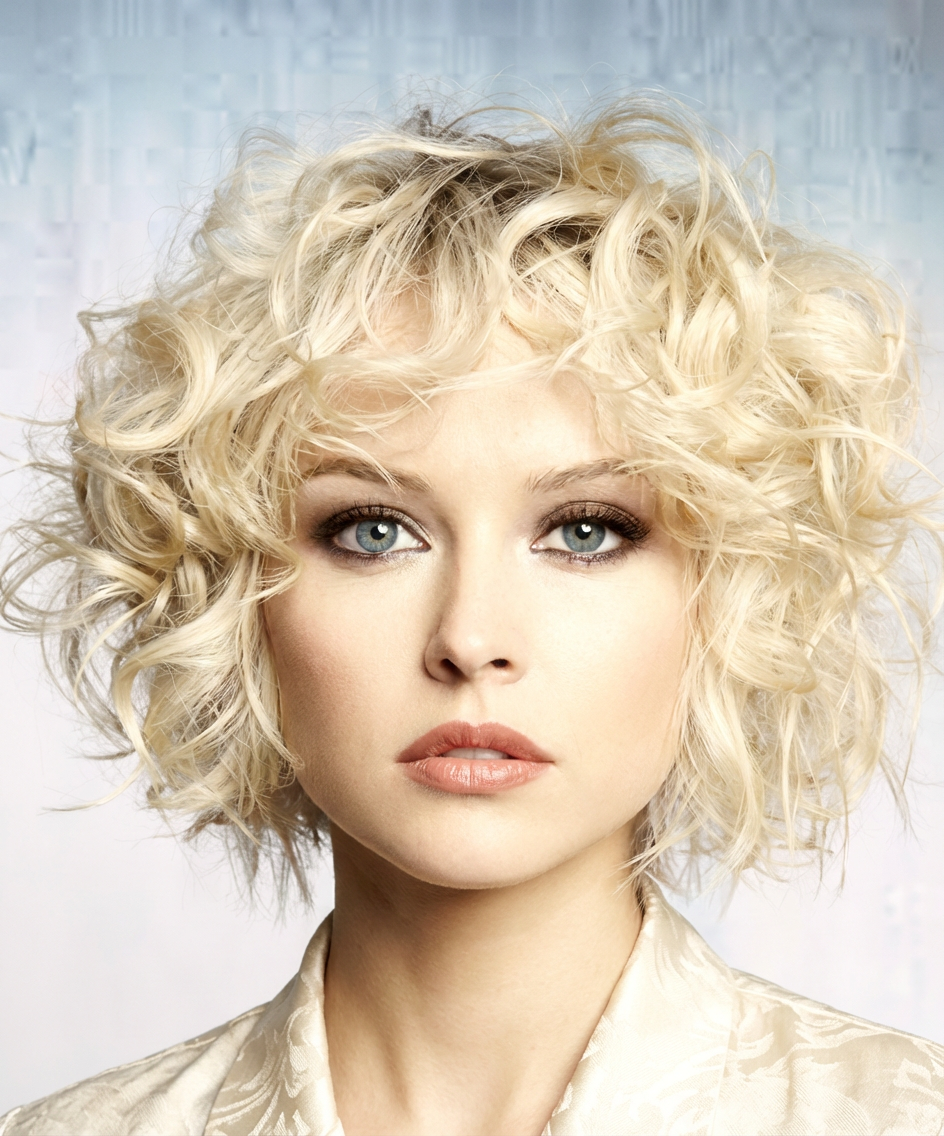
The Modern Shag
Messy in the best way. Choppy layers, crown volume, and optional fringe give rock-n-roll energy. It thrives on imperfect texture, especially on 2b–3c curls that want lift at the root. Diffuse for height or air-dry for a softer silhouette.
The French Bob
Jaw-grazing, often with a brow-touching curl fringe. Its perimeter is cleaner than a shag, so the shape feels architectural and chic. Works beautifully on tighter coils when you want structure without losing bounce.

Pro tip: Torn between a Bixie and a Shag? Upload a selfie to BlondeFilter and try both lengths virtually. It’s the quickest way to pick your cut with zero guesswork.
How to Choose the Right Cut for Your Face Shape
The best short cut balances texture with geometry. Use these guardrails to keep proportions flattering:
- Round faces: Add height to elongate. A pixie with crown lift or a bob that sits below the cheek’s widest point avoids a sphere effect.
- Square faces: Soften the jaw with wispy, face-framing layers. A curly shag diffuses strong lines; a short, neat bob can also highlight the jaw for an editorial look if you want drama. Ask for layered sideburn pieces if you prefer a softer transition.
- Oval faces: You can wear almost anything. Go bold with a super-cropped pixie or keep length with a French bob—this face shape is the playground.
If you’re unsure, load a selfie into the AI hairstyle filter and preview where the perimeter hits your features. Seeing the outline on your own face is the fastest way to decide whether to lift length above, at, or below the jaw.
Quick Texture-to-Cut Guide
- 2a–2b waves: Choose cuts that invite lift—Bixies or shaggy bobs with layers that prevent collapse.
- 2c–3a curls: Almost any short shape works; focus on balanced layers so the top doesn’t puff while the bottom thins.
- 3b–3c coils: Keep strategic weight at the crown so curls stack rather than mushroom. A defined French bob can look incredibly sculpted.
Bring at least two reference images (from above) to your consultation and note what you like: fringe length, volume at the crown, or how the perimeter frames the jaw. That clarity makes it easier for your stylist to tailor the cut to your density and curl diameter.
Maintenance 101: Keeping Short Curls Defined
Short curls need less product volume but more intention. Consistency beats complexity.
The Wash Day Routine
- Cleanse with a sulfate-free shampoo to remove oil without stripping.
- Deep-condition every wash; short hair shows dryness quickly.
- Rinse thoroughly to prevent scalp buildup (there’s less length to hide residue).
- Apply stylers on soaking-wet hair to lock in clumping before frizz starts.
Styling Products You Need
- Creams: Hydration + soft hold; perfect for bobs and shags that favor movement.
- Gels or gellies: Stronger hold for pixies or when you want curl definition that lasts all day.
- Diffuser: Key for root lift. Air-dry is fine, but a diffuser gives volume that short cuts rely on.
Sleeping with Short Curls
- Silk or satin bonnet: Non-negotiable for friction control.
- Pineapple or loose clip: If your length allows, secure hair high to protect the crown shape.
- Silk pillowcase: Backup protection for both hair and skin.
Quick Morning Refresh
- Mist water or a light leave-in to wake up curls.
- Spot-coil flattened sections with a dab of cream.
- Re-diffuse roots for 2–3 minutes to revive lift.
Frizz Control Playbook
- Layer light to heavy: leave-in first, then cream, then gel. This stacks hydration and hold without crunch.
- Hands off while drying. Touching mid-dry disturbs curl clumps and creates halo frizz.
- Seal ends: a drop of lightweight oil on the bottom inch keeps short cuts from looking fuzzy under overhead light.
Salon-Day Checklist
- Arrive with clean, product-free hair so your stylist can see your real pattern.
- Ask where the perimeter will sit when dry, not wet. Curly shrinkage can shift a cut up by an inch.
- Request diffusing tips for your exact length; short curls benefit from root lifting with the diffuser prongs right at the scalp.
Two-Week Aftercare Plan
Week 1: Keep routine simple—cleanse, condition, style with cream + gel, diffuse. Notice how long definition lasts.
Week 2: Adjust hold. If curls collapse by day two, add a firmer gel or more root lift. If curls feel stiff, swap gel for a lighter gellie and scrunch out the crunch once fully dry.
Visual Inspiration Gallery
Pairing names with visuals helps you talk with your stylist and decide finish levels (airy vs. defined).
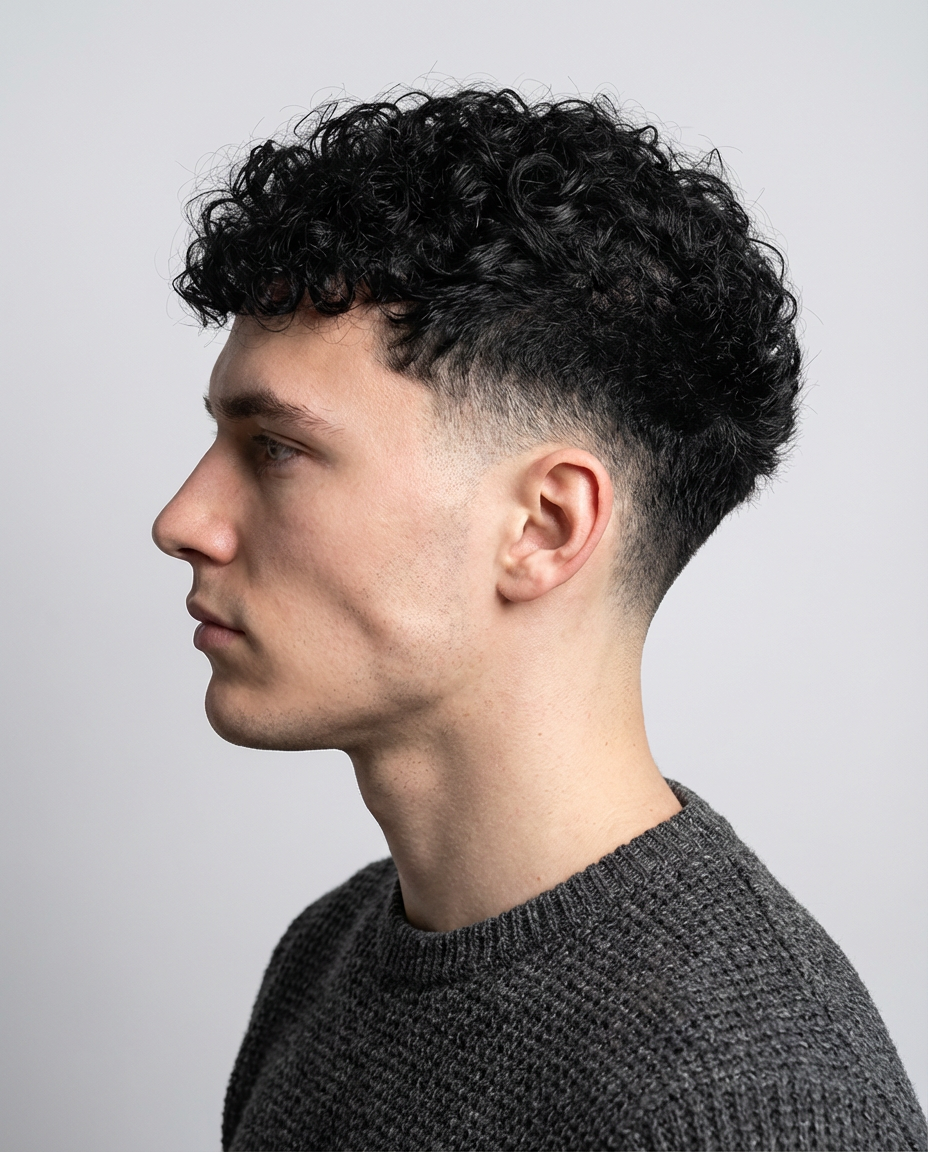
- Airy Bob (Image 3): Loose ringlets with a side part keep movement and softness.
- Tapered Crop (Image 4): Close sides with defined curls on top; great if you want a clean neckline and easy styling.
- Sunlit Pixie (Image 5): Cropped coils with subtle volume—shows how short curls can stay feminine and fresh.
Frequently Asked Questions
What is a short curly haircut called?
Names depend on length and layers: Pixie (very short), Bob (chin-length), Shag (layered and tousled), and Bixie (pixie-bob hybrid). Use the specific name plus details like “layers at crown” or “jaw-length fringe” when talking to your stylist.
Do I have 2a or 2b hair?
Both are wavy. 2a is loose and sits close to the head; 2b has a defined S-shape starting mid-length. On short cuts, 2b will look more textured without much coaxing, while 2a may need a diffuser and light gel to show pattern.
How to define short curls?
Apply cream or mousse to dripping-wet hair, then scrunch or finger-coil. Diffuse on low heat/low speed until 80–90% dry and avoid touching while it sets. For extra definition, glaze a light gel over clumped curls before drying.
Is short curly hair in style?
Yes—search trends, editorials, and salons all show a surge in shorter textured cuts. The “Big Chop” is no longer just transitional; it’s a destination style signaling confidence and modernity.
How often should I trim short curls?
Every 6–10 weeks keeps the shape intentional. Because short cuts reveal growth faster, micro-trims prevent the silhouette from dropping or turning triangular.
Can short curls work for fine hair?
Yes. Strategic layering removes weight at the ends and keeps lift at the root. A Bixie or layered bob is usually friendlier to fine curls than a blunt, one-length cut.
Try Before You Chop with BlondeFilter
Short curls are about proportion, volume, and vibe. Rather than hoping the cut works, upload a photo to BlondeFilter and test the short-curly look instantly. Compare a Bixie vs. Shag, check where a fringe lands, and choose the finish (defined vs. airy) you like best—before committing in the chair.