
Shingle Bob Haircut | BlondeFilter AI Hairstyle Try-On
Discover the shingle bob, the tapered 1920s bob revived for modern styling. Learn who it suits, how to style it, and try it virtually with BlondeFilter.


Click or drag photos here to upload
Supports JPG, PNG formats, max 5MB, JPEG format recommended
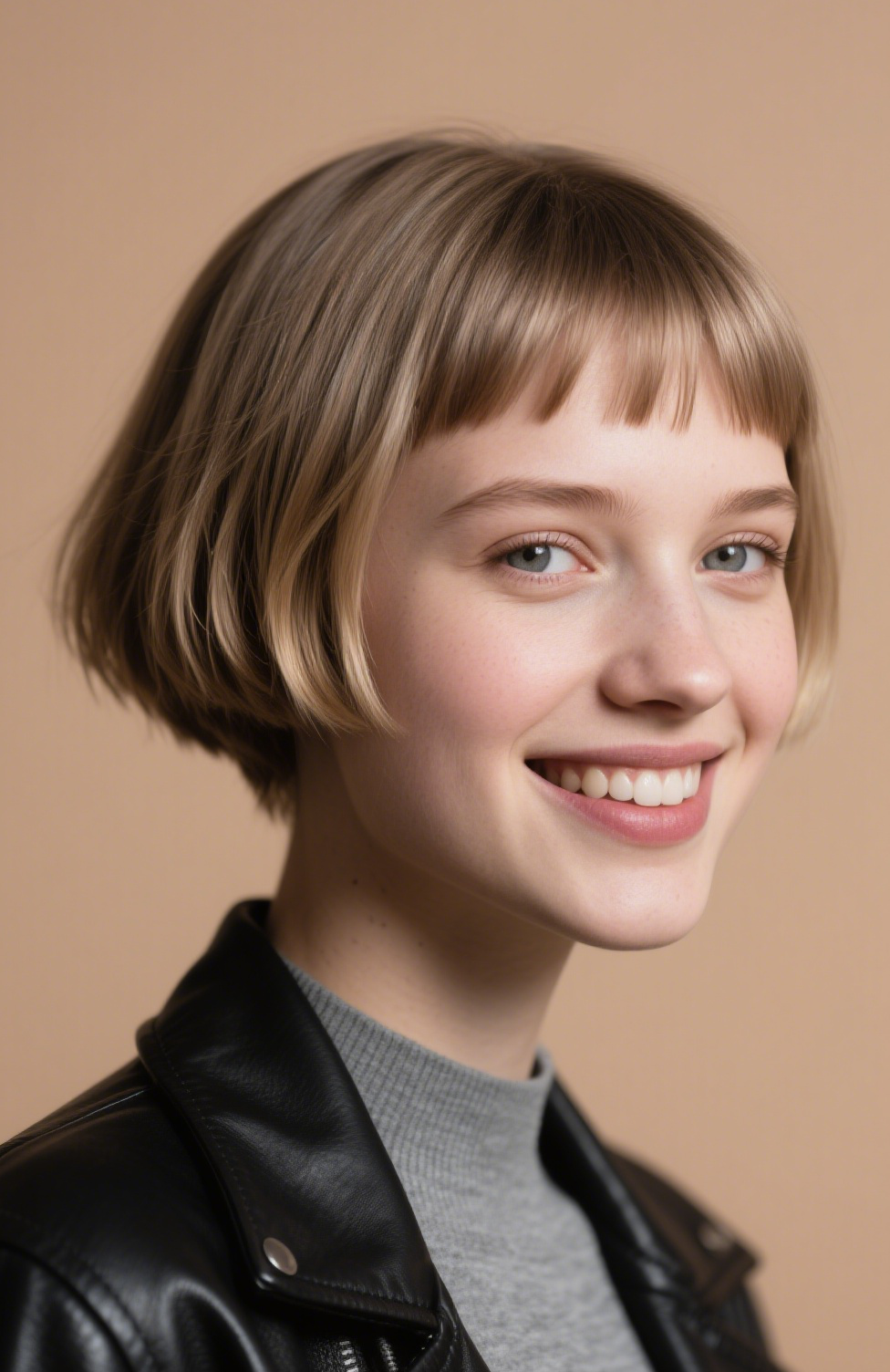








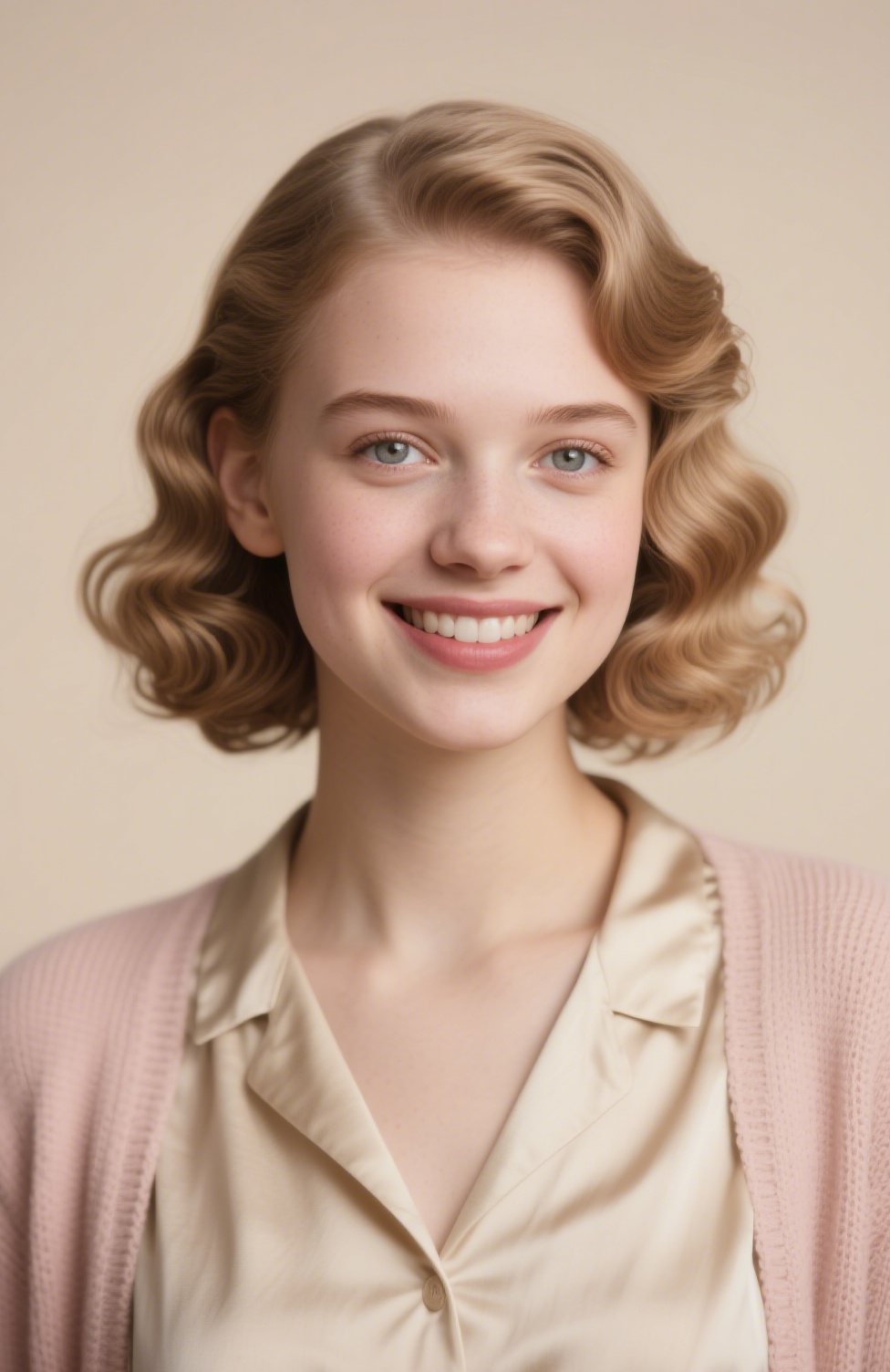





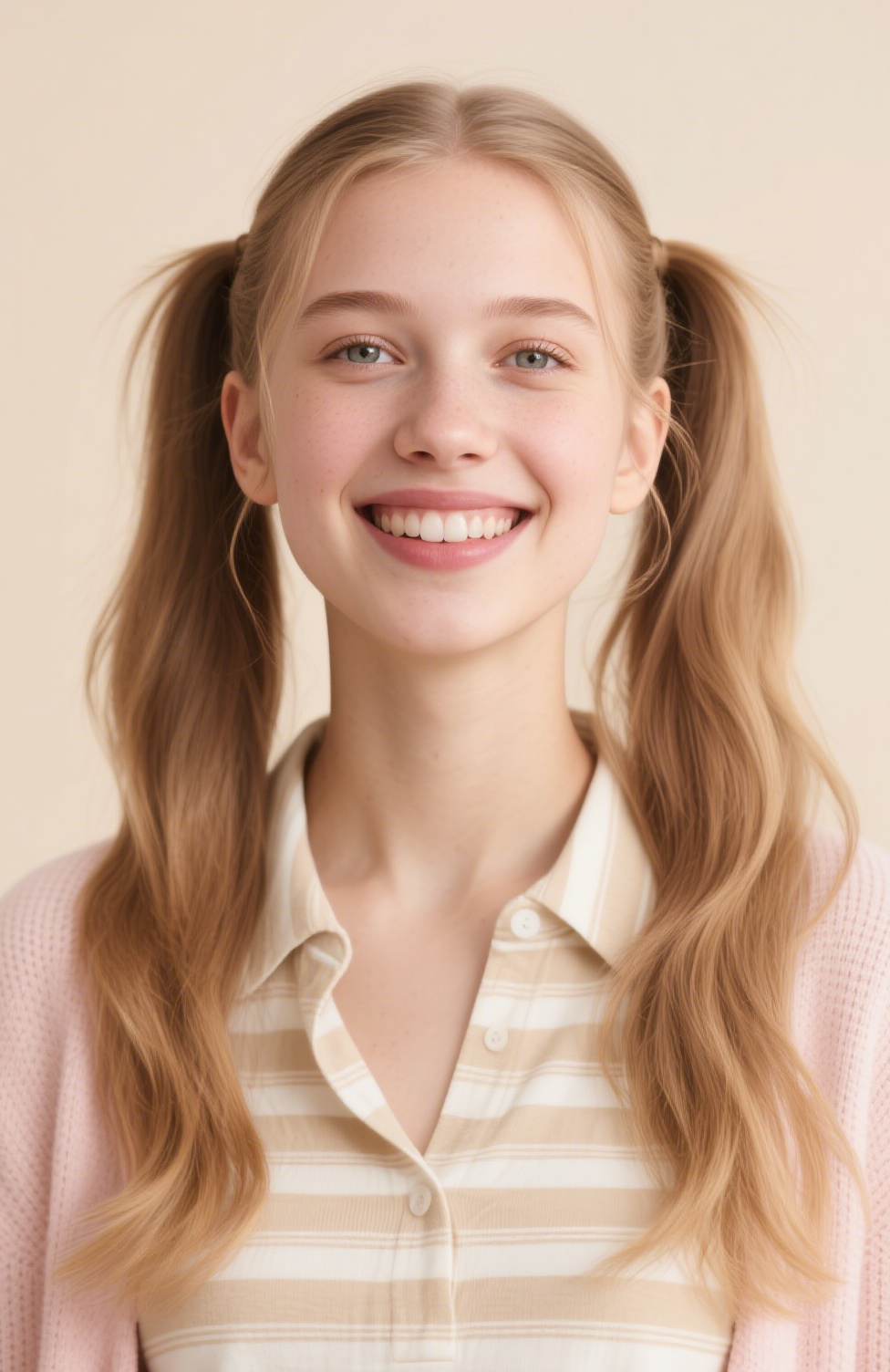


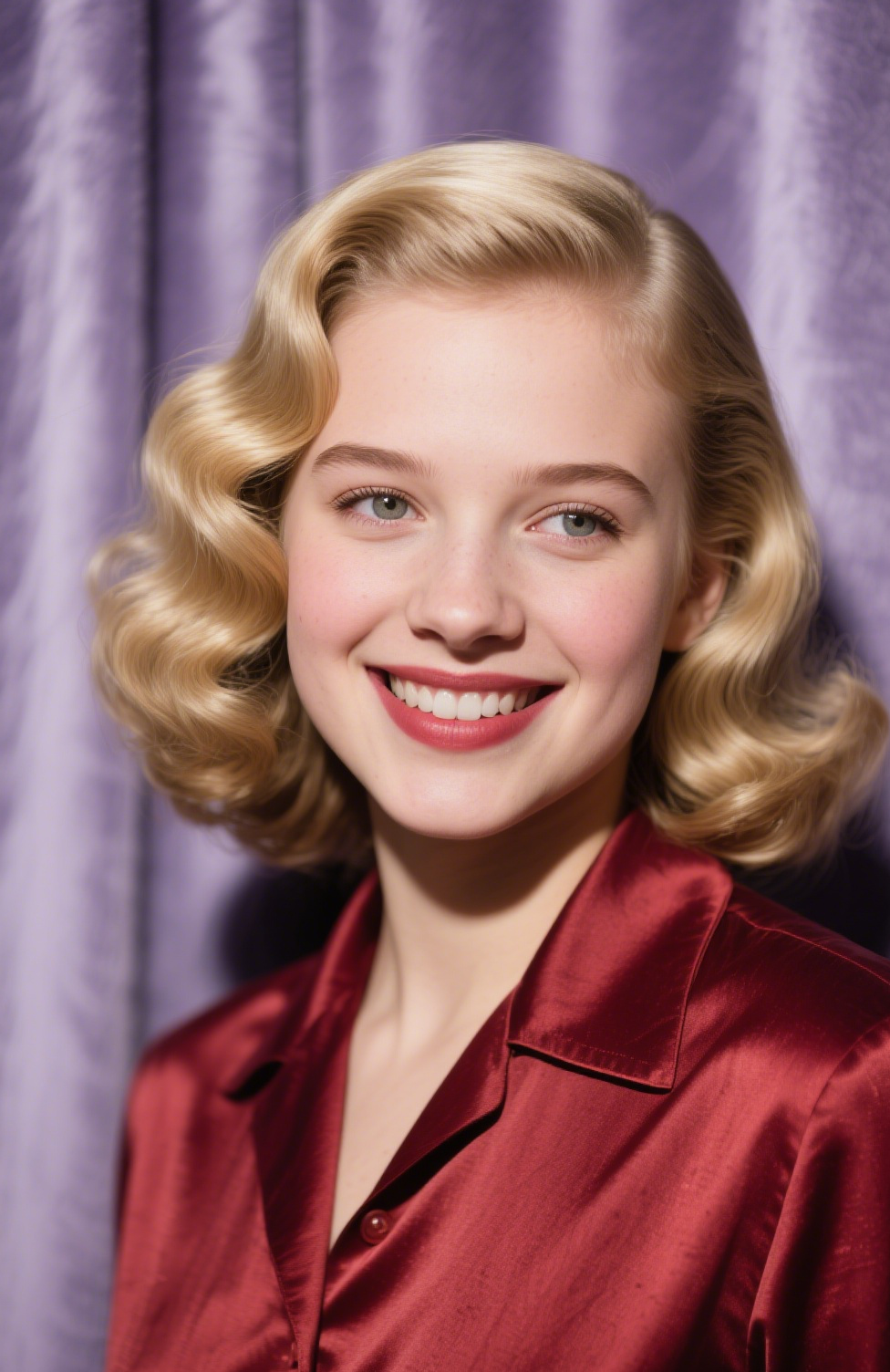



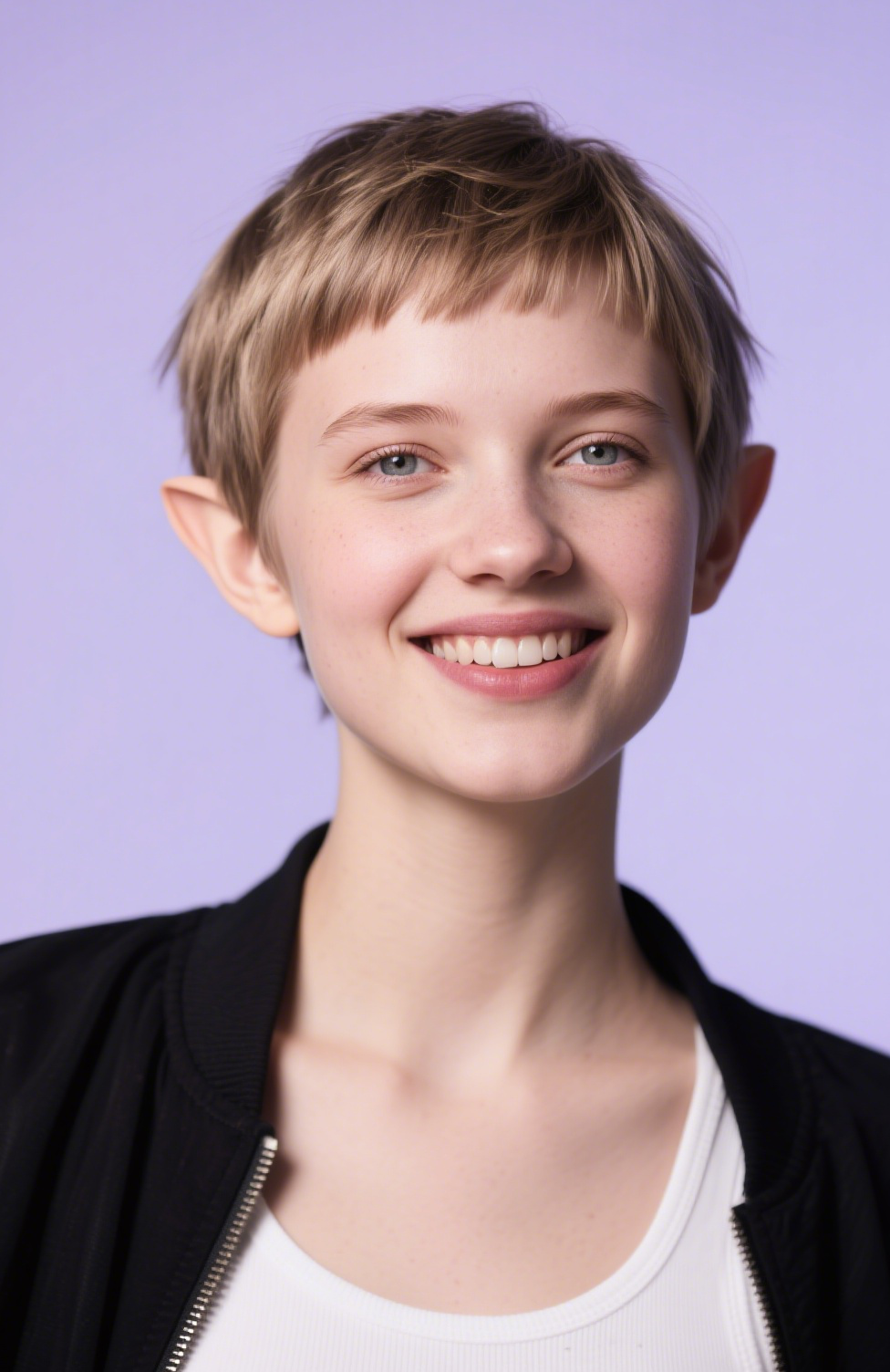

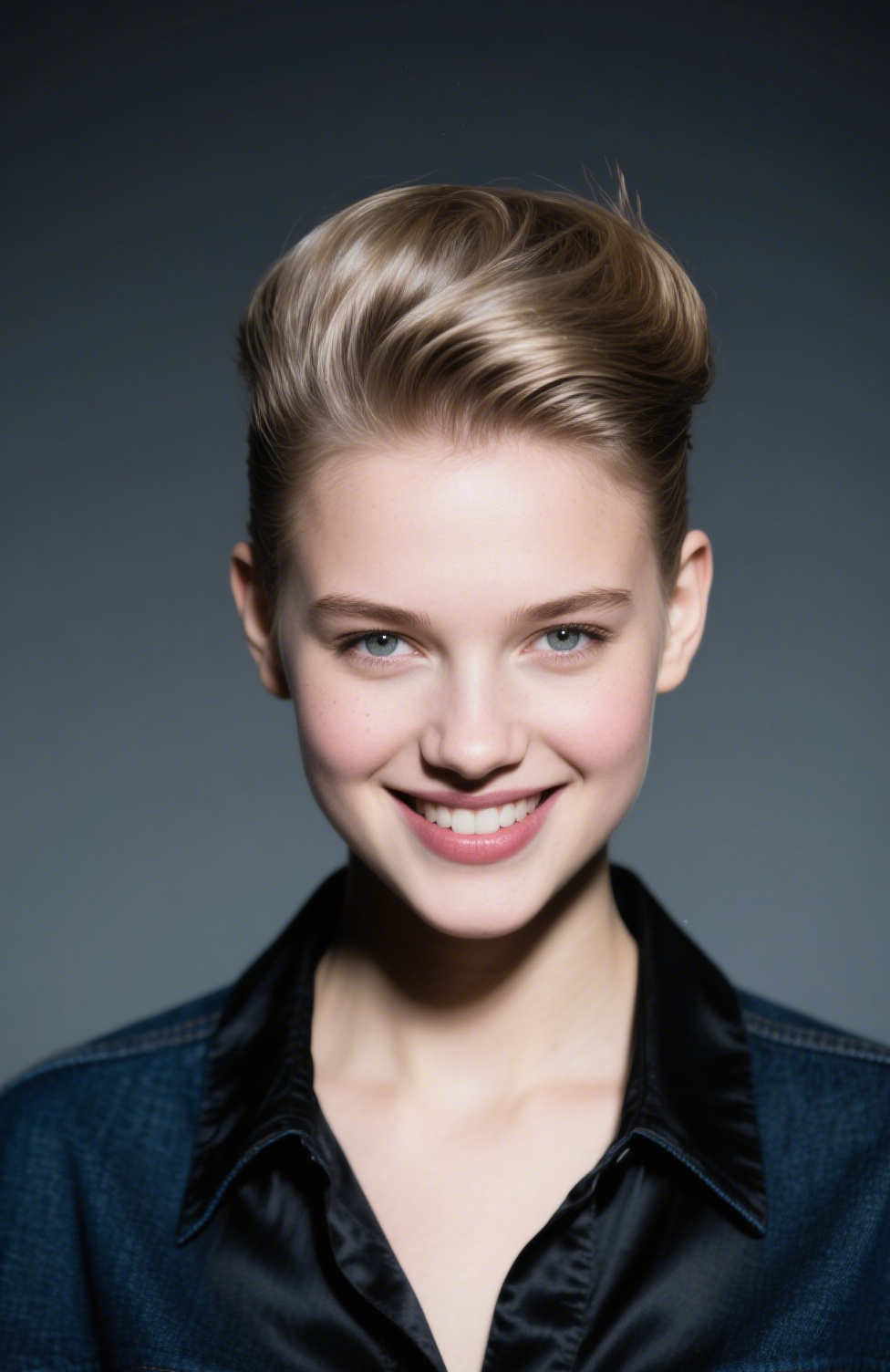


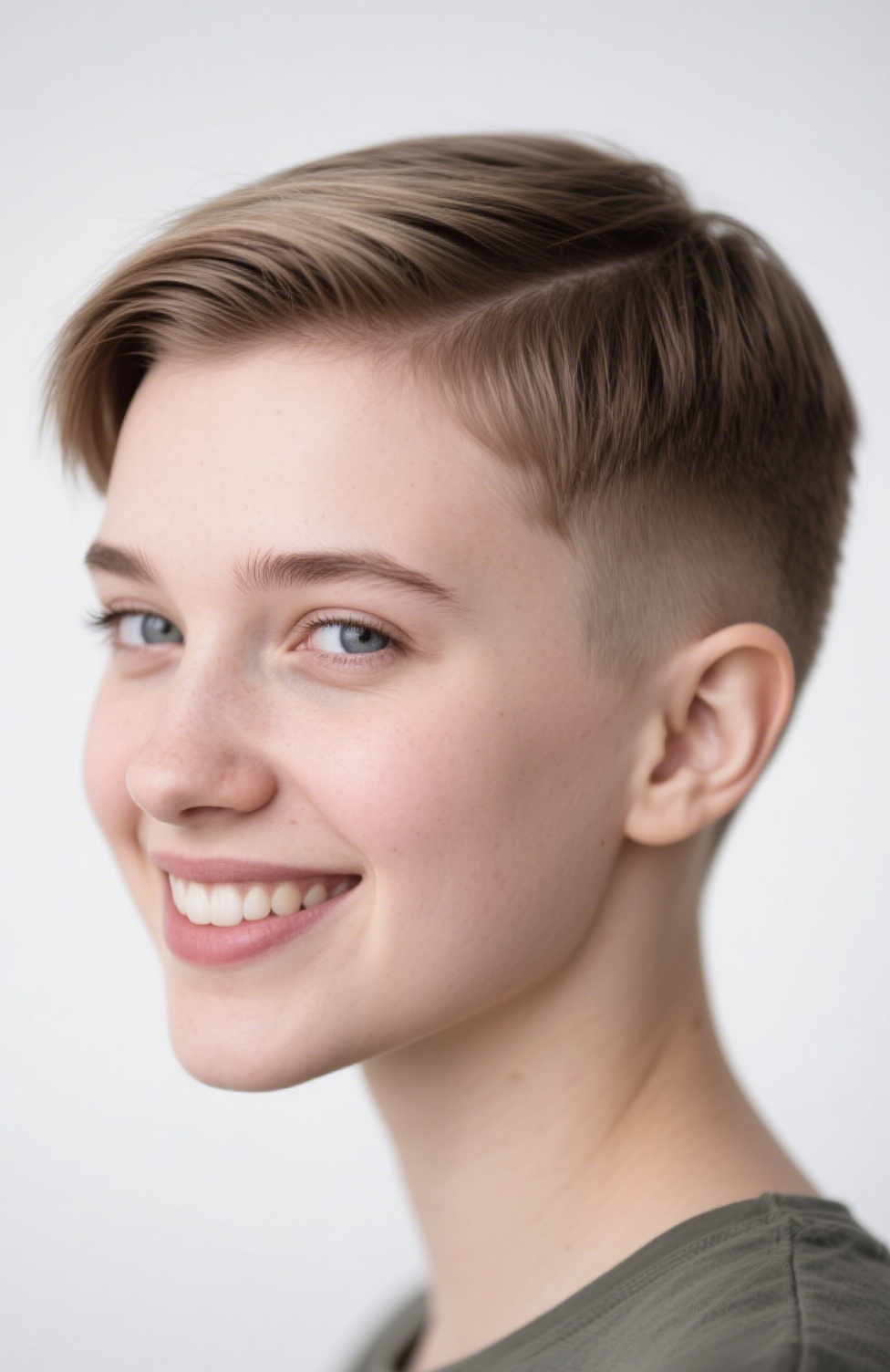
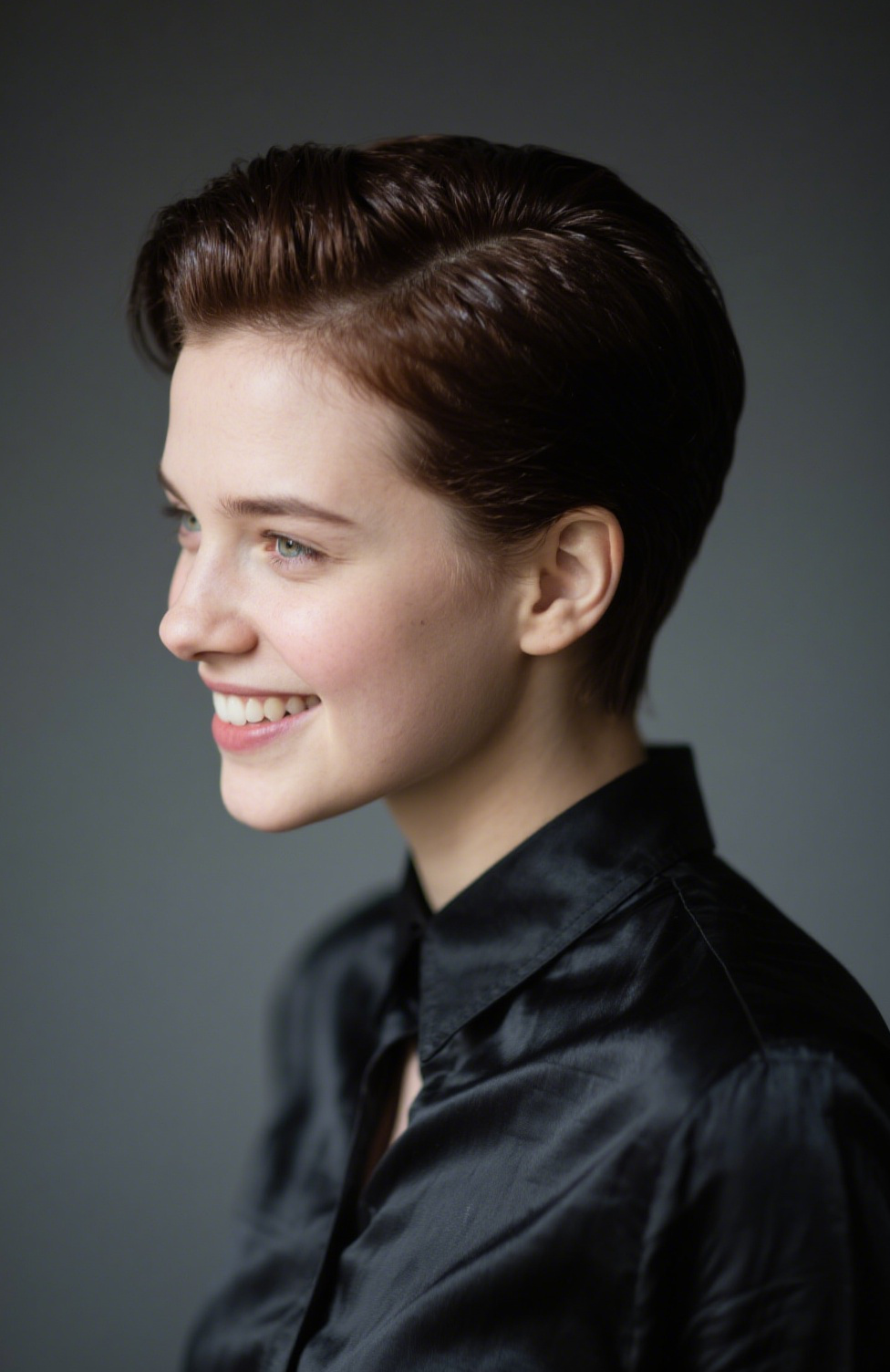

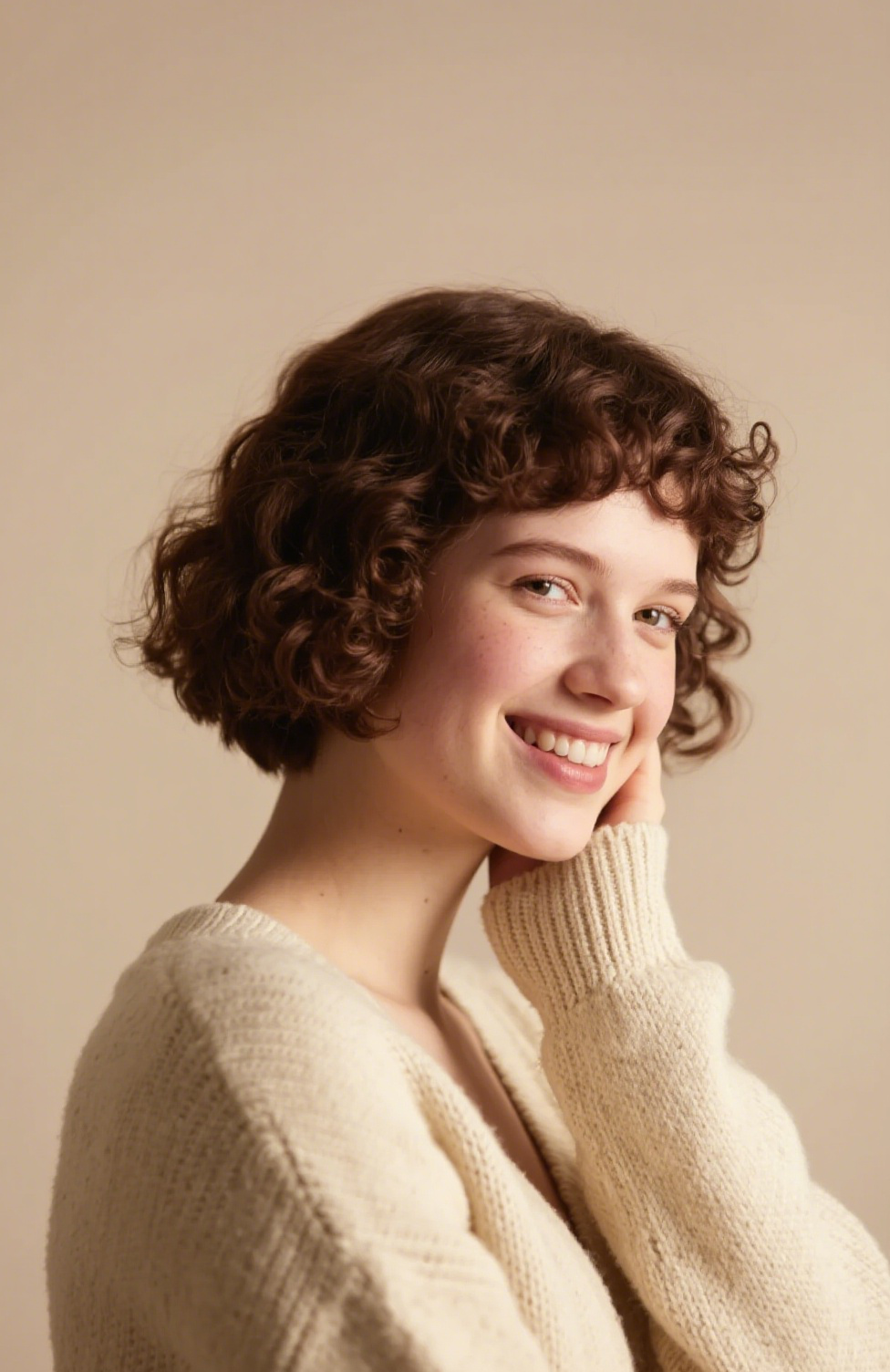
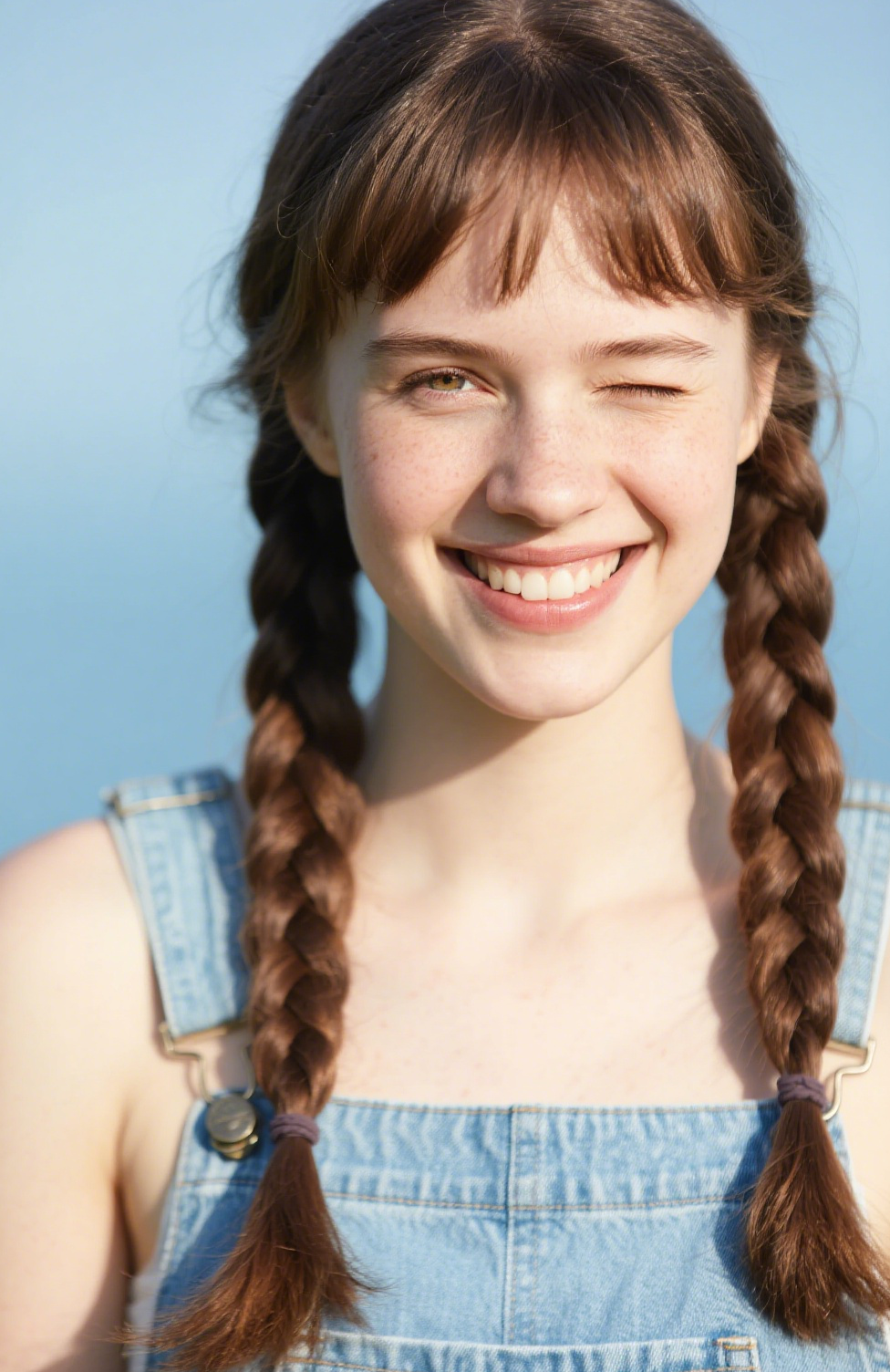
Choose your preferred style, then upload and process your photo on the left
The shingle bob is the short cut that signaled independence in the 1920s and now reads as sharp, confident, and wearable. Its tapered V-shape at the nape, stacked layers, and cheek-grazing front lengths make the shingle bob precise yet surprisingly versatile. This guide keeps the spirit of the original shingled hair while showing how to style the shingle bob for modern life, different hair types, and every face shape.
What Is a Shingle Bob? Definition and Architecture
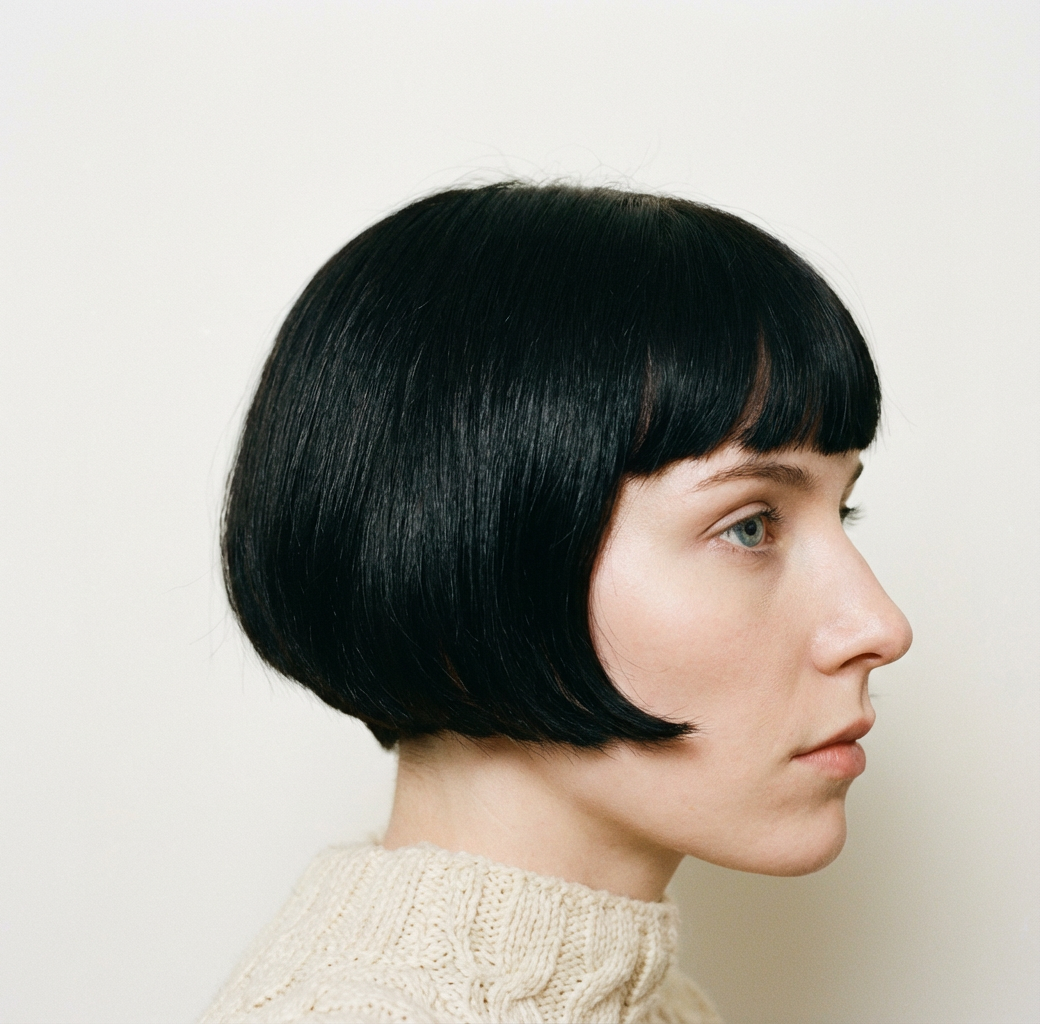
A shingle bob haircut sits above the jawline with a dramatic taper at the nape that forms a V or sharply angled U. Hair lengthens toward the face and often hits the cheekbone or just below, creating a clean frame. The shingling technique uses stacked, angled layers that hug the head shape so the shingle bob style looks sculpted rather than blunt.
This cut differs from a standard bob because of its architecture: the back is closely tapered and the layers build height without bulk, while the front remains soft and face-framing. Many versions pair with micro fringe or blunt bangs to emphasize the vintage line, though bangs are optional.
The Shingling Technique Explained
Shingling is a method of cutting short hair at precise angles so each layer overlaps like roof shingles. In a shingle bob hairstyle, the stylist tapers the nape tightly, stacks the layers up the head, and allows the front pieces to skim the cheeks. This produces the signature V at the back and the sleek contour that defines shingled hair.
Early CTA: Curious whether this cut suits your features? Use BlondeFilter’s AI hairstyle try-on to preview the shingle bob on your own photo before you book.
The Revolutionary 1920s: Why the Shingle Bob Mattered
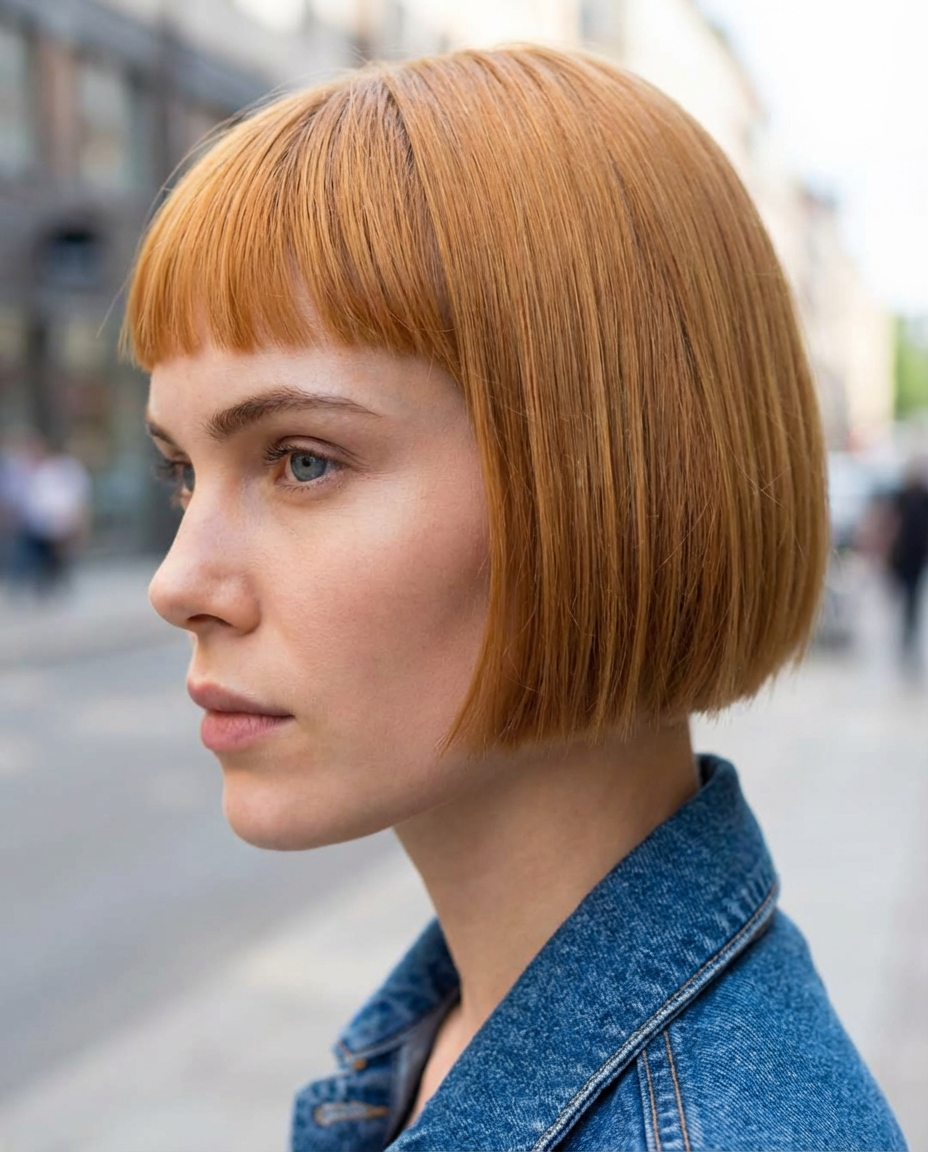
In the 1920s, the shingle bob haircut was a declaration of liberation. Silent film stars like Louise Brooks helped popularize the shingle bob, and women embraced it as part of the flapper movement–dancing to jazz, working in new roles, and rejecting expectations that long hair equaled femininity. The sharply tapered shingled hair mirrored the decade’s embrace of modernity and independence. By 1924, the boom in bobbed cuts, especially this one, helped expand thousands of salons across the United States and Europe.
The cultural impact is still visible today: the shingle bob remains associated with boldness, clarity of line, and a willingness to stand apart from softer, more blended cuts.
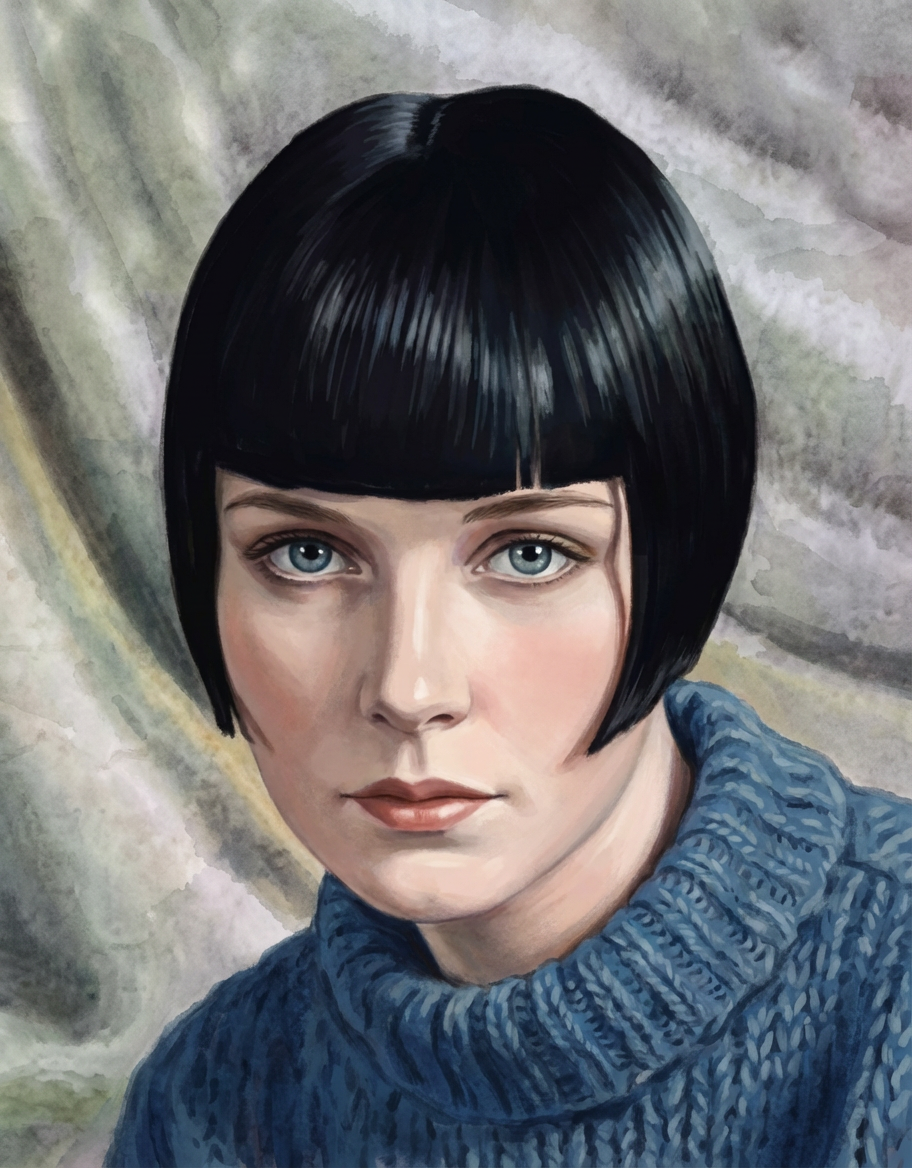
How to Style a Shingle Bob Today
The shingle bob adapts to both vintage styling and modern, undone polish. Because the cut is architectural, the styling choices you make–sleek, wavy, or textured–change the mood without losing the silhouette.
Traditional 1920s Styling: Finger Waves and Marcel Waves
- Apply setting lotion to damp shingled hair and sculpt finger waves with a fine-tooth comb against the head. Pin each ridge to set; release and brush softly once dry for a smooth 1920s finish.
- For Marcel waves, use a medium barrel iron to create deliberate S-curves. Keep the iron horizontal and work in sections to preserve the shingle bob’s V-shaped back and cheek-skimming front.
Modern Styling: Sleek, Airy, or Textured
- Sleek polish: Blow-dry the shingle bob with a small round brush, directing the ends under at the front and flat at the nape to highlight the taper. Finish with a lightweight serum for shine.
- Airy movement: Diffuse natural waves to keep the shingled layers soft. Scrunch in a salt spray or light texturizing spray to emphasize the bob hairstyle without adding weight.
- Piece-y texture: After drying, bend a few sections with a flat iron for slight movement. Mist a dry texturizer to separate the layers and keep the shape airy.
Styling by Hair Type
- Straight/fine hair: This shape shows crisp lines. Use a volumizing mousse at roots and a light pomade at the nape to define the V.
- Wavy/textured hair: Diffuse with medium-hold cream to keep waves smooth. Pinch front pieces forward so the cut frames the cheekbone.
- Curly hair: Work with a stylist who understands curl shrinkage on this bob. Apply curl cream on soaking-wet hair, diffuse on low, and define the tapered nape with a touch of gel.
- Thick hair: Request interior layering so the shingled hair sits close to the head. Blow-dry with tension at the nape to keep the V-shape sharp.
Product Shortlist for a Shingle Bob
- Light texturizing spray for airy separation
- Medium-hold styling cream or pomade for control at the nape
- Salt spray for effortless, modern movement
- Lightweight oil or serum on ends to maintain shine without collapse
Mid-article CTA: Want to see the difference between sleek and textured takes on this haircut? Test both looks instantly with BlondeFilter’s virtual hairstyle try-on before deciding how to style yours.
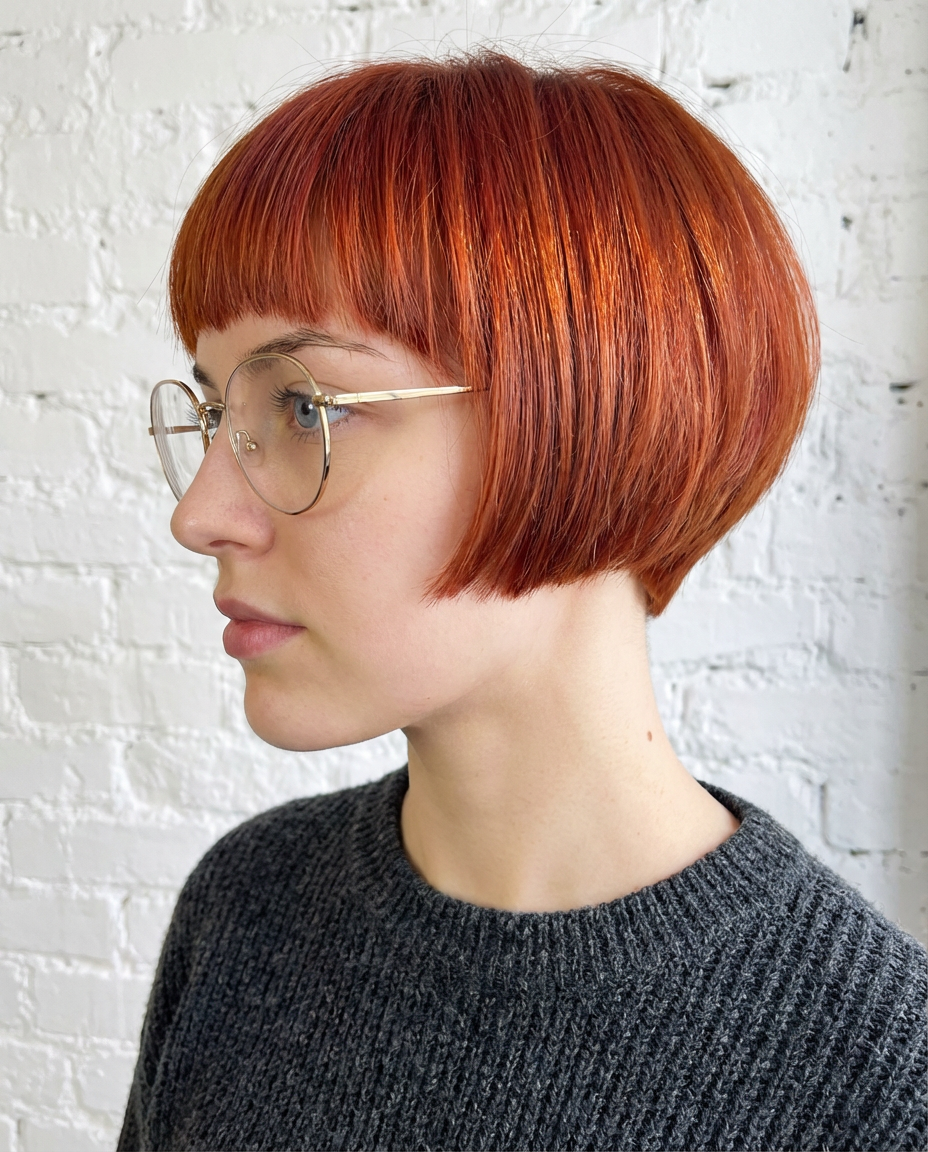
Is the Shingle Bob Right for You?
Face Shapes and Features for a Shingle Bob
- Round faces: The tapered nape adds verticality and draws the eye upward; longer front pieces can elongate the face.
- Square faces: The defined lines echo a square jaw beautifully; soften with micro fringe or a slight forward angle.
- Heart-shaped faces: Keep a touch more length at the jaw and add subtle texture so the style balances forehead and chin.
- Oval faces: Most variations work–choose fringe or no fringe based on your style.
This cut reveals the neck, ears, and cheekbones, so it highlights features rather than hiding them. If you want a bob hairstyle that showcases bone structure, it delivers.
Hair Type and Maintenance
Shingle bob cuts need trims every 4-6 weeks to keep the V-shaped nape crisp. Fine hair benefits from careful layering so it doesn’t look wispy, while dense hair needs interior weight removal so the shape sits close to the head. Curly shingled hair should be shaped by a stylist who understands how the curl will fall when dry. Expect quick daily styling: smooth and go, or diffuse and go.
Lifestyle Fit
If you like a decisive, low-clutter silhouette that still allows styling variety, this option fits. If you prefer ponytails or need more length for updos, consider a slightly longer cropped bob or a hybrid between this cut and a classic bob.
Suitability CTA: Not sure how this shingle bob shape pairs with your face or texture? Upload your photo to BlondeFilter’s AI hairstyle filter to preview customized options before you commit.
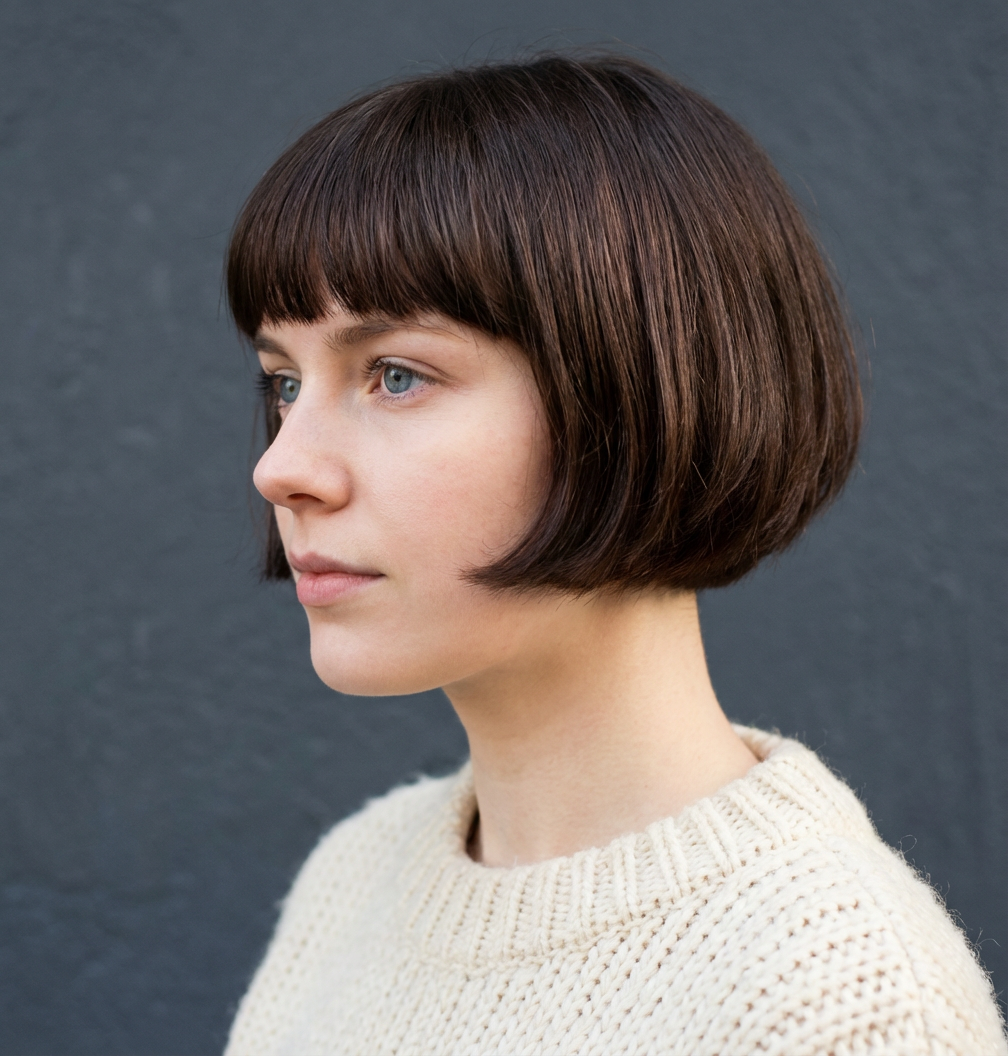
Shingle Bob vs. Other Bob Hairstyles
- Shingle bob vs. classic bob: The shingle bob is shorter and tightly tapered with stacked layers; the classic bob is longer and typically blunt.
- Shingle bob vs. French bob: The French bob sits lower on the cheek and leans softer; the shingle bob keeps sharper architecture and a defined nape.
- Shingle bob vs. Scandi bob: Both are minimalist, but the Scandi version uses looser layering and a less dramatic taper than a true shingle cut.
- Shingle bob vs. inverted bob: An inverted bob has a longer front drop; the shingle bob keeps a more consistent short perimeter with the V-shaped back.
Understanding these differences helps you describe exactly which bob hairstyle you want in the chair.
Ready to Get Your Shingle Bob? Try It First
Before you book your salon appointment, preview the shingle bob on your own face. BlondeFilter’s virtual hairstyle try-on lets you test a sleek taper, a softly textured finish, or a vintage finger-wave look in seconds. Arrive with clarity on length, fringe, and finish so your stylist can execute the haircut you already know you love.
Closing CTA: See your transformation now–try the shingle bob online with BlondeFilter’s AI hairstyle try-on and walk into your appointment with confidence.
Frequently Asked Questions About the Shingle Bob
What is a shingled bob?
A shingled bob is a short bob hairstyle cut shorter at the back and tapered to a V at the nape, with stacked, angled layers that build a sculpted shape and front lengths that skim the cheeks.
What is the difference between a bob and shingled hair?
Standard bobs are usually blunt and uniform; shingled hair uses precision layering and a sharp taper at the back so the shingle bob hugs the head and creates movement without bulk.
What is a scandi bob haircut?
A Scandi bob is a minimalist, slightly longer bob with gentle tapering and relaxed texture. It shares some DNA with the shingle bob but skips the dramatic V-shape and intensive stacking.
What was the popular hairstyle of the 1920s?
Short bob hairstyles defined the decade, and the shingle bob became one of the era’s boldest cuts–symbolizing women’s independence alongside Eton crops, Marcel waves, and finger-waved bobs.