
Quiff Hairstyle Guide | BlondeFilter AI Hairstyle Try-On
Master the quiff with history, styling steps, product picks, and BlondeFilter's AI try-on so you can preview classic, textured, or faded quiff looks before the barber.


Click or drag photos here to upload
Supports JPG, PNG formats, max 5MB, JPEG format recommended
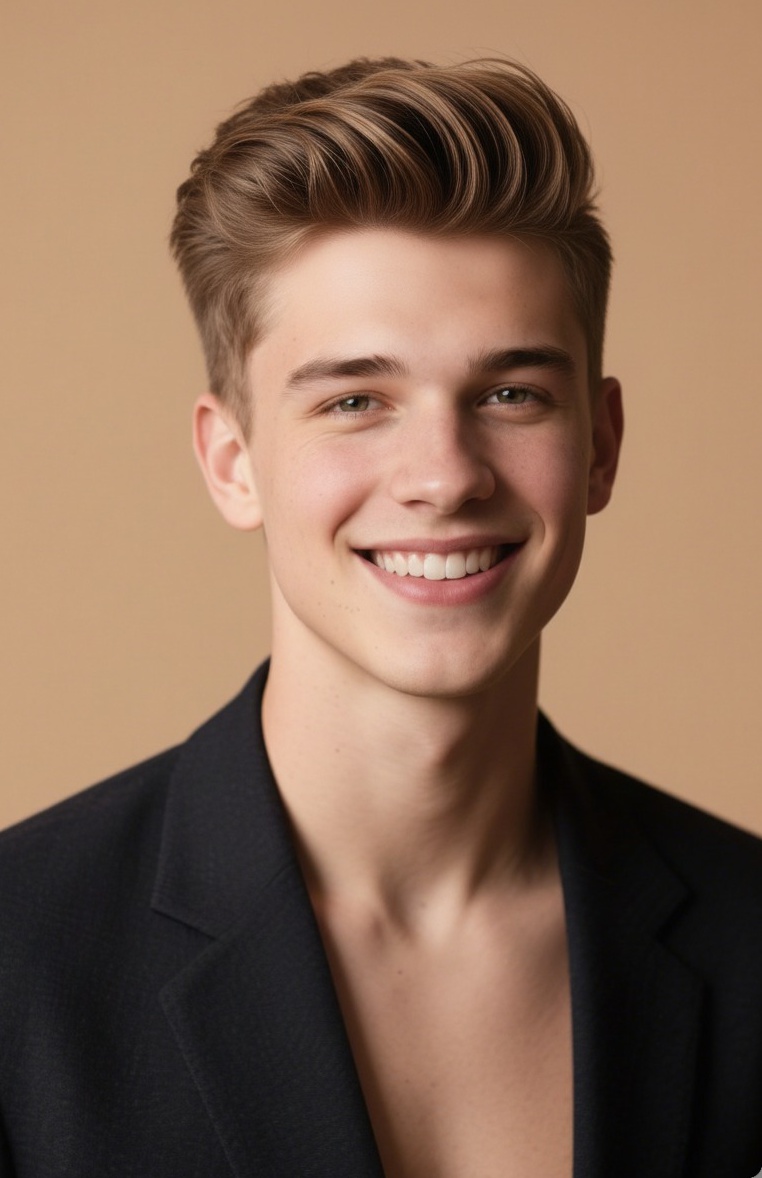
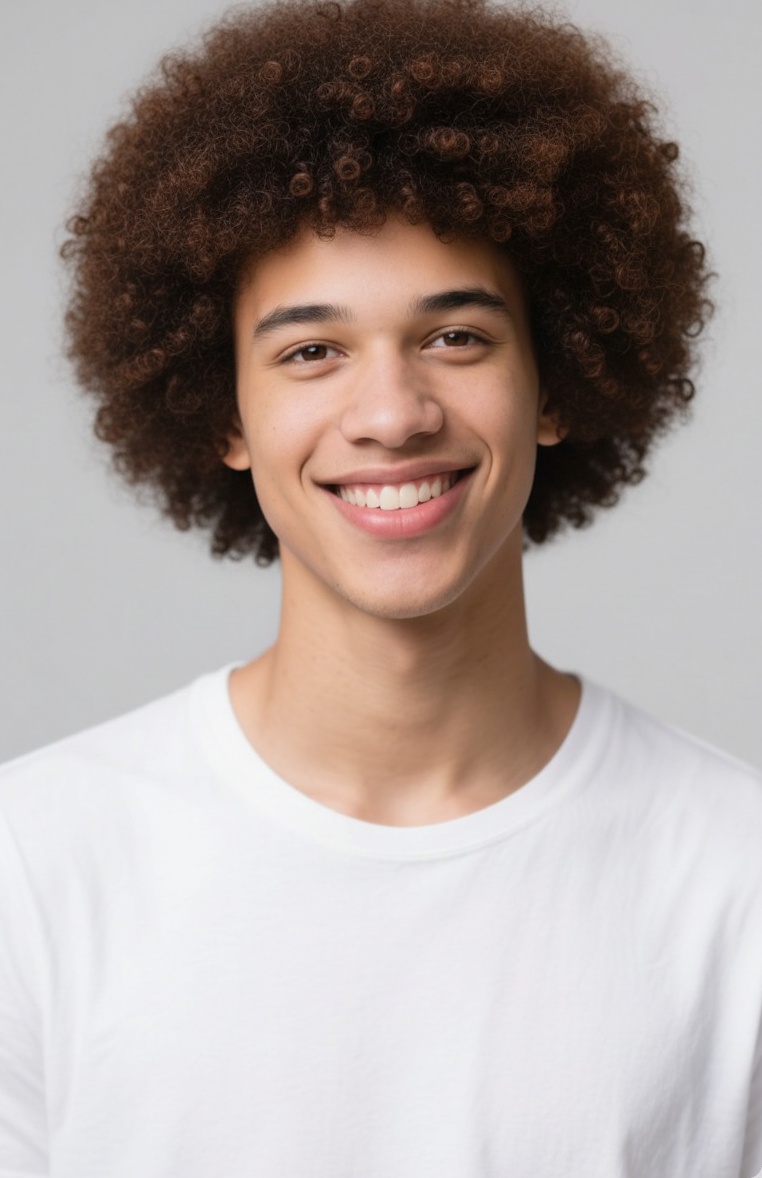

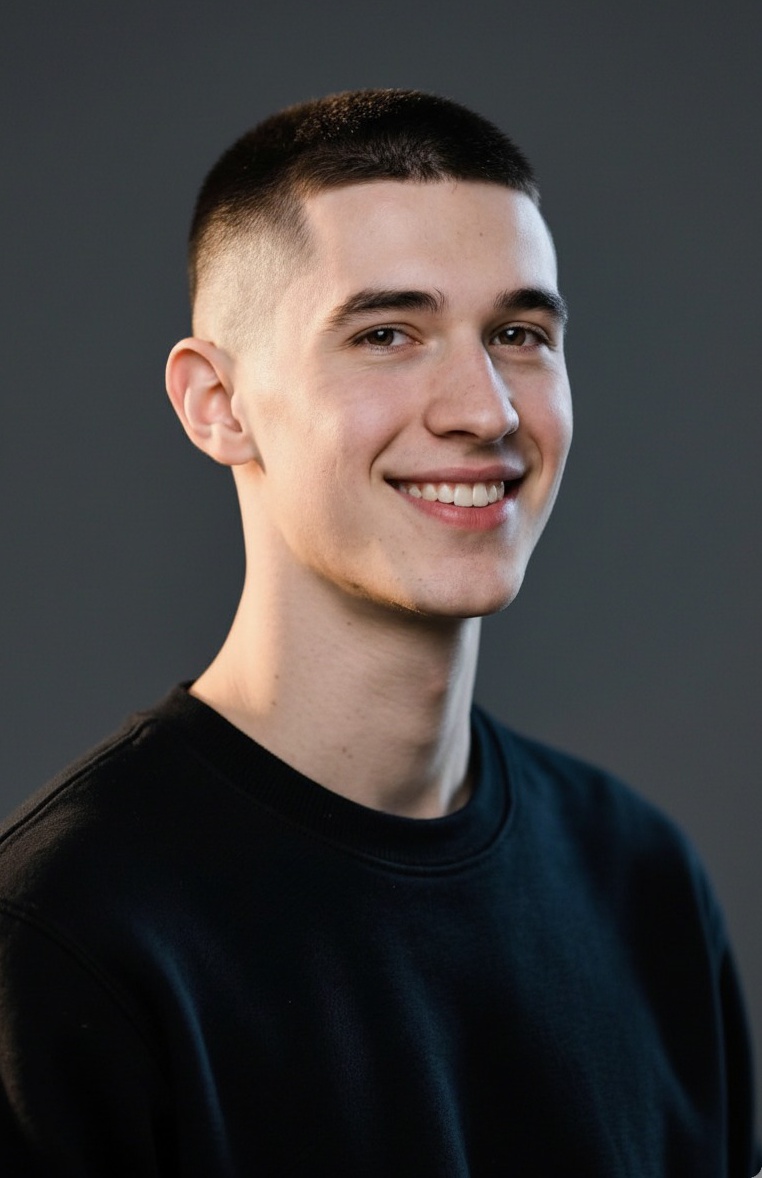
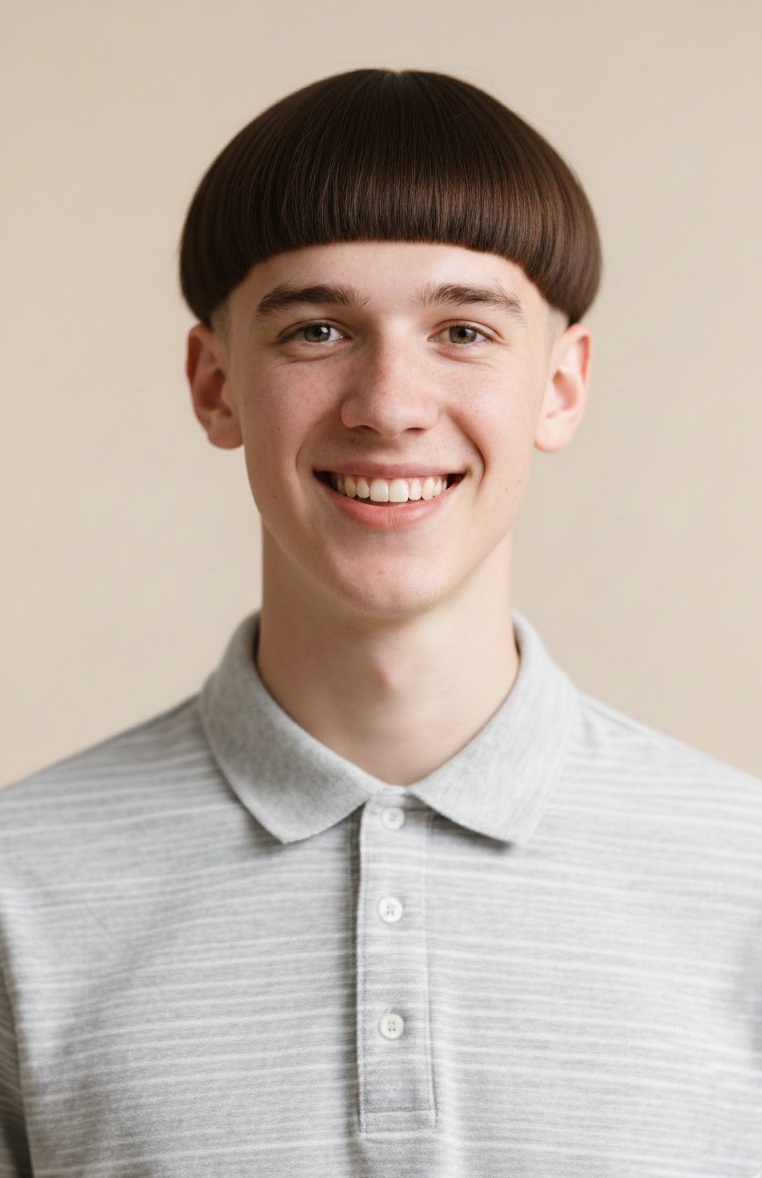
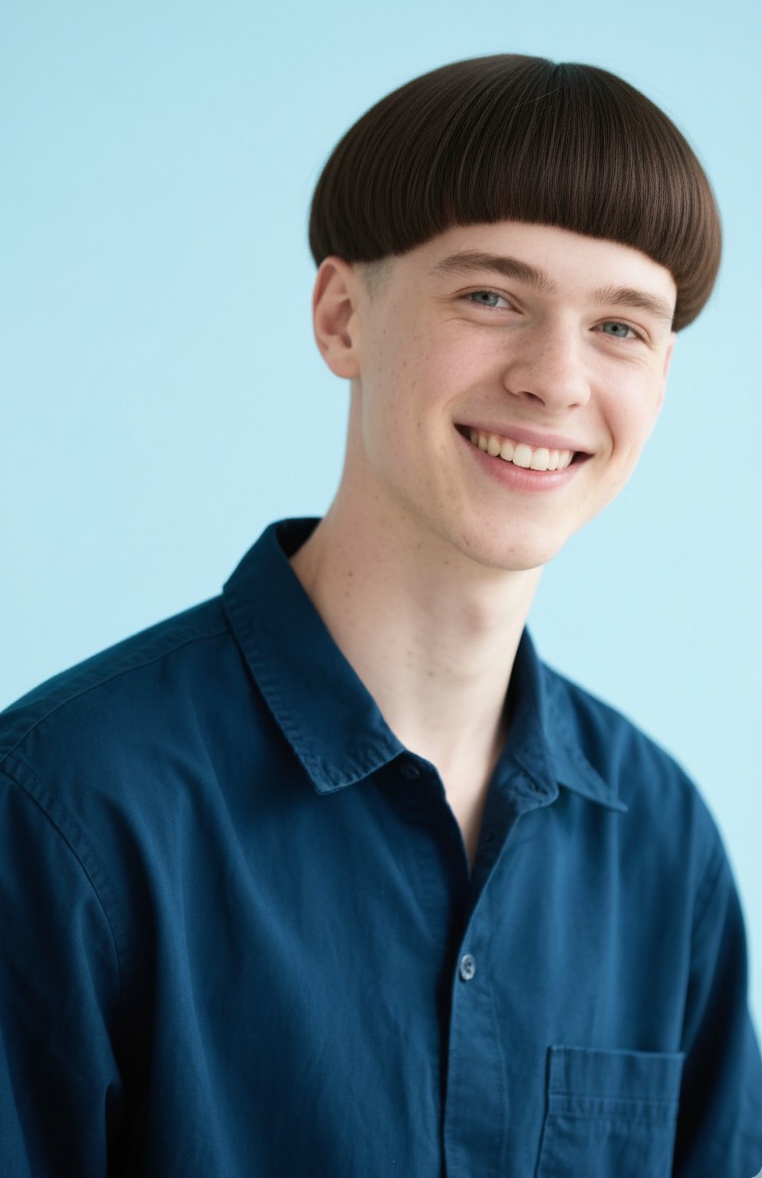
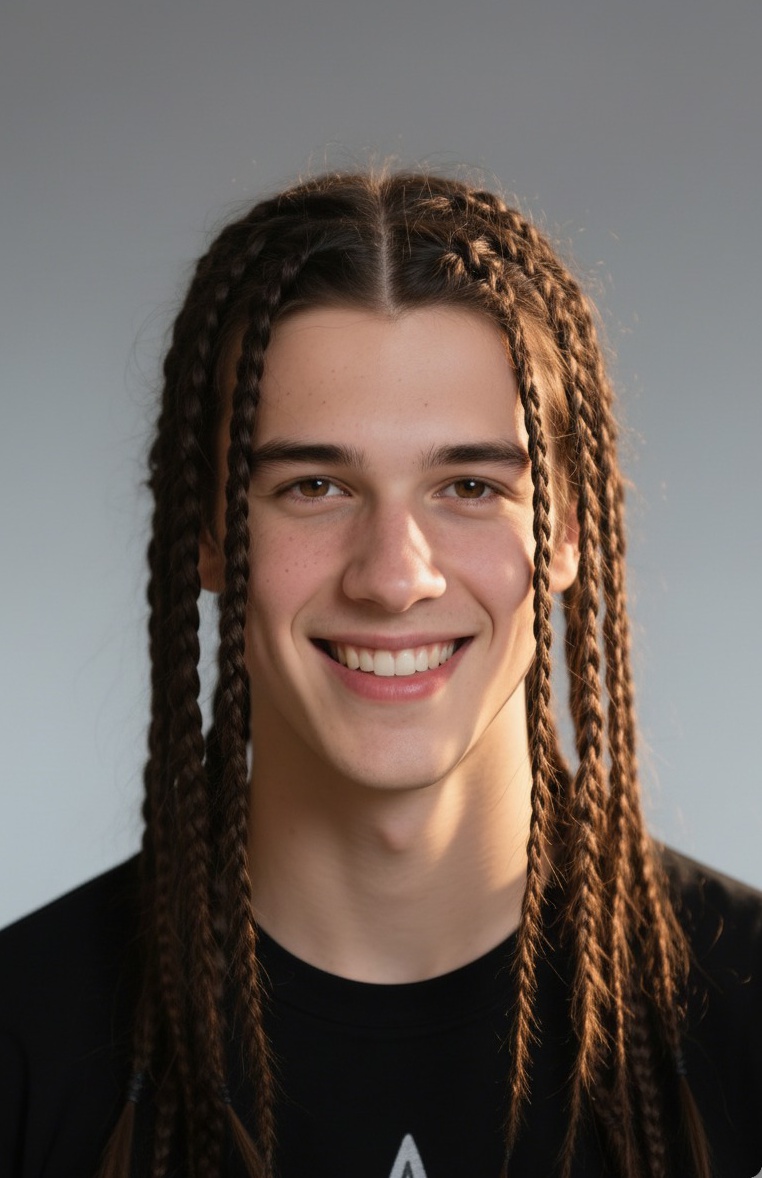



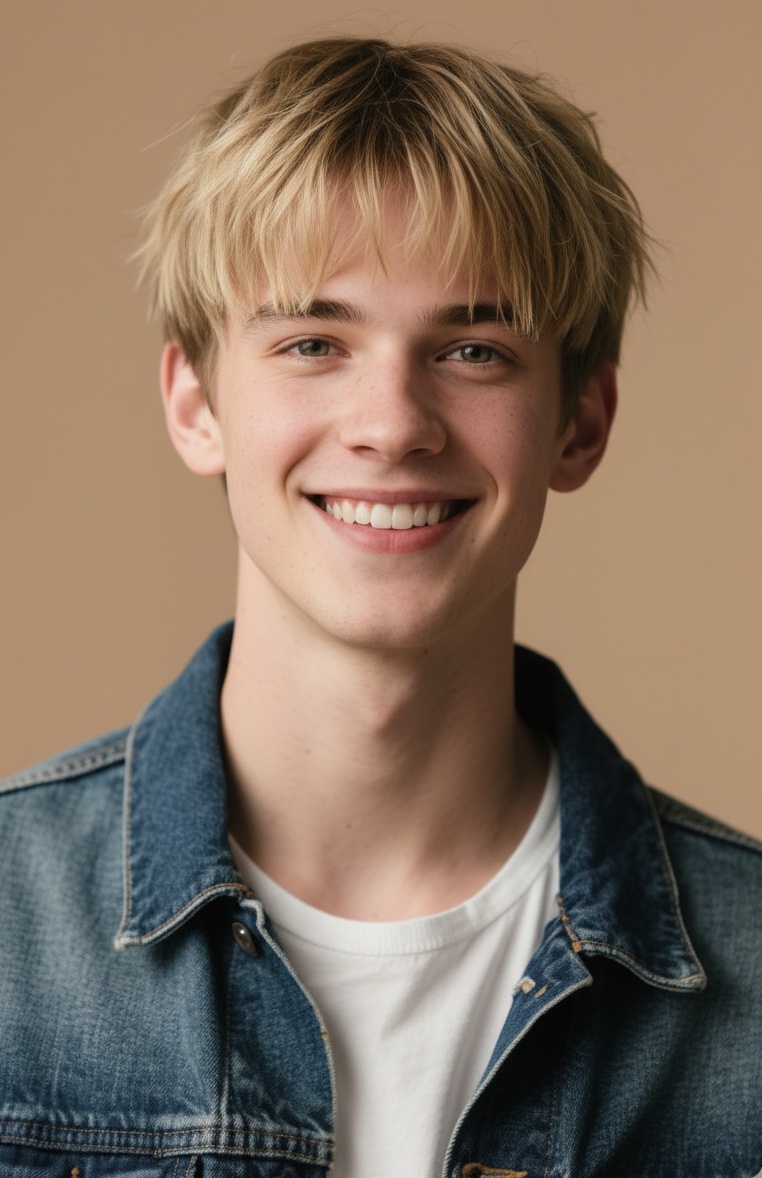

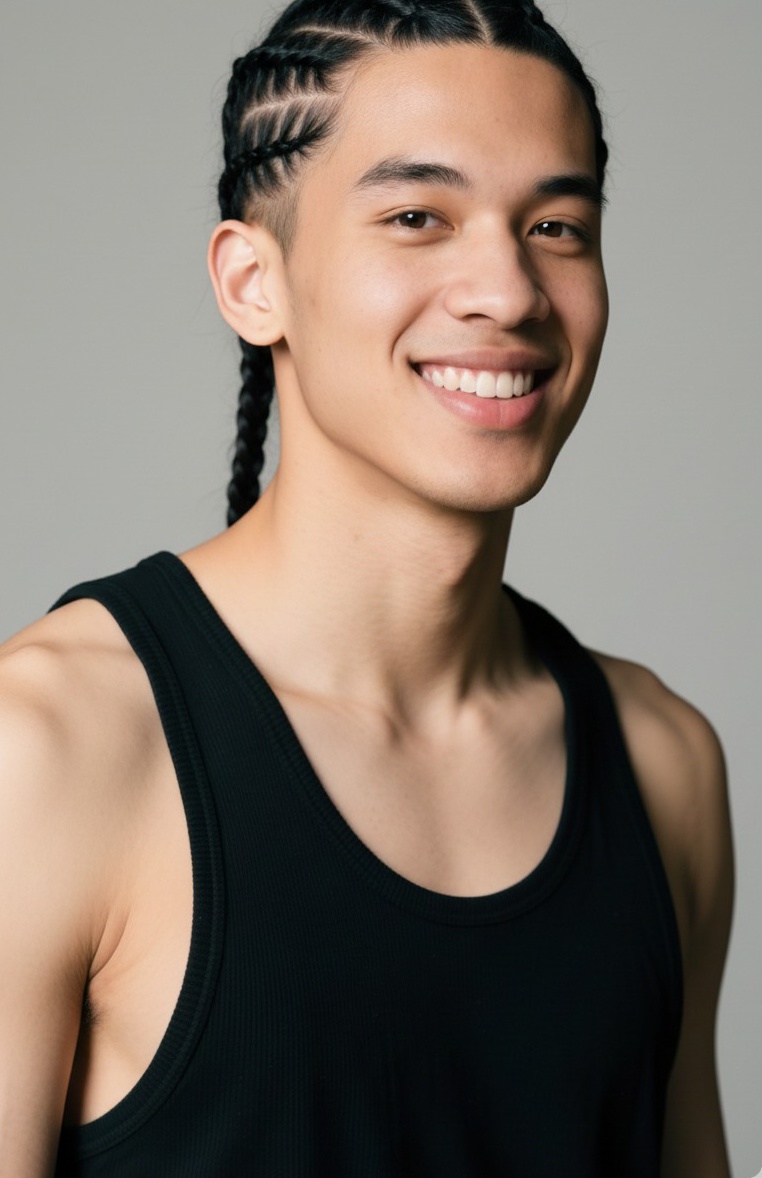



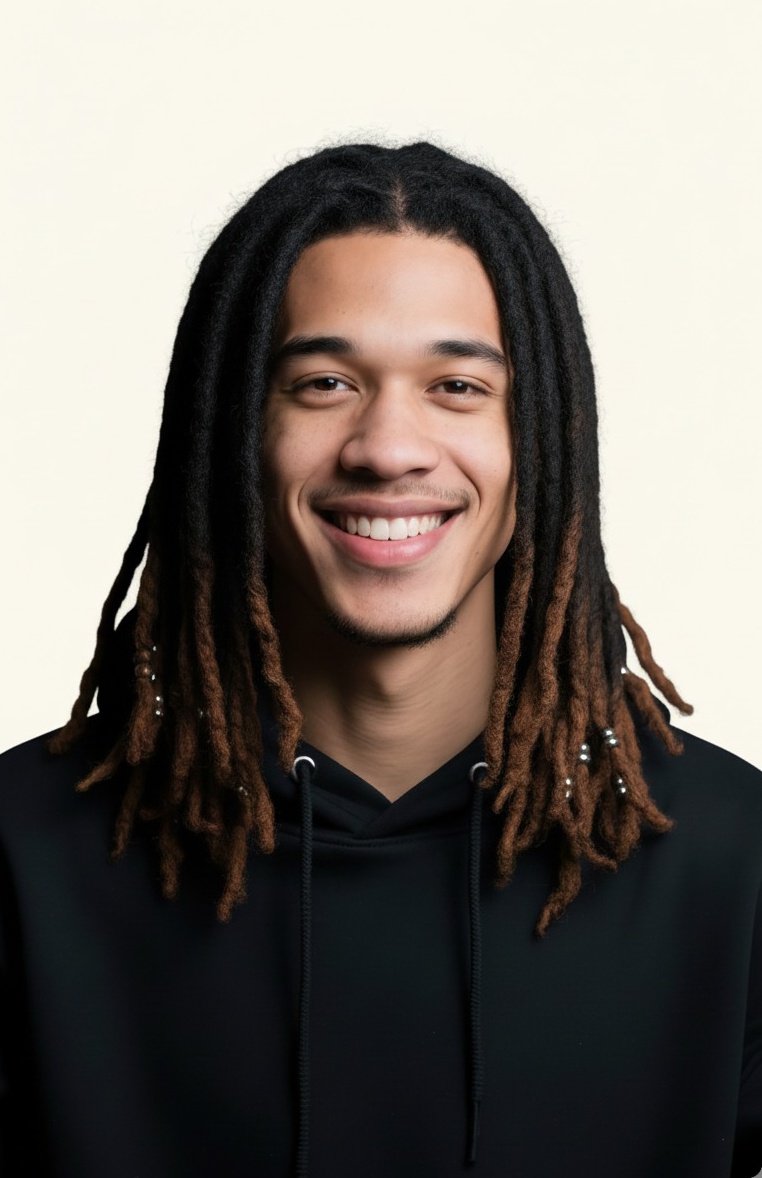
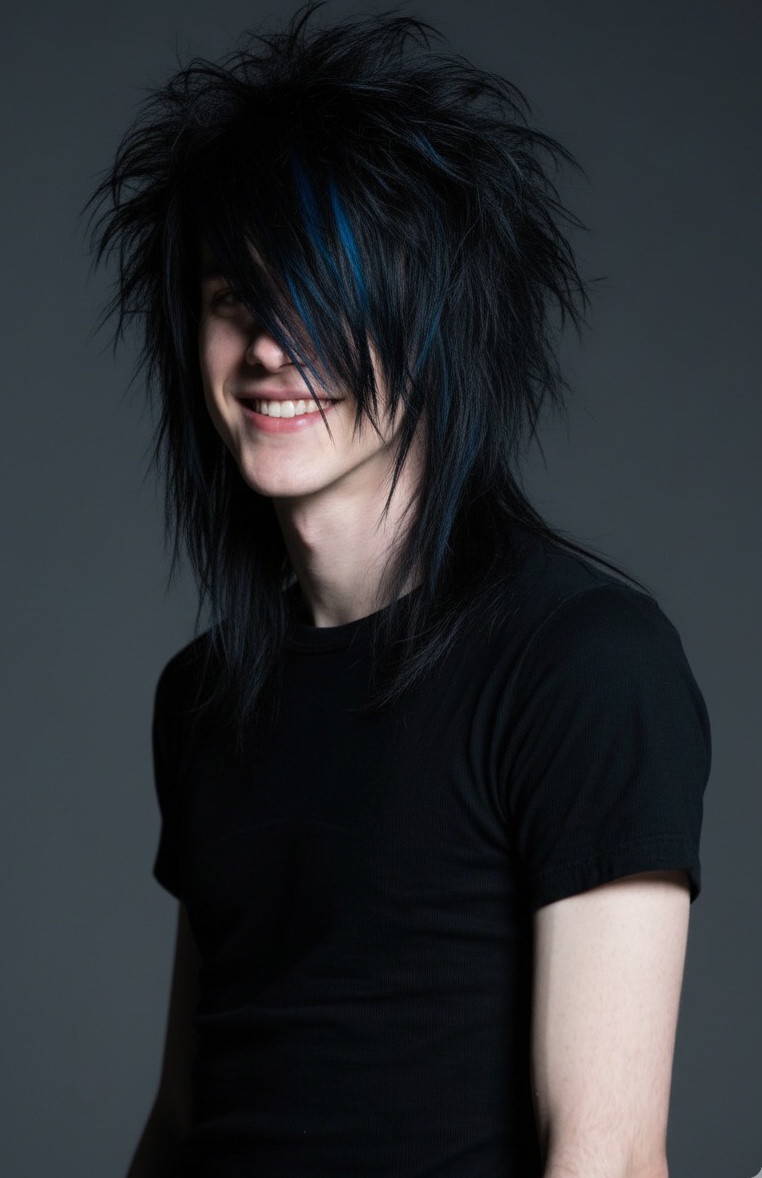




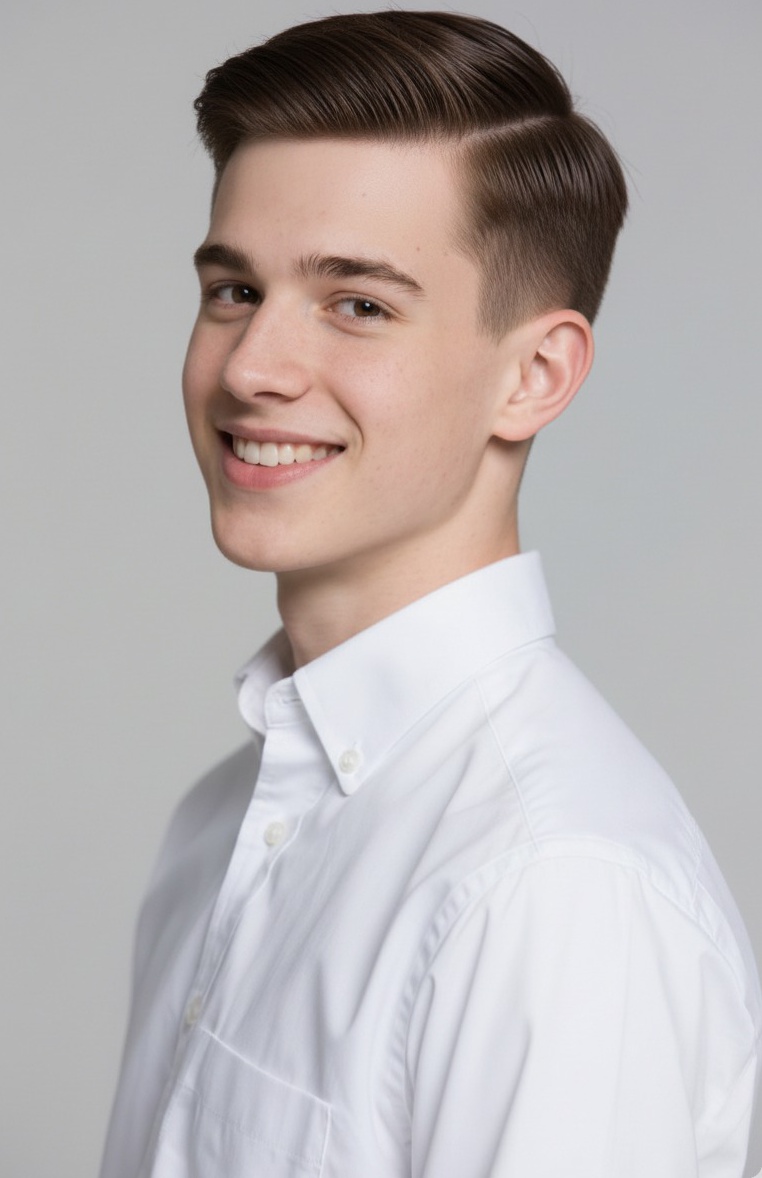
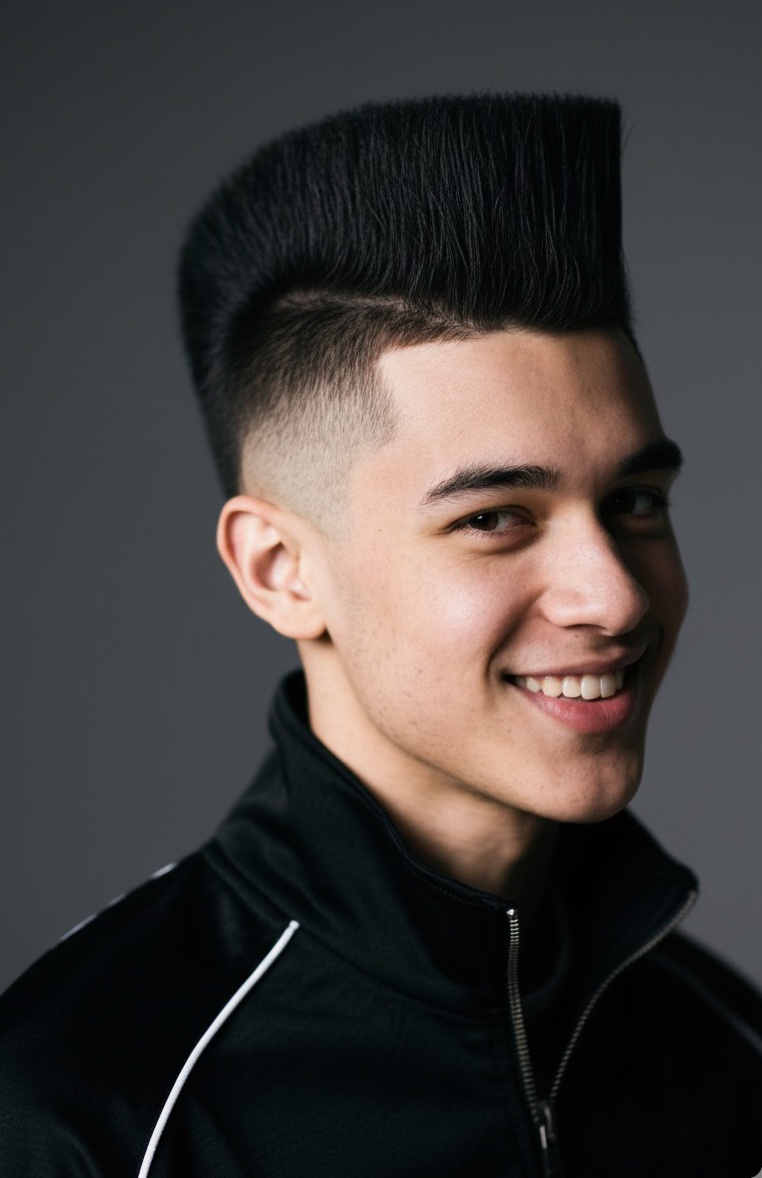


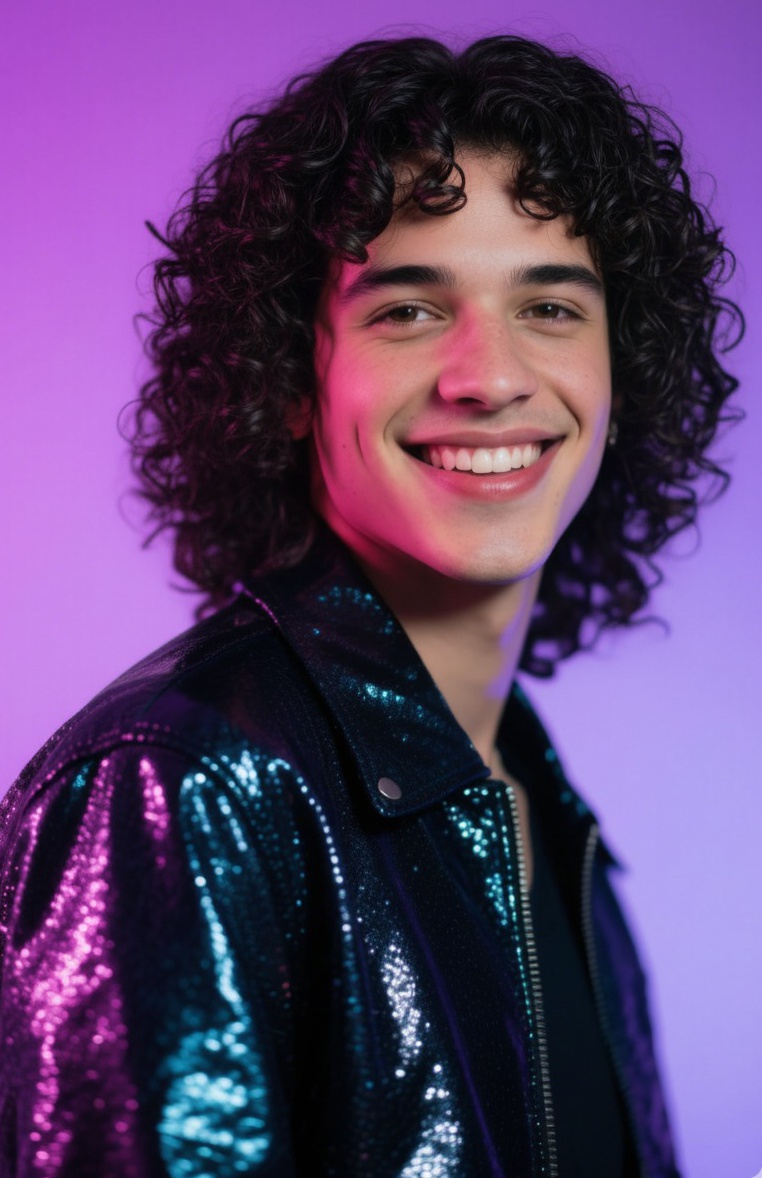
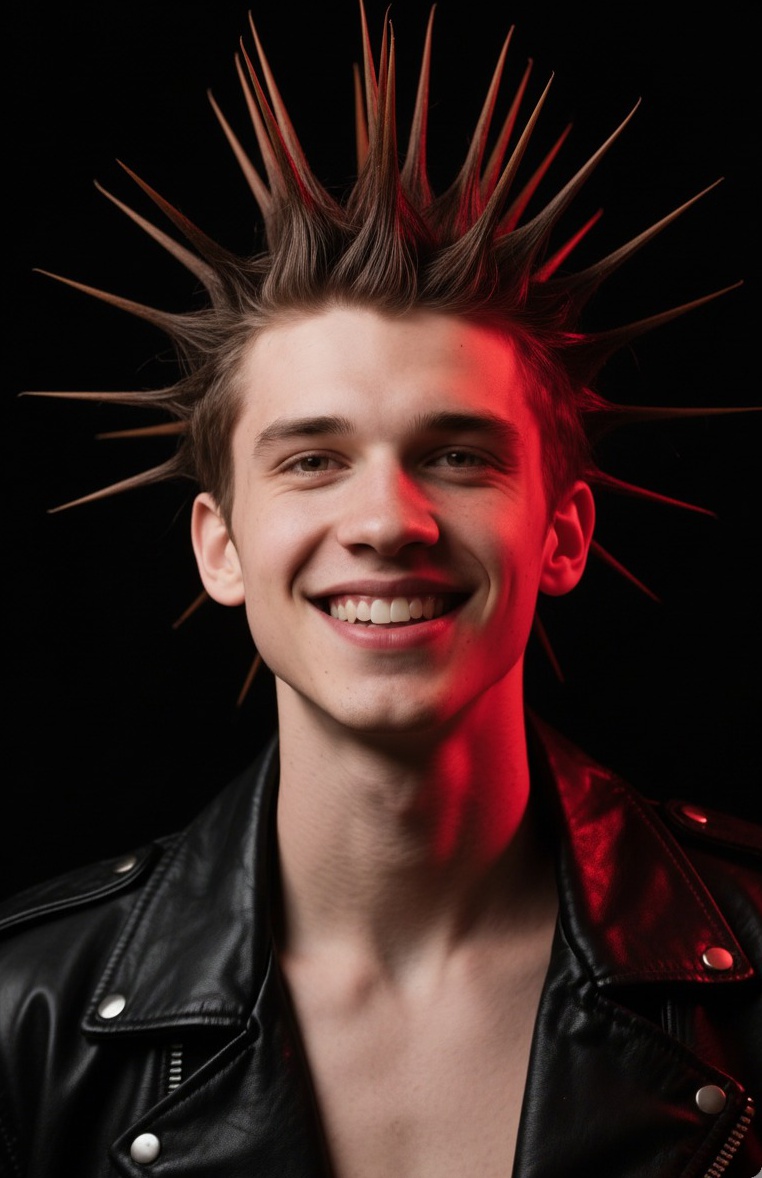
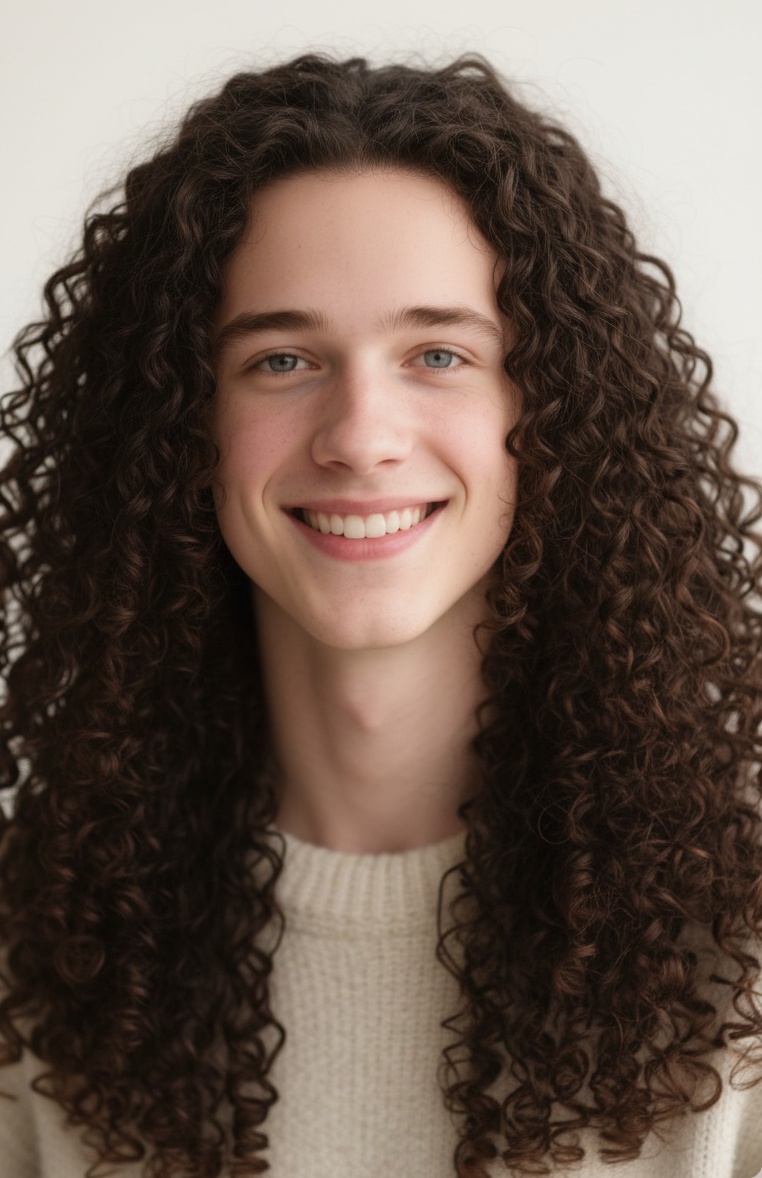
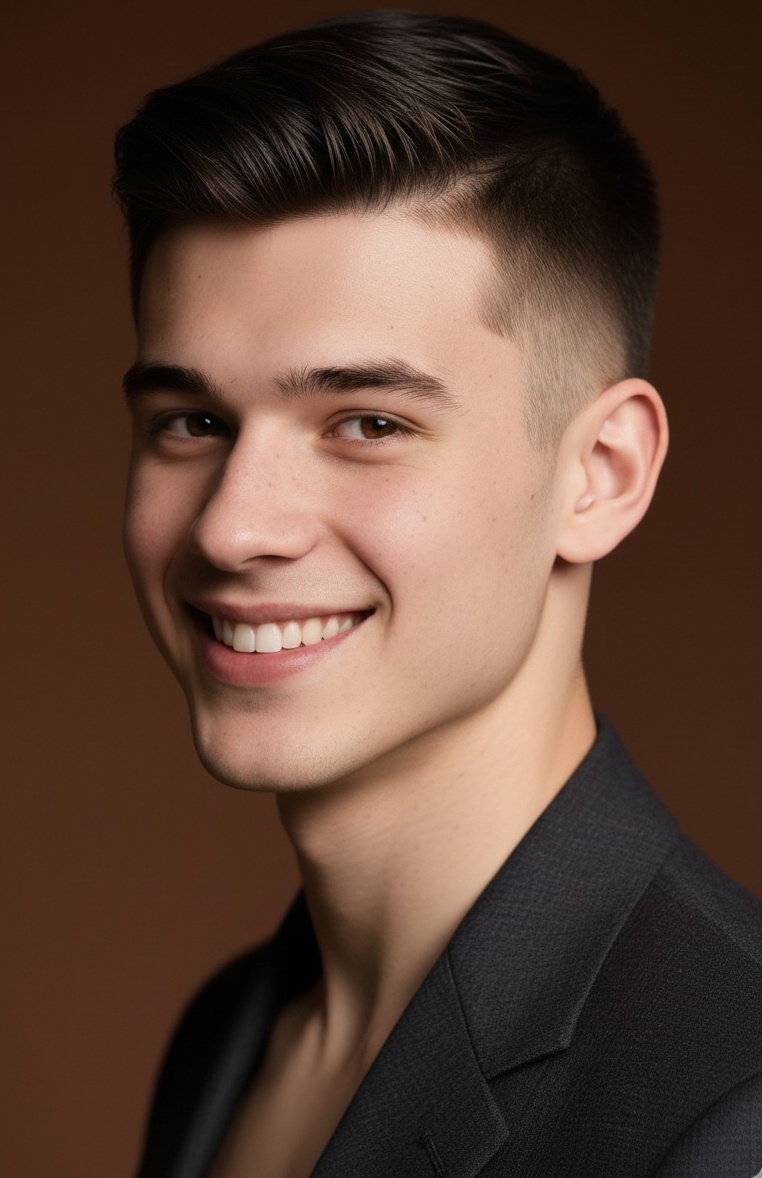
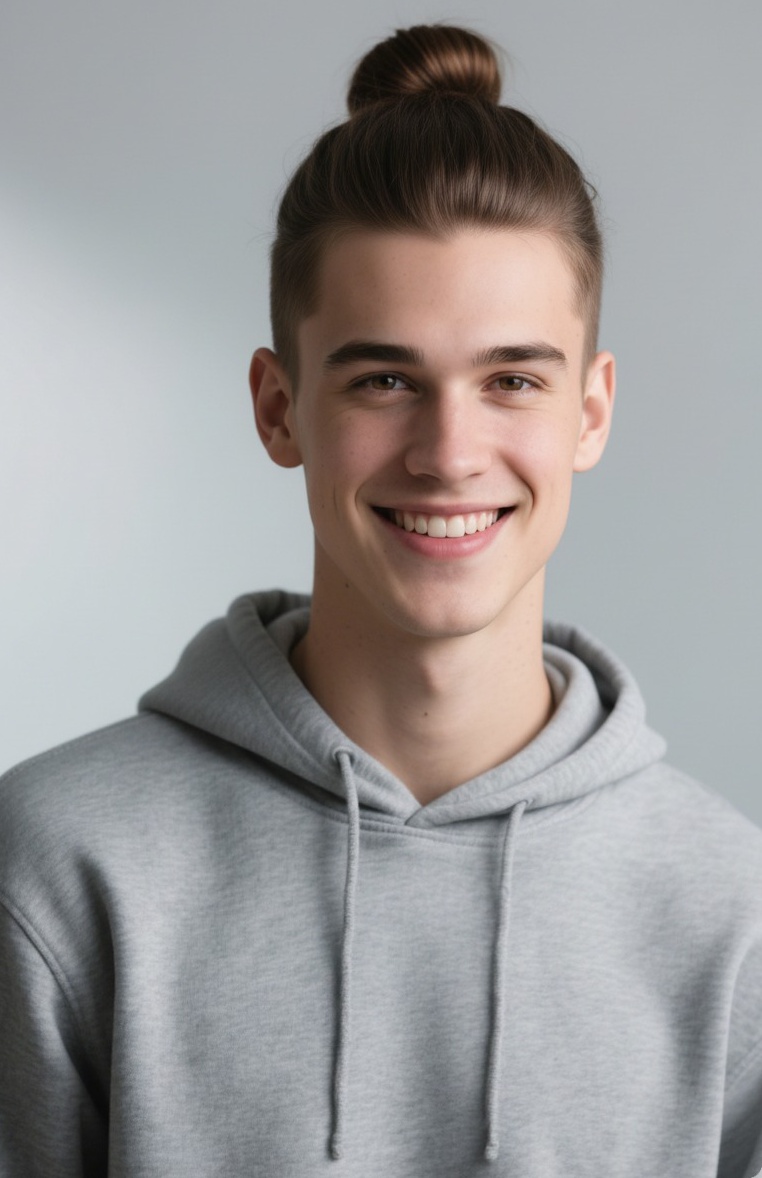



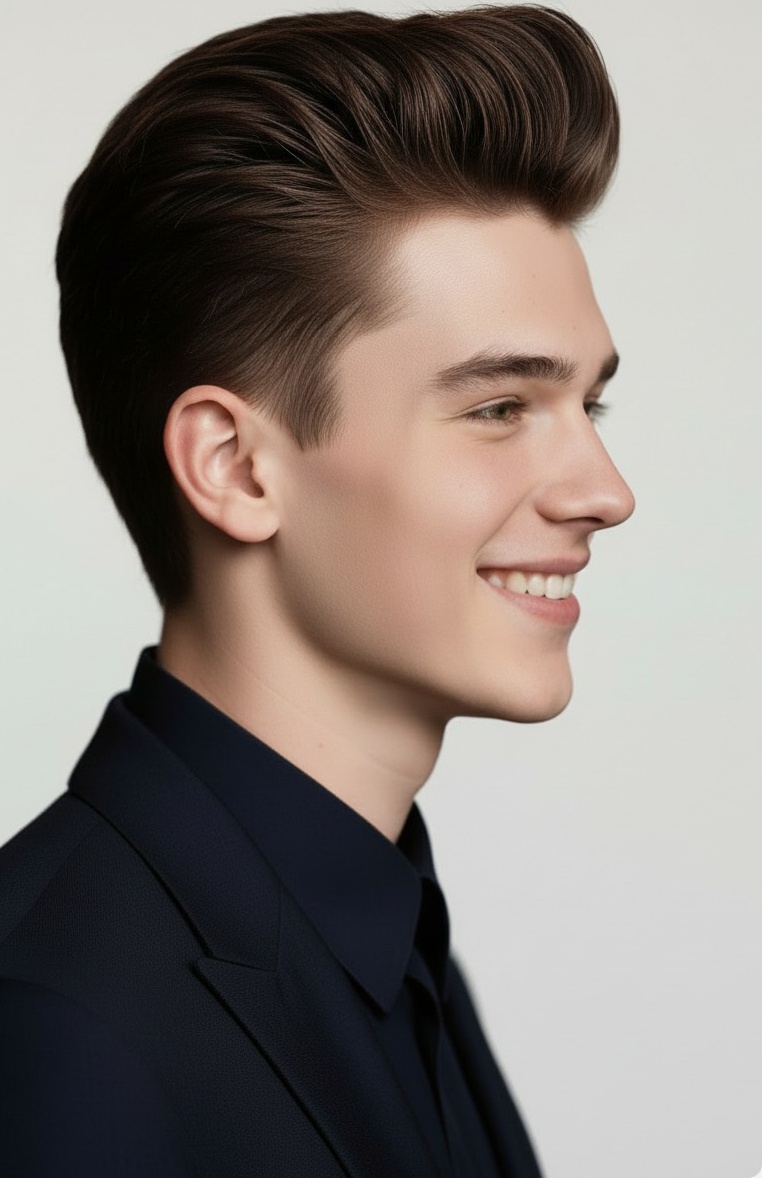
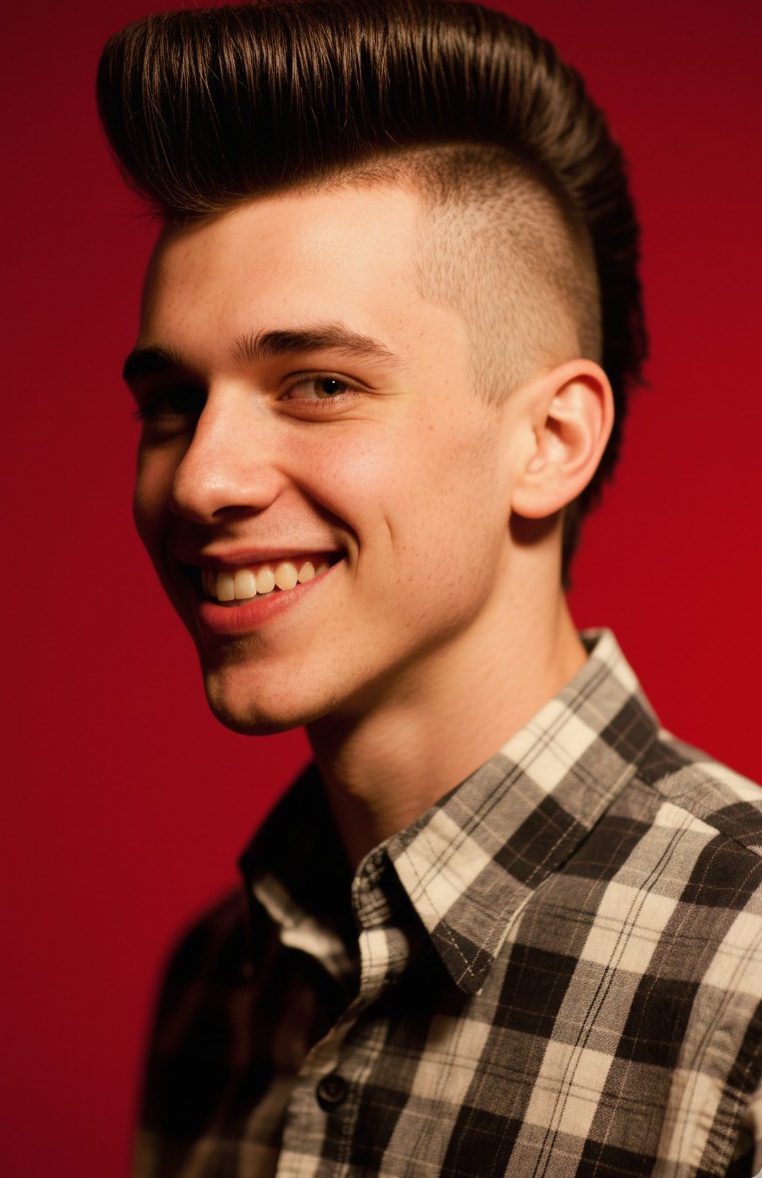


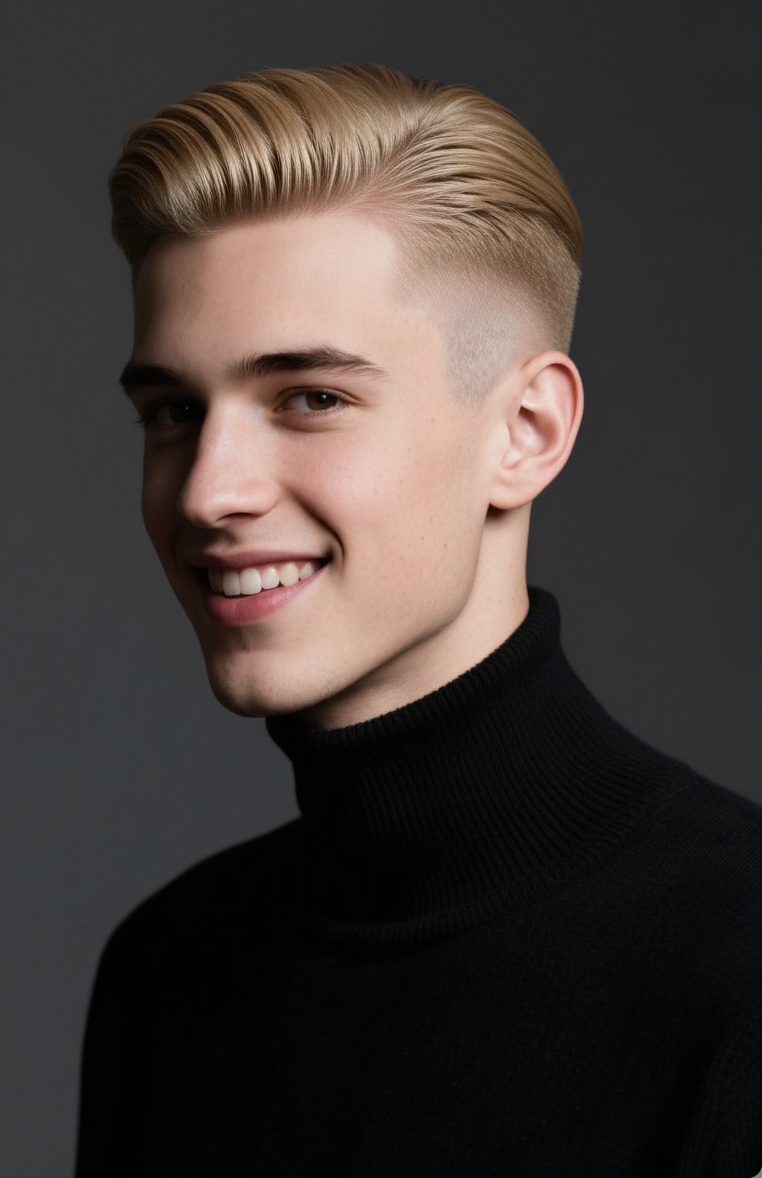




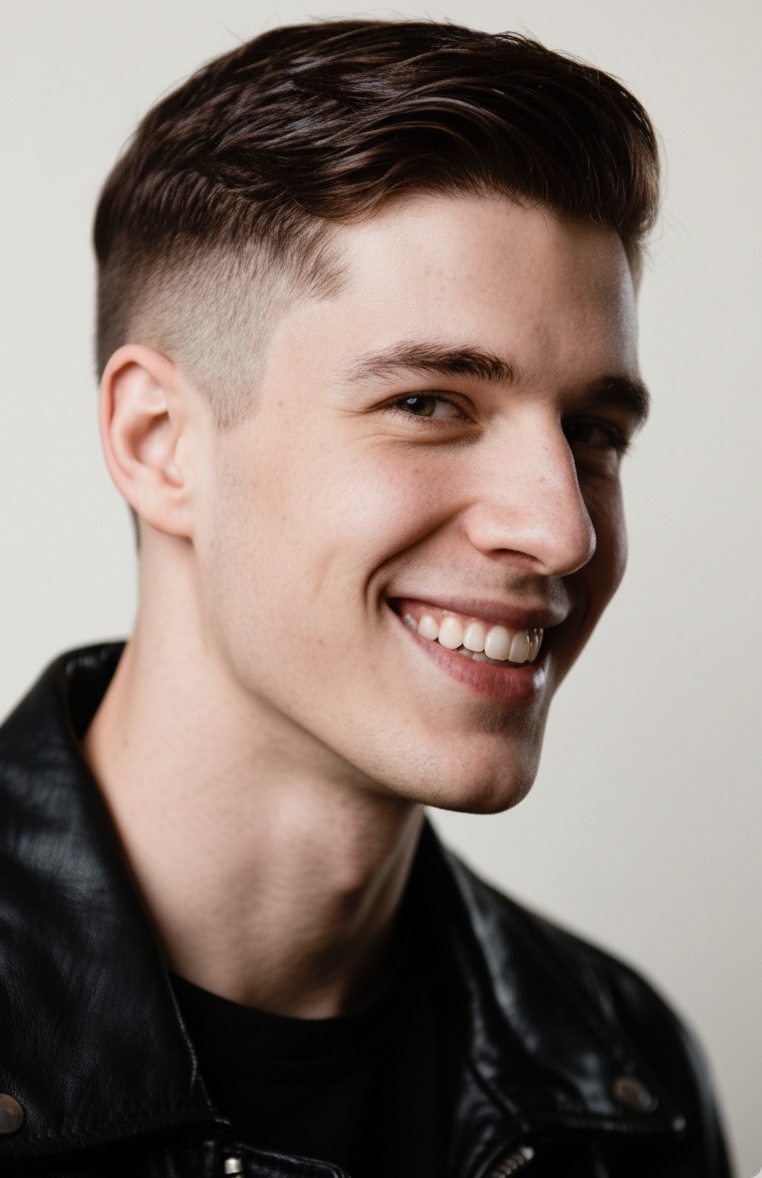

Choose your preferred style, then upload and process your photo on the left
The quiff has survived every trend cycle since the 1950s because it feels both classic and current. Men love it for the front height, easy texture, and the fact that it works on straight, wavy, or curly hair. Whether you want a polished office look or an off-duty, lived-in finish, the quiff adjusts with product choice and a few minutes of styling. This guide combines the research brief, SERP findings, and practical how-tos so you can choose the right variant, style it with confidence, and preview it with BlondeFilter before you ever sit in a barber’s chair.
What is a Quiff? History, Definition & Cultural Significance
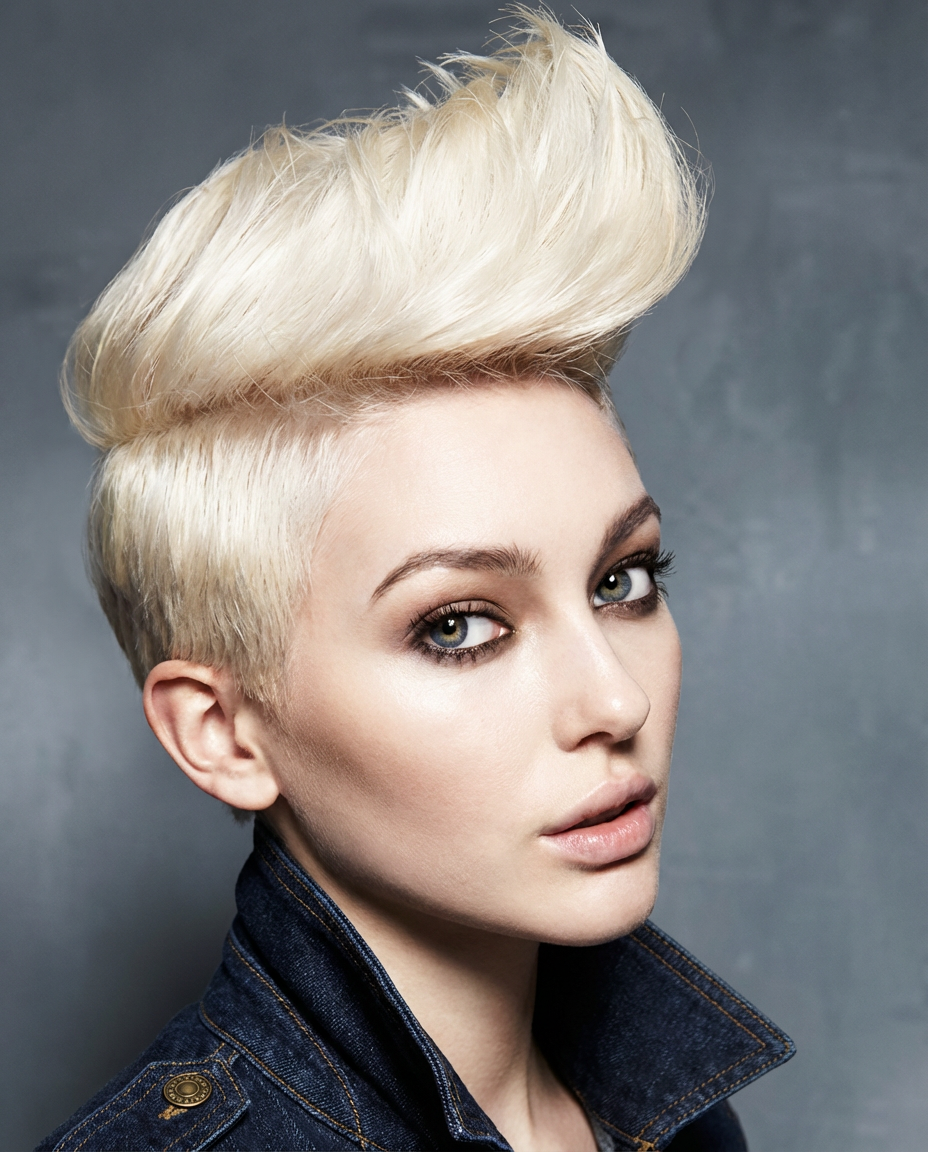
A quiff is a men’s hairstyle defined by volume at the front that lifts forward, then settles back. It blends elements of the pompadour, flat-top, and even hints of a mohawk, but it is more relaxed than a pompadour and more structured than a crew cut. The style broke through in the post-WWII 1950s as a rebellion against conservative military cuts. Rock ‘n’ roll icons—Elvis Presley, James Dean, Eddie Cochran—cemented it as shorthand for confidence and cool. The British Teddy Boy movement gave the quiff a second wave, pairing it with sharp tailoring. Punk and 80s revivals exaggerated the silhouette, and modern barbers refined it into today’s textured, wearable versions. The likely etymology comes from the French “coiffe” (hairstyle), and in 2025 the quiff is still relevant because it bridges polish and ease across face shapes and hair types.
Ready to see how a quiff frames your face? Try a soft preview now with BlondeFilter’s AI hairstyle filter before you commit. CTA: Try Quiff with AI.
Quiff vs. Pompadour: Key Differences Explained
Styling direction: A quiff lifts forward and up, then angles back with visible texture. A pompadour sweeps straight back for a sleeker, uniform wave.
Texture and volume: Quiffs embrace separation and a relaxed vibe; pompadours prize shine and uniformity. If you want effortless movement, pick a quiff.
Maintenance and time: A pompadour demands daily blow-dry precision and stronger hold. A quiff is forgiving: lighter product, quick touch-ups, and it still looks intentional.
Hair type fit: Pompadours favor thick, straight hair that holds sculpted volume. Quiffs are universal—straight hair looks defined, wavy hair gains movement, curly hair delivers bold shape, and fine hair works with lightweight lift.
Face shape and occasion: Both can be professional, but a pompadour telegraphs high effort while a quiff transitions seamlessly from casual to formal. Men who want adaptable style gravitate toward the quiff; those who prefer ultra-polish may choose the pompadour.
How to Style the Perfect Quiff: Step-by-Step Guide
Prep and blow-dry foundation
- Start with clean, towel-dried hair (damp, not dripping). A good quiff needs pliable moisture.
- Blow-dry with a round or vented brush, directing airflow upward and backward from roots to ends. This root lift is non-negotiable for height.
- For extra structure, start at the fringe, roll the brush slightly, and lock in lift with cool air.
Choose products by hair type
- Fine/thin hair: Volumizing mousse or texture powder for lift without weight.
- Thick hair: Lightweight pomade, clay, or paste to control bulk without greasiness.
- Wavy hair: Medium-hold paste or matte clay to enhance natural movement.
- Curly hair: Curl cream or leave-in plus a light mousse/gel for definition and frizz control.
Apply and shape
- Emulsify a small amount (grape-sized) in palms, then work through roots and mid-lengths first.
- Lift the front upward, then sweep back with fingers for texture or a comb for polish.
- Pinch sections to create separation; add a touch more product only if needed.
Finish for hold
- Light mist of hairspray keeps shape through meetings or a night out; skip if you prefer flexible movement.
- Re-comb or finger-style midday to reset volume; a small shot of texture powder can revive lift.
Before you book a cut, visualize your ideal height, texture, and finish with BlondeFilter’s AI preview so you and your barber are perfectly aligned. CTA: Preview Your Quiff Now.
Quiff Variations: Modern Styles for Every Preference
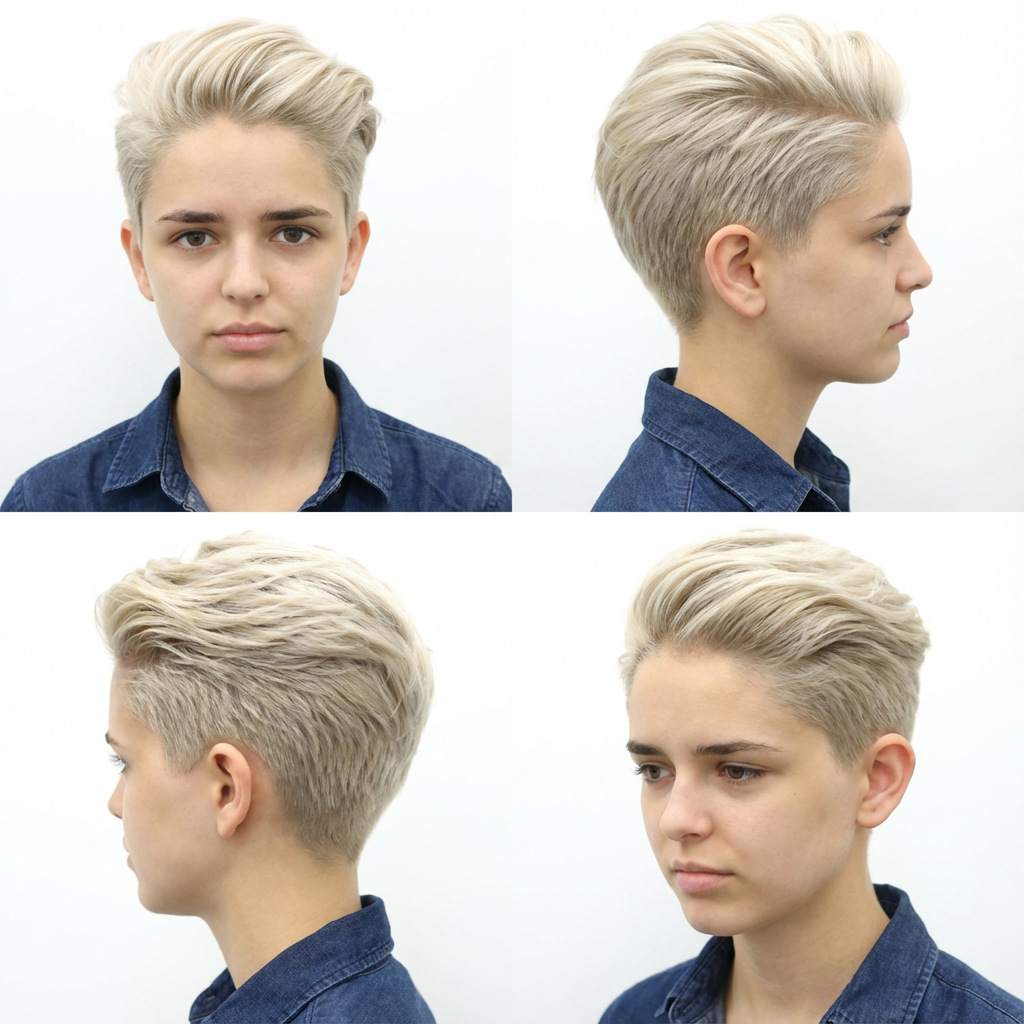
- Classic Quiff: Longer top with tapered or faded sides; clean Elvis-inspired structure that suits offices and formal settings.
- Textured Quiff (trending 2025): Choppy layers, matte product, intentional separation for an effortless, social-media-ready vibe.
- Short Quiff with Fade: Low or mid fade plus shorter top for easy daily styling and athletic sharpness; great for active routines.
- Long Quiff: Extra length up top for dramatic sweep; best with thicker hair and a bit more styling time.
- Disconnected/Undercut Quiff: Strong contrast between long top and very short sides for a bold, modern edge.
- Taper Fade Quiff: Smooth transition from fade to volume; office-friendly yet stylish (think Beckham-era quiff).
- Wavy or Messy Quiff: Embraces natural texture for relaxed movement (Harry Styles energy); ideal if you want low-stress styling.
- Bleached Quiff: High-fashion twist that pairs volume with striking color (Zac Efron reference); demands good product care.
Find Your Perfect Quiff: Face Shape & Hair Type Guide
Face shapes
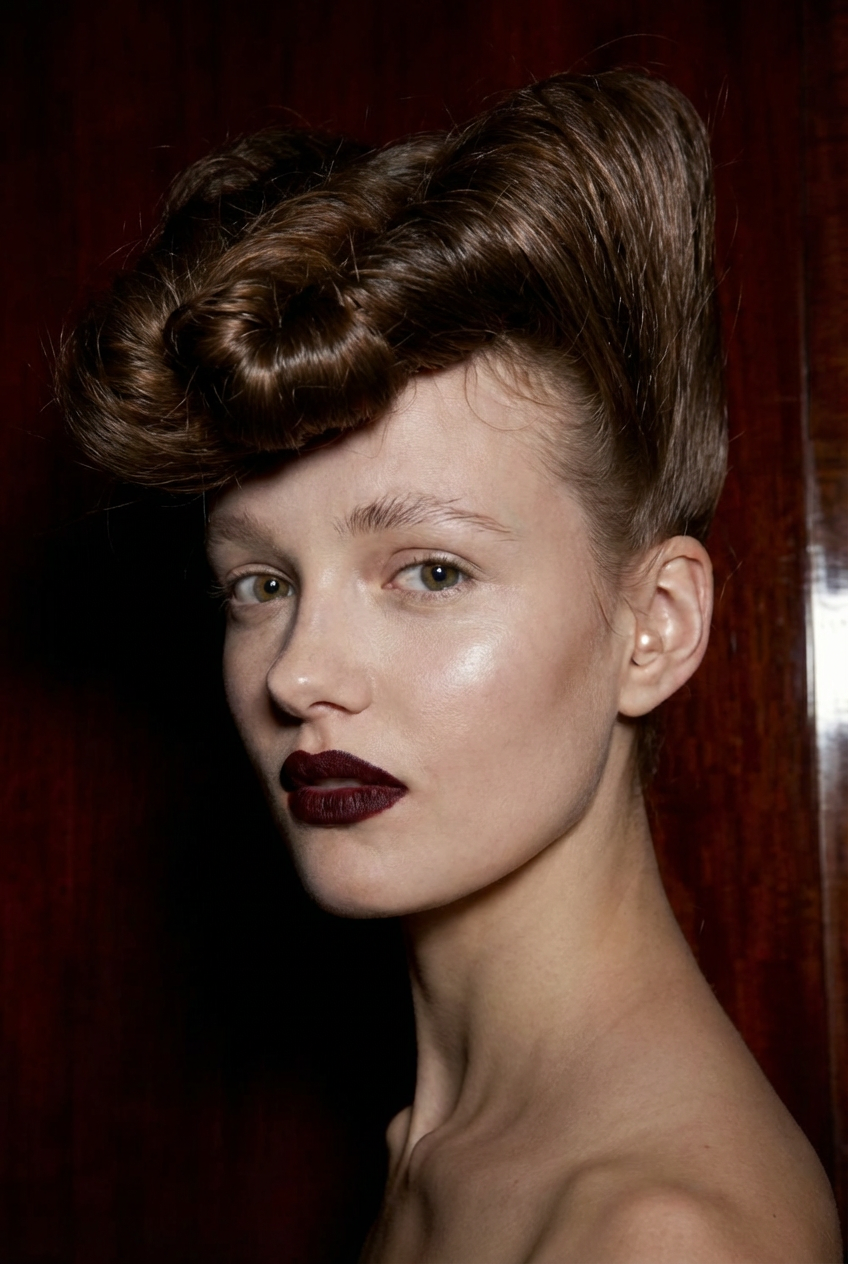
- Oval: Almost any quiff works; textured or classic both flatter balanced proportions.
- Square: Added height and texture soften a strong jawline and break up angles.
- Round: Aim for more vertical lift to lengthen the silhouette; avoid ultra-short tops.
- Heart: Medium height balances a wider forehead and narrower chin; texture adds softness.
- Rectangle/long: Moderate height prevents over-elongation; side-parted or tousled quiffs keep proportions in check.
Hair types
- Straight: Excellent control for sleek or textured looks.
- Wavy: Natural wave adds movement with minimal effort; matte products keep it modern.
- Curly: Bold, expressive quiff—lean on curl-friendly products for definition and frizz control.
- Thick: Plenty of volume; prefer lighter products to avoid weight and stiffness.
- Fine: Lightweight mousse or powder plus focused blow-dry creates durable lift without collapse.
Found your match? Preview it on your own face with BlondeFilter before you book. CTA: Try Quiff Virtually Free.
Try Your Quiff Online: AI Virtual Hairstyle Try-On
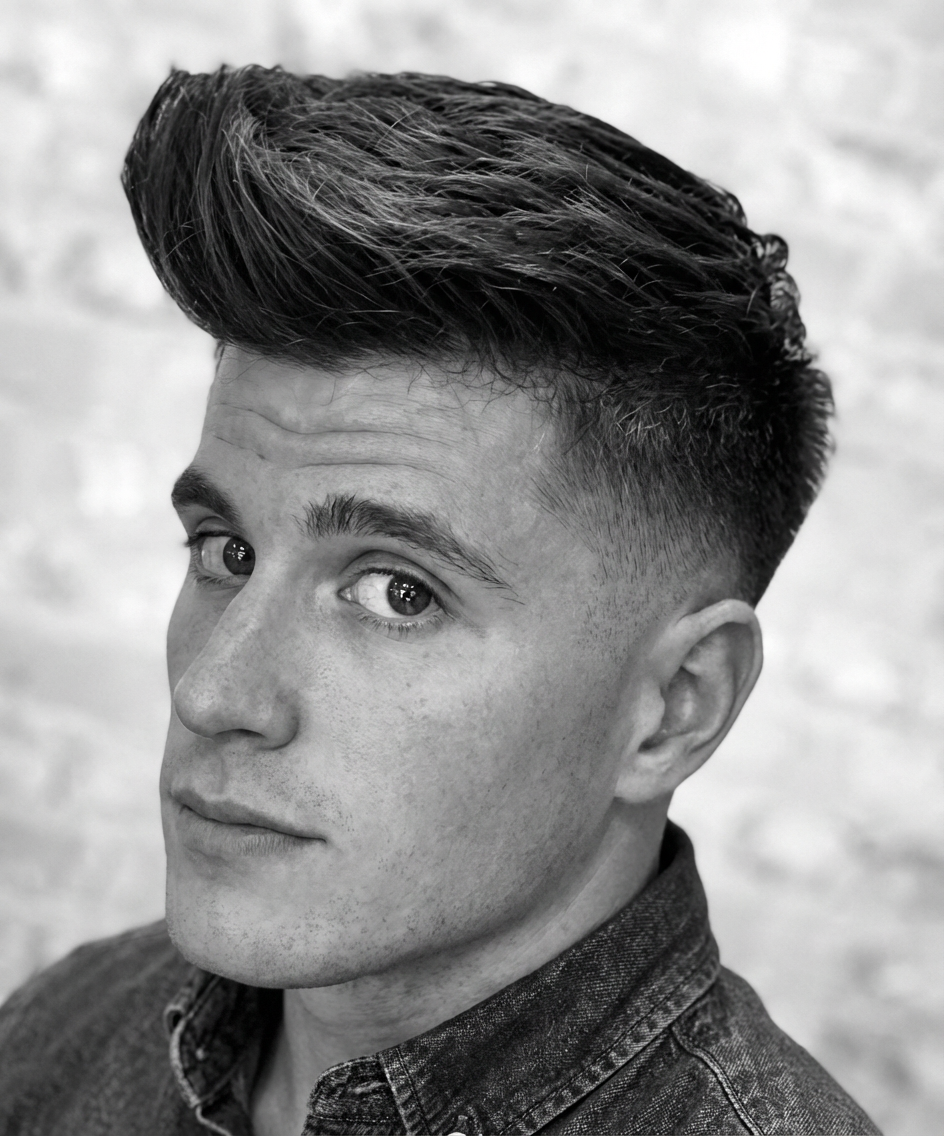
Virtual try-on removes the guesswork. Upload a clear photo to BlondeFilter, pick classic, textured, short, or long quiff options, and see instant previews tailored to your face shape. Compare styles side-by-side, share with friends, or bring the screenshot to your barber so you both align on height, texture, and fade. It reduces decision anxiety, keeps you from second-guessing at the barber, and lets you experiment without any commitment.
Best Products for the Quiff: Recommended Styling Essentials
Pre-styling for lift: Volumizing foam or mousse (e.g., American Crew Fiber Grooming Foam, VO5 Rework Texture Foam) creates a supportive base before you add hold.
Styling staples by finish:
- Pomades (Gatsby, Reuzel, Uppercut Deluxe, American Crew) for defined or shiny classic quiffs; apply to towel-dried or dry hair.
- Clay/paste (Shear Revival Northern Lights Matte Paste, clay-based Uppercut) for matte, textured 2025-ready looks that photograph well.
Finishing: Light hairspray (e.g., Wella Silvikrin) locks shape without stiffness; texture powder adds midday lift at the roots when volume drops.
By hair type:
- Fine hair: Foam + powder, avoid heavy waxes that collapse lift.
- Thick hair: Lightweight pomade or clay to control volume without grease.
- Wavy/curly hair: Curl cream plus mousse or light gel to define without crunch.
- Straight hair: Clay or pomade depending on whether you want matte separation or smooth sheen.
Frequently Asked Questions About the Quiff
What is quiff slang for? Derived from the French “coiffe,” it primarily means the hairstyle itself; in some style circles it can colloquially imply a sharp, well-dressed look, but the dominant meaning is the voluminous cut described here.
What does popping a quiff mean? It’s slang for styling your quiff so it stands tall with clear volume—when the height and shape are dialed in and visibly “pop.”
Why is it called a quiff? The name most likely comes from “coiffe” (hairstyle). Some note medieval armor terminology, but the accepted link is the French root, cemented in the 1950s when the style went mainstream.
What is a quiff haircut? Shorter sides (often faded or tapered) with longer hair on top that lifts upward and back to create front height. It blends pompadour-like volume with casual texture and adapts to straight, wavy, or curly hair.
Ready to transform your look? Preview your quiff with BlondeFilter’s AI hairstyle filter—free, instant, and designed to eliminate barber-chair guesswork. CTA: Get Started with BlondeFilter.