
Pompadour Haircut Guide
Master the pompadour haircut with history, variations, styling steps, and virtual try-on guidance before your next barber visit.


Click or drag photos here to upload
Supports JPG, PNG formats, max 5MB, JPEG format recommended
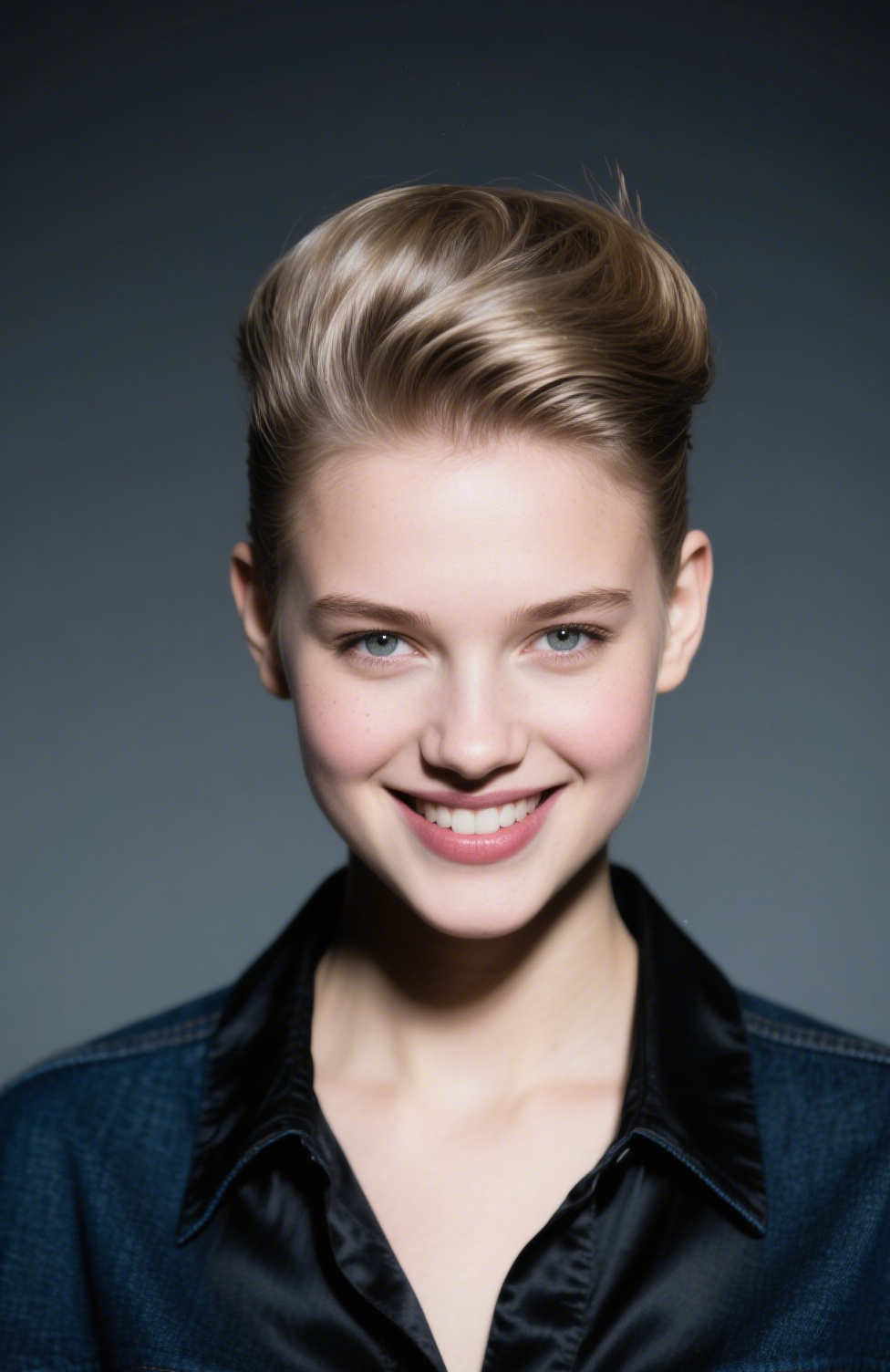
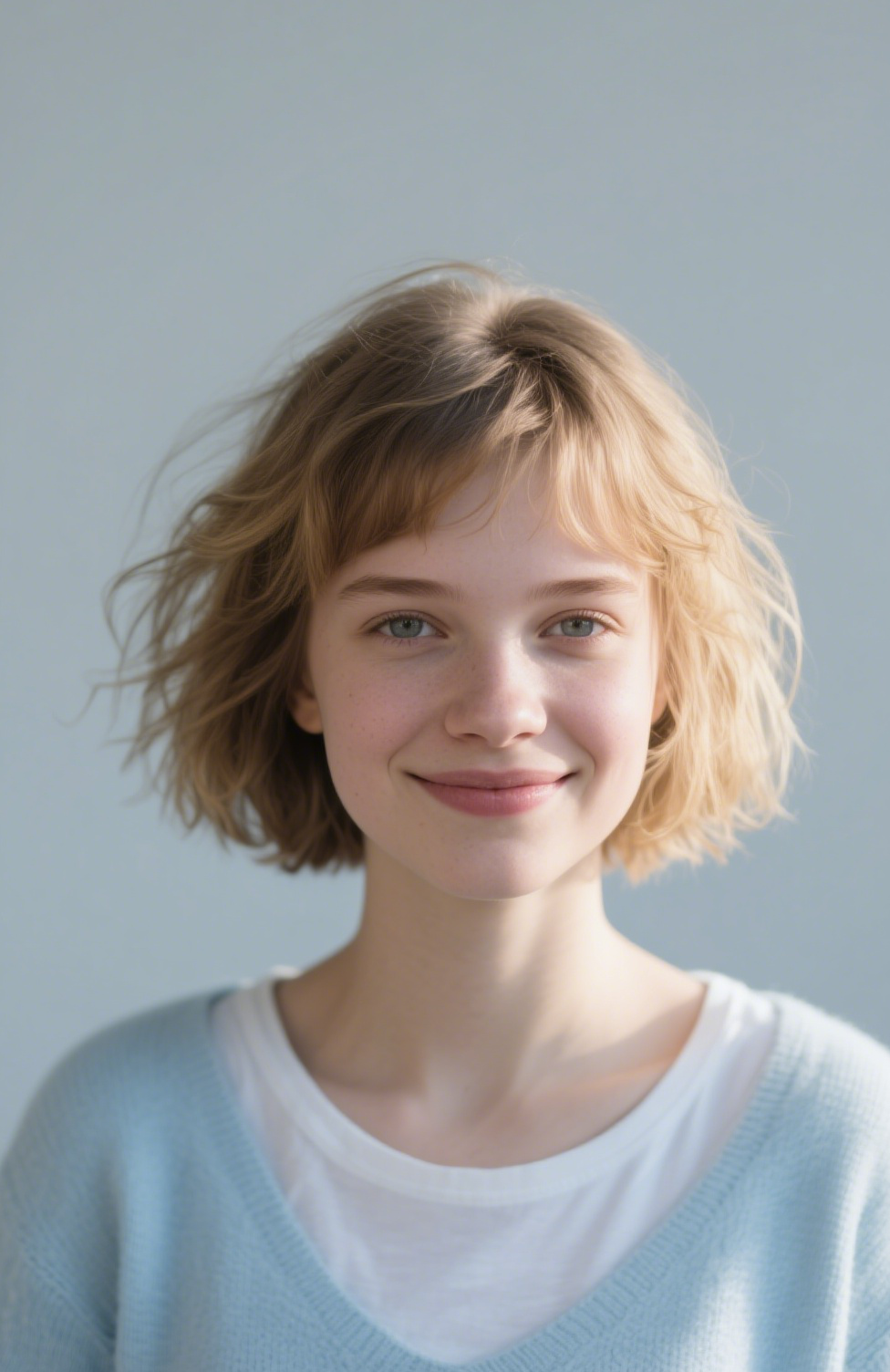
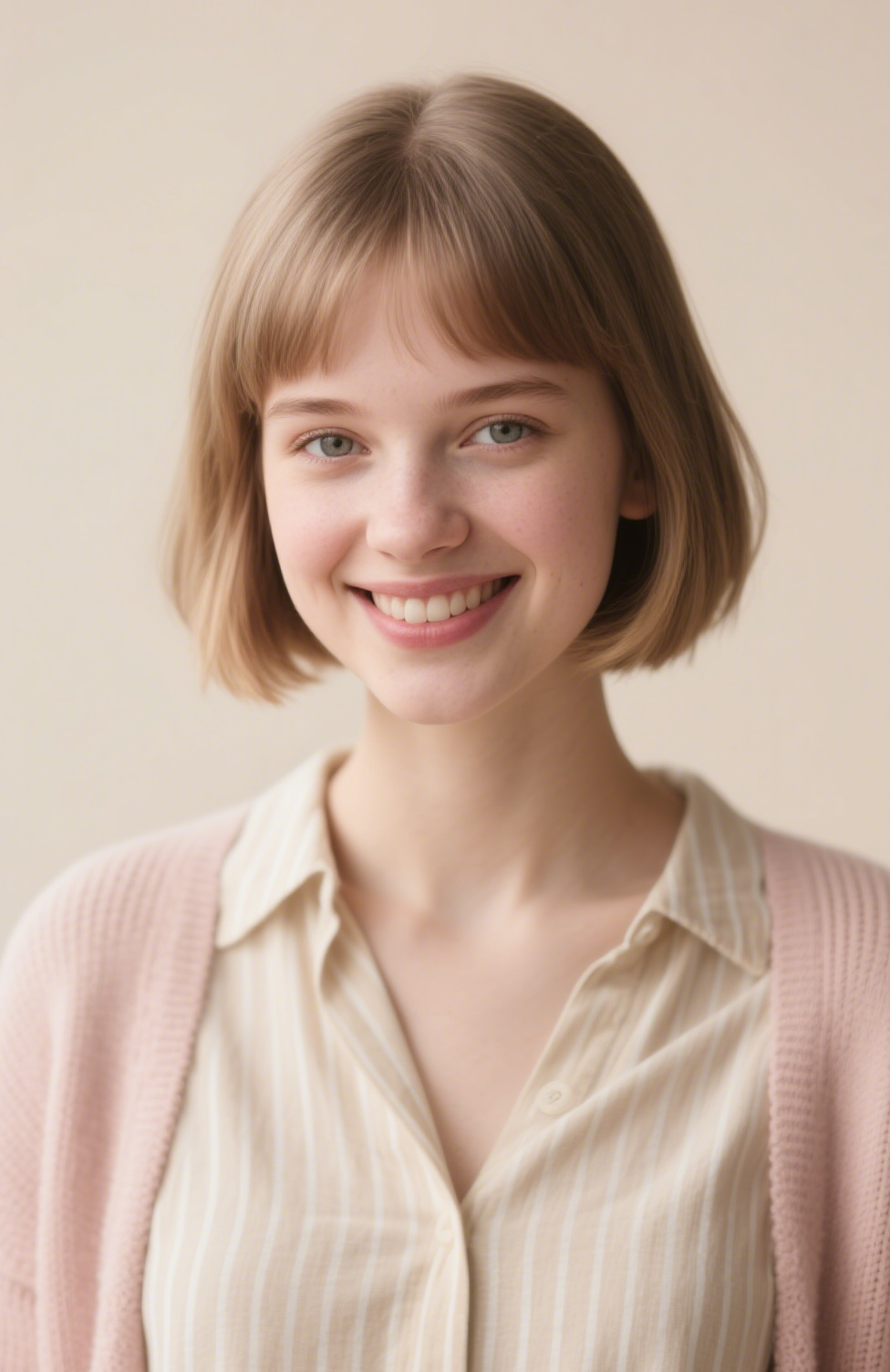




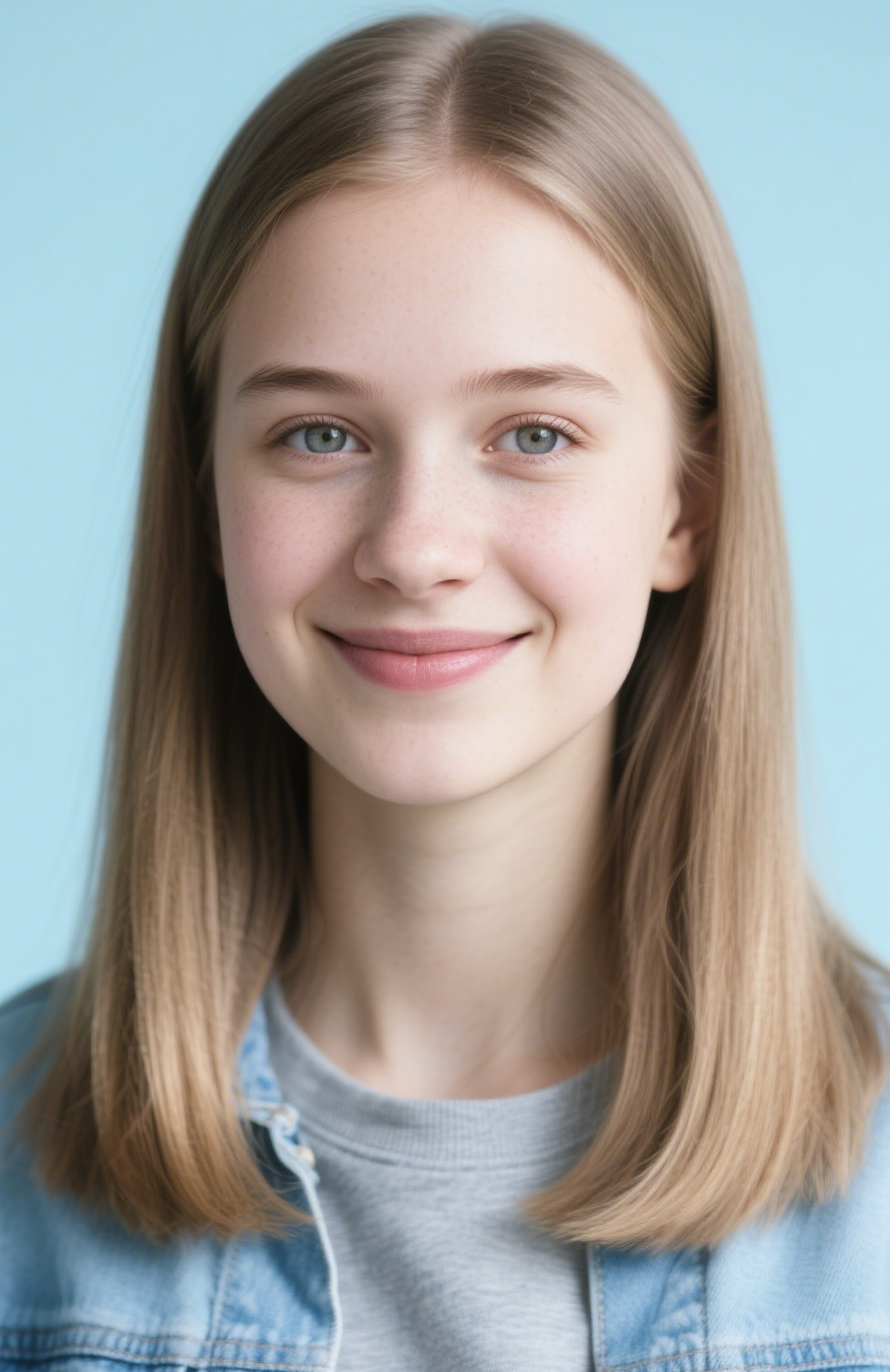
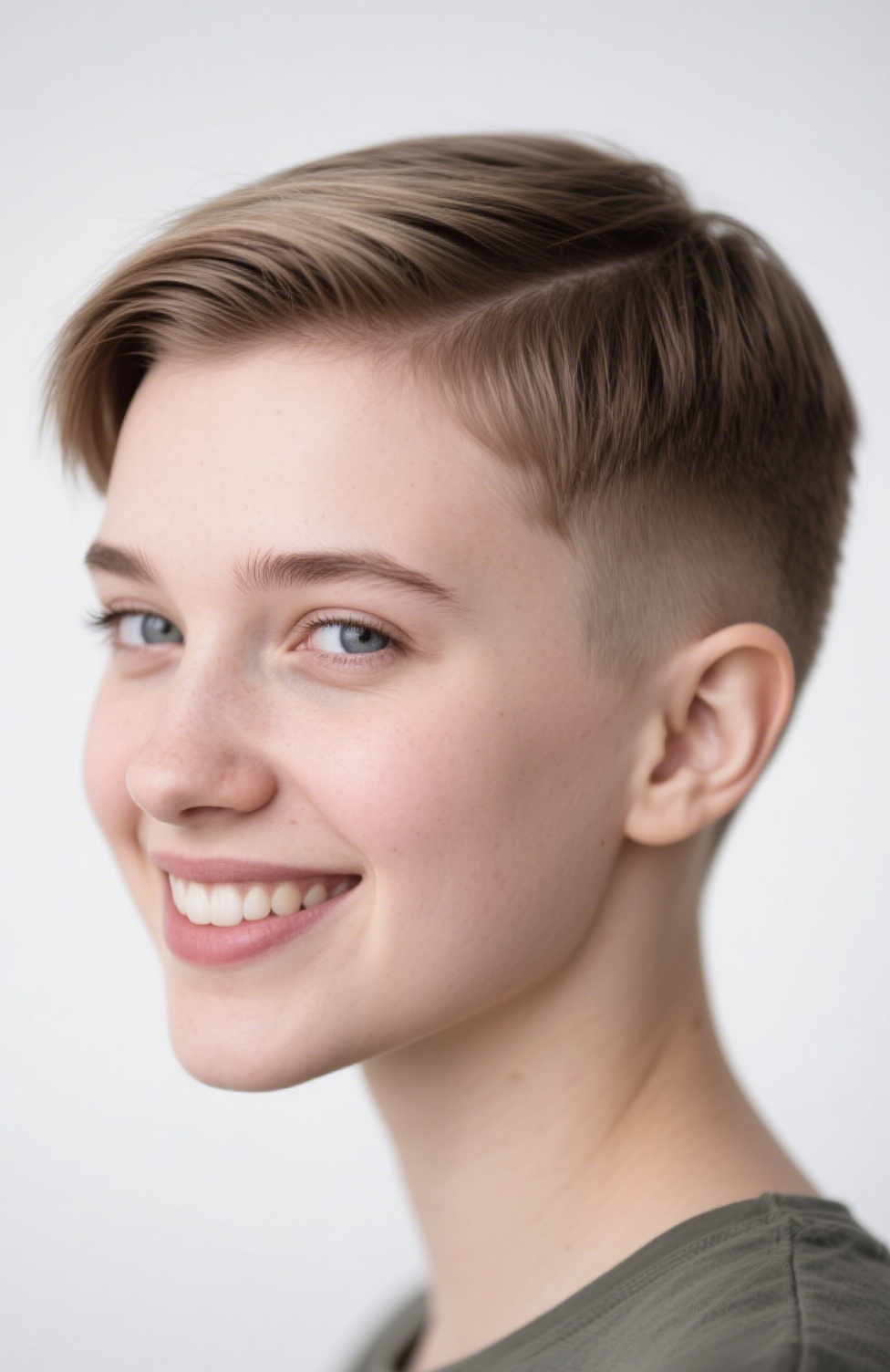
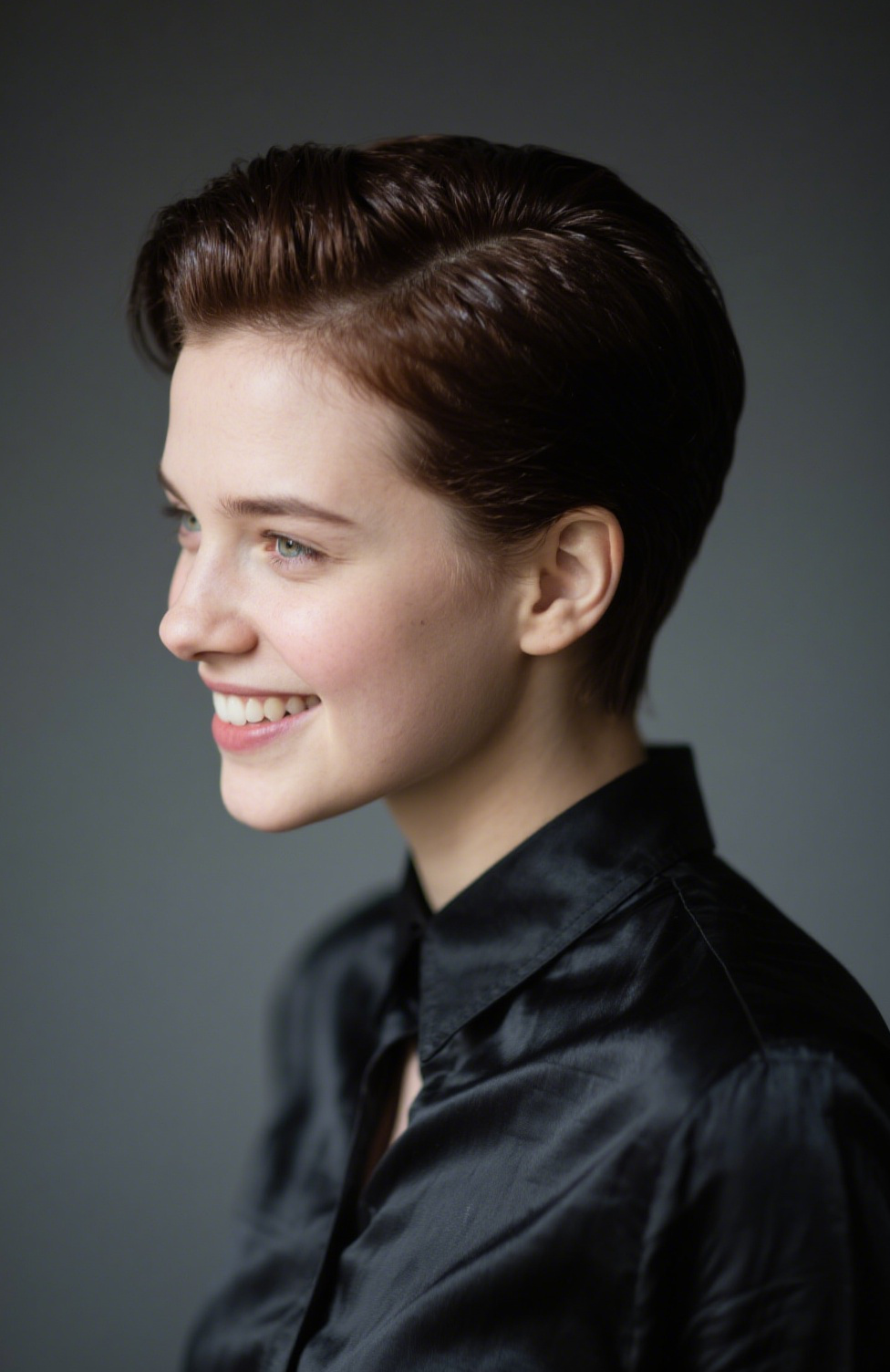

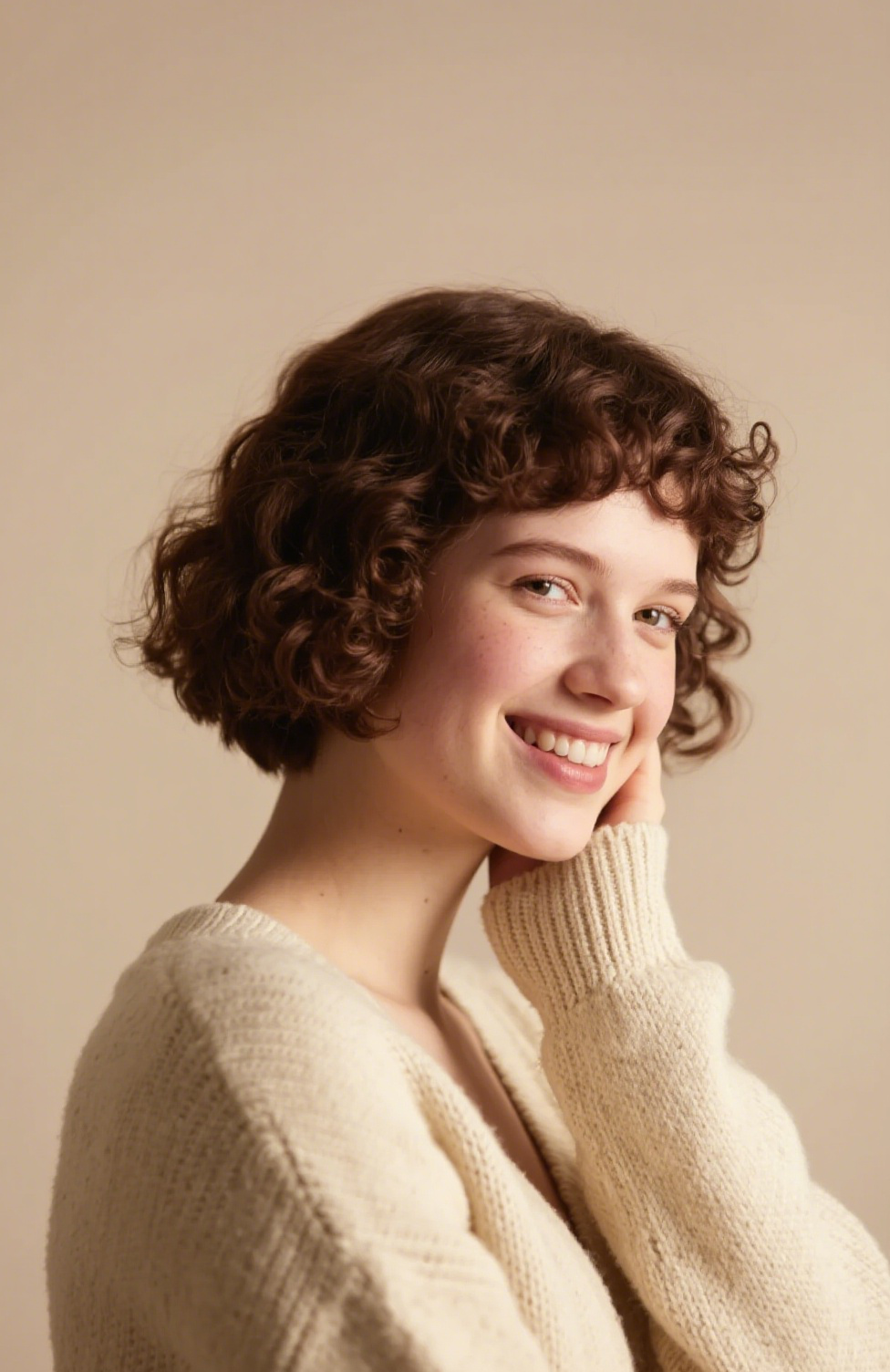

Choose your preferred style, then upload and process your photo on the left
The pompadour is more than a haircut-it is a cultural marker that has reinvented itself across centuries. From royal salons to rock-and-roll stages to today’s barbershops, the pompadour keeps its signature swept-back volume while adapting to modern fades, textures, and personal styling preferences. If you are weighing whether this dramatic silhouette fits your face shape, hair type, and lifestyle, this guide distills the history, key variations, styling steps, maintenance routines, and practical ways to preview the look with AI before you book a barber visit.
What Is a Pompadour? The History Behind an Iconic Hairstyle
The style takes its name from Madame de Pompadour, whose elevated front roll became a symbol of luxury in 18th-century France. That voluminous crest later inspired men’s grooming in the 1950s rockabilly era, when Elvis Presley and James Dean turned the pompadour into shorthand for rebellion and charisma. Rock revivalists kept it alive through the 1980s, and modern artists like Bruno Mars have pushed it back into mainstream fashion. The through line is simple: bold height at the front, hair swept upward and backward, and sharper sides that frame the silhouette.
The reason it endures is versatility. It can look regal with a slick finish, directional with a matte texture, or edgy when paired with a razor fade. It also projects intent-you are not stumbling into this hairstyle by accident. You are choosing a look with history, structure, and presence, whether you are stepping into a formal setting or a weekend concert.
Visual reference: 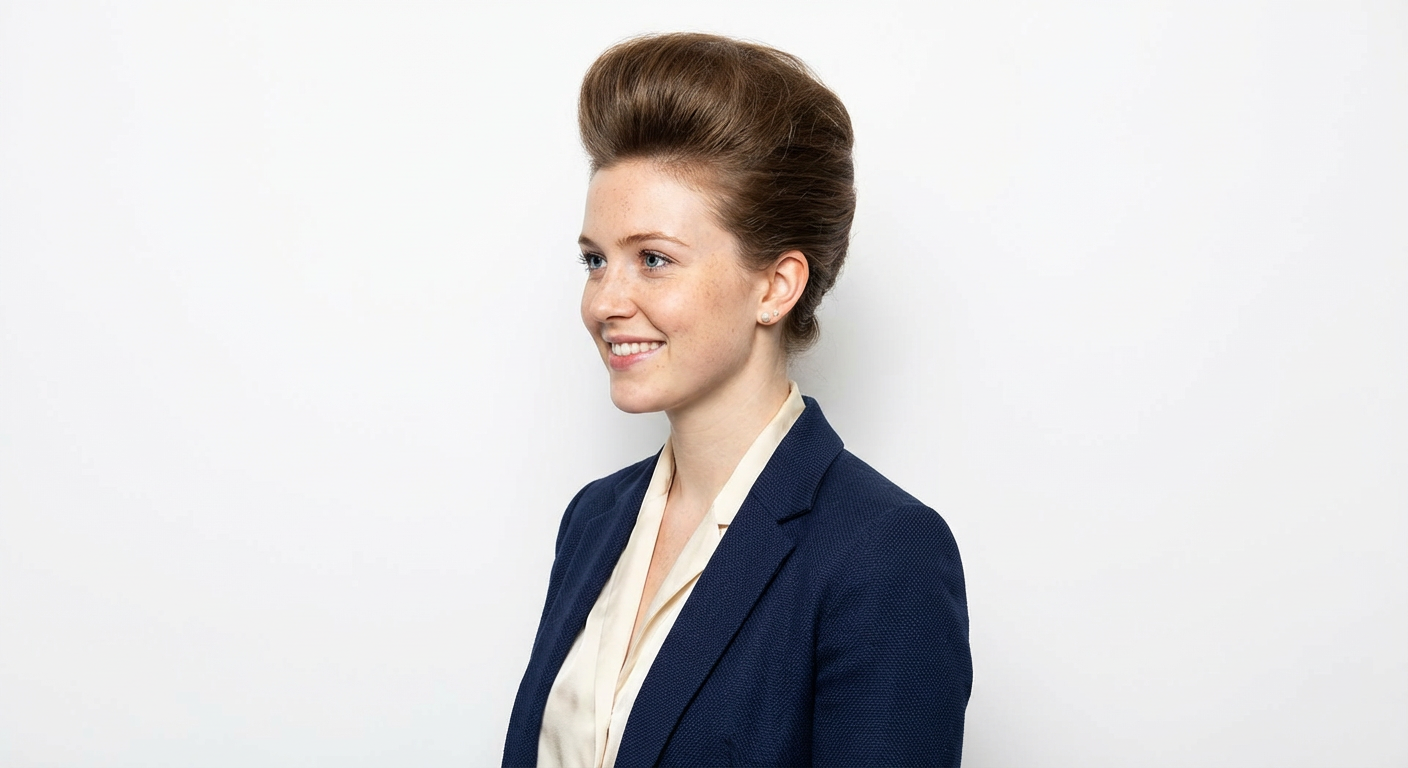
Not sure if the pompadour matches your features? Try it virtually with BlondeFilter’s AI hairstyle try-on-upload a photo, see the proportions instantly, and decide with confidence before you book.
Pompadour vs. Quiff: Understanding the Key Differences
A pompadour is structured and intentional: the top is lifted high and combed back, with tapered or faded sides for contrast. Shine or matte finishes both work, but the shape stays sculpted. The quiff is more relaxed and directional-you can push it up, forward, or slightly to the side, and it thrives on texture rather than precision. Pompadours reward thick, straight, or wavy hair and ask for daily blow-dry time; quiffs are friendlier to fine or curly hair and take less maintenance. If you want a dramatic, polished look that holds its shape, choose the pompadour. If you want casual height and movement, the quiff may suit you better.
Face shape considerations can also guide the decision. The pompadour’s height visually shortens longer faces and sharpens square jawlines. The quiff softens rounder faces with its looser edges. Both styles can be adapted, but the pompadour’s defined silhouette is the better fit when you want crisp lines and a strong profile.
Pompadour Variations: Which Style Is Right for You?
- Classic pompadour: Gradual taper on the sides, slicked-back blend into the voluminous top; ideal for formal settings and vintage appeal.
- Modern pompadour with fade: Low, mid, or high fade that sharpens contrast between the long top and tight sides; the go-to option for a current barbershop look.
- Pompadour undercut: Disconnected sides with a near-skin fade and a tall, separated top for maximum visual drama.
- Hard part pompadour: Razor-defined line that adds structure and a tailored finish to any fade height.
- Short pompadour: Around 3-4 inches on top for a lower-profile silhouette that still captures the signature sweep.
Visual references:
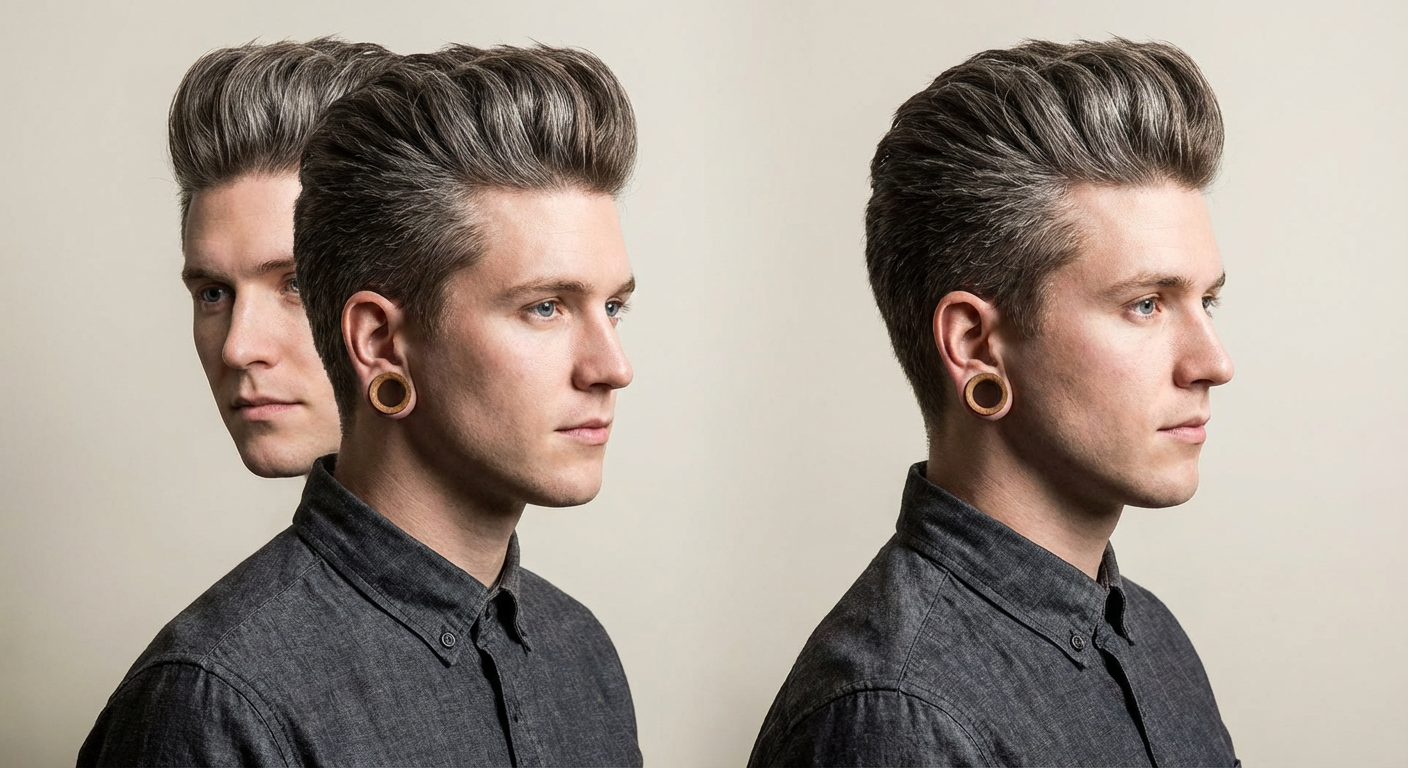
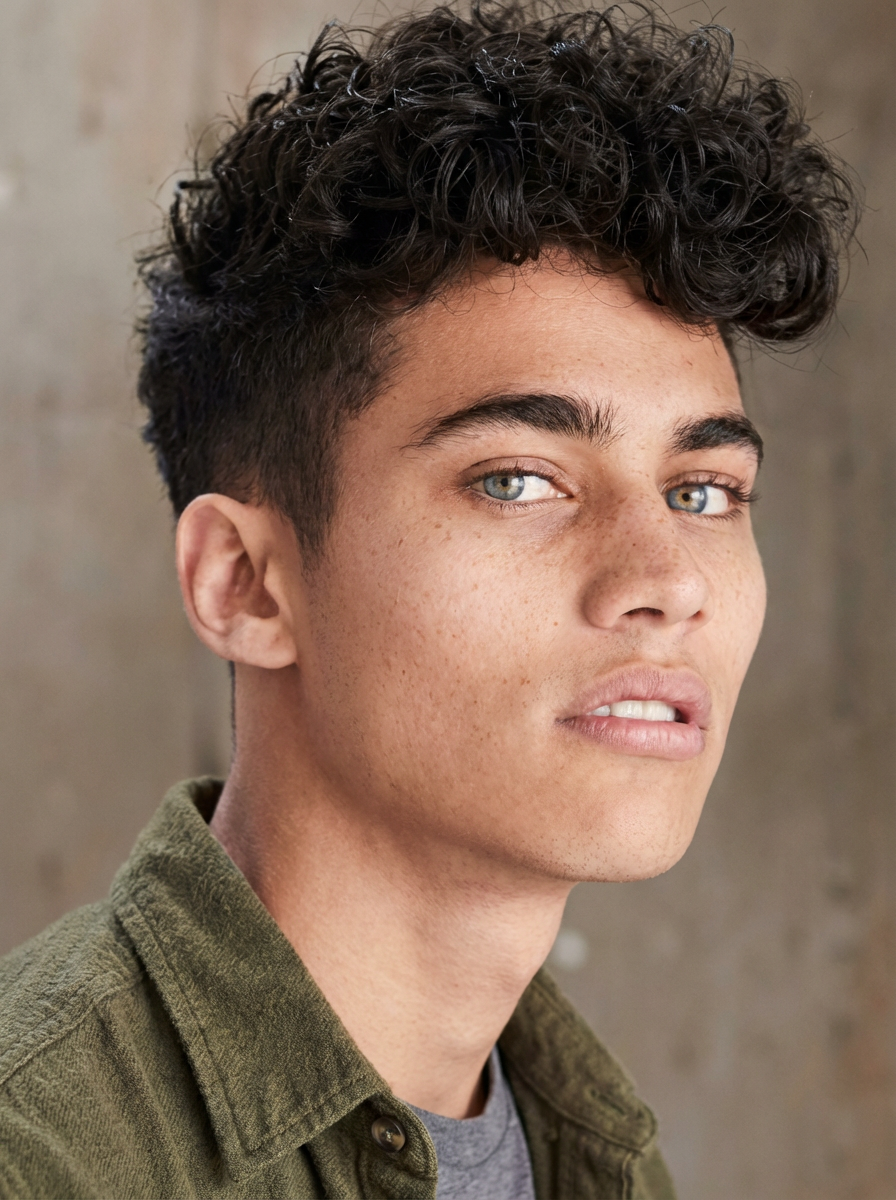 If you want to future-proof your choice, pair the variation with your day-to-day routine. Classic blends suit offices and formal wear; high fades and undercuts lean bold and fashion-forward; short pompadours reduce styling time without losing the shape. Curly or wavy hair can absolutely wear the pompadour-focus on stronger hold products and a fade that controls the sides while letting texture shine on top.
Can’t decide which variation fits you? Use BlondeFilter’s AI hairstyle filter to preview classic, fade, undercut, and short pompadours on your own photo and lock in your favorite version.
How to Get the Perfect Pompadour: A Step-by-Step Guide
Preparation and length: Plan for at least 4 inches on top (6-8 inches for dramatic lift) and much shorter sides. Straight and thick hair needs slightly less length for height; wavy or fine hair benefits from extra length up front. If you are growing out your hair, communicate a roadmap with your barber so interim trims keep the silhouette workable.
What to tell your barber: Specify the pompadour variation (classic taper, fade height, undercut, or short pomp), whether you want a hard part, and sideburn length. Bring photo references to eliminate guesswork and mention any cowlicks or texture quirks so the cut supports your natural growth pattern. Ask for guidance on blow-dry direction and product type before you leave the chair-barbers who cut a lot of pompadours often have time-saving tips tailored to your hair type.
Styling at home:
- Start with clean, towel-dried hair.
- Apply a pre-styler (mousse or conditioning foam) for lift.
- Blow-dry upward and backward with a round brush, focusing extra time on the front; set with a cool blast.
- Work a quarter-sized amount of product through the top only-oil- or water-based pomade for shine and hold; clay or wax for matte texture.
- Comb the front up and back to sculpt the height; finish with a light mist of hairspray for staying power.
Visual reference: 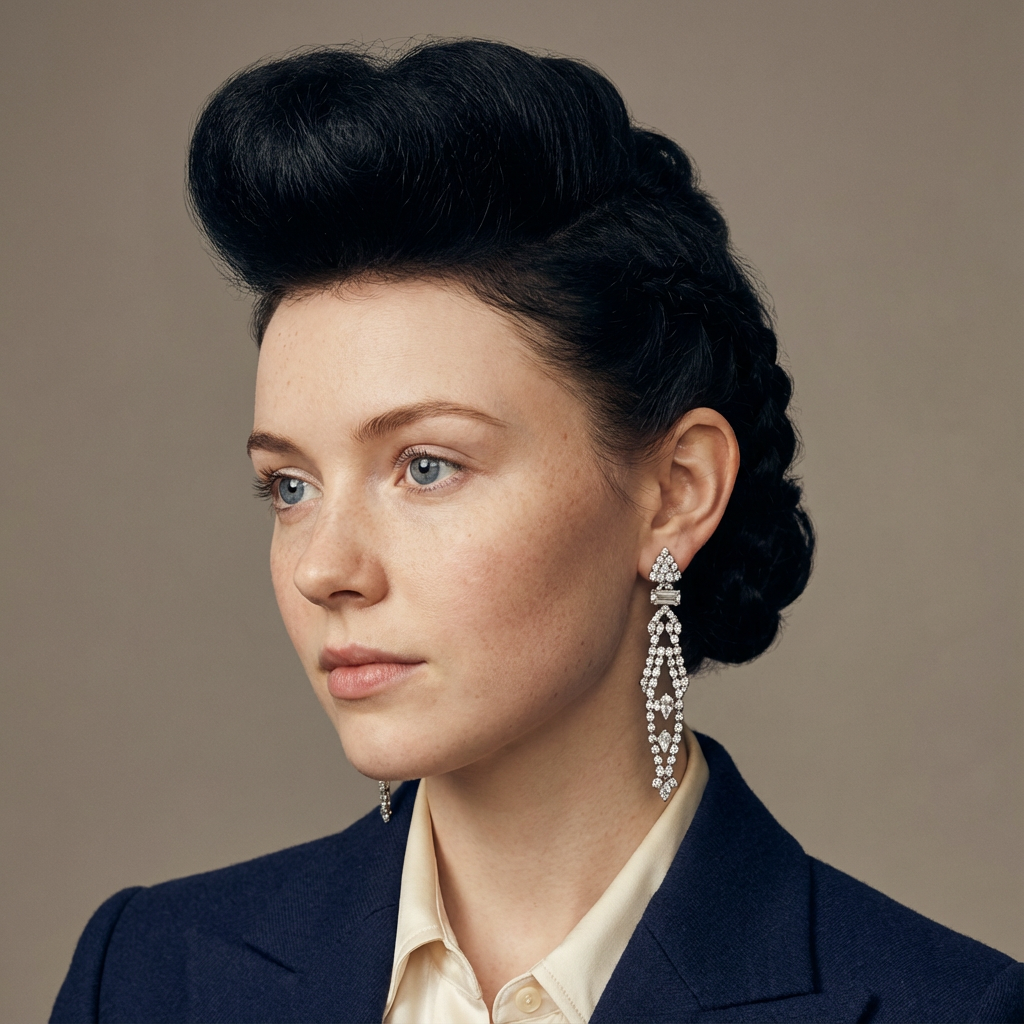
Before you book your appointment, virtually test-drive the pompadour with BlondeFilter’s AI try-on. You will walk into the shop knowing exactly how high, how tight, and how defined you want your cut.
Product Selection by Hair Type
- Thick or straight hair: Most products work; choose hold and shine based on taste. Water-based pomade for clean shine, oil-based for all-day grip, clays for matte control.
- Wavy hair: Strong-hold products help manage texture; layering a lighter root product with a firmer front finish keeps lift in place.
- Fine or thin hair: Use lightweight, water-based pomades or creams; matte finishes add the appearance of density. Go light on quantity to avoid collapse.
- Curly hair: Strong-hold water-based pomades plus heat styling set the shape while respecting texture; sea-salt or texturizing sprays can add definition before pomade.
Pair the right tools with the right formula. A round brush and a reliable blow dryer are essential for building height, while a fine-tooth comb perfects the surface. Keep a backup travel-size product for mid-day touchups if you are in a humid climate or have softer hair that relaxes over time.
Maintaining Your Pompadour: Tips for Long-Lasting Style
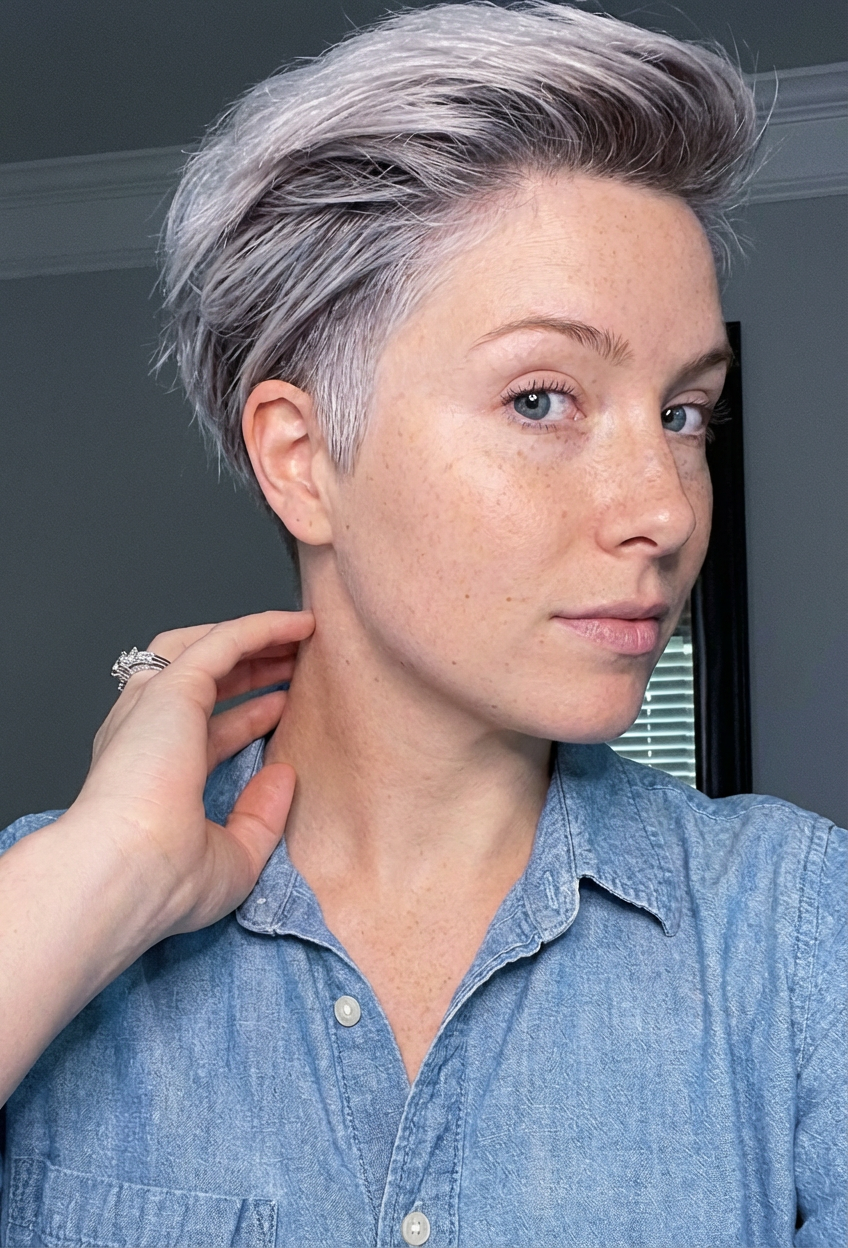
Daily styling takes 10-15 minutes: re-wet or wash, blow-dry for volume, apply product, comb into shape, and set with spray if needed. Expect trims every 3-6 weeks to keep fades clean and the silhouette crisp; skipping trims softens the contrast and makes styling harder. Wash out products thoroughly-especially oil-based formulas-and use quality shampoo and conditioner to keep hair and scalp healthy.
Build a maintenance rhythm. Schedule your trims on a recurring calendar so the cut never collapses. Rotate between shine and matte products based on occasion and season. If you use heavier pomades during the week, give your hair a break on weekends with lighter creams so your scalp stays balanced.
Visual references:
 If you still feel uncertain, BlondeFilter’s virtual hairstyle simulator removes the guesswork: see the exact height, taper, and finish on your own face before committing.
Try Your Pompadour Virtually Before You Commit
Virtual try-on is the fastest way to move from curiosity to confidence. Upload your photo, rotate through classic, modern fade, undercut, and short pompadour options, and compare them against your face shape and hair density. Share the preview with your barber so you are both aligned on length, fade height, and finish. It is the most efficient path to a result that matches your expectations.
Frequently Asked Questions About the Pompadour
What exactly is a pompadour haircut? A men’s hairstyle with longer hair swept upward and backward for height, paired with shorter tapered or faded sides for contrast.
What does pompadour mean in slang? It usually refers to the style itself; shorthand like “pomp” and nicknames such as the Elvis cut or jelly roll came from the 1950s era.
Did Elvis wear a pompadour? Yes. His high-shine, high-volume look cemented the pompadour’s reputation and helped make it globally recognizable.
What is the difference between a quiff and a pompadour? Pompadours are sculpted straight back with deliberate height and higher maintenance; quiffs are looser, can be pushed in multiple directions, and are generally easier to style.
The pompadour is a statement cut that rewards intention and upkeep. Start with a virtual preview through BlondeFilter, choose the variation that fits your routine, and head to your barber with a clear plan. Ready to move? Upload your photo to BlondeFilter now, pick your pompadour style, and book your next cut with confidence.