
Pixie Cut Guide | BlondeFilter AI Hairstyle Try-On
Thinking about a pixie cut? See 2025 trends, face-shape tips, styling and maintenance advice, then try it on instantly with BlondeFilter.


Click or drag photos here to upload
Supports JPG, PNG formats, max 5MB, JPEG format recommended
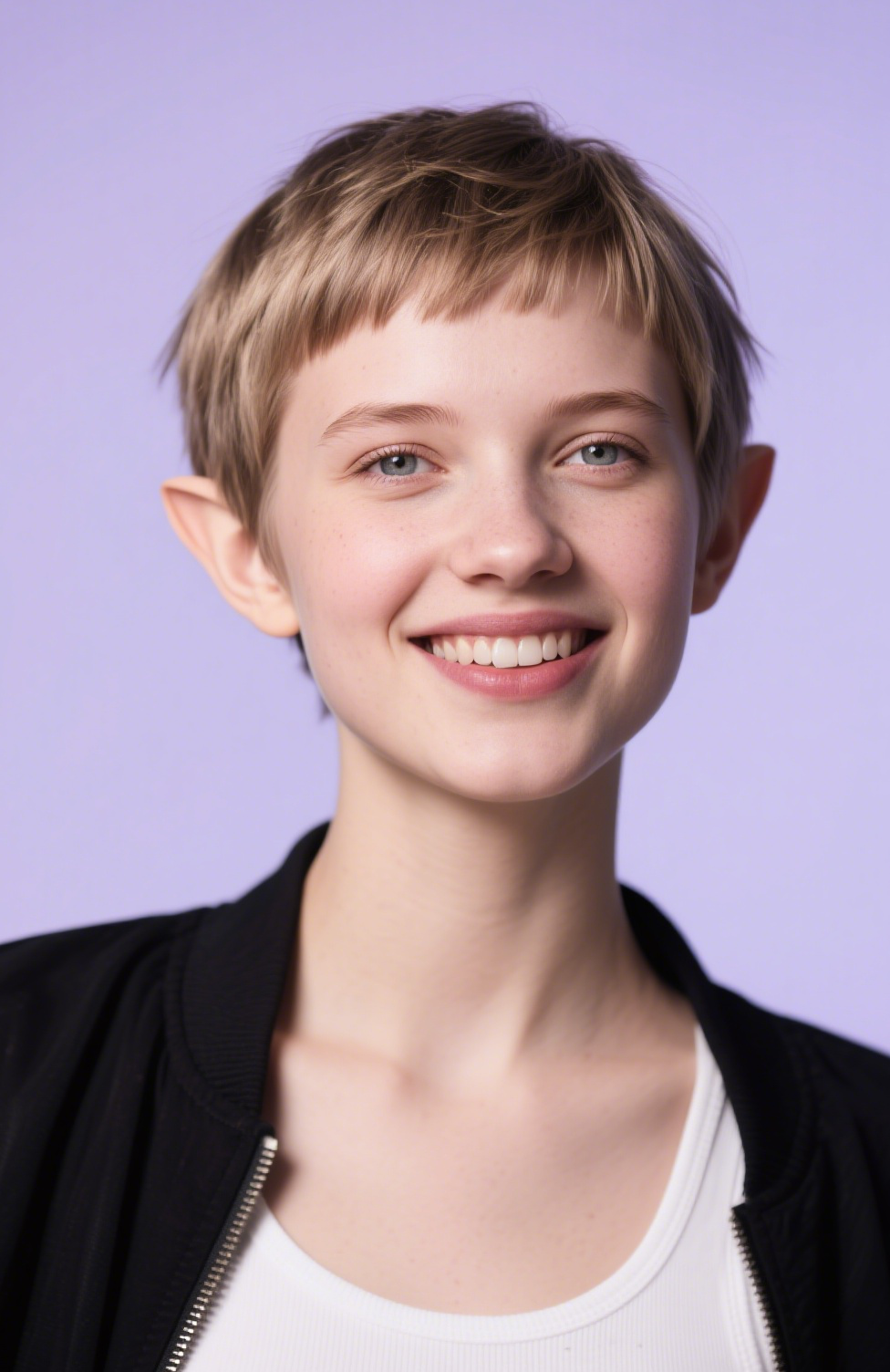
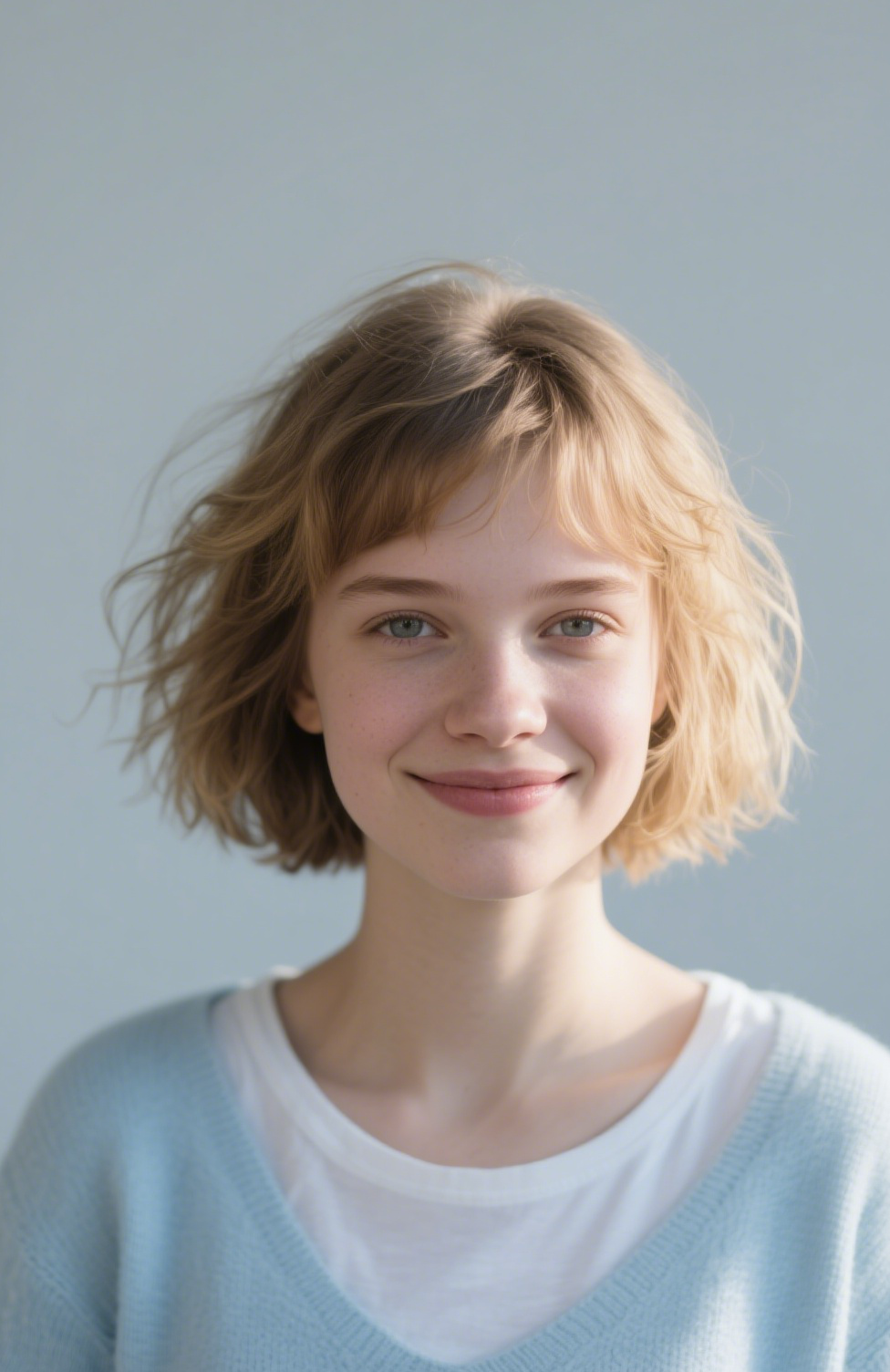

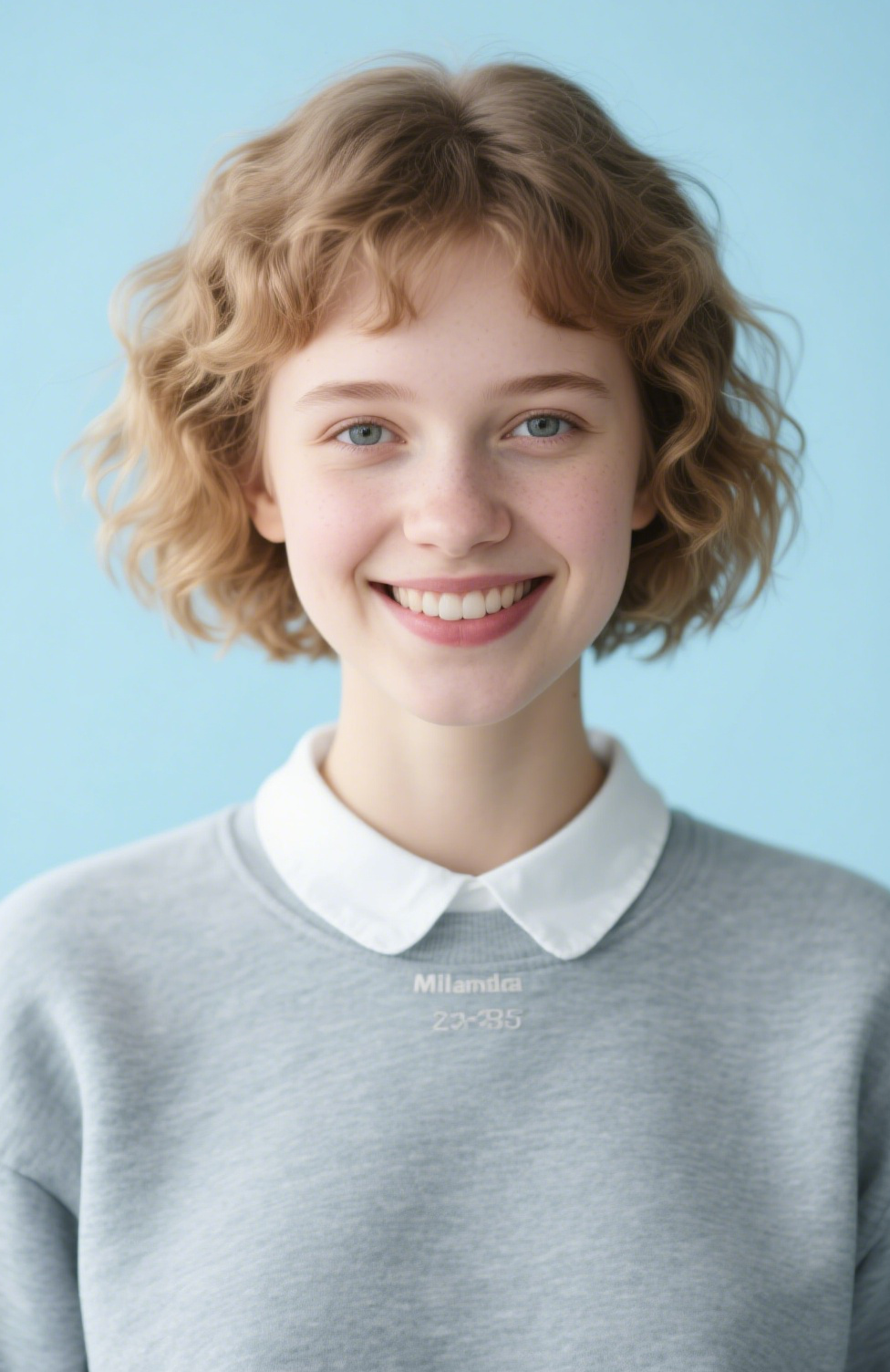

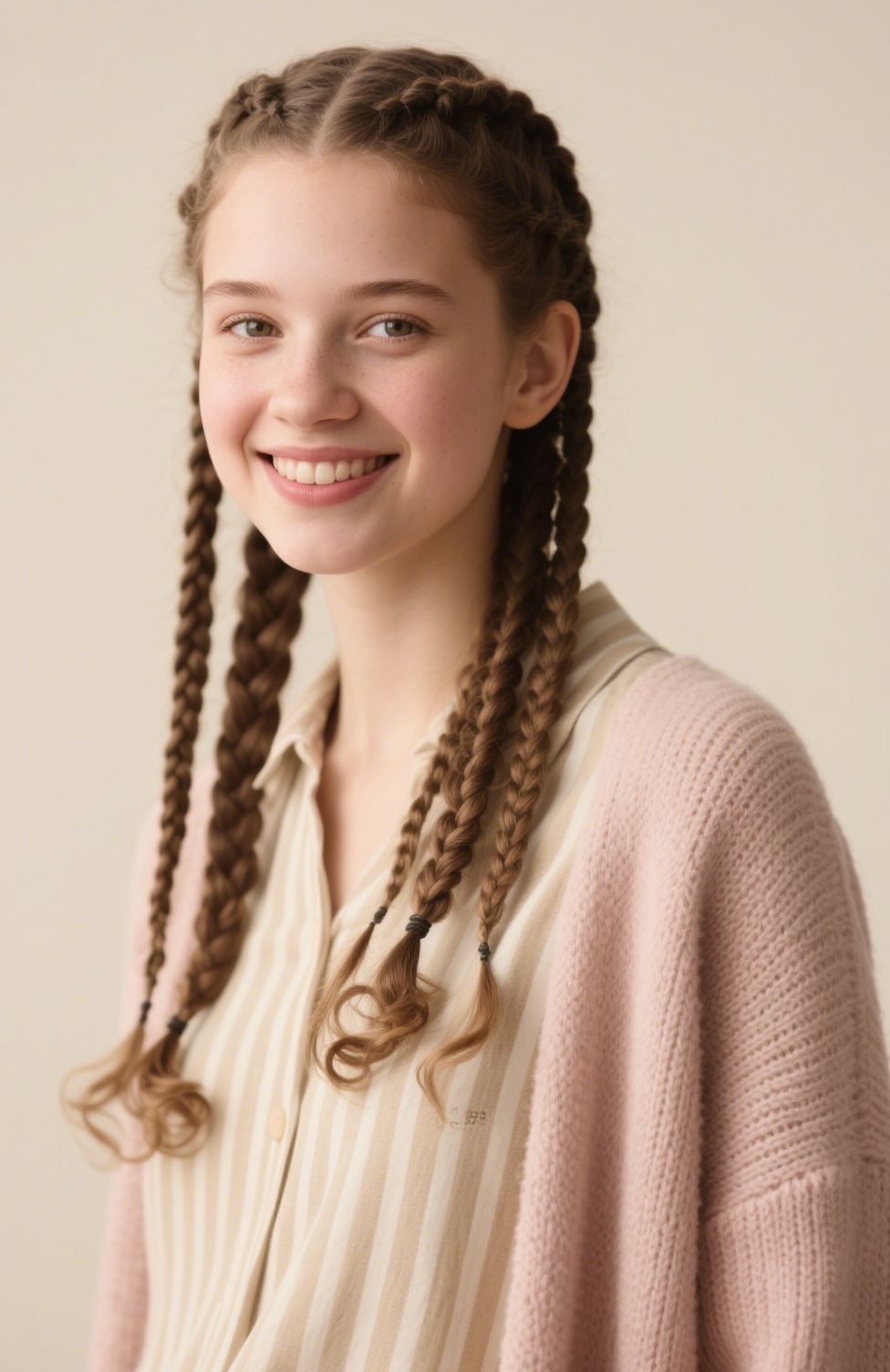
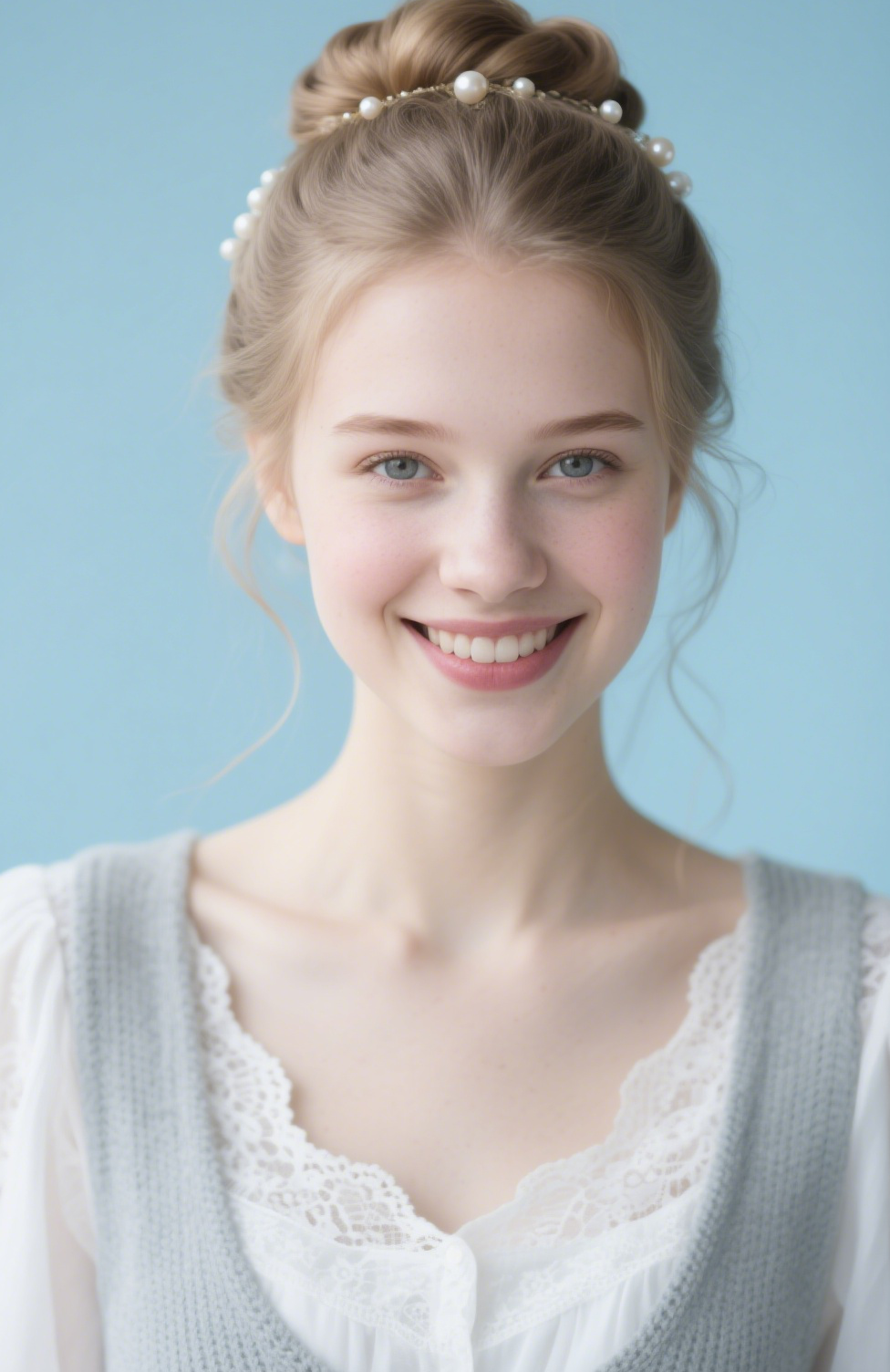
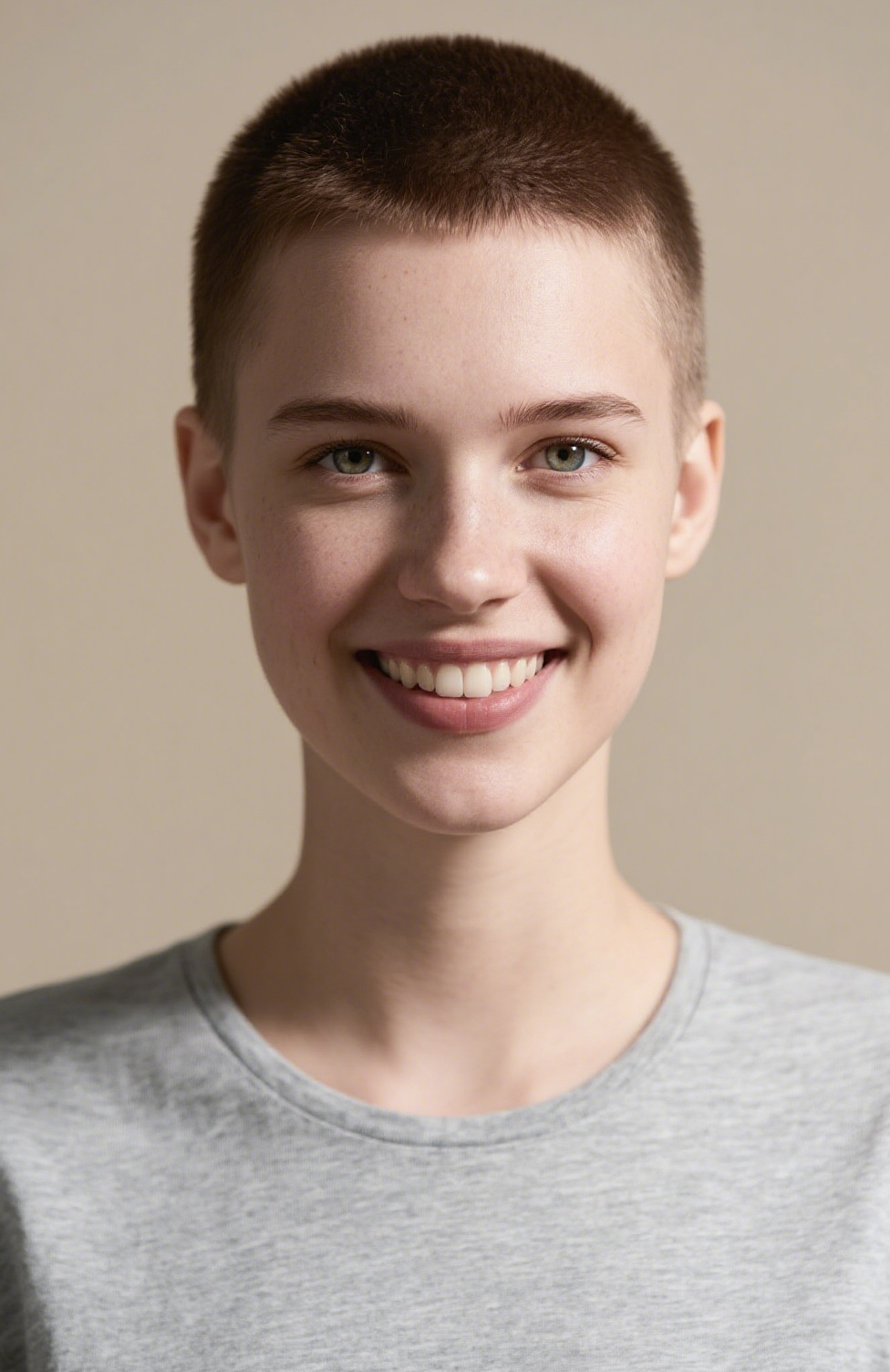
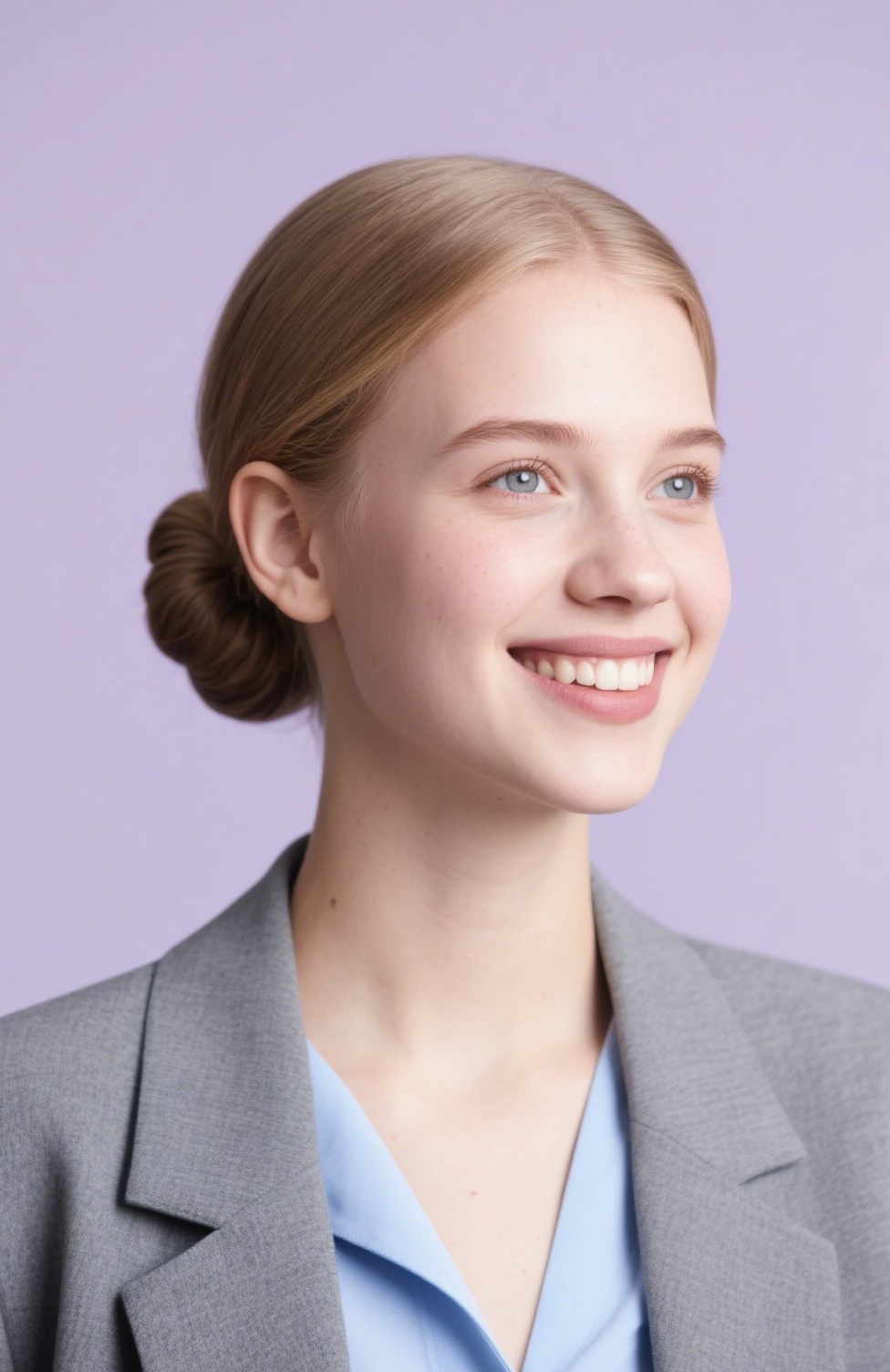


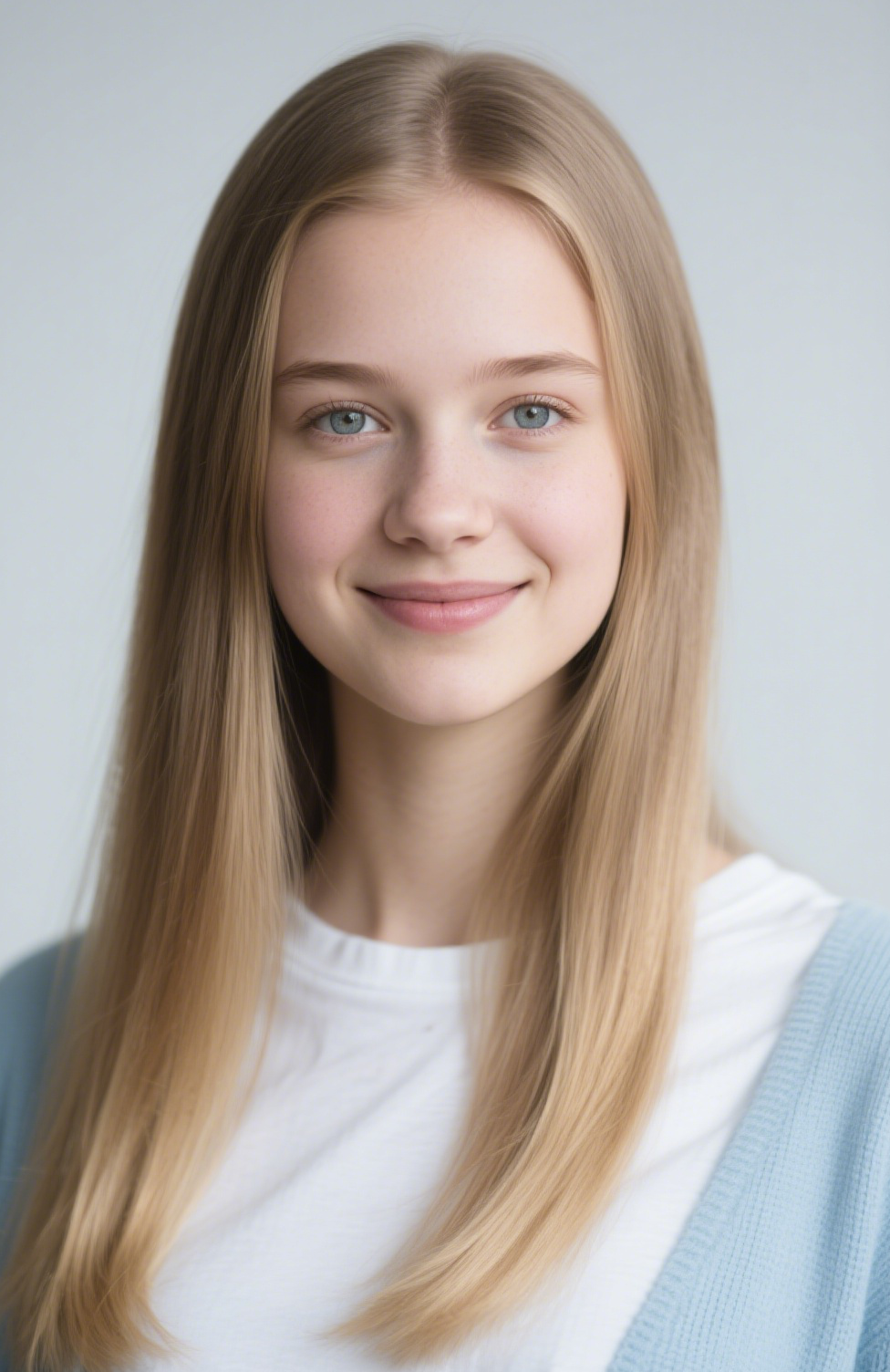
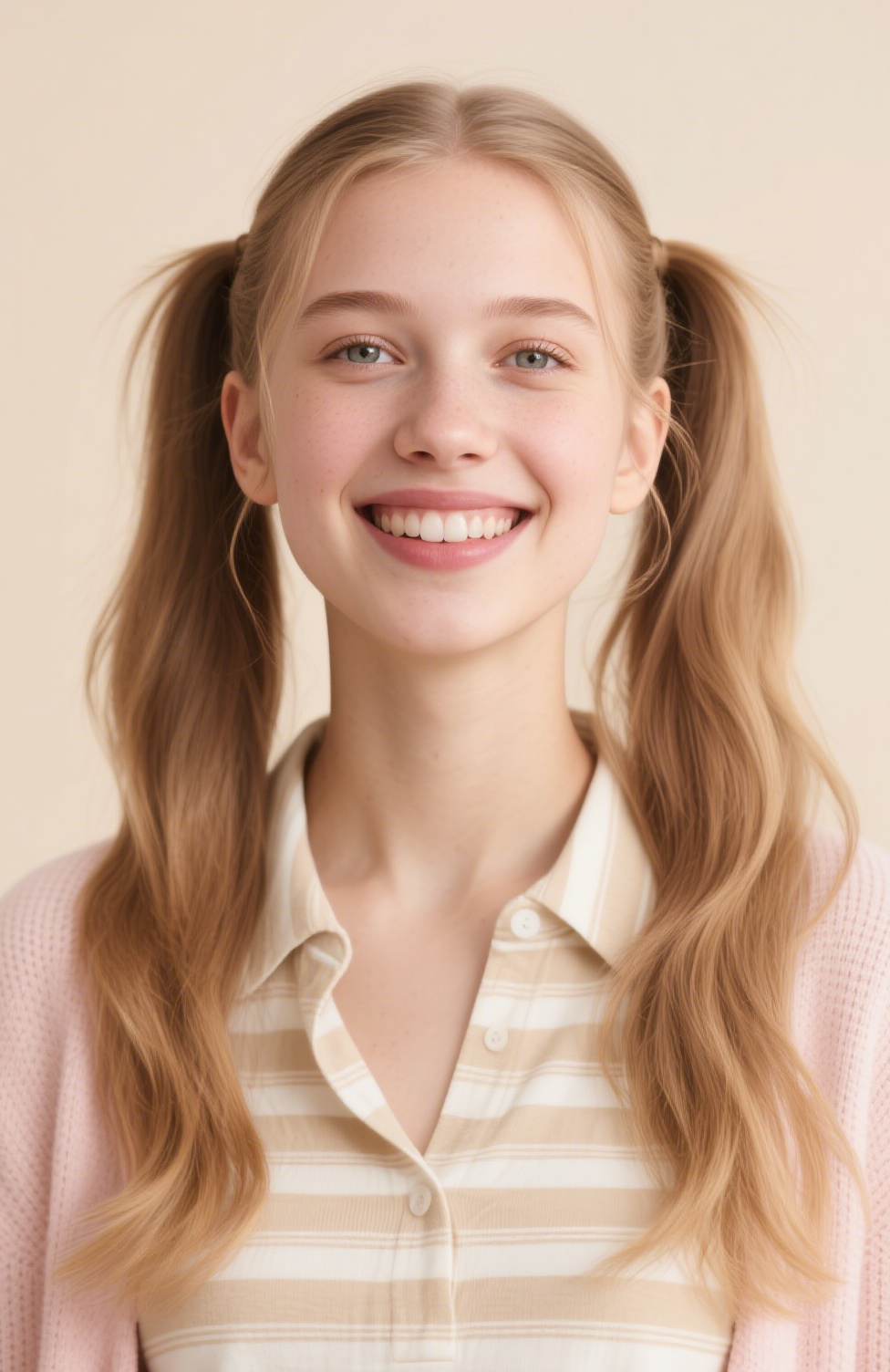
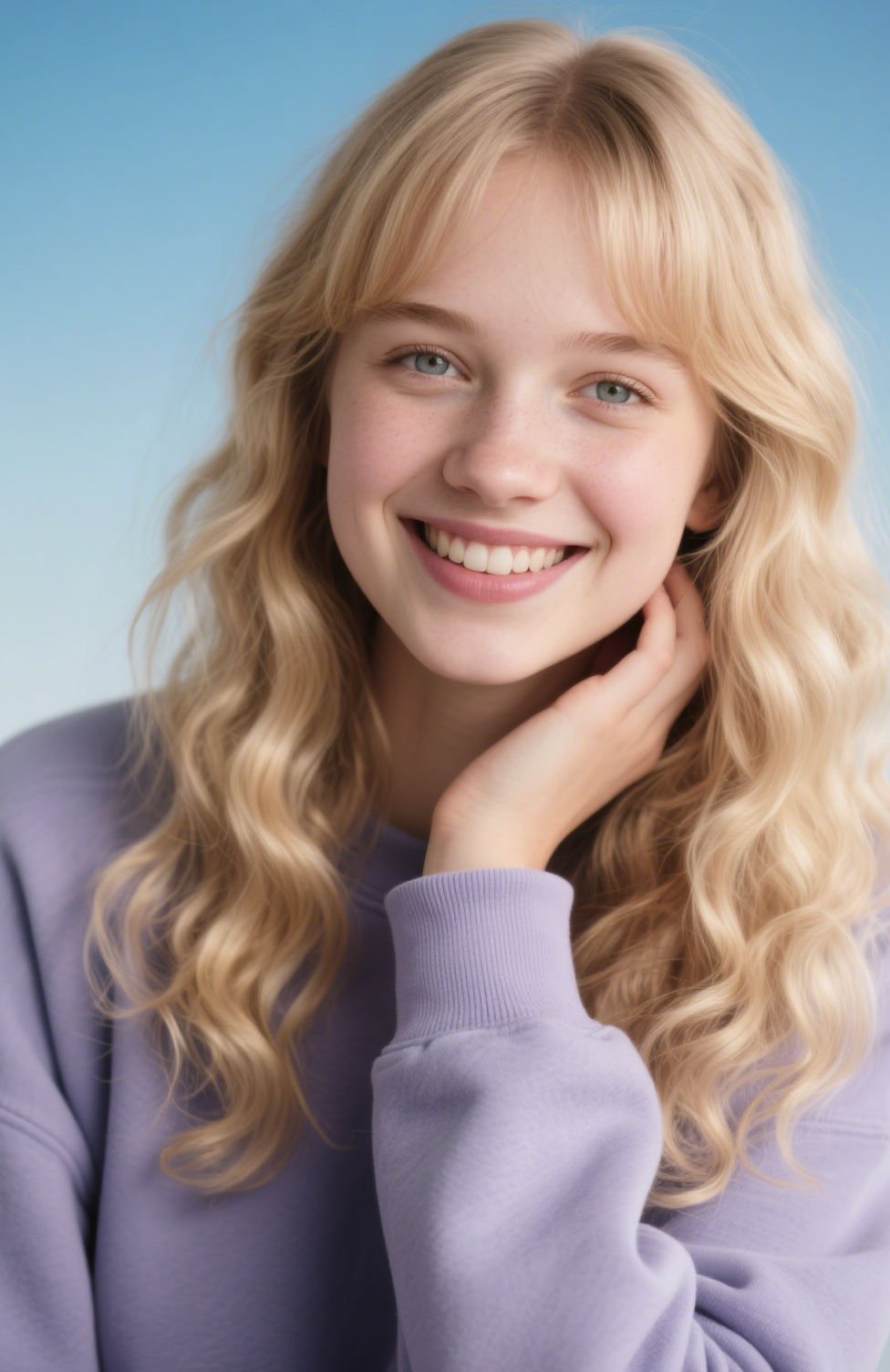
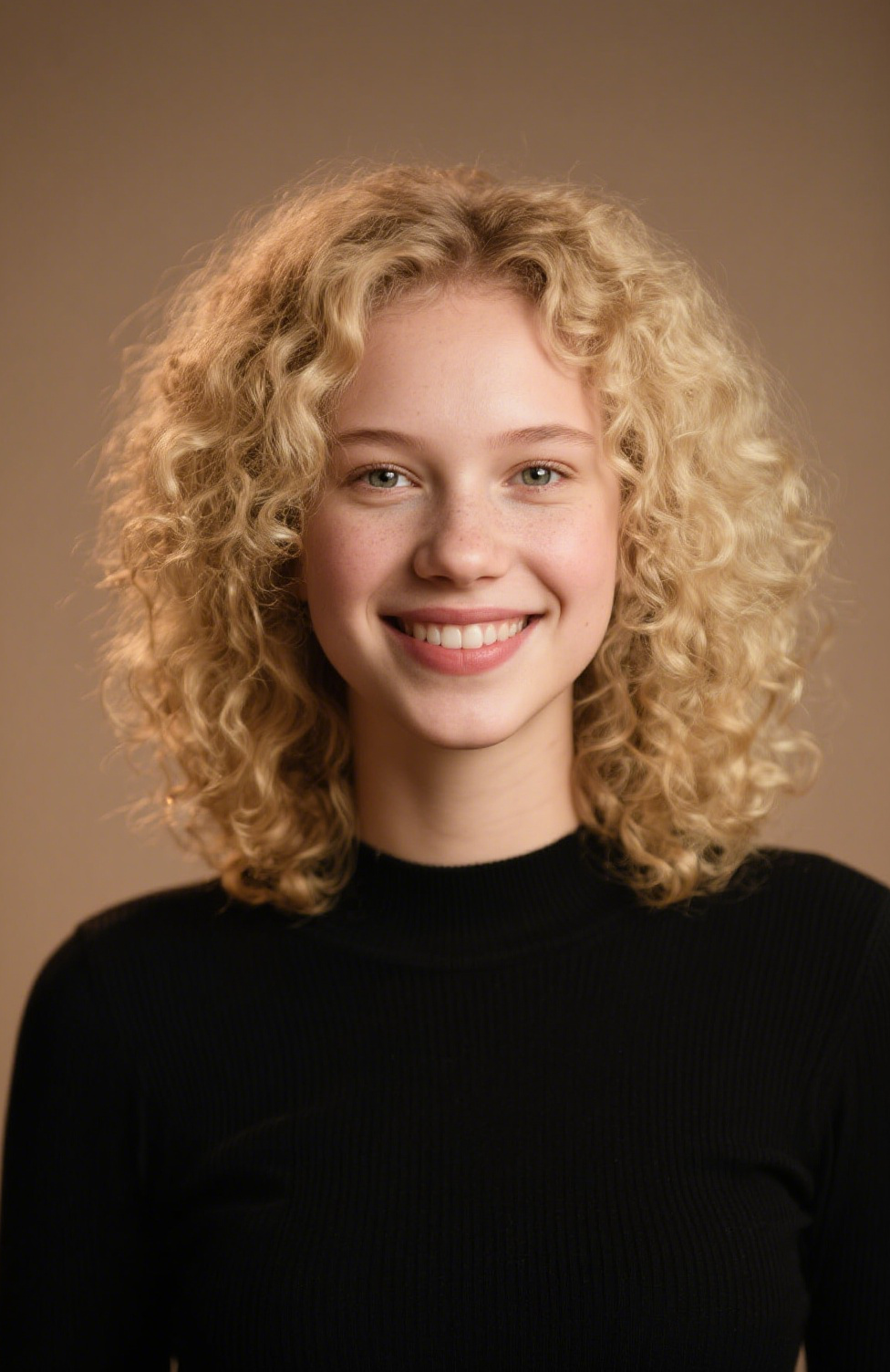
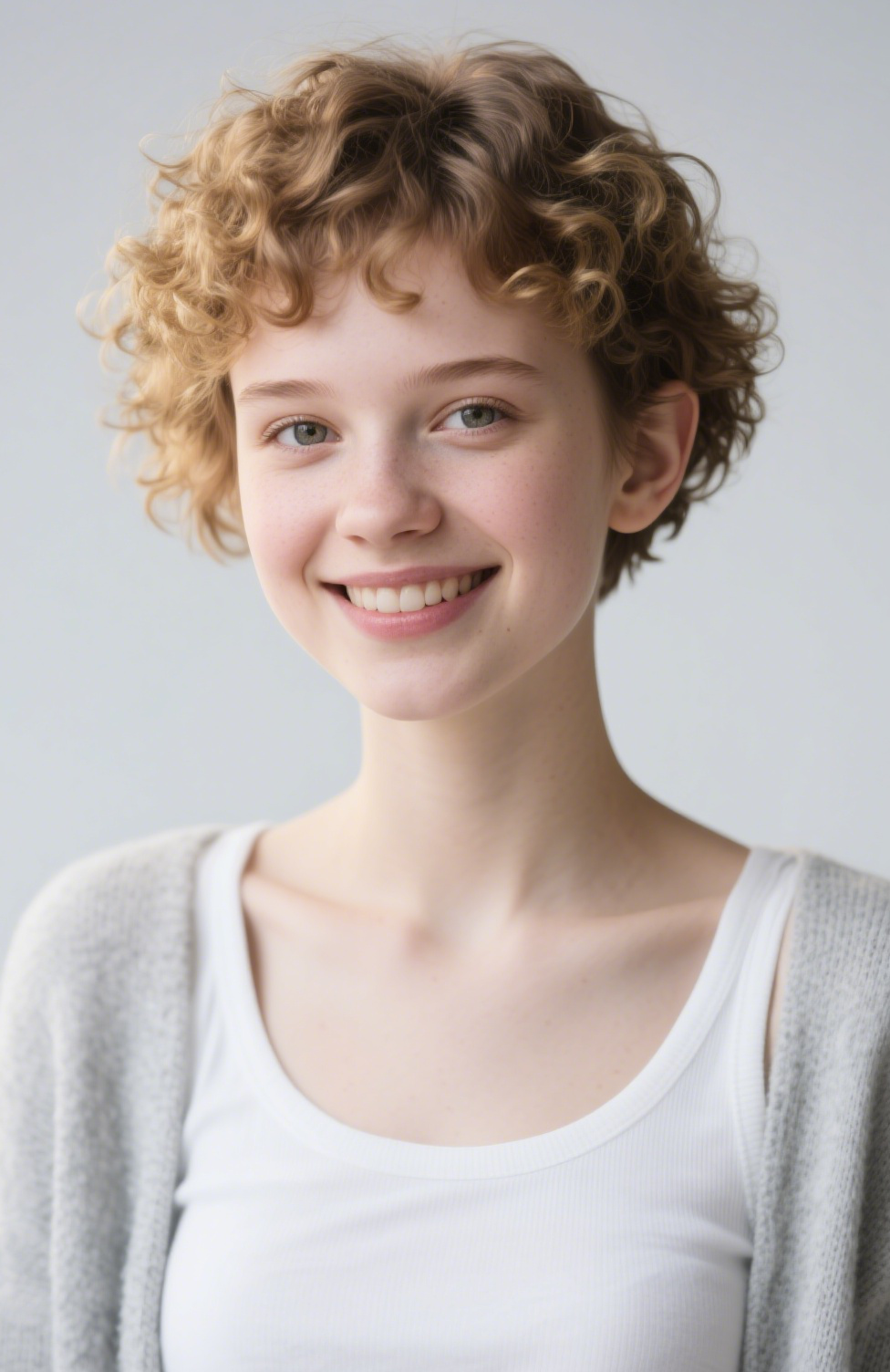
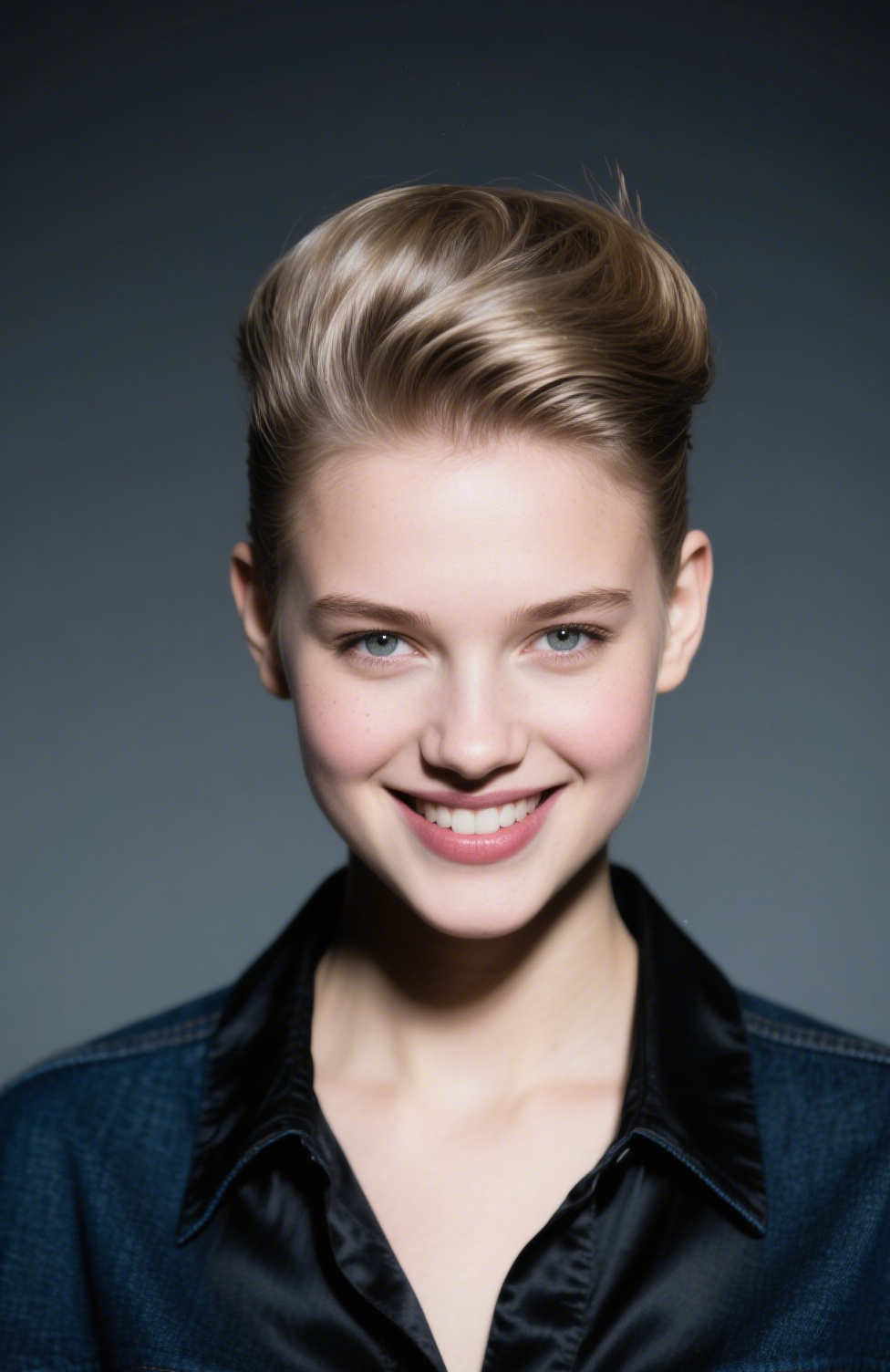
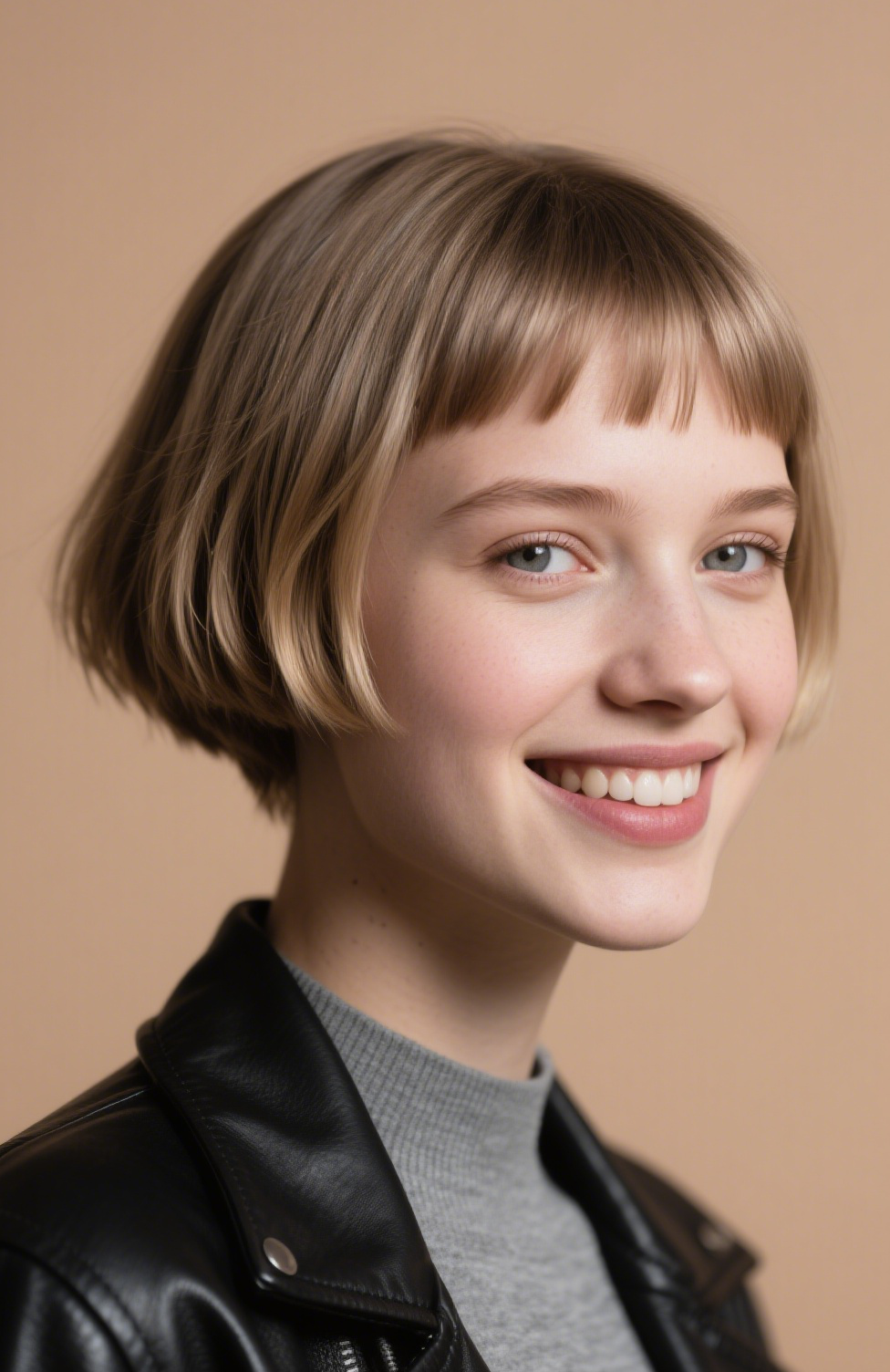
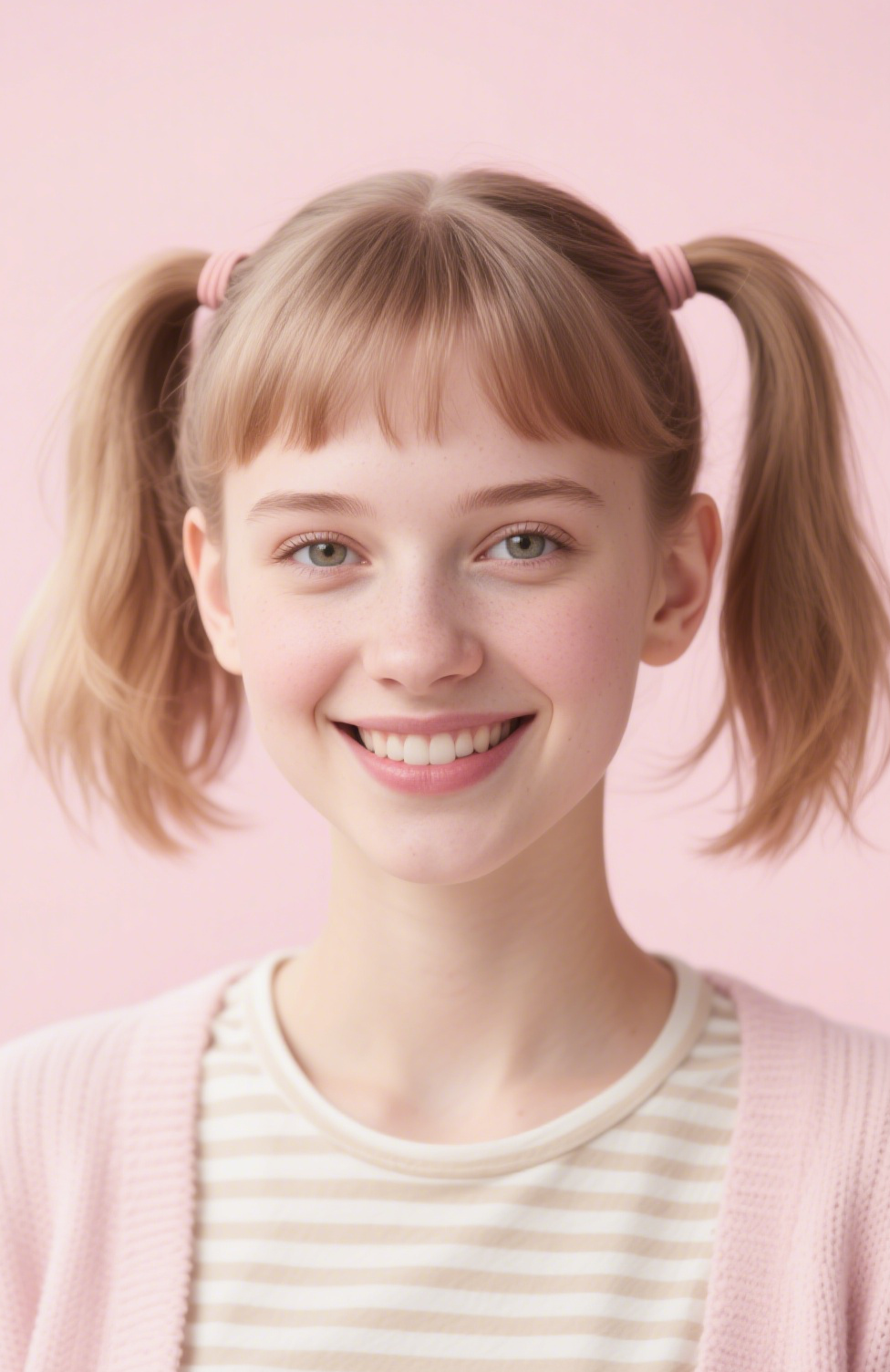
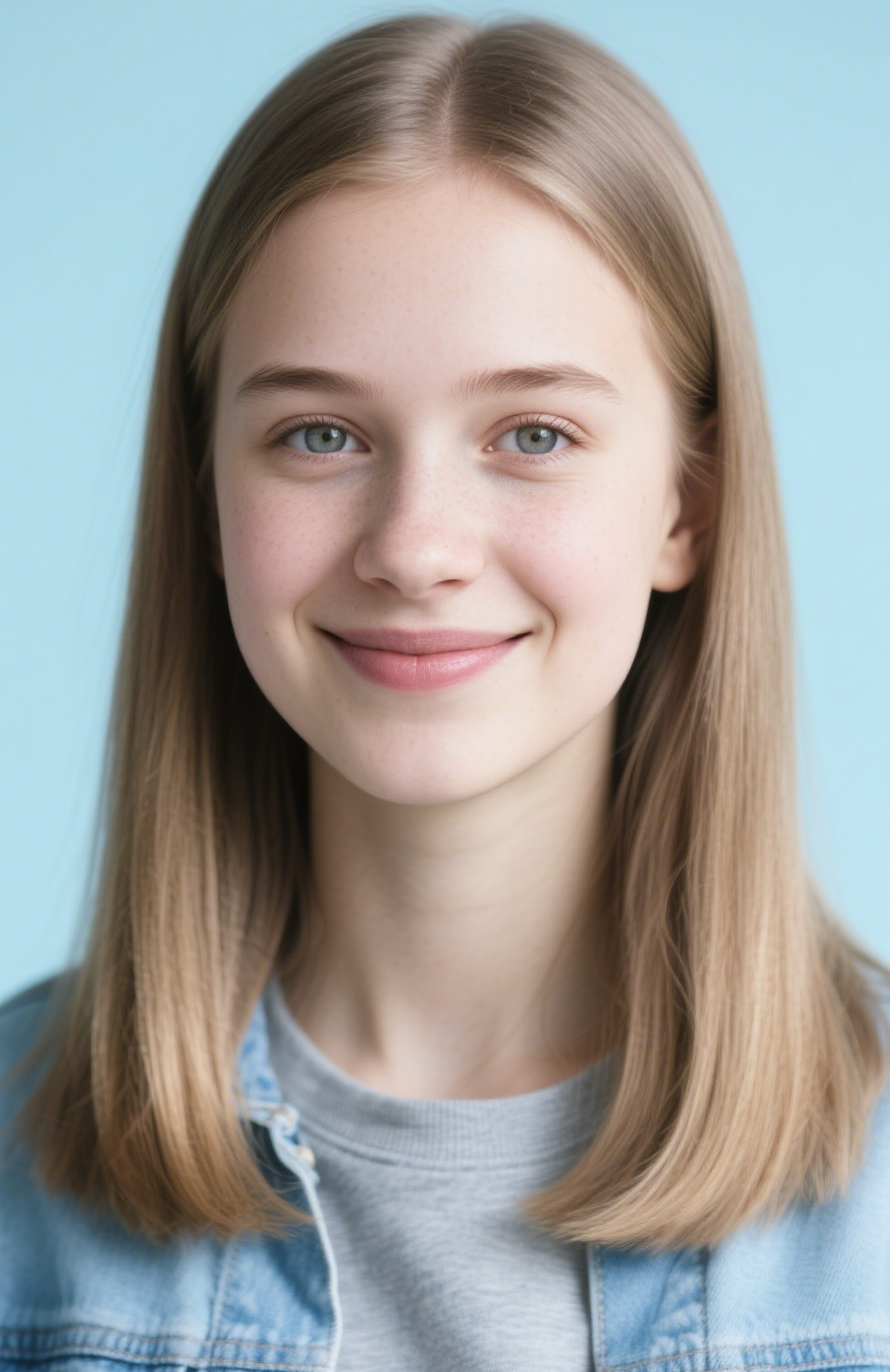
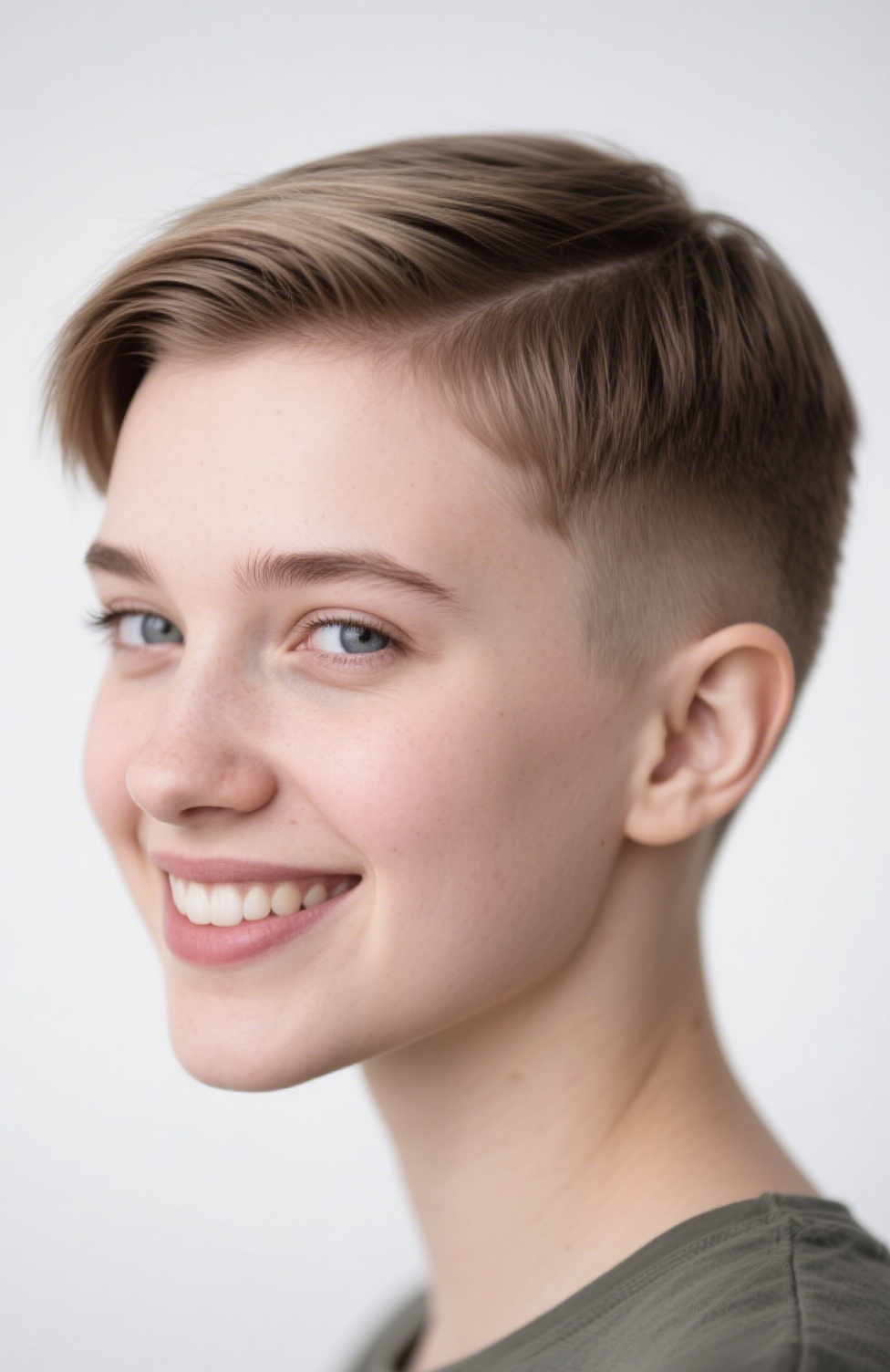
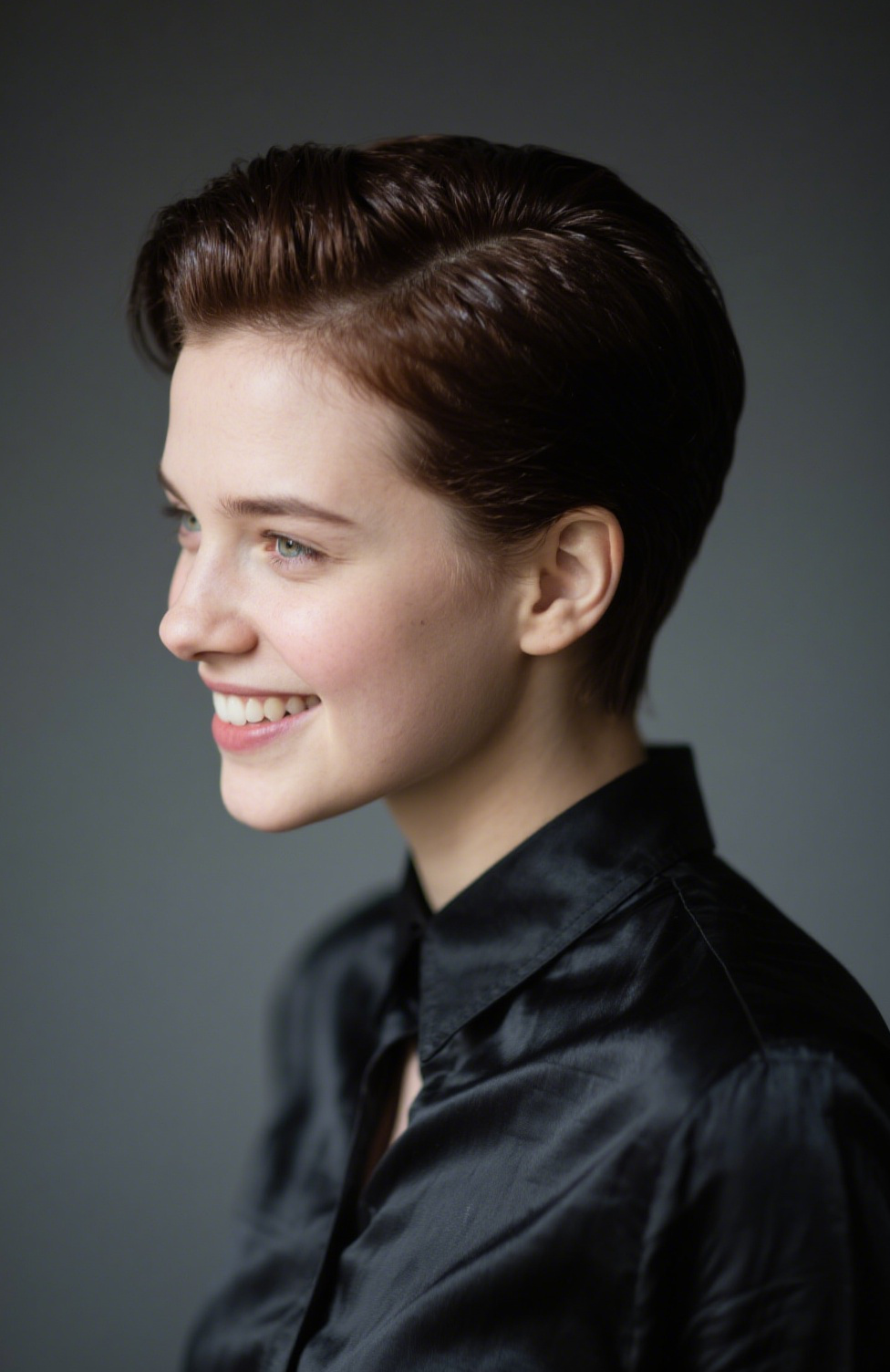

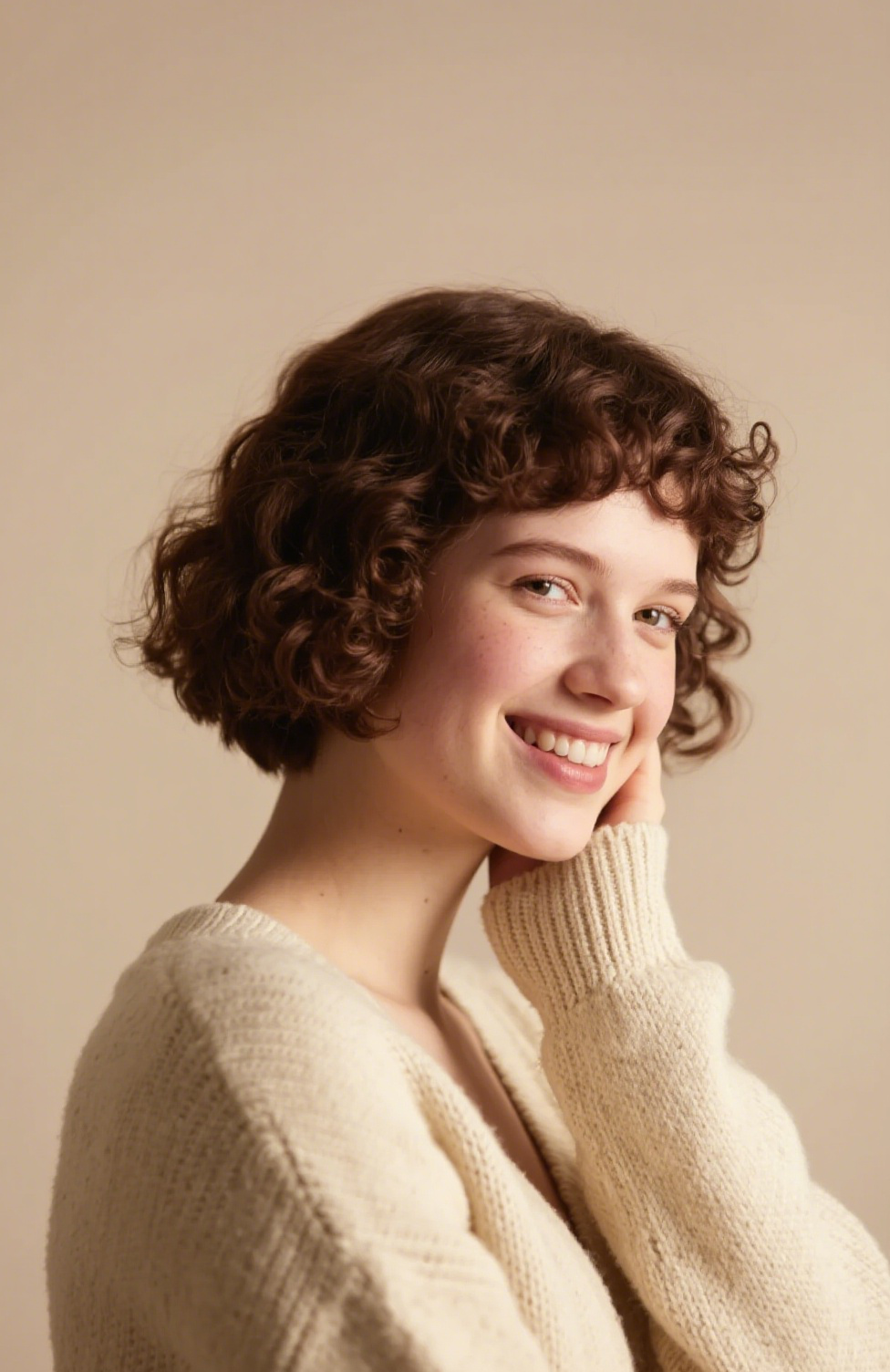

Choose your preferred style, then upload and process your photo on the left
There is a specific kind of adrenaline that comes with telling your stylist to “chop it all off.” The pixie cut is more than a haircut; it is a rite of passage, a statement of confidence, and a shortcut to a lighter, faster routine. But the fear is real: Will it flatter your face? Will it look edgy or just unfinished? And will you regret it the moment the cape comes off? Before scissors meet strands, you can remove the guesswork by using a virtual hairstyle try-on like BlondeFilter to preview a cropped silhouette on your own face. That visual proof calms the nerves and helps you pick the right version for your features, hair texture, and lifestyle.
What Is a Pixie Cut?
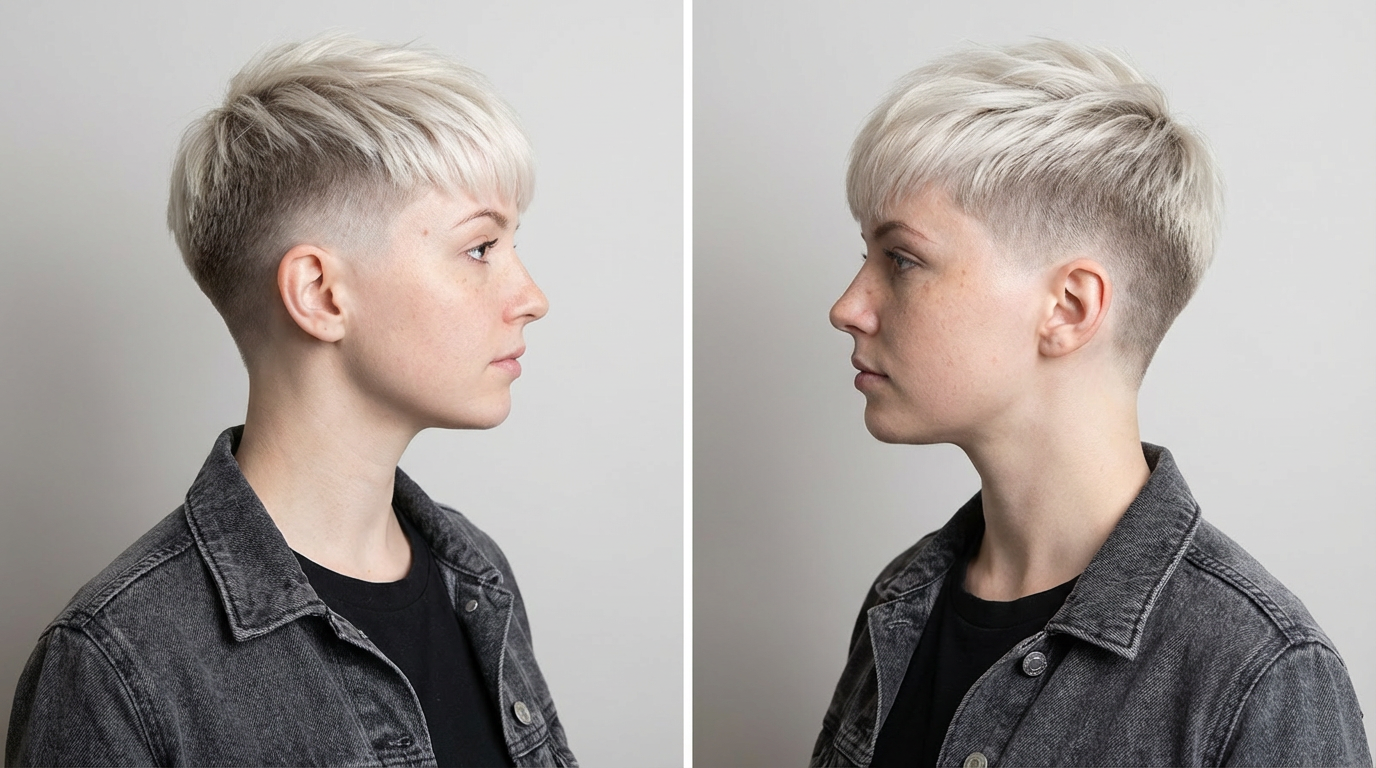
A pixie cut is a short women’s hairstyle with close-cropped sides and back, slightly longer length on top, and often short fringe. It went iconic in the 1950s with Audrey Hepburn and became a symbol of rebellious chic through the 60s with Twiggy and Mia Farrow. Today’s pixie is a highly customizable family of “short hairstyles” that spans soft, grown-out shapes like the Bixie to sharp, architectural undercuts. The modern rule is flexibility: adjust length, texture, and volume placement to work with your bone structure.
Finding the Perfect Pixie for Your Face Shape
Most hesitation comes from face shape, not length. Almost every face can wear a pixie when the geometry is tuned.
Round Faces: Build Height, Keep Sides Slim
Round faces benefit from vertical lift at the crown and slimmer sides. Ask for a textured top with tapered sides to elongate your profile. Asymmetrical or side-swept fringe breaks up roundness and creates angles. Styling tip: work a light pomade into the roots at the crown, then finger-lift for soft height.
Square & Heart Faces: Add Softness and Flow
Strong jawlines (square) and wider foreheads (heart) love softer lines. A longer pixie with wispy layers and side-swept curtain bangs blurs angles and balances proportions. Keep the hairline clean but not harsh. A touch of volume at the nape can offset a heart-shaped forehead, while feathery ends diffuse a square jaw.
Oval Faces: Experiment Freely
If your face is oval, you can test almost every variation—from an ultra-short crop to a shaggy, layered pixie. Use your freedom to explore texture: a tousled crown, micro-fringe, or even an undercut will all work. A virtual try-on helps you decide whether to go sleek or messy before committing.
Top Pixie Trends to Watch in 2025
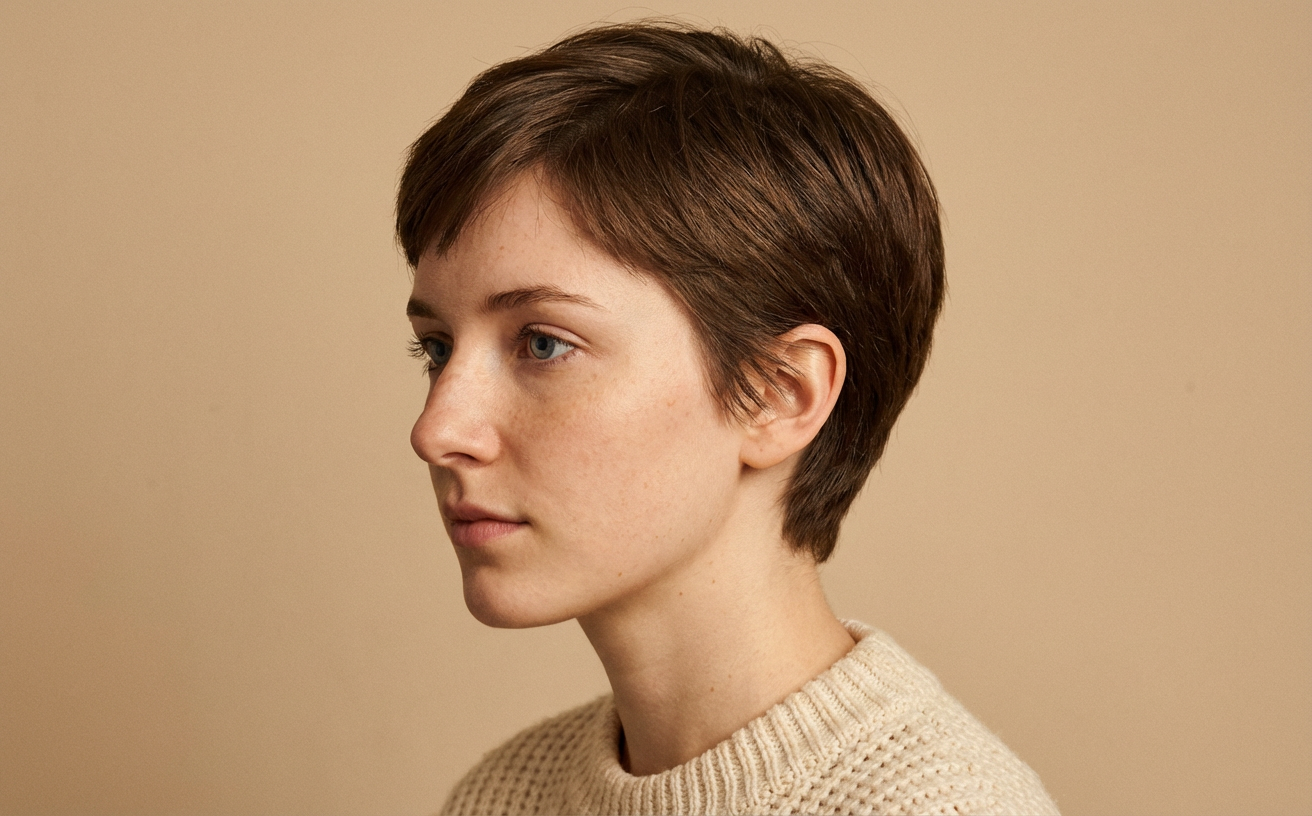
Search interest shows three pillars: face-shape compatibility, styling ease, and trending variations. Here are the looks leading 2025 results and salons.
The “Bixie” (Bob + Pixie Hybrid)
The Bixie keeps the softness of a bob—longer fringe, gentle curves—but removes weight through the back and sides like a pixie. It is the perfect entry point if you want short hair without going all the way. Because the perimeter is longer, it grows out gracefully, which is ideal if you’re pixie-curious but cautious about upkeep.
The Edgy Undercut
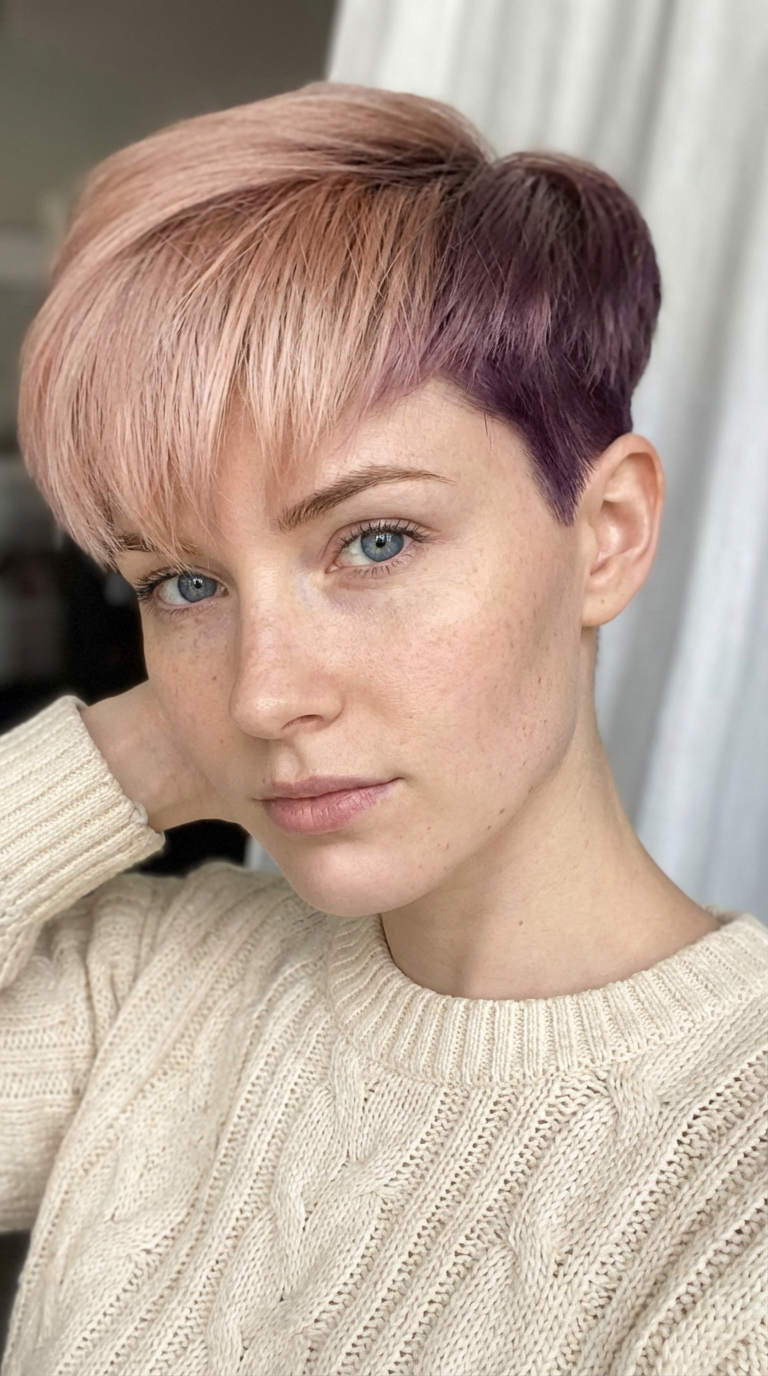
An undercut pixie buzzes or fades the sides and nape while leaving the top longer and textured. It reduces bulk for thick hair and creates high-contrast shape. Ask for a skin fade or clipper taper if you want a sharper silhouette; keep the top choppy for movement. Pair it with statement earrings—your neck and jawline become the star.

Textured & Shaggy
Think effortless, piecey texture with razor-cut ends instead of blunt lines. This shag-adjacent pixie works especially well on fine hair that needs grit and lift. Use a pea-sized amount of matte paste, rub between palms, and pinch the ends to keep the “I woke up like this” vibe without fluff.
Long Pixie Variations
If you want versatility, a long pixie (or “grown-out” pixie) keeps more length on top and around the ears. It can tuck behind the ear for polish or sweep forward for a fringe moment. It also suits those easing from a bob toward a shorter crop because it grows out without hard edges.
Color Play for Short Hair
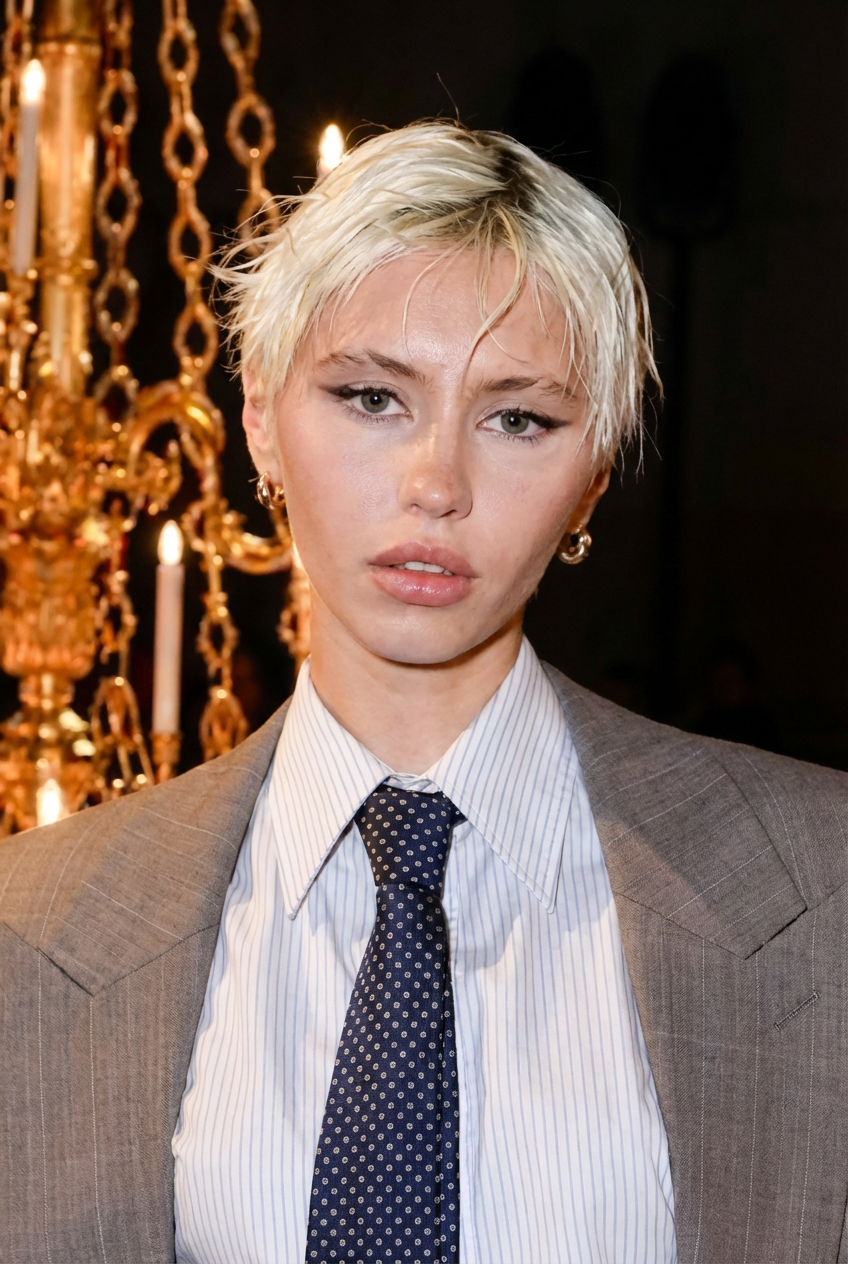
Short hair magnifies color choices. Platinum, inky black, and pastel two-tone panels are trending because the canvas is small and graphic. If you are unsure about bold shades, use an AI hairstyle filter to preview platinum vs. brunette or a split-tone finish before booking a color appointment.
Styling Your New Short Hair: A Survival Guide
Going short overhauls your routine. Here is how to keep a pixie polished without overthinking it.
- Prep with lightweight volume. Fine hair loves a root-lifting spray or mousse before a quick rough-dry. Thick hair may prefer a smoothing cream on the sides to prevent puffing.
- Texture is king. The difference between fluffy and intentional is product. Keep a matte paste, pomade, or texture powder on hand. Start with less than a pea-sized amount and add gradually.
- Dry in five minutes. A blast-dry with your fingers usually beats a brush. Lift at the crown for height; sweep the front in the direction you want it to lay while warm.
- Change finishes fast. For a sleek evening look, smooth a glossing serum over the top and tuck behind the ears. For a lived-in day look, scrunch in dry texture spray and pinch the ends. Virtual try-ons can show you how a wet-look versus matte finish frames your features.
- Accessorize the spotlight. Pixies expose your neck, shoulders, and ears. Lean into bold hoops, ear cuffs, or cat-eye makeup—the cut draws the eye upward, so accessories read louder.
Maintenance: The Reality of Going Short
Daily styling gets faster, but salon visits get closer together. Plan on trims every 4–6 weeks to keep your pixie looking intentional rather than grown-out. Half an inch of regrowth changes the silhouette on short hair, especially if you rely on a tapered neckline or a sharp fade. If you want a lower-maintenance path, consider a longer Bixie: it tolerates more grow-out while still reading “short.”
Budget time for color refreshes if you opt for platinum or pastels—short hair shows root contrast quickly. Use a sulfate-free shampoo, a weekly mask, and heat protectant for any hot tools. If you ever question the upkeep, test a slightly longer variation in the BlondeFilter app first to see how the shape works with softer edges.
How to Use Virtual Try-On to Choose Your Pixie
- Upload a clear, front-facing photo with hair pulled back if possible.
- Test multiple silhouettes: classic pixie, undercut, Bixie, and shaggy versions. Note how crown volume and fringe length change your face balance.
- Toggle colors: natural brunette vs. platinum vs. pastel. Short hair amplifies color contrast, so previewing shades prevents surprises.
- Compare finishes: matte textured, sleek tucked, and wet look. The right finish can soften or sharpen your angles without changing the cut.
- Save screenshots to share with your stylist. A picture from the try-on beats verbal explanations.
FAQ
Is pixie cut good for a chubby face?
Yes. Build height at the crown, keep the sides tapered, and use side-swept fringe to elongate. The goal is vertical lift, not width.
Is a pixie cut good for older ladies?
Absolutely. A pixie can give a gentle “lift” effect by exposing cheekbones and eyes, and it removes weight from thinning strands to create the look of more volume.
What is a pixie cut?
A pixie cut is a short women’s hairstyle with close sides and back, slightly longer top, and short bangs. Length typically ranges from half an inch to about three inches, with variations like the Bixie, undercut, and textured shaggy pixie.
How to give a pixie haircut for beginners?
Precision is key, so beginners should learn on mannequins or work with a pro. The general approach: section the hair, clipper or scissor-over-comb the sides and back, then point-cut the top to blend while leaving slightly more length for texture and movement.
Quick Salon Consultation Checklist
- Show your BlondeFilter screenshots so your stylist sees the silhouette, fringe length, and color you want.
- Confirm maintenance: trims every 4–6 weeks for sharp pixies; 6–8 for longer Bixies.
- Align on texture: matte and piecey versus sleek and tucked—products and cutting technique should match.
- Agree on face-shape priorities: crown height for round faces, softness for square or heart, and experimentation for oval.
Ready to Test Your Pixie?
Instead of guessing, try your favorite variations online. Use the BlondeFilter AI hairstyle filter to upload your selfie, toggle between a textured pixie, Bixie, and undercut, and preview colors from natural brunette to statement platinum. When you walk into the salon with those screenshots, you will know exactly which pixie fits your face shape, routine, and 2025 trend goals.