
Women's Perm Guide 2025
Learn how modern perms work, top types, costs, aftercare, and 2025 trends with image inspiration. Compare perm options and prep for healthy curls.


Click or drag photos here to upload
Supports JPG, PNG formats, max 5MB, JPEG format recommended









































Choose your preferred style, then upload and process your photo on the left
If your feed is packed with dramatic curl transformations, you’re seeing the 2025 perm renaissance. Modern perms deliver lived-in texture, not the crunchy spirals of the '80s. This guide distills what a perm is, how it works, which type fits your hair and lifestyle, realistic costs and longevity, damage risks, aftercare, and trend inspiration grounded in current research and SERP findings.
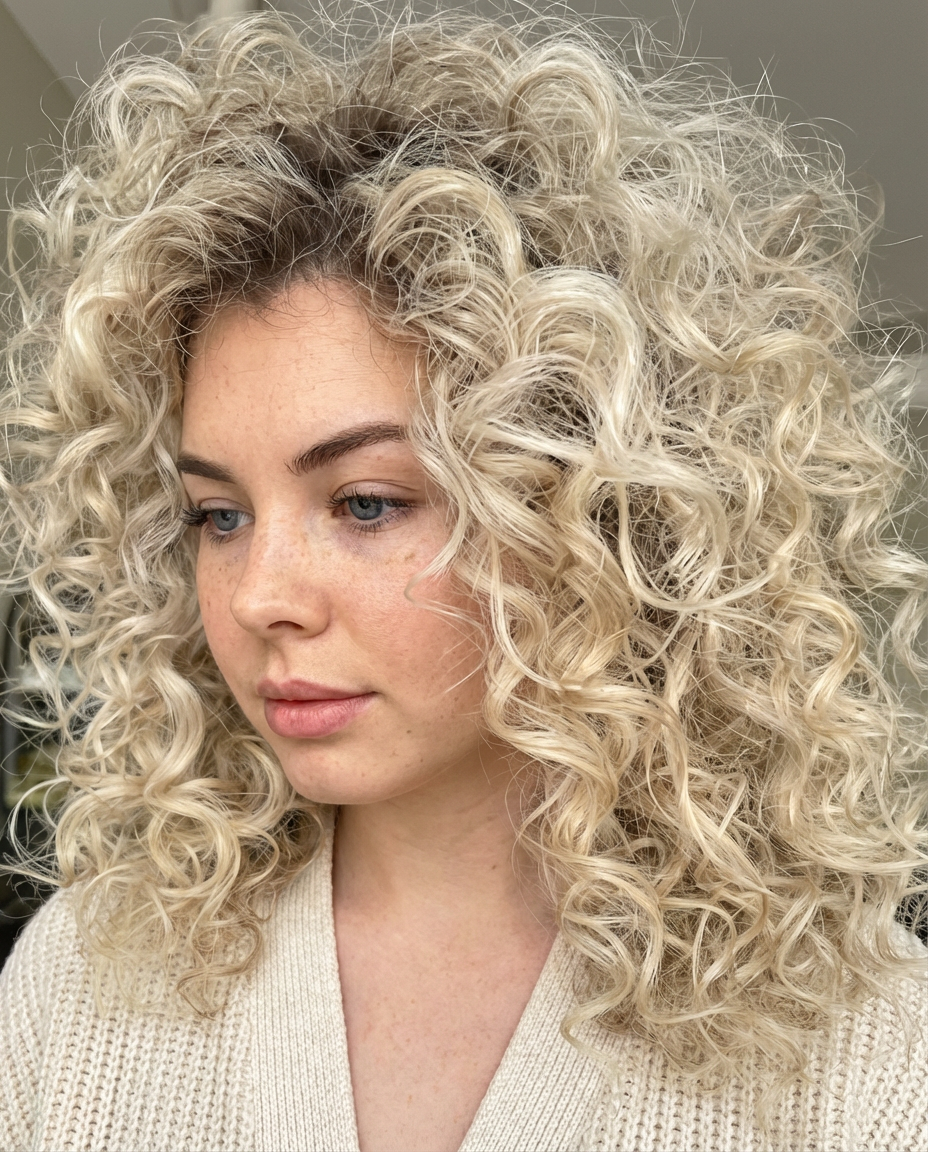
What Is a Perm and How Does It Work?
A perm (permanent wave) is a chemical service that restructures disulfide bonds in hair so strands take on a new “memory” of curls or waves. A reducing agent (commonly ammonium thioglycolate) breaks bonds, hair is wrapped on rods sized for the curl pattern, then a neutralizer reforms bonds to lock in shape. The result gradually relaxes over 3–6 months as new growth appears.
Cold vs. Digital (Hot) Perms
- Cold perm: Room-temperature solution, classic method; widely used for many curl patterns.
- Digital/hot perm: Heated rods plus solution; tends to give smoother, more defined waves with reduced frizz, popular for beach and body waves.
Should You Get a Perm? Hair Type Snapshot
- Thick/coarse: Great candidates; can handle most types including spiral, multi-textured, beach wave.
- Medium density: Versatile; select curl size to match lifestyle and styling time.
- Fine/thin: Possible with care; favor volumizing, body wave, or partial/root perms; request a strand test first.
- Damaged/bleached/recently dyed: Higher risk; ideally wait, strengthen hair, and have a stylist assess suitability.
- Already curly/wavy: Texturizing approaches can refine pattern; work with a curl-experienced stylist.
7 Popular Perm Types for Women (Quick Guide)
- Body Wave Perm — Loose, romantic waves that add fullness. Best for fine/straight hair; lasts ~3–6 months; low-to-medium maintenance.
- Beach Wave Perm — Relaxed, tousled pattern for a casual vibe. Best on coarse or thick, medium-to-long hair; ~3–4 months; very low maintenance.
- Digital (Hot) Perm — Defined, smooth curls with less frizz; versatile on most hair types; ~4–6 months; low maintenance, minimal heat needed.
- Spiral Perm — Tight, corkscrew ringlets for dramatic volume; suited to medium-to-long, healthy hair; ~3–5 months; medium-to-high maintenance.
- Multi-Textured Perm — Mix of rod sizes for dimensional, natural-looking curls; ~3–6 months; forgiving maintenance.
- Partial/Root Perm — Targeted texture (often roots or sections); great for lift or shape without full-head processing; ~2–4 months; very low maintenance.
- Volumizing Perm — Subtle waves focused on lift for fine or thinning hair; ~3–5 months; light products and air-drying work best.
The Perm Process: What to Expect
- Consult & prep (15–30 min): Hair history review, health/porosity check, and recommended strand test for fine or compromised hair. Clarifying shampoo removes buildup.
- Section & wrap (30–60 min): Hair is divided and wrapped on rods sized for the desired curl. Tension and rod size set the final pattern.
- Solution & processing (20–30 min): Perm solution saturates each section; timing varies by hair type and goal. Some stylists use gentle heat for even processing.
- Rinse & neutralize (15–20 min): Solution is rinsed with rods on; neutralizer reforms bonds and locks the curl.
- Condition, remove rods, shape (25–45 min): Deep conditioning begins rehydration; rods come off; curls are separated and lightly styled. A soft trim may refine the shape.
First 48–72 Hours (Critical Window)
Do not wash or wet hair, avoid tight styles or headwear, skip products, and sleep carefully (silk pillowcase or loose wrap). No pools or heavy humidity if possible.
How Much Does a Perm Cost?
Pricing varies by length, type, salon tier, and stylist expertise. Typical ranges pulled from current research:
- USA: $75–$300
- UK: £50–£200
- Canada: CAD $100–$350
- Asia: $30–$150
- Australia: AUD $150–$400
Additional costs: pre-perm conditioning ($25–$75), post-perm styling ($30–$50), and haircut refinement ($30–$100). Touch-ups often run 30–50% of full cost. Experience matters more than saving a small amount on price.
Honest Look at Damage and Prevention
Perms raise porosity and can increase dryness, frizz, and breakage. Risk is higher with pre-existing damage, overly strong solutions on fine hair, incorrect timing, or poor aftercare.
Pre-perm checklist:
- 4–6 weeks out: Deep condition twice weekly; minimize heat.
- 2 weeks out: Request a strand test if hair is fine/fragile; avoid new chemical services.
- 1 week out: Skip heavy silicones; do not wash 2–3 days before appointment to let natural oils protect the scalp.
- Day of: Come clean and dry unless instructed otherwise; share full hair history with your stylist.
Manageable vs. lasting effects: Dryness, frizz, and dullness improve with moisture and bond care. Structural changes and higher porosity remain until trimmed.
Perm Aftercare: Keep Curls Fresh
Washing cadence: 1–2 times per week (every 3–4 days ideal). Use lukewarm water and finish with a cool rinse. Shampoo the scalp gently; detangle with a wide-tooth comb while conditioner is in.
Moisture routine: Weekly deep masks (15–20 minutes), leave-in conditioner on damp hair, light oils on ends, and bond-building treatments (e.g., Olaplex-type) 1–2 times weekly before shampooing.
Styling: Scrunch curls upward with curl cream or gel on damp hair. Air-dry or diffuse on low/medium. Avoid brushing dry hair. Sleep with a loose “pineapple” and silk pillowcase to reduce friction.
What to avoid: Heat tools for the first 2 weeks. Later, keep heat low with protectant. Skip tight hairstyles that strain curls. Avoid over-washing and hot water.
How Long Does a Perm Last?
Most perms last 3–6 months. Longevity depends on hair type (coarse holds longer; fine may soften sooner), perm type (digital often lasts longer), care quality, humidity, lifestyle (swimming/sweating), and hair growth rate. Signs of fade include looser waves, limp volume, and visible straight new growth.
Touch-ups: Typically every 3–6 months focused on new growth, processed for shorter times than the initial service to avoid over-processing mid-lengths and ends.
2025 Trends and Inspiration
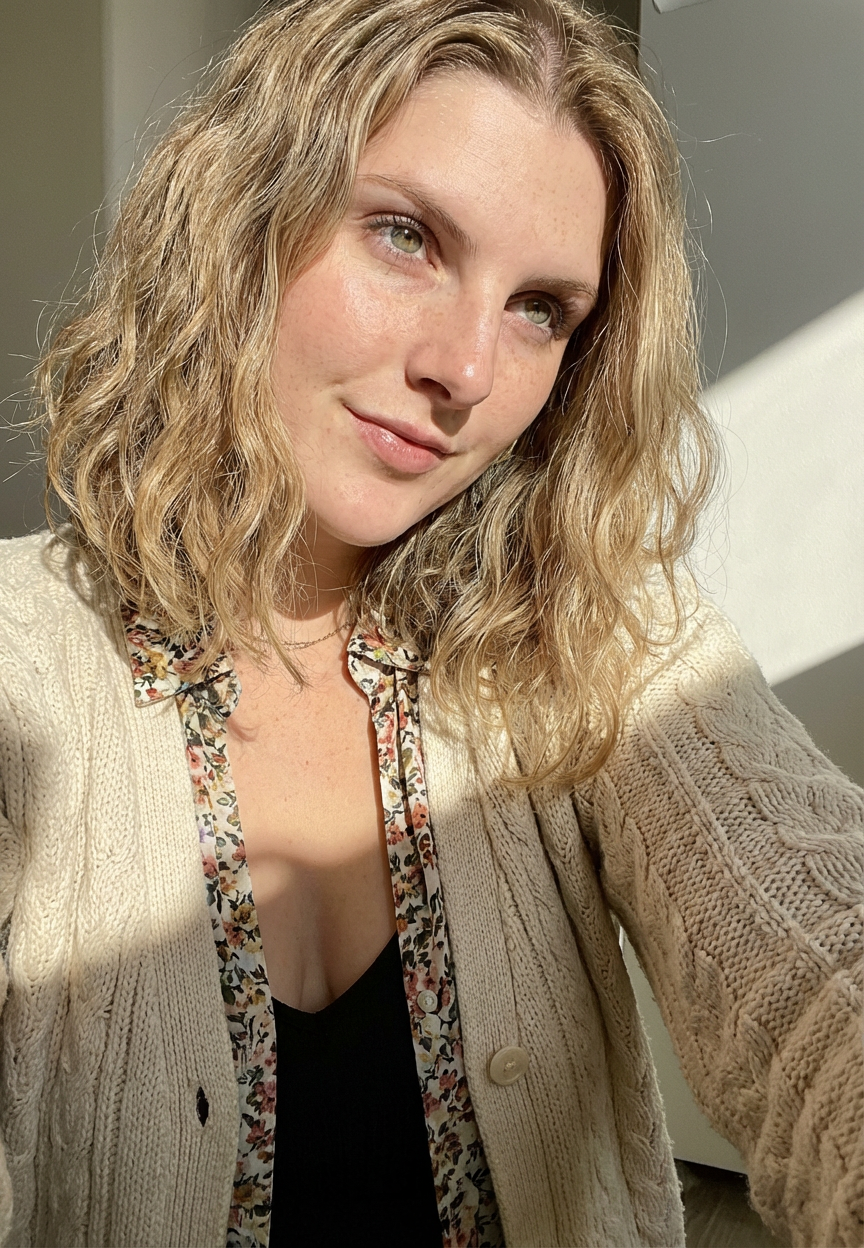
- Soft beachy waves: Effortless, romantic, “just-left-the-beach” texture; minimal styling with texture spray or scrunching.
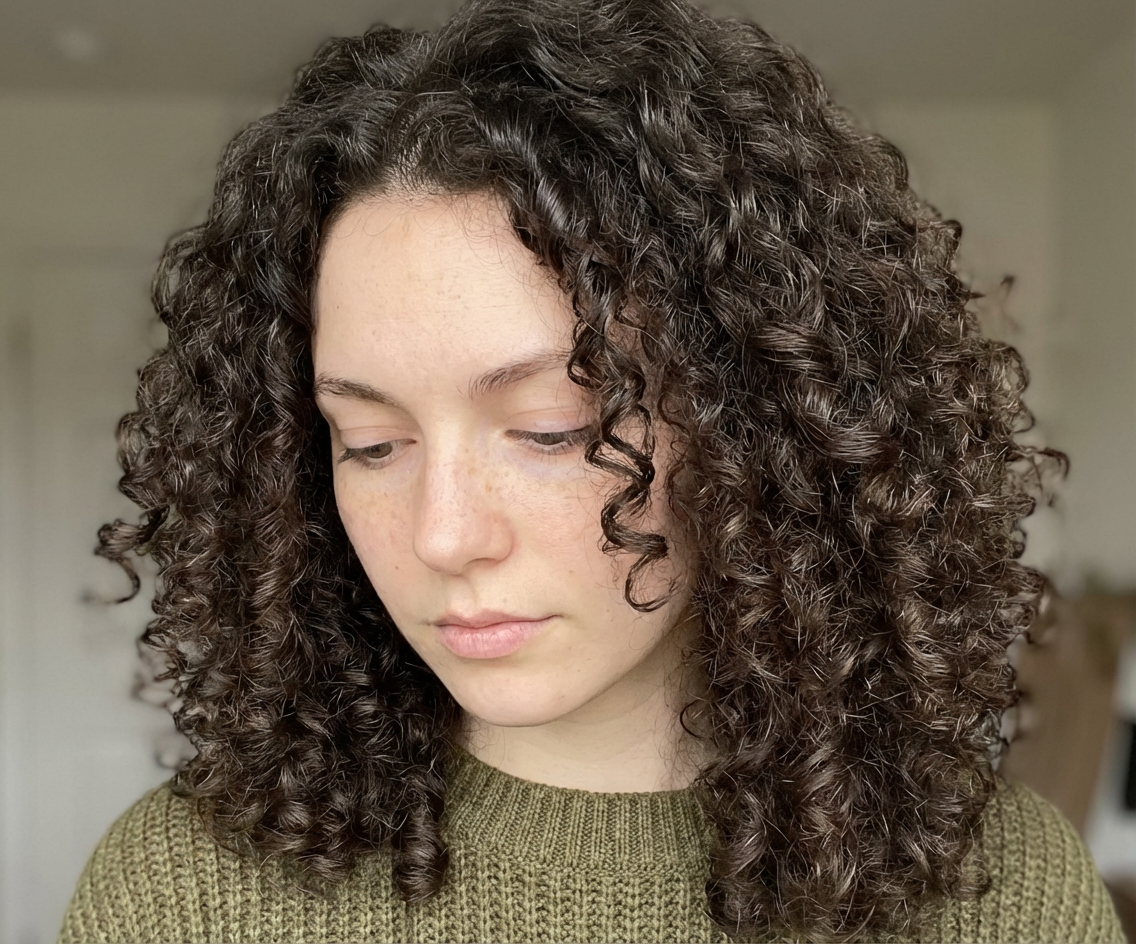
- Defined spiral curls: Bold, uniform ringlets with maximum volume; pairs well with layered cuts for shape.
- Layered multi-textured perms: Mixed rod sizes for believable, dimensional curls that look naturally varied.
- Perm + modern cuts: Shags, lobs, and textured bobs gain movement and fullness with perms; curtain bangs remain a favorite accent.
- Perm + color play: Balayage or lived-in highlights add depth to waves and curls. Space chemical services at least 2 weeks apart to limit stress on hair.
- Gen Z and social influence: TikTok transformations, K-pop-inspired waves, and celebrities with tousled curls fuel demand, combining low daily effort with high visual impact.
Perm vs. Other Hair Treatments
- Perm vs. keratin smoothing: Perms permanently restructure bonds for curls or waves; keratin smooths temporarily and gradually washes out.
- Perm vs. rebonding/straightening: One adds texture and lift; the other removes it. Rebonding is typically harsher on hair than a well-matched, well-timed perm.
- Perm vs. daily hot tools: A perm trades daily heat for upfront processing; it can be lower effort long-term if you wash less and style gently.
- Perm vs. natural “plopping”/air styling: If you already have some wave, a stylist-guided texturizing perm can refine pattern with less daily manipulation than heat tools.
FAQs (PAA-Aligned)
How long do perms last?
Typically 3–6 months. Coarse hair and digital perms often hold longer; fine hair or frequent washing can shorten the lifespan.
Is a perm bad for your hair?
Perms increase porosity and dryness, so strands can become more fragile. Damage stays manageable with pre-perm strand tests, correct solution strength, careful timing, and consistent moisturizing and bond-care routines.
Can I get a perm if I have fine hair?
Yes, with a cautious approach: choose volumizing or partial/root perms, insist on a strand test, and work with an experienced stylist to avoid over-processing.
How much does a perm cost?
Expect roughly $75–$300 in the USA, £50–£200 in the UK, CAD $100–$350 in Canada, $30–$150 in Asia, and AUD $150–$400 in Australia. Add budget for conditioning treatments, styling, and perm-safe products.
What should I do in the first 48–72 hours?
Keep hair dry, avoid products and tight styles, skip heat, and sleep on silk. Let the new bonds set before washing or manipulating curls.
Can I color my hair after a perm?
Yes, but wait at least 2 weeks between services to reduce cumulative damage. Use color-safe, sulfate-free care and consider a conditioning treatment between chemical processes.
Ready to Decide?
If you want lower-effort styling with high-impact texture, a modern perm can deliver—provided you commit to healthy prep and aftercare. Bring clear inspiration photos, discuss hair history honestly, and work with a stylist who can match perm type to your hair’s condition and your daily routine. With the right plan, you can wake up to the waves or curls you see trending everywhere—and keep them looking fresh for months.