
The Modern Middle Part Hairstyle for Men: Complete Styling Guide & 2025 Trends
Discover how to style and maintain a modern middle part haircut for men with face-shape tips, barber instructions, and quick styling steps.


Click or drag photos here to upload
Supports JPG, PNG formats, max 5MB, JPEG format recommended

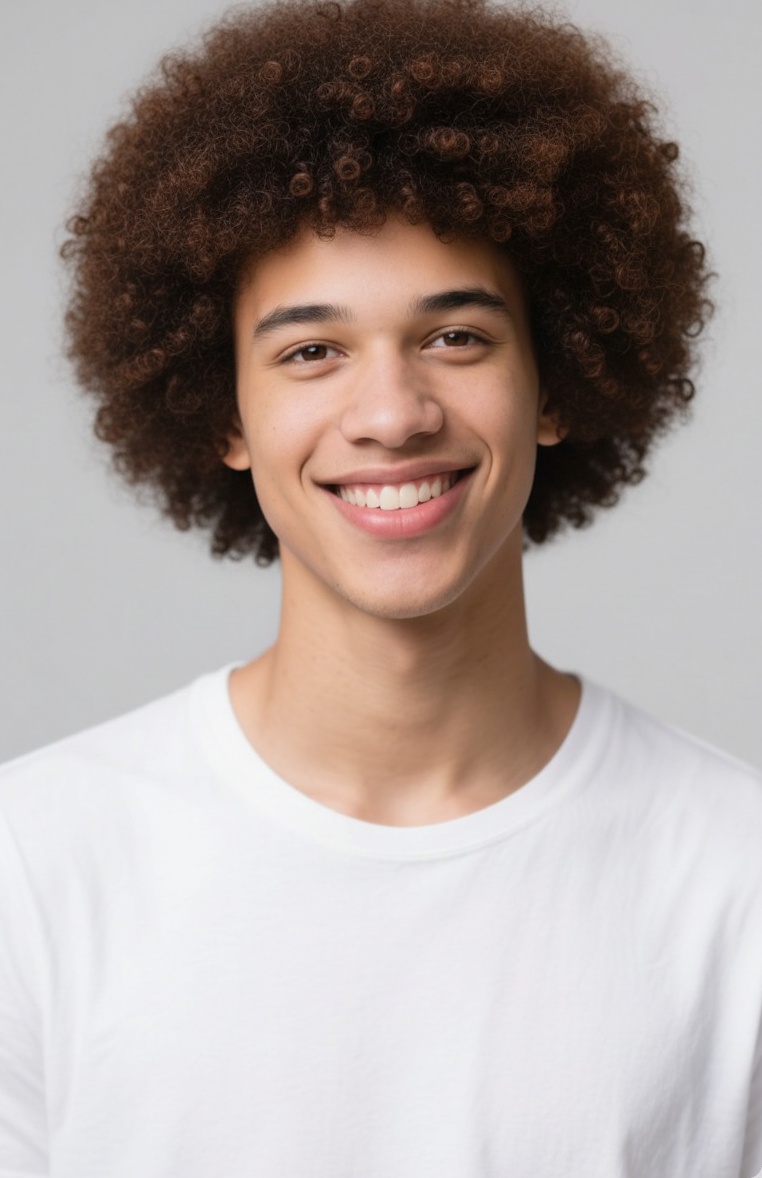


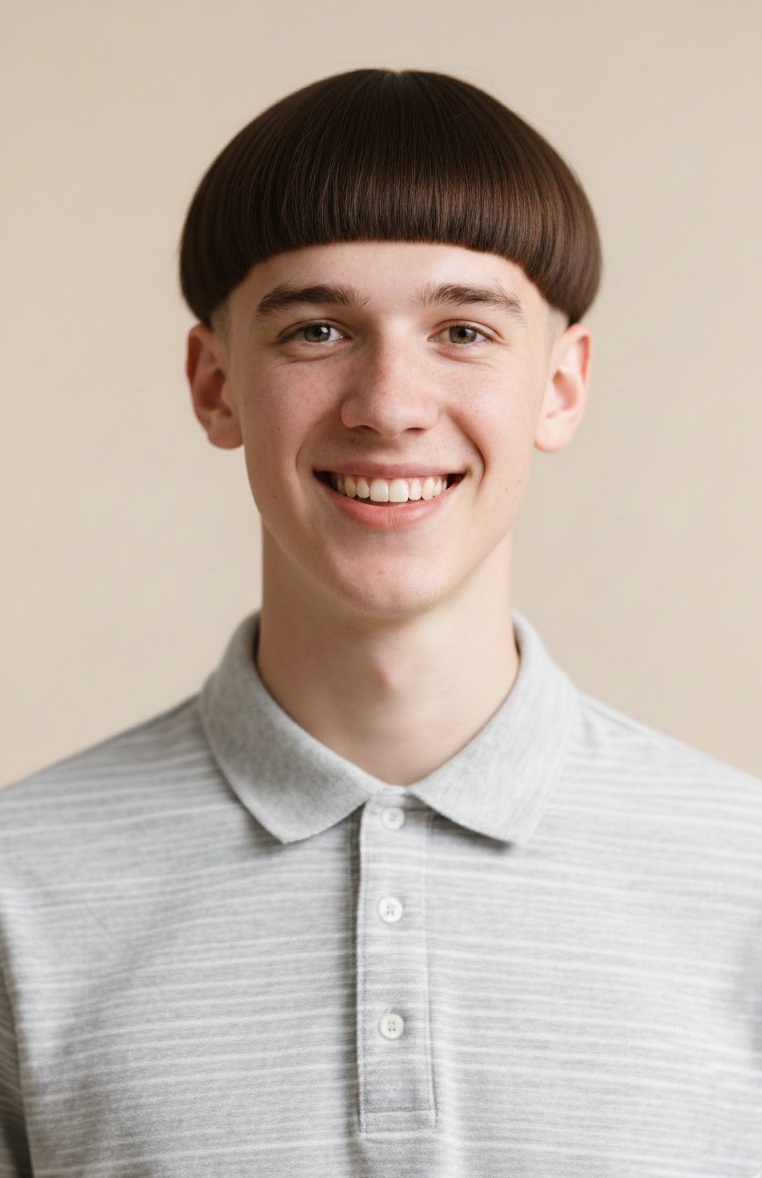
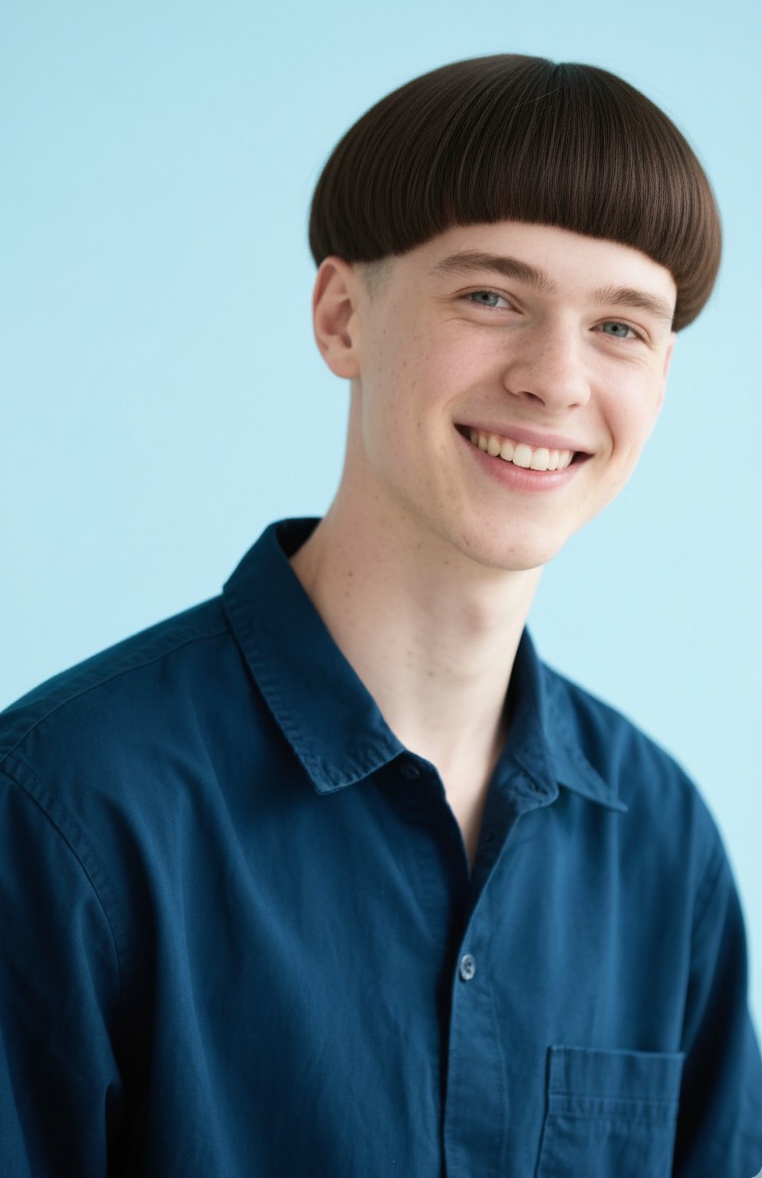
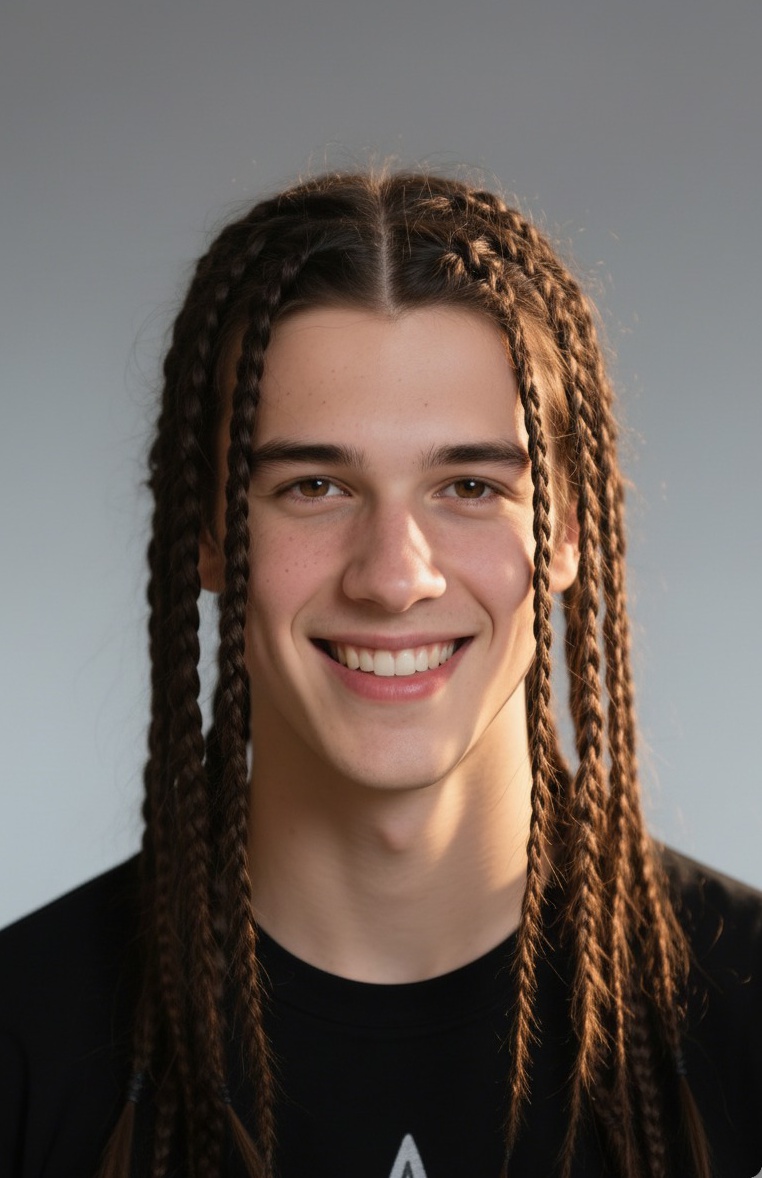





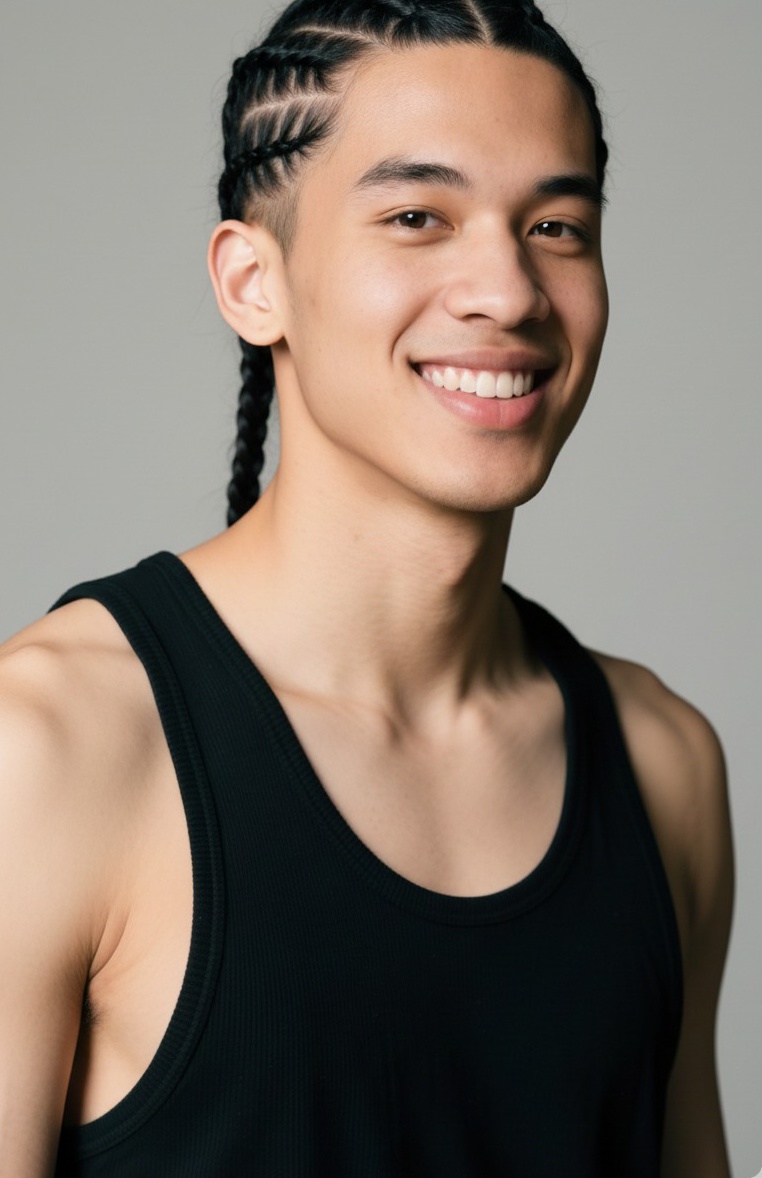



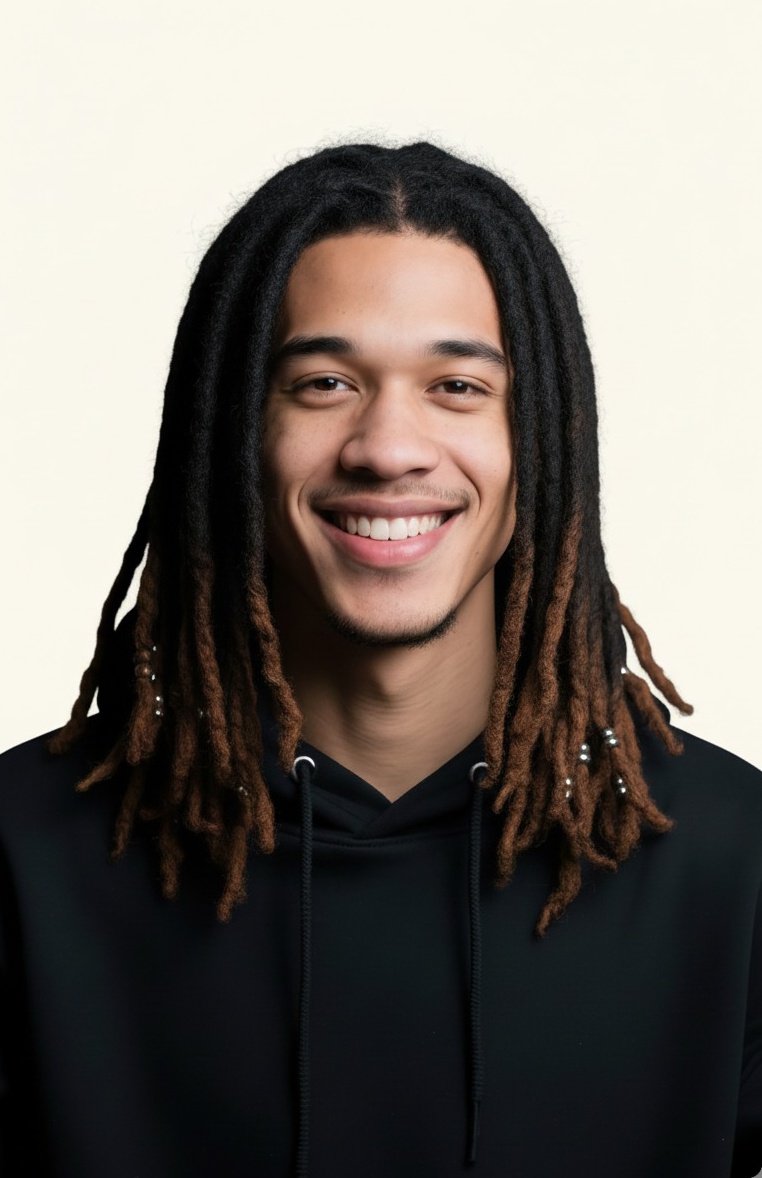
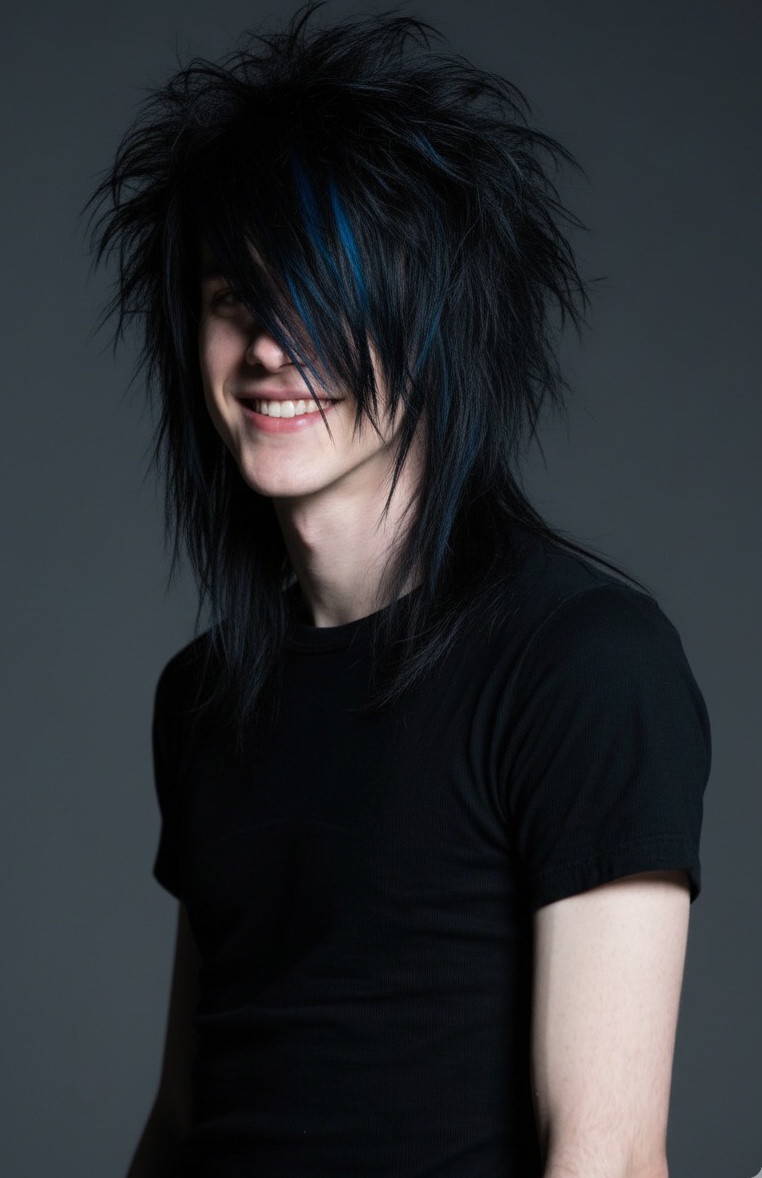





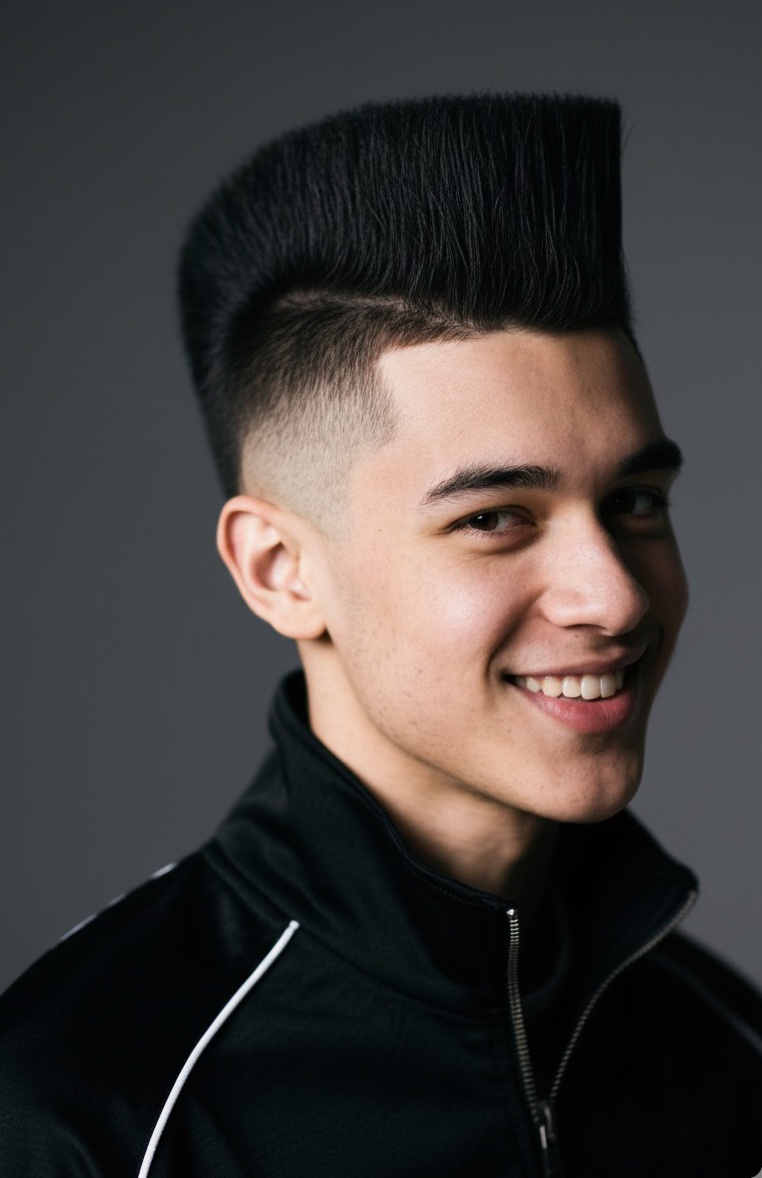


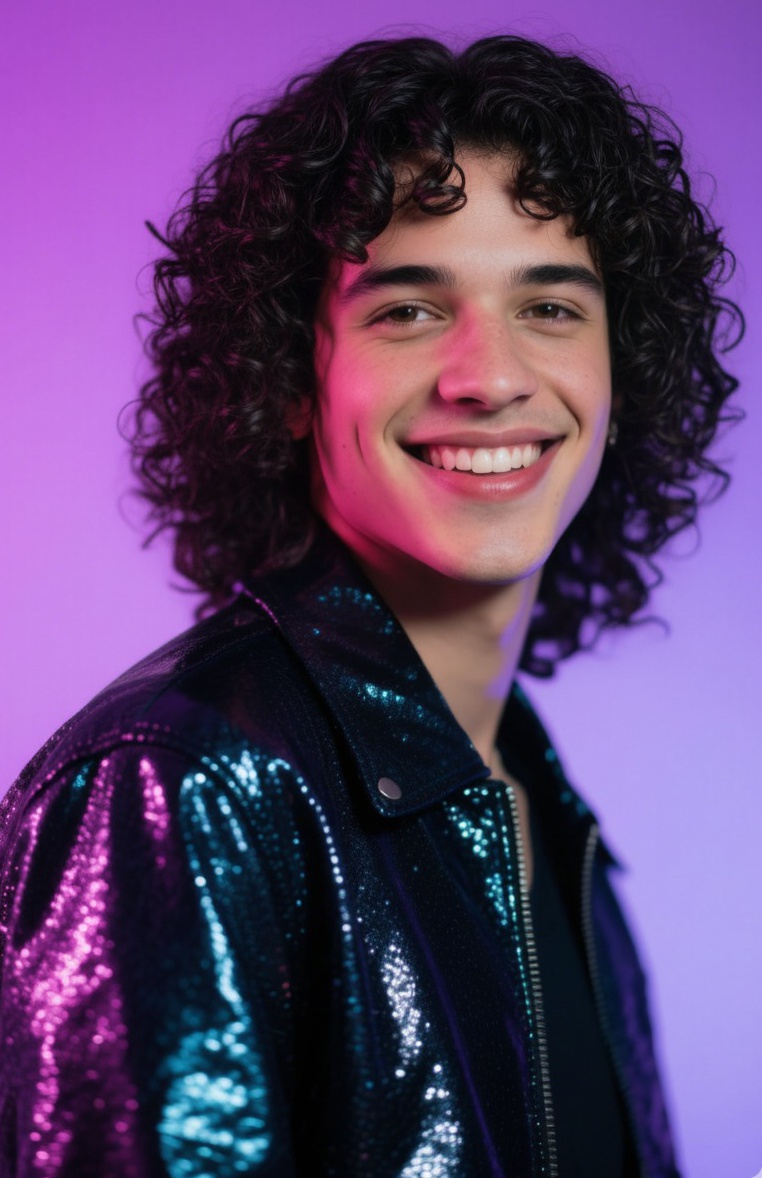
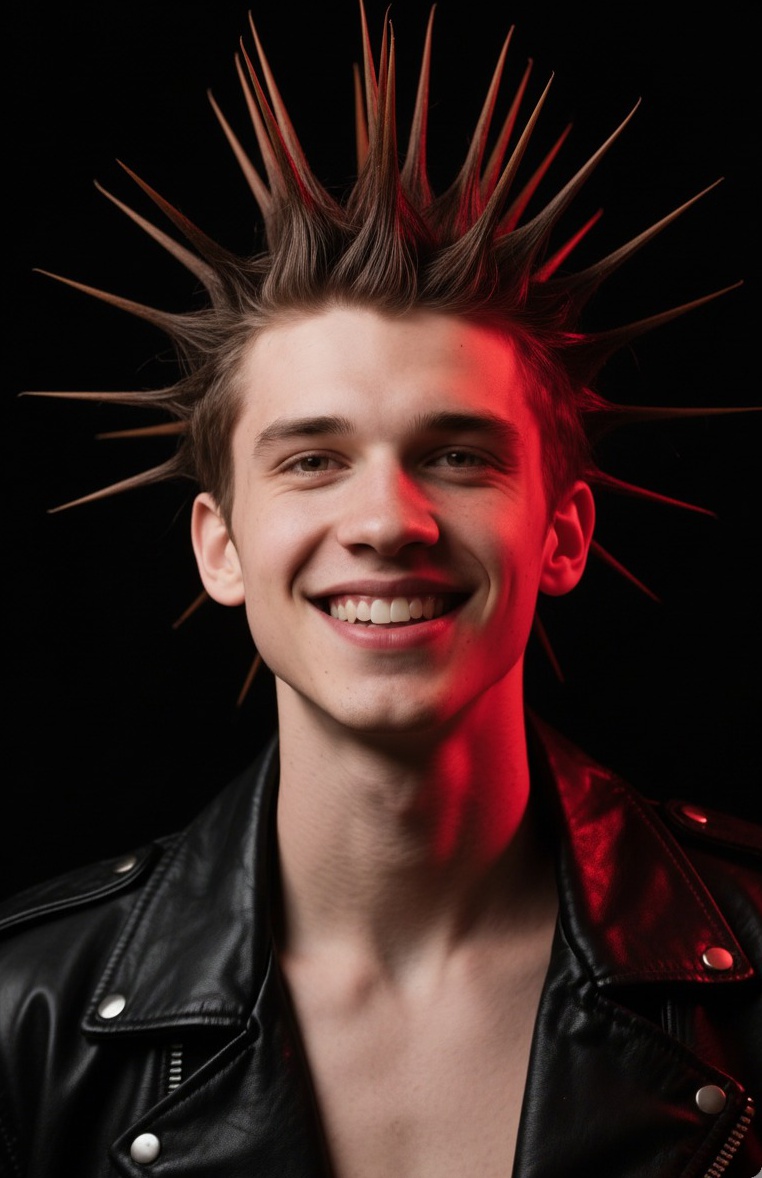
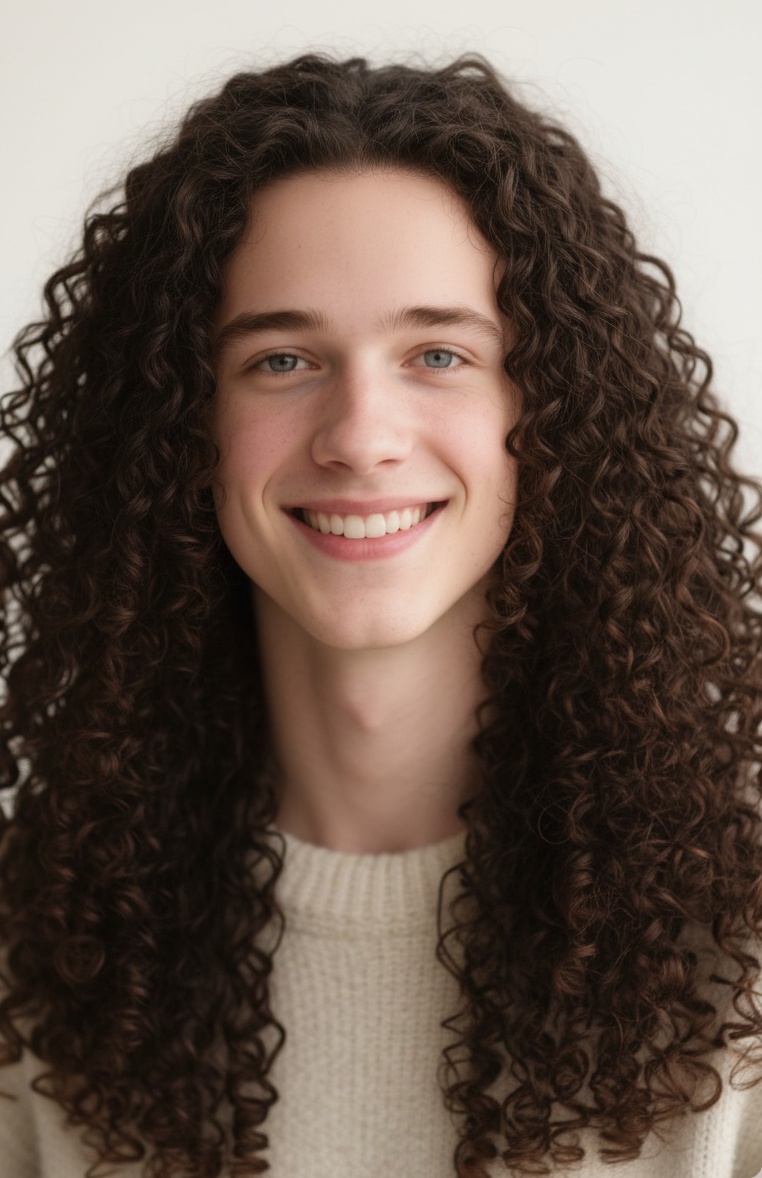
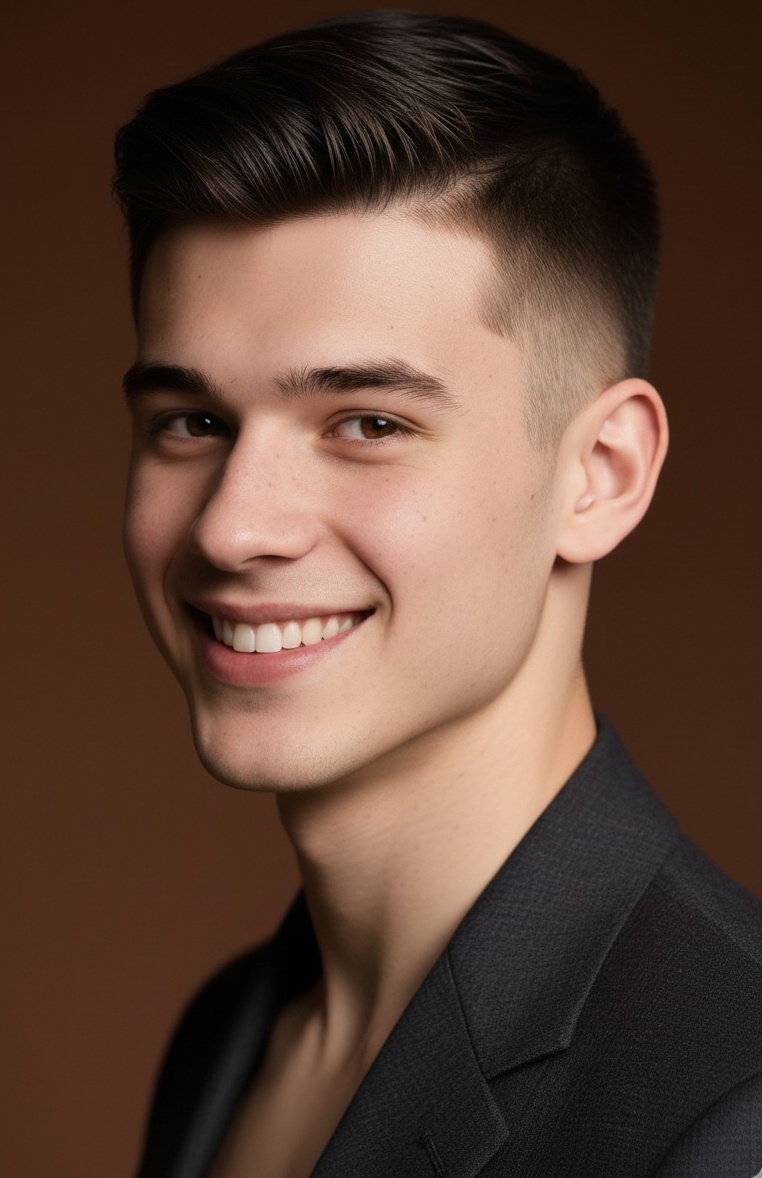



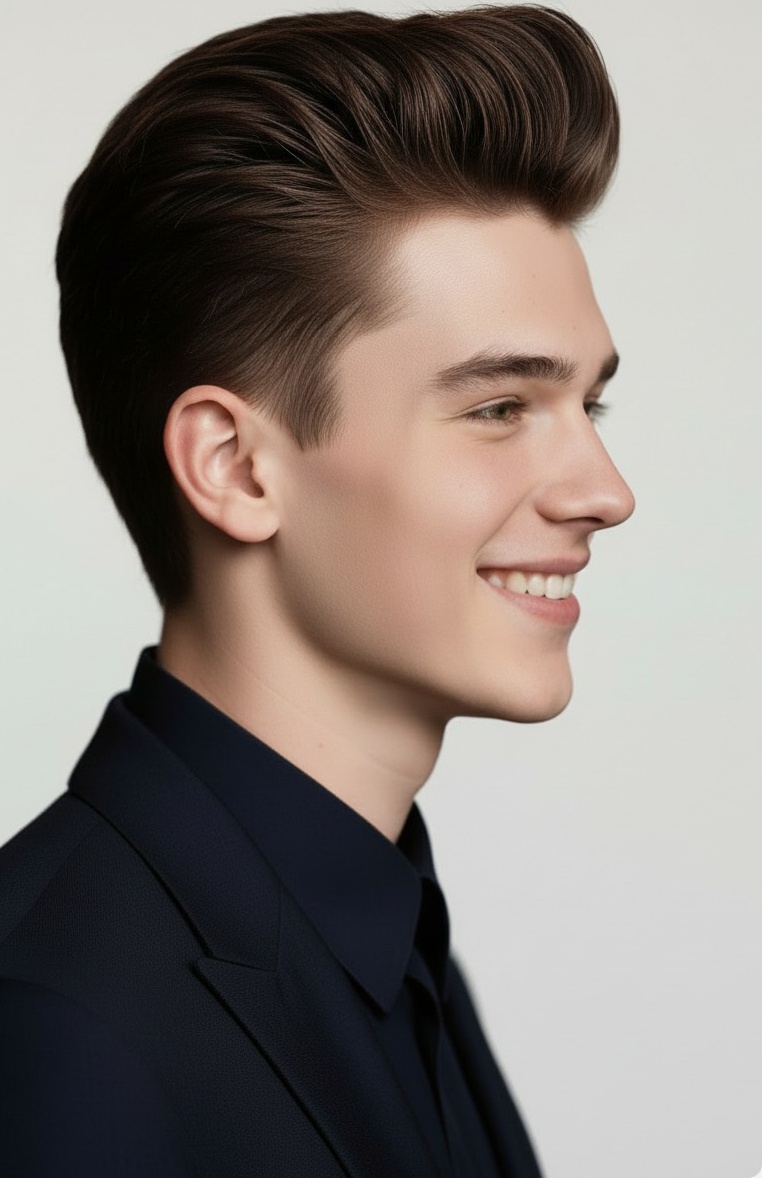
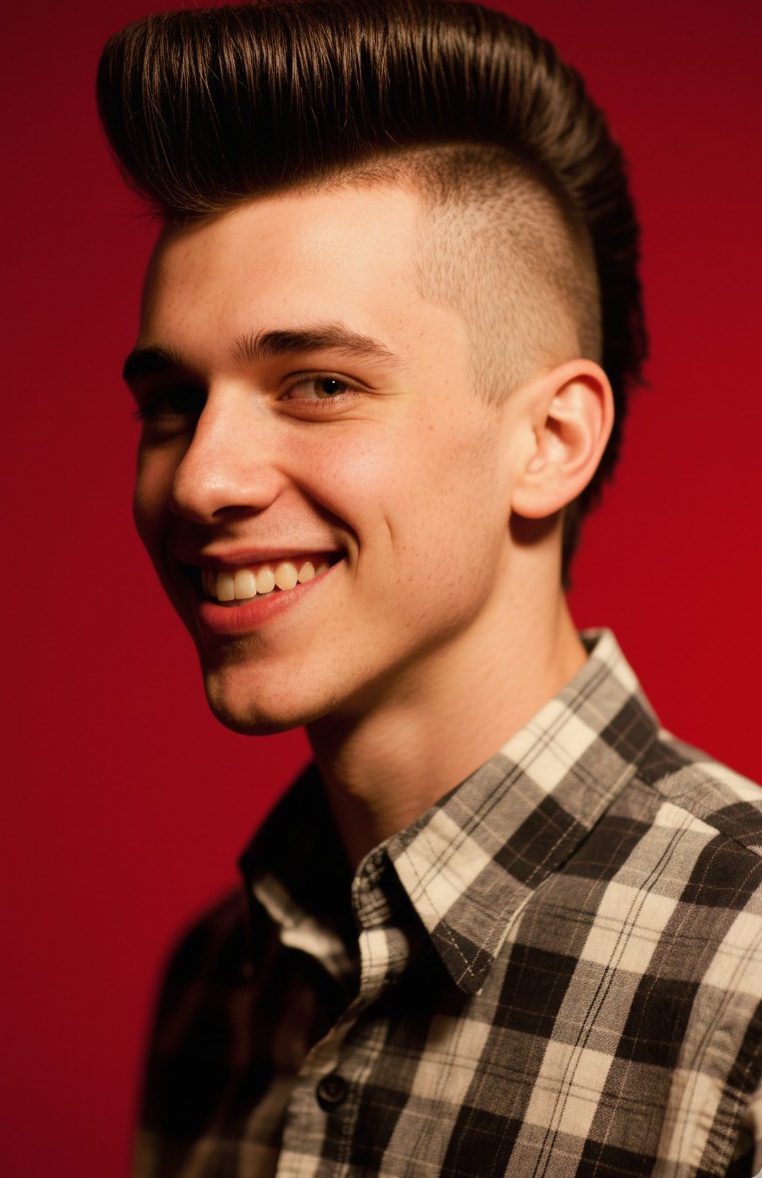
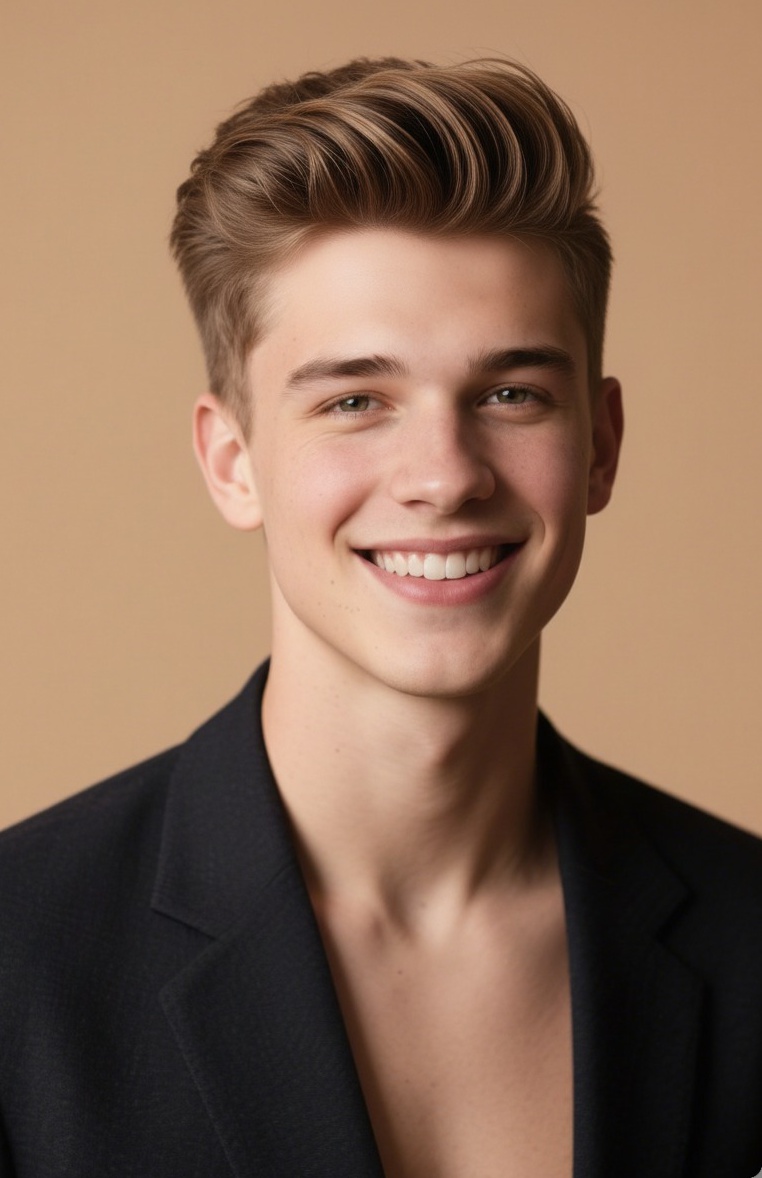
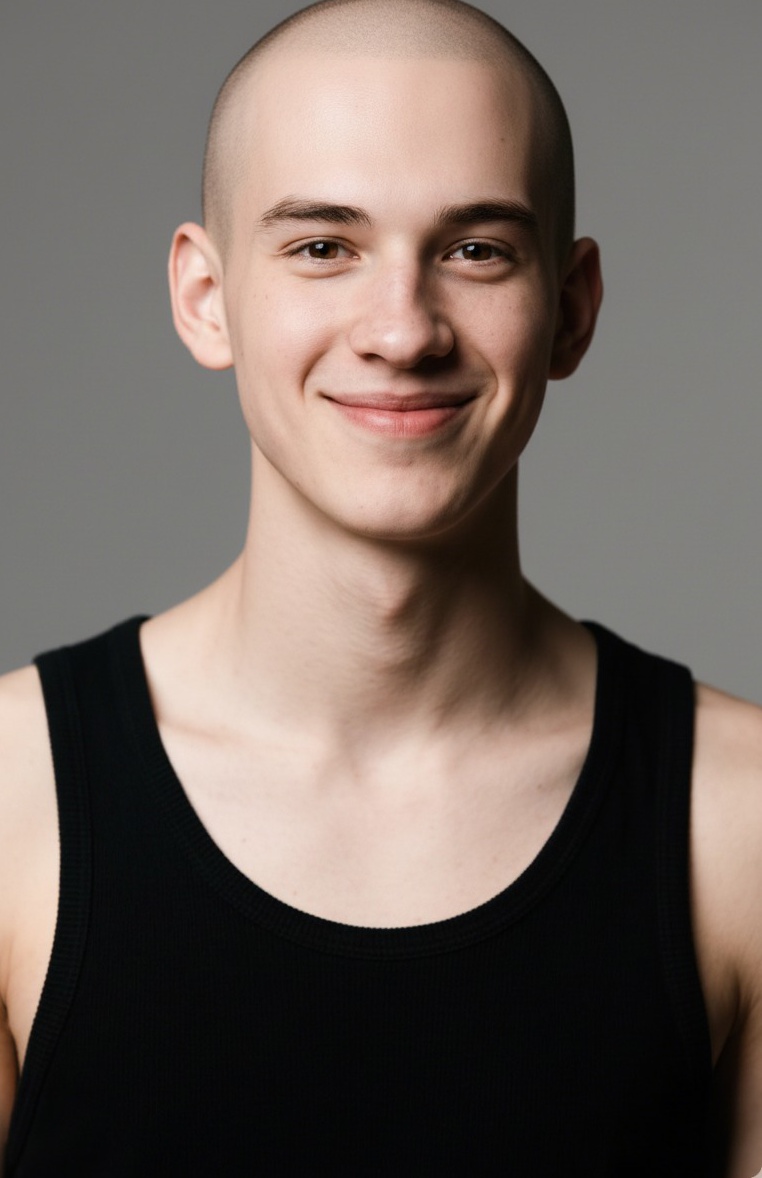


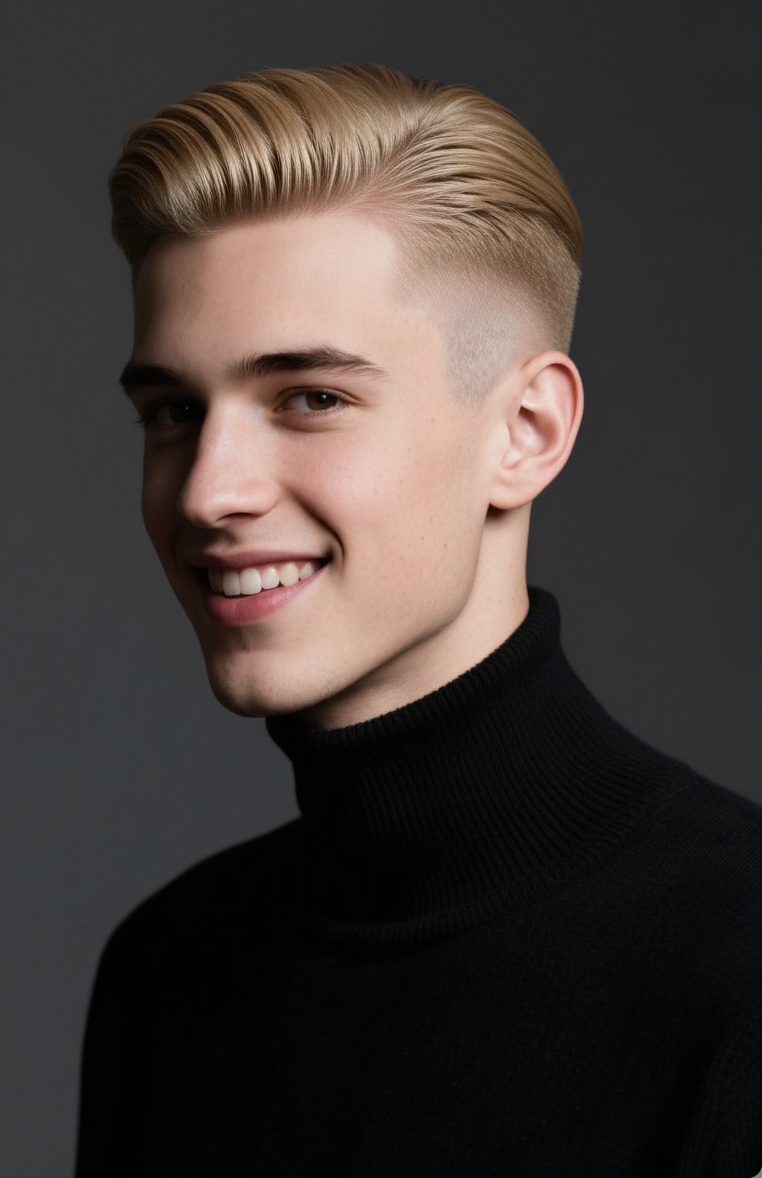




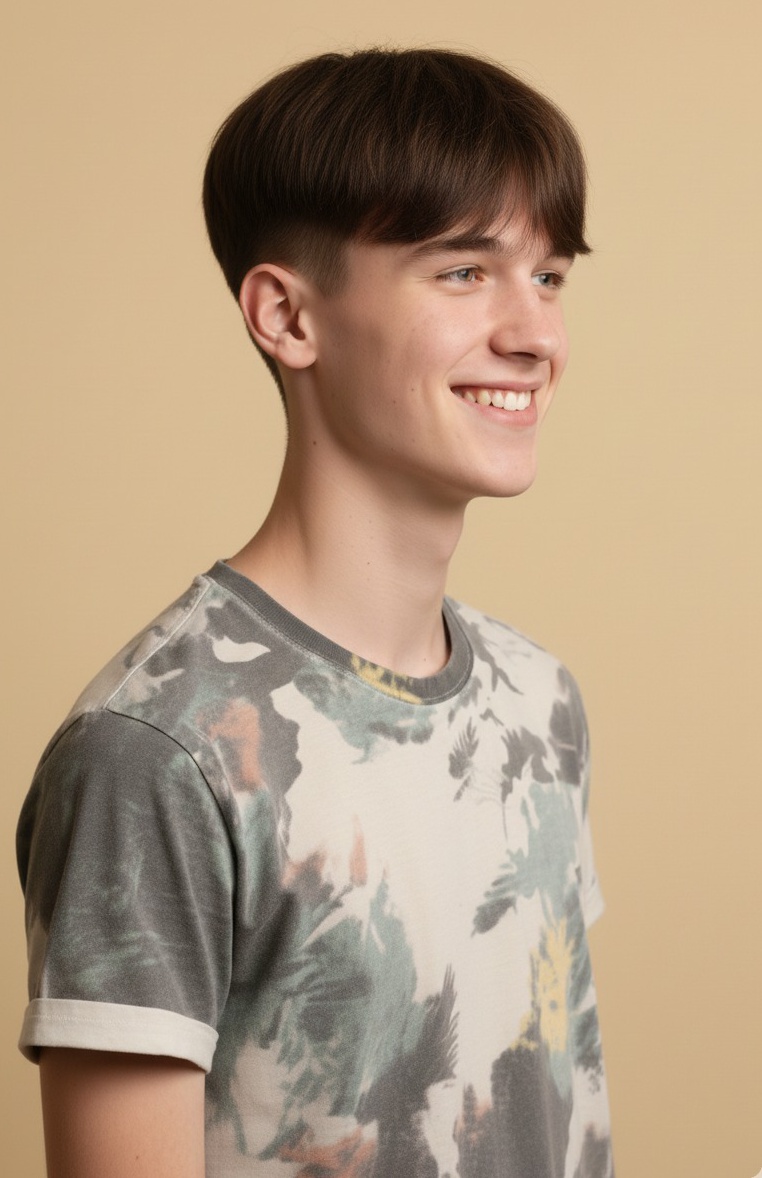
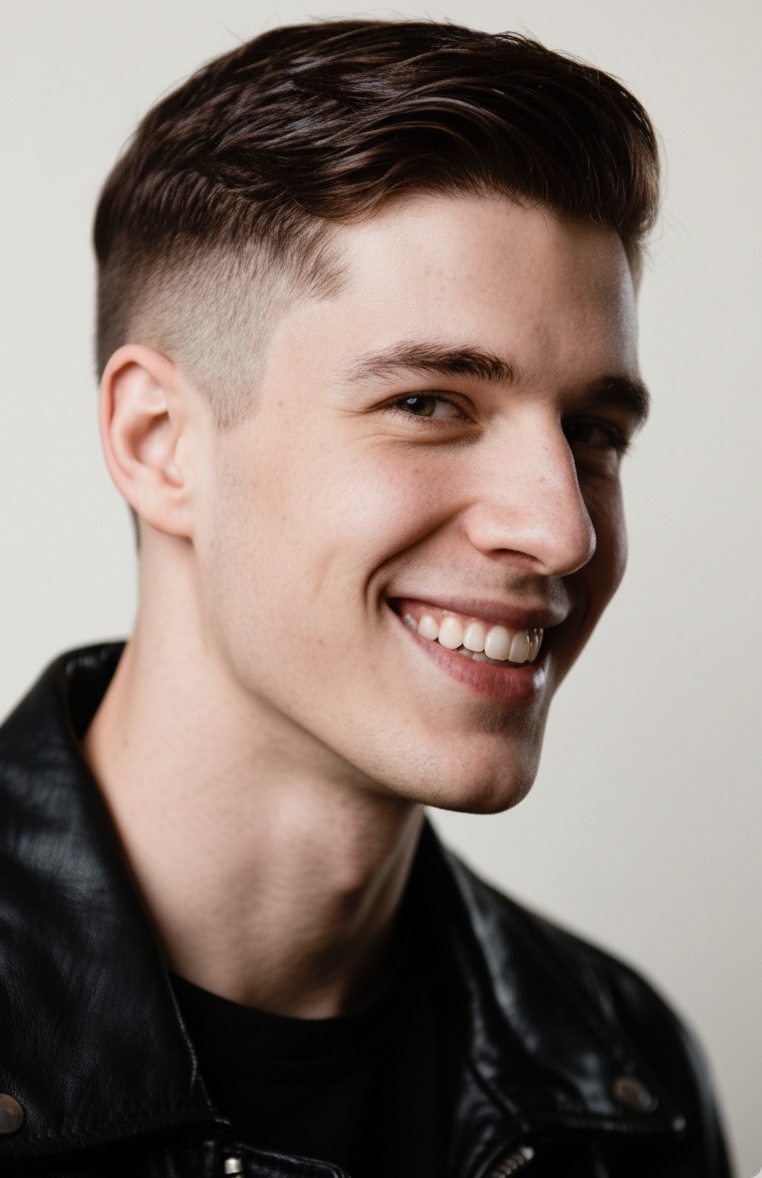

Choose your preferred style, then upload and process your photo on the left
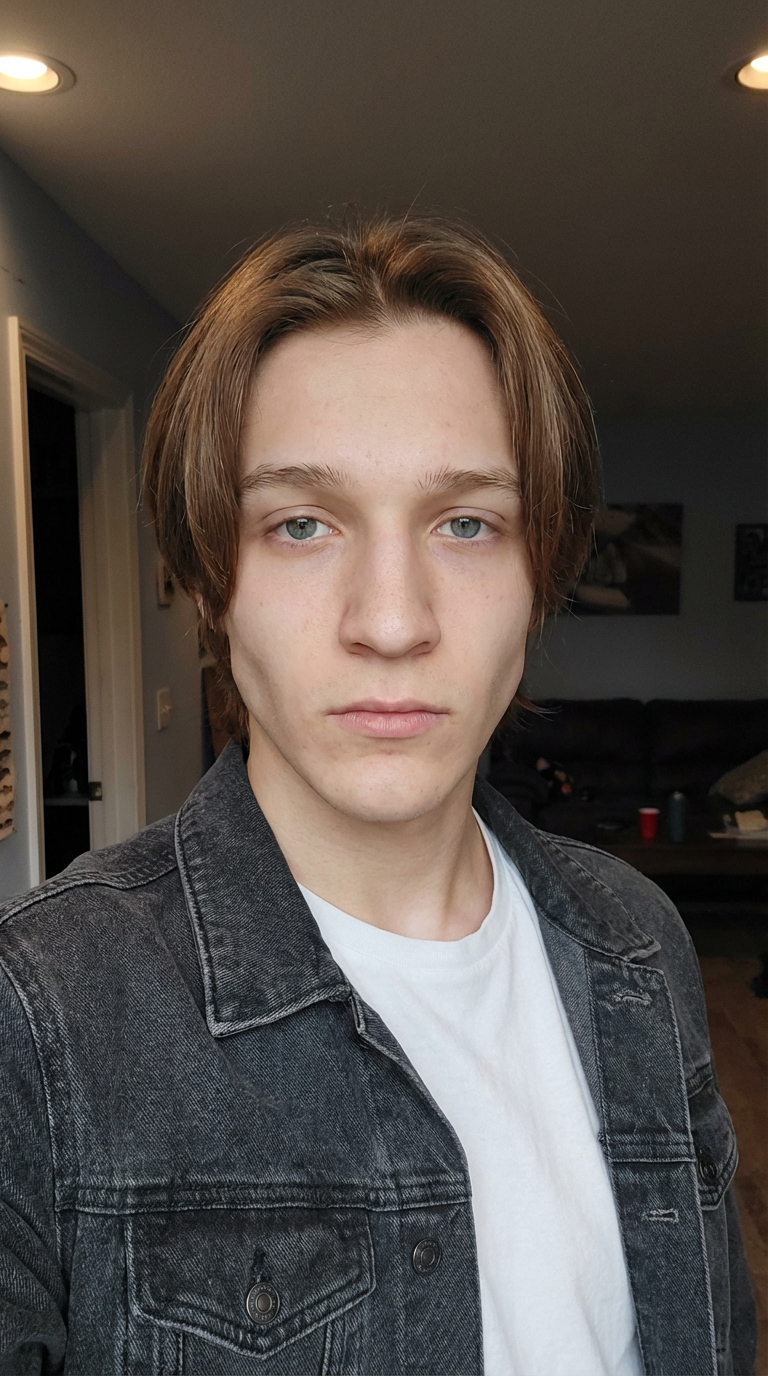
The middle part is back—and it is defining men’s hair in 2025. Whether you call it a curtain haircut, center part, or center-parted flow, this symmetrical, face-framing style has become a Gen-Z favorite and is steadily winning over every age group. This guide shows you what makes the middle part work, who it flatters most, how to ask your barber for it, and how to style and maintain it day to day.

What Is a Middle Part Hairstyle?
A middle part is a cut where the hair on top is split cleanly down the center so it falls evenly on both sides. Modern versions lean on texture and light layering, paired with tapered or faded sides for contrast. The result: balance, flow, and a “curtain” effect that frames the face without feeling over-styled. The look can be sleek and polished with pomade or left loose and tousled with a light cream—its adaptability is why it works across offices, campuses, and weekends.
Brief history and resurgence
The style peaked in the 70s and again in the 90s, but today’s execution is sharper: textured tops, tailored sides, and intentional styling driven by social media references.
Key characteristics
- Center line that creates symmetry and elongates the face
- Layering on top for movement, paired with taper or fade for clean edges
- Works on straight, wavy, and curly textures with the right product routine
Why “curtain haircut” and “center part” matter
These terms are interchangeable with middle part. Using them with your barber helps avoid confusion and keeps the cut aligned with current trends.
Why the Middle Part Is Trending in 2025
Gen Z adopted the middle part as the modern alternative to the Millennial side part, framing it as youthful and intentional. Social platforms amplified the contrast: the middle part signals balance and minimalism, fitting the “clean” aesthetic. Celebrity use across red carpets and street style cemented it as versatile rather than niche. It is trendy, but it is also practical—a rare mix of low-effort upkeep with a high-impact look.
Face Shapes and Middle Part Suitability
Most men can wear a middle part with minor tweaks. Suitability comes down to proportions, not rules.
Best matches
- Oval: Naturally balanced; the middle part enhances symmetry.
- Round: The vertical center line visually lengthens the face.
- Oblong/rectangular: The part redirects attention horizontally, offsetting length.
- Heart: A soft fringe can add width near the jaw to balance a broader forehead.
Needs extra consideration
- Square: Highlights angular features; keep texture soft or add slight offset if you want to reduce sharpness.
- Diamond: Add volume near the temples and softer sides to balance cheekbones.
Quick fit test
Create a temporary center part with a fine-tooth comb on damp hair. Look at your profile and three-quarter angles. If symmetry feels harsh, shift the part 1 cm off-center for a softer effect.
Not sure if it flatters your face? Try it risk-free with BlondeFilter’s AI hairstyle filter—upload a photo and see the middle part on your own features before you commit.
Popular Middle Part Variations (with Visuals)
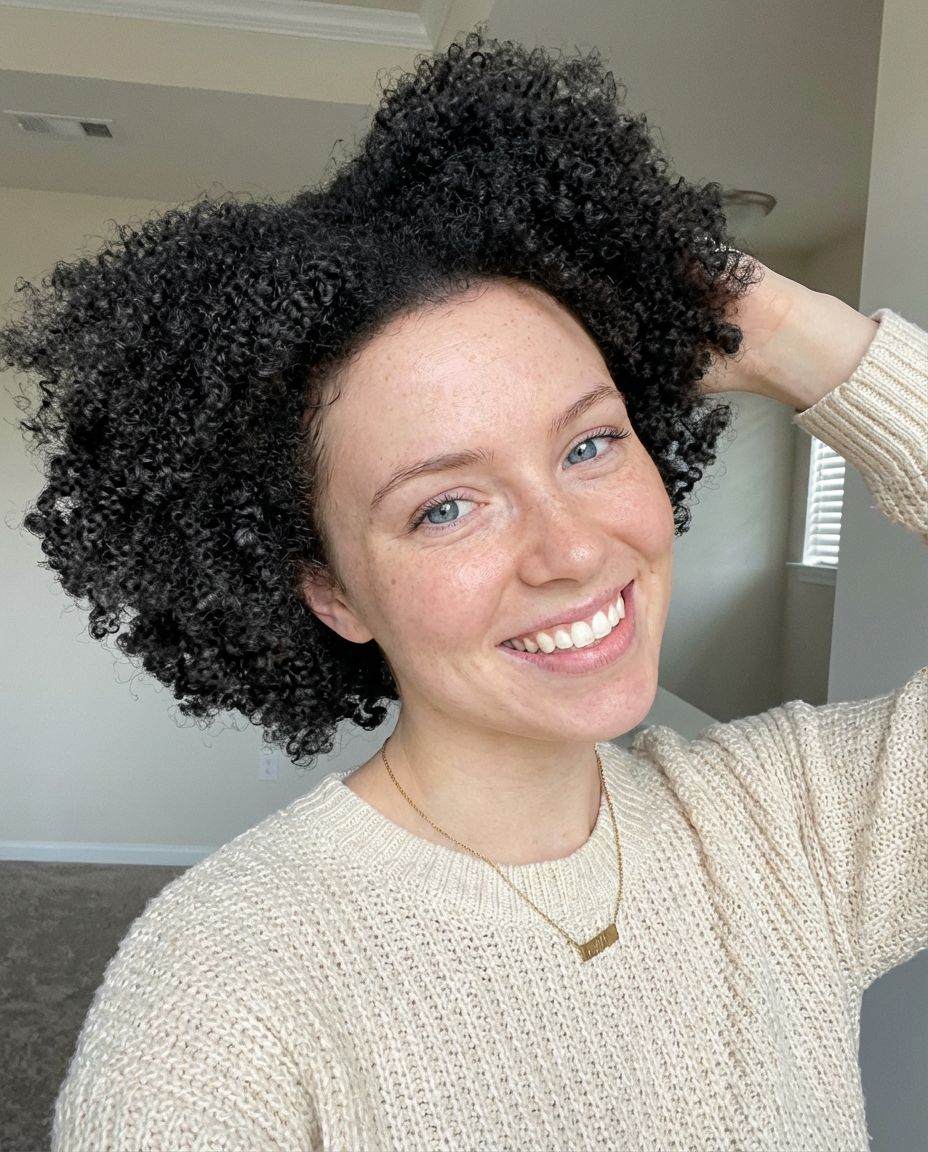
- Classic textured flow: Layered top with natural movement, tapered sides, minimal styling (sea salt spray + finger-combing).
- Middle part with low taper fade: Clean taper starting near the ear for a sculpted, professional profile.
- Messy laid-back part: Looser line, tousled finish; ideal for creative, low-effort styling.
- Sleek polished center part: Blow-dried smooth with pomade or cream for shine and control.
- Long middle part flow: Shoulder-grazing length with a defined part for a free-spirited look.
- Middle part mullet (trend-forward): Length in back with a centered front for edge and individuality.
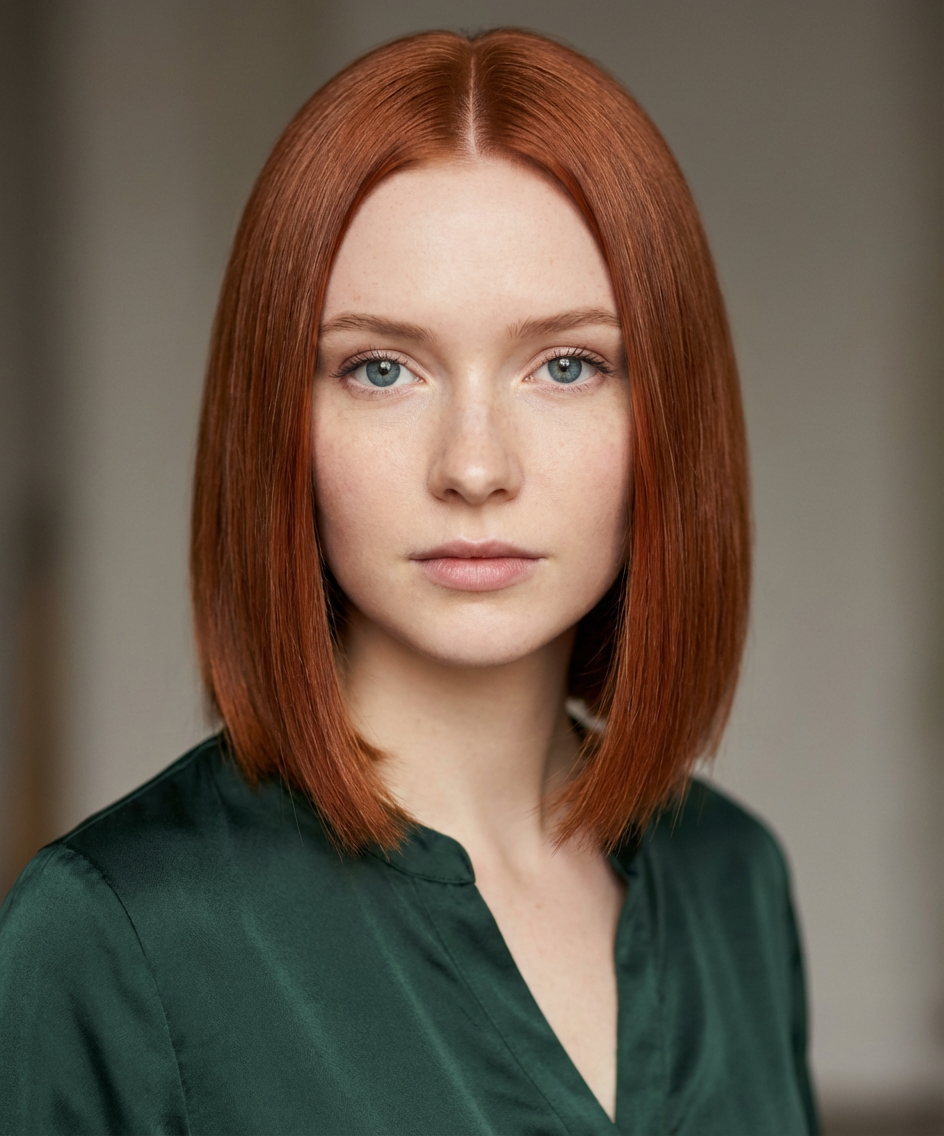
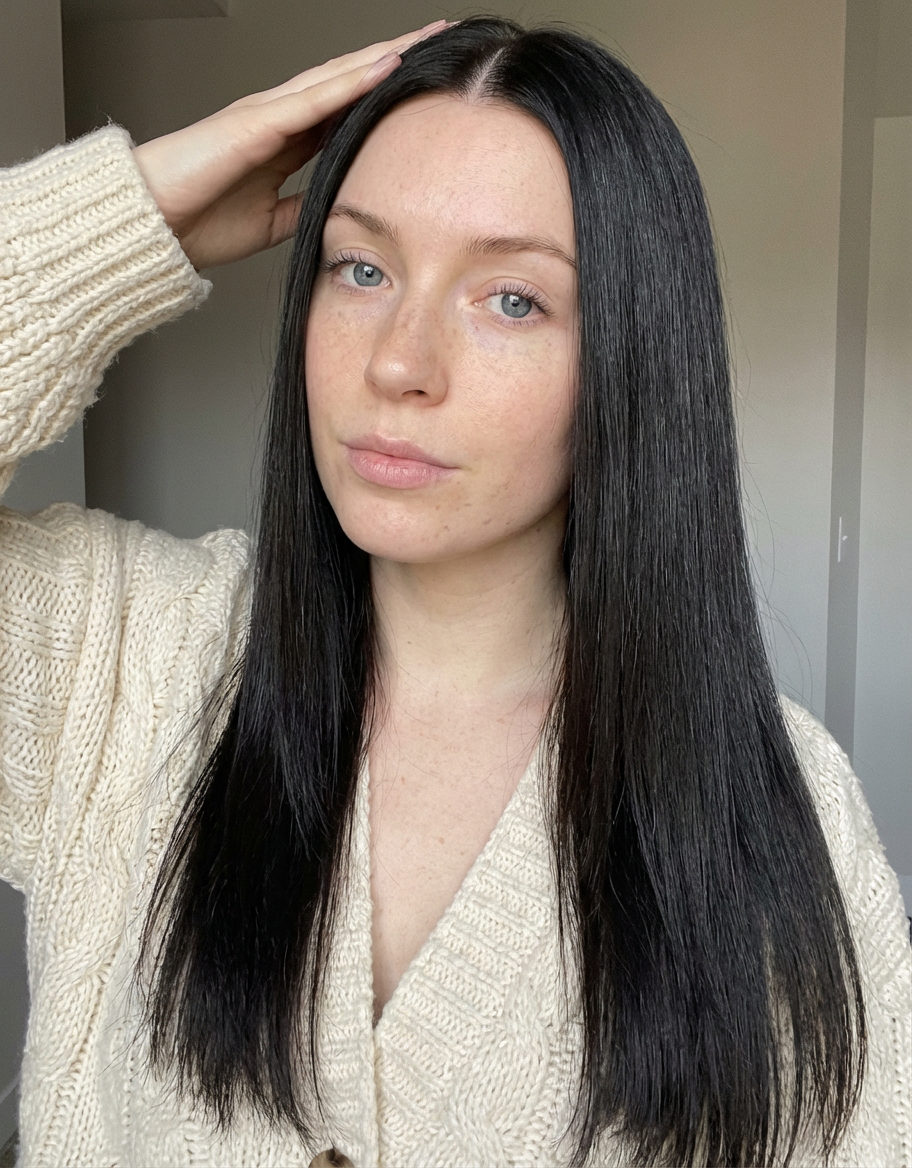
Curious which variation fits you best? Use BlondeFilter’s virtual hairstyle try-on to compare textured, sleek, faded, and long middle parts on your own face in seconds.
How to Talk to Your Barber
Clear language and visuals prevent misunderstandings.
- Bring reference photos (2–3 images) showing your target length, texture, and fade or taper height.
- Top length and layering: State the length you want on top (often 3–5 inches) and whether you want choppy texture or uniform layers.
- Fade or taper preference: Specify low, mid, or high taper/fade; note if you want skin exposure or just a gentle taper.
- Fringe behavior: Explain if the front should fall naturally, sweep back slightly, or stay blunt and defined.
- Styling commitment: Tell your barber if you will blow-dry daily or need a cut that falls into place with minimal product.
- Maintenance plan: Agree on trim frequency (every 3–5 weeks) before leaving the chair.
Phrases that work: “Textured middle part, about four inches on top, low taper on the sides, soft fringe that moves, not stiff.” Avoid vague requests like “just a middle part” without details.
Essential Products and Tools
- Sea salt spray: Adds grit and separation for a lived-in flow.
- Texture clay or matte clay: Light hold with a natural finish; great for definition without shine.
- Pomade or light cream: For sleek control and subtle sheen in professional settings.
- Fine-tooth comb: To define or refine the center line.
- Blow-dryer with nozzle: Sets volume and direction; use medium heat, finish with cool air to lock shape.
- Lightweight conditioner: Keeps length healthy so the part falls cleanly.
Step-by-Step Daily Styling Routine
Step 1: Start damp. Towel-dry gently after a wash or spritz with water; avoid rough rubbing.
Step 2: Add sea salt spray. Mist roots and mids, then scrunch for texture.
Step 3: Blow-dry with intent. Lift at the roots for volume and direct hair away from the face. Use fingers or a round brush; finish with cool air to set.
Step 4: Define the part. Use a fine-tooth comb from hairline to crown for a straight line, or shift it slightly off-center if you prefer softer symmetry.
Step 5: Apply finish product. Work a pea-sized amount of clay or cream through the mids and ends to separate and shape. Hair should remain touchable, not stiff.
Total time: 5–10 minutes once the routine is familiar.
Maintenance and Long-Term Care
- Trim cadence: Every 3–5 weeks to keep the line sharp and sides tidy.
- Condition consistently: Hydrated hair moves and reflects light better; dry hair frays and disrupts the part.
- Handle cowlicks smartly: Blow-dry stubborn sections in their growth direction, then set with cool air and light product.
- Seasonal adjustments: In humidity, favor lightweight cream over heavy pomade; in dry months, add moisture and a touch more hold to fight static.
- Monitor health: Avoid excessive heat, use heat protectant when needed, and address split ends early.
Ready to see it before you book the cut? Preview the middle part on your own face with BlondeFilter’s AI hairstyle try-on and walk into the barbershop with confidence.
Frequently Asked Questions
Can everyone pull off a middle part? Most men can. Oval, round, and oblong faces are strong matches. Square and diamond faces can still wear it—just soften with texture or a slight off-center line if symmetry feels too sharp. The best way to know is to test it on your own face with a virtual try-on or by creating a temporary part at home and checking multiple angles.
Why is Gen Z obsessed with middle parts? Gen Z positioned the middle part as the clean, modern counter to the Millennial side part. Social platforms made it a visual shorthand for symmetry and balance, while celebrity styling proved it works beyond trends. The look fits the current “minimal but intentional” grooming mindset: low effort, high impact, and adaptable to different occasions.
What is a middle part hair? It is a style where the top is split down the center so hair falls evenly to both sides, usually paired with tapered or faded sides. Also called a curtain haircut or center part, it can be textured and loose, sleek and polished, or long and flowing depending on your products and styling time.
What should I tell my barber for a middle part? Show reference images, then specify: top length (around 3–5 inches), desired texture (choppy vs. uniform), fade or taper height (low, mid, or high), and how the fringe should sit. Mention your daily styling effort—blow-dry or air-dry—so the cut matches your routine. A clear ask might be: “Textured middle part, four inches on top, low taper, natural fringe that moves.”
Final Thoughts and Next Move
The middle part delivers symmetry, versatility, and trend relevance without demanding a complicated routine. If you like how it frames your face, the rest is just maintenance: clear instructions for your barber, a few reliable products, and a five-minute styling habit. Try it virtually with BlondeFilter, pick your favorite variation, and book with confidence knowing exactly how you want it to look.