
The Ultimate Guide to the Jewfro: Embracing Natural Curls in 2025
Discover Jewfro haircuts, maintenance tips, and frizz fixes, plus preview your look with BlondeFilter's AI virtual hairstyle try-on.


Click or drag photos here to upload
Supports JPG, PNG formats, max 5MB, JPEG format recommended
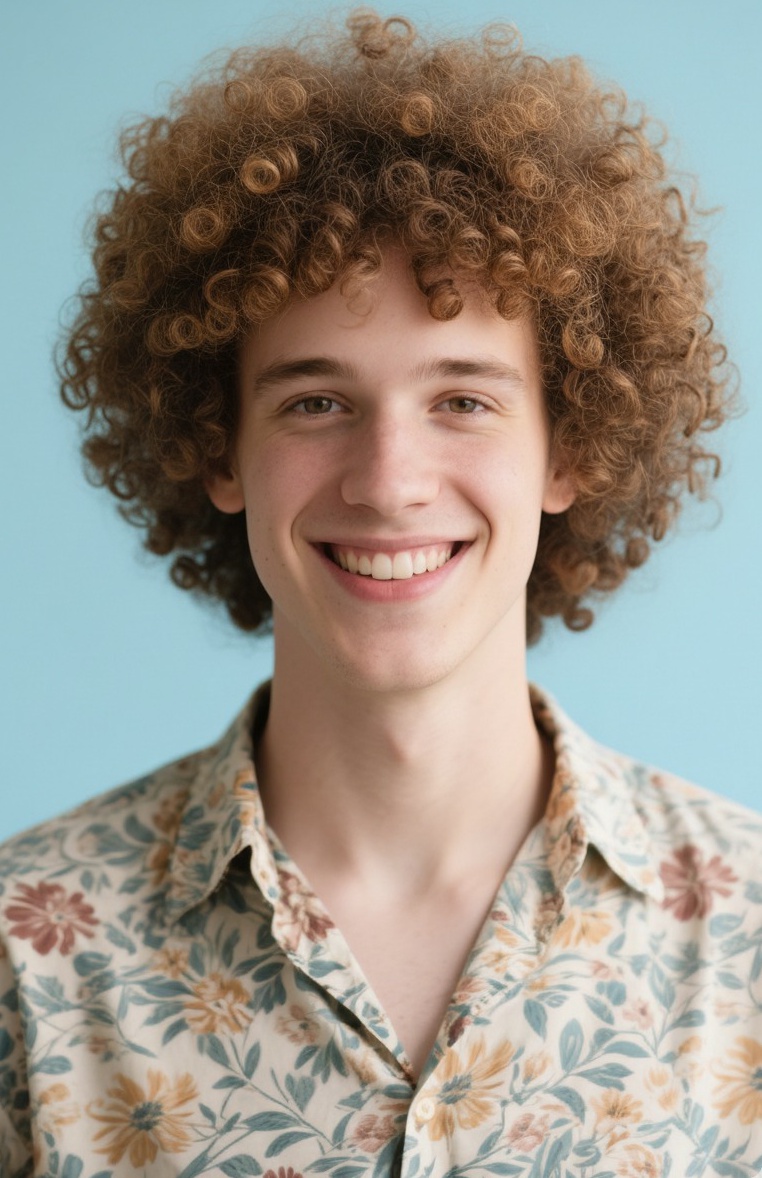

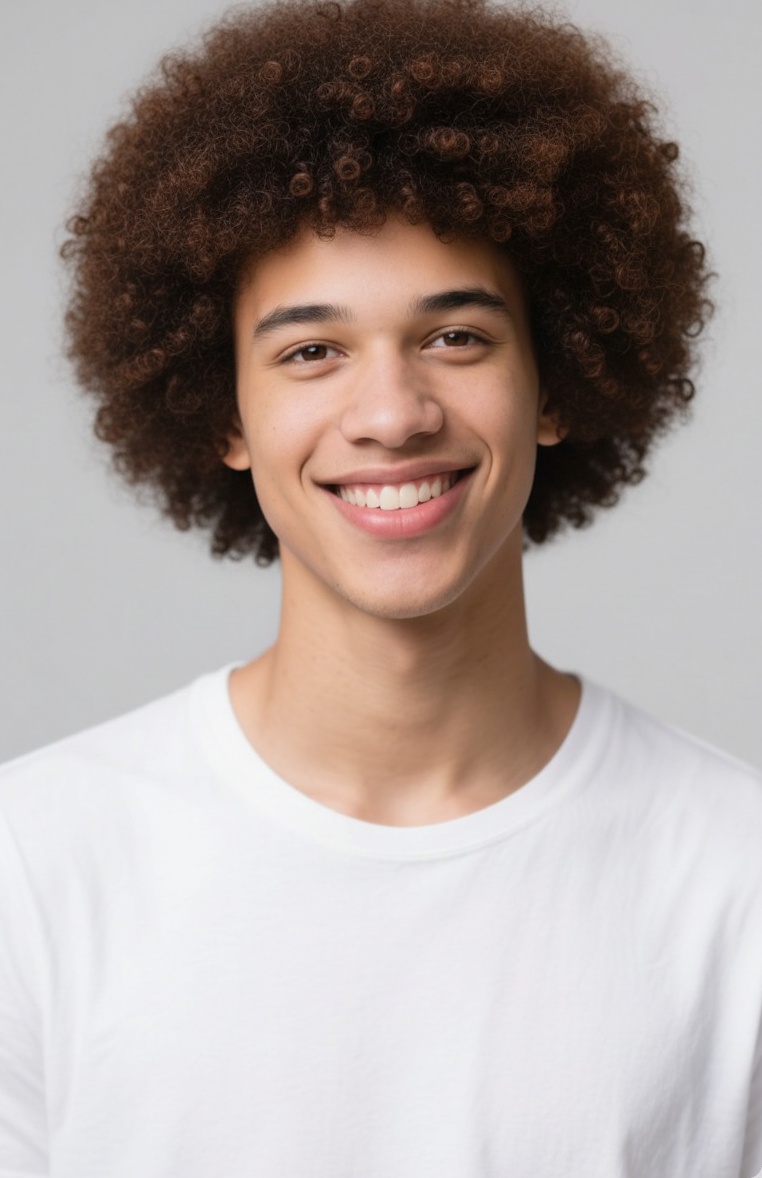
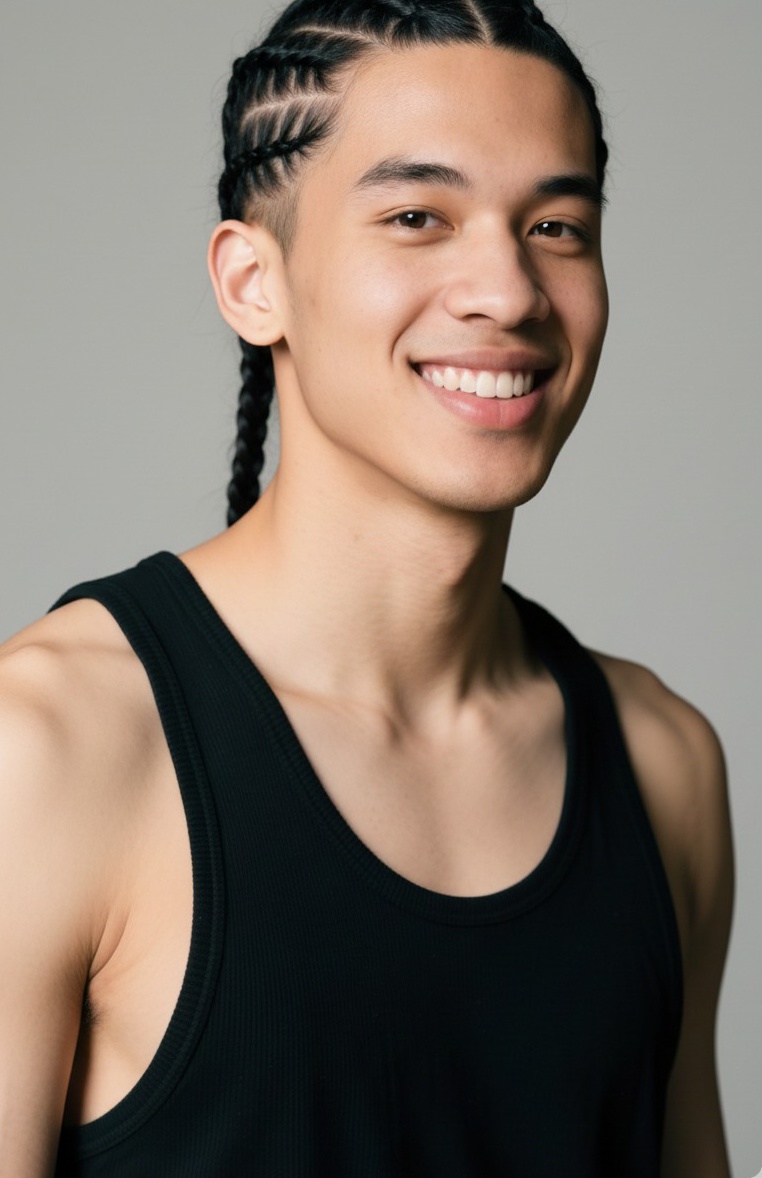
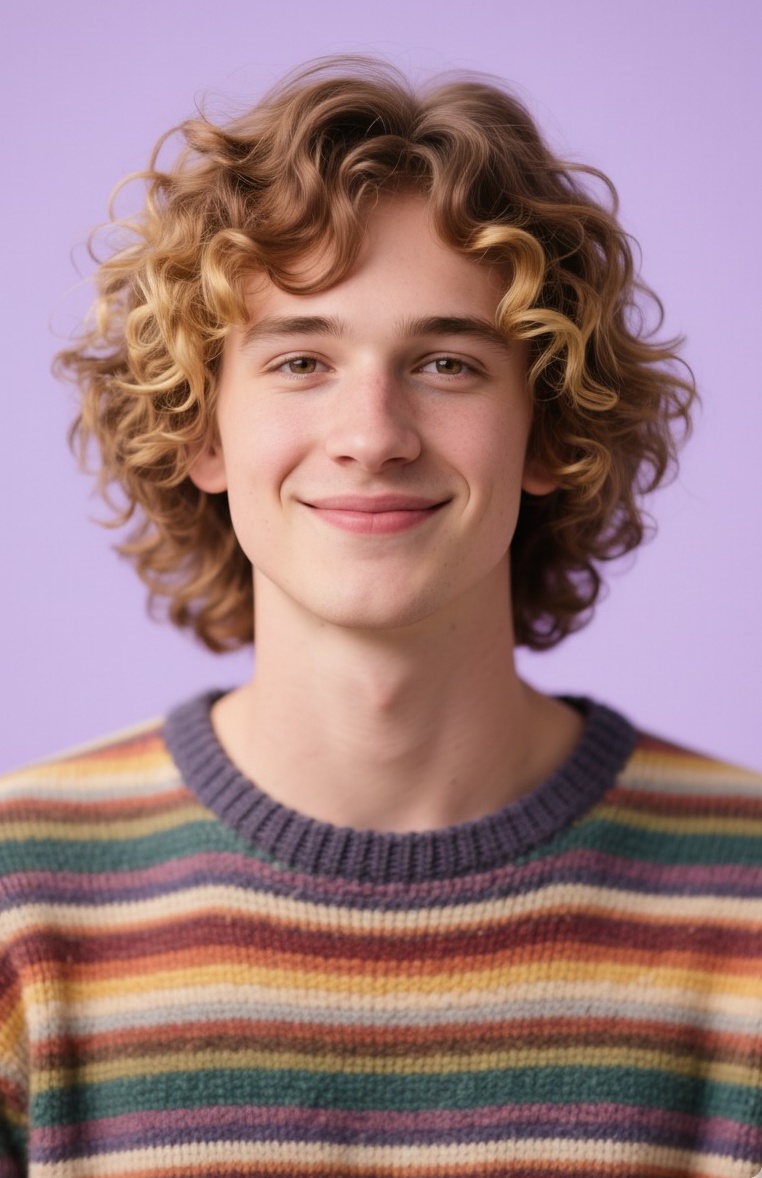
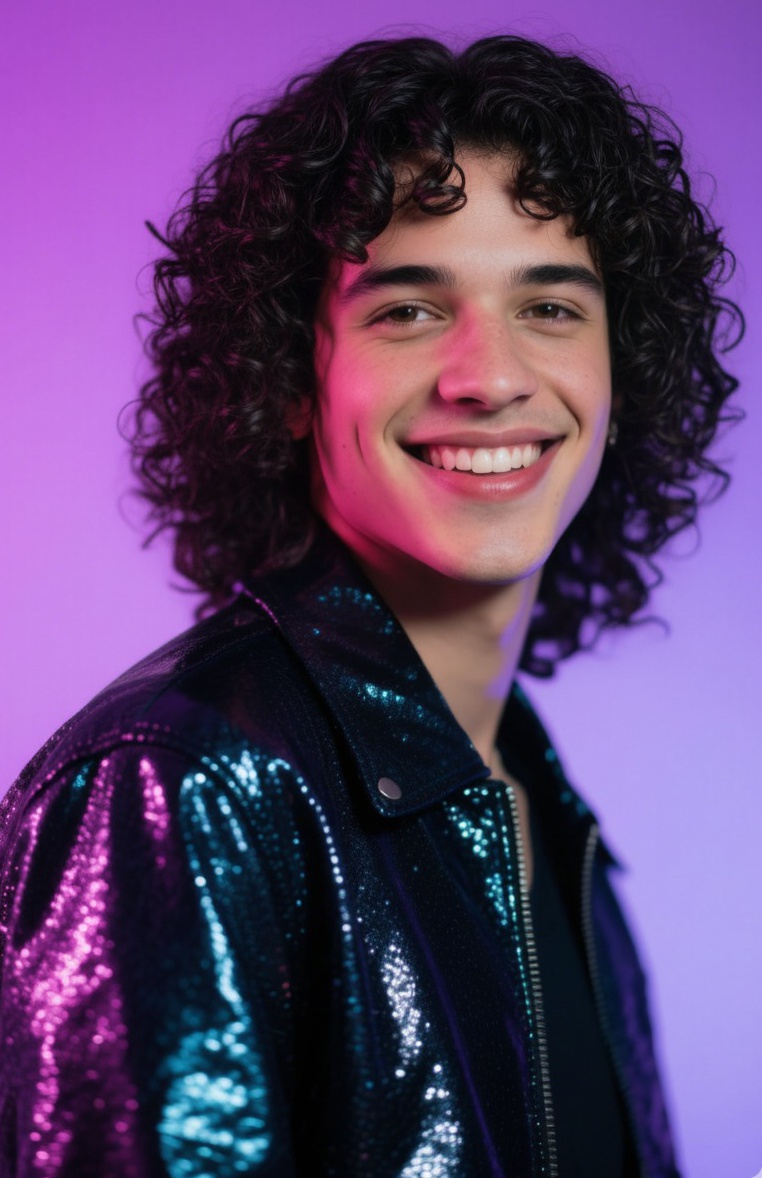
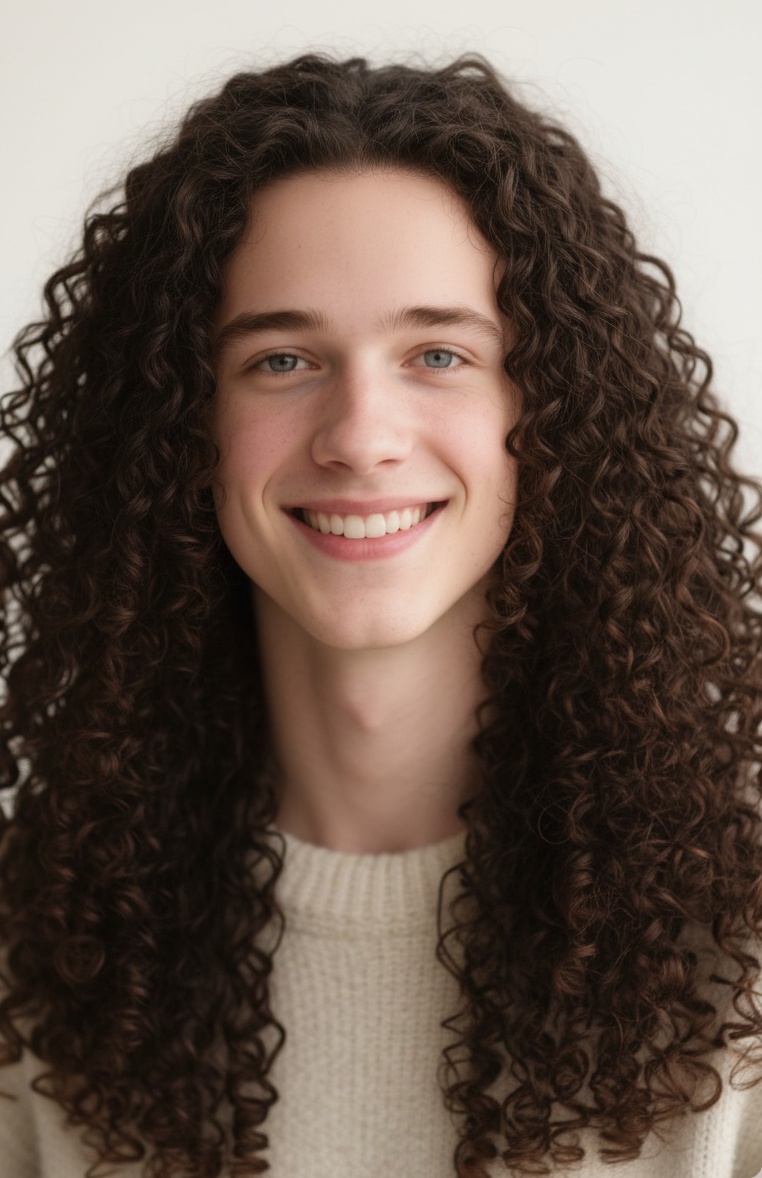

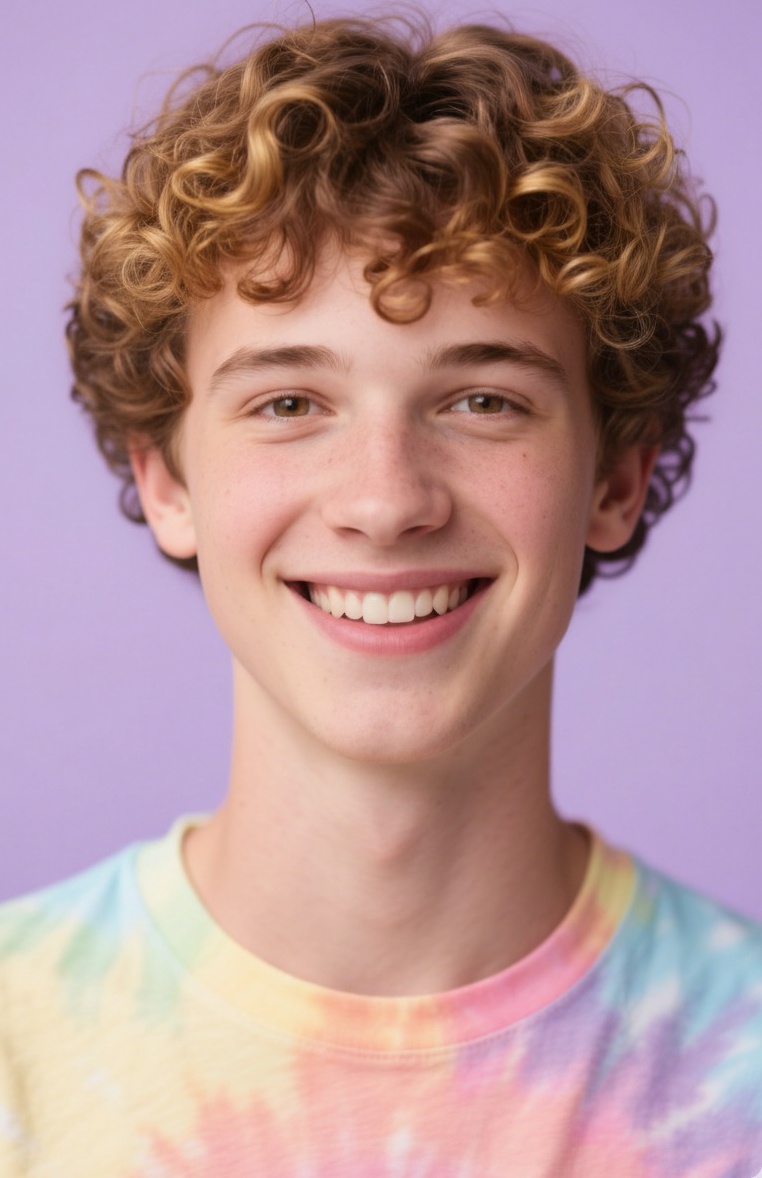
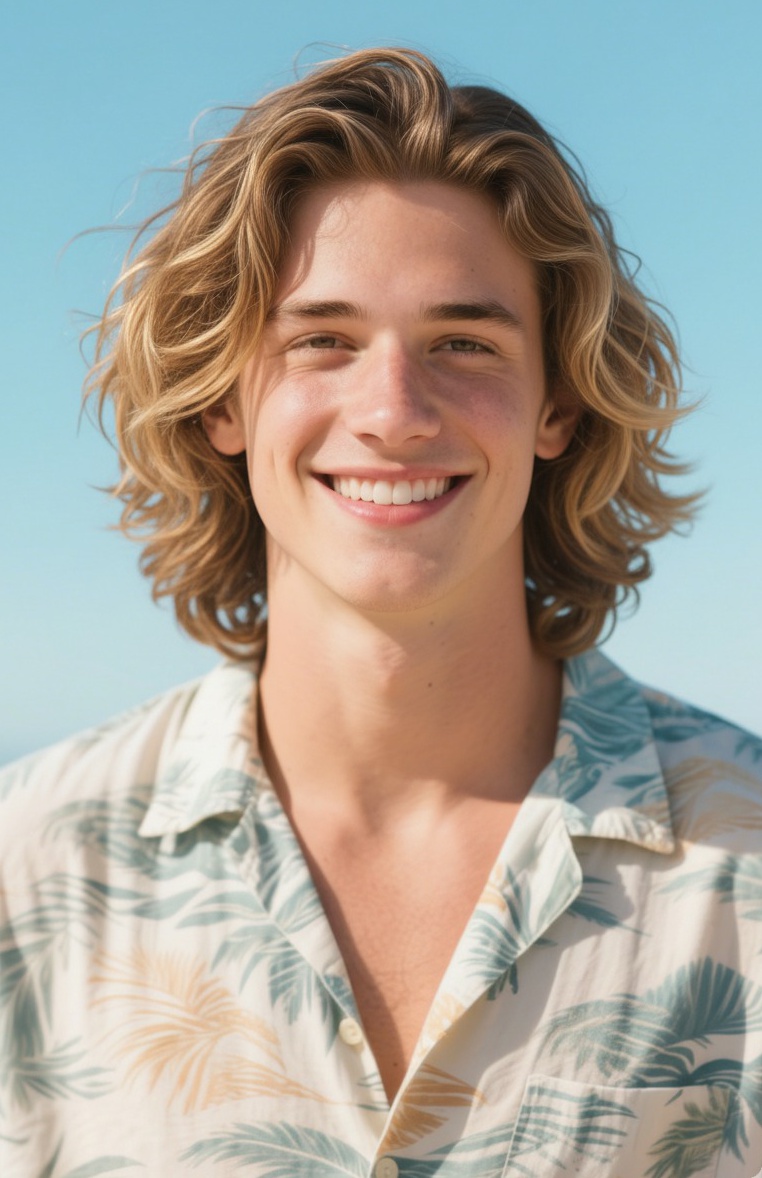
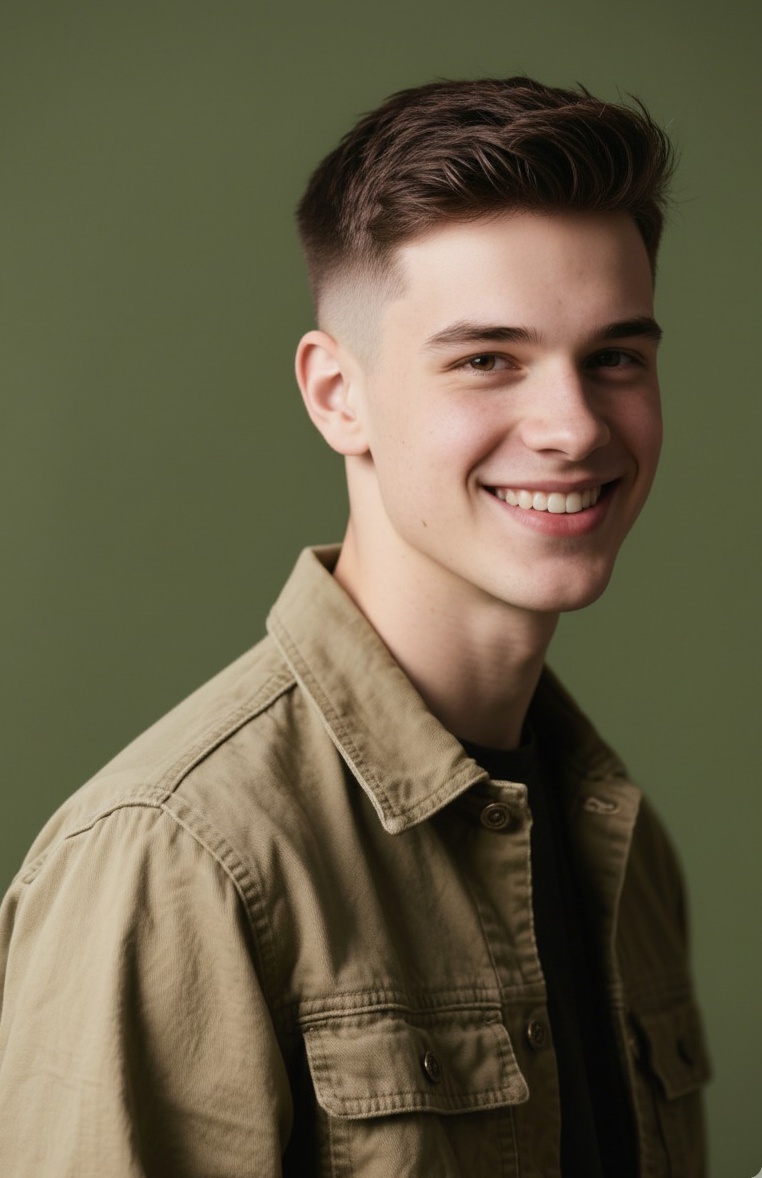

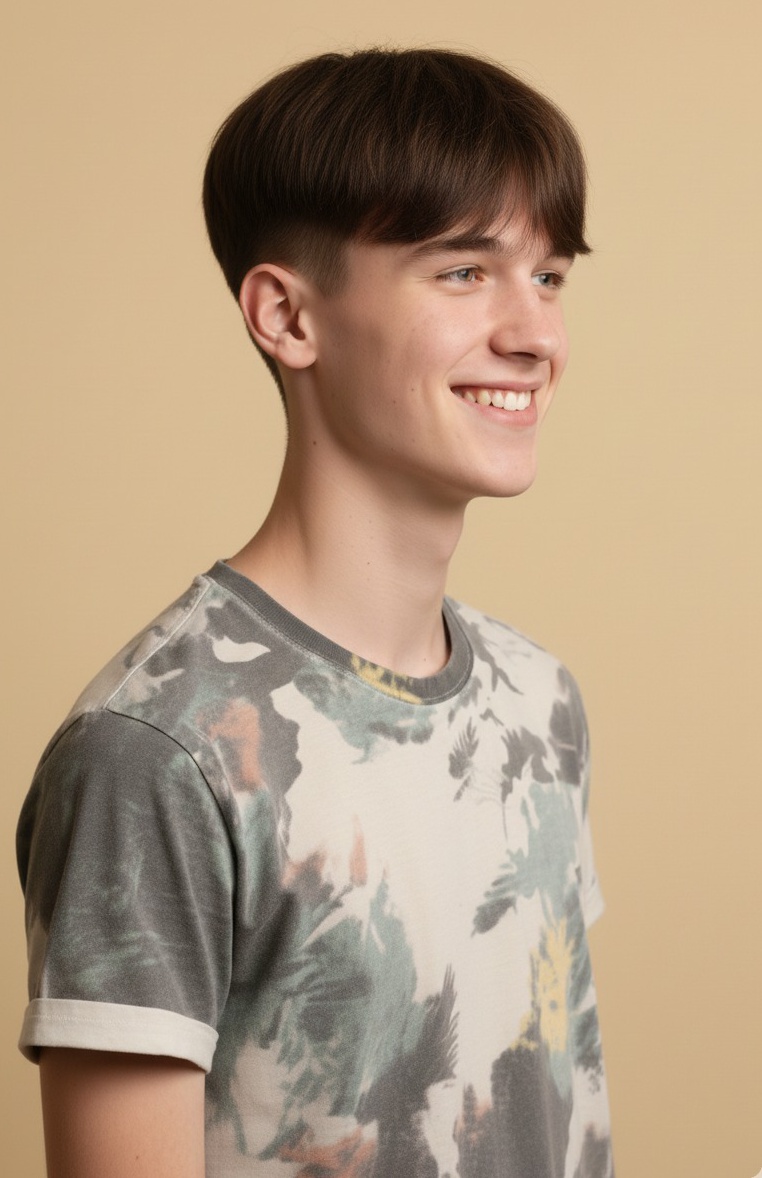
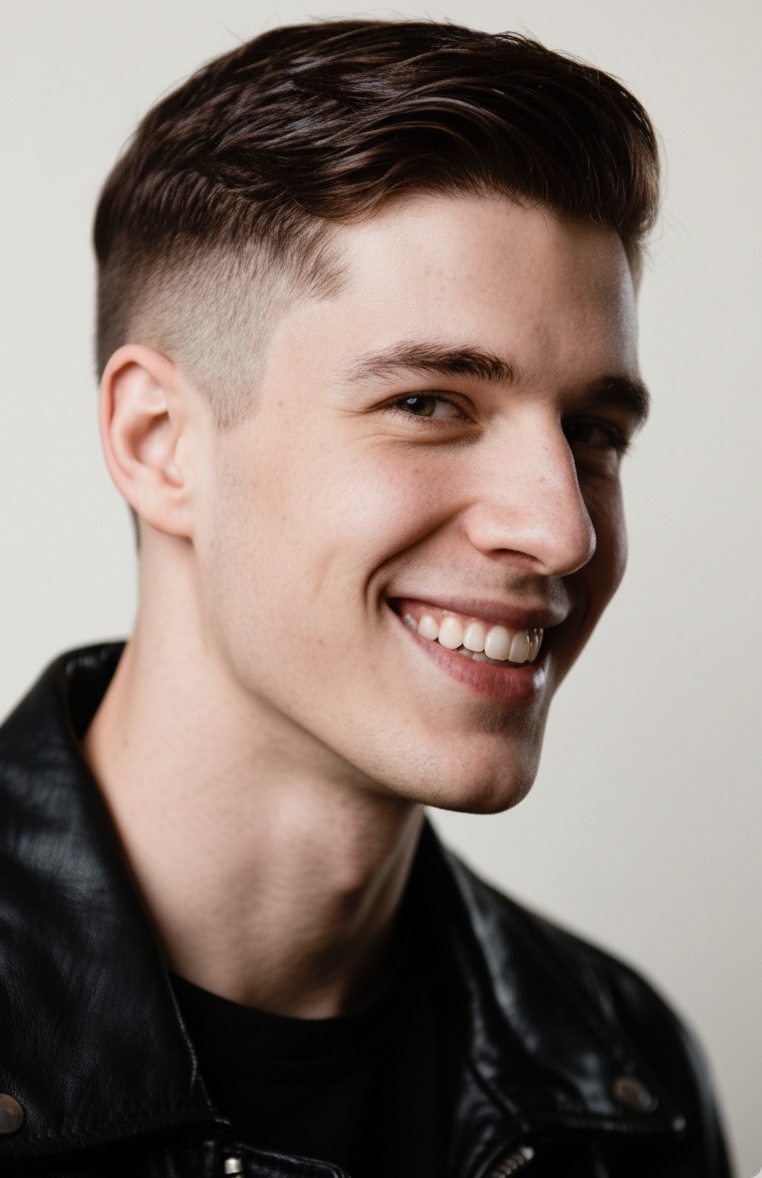
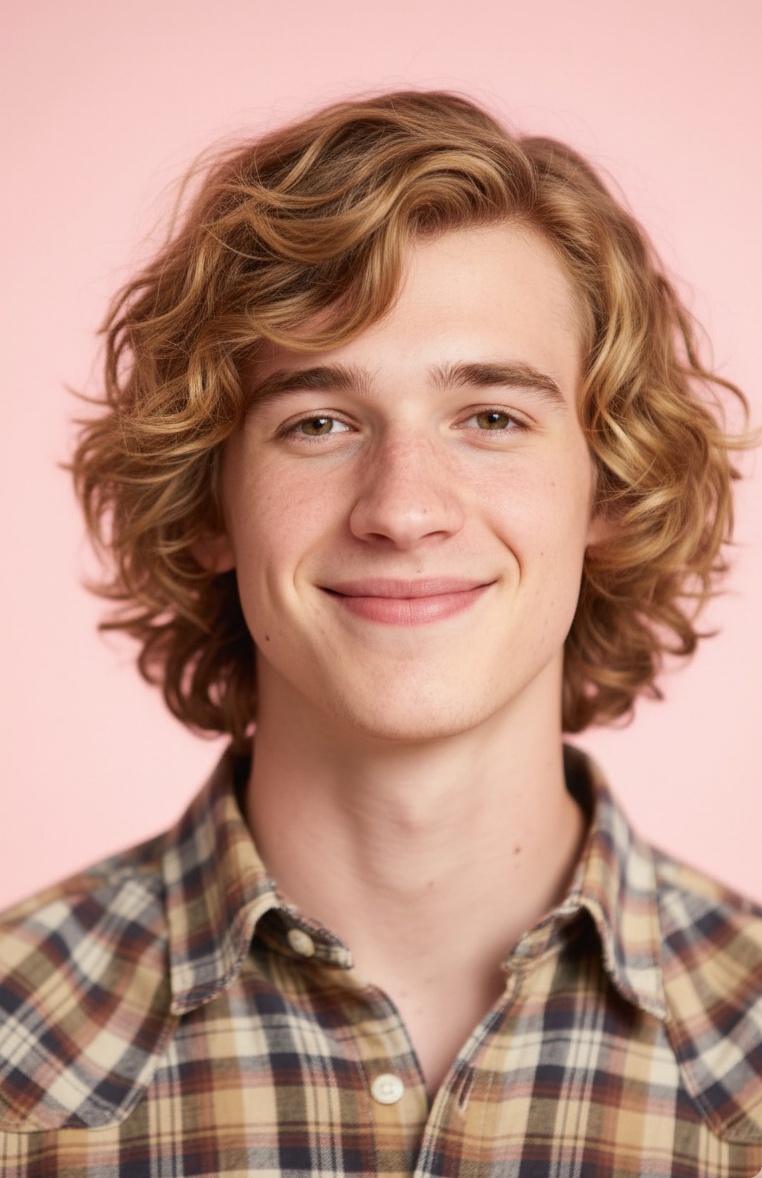
Choose your preferred style, then upload and process your photo on the left
For decades, men with thick, unruly curls fought a losing battle against their hair. They gelled it flat, cut it buzz-short, or hid it under beanies, fearing the inevitable “poof” that happens when humidity strikes. In 2025, the narrative has shifted. The Jewfro is no longer a style to be tamed or hidden—it is a statement of identity, volume, and confidence.
Whether you were born with the classic Ashkenazi curls or simply have a thick, textured mane that refuses to lay flat, embracing the Jewfro hairstyle is about working with your genetics, not against them. The big, bold curly look is back, and this guide focuses on styling management, cultural context, and product care—plus a fast way to test the look using BlondeFilter’s virtual hairstyle try-on.
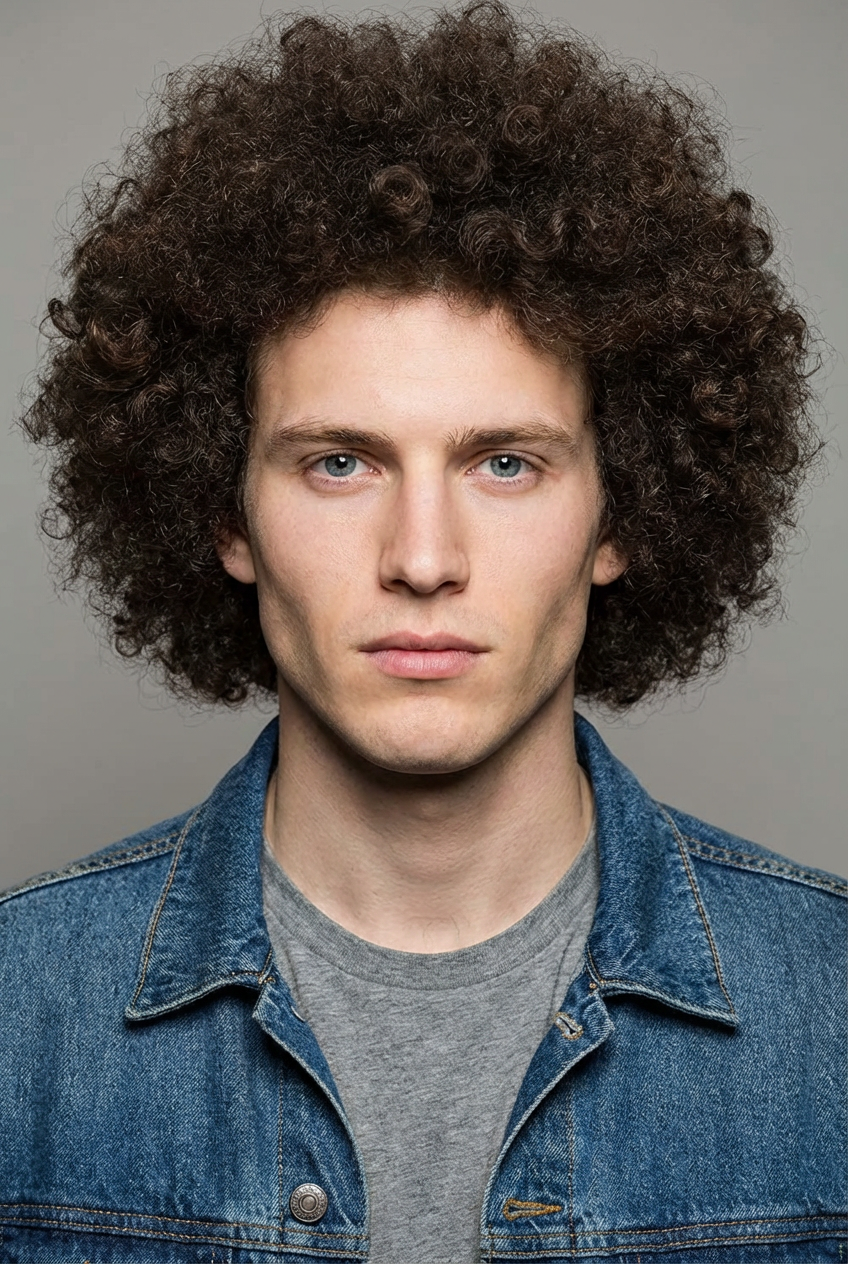
What Is a Jewfro? (Definition & Context)
The term Jewfro is a portmanteau of “Jewish” and “Afro,” describing a curly hairstyle predominantly found among men of Ashkenazi Jewish descent (though certainly not exclusive to them). It is characterized by thick, voluminous hair that grows outward from the scalp in a rounded shape, similar to an Afro, but often with a different curl pattern.
Historically, the term gained popularity in the 1960s and 70s during the “Black is Beautiful” movement, which inspired many Jewish activists and counter-culture figures to stop straightening their hair and embrace their natural texture. It became a symbol of solidarity, rebellion, and cultural pride. That lineage remains relevant today as more men choose to let their curls take up space rather than fight them.
The Texture Factor
Jewfro hair typically falls into the Type 3 curl category (3A, 3B, or 3C):
- High Volume: It naturally stands up and out.
- Dry: The curl pattern prevents natural scalp oils from traveling down the hair shaft.
- Frizz-Prone: Without moisture, the curls lose definition and become a cloud of fuzz.
Jewfro vs. Afro: What’s the Difference?
While they share a similar silhouette—a halo of hair framing the face—there are distinct structural differences between a Jewfro and a traditional Afro.
- The Afro is typically associated with Type 4 (coily or kinky) hair, which has a zigzag pattern and naturally grows upward and outward with significant structural integrity.
- The Jewfro is usually Type 3 (curly) hair. It is often softer, has looser spirals, and may be more susceptible to gravity as it grows longer, eventually flopping over if not cut correctly.
Thinking about growing it out? Before you endure the awkward in-between stage, use our AI hairstyle filter to see how you’d look with full volume. It’s the smartest way to plan your hair growth journey.

Visual Inspiration: Real-Life Jewfro Moments
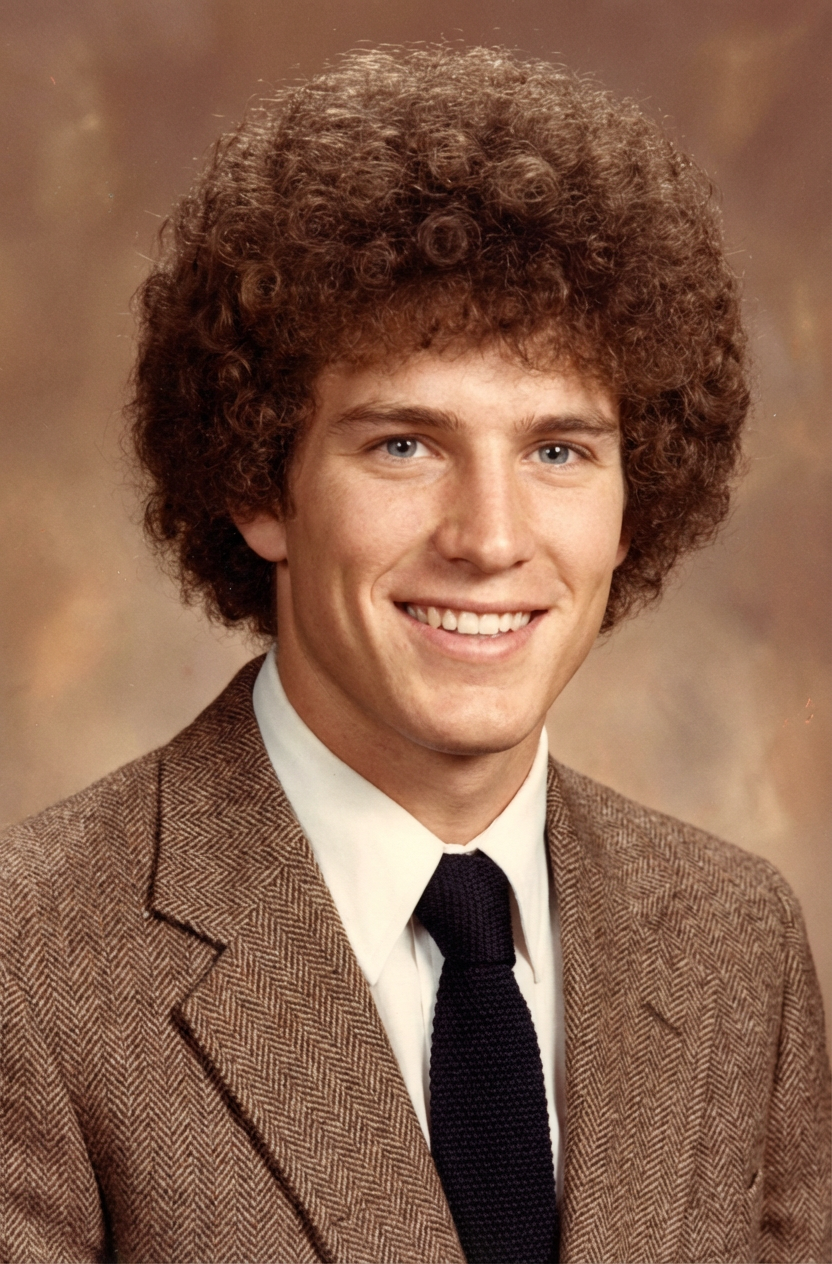
Use these references to communicate with your barber or stylist and to benchmark what “defined curls” look like when hydrated and shaped:
- Defined studio volume:
- Outdoor texture with movement:
- Side profile halo shape:
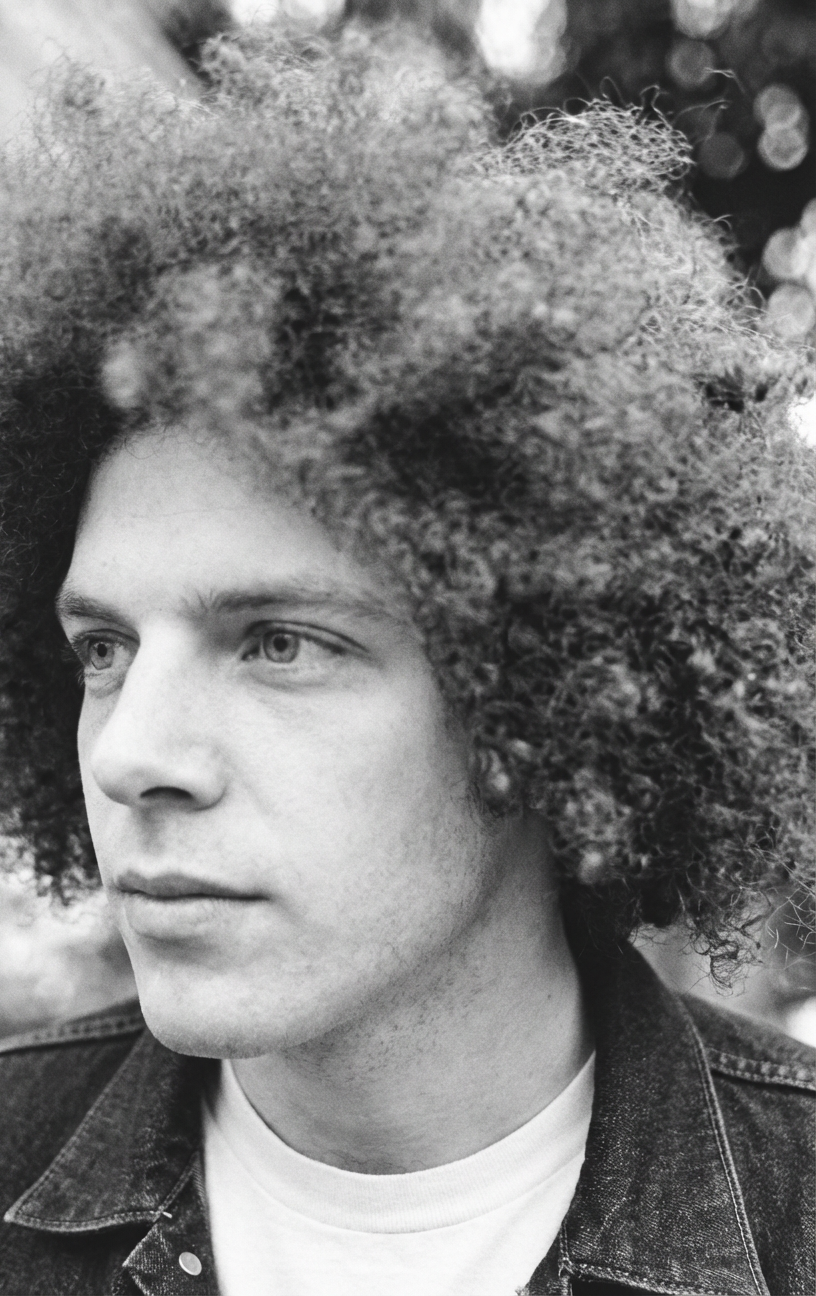
- Backlit, fluffy lift:
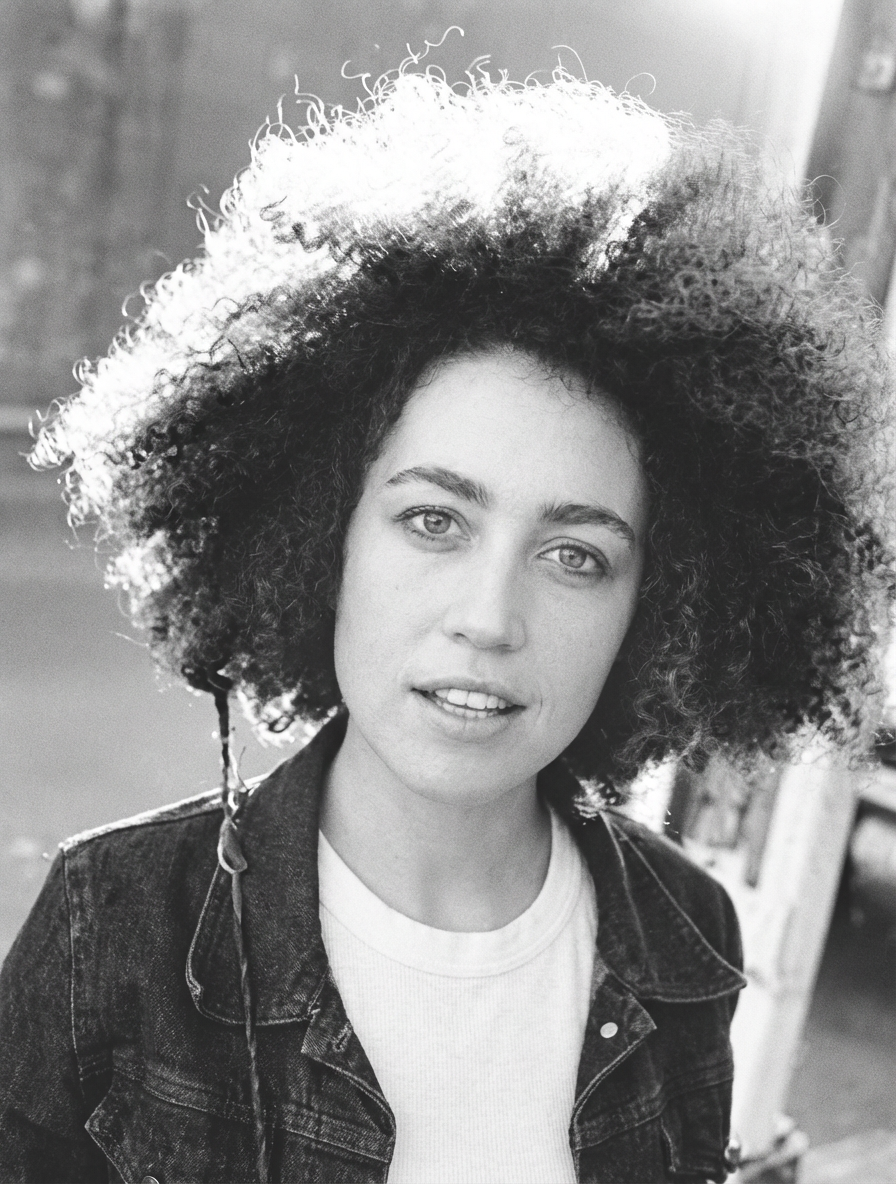
- Rounded vintage shape:
5 Modern Jewfro Haircuts to Try in 2025
Gone are the days when “Jewfro” meant just one unkempt look. Today, barbers adapt the texture into sharp, modern cuts that blend volume with cleanliness.
1. The Classic Full Volume
The purist’s choice: grow the hair out to a medium length (3–5 inches) and cut it in layers to create a uniform, round shape.
- Best For: Men with oval or square faces who want to soften their features.
- Styling Tip: Lean into the volume. Keep the edges slightly lived-in for a 70s rock vibe.
2. The Tapered Fade (The “Clean” Jewfro)
Keeps the top long and voluminous (2–4 inches) while fading the sides and back down to the skin or a #1 guard.
- Why It Works: Removes bulk from the sides, slimming the face and avoiding the mushroom effect.
3. The Curly Fringe
Encourages curls to fall forward over the forehead. A younger, grungier look popularized by the e-boy aesthetic.
- Best For: Larger foreheads or receding hairlines; the curls provide natural coverage.
4. The Bandana / Headband Look
Practical and stylish: a headband pushes hair back while creating maximum volume at the crown.
- Vibe: Athletic, artistic, effortless.
5. The “Bob Ross” (Grown Out)
Patience pays off. Letting curls grow past the ears and toward the shoulders delivers an iconic, room-filling halo.
- Maintenance: High. Regular dusting of ends, weekly deep conditioning, and mindful detangling are mandatory to avoid matting.
How to Maintain & Care for a Jewfro
The difference between a “Jewfro” and a “bird’s nest” is hydration. Curly hair is naturally thirsty. Follow these core rules that align with top SERP care advice for Type 3 curls.
The Golden Rule: Put Down the Brush
Never brush your Jewfro when it’s dry. Brushing separates strands, destroying the curl pattern and creating frizz. If you need to detangle, use a wide-tooth comb only when your hair is wet and coated in conditioner.
1) The Wash Routine (Low Poo / No Poo)
- Switch to Sulfate-Free: Gentle shampoos clean without stripping natural oils.
- Co-Washing: Wash with conditioner only every other day to refresh curls while retaining moisture.
- Frequency: Aim for 2–3 washes a week. Daily washing makes curls brittle and frizzy.
2) The “Squish to Condish”
Apply conditioner to soaking-wet hair. Flip your head upside down and “squish” the conditioner in until you hear a squelch. This forces water and moisture into the hair shaft, encouraging curls to clump together.
3) Styling Products: The LOC Method
- L (Liquid/Leave-in): Apply a water-based leave-in conditioner to damp hair.
- O (Oil): Seal with a light oil like argan or jojoba.
- C (Cream): Finish with a curl cream or gel to define shape and fight frizz.
4) Drying: The Diffuser Is Key
Air drying is great but slow. If you use a blow dryer, attach a diffuser. A standard nozzle blows hair around and creates frizz; a diffuser cups curls and dries them in place.
5) Night Care
- Pineapple: Gather curls loosely on top of your head with a soft scrunchie.
- Satin Pillowcase: Reduces friction and morning frizz.
- Refresh: In the morning, mist with water plus leave-in, then gently scrunch.
6) Trim Strategy
Schedule dustings every 8–10 weeks. Removing split ends keeps curls bouncy and prevents triangle shape or flat crown.
Try the Look Before You Commit
Changing your hairstyle is a big decision—especially when it involves months of growth or a drastic cut. The fear of “what if it looks bad?” stops many men from experimenting. This is where BlondeFilter changes the game. Upload a selfie and visualize yourself with different Jewfro lengths, densities, and fades before you book the appointment.
- Wondering if you should fade the sides? Try the “Short Sides Long Top” filter.
- Curious about the full 70s halo? Test the “Voluminous Curls” filter.
- Thinking of color? Experiment with the blonde filter or warmer tones to see how highlights play with curl definition.
[Try Jewfro Online with BlondeFilter Now] — see the new you in seconds.
Frequently Asked Questions
What curl type is a Jewfro?
A Jewfro typically includes Type 3A (loose loops), 3B (springy ringlets), or 3C (tight corkscrews) curls. It differs from Type 4 coils that define most Afros.
What are the curly Jews called?
There isn’t a special term for Jewish people with curly hair; the hair itself is affectionately called a “Jewfro.”
How to care for a Jewfro?
Prioritize moisture: avoid sulfates, never brush dry, use leave-in conditioners, seal with oils, diffuse with low heat, and deep condition weekly.
Is it a fro or afro?
The term “Jewfro” comes from “Afro,” but the textures differ. An Afro usually refers to Type 4 hair that grows up and out with a spongy texture, while a Jewfro refers to Type 3 curls that grow out and may drape as they lengthen.
Key Takeaways
- Jewfro hair thrives when hydrated and minimally manipulated.
- Choose a cut that balances volume with shape—tapered fades and round layers are the 2025 favorites.
- Use the LOC method, avoid dry brushing, and diffuse for definition.
- Test the look with BlondeFilter’s virtual hairstyle try-on before committing so you walk into the barbershop with a clear plan.
Ready to embrace your natural texture? Start by uploading your selfie to BlondeFilter, preview a Jewfro that fits your face shape, and book with confidence.