Discover Your Perfect Japanese Short Hairstyle | Precision Cuts, Modern Elegance & Virtual Try-On
Discover authentic Japanese short hairstyles, from blunt bobs to hime cuts. Virtual try-on included. Find your perfect style by face shape & get styling tips.


Click or drag photos here to upload
Supports JPG, PNG formats, max 5MB, JPEG format recommended

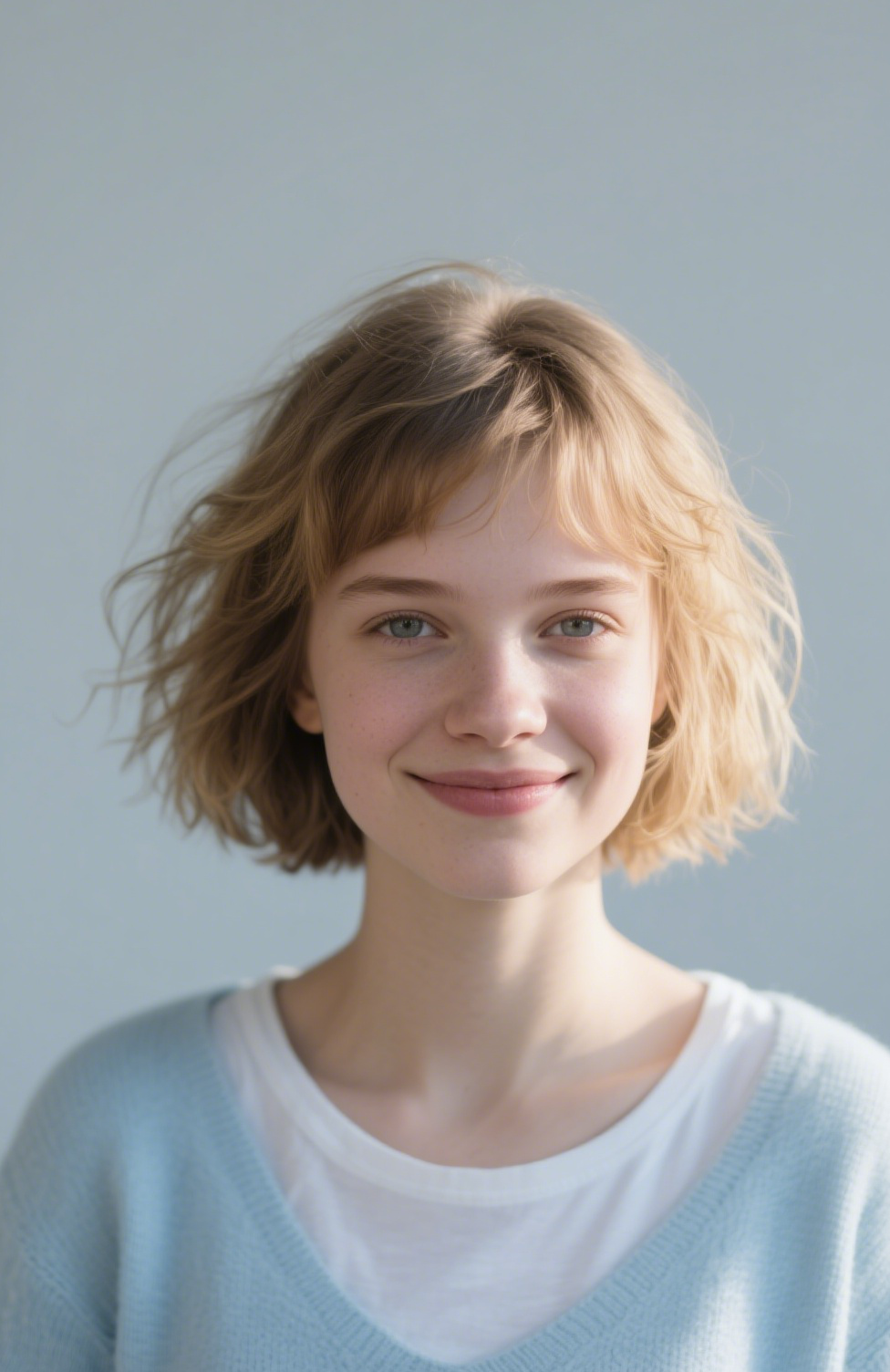

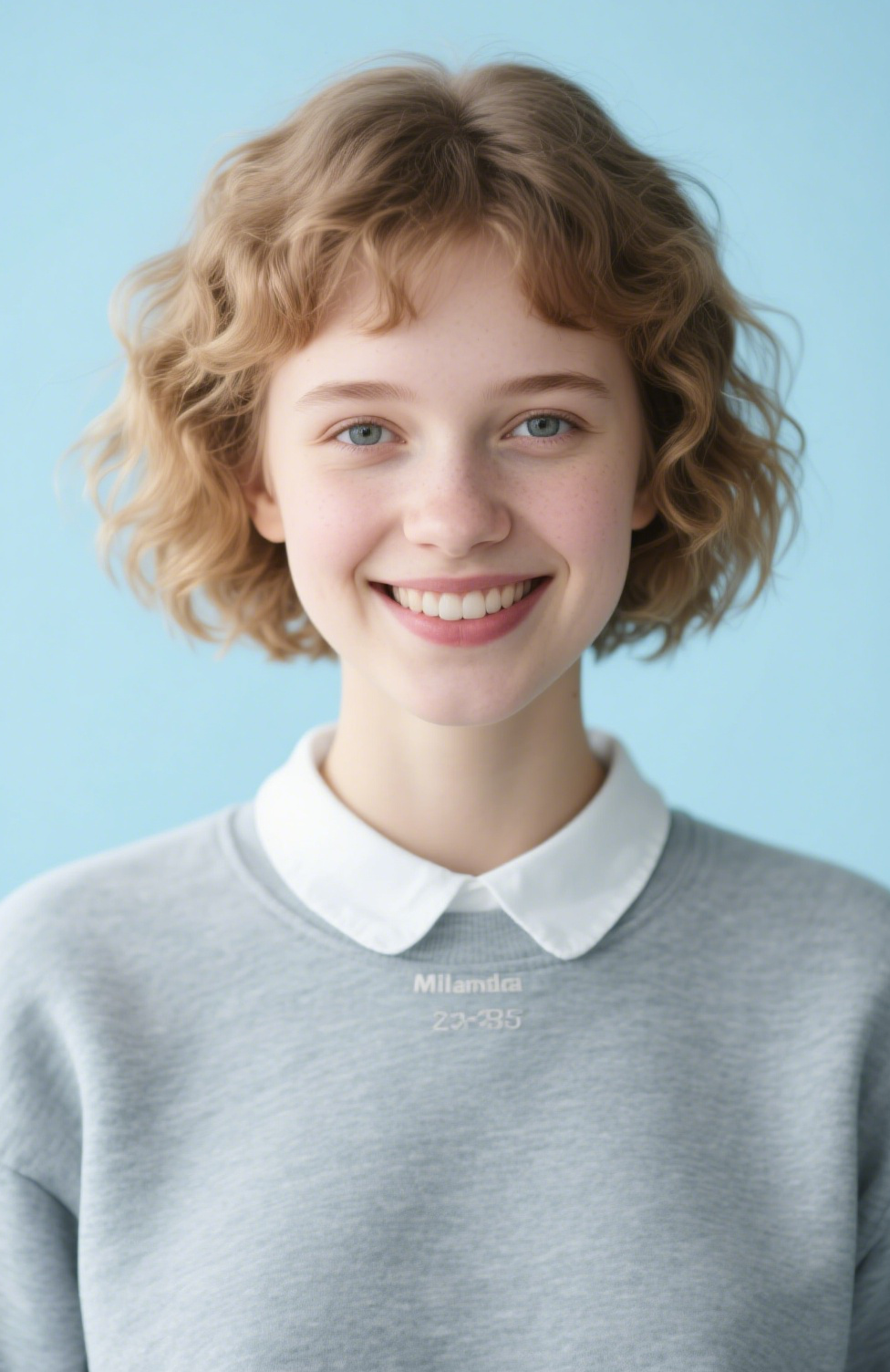



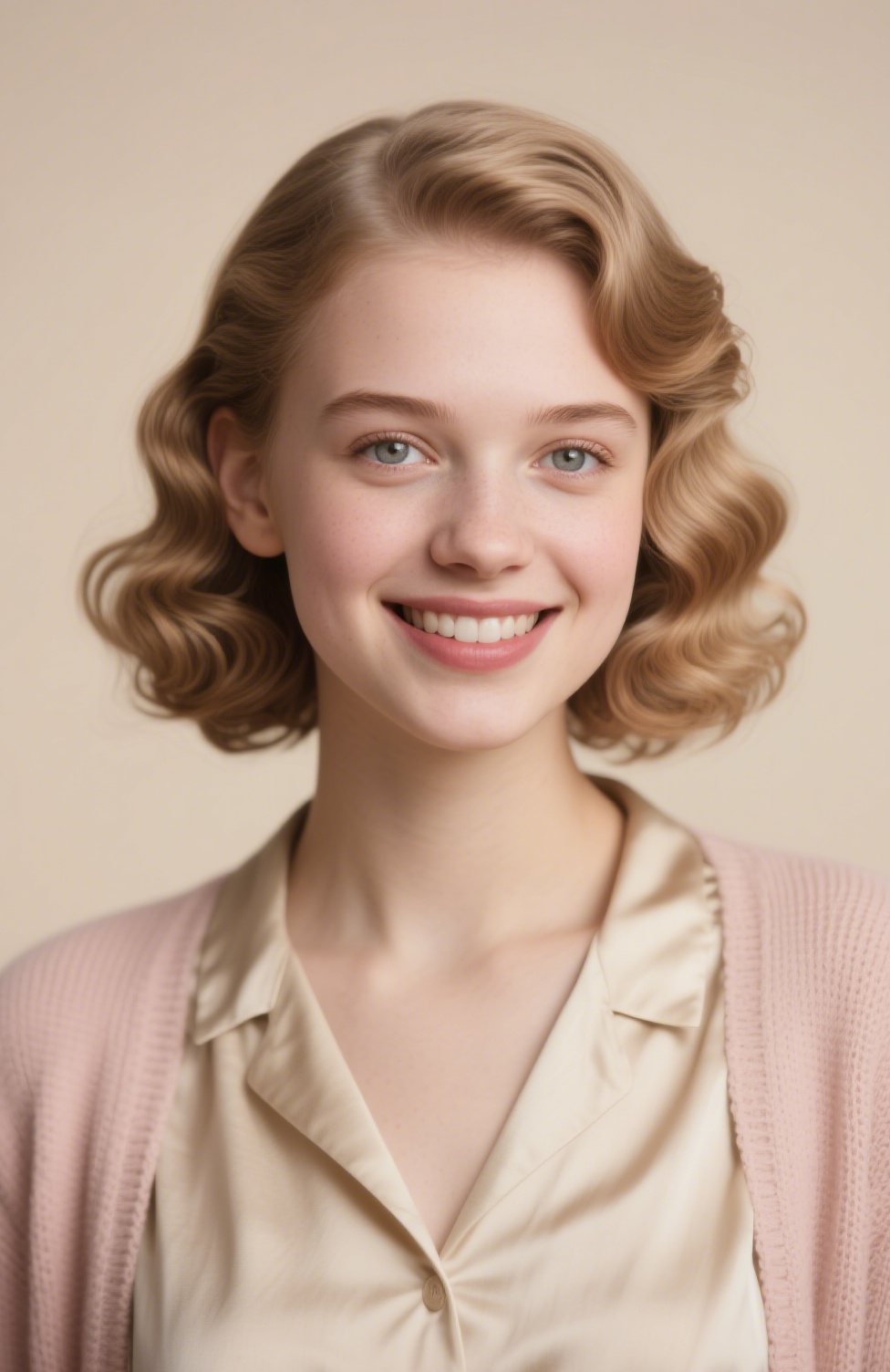

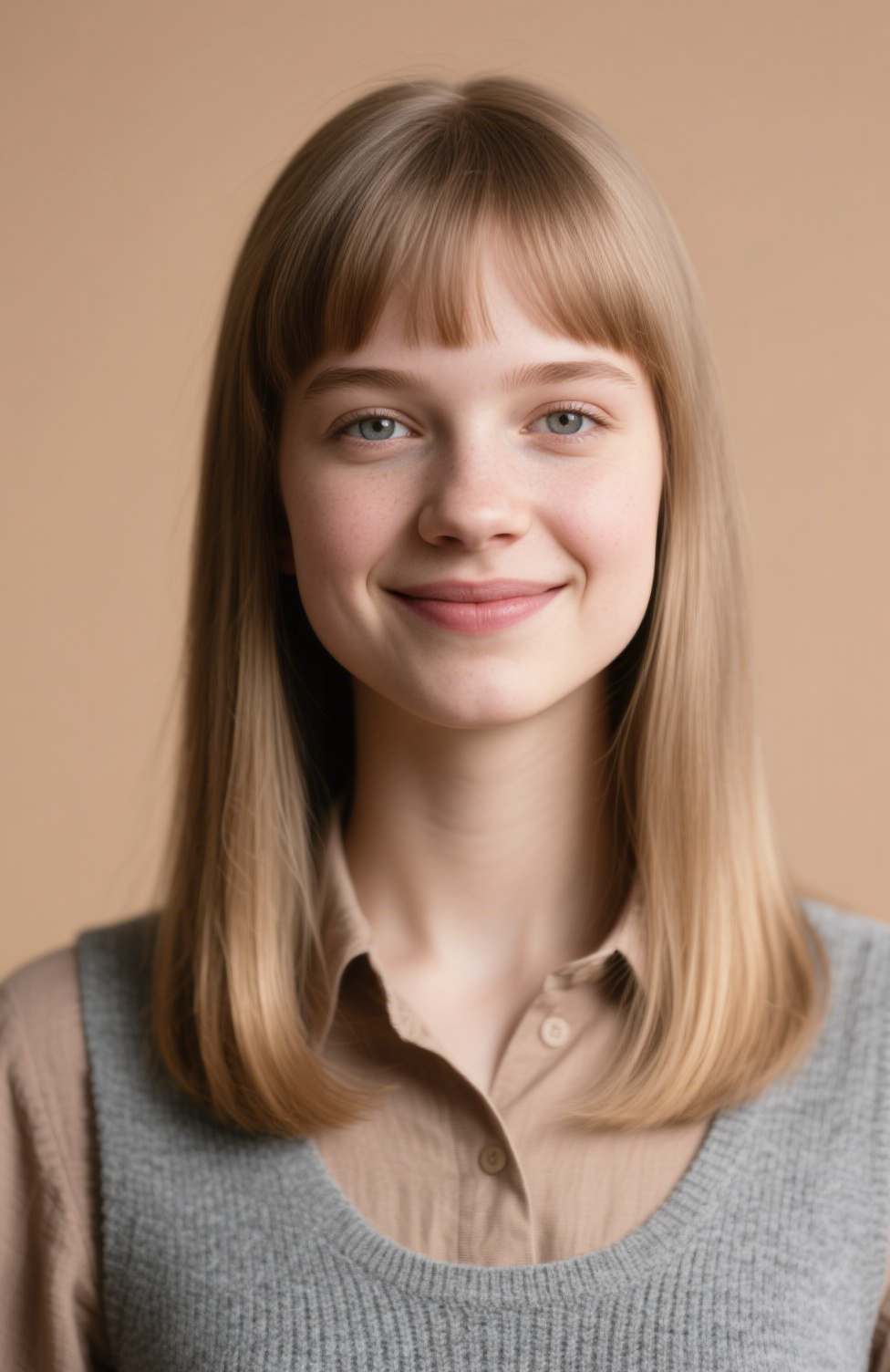
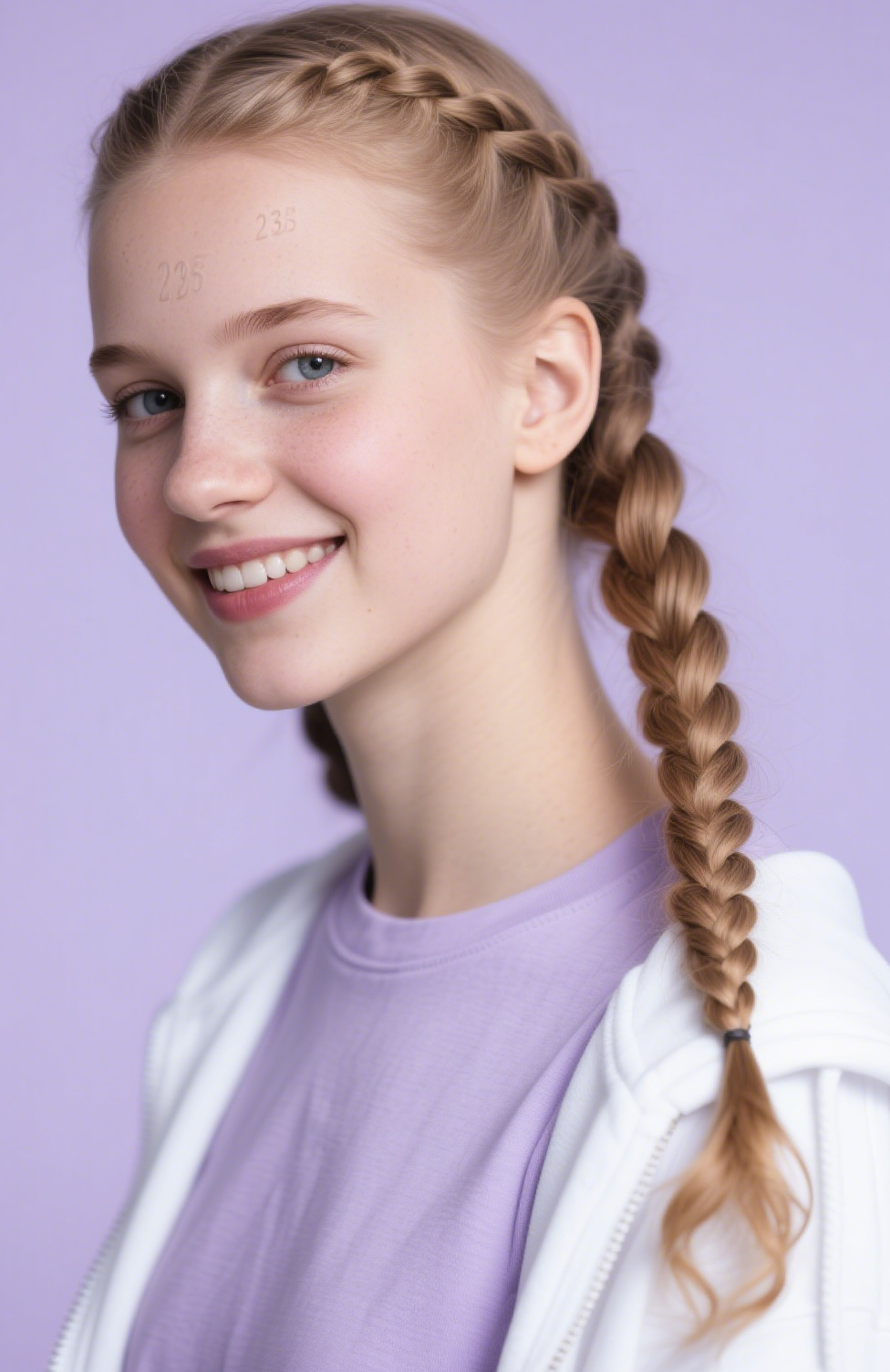

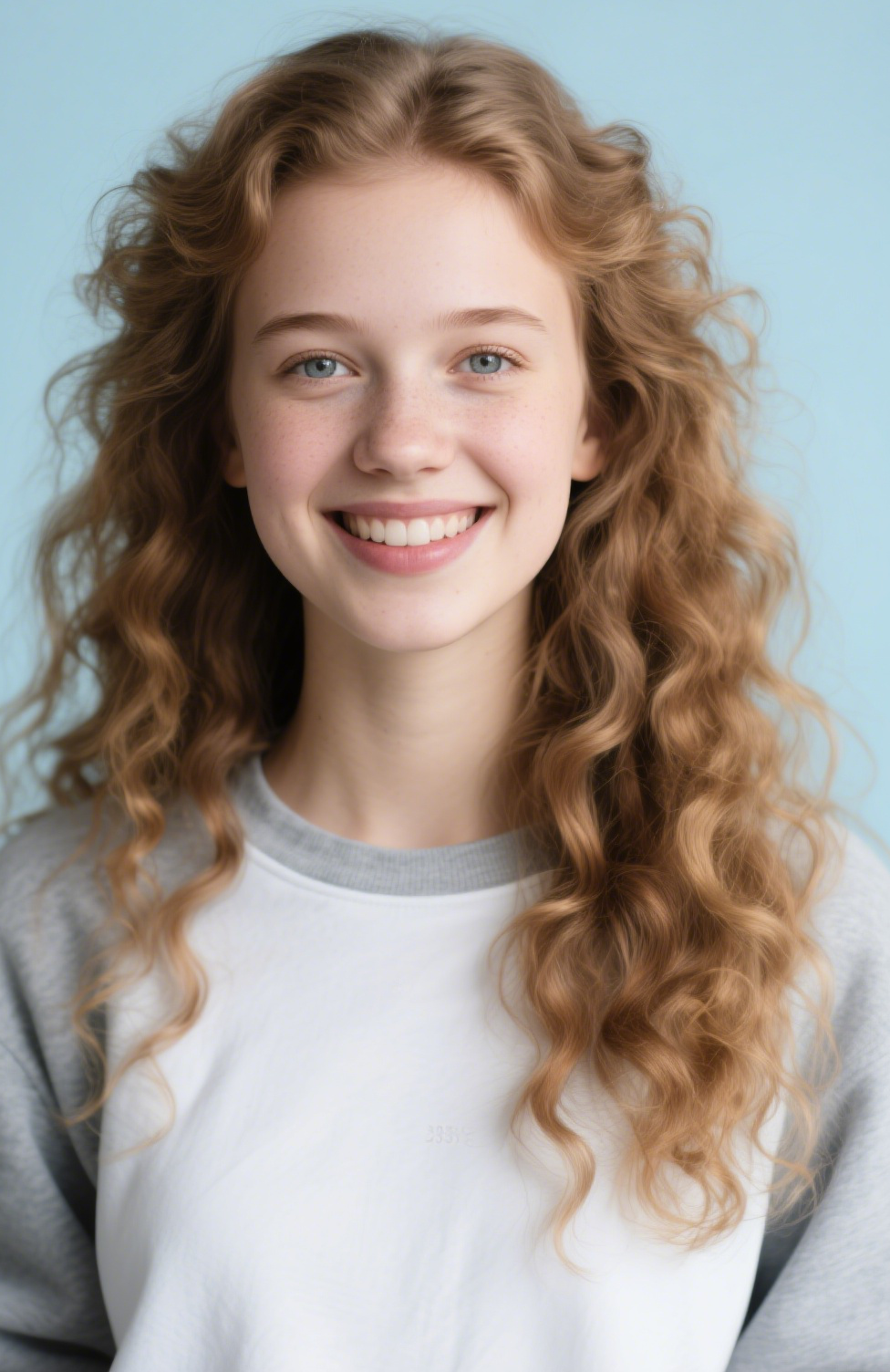

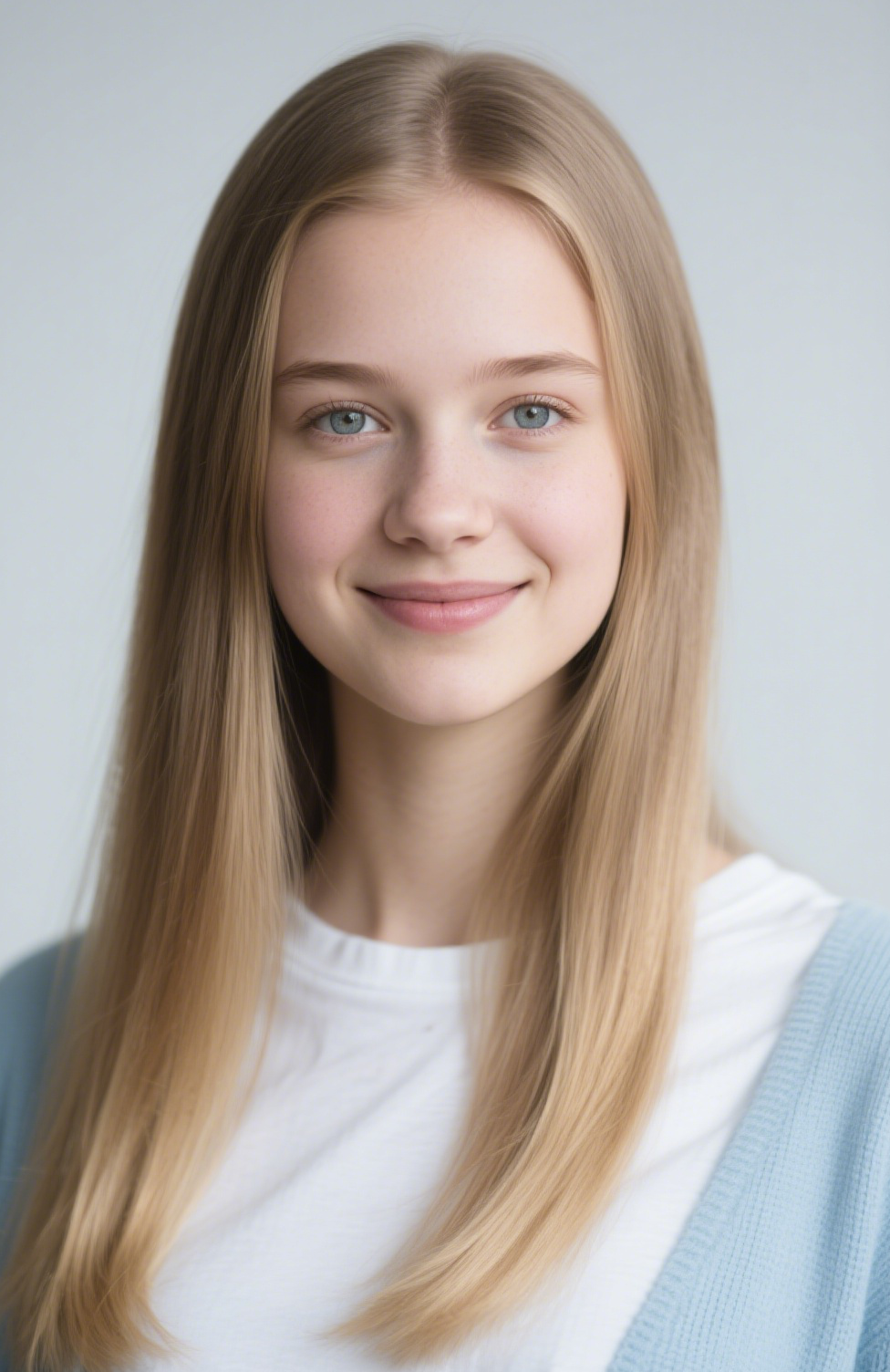
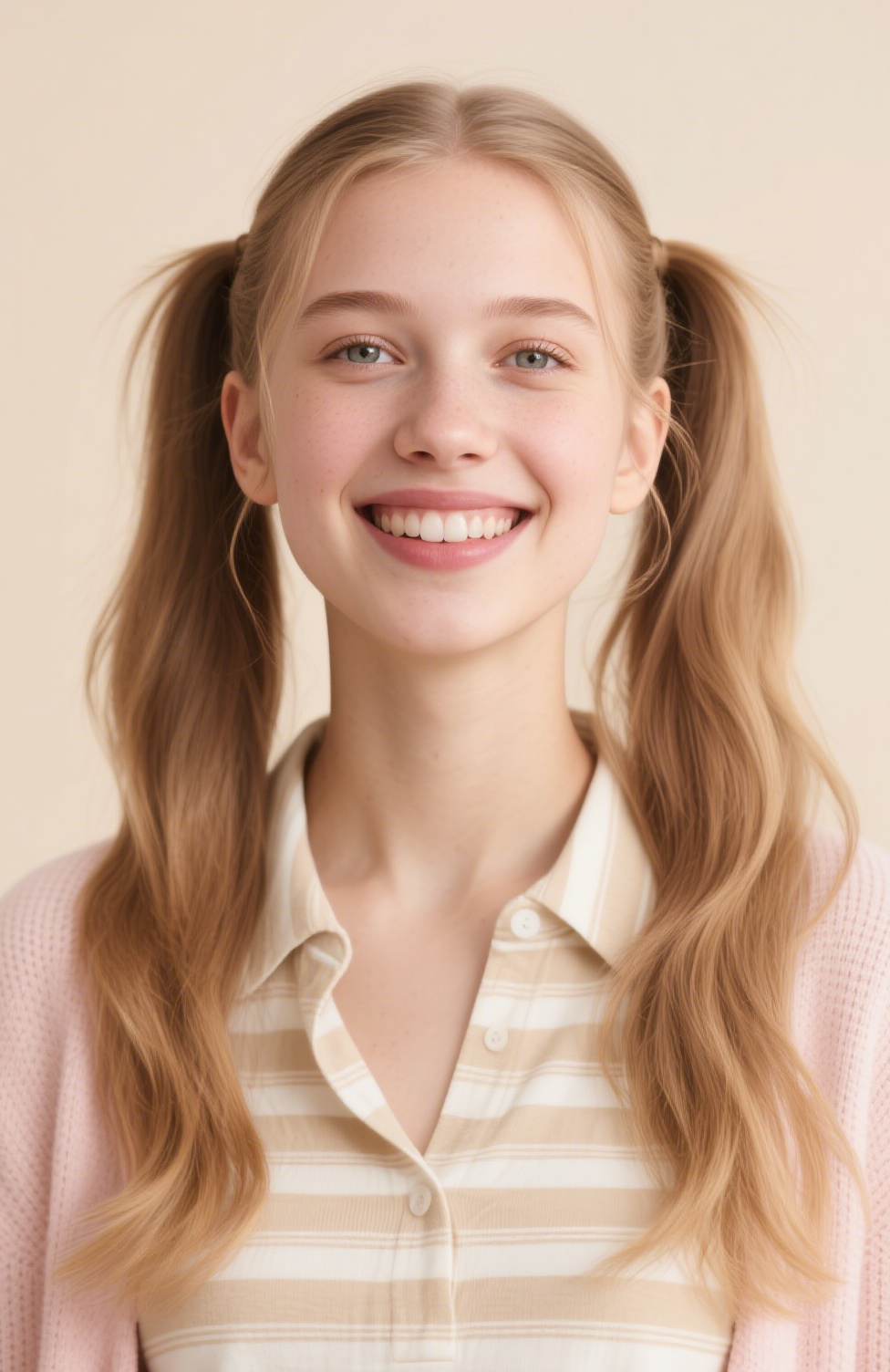

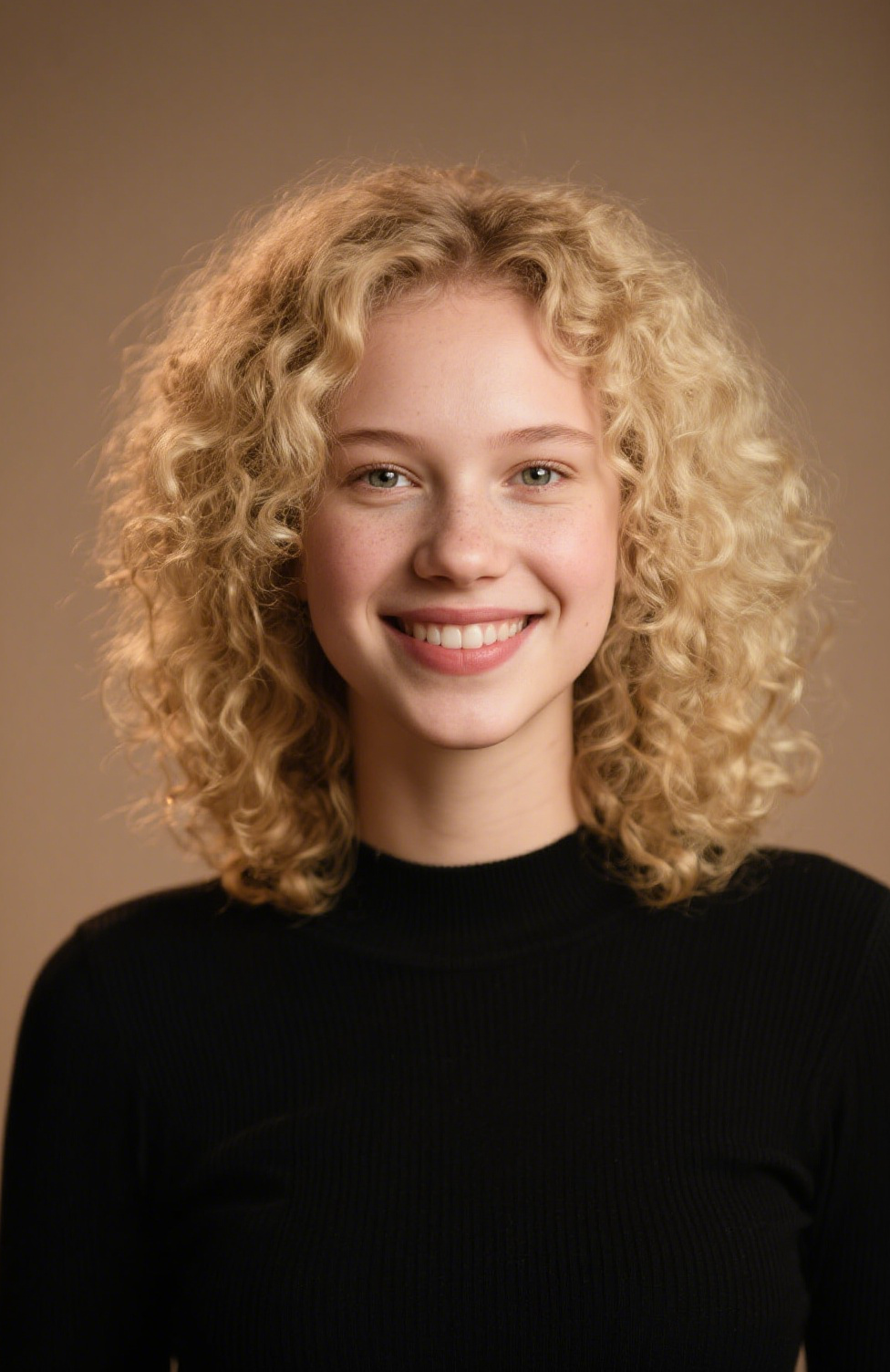
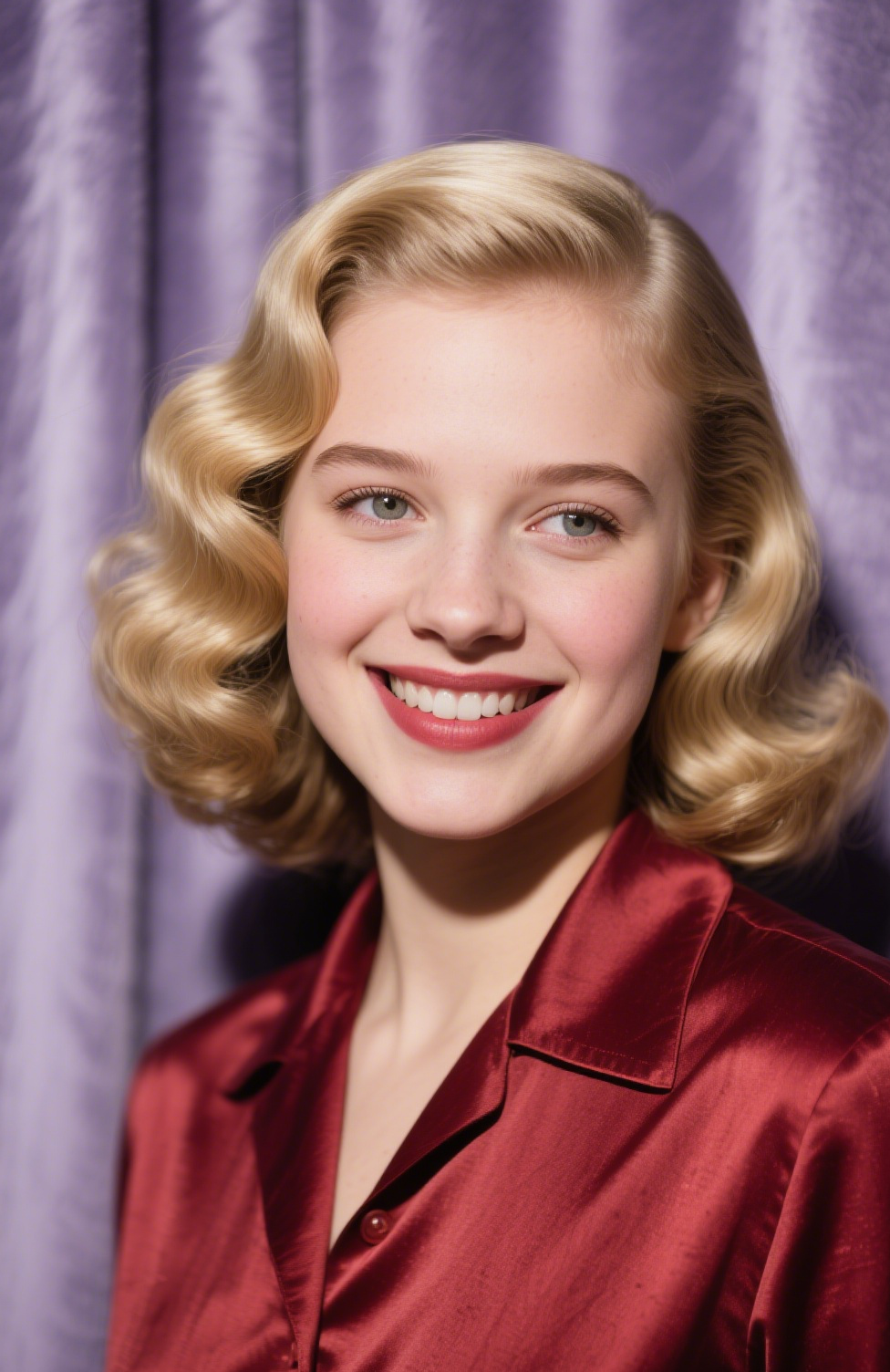

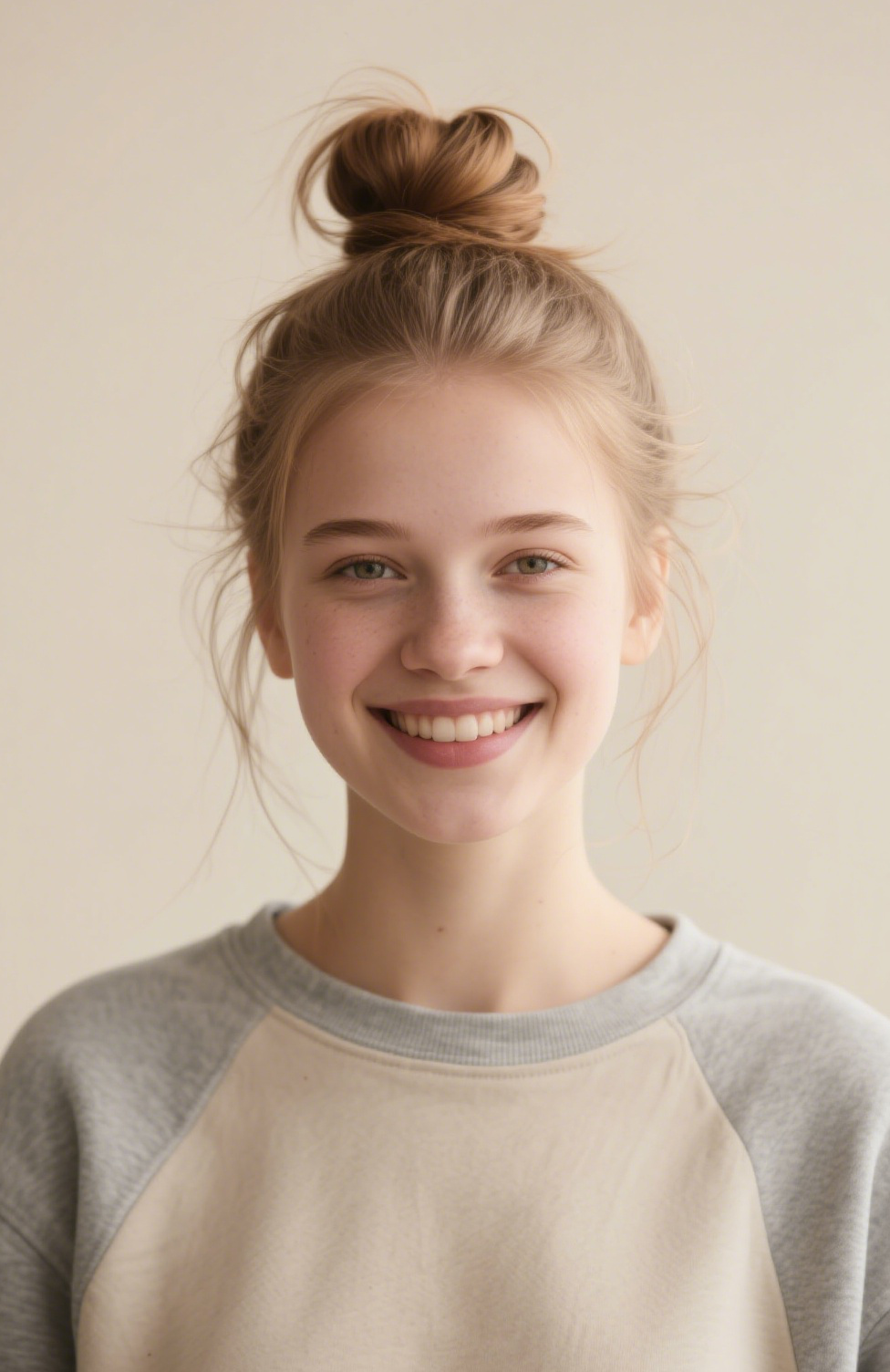
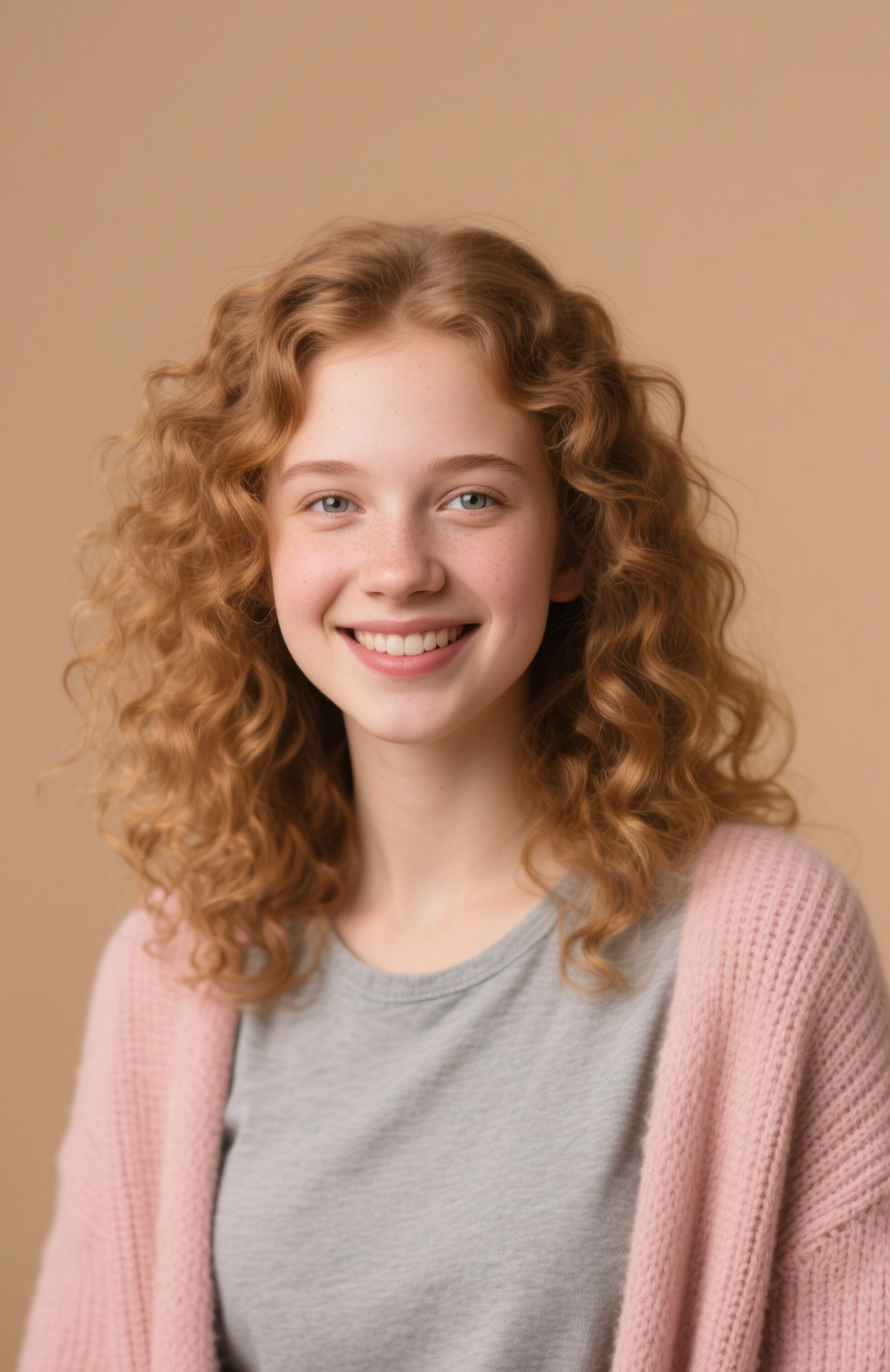
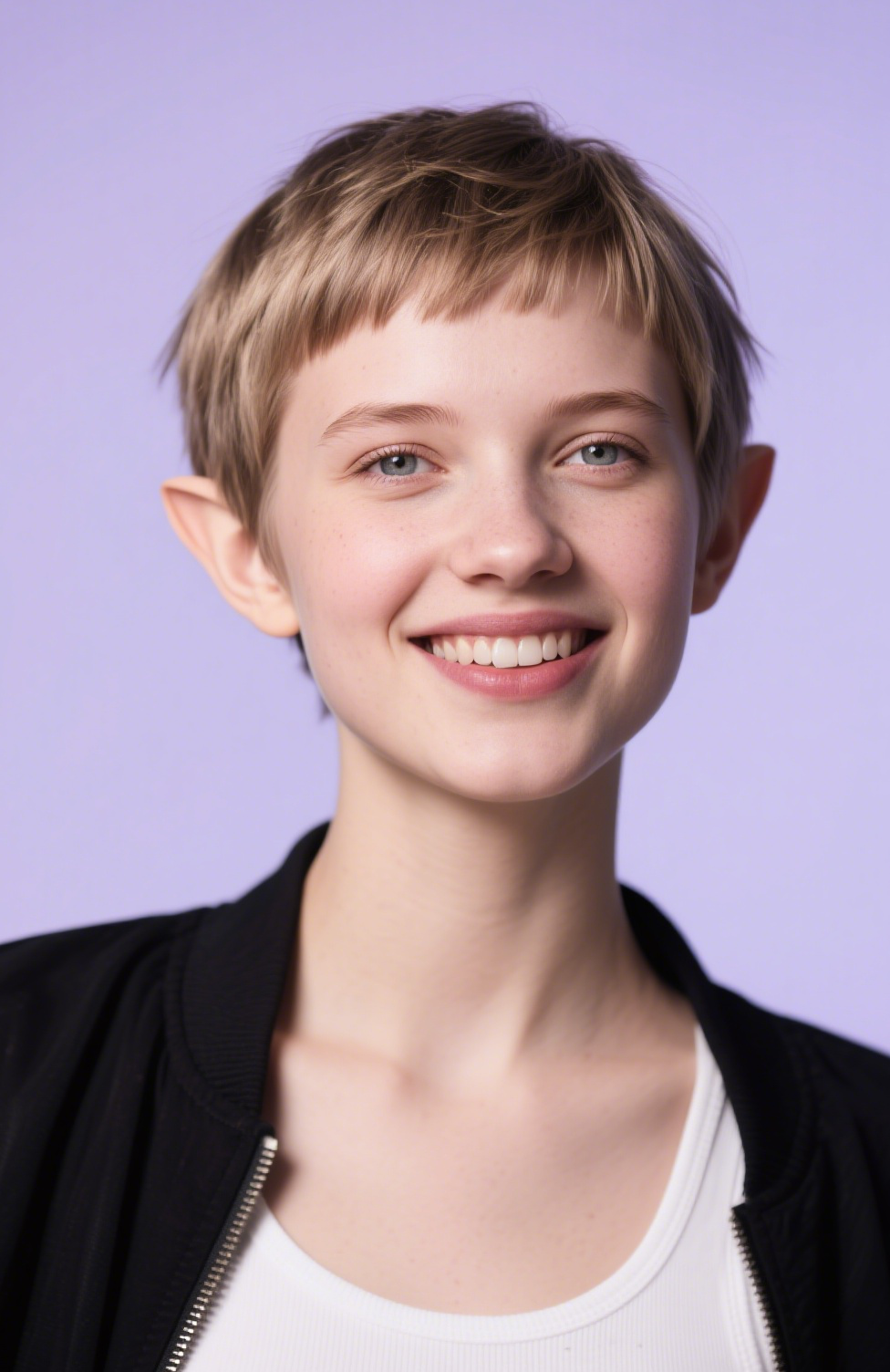
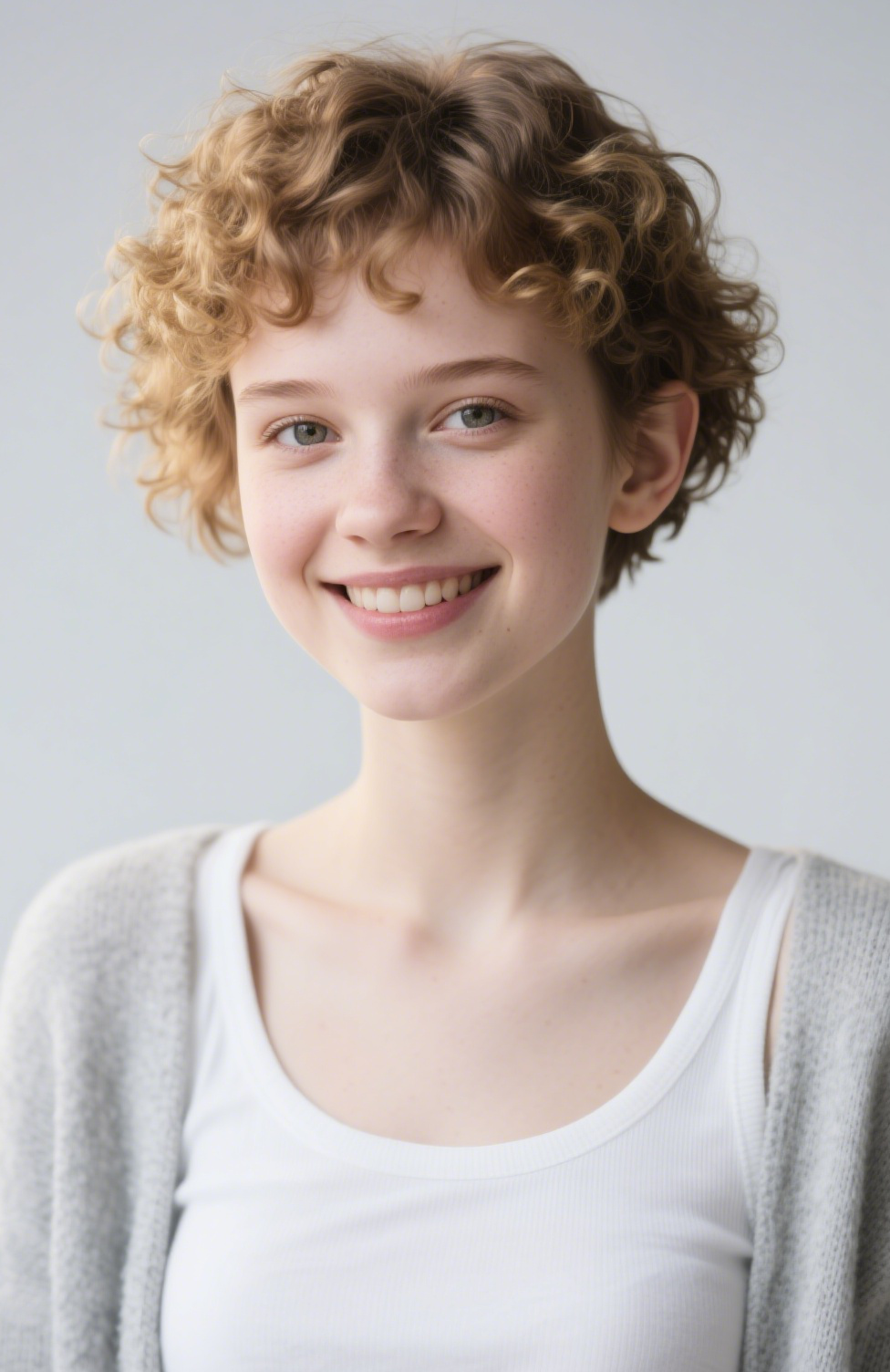
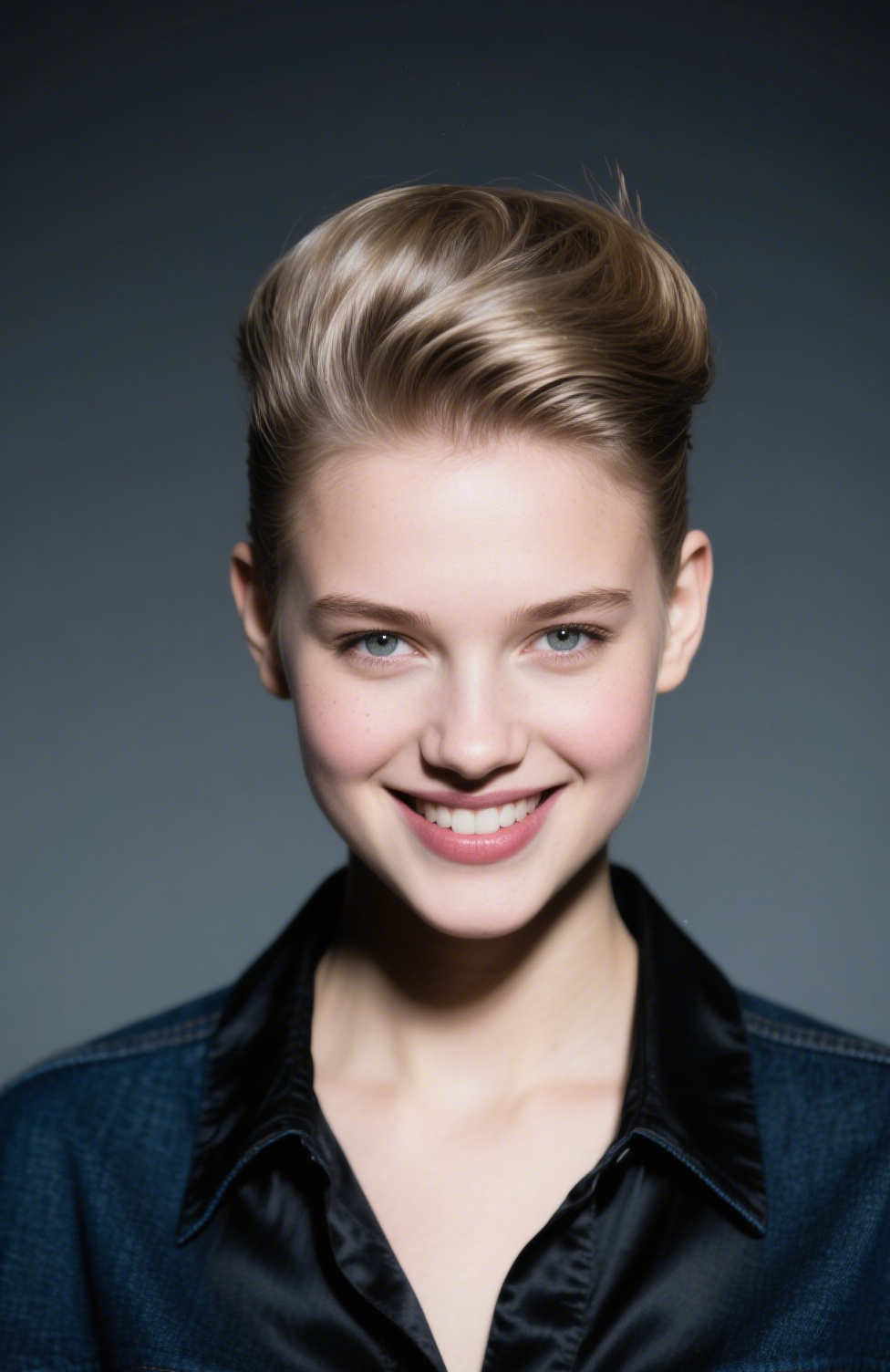
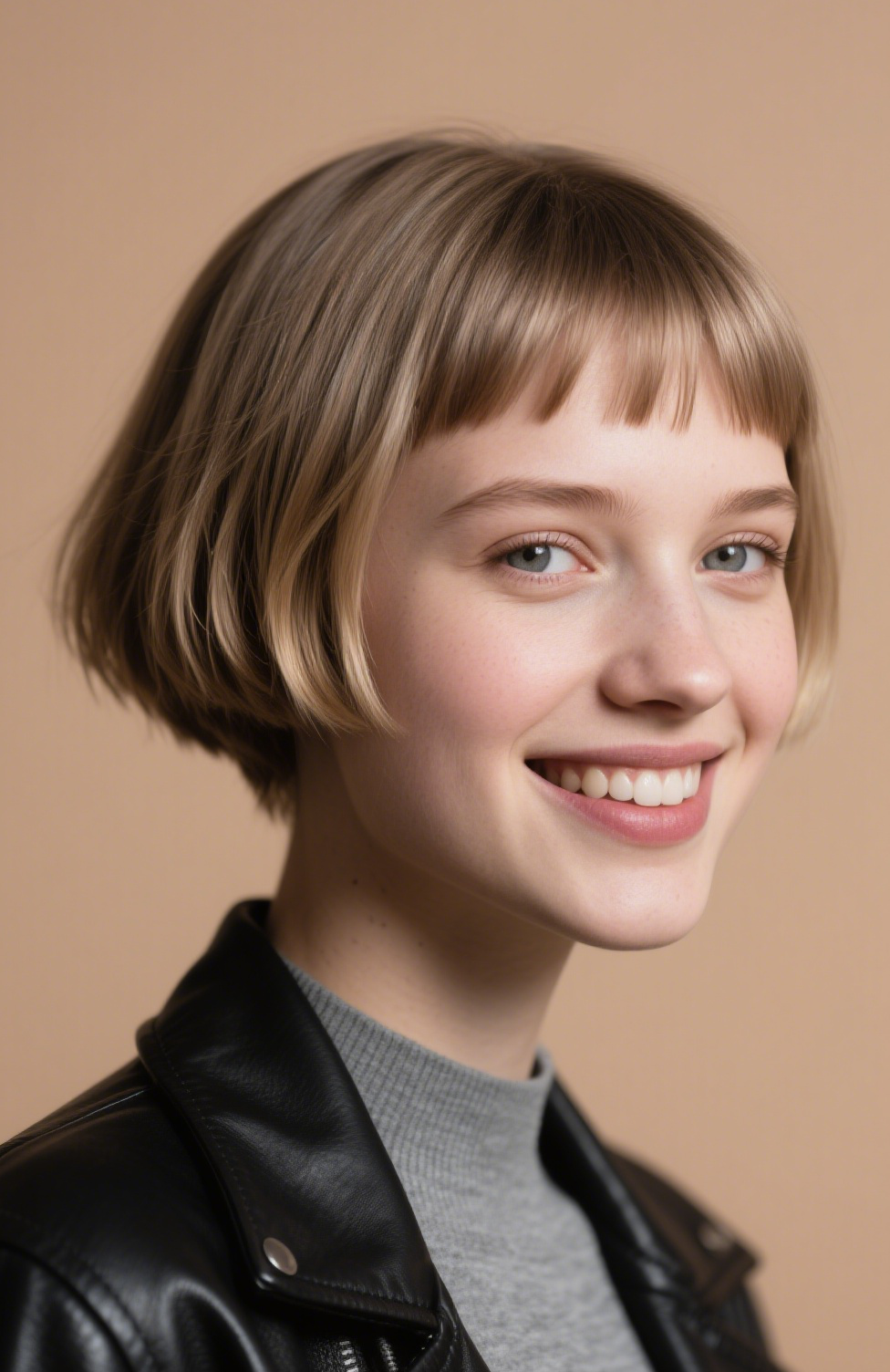
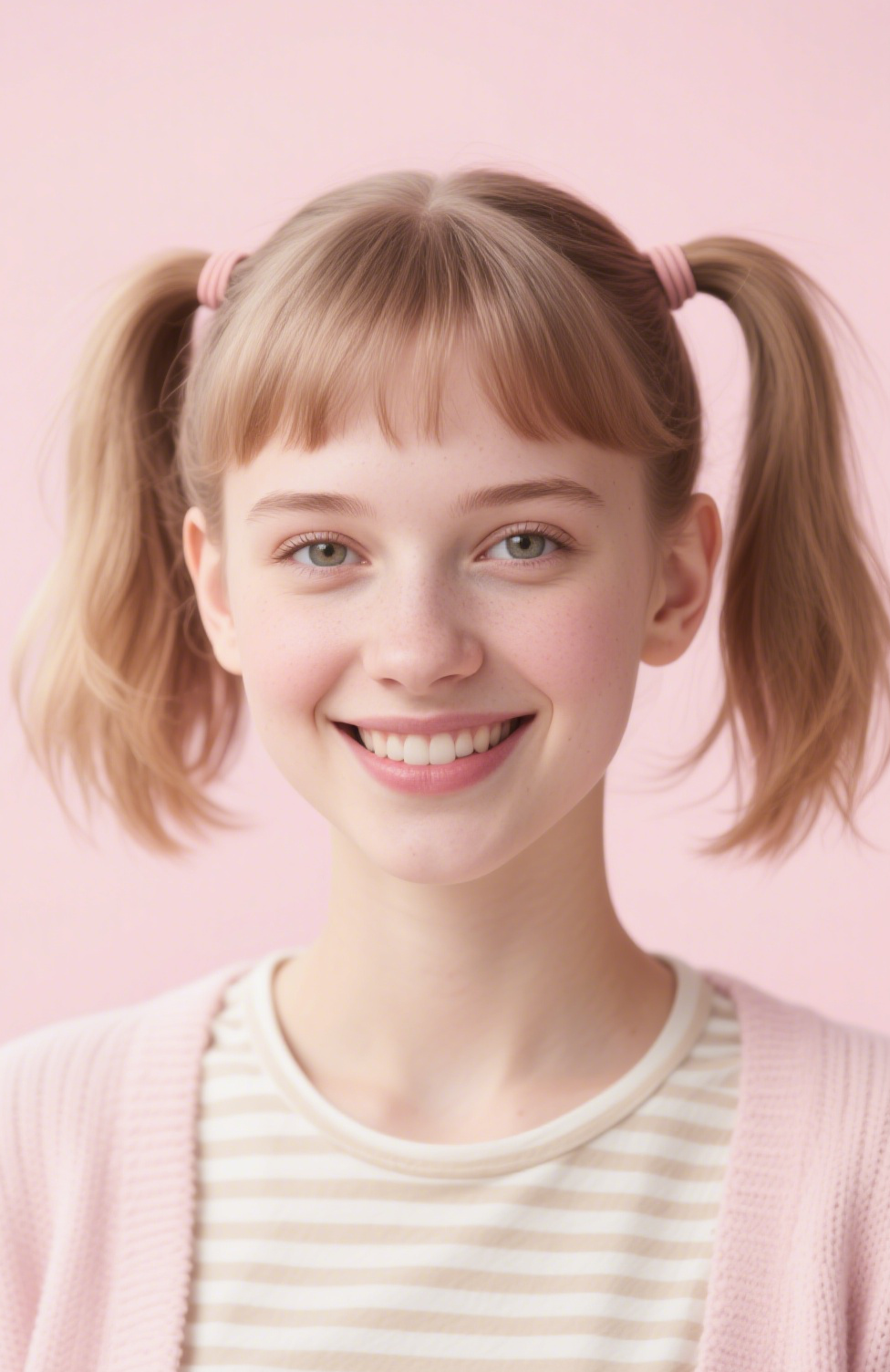
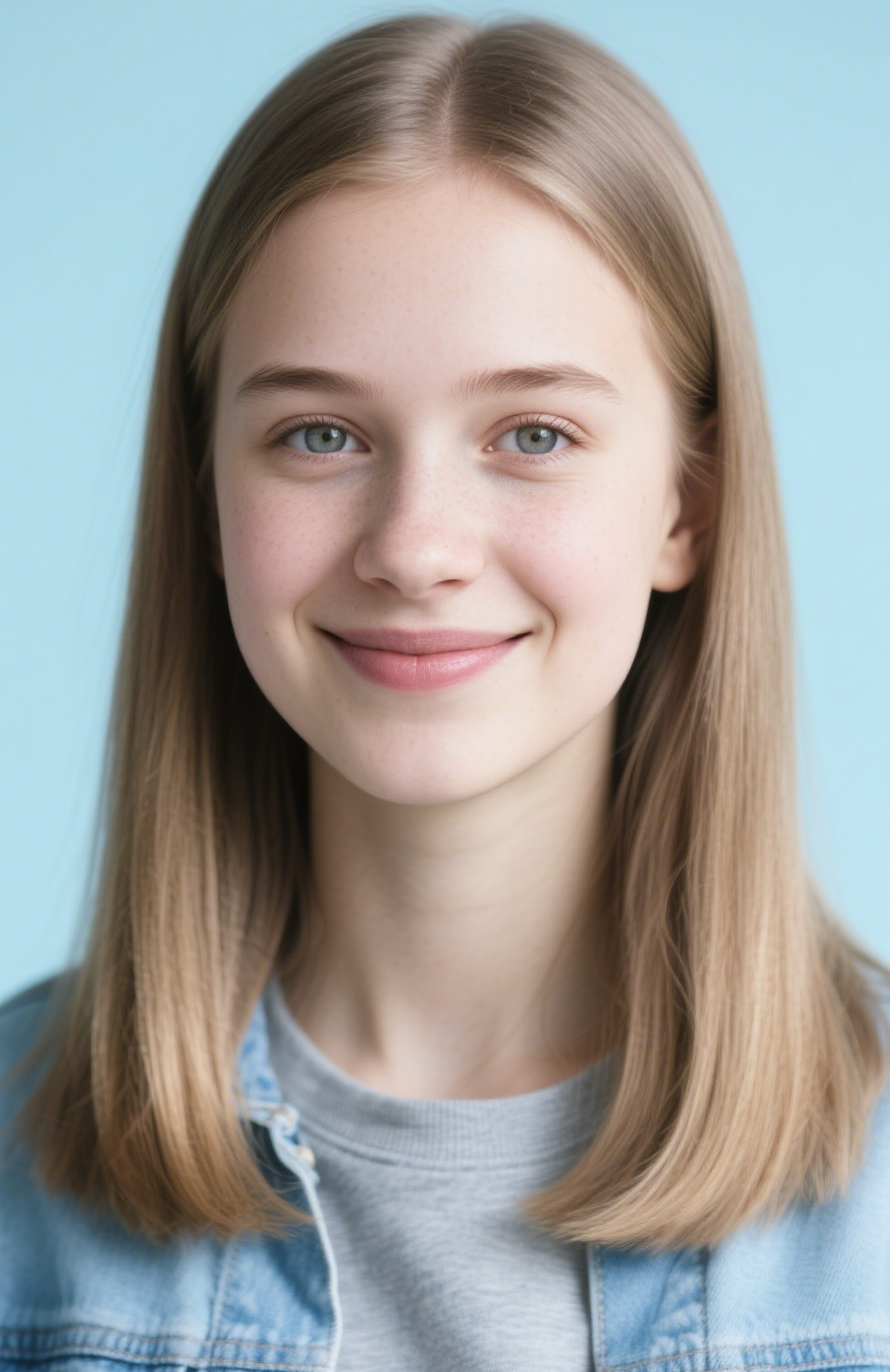
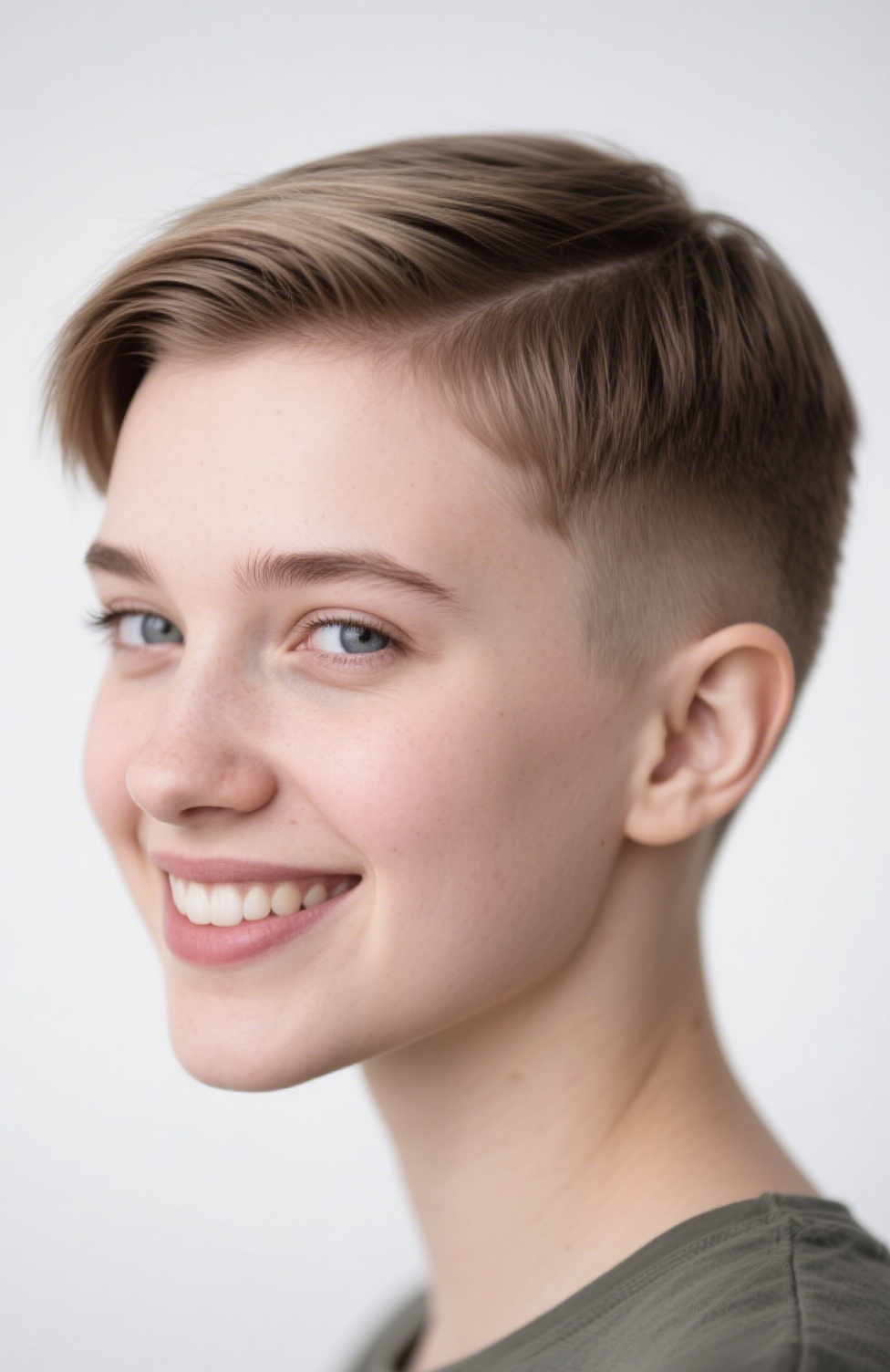
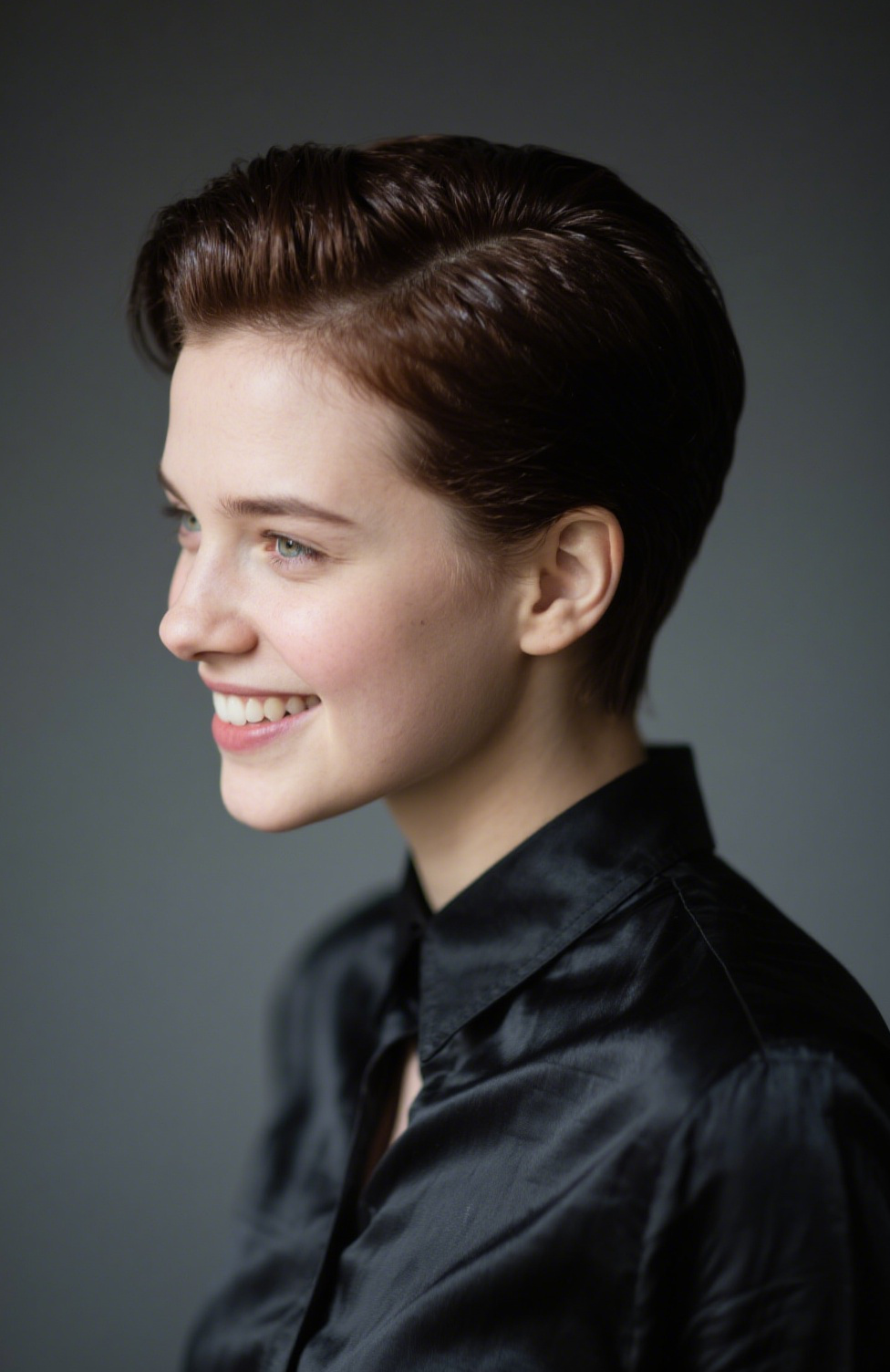

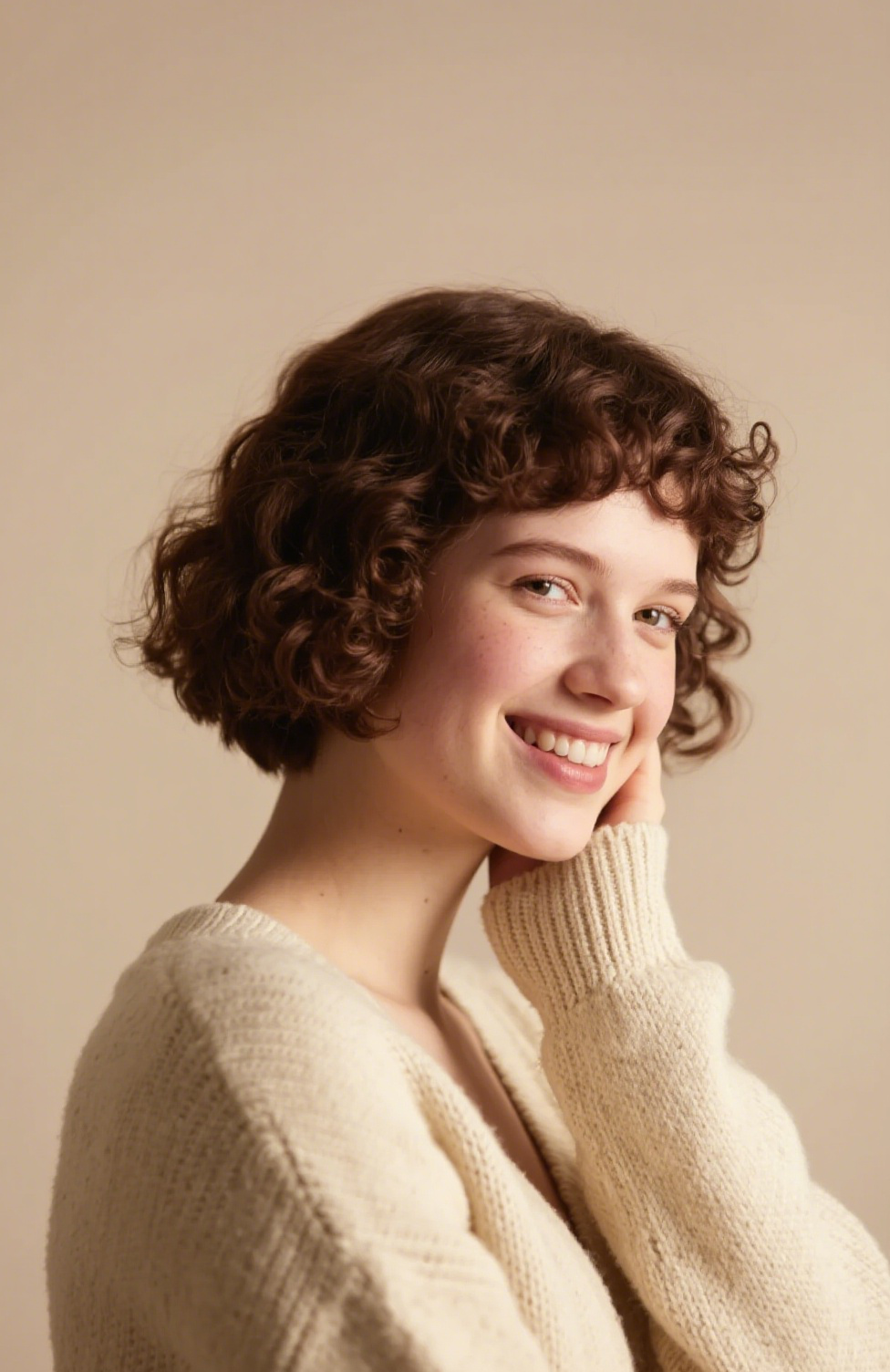

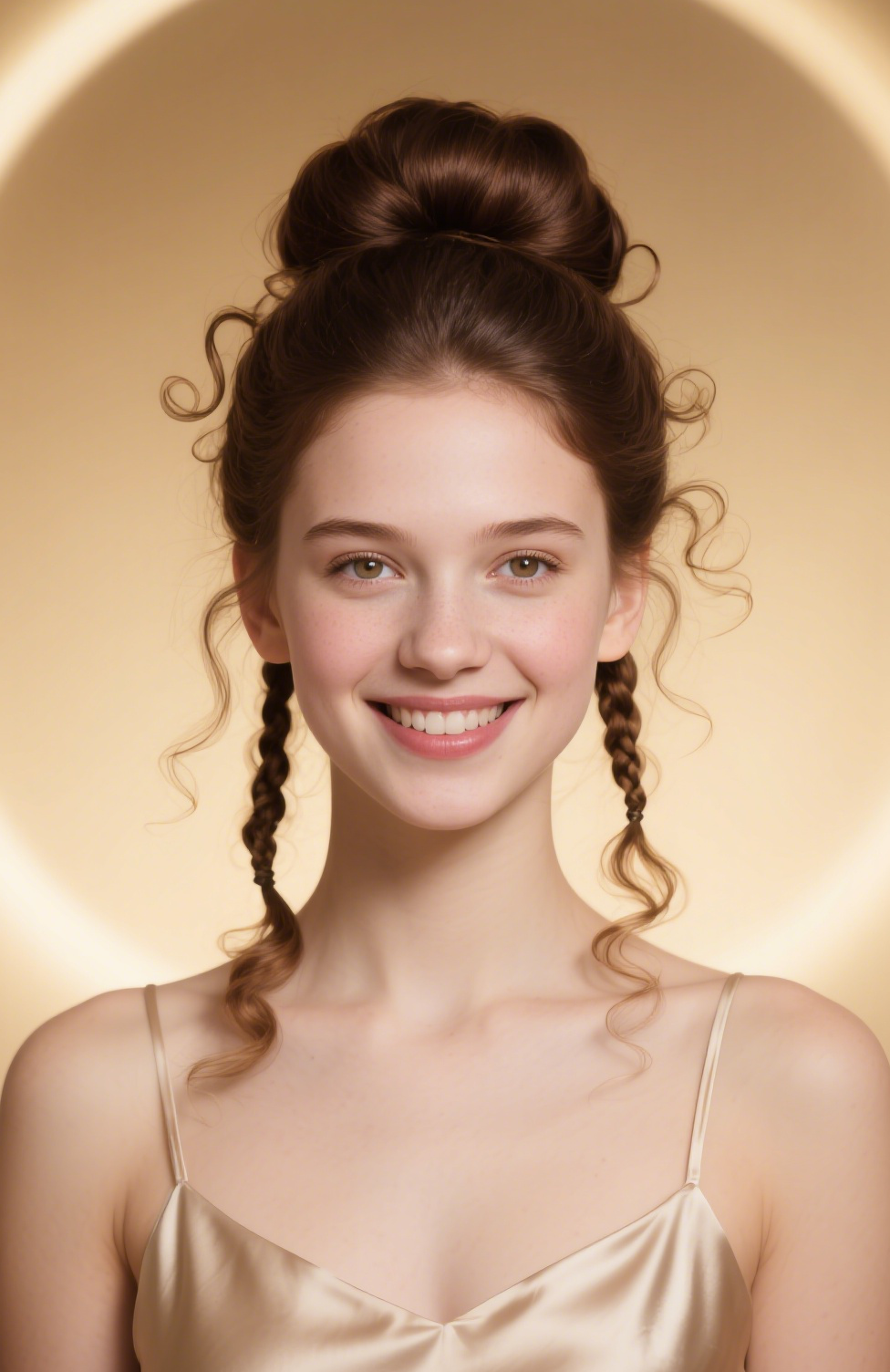
Choose your preferred style, then upload and process your photo on the left
Japanese short hair has become one of the most coveted hairstyle trends of 2024–2025, especially among women across Western and European cities who love clean, modern aesthetics. What makes it stand out is the combination of precision geometry, cultural depth, and effortless elegance. Instead of relying on heavy layers or shaggy texture, Japanese short hairstyles are all about sharp lines, balanced shapes, and hair that looks healthy and intentional from every angle.
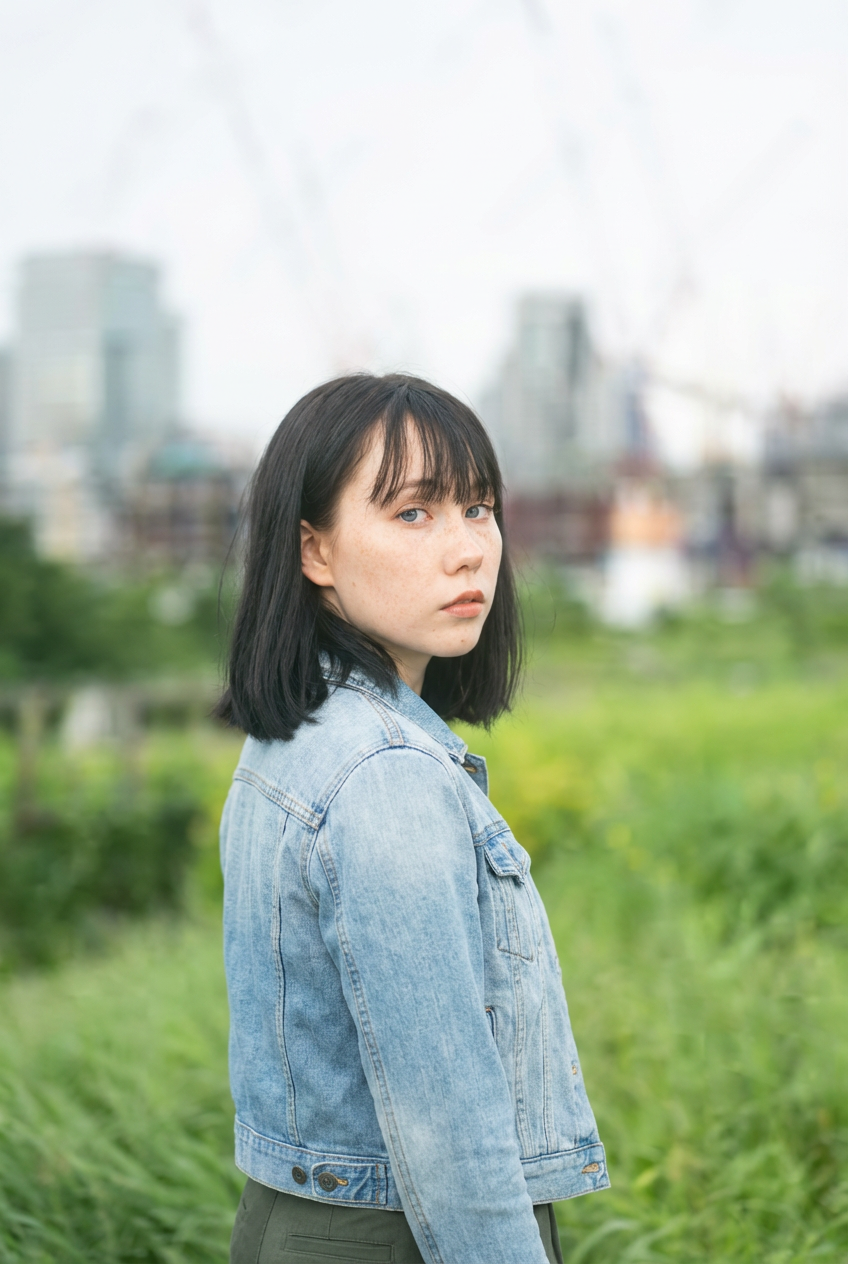
At first glance, it might look like “just another bob.” But a true Japanese short hairstyle is different from typical Western short cuts. It is designed as a complete visual system: a chin-length or slightly longer bob, carefully controlled volume, and fringe that frames the eyes and cheekbones. Whether you are drawn to a classic blunt bob with curtain bangs or a softly layered hime‑inspired cut, this family of styles offers versatility while still feeling polished and refined.
Before you book a salon appointment, it helps to understand exactly what defines Japanese short hair, how it connects to centuries of Japanese beauty culture, and whether it will genuinely suit your face shape, hair texture, and lifestyle. This guide walks you through the aesthetic, face shape compatibility, styling and maintenance realities, plus how to use BlondeFilter’s AI hairstyle try‑on to preview the look virtually before you commit.
What Is Japanese Short Hair? Understanding the Modern Aesthetic
The Defining Characteristics of Japanese Short Hair
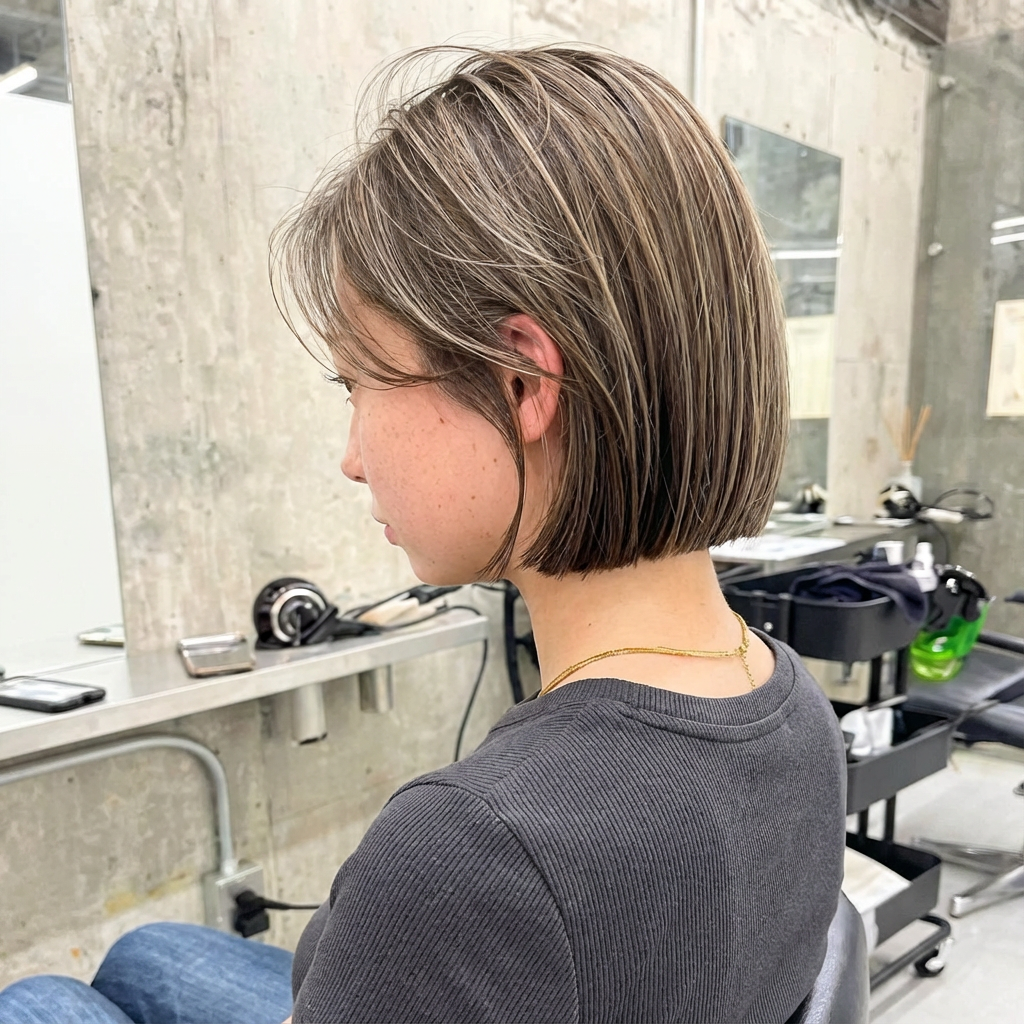
Japanese short hair is built around precision cutting and structural integrity rather than volume or disconnection. A typical version sits somewhere between the jawline and just below the chin, with the outline kept clean and blunt instead of feathered. When you look at the shape straight on, you see deliberate geometry rather than random movement.
A few core traits show up again and again:
- Blunt, controlled outline: The perimeter of the cut is usually one length or nearly one length, which creates a graphic, almost architectural line around the face.
- Fringe as a key element: Most Japanese short hairstyles feature full bangs, airy see‑through bangs, or a soft curtain fringe. These create vertical lines that draw attention to the eyes and give the style its unmistakable “Japanese” feeling.
- Smooth surface and shine: While modern versions can include gentle waves, the style traditionally prioritizes straight, sleek hair with a reflective surface, so the cut itself—not messy texture—does the visual work.
- Subtle layering, not heavy shags: Any internal layers are usually light and functional, added only to support movement and avoid bulk, rather than to create choppy texture.
Color can range from natural black (which many people associate with authentic Japanese aesthetics) to modern shades like milk‑tea brown, soft beige, or muted red. Because the shape is so clean, even a small change in tone—like cool‑toned highlights around the face—can make the cut feel completely different.

From Heian Nobility to 2025 Trends: The Cultural Journey
The story of Japanese short hair does not start in a modern salon; it reaches back to Japan’s Heian period (794–1185). At that time, noblewomen often wore extremely long hair to signal status. During the binsogi coming‑of‑age ceremony, hair around the face was cut shorter while the rest remained long. This created the early structure of what is now known as the hime cut, or “princess cut,” with shorter sections framing the face and longer lengths behind.
Over centuries, that idea evolved through different eras and beauty standards. In the 1970s and beyond, Japanese pop culture, street fashion, and later anime and K‑pop helped transform the hime cut and related bobs into modern fashion statements. Today, variations of Japanese short hair appear in editorials, J‑beauty campaigns, and on celebrities across Asia. The look has since travelled globally, with Western audiences embracing it as a sophisticated alternative to conventional bobs and lobs.
How It Differs From Western Bobs and Other Short Styles
At a glance, a Western blunt bob and a Japanese short bob might seem similar. But there are some consistent differences:
- Symmetry and balance: Japanese short hair tends to keep both sides nearly identical, with very intentional balance around the face. Western cuts often embrace more visible asymmetry or disconnected layers.
- Fringe‑first design: Bangs are built into the blueprint of the style rather than added as an afterthought. They are carefully calibrated to the wearer’s forehead height, eye shape, and overall proportions.
- Structure over volume: Instead of big, tousled volume, Japanese short hairstyles rely on their shape, shine, and clean outline for impact.
- Face‑framing focus: The combination of blunt lines and bangs is explicitly designed to highlight cheekbones, jawline, and eyes, which makes the cut feel striking yet minimal.
If you love minimalist fashion, clean silhouettes, and beauty looks that feel intentional rather than casual, Japanese short hair is likely to fit right into your personal style.
Is Japanese Short Hair Right for You? Your Personal Face Shape Guide
Choosing a hairstyle is ultimately about harmony between the cut and your facial features. Japanese short hair can be surprisingly adaptable, but subtle adjustments make a big difference. Here is how it tends to work with different face shapes.
Oval Faces: The Universal Match
If you have an oval face, you can treat Japanese short hair as an open playground. Most lengths from jaw‑skimming to slightly below the chin will flatter you, and you can experiment with full blunt bangs, soft curtain bangs, or airy see‑through fringe. A classic sharp bob with even ends will emphasize your balanced proportions without overwhelming them.
Round Faces: Creating Length and Definition
For round faces, the goal is usually to create visual length and a bit of structure. Slightly longer Japanese short cuts—around or just below the chin—help prevent the face from looking wider. Adding height at the crown and choosing curtain or see‑through bangs instead of a heavy straight fringe can elongate the face. Gentle inward beveling at the ends and strategic internal layers can also keep the silhouette from feeling too boxy.
Square Faces: Softening Strong Jawlines
If you have a strong jawline, you want your bob to complement it, not clash with it. Soft, textured Japanese short hairstyles work well here. Wispy ends, side‑swept or slightly uneven bangs, and subtle layering around the jaw help blur harsh lines and bring attention back to the eyes and cheekbones. Avoid overly sharp, ultra‑blunt silhouettes that stop exactly at the broadest part of the jaw.
Heart & Long Face Shapes: Balancing Width and Length
For heart‑shaped faces, volume near the jaw and a gentle inward curve can balance a wider forehead. Curtain bangs that open around the eyes keep the look soft. On long or rectangular faces, the key is adding width rather than extra height. A shorter version of the Japanese bob with volume at the sides and minimal root lift keeps the proportions grounded.
Hair Texture Matters: Straight vs. Wavy, Thick vs. Fine
Hair texture plays a major role in how Japanese short hair will sit:
- Straight, fine hair can look thicker thanks to the blunt outline.
- Thick, straight hair benefits from careful internal layering to remove bulk while keeping the surface smooth.
- Wavy or slightly curly hair can create a softer, more romantic version of the look, especially with tousled styling and airy bangs.
If you are unsure how your texture will behave, this is where virtual try‑on becomes incredibly helpful. BlondeFilter’s AI hairstyle filter lets you upload your photo and preview Japanese short variations—sleek, softly layered, fringe‑heavy, and more—before you make a permanent change.
At the end of your face‑shape exploration, use BlondeFilter’s try‑on tool as a decision aid: test different bang densities, lengths, and finishes, then save the options that feel best to bring to your stylist.
Mastering the Japanese Short Hair Look: Styling, Maintenance & Beyond
Your Daily Styling Routine: Quick, Modern & Effortless
One of the main reasons people are drawn to Japanese short hair is the promise of a polished look without hours of styling. Once the cut is tailored correctly, a basic routine might look like this:
- Gently cleanse and condition with products that support smoothness and shine.
- Towel‑dry and apply a lightweight heat protectant.
- Blow‑dry using a round brush or paddle brush, focusing on creating a smooth surface and a slight inward curve at the ends.
- Use a flat iron on low to medium heat if you want extra sleekness.
- Finish with a minimal amount of serum or cream to refine the ends and control frizz.
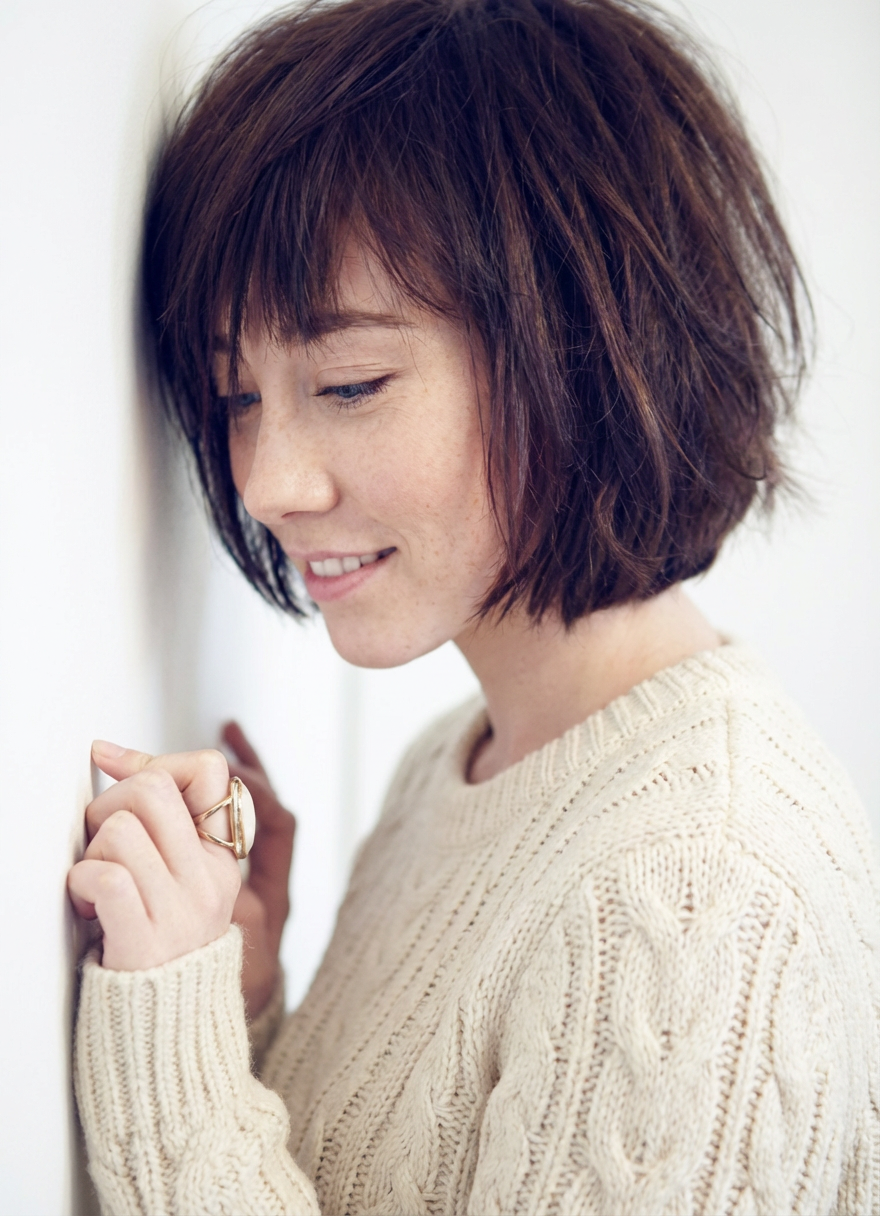
For more textured interpretations, you can scrunch in a light mousse or cream and diffuse, then define pieces around the face with a small amount of wax or pomade.
Maintenance Reality: What to Expect Between Salon Visits
Japanese short hair is often described as “low maintenance,” but that mostly refers to daily styling once the cut is correct. To keep the outline sharp and the fringe sitting perfectly, you should expect:
- Salon visits roughly every 4–6 weeks to maintain the length and shape.
- Occasional bang trims in between if your fringe grows quickly.
- Regular at‑home care focused on moisture and heat protection so the hair remains glossy rather than dry or frayed.
Being honest about this commitment matters. If you rarely visit the salon, a softer, slightly longer version with more forgiving layers may make more sense than a rigid, ultra‑blunt bob.
Product Essentials for the Perfect Finish
You do not need a shelf full of products, but a few key tools make a big difference:
- A high‑quality blow‑dryer and brush for smooth finishes.
- A flat iron for glassy, polished styling days.
- Lightweight shine serum or oil to enhance reflection.
- A flexible‑hold hairspray or light wax to keep bangs in place without stiffness.
Seasonal Styling Variations & Personal Expression
One of the joys of Japanese short hair is how it adapts through the year:
- In warmer months, you might wear it extra sleek and blunt to highlight your jawline and neck.
- In colder seasons, you can add gentle waves, micro‑texture, or softer bangs for a cozier look.
- Color shifts—like subtle lowlights, milk‑tea beige, or a muted red—can refresh the style without changing the core shape.
If you are experimenting with big changes, BlondeFilter’s AI preview is a useful safety net. You can test how a shorter fringe, a deeper color, or a more textured finish might look before you ask your stylist to make it real.
Virtual Try-On: Preview Your Japanese Short Hair Before the Salon
Why Virtual Hairstyle Preview Matters
Cutting your hair short is a commitment—especially when the style is as geometric and distinctive as a Japanese bob or hime‑inspired cut. Many people worry that the fringe will be too heavy, the length too severe, or the overall effect too edgy for their everyday life. Traditional inspiration photos help, but they still leave a lot of guesswork.
Virtual try‑on bridges that gap. By previewing Japanese short hair on your own face, you can evaluate:
- Whether the bangs hit at a flattering point on your forehead.
- How a blunt vs. softly layered outline interacts with your jawline.
- Which length best balances your face shape and neck.
- How sleek vs. slightly textured finishes change the overall vibe.
How BlondeFilter AI Hairstyle Try-On Works
BlondeFilter’s AI hairstyle filter is designed specifically for this kind of decision. You upload a clear photo, select Japanese short hairstyle options, and let the system map different variations onto your features. You can test classic bobs, light hime‑inspired framing, more textured finishes, or softer, longer versions.
Use the experience as a creative sandbox rather than a rigid prediction. Once you find a few simulations you love, save them and bring them to your stylist. They can translate those virtual references into a cut that works with your real‑world hair density, texture, and lifestyle.
Throughout this journey, BlondeFilter acts as a confidence‑building tool—not pressure. The aim is to make you feel informed and excited before you ever sit in the salon chair.
Common FAQs About Japanese Short Hair
Is short hair common in Japan?
Short hair has become increasingly visible in modern Japan, particularly among younger women and in fashion‑forward urban areas. While long hair remains popular, Japanese short bobs and hime‑inspired cuts appear frequently in magazines, dramas, and street style. Their popularity tends to rise and fall with cultural trends, but they are now firmly part of the mainstream hairstyle landscape.
Is chonmage illegal?
Chonmage—the traditional samurai topknot—is not illegal today. During Japan’s modernization in the late 19th century, the government encouraged people to abandon old‑style hair as a symbol of Westernization, but modern law does not prohibit the hairstyle. It now survives mainly in sumo wrestling and specific ceremonial or historical contexts.
Why is it called the hime cut?
“Hime” means “princess” in Japanese. The hime cut is named after the styles worn by noblewomen in the Heian period, where shorter sections around the face framed long hair behind. Modern hime cuts keep the straight sidelocks and blunt fringe as a nod to that history, which is why the style still reads as elegant, refined, and a bit regal today.
What is the trend in Gen Z hair?
Gen Z hair trends blend minimalism with experimentation. Some people embrace layered, high‑texture styles, while others prefer clean geometric cuts like Japanese bobs and updated hime shapes. Color play, conscious hair care, and self‑expression are central themes. Virtual try‑on tools and AI hairstyle filters are increasingly part of their decision‑making process, making Japanese short hair an appealing option they can test digitally before committing.
Japanese short hair offers a precise, culturally rich, and modern way to transform your look. Whether you love the idea of a sharp bob with airy bangs, a softer hime‑inspired variation, or a textured short cut that still honors Japanese aesthetics, this family of styles can be tailored to your face shape and lifestyle.
When you are ready to explore it seriously, start with a virtual preview. Use BlondeFilter’s AI hairstyle try‑on to test different Japanese short variations on your own face, save your favorites, and bring them to a stylist who understands precision cutting. That way, you walk into your appointment with clarity—and walk out with a short hairstyle that feels intentional, flattering, and fully aligned with who you are.