
Hi Top Fade Haircut | BlondeFilter AI Hairstyle Try-On
Discover what a hi-top fade is, how to style it, and whether it suits your face shape. Try it virtually with BlondeFilter before your next haircut.


Click or drag photos here to upload
Supports JPG, PNG formats, max 5MB, JPEG format recommended
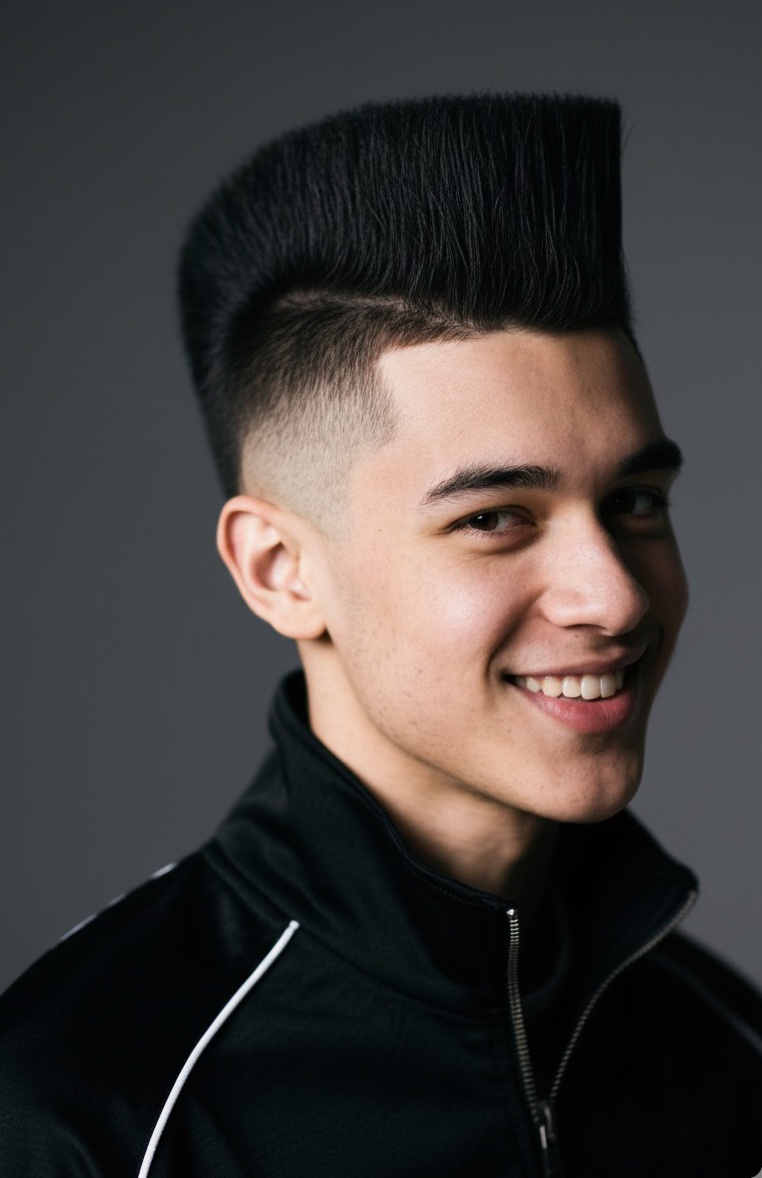
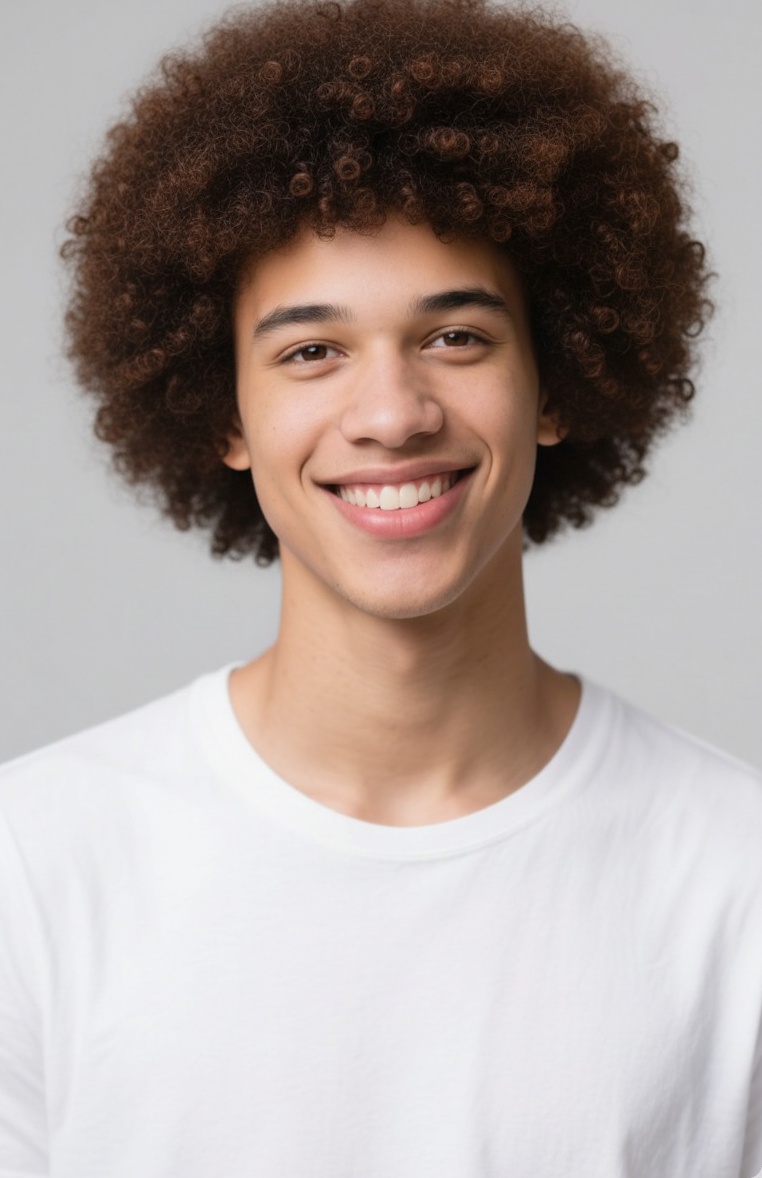

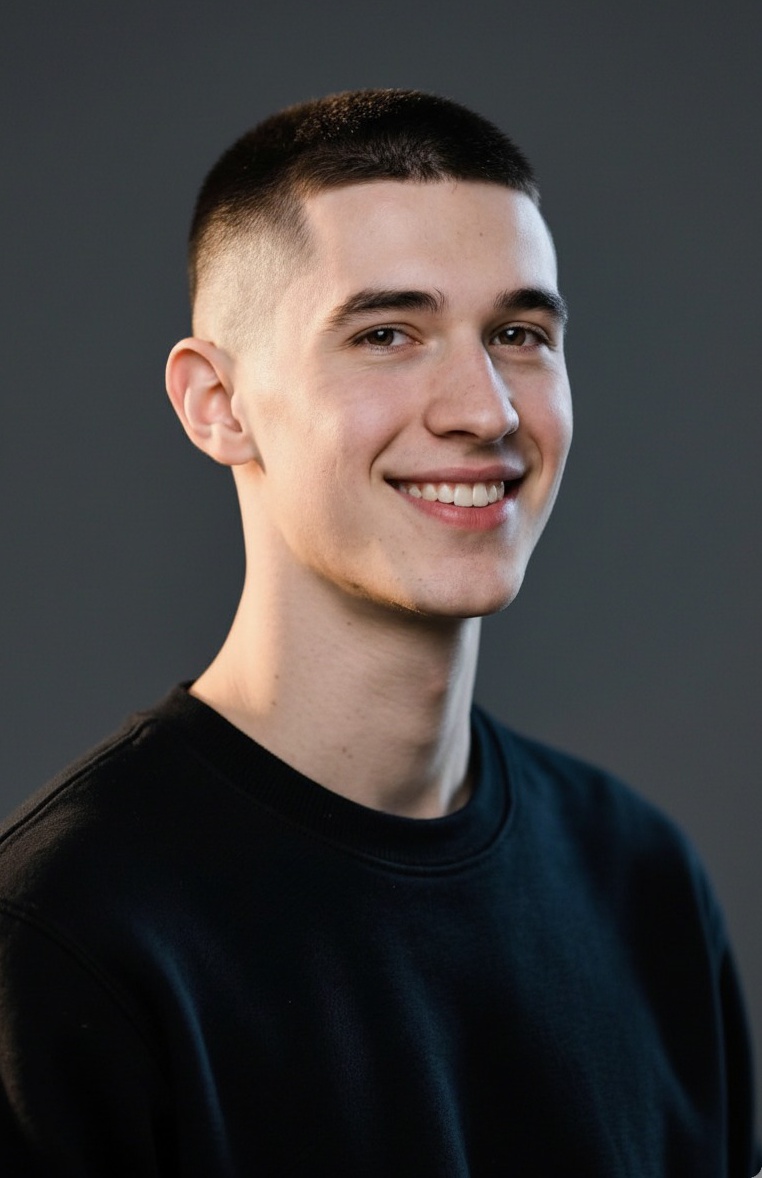
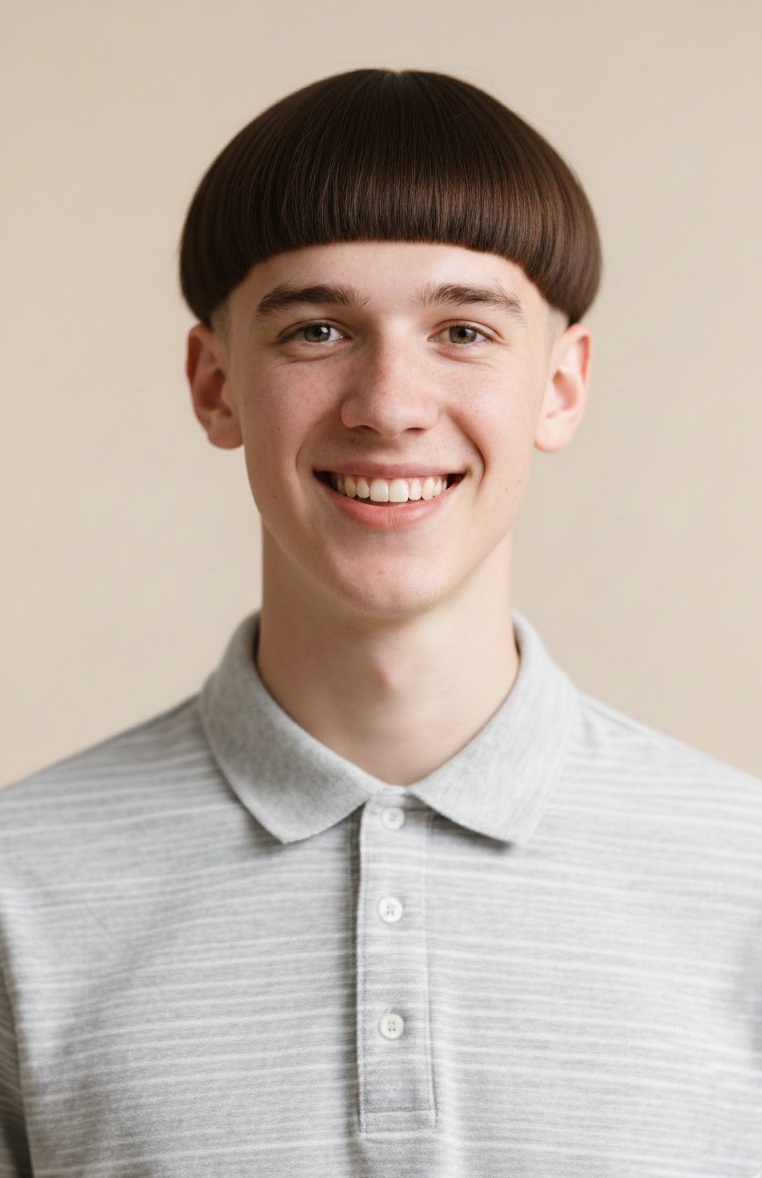
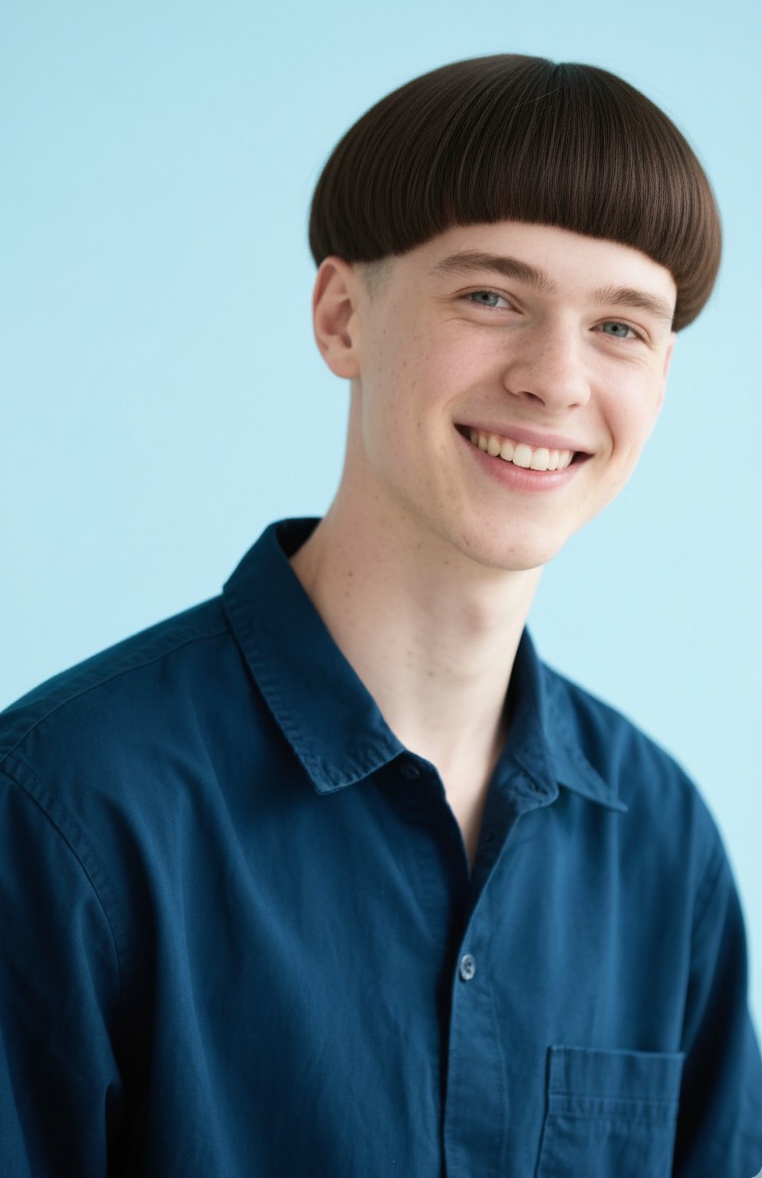
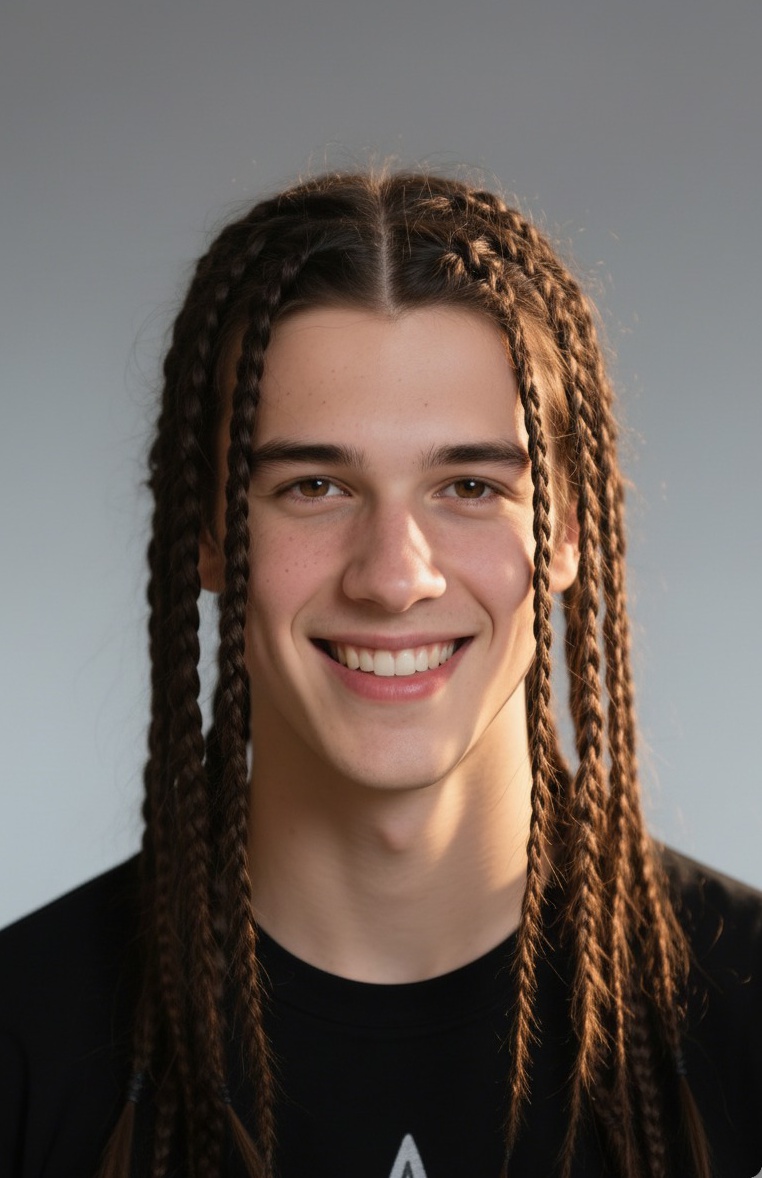





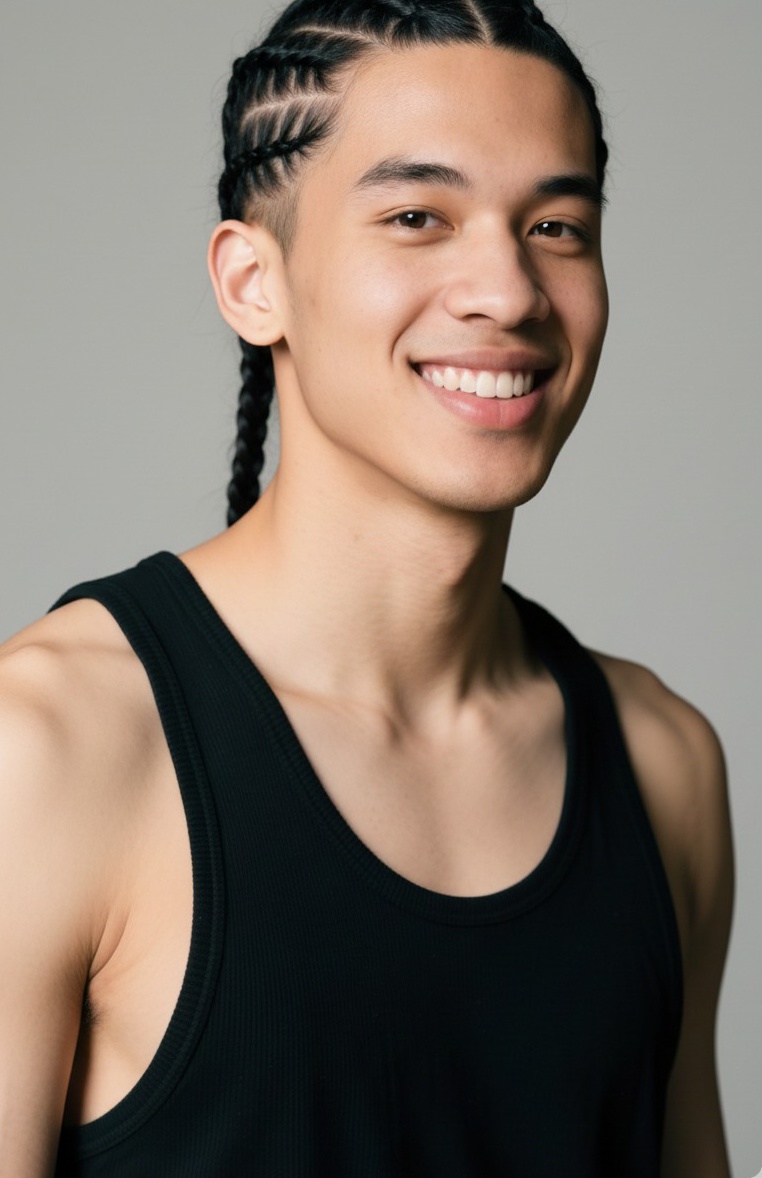
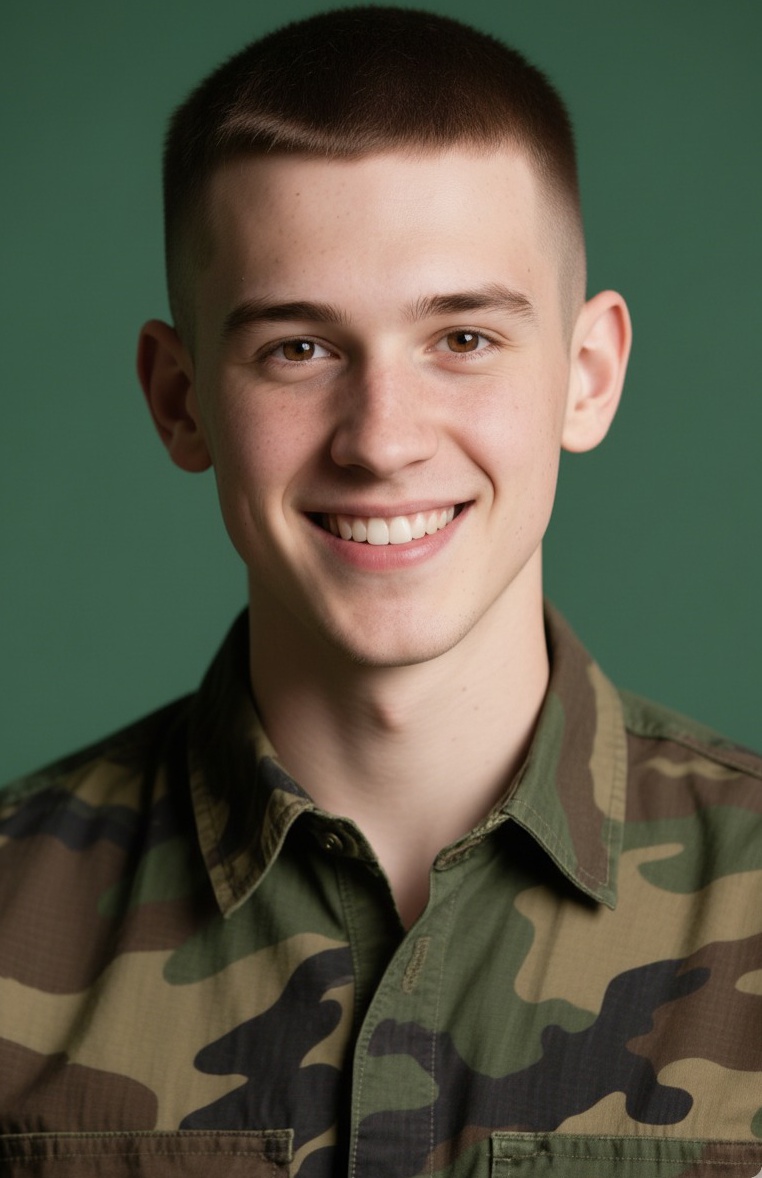


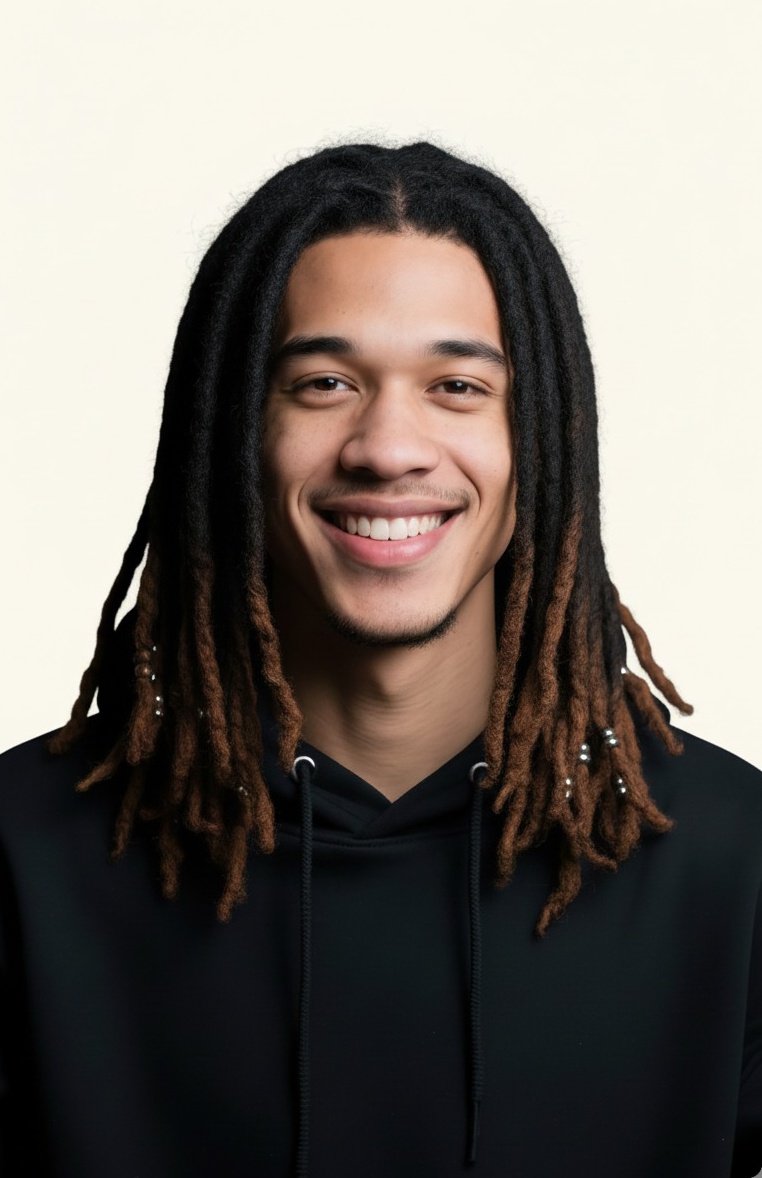





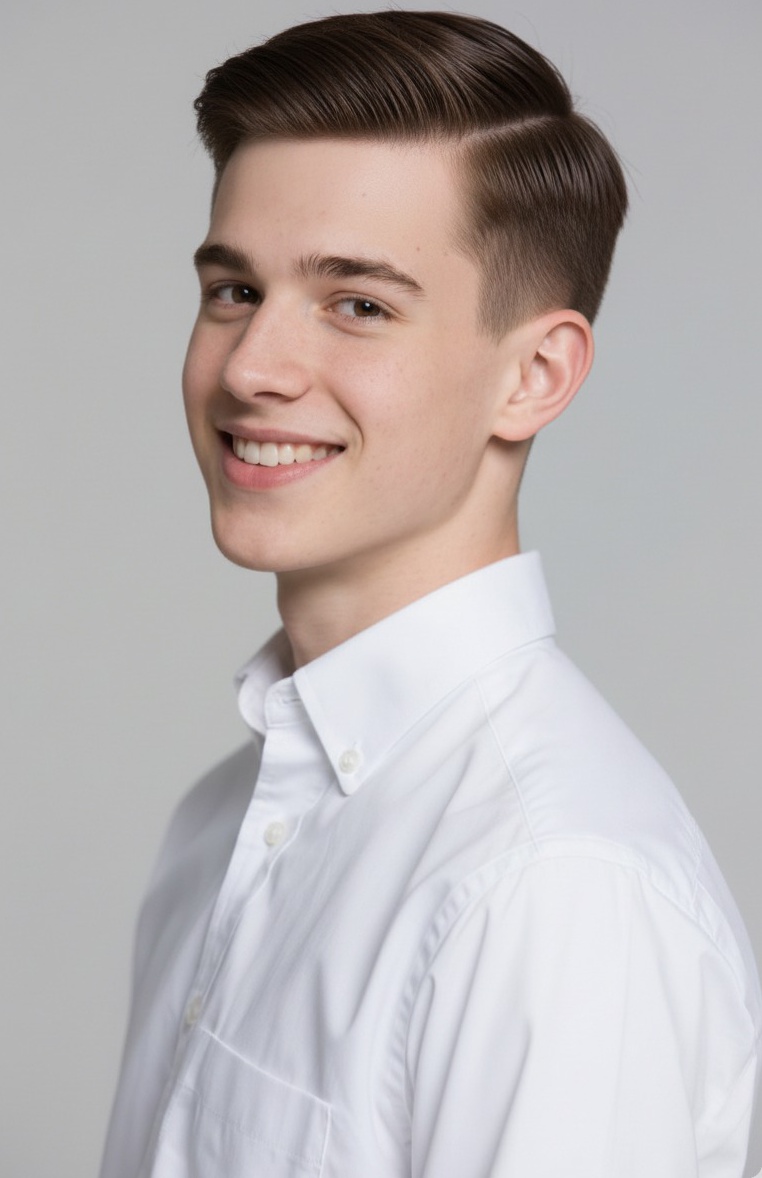





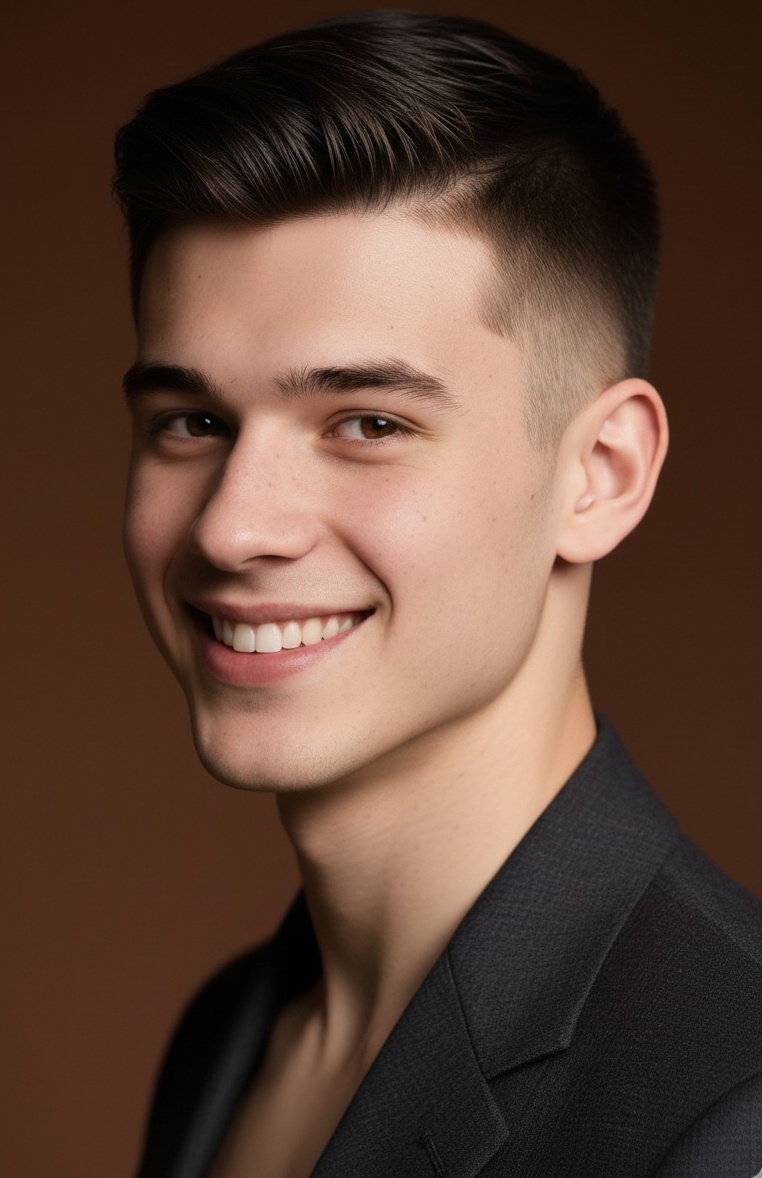
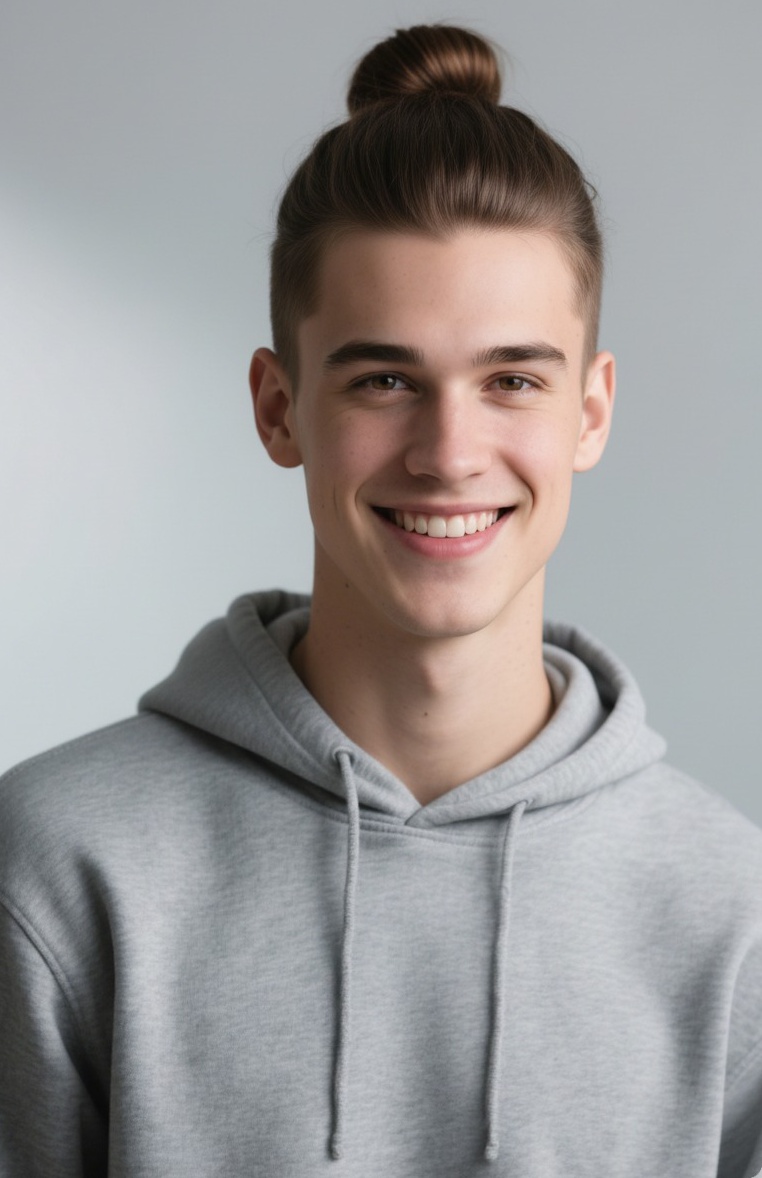



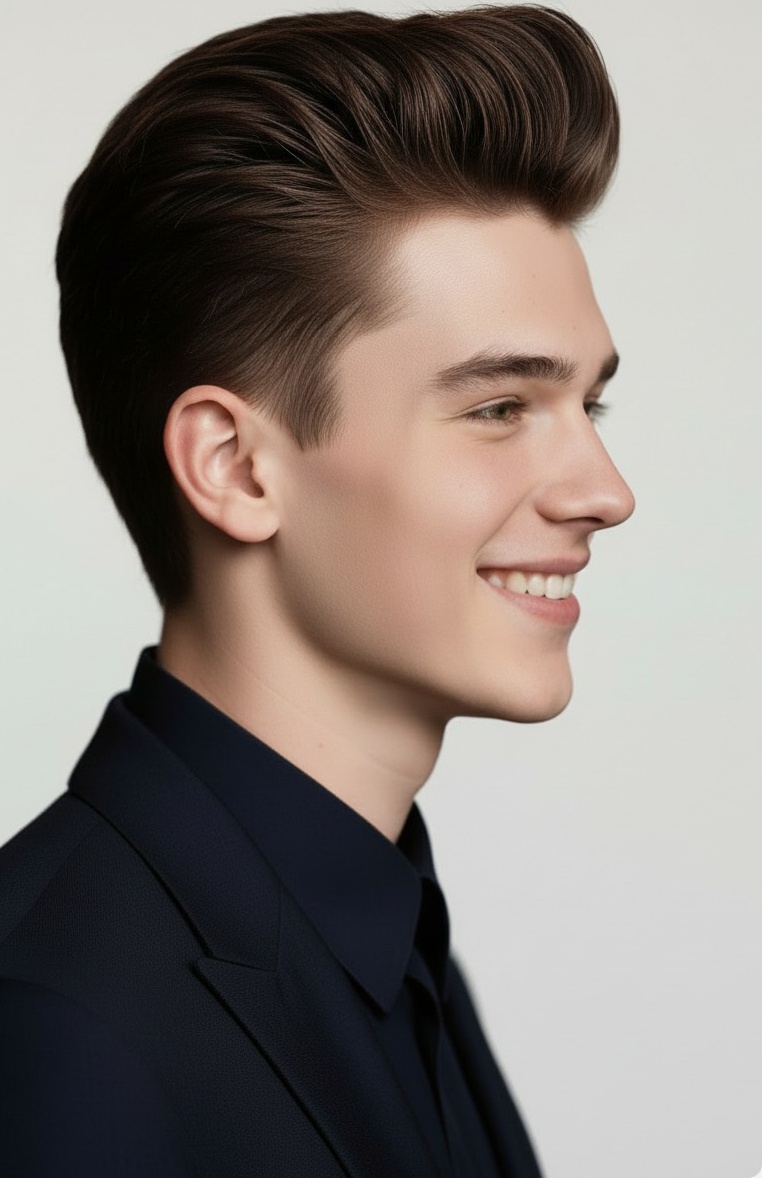
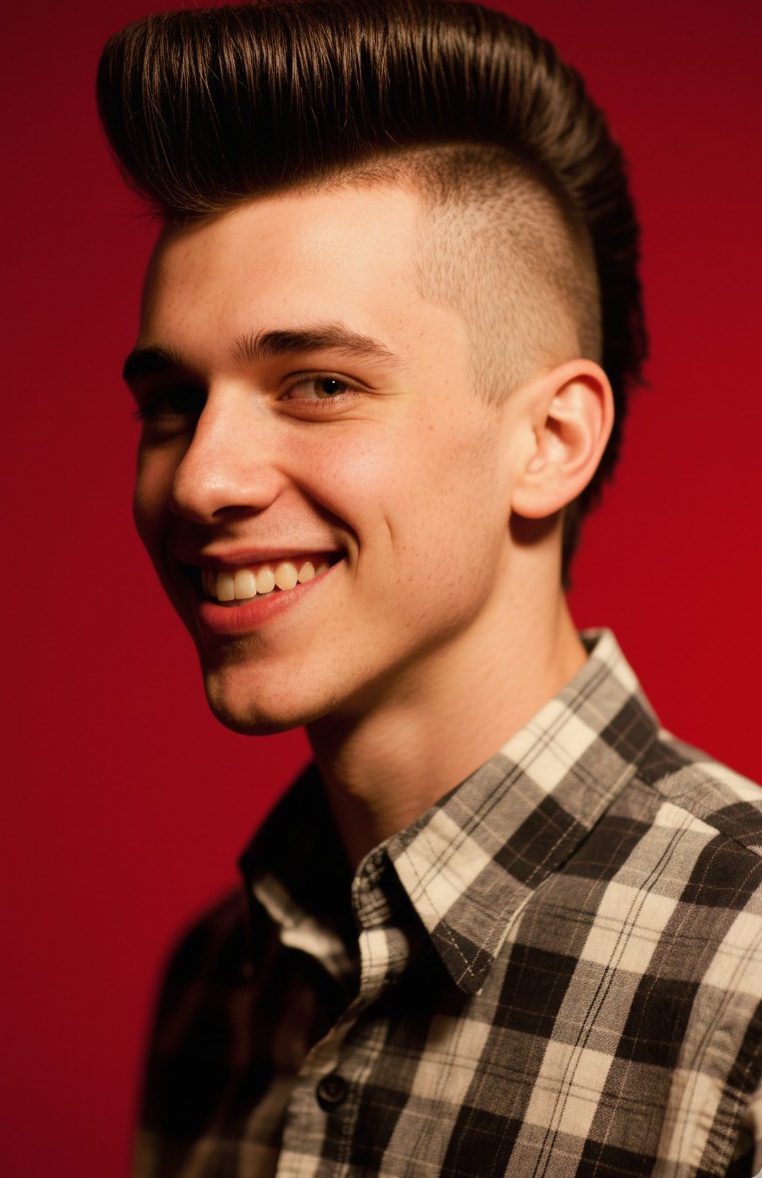
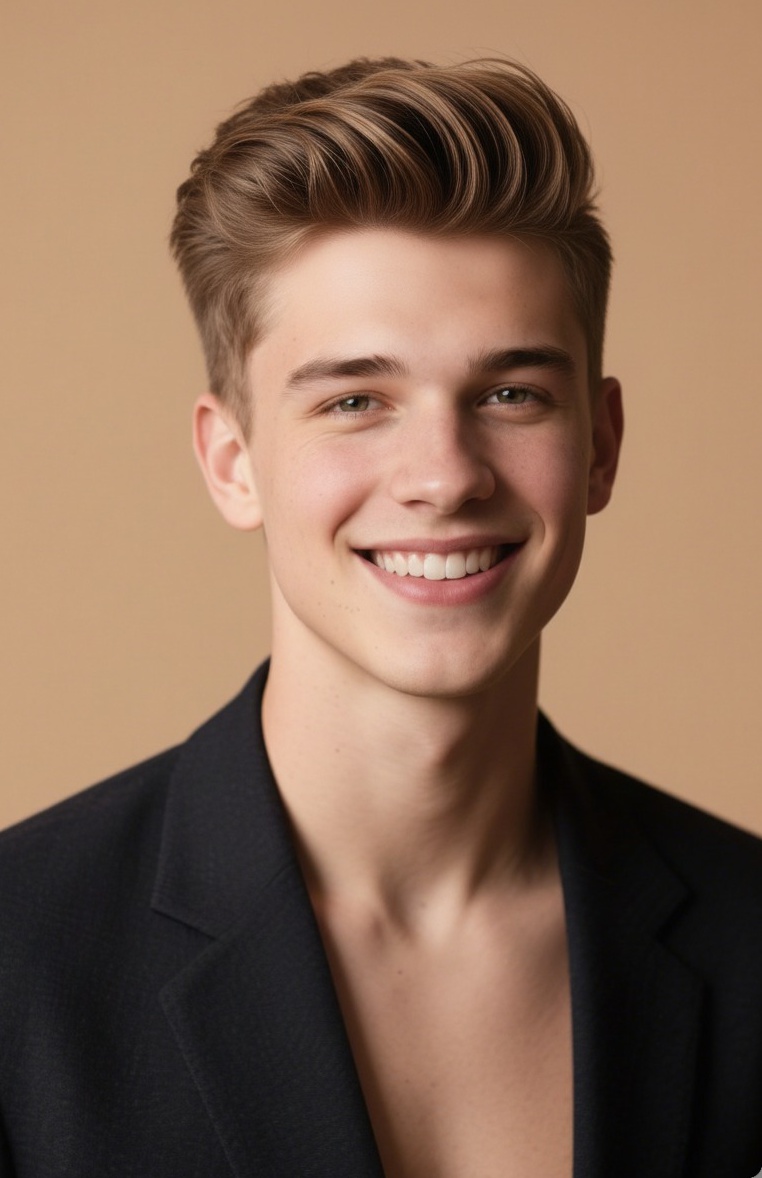
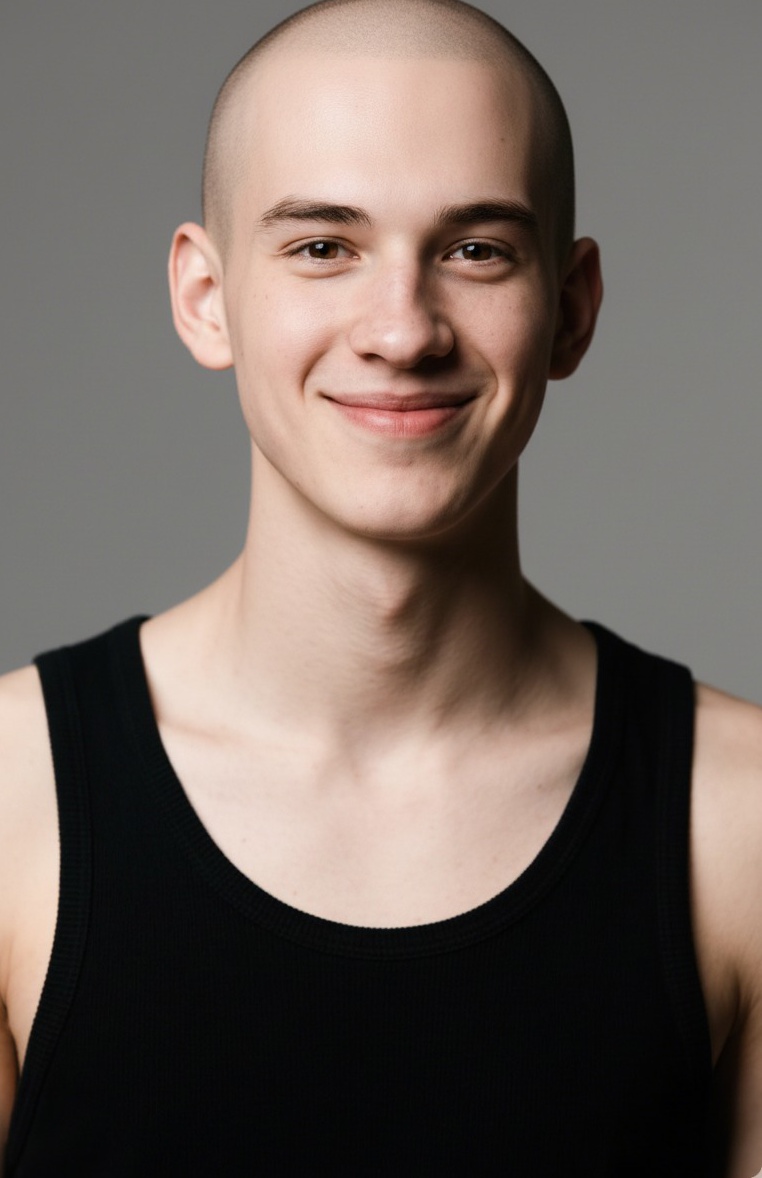


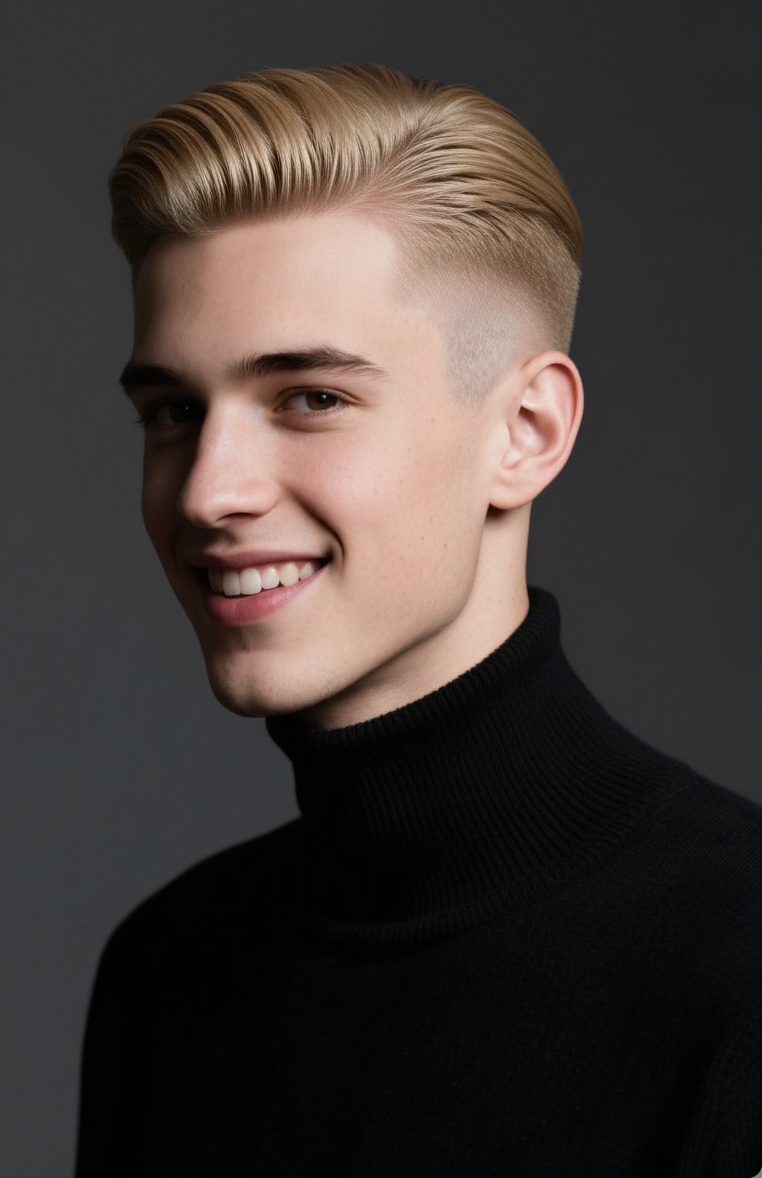




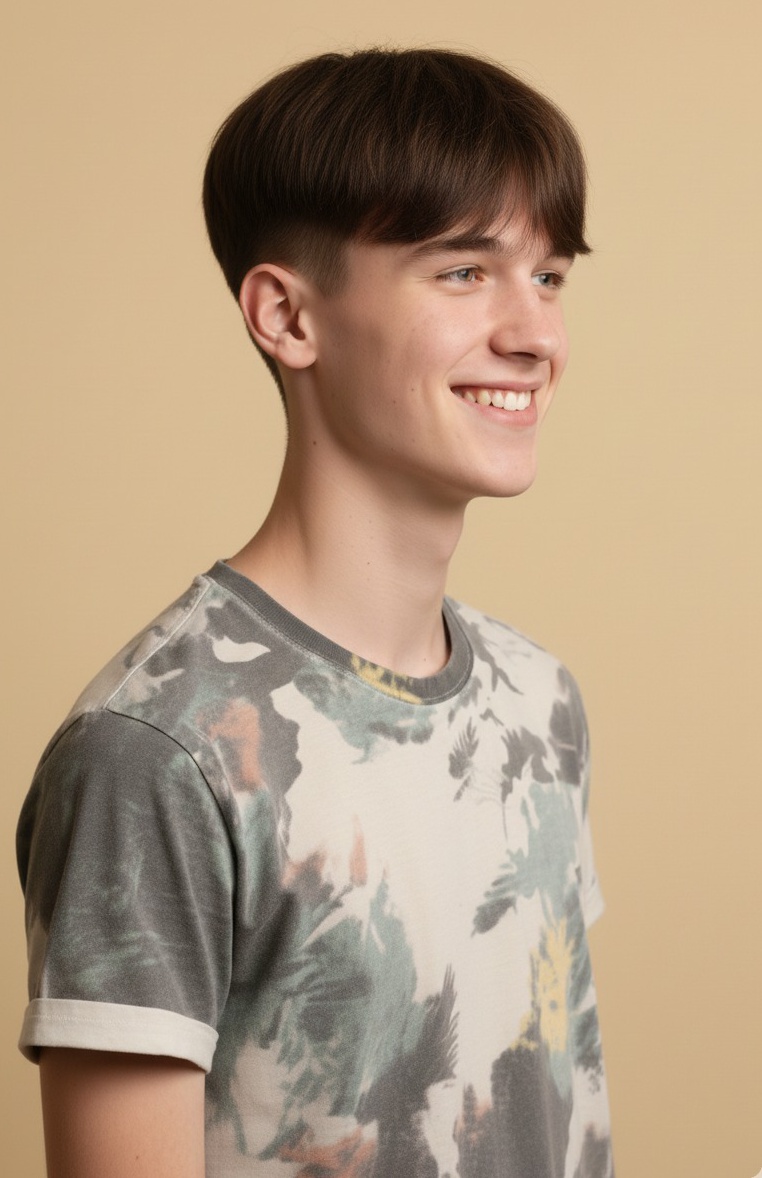
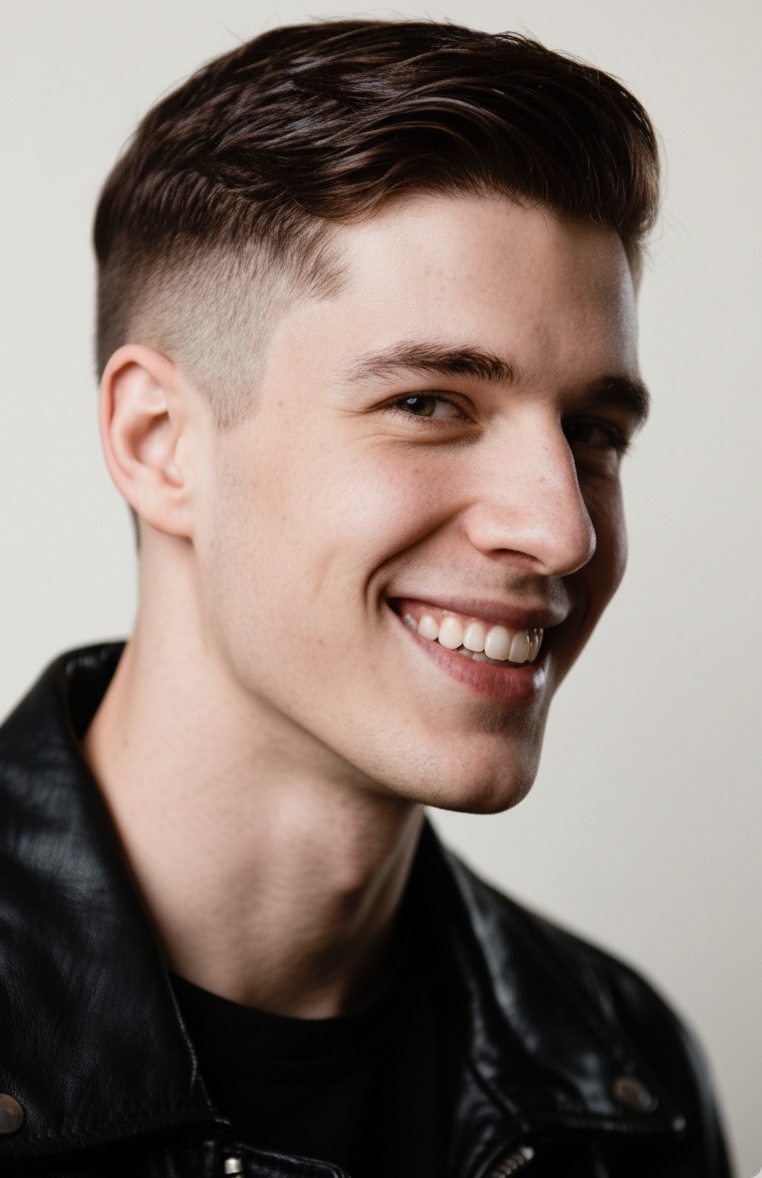

Choose your preferred style, then upload and process your photo on the left
The hi-top fade is one of the most striking cuts in men’‘s grooming—a bold contrast of height on top and ultra-clean, tightly faded sides. Whether you’‘re chasing 1990s nostalgia or a sharp 2025 refresh, understanding how this cut works is the first step. Use BlondeFilter’'s AI hairstyle filter to preview the hi-top fade on your own photo before committing to the chair.
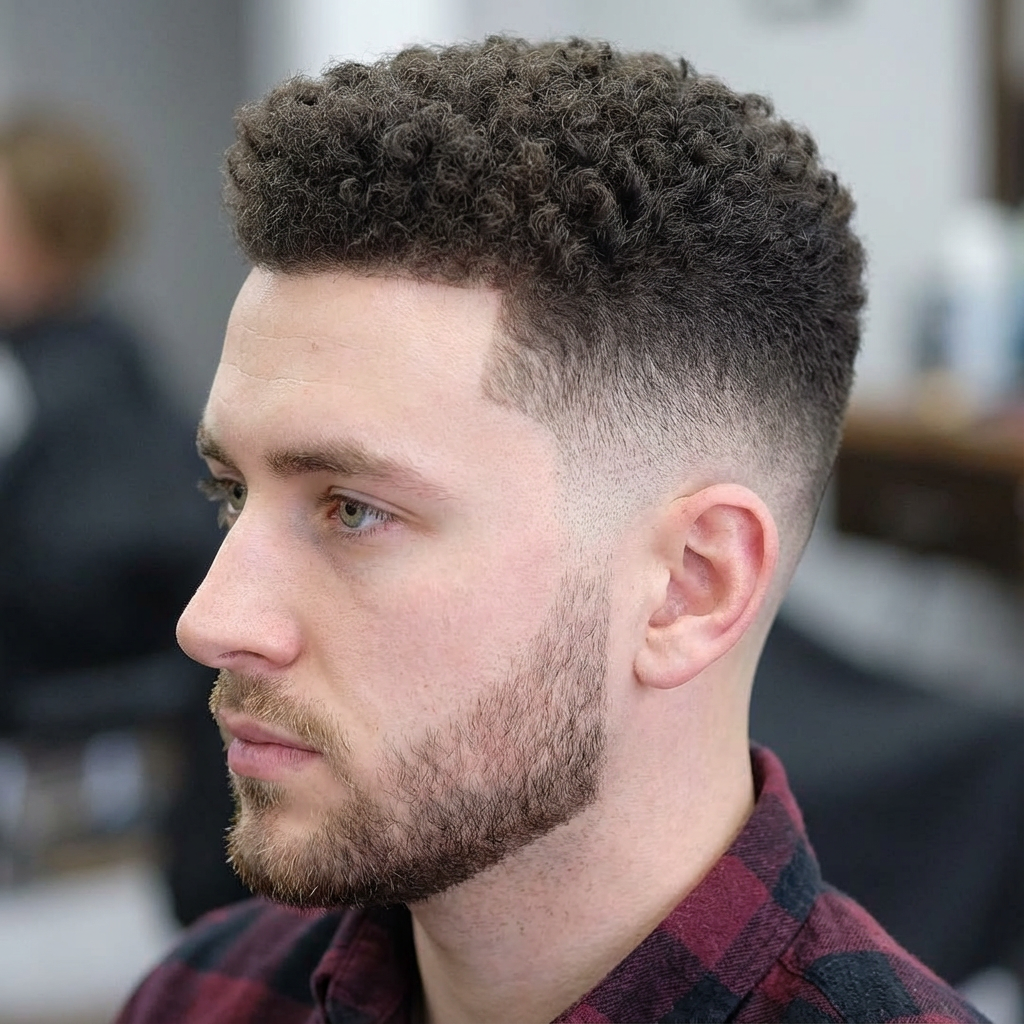
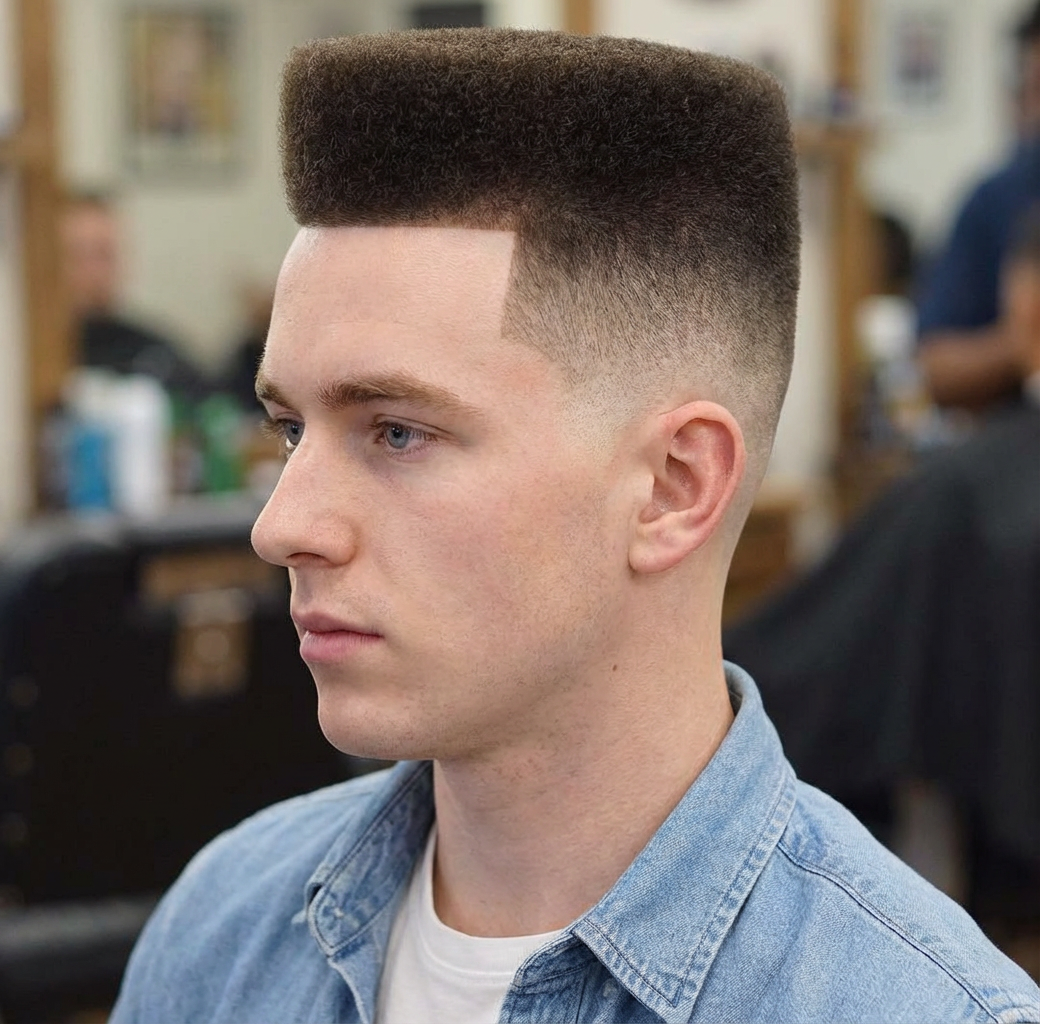
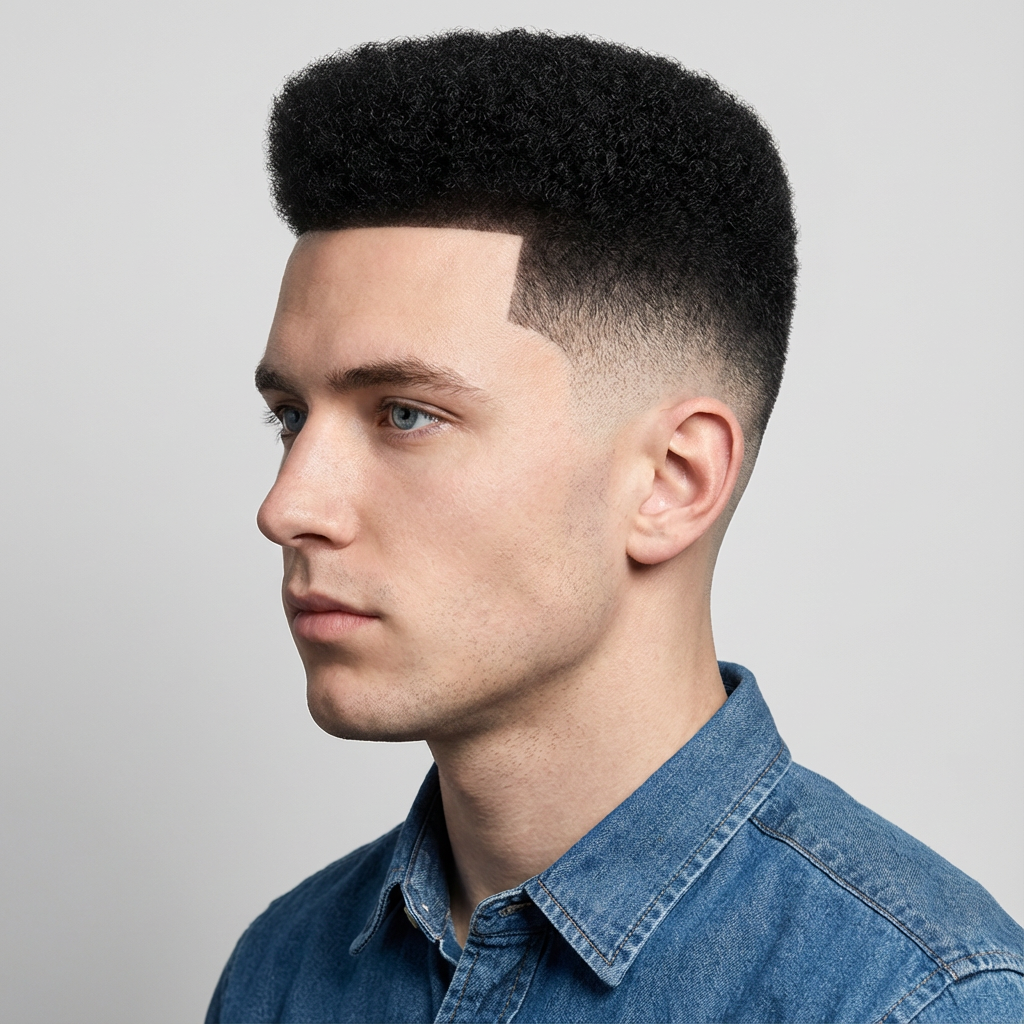
What Is a Hi-Top Fade? (And Why It’'s More Than Just Short Sides)
A hi-top fade keeps significant length on top while the sides and back taper sharply from skin or near-skin up to the crown. Clippers graduate through guard sizes to blend the fade, and edge work creates clean outlines around the hairline and temples. The defining element is the high starting point of the fade—typically at or above the temples—so the contrast is immediate and dramatic. Because the top stays long, you can style it flat and geometric, textured and voluminous, or slicked back with product. Preview the shape with BlondeFilter’'s virtual hairstyle try-on to see how the height and contrast suit your features.
Hi-Top Fade vs. Low Fade: Understanding the Difference
A low fade begins blending just above the ears, keeping more hair on the sides for a softer, slower transition. It grows out gradually and needs fewer barbershop visits. A hi-top fade starts high, removes more side length, and demands sharper upkeep every 2–3 weeks to stay crisp. A mid-fade splits the difference. If you want maximum impact and don’'t mind regular touch-ups, the hi-top fade wins; if you prefer low maintenance, the low fade is more forgiving.
Finding Your Perfect Fit: Hi-Top Fade by Face Shape
- Oval: Balanced proportions mean most hi-top fade variations work. Moderate height keeps harmony.
- Round: Add vertical height and clean angles. Flat tops or structured quiffs elongate the face; avoid overly rounded styling.
- Square: Strong jaws pair well with the cut’'s sharp edges. A textured or voluminous top adds presence without overwhelming features.
- Diamond: Keep top height moderate to balance wide cheekbones and a narrower forehead/chin. A tapered quiff works well.
- Heart: Height on top redirects focus upward and balances a wider forehead. Textured quiffs or light pompadours are ideal.
Not sure? Upload your photo to BlondeFilter, test different heights and fade points, and bring the exact reference to your barber.
Daily Styling Routine for Your Hi-Top Fade
Step 1 — Detangle and Prep: Start with slightly damp hair. Use a fine comb or afro pick to lift and detangle. If you mist with water, dry fully before product.
Step 2 — Apply the Right Product (and How Much): A fingertip to thumbnail amount is enough. Warm it between your palms, then scrunch upward through the mid-lengths and ends—not the roots—to avoid collapse or grease.
Step 3 — Shape and Finish: Comb or pick the top into your target shape. For a flat top, level the surface; for textured volume, separate with fingers. Low heat from a dryer can lock in lift.
Pro Tips by Hair Type:
- Curly/textured: Prioritize moisture with a light leave-in or oil before product. Use minimal hold to prevent stiffness.
- Straight: Matte creams or clays beat heavy pomade; texture spray adds grip without shine.
- Fine: Use texture powder or dry shampoo for volume; keep product light and blow-dry for lift.
- Thick: Heavier holds are fine; focus on separation to avoid a dense block of hair.
Must-Have Products for the Look
- Pomades: High shine, strong hold for a polished, classic finish; best on straight or wavy hair in formal settings.
- Clays and Matte Creams: Medium to strong hold with low shine for modern texture across most hair types.
- Texture Sprays/Sea Salt Sprays: Light grip and separation without weight—great for curls or casual volume.
- Hair Sheen Sprays: Add subtle moisture and shine to textured hair without hold.
- Texture Powders: Essential for fine or thin hair to boost volume without weighing it down.
Think of hold and shine as a spectrum. Start lighter, then increase as needed rather than overloading from the outset.
Maintenance Timeline: When to Visit Your Barber
- Week 1: Fade is razor-sharp; edges are crisp.
- Week 2: Still clean, slight softening at the temples and nape.
- Week 3: Side growth shows and the top loses definition—time to book.
- Week 4+: Contrast fades; the cut looks fuzzy rather than intentional.
Plan on a trim every 2–3 weeks for the freshest look. Stretching to four weeks softens the definition but can work if you prefer a slightly relaxed fade.
Hi-Top Fade Variations: Find Your Personal Style
- The Flat Top: Iconic, level surface—best on textured or curly hair for graphic impact.
- High Fade Pompadour: Swept back and upward for volume and polish; great for formal flexibility.
- High Fade Faux Hawk: Edgier ridge of length down the center with ultra-short sides.
- High Fade Buzz Cut: Very short top (#1–#2 guard) plus high fade for minimal upkeep.
- High Fade with Textured Top: Tousled medium length for a modern, effortless look.
Use BlondeFilter’'s virtual try-on to see each variation on your own face before choosing.
Talking to Your Barber: The Consultation Guide
- Learn the terminology: Specify high, mid, or low fade; describe the top as flat, textured, slicked back, or short. Mention guard numbers (#0 for skin, #1 for slight length, #2 for longer stubble, etc.).
- Bring visual references: Two or three photos, including your BlondeFilter preview, remove guesswork.
- Ask key questions: Ideal visit frequency, products for your hair type, and whether to keep photo references for consistency at future appointments.
Cultural Influence: Why the Hi-Top Fade Endures
Born in the 1980s and 1990s within Black American communities, the hi-top fade became a symbol of confidence and creative expression. Hip-hop culture popularized its geometric silhouette, and periodic revivals keep it relevant today. Wearing the cut connects you to that lineage while still feeling current in 2025.
Styling Tips for Different Hair Types
- Curly and Textured Hair: Natural volume makes flat tops and tall silhouettes shine. Keep curls hydrated with leave-in conditioner and light oils; avoid heavy pomade that flattens texture.
- Straight Hair: Needs deliberate lift—blow-dry upward and use matte products for separation. Sea salt spray adds grit without slickness.
- Fine Hair: Go lighter and shorter on top for structure. Texture powder plus blow-drying creates height without collapse.
- Thick Hair: Versatile with product choices; prioritize combing/picking for separation so the top doesn’'t read as one solid block.
Try Your Hi-Top Fade Before Your First Appointment
Before you sit down, preview the look. BlondeFilter’'s AI hairstyle try-on lets you upload a photo, test different fade heights, top lengths, and styling directions, then bring that blueprint to your barber. It removes guesswork and ensures you leave with the exact hi-top fade you pictured.
Frequently Asked Questions About Hi-Top Fades
What is a high top fade? A men’'s cut with very short, high-placed faded sides and a longer top that creates sharp contrast.
What is better, high or low fade? High fades are bolder but need touch-ups every 2–3 weeks; low fades are subtler and grow out more gently over 6+ weeks. Choose based on maintenance tolerance and desired contrast.
What does 1, 2, 3, 4, 5 mean in haircuts? These are clipper guard sizes: #0 is skin, #0.5 is barely visible, #1 is about 1/8 inch, #2 about 1/4 inch, #3 about 3/8 inch, #4 about 1/2 inch, #5 about 5/8 inch. Barbers stack guards to blend a fade.
What fade is the most attractive? It’‘s subjective. High fades flatter strong jaws; low fades soften rounder faces; mid fades offer balance. Use BlondeFilter’'s virtual try-on to see which you prefer.
How often should I get a hi-top fade? Every 2–3 weeks keeps it sharp; four weeks is the upper limit before the contrast blurs.
Can I style a hi-top fade at home? Yes. Detangle, apply a small amount of product, shape, and finish. The fade itself requires pro touch-ups for clean lines.
Is a hi-top fade good for curly hair? Excellent—curly and textured hair naturally deliver the height and dimension that make the style pop.
What’'s the difference between a hi-top fade and a flat top? Hi-top refers to the fade height on the sides; flat top describes the top’'s level shape. Many hi-top fades use a flat top, but you can also choose textured or rounded tops.
How do I maintain a hi-top fade between cuts? Moisturize (especially curls), avoid heavy buildup, and follow a light daily styling routine. Schedule timely barber visits to keep edges sharp.
How much does a hi-top fade cost? Pricing varies by region and barbershop, often around $20–50, with premium shops charging more. Factor in the 2–3 week cadence when budgeting.
Ready to test-drive the look? Try your hi-top fade online with BlondeFilter’'s AI hairstyle filter, then head to the barbershop with confidence.