French Bangs: The Effortless Parisian Cut Every Woman Should Know
Discover what French bangs are, who they suit, and how to cut, style, and maintain this effortless Parisian fringe, then try it on with BlondeFilter AI.


Click or drag photos here to upload
Supports JPG, PNG formats, max 5MB, JPEG format recommended
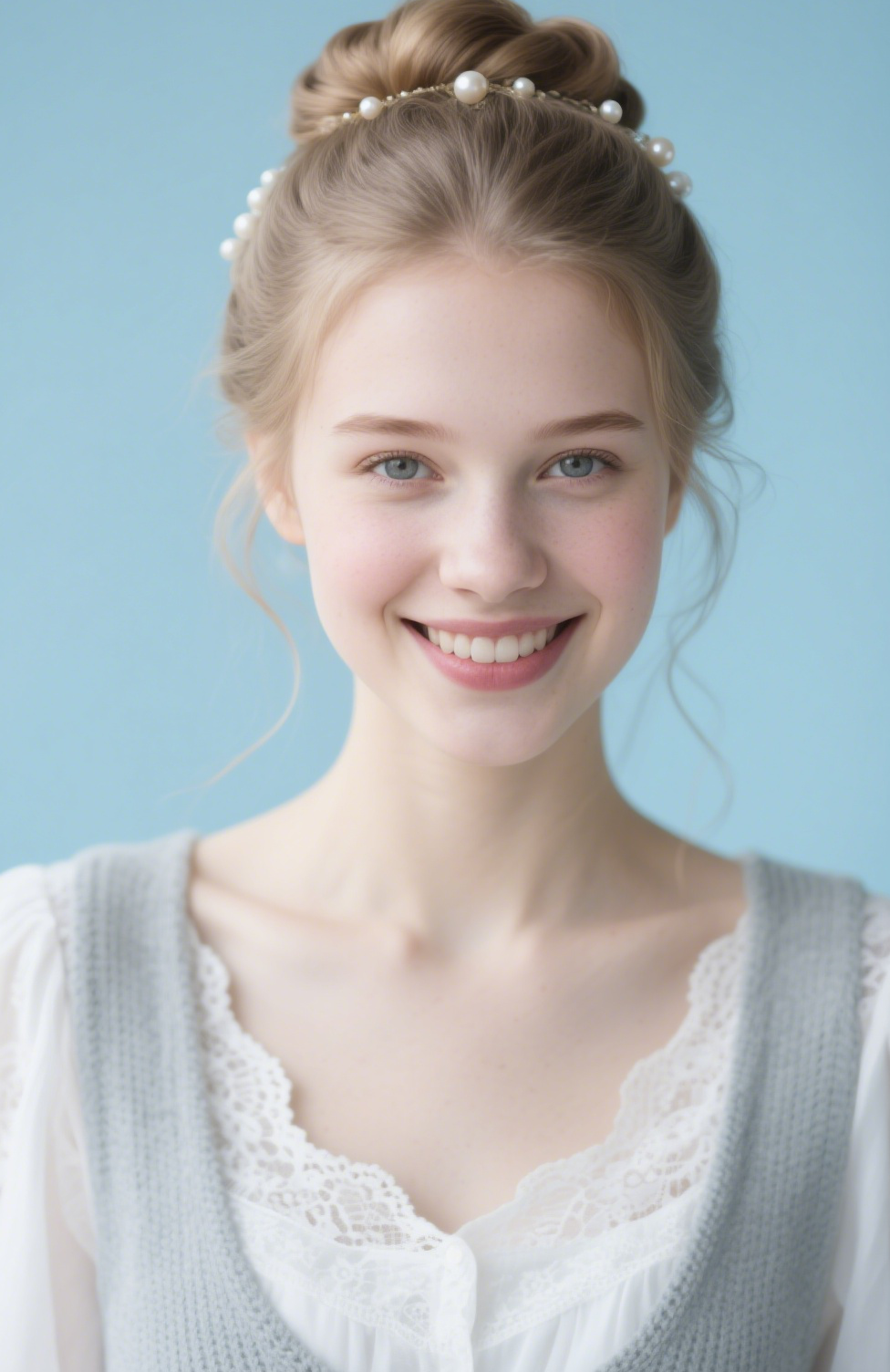
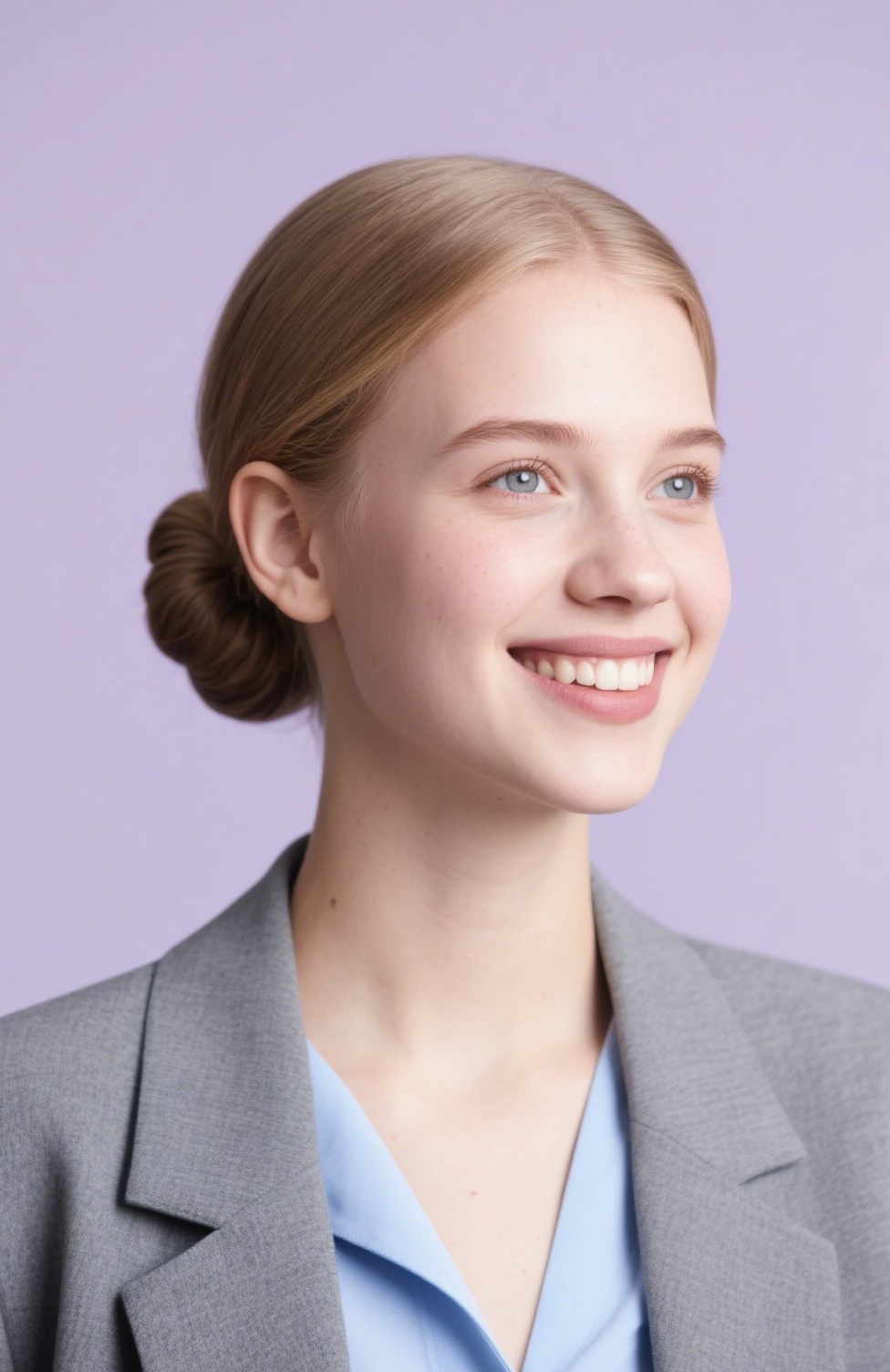
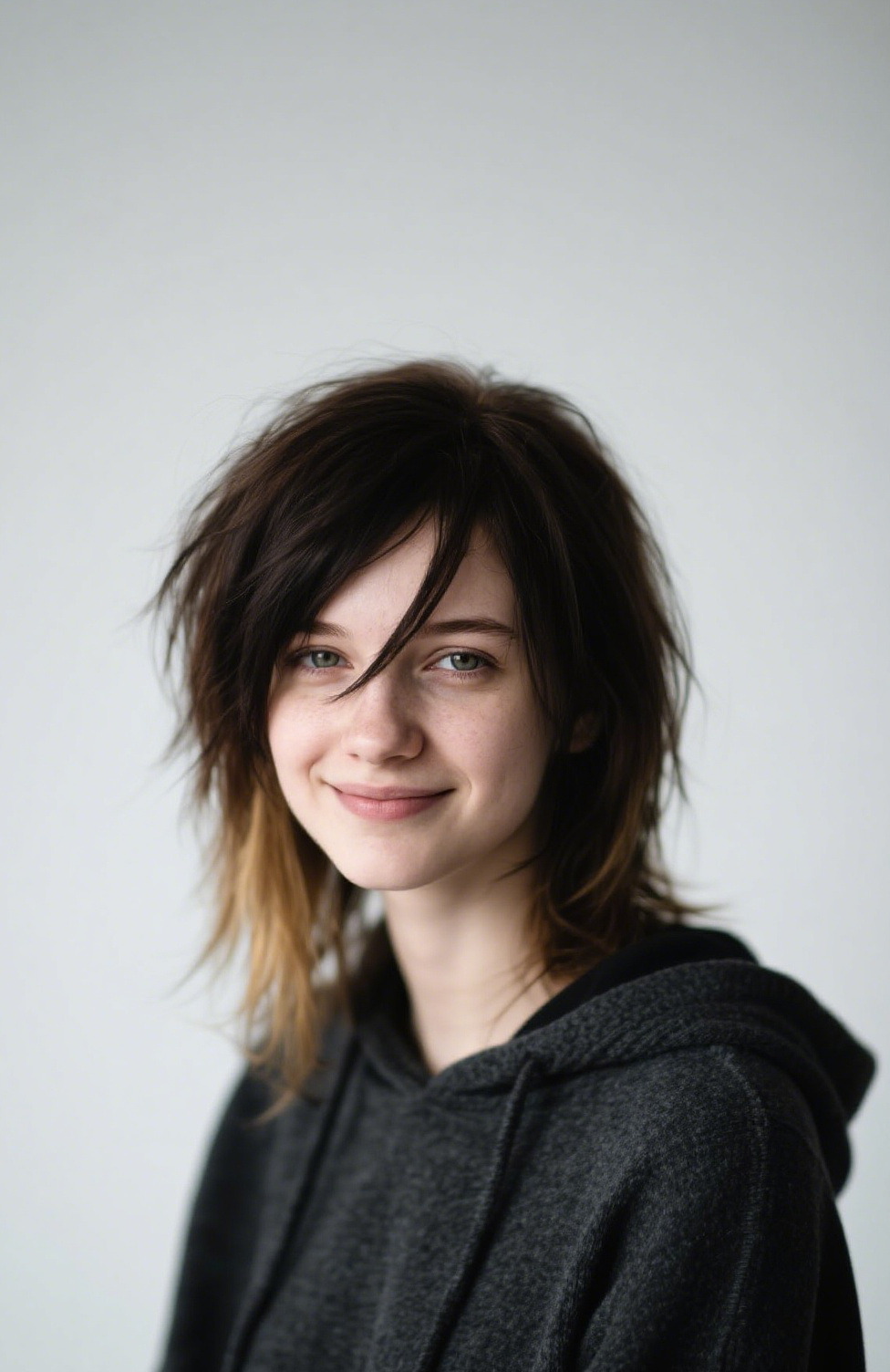

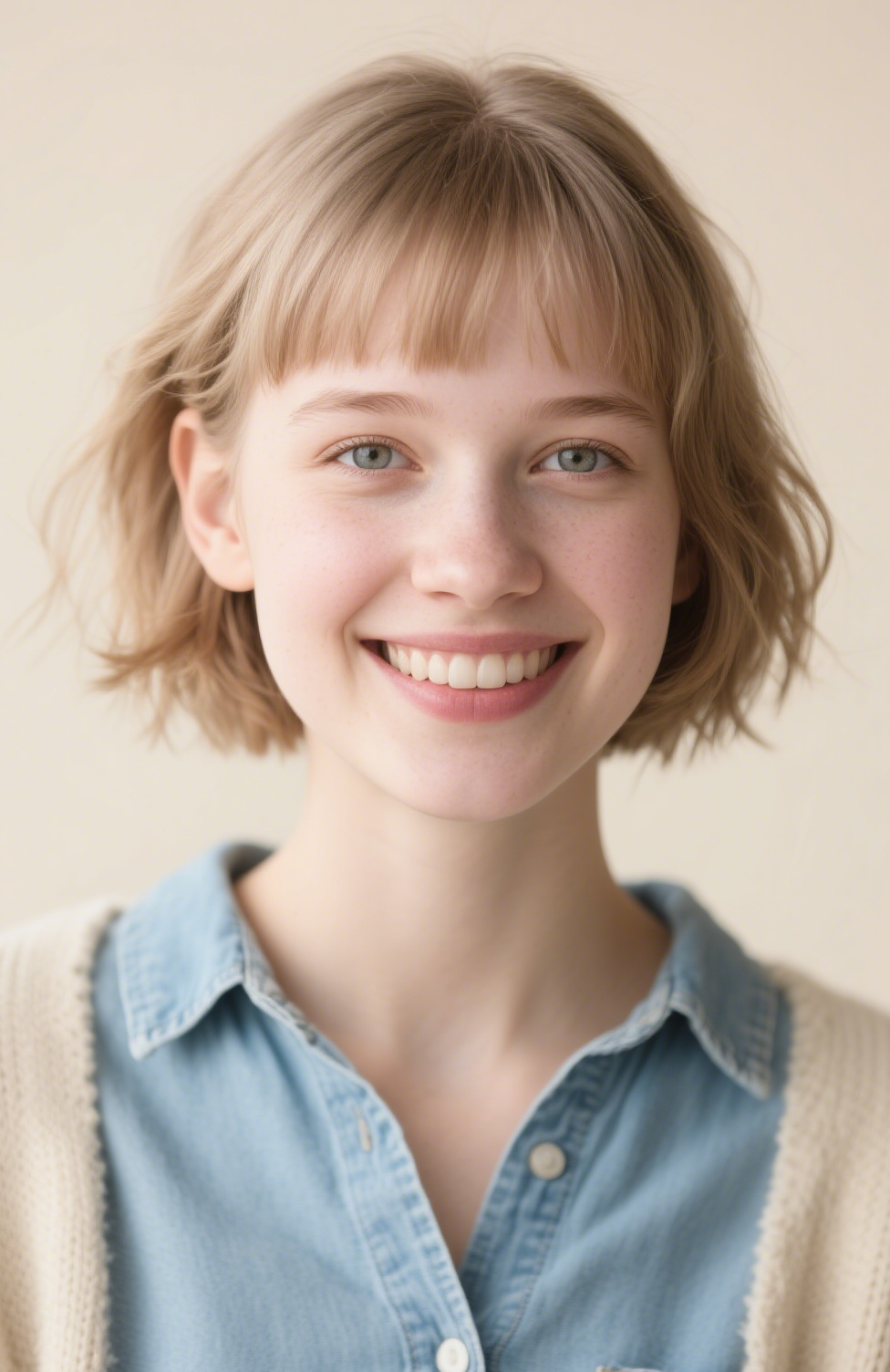
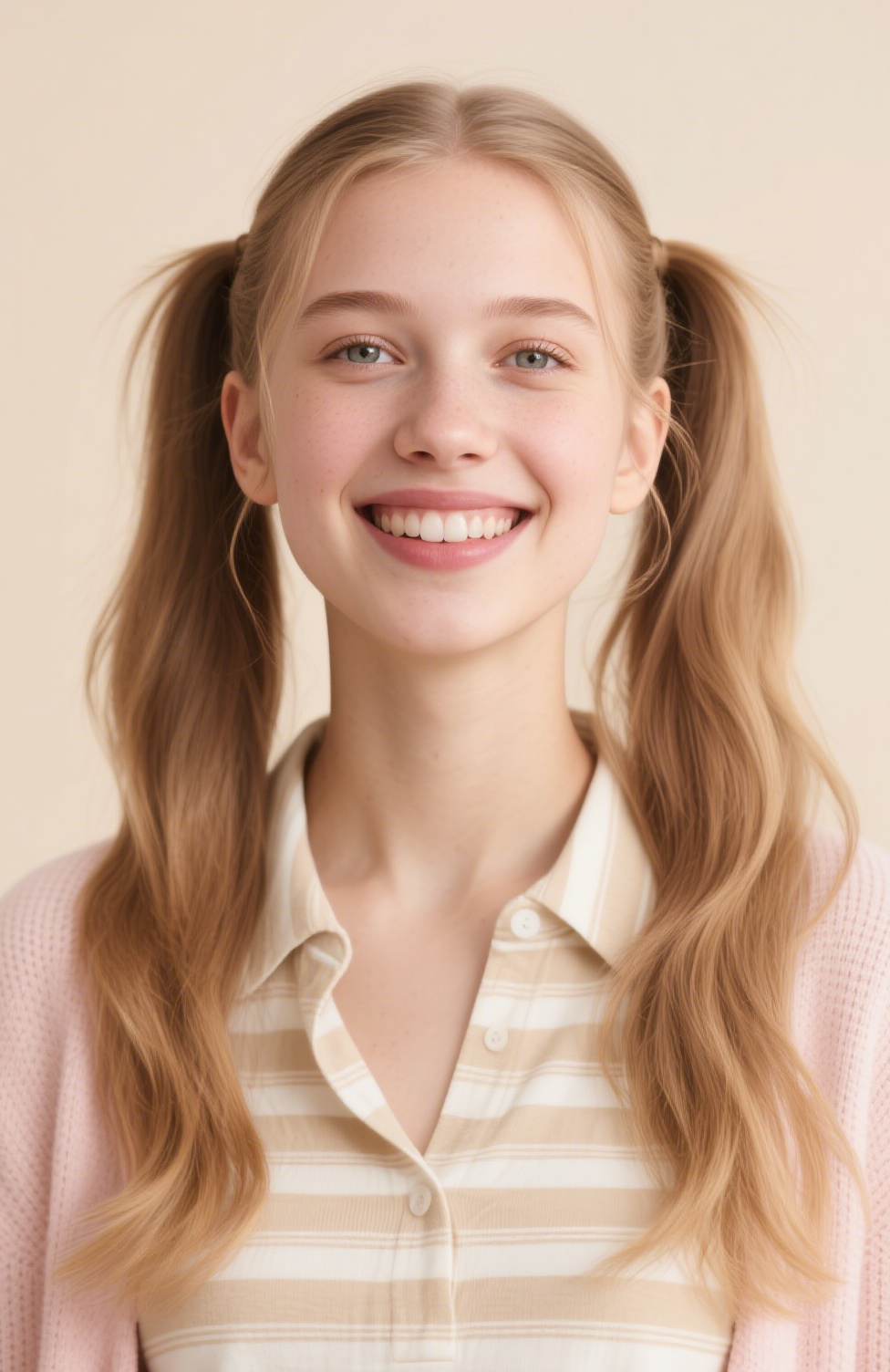
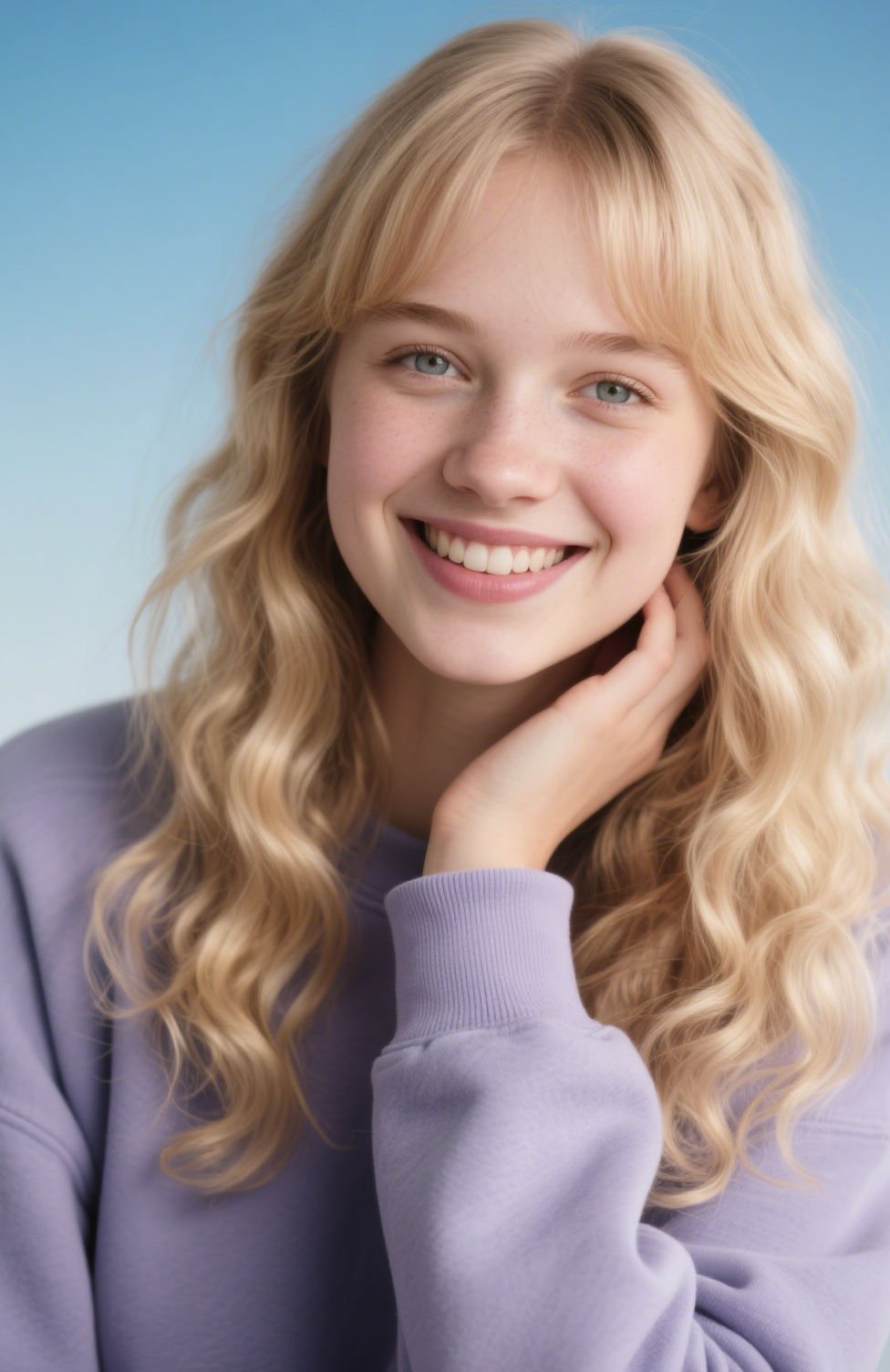
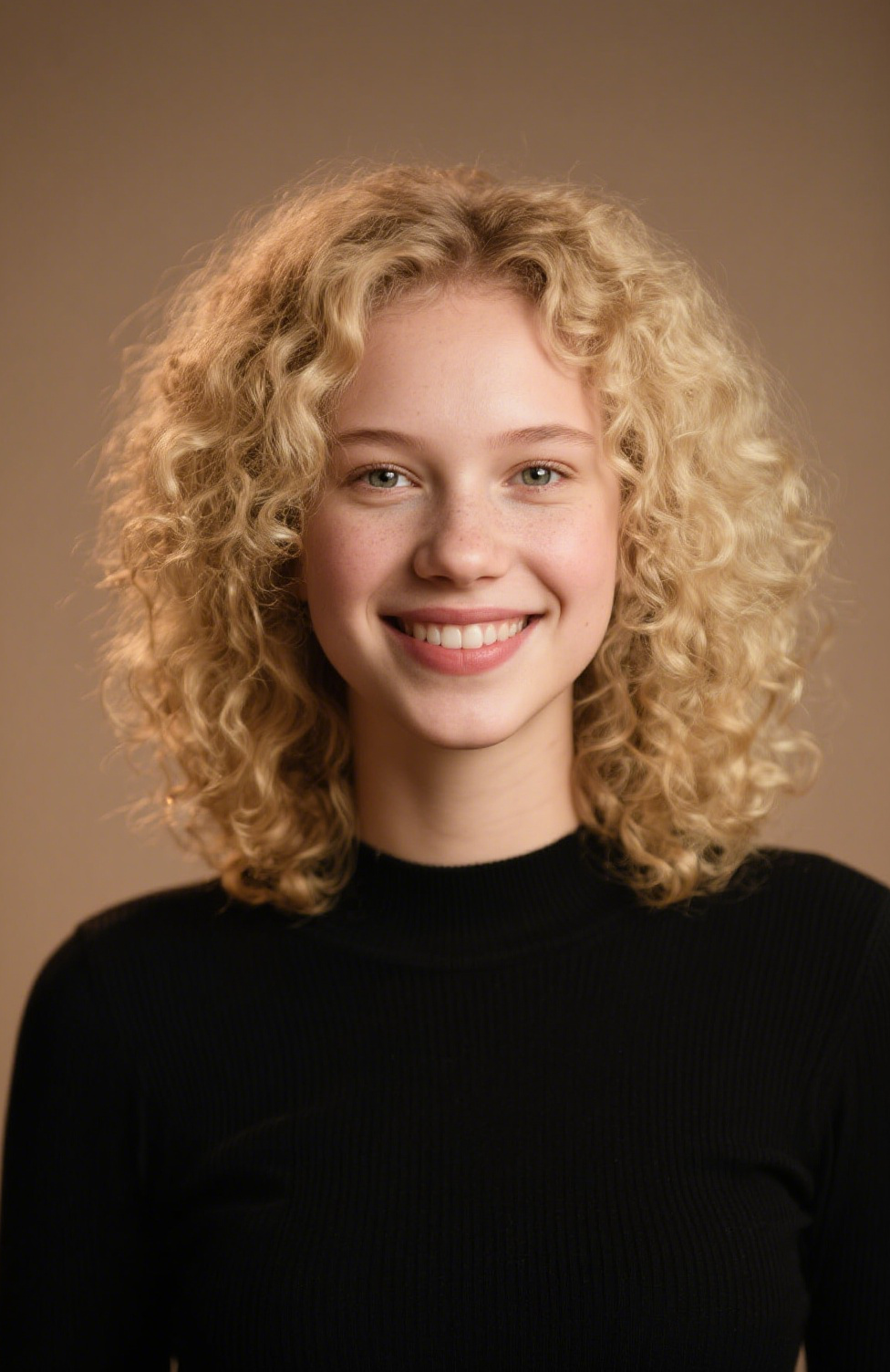
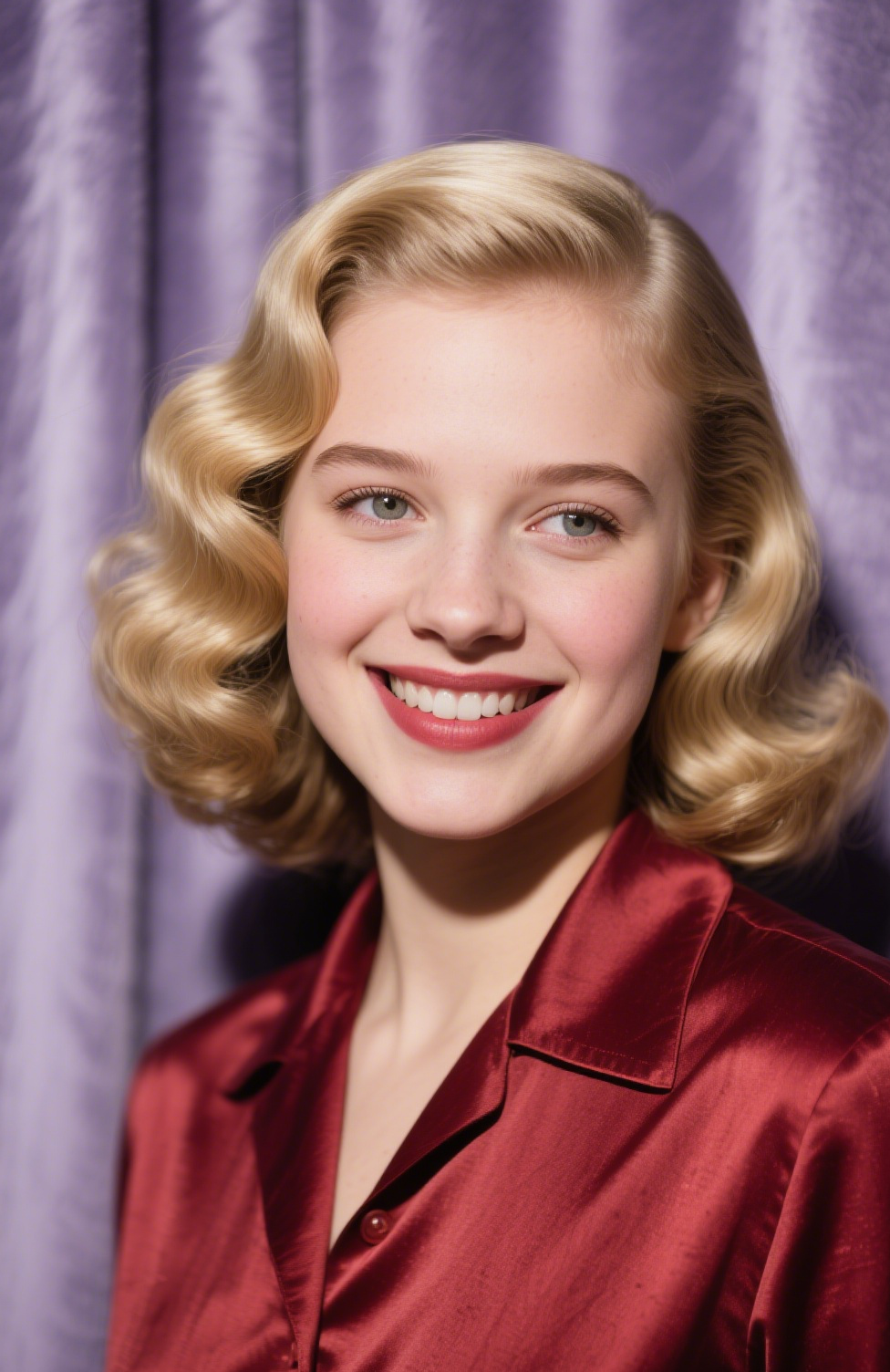
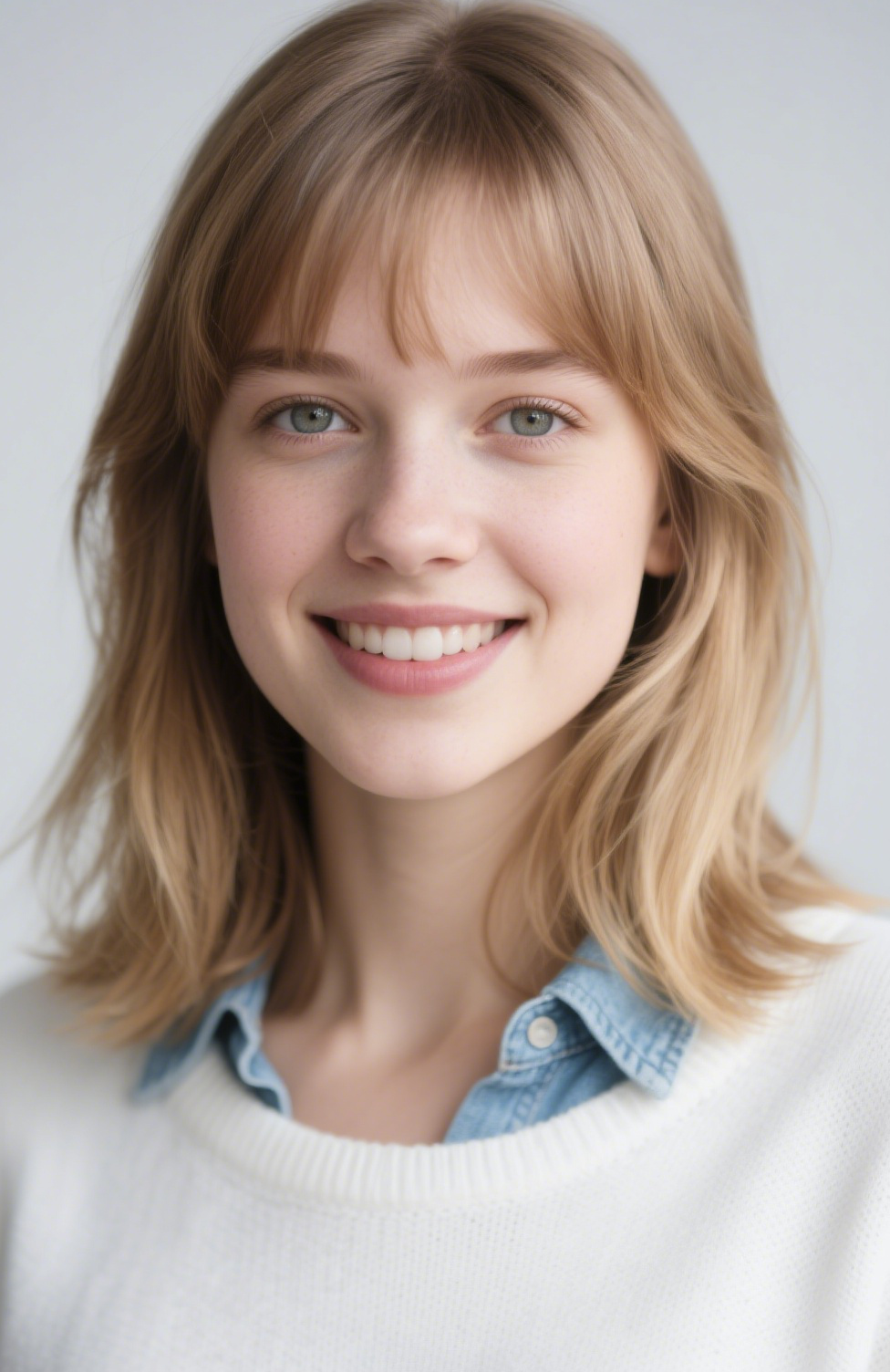
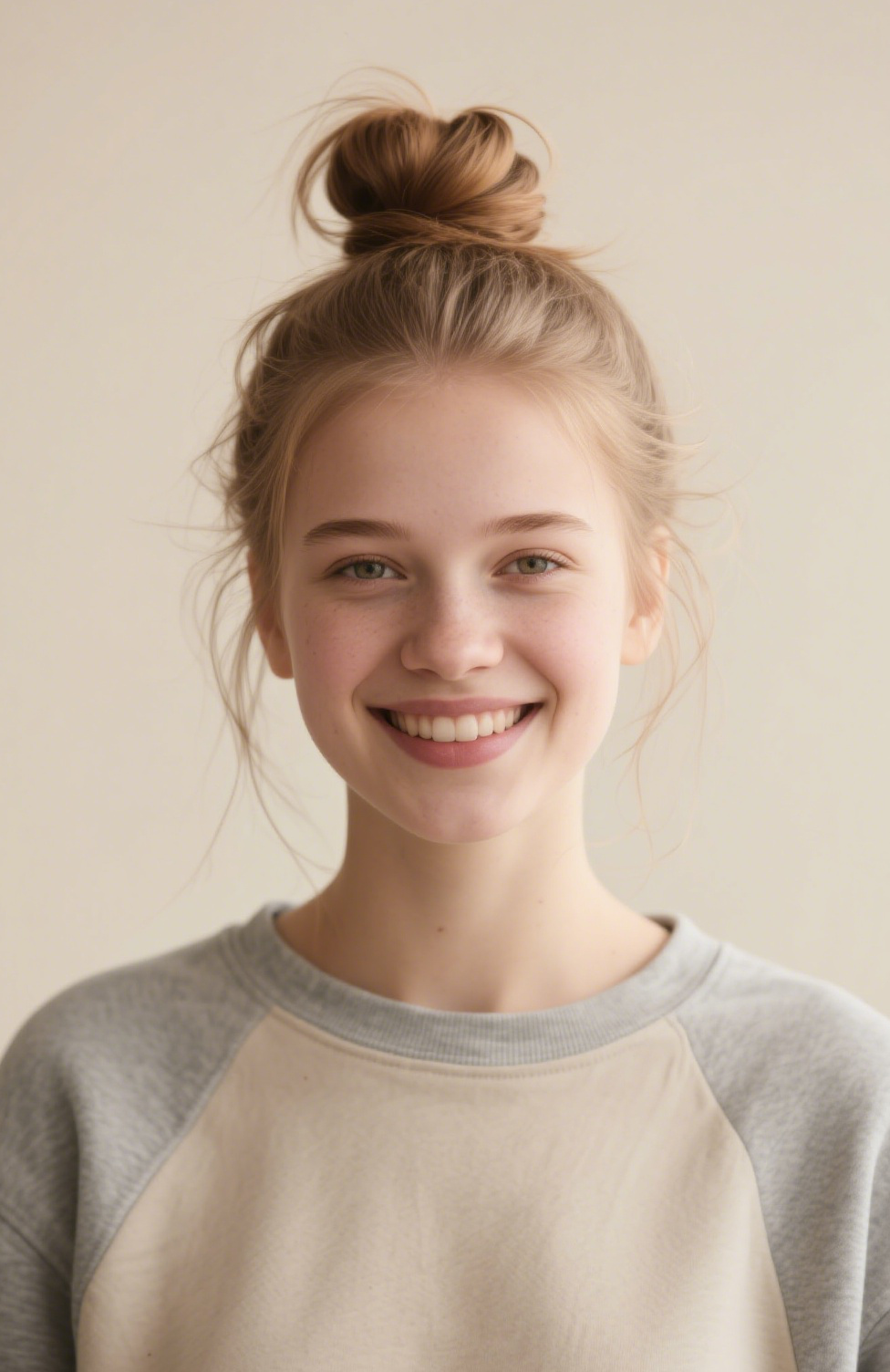
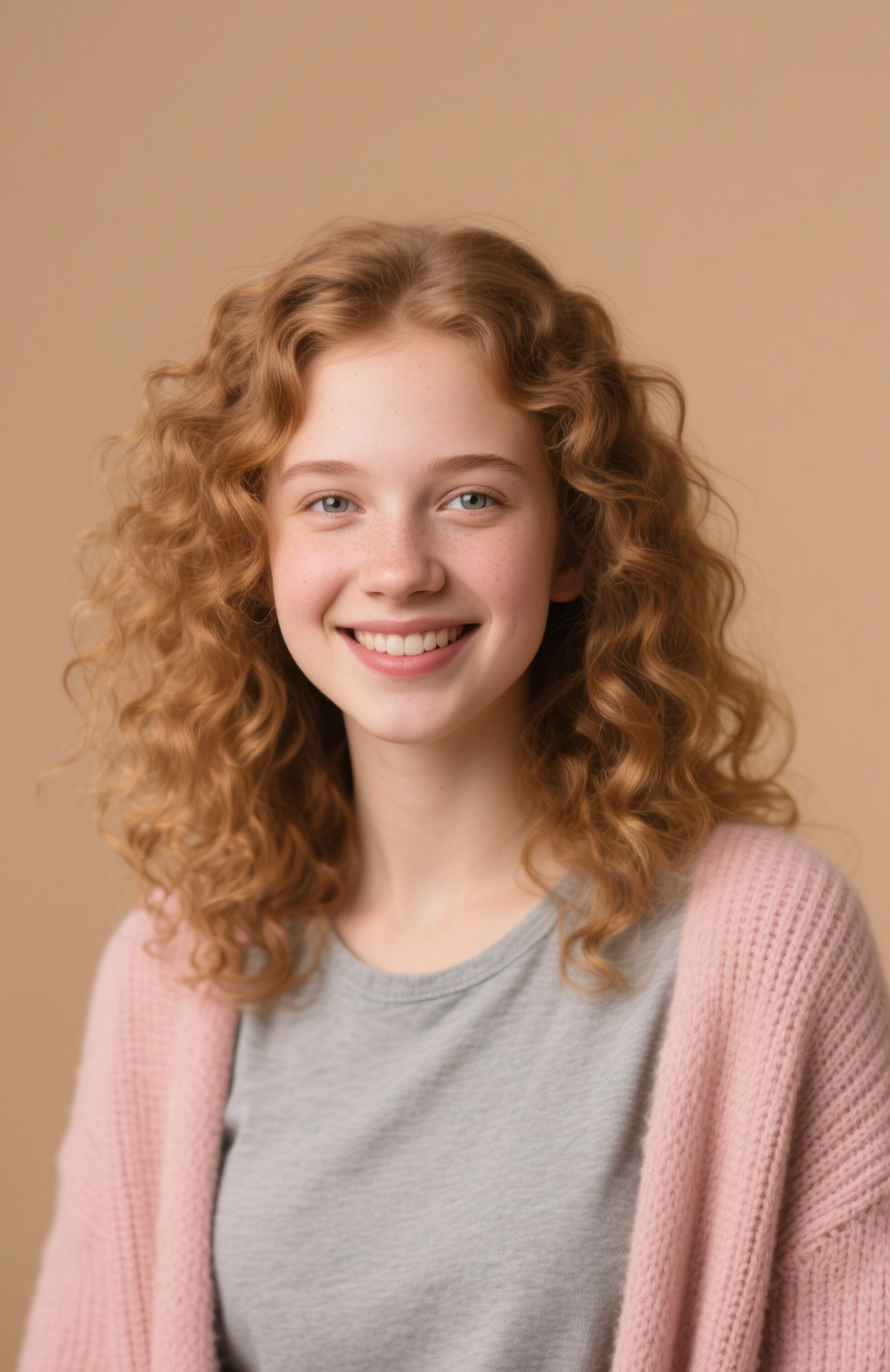
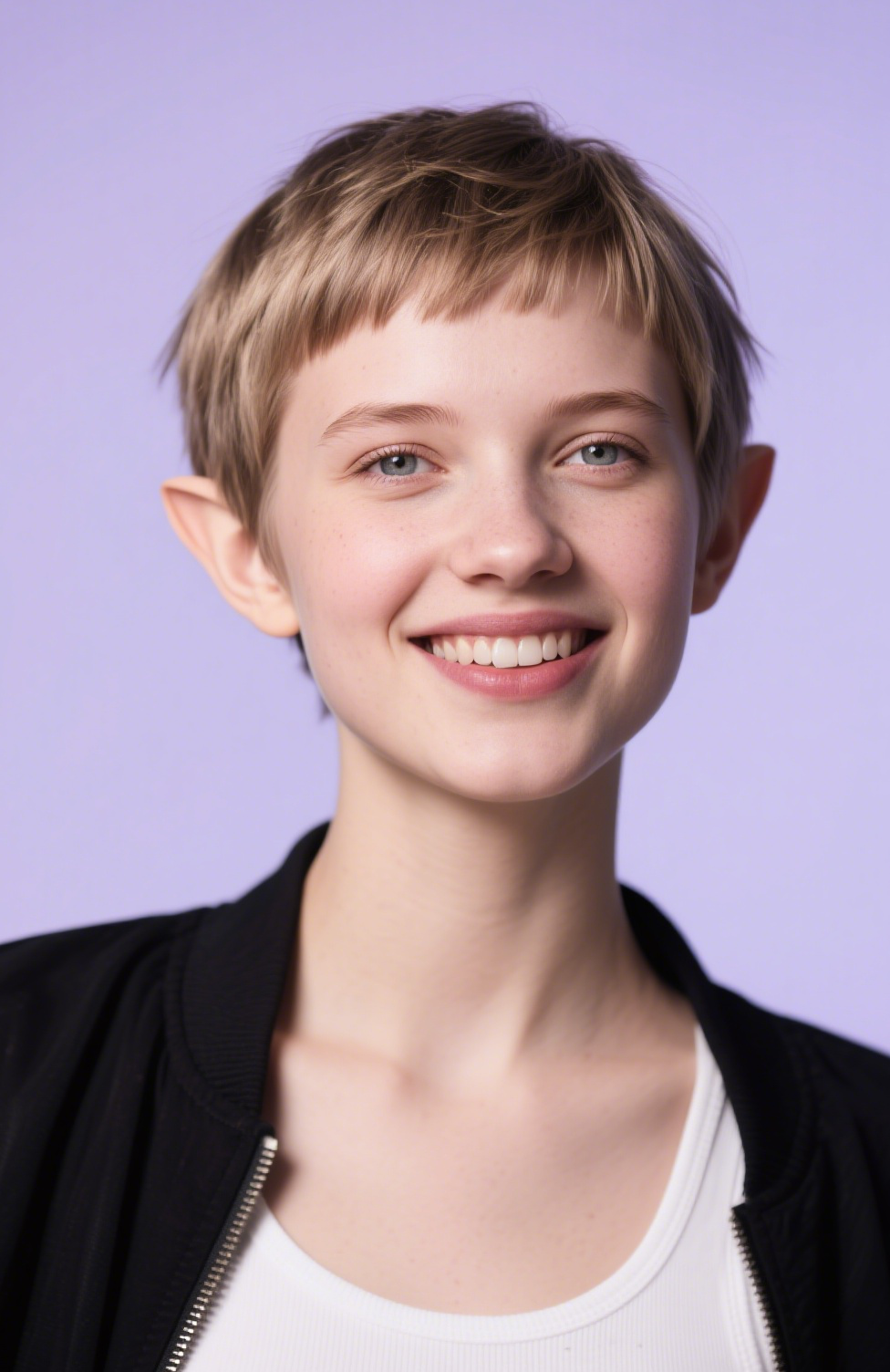
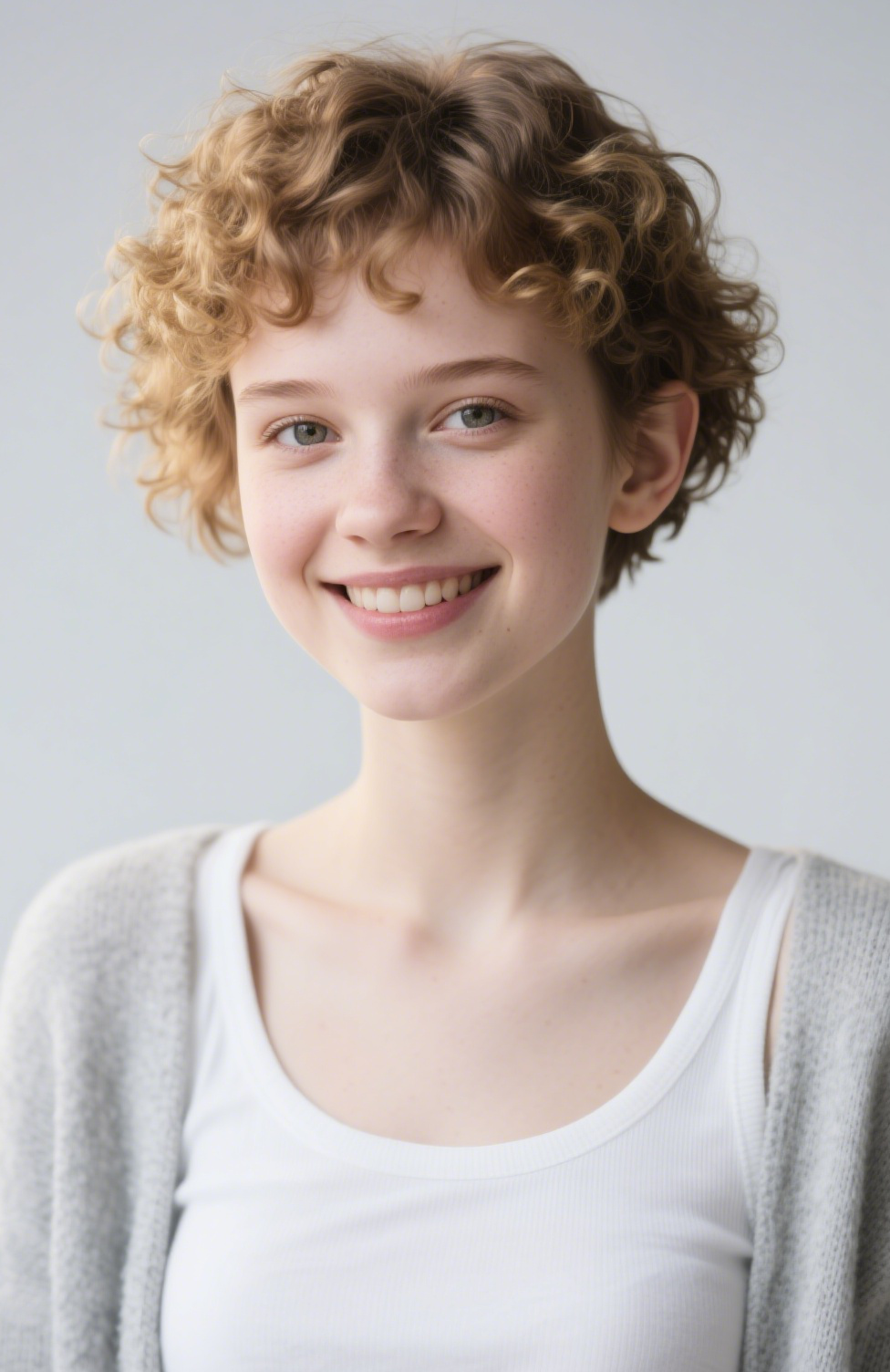
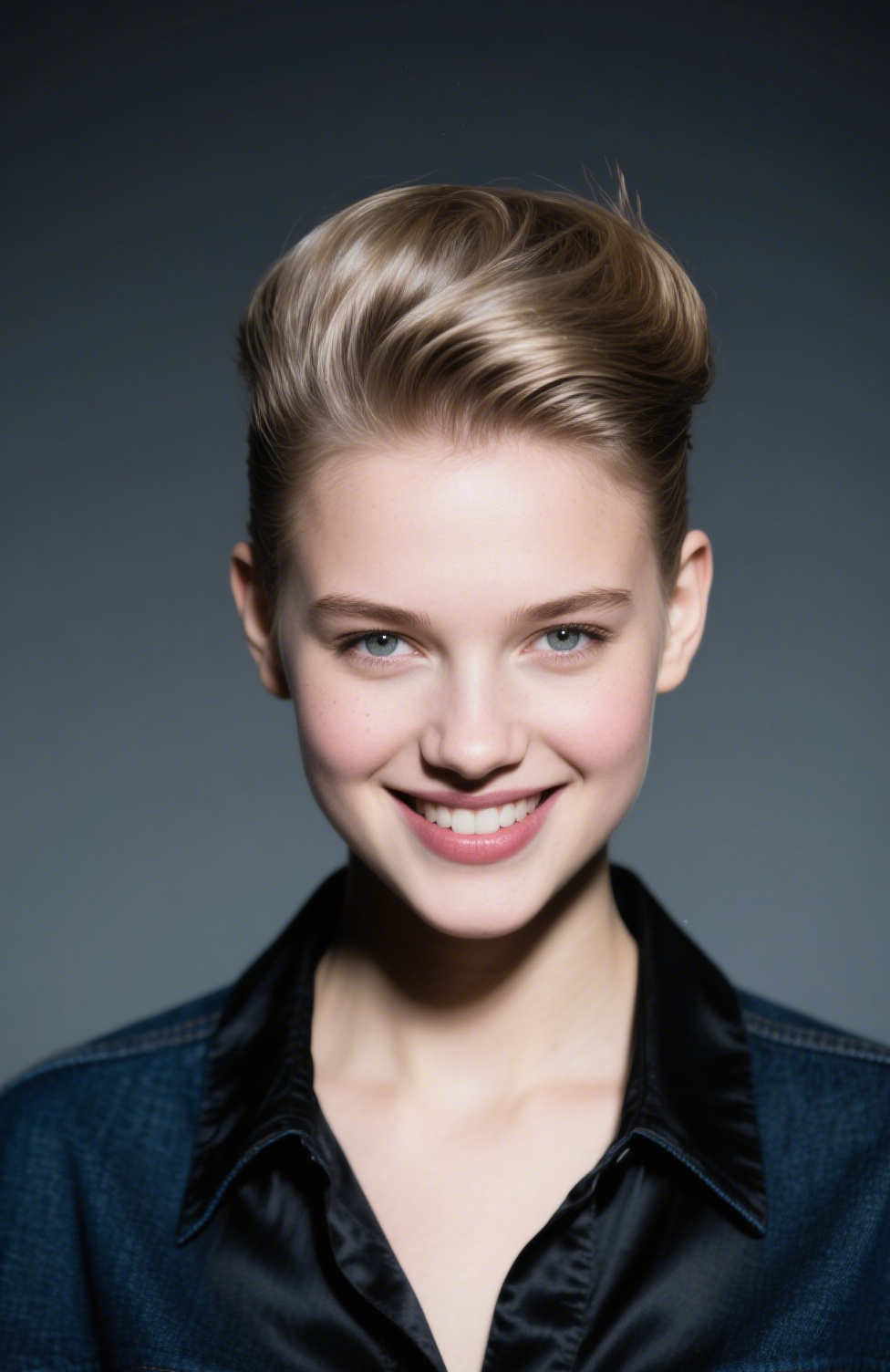
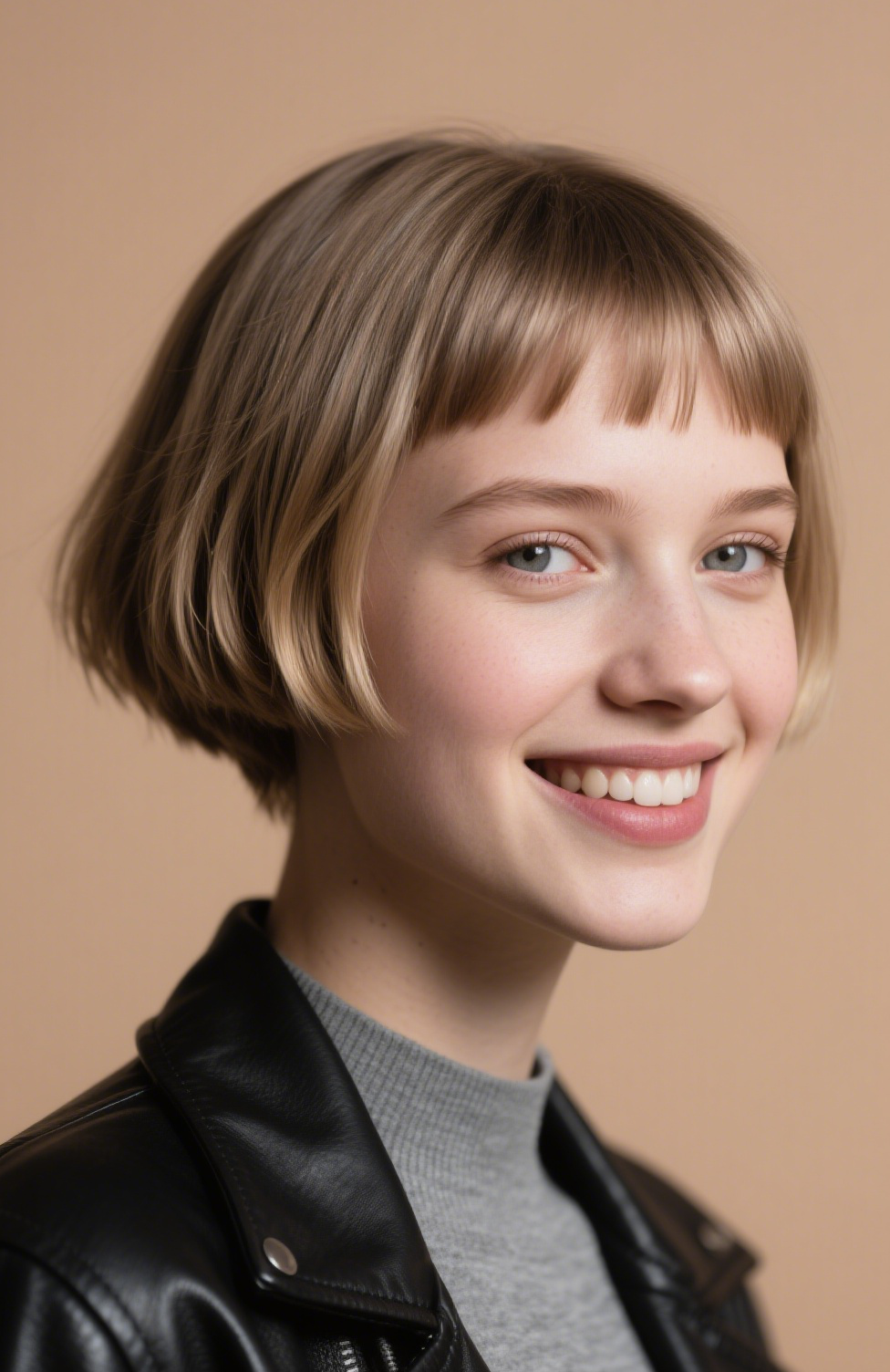
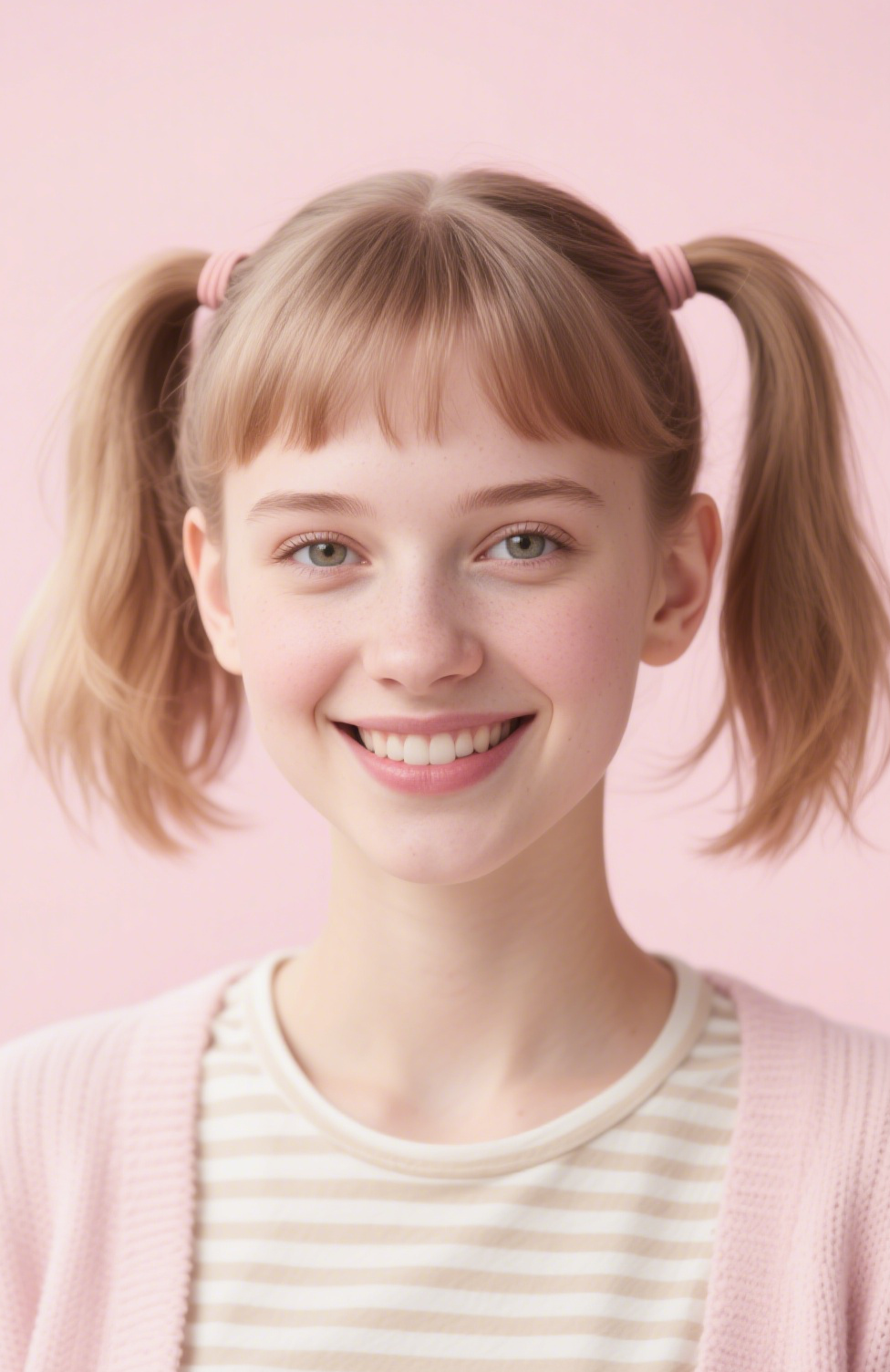
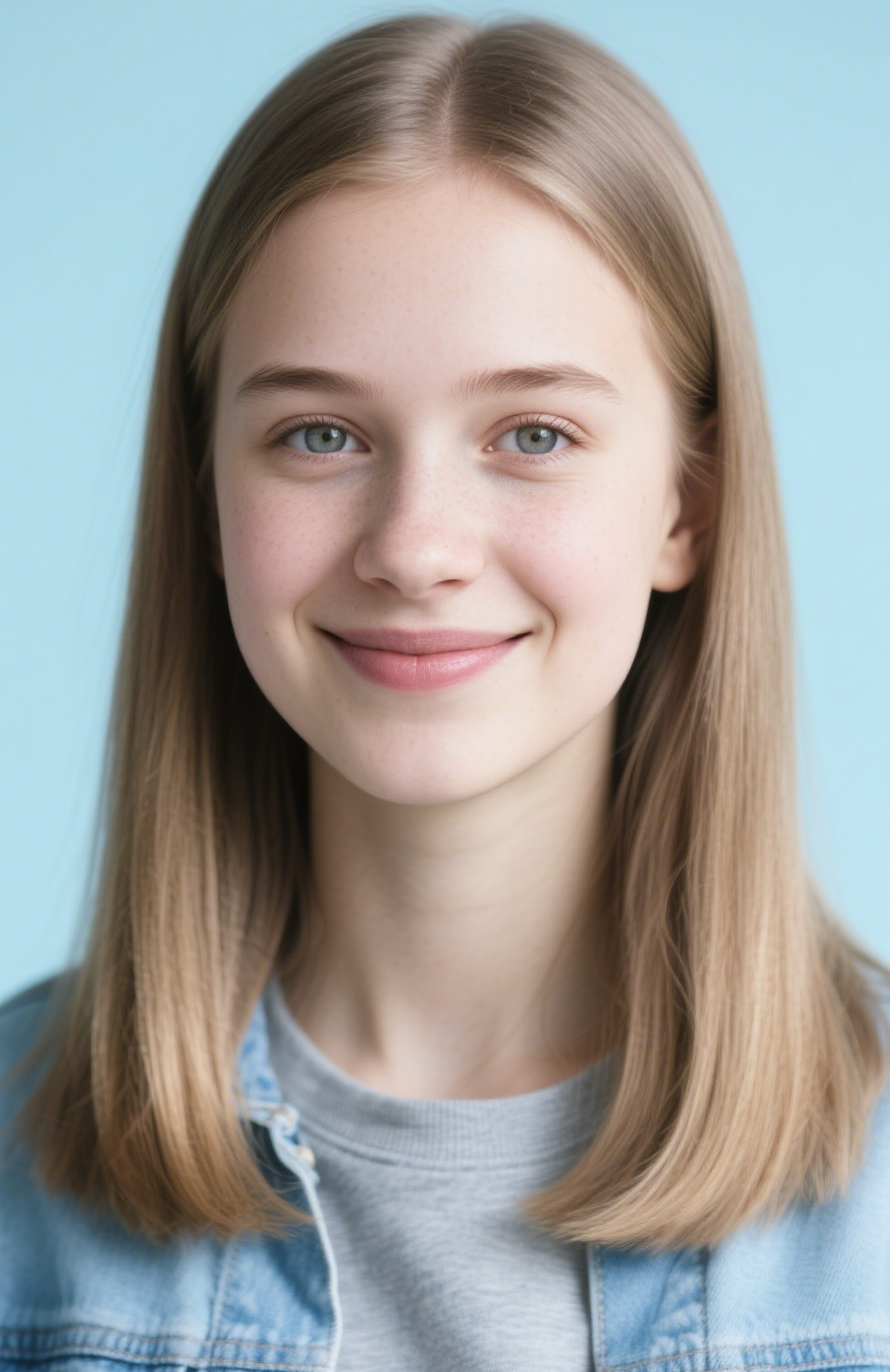
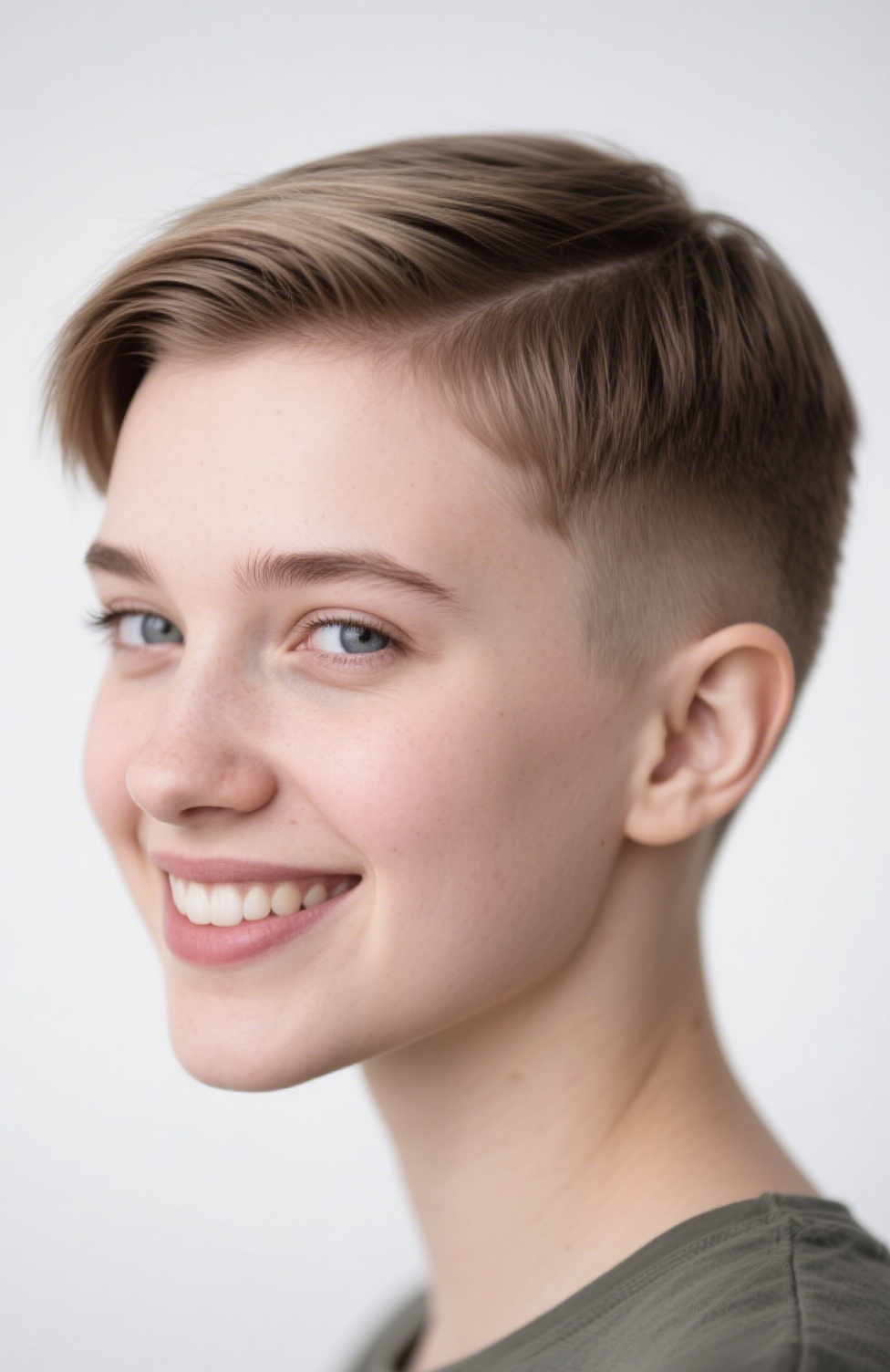
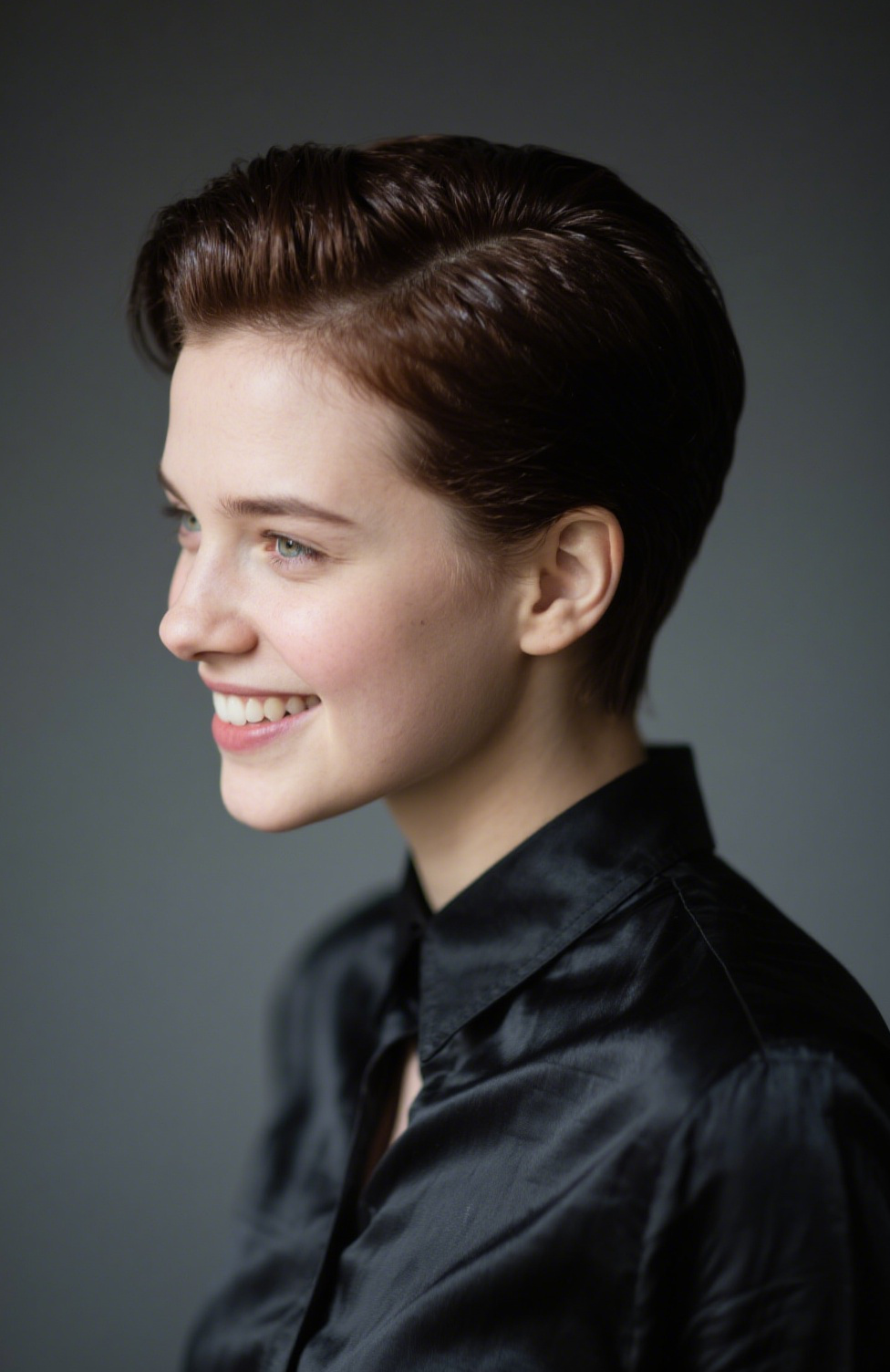

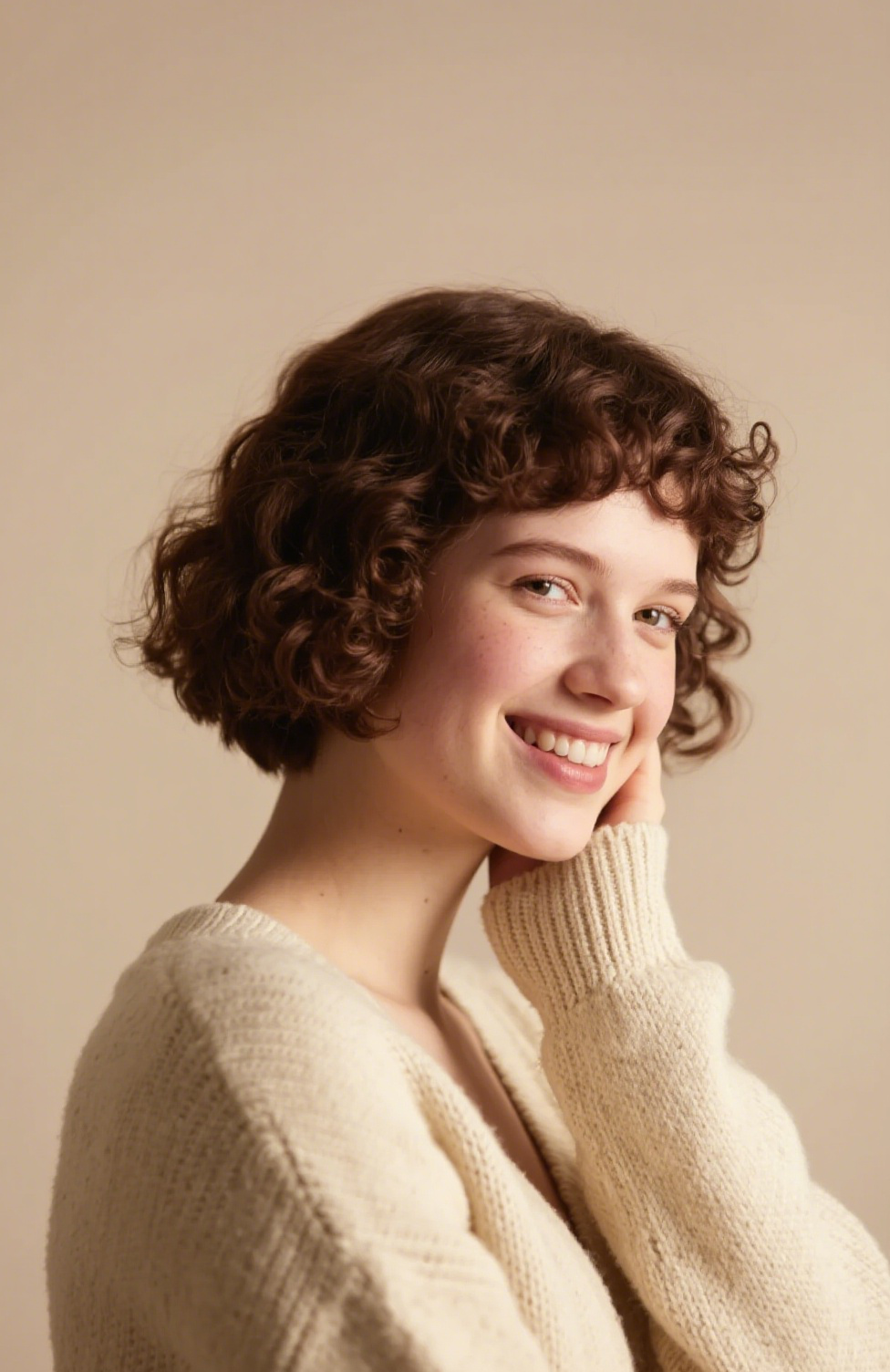
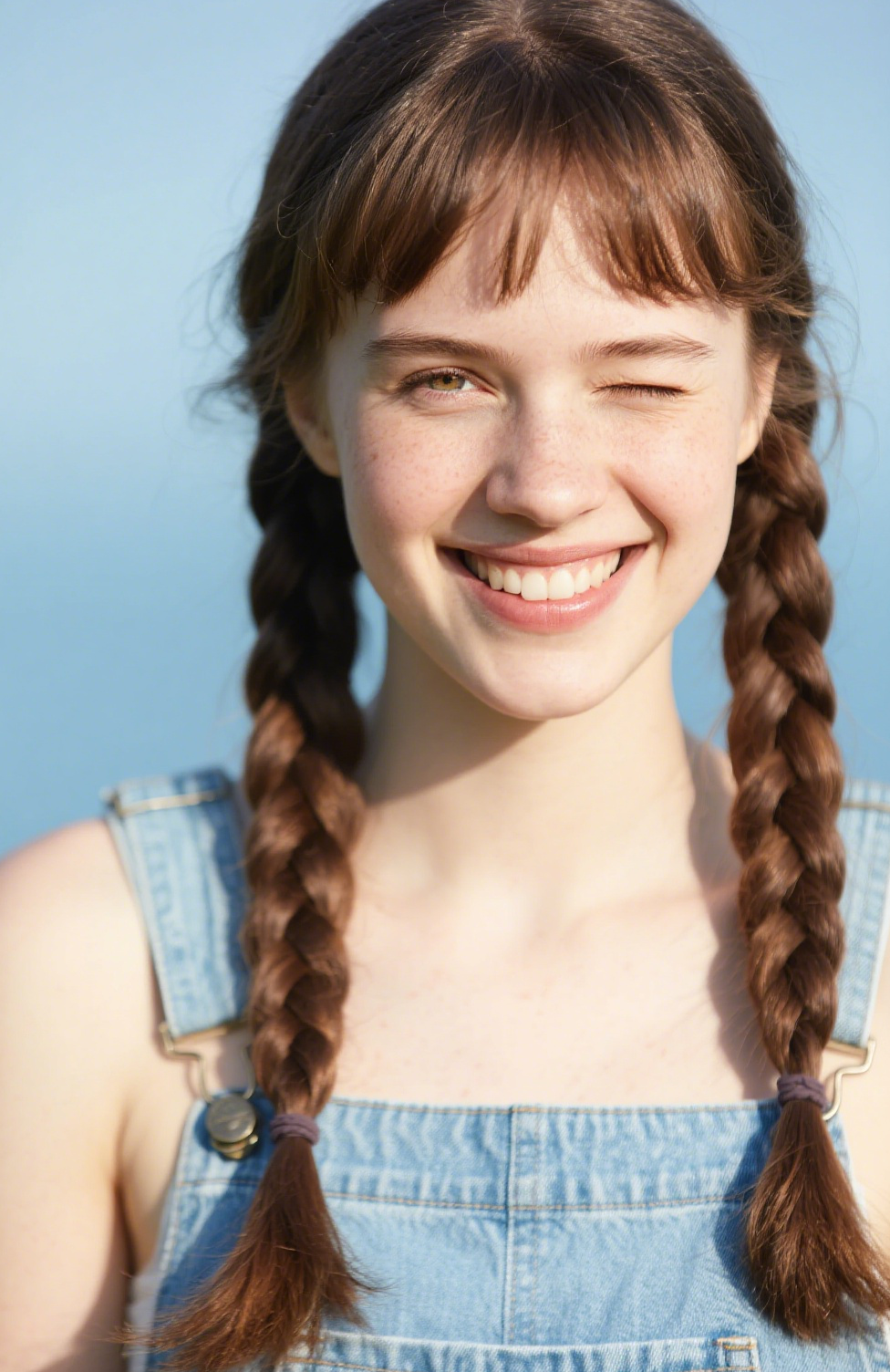
Choose your preferred style, then upload and process your photo on the left
French bangs are having a major moment. Searches for French bangs have surged in Western markets, and women everywhere are saving inspiration photos, scrolling TikTok tutorials, and asking stylists whether this iconic fringe could work for them. French bangs aren’t just a haircut—they capture that “French girl” attitude of undone elegance, where hair looks chic without feeling over-styled.
But what exactly are French bangs, and how are they different from other fringes like curtain bangs or wispy bangs? More importantly, how do you know if French bangs are right for your face shape, hair type, and lifestyle? This guide brings together current search trends, expert cutting techniques, and real-world styling tips so you can decide with confidence—and even try French bangs virtually before you ever sit in a salon chair.
What Are French Bangs?
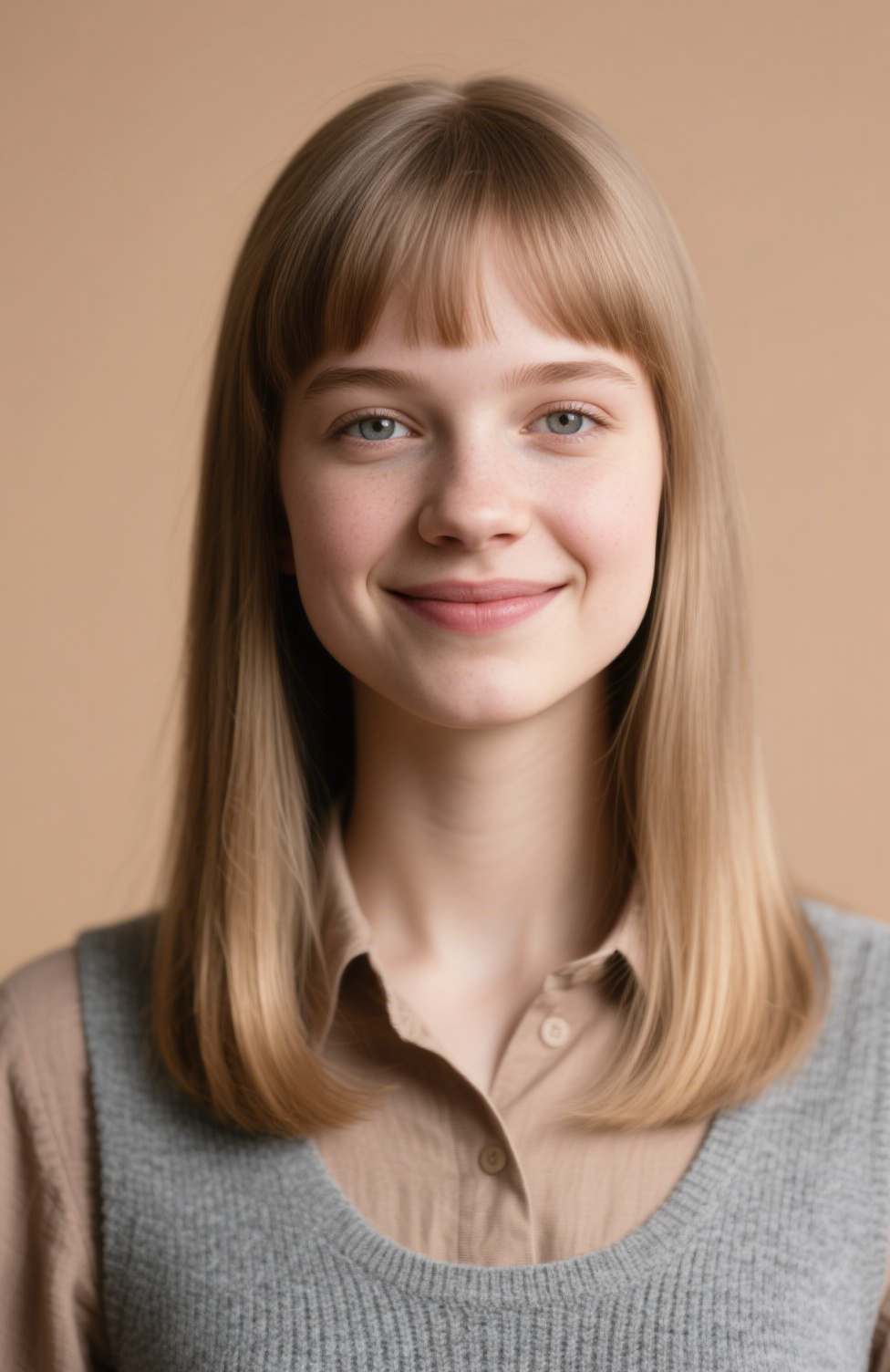
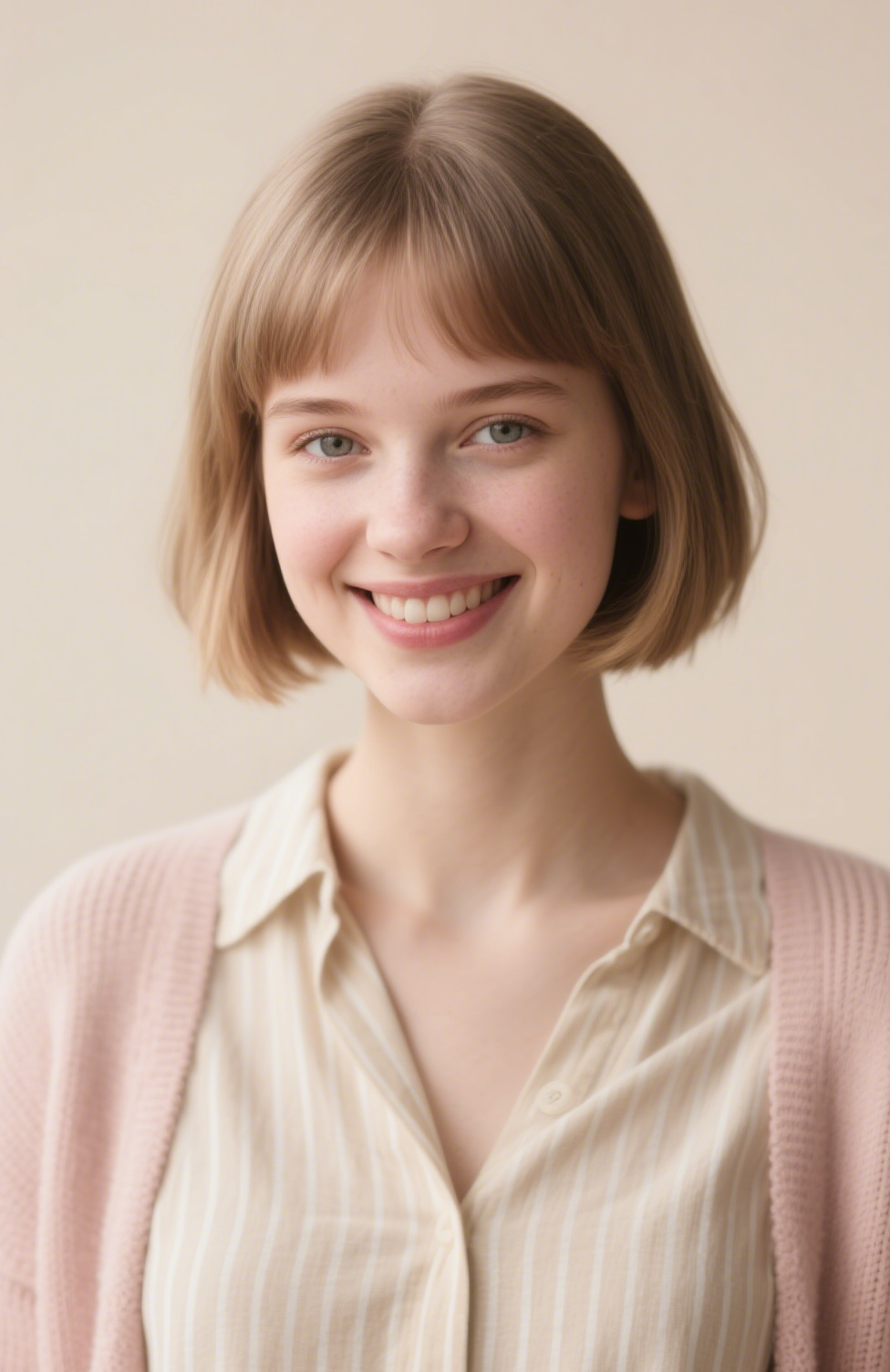
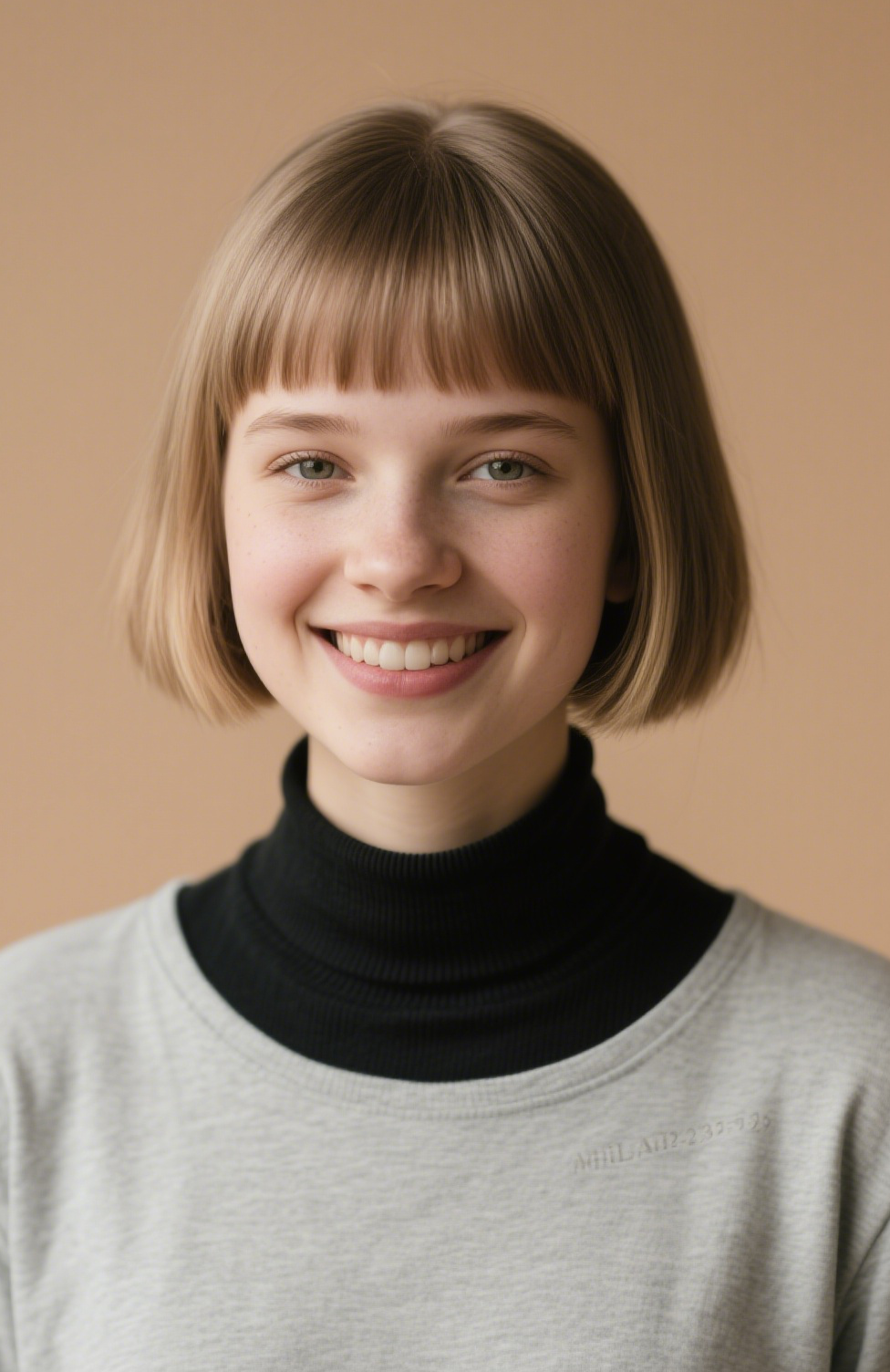
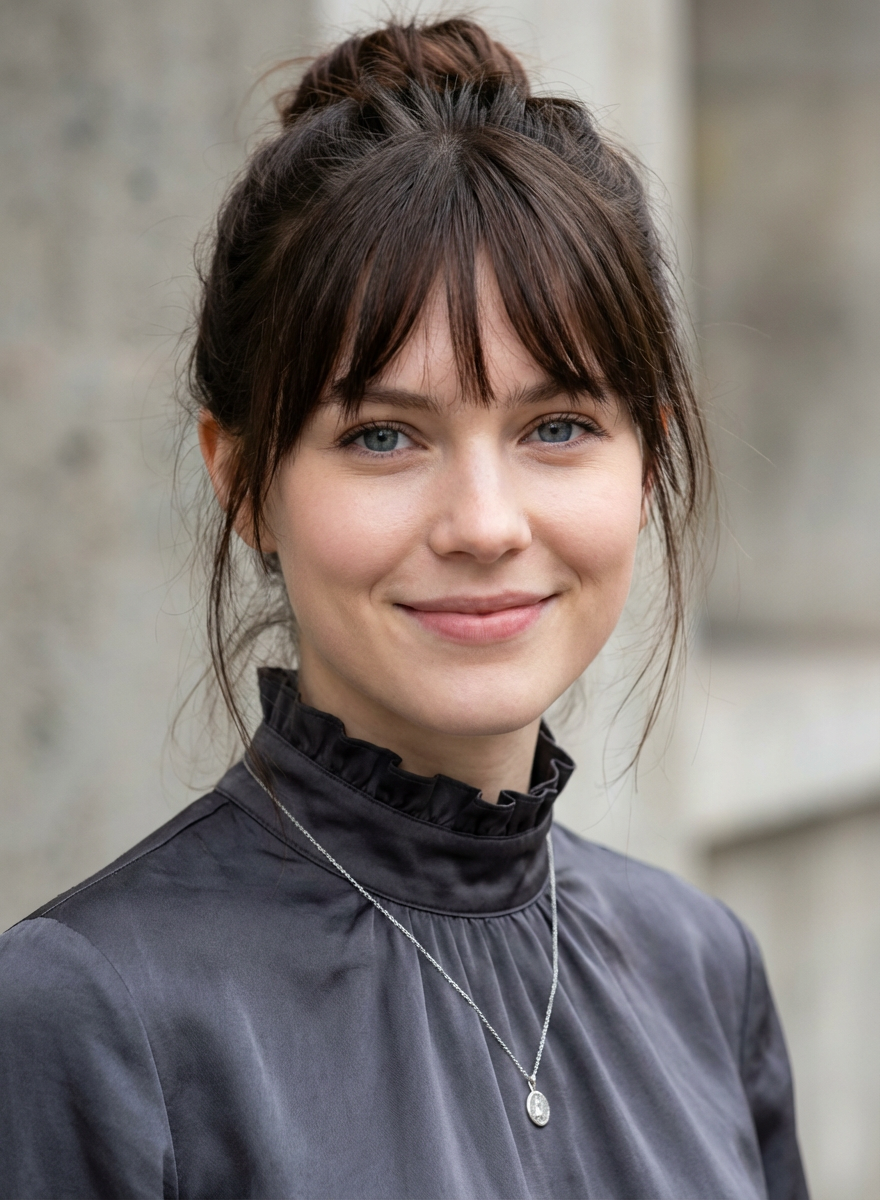
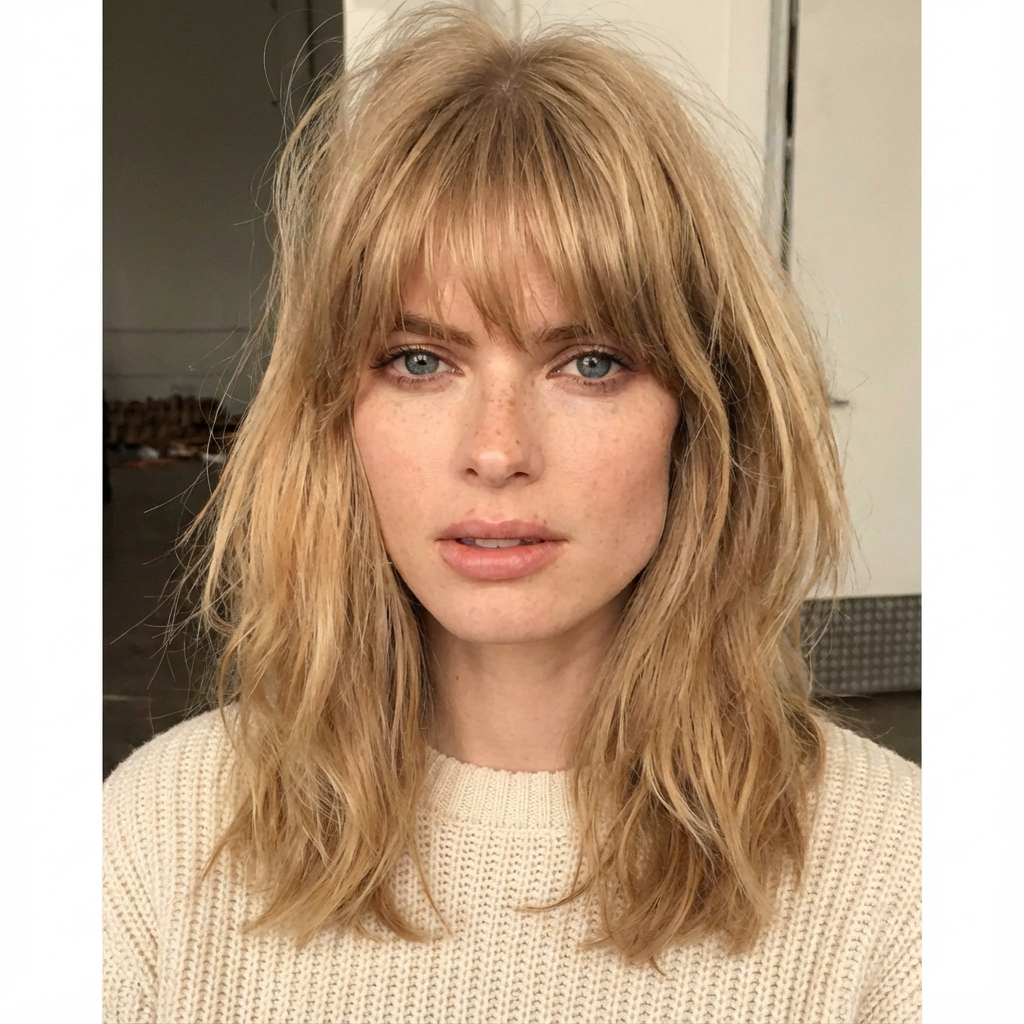
French bangs, sometimes called French girl bangs, French girl fringe, or Parisian bangs, are soft, textured bangs that skim the forehead and frame the eyes in an effortless way. Instead of a blunt, heavy line, French bangs are cut with feathering and point-cutting so the ends look airy and piecey. They usually sit somewhere between the brows and the upper lash line in the center, then gently taper longer at the edges to blend into the rest of the hair.
The key is movement. French bangs are designed to move with you—a little separation here, a bit of irregular texture there—so they look naturally “lived in” rather than perfectly polished. They can be worn slightly parted in the middle, pushed more to one side, or brushed straight down depending on your mood.
Why French Bangs Are So Popular in 2025
French bangs fit perfectly into the 2025 trend toward intentional, low-effort styling. Women want hair that looks thoughtful but not fussy, camera-ready but not overly done. French bangs deliver that balance: they immediately update a basic cut, frame the face, and add personality without requiring a full hair transformation.
They also work beautifully in photos and video. Soft texture around the eyes draws attention to your gaze, while the feathered ends prevent harsh lines that can look flat on camera. Whether you’re shooting selfies, video calls, or professional content, French bangs bring subtle drama without overpowering your features.
Do French Bangs Suit Your Face Shape?
The right version of French bangs can be tailored to almost any face shape—you just need to adjust the length and density.
Oval faces
Oval faces are the easiest match. Most French bang styles work well, from shorter, lash-skimming fringes to slightly longer versions that graze the brows. Keep the edges softly tapered so they blend into the rest of your haircut.
Round faces
For round faces, the goal is to add soft vertical lines without shortening the face too much. Slightly longer French bangs that sit just below the brows and taper at the sides can help elongate the face. Avoid heavy, thick bangs that cut straight across at the widest point of the cheeks.
Square faces
If you have a strong jaw and wider forehead, French bangs can soften angles and add a romantic touch. Ask your stylist for wispy, piecey texture and a slight curve rather than a blunt edge. Keeping the middle slightly shorter and the sides longer helps balance the jawline.
Heart-shaped faces
Heart-shaped faces—with a wider forehead and narrower chin—benefit from French bangs that help visually reduce width at the top. A fringe that’s slightly denser in the center and feathered at the sides can draw attention to the eyes while harmonizing the upper and lower halves of the face.
Long or oblong faces
On long faces, French bangs can be a game-changer. A fringe that sits around the brows or slightly below can visually shorten the face and shift the focus toward the eyes. Avoid leaving too much height at the crown if you don’t want extra length visually.
If you’re unsure where you fall, use BlondeFilter’s AI hairstyle filter to preview French bangs on your own face. Testing different lengths and densities virtually before you cut is one of the safest ways to make the decision.
Matching French Bangs to Your Hair Type
Straight hair
On straight hair, French bangs emphasize clean lines and piecey texture. You’ll get the most “Parisian” effect when the ends are softly feathered and styled with minimal product—just enough to keep separation without stiffness.
Wavy hair
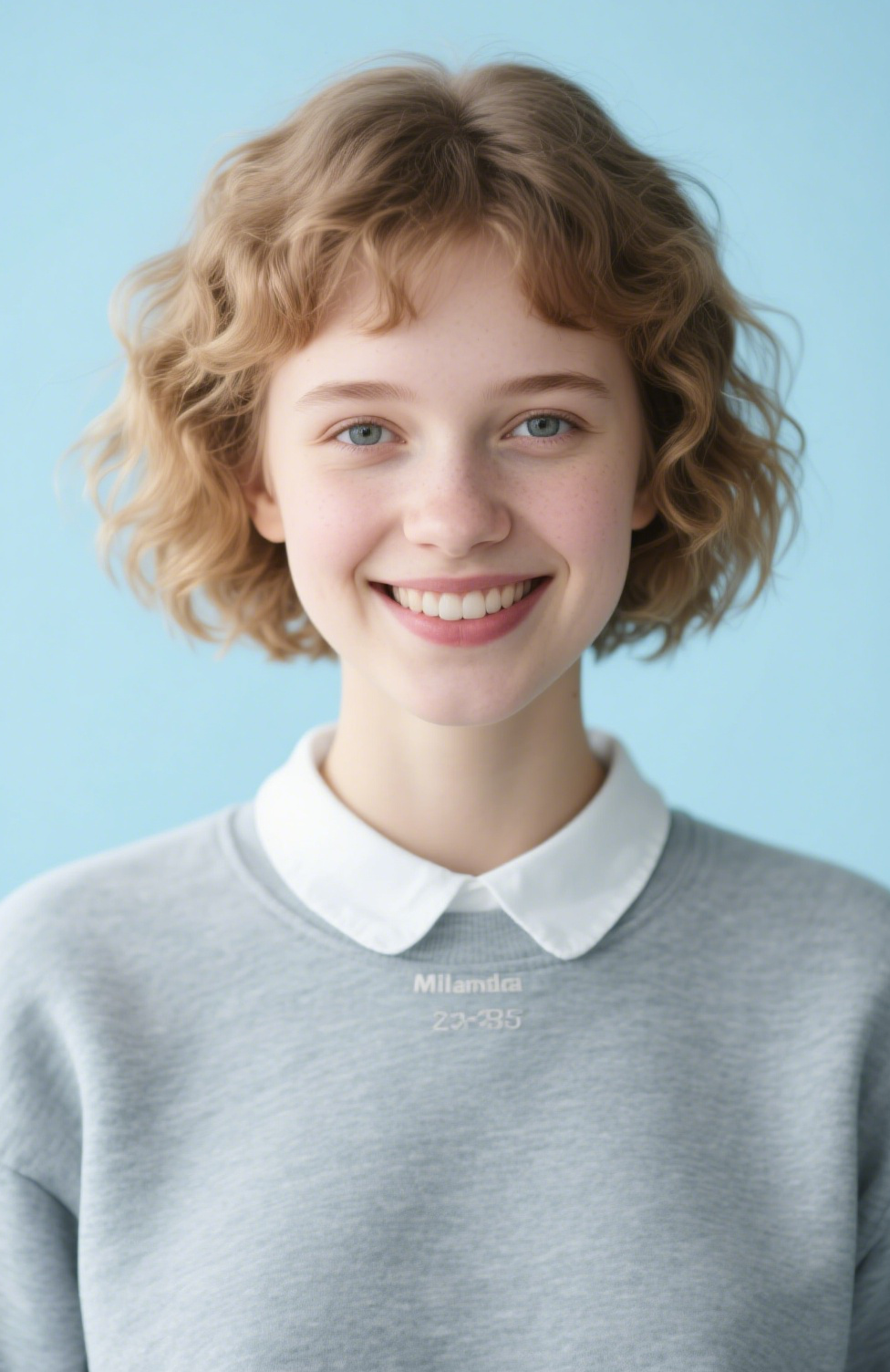
Wavy hair and French bangs are a natural match. The built-in movement keeps the fringe from looking too severe and makes it easier to achieve that “I woke up like this” finish. A light curl cream or texture spray can help define the wave without weighing it down.
Curly hair
Curly French bangs require a more strategic cut but can be stunning. The key is to cut while the hair is dry or at least in its natural curl pattern so the stylist can predict shrinkage. Soft, curved bangs that blend into face-framing curls create a romantic, boho version of the look.
How to Ask Your Stylist for French Bangs
Clear communication is everything when you’re asking for a fringe that sits so close to your eyes.
- Bring reference photos of French bangs you like and don’t like.
- Be honest about your styling routine—if you rarely blow-dry or use tools, your stylist can cut a lower-maintenance version.
- Talk about length in terms of landmarks: above brows, at lash line, slightly below brows, etc.
- Discuss how much density you’re comfortable with: soft and wispy vs. fuller and more dramatic.
If possible, show your stylist a BlondeFilter AI preview of French bangs on your own face. This makes it much easier to align on the length, density, and overall vibe you’re going for.
Styling French Bangs Day to Day
French bangs are meant to look effortless, but they still need a bit of daily attention.
Morning refresh routine
- Lightly mist the fringe with water or a leave-in spray.
- Blow-dry using a small round brush or your fingers, directing the hair slightly downward and then curving it under at the ends.
- Use a minimal amount of lightweight cream or mousse to encourage separation and movement.
Products that work well
- Lightweight mousse or styling cream for hold without stiffness
- Texture spray or dry shampoo to add volume and absorb oil at the roots
- Small amount of serum or smoothing cream on the ends to reduce frizz
Growing Out and Maintaining French Bangs
Like all bangs, French bangs need trims every 4–6 weeks to stay in the ideal zone. When you’re ready to grow them out, your stylist can gradually convert them into longer face-framing layers so the process feels intentional rather than awkward.
To keep the fringe looking fresh:
- Avoid cutting it yourself between appointments—tiny mistakes show up right in the center of your face.
- Use heat protectant when styling with irons or blow dryers.
- Keep your hair care routine consistent with your color and texture, especially if you’re pairing French bangs with highlights or balayage.
Try French Bangs Virtually Before You Commit
French bangs can transform your look in an instant, but they also come with responsibility. Before you book your appointment, use BlondeFilter’s AI hairstyle filter to:
- Preview different French bang lengths and densities on your own face
- Compare how the fringe looks with straight vs. wavy styling
- Save screenshots to bring to your stylist for clear communication
Seeing the fringe on your actual features makes it much easier to decide whether this Parisian-inspired cut should be your next signature hairstyle—and if it is, you’ll walk into the salon knowing exactly what you want.