
Fade Haircut Guide
Discover fade haircut styles for men, compare low, mid, and high fades, see beard pairings, and preview the look with BlondeFilter's virtual try-on.


Click or drag photos here to upload
Supports JPG, PNG formats, max 5MB, JPEG format recommended


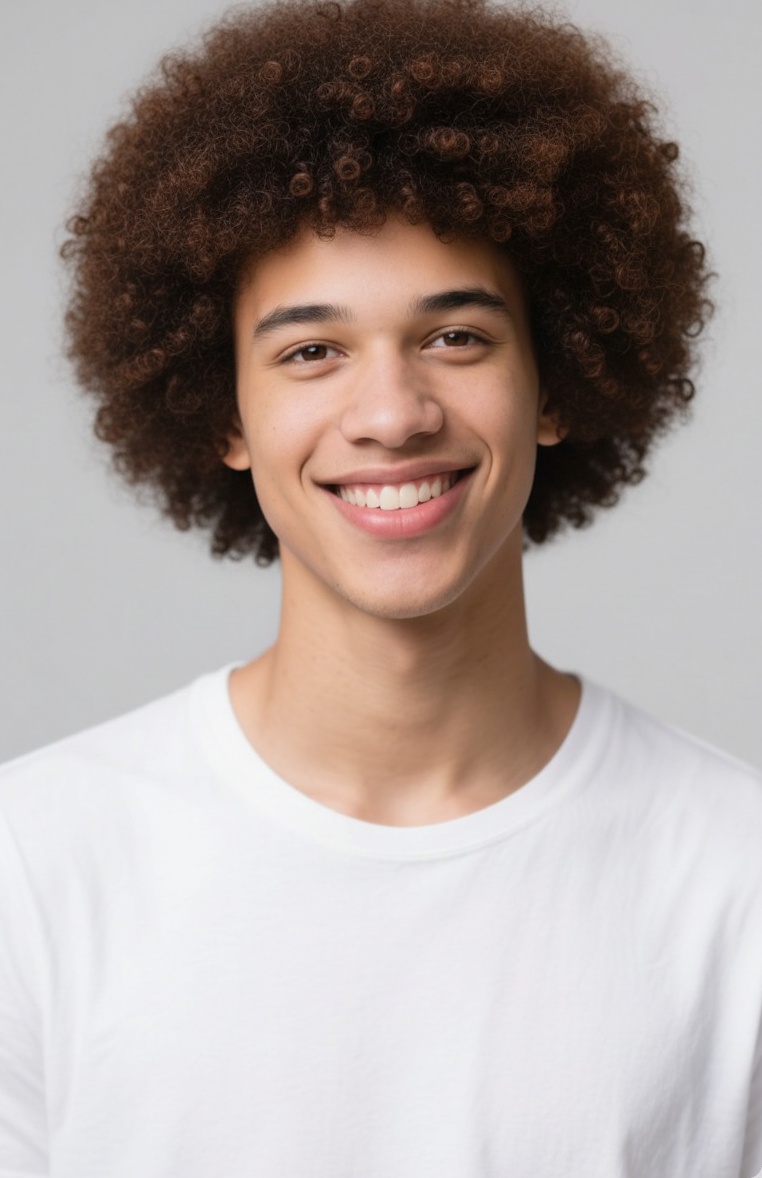


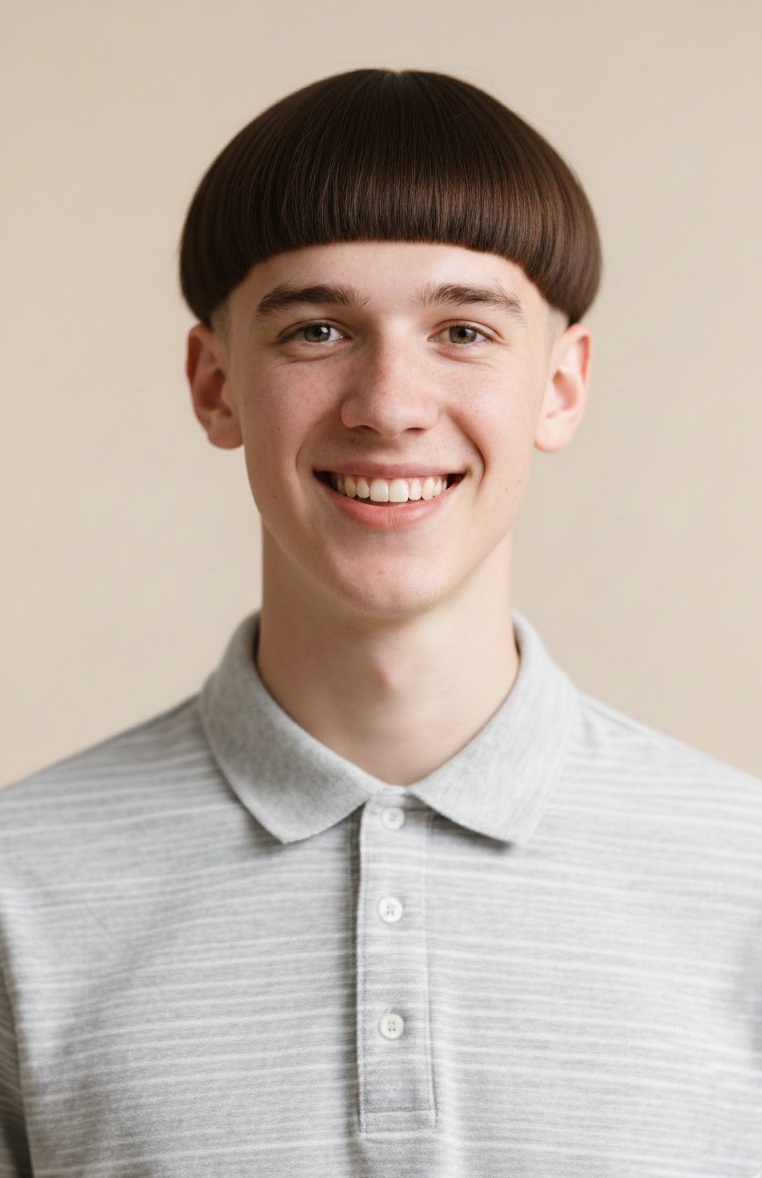
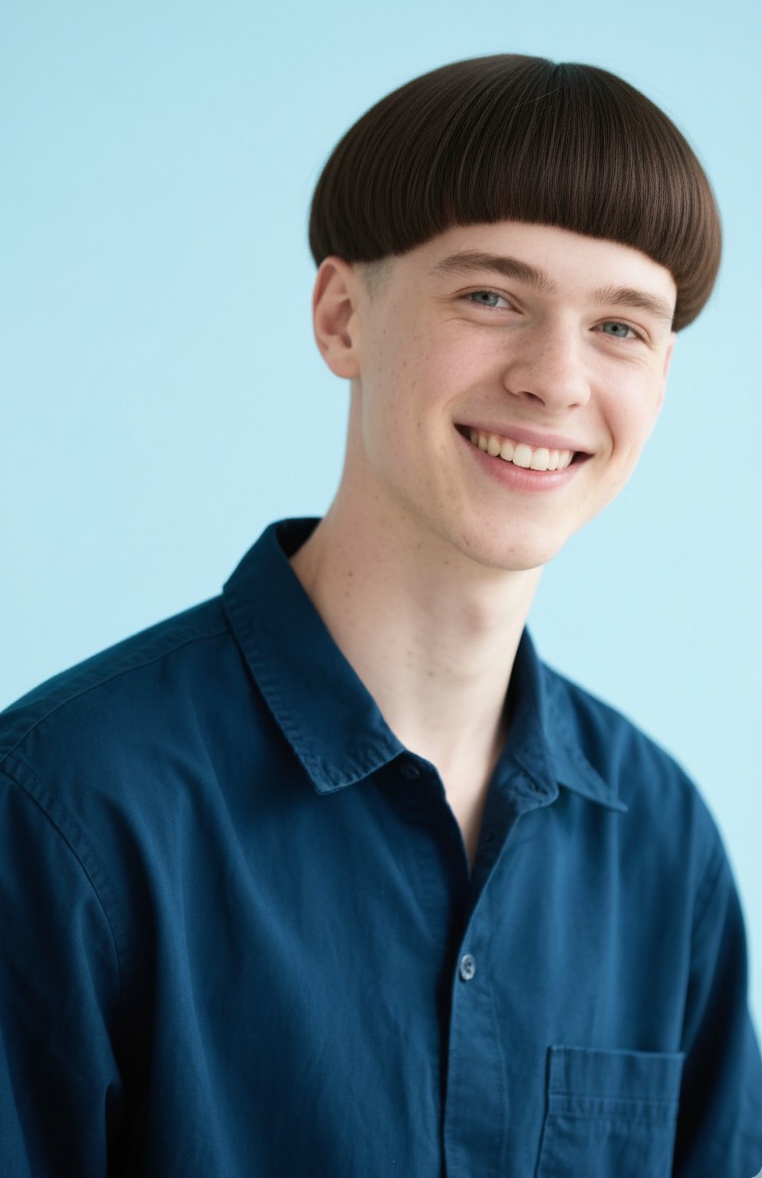
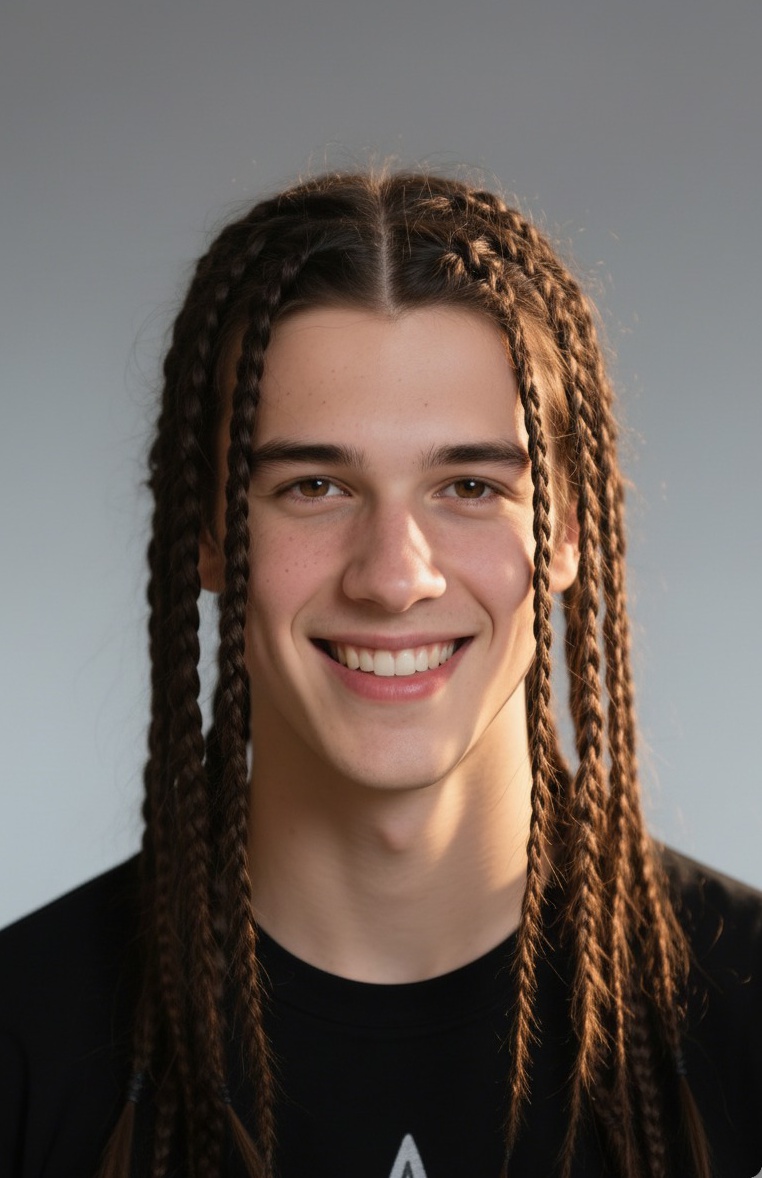





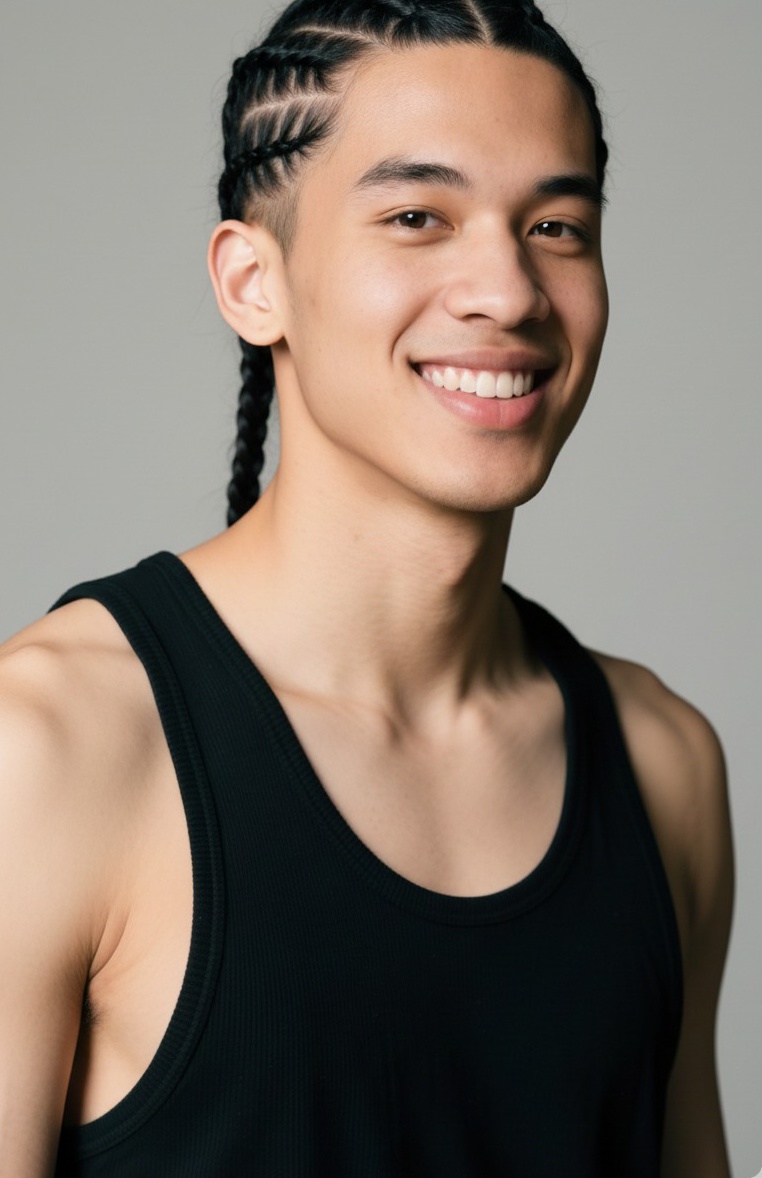



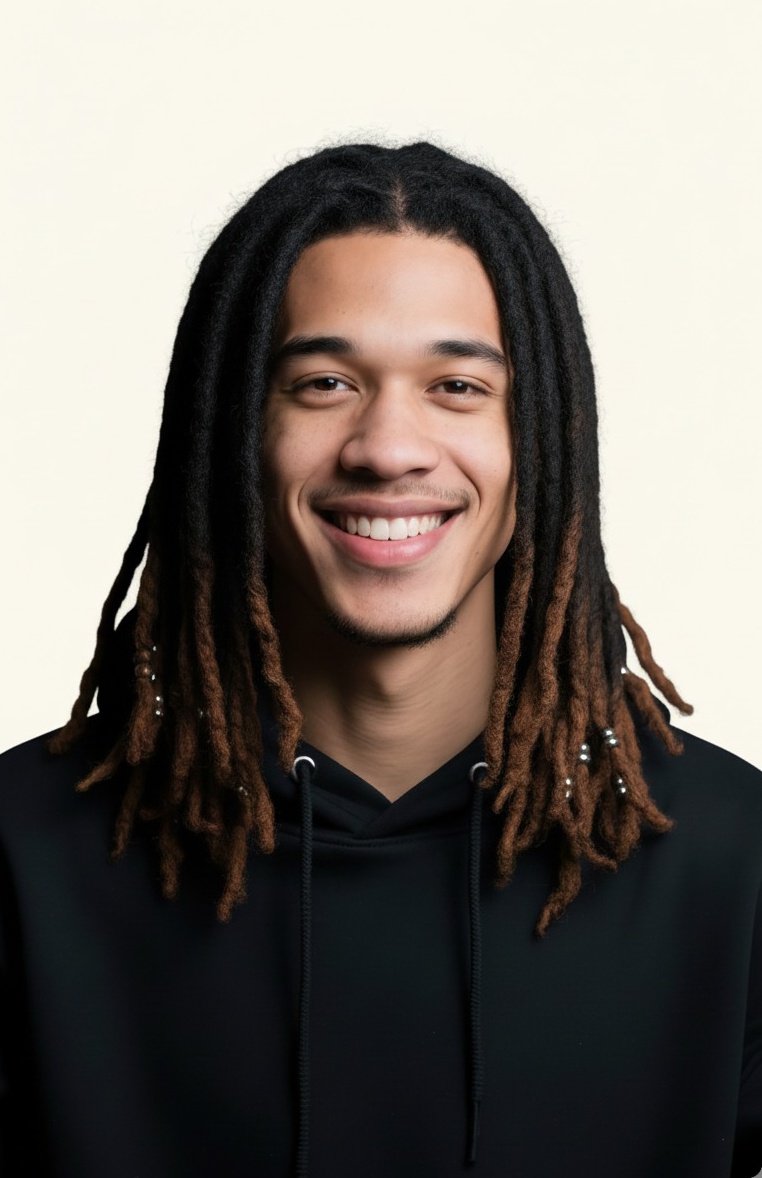





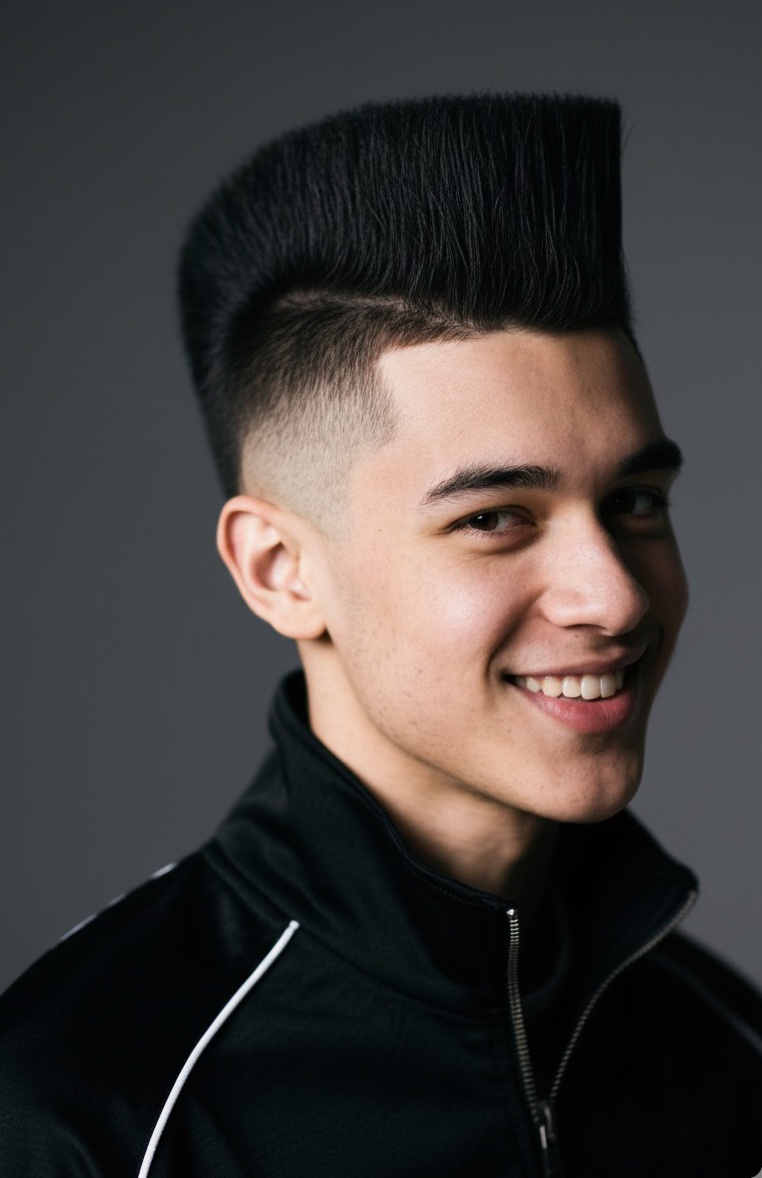


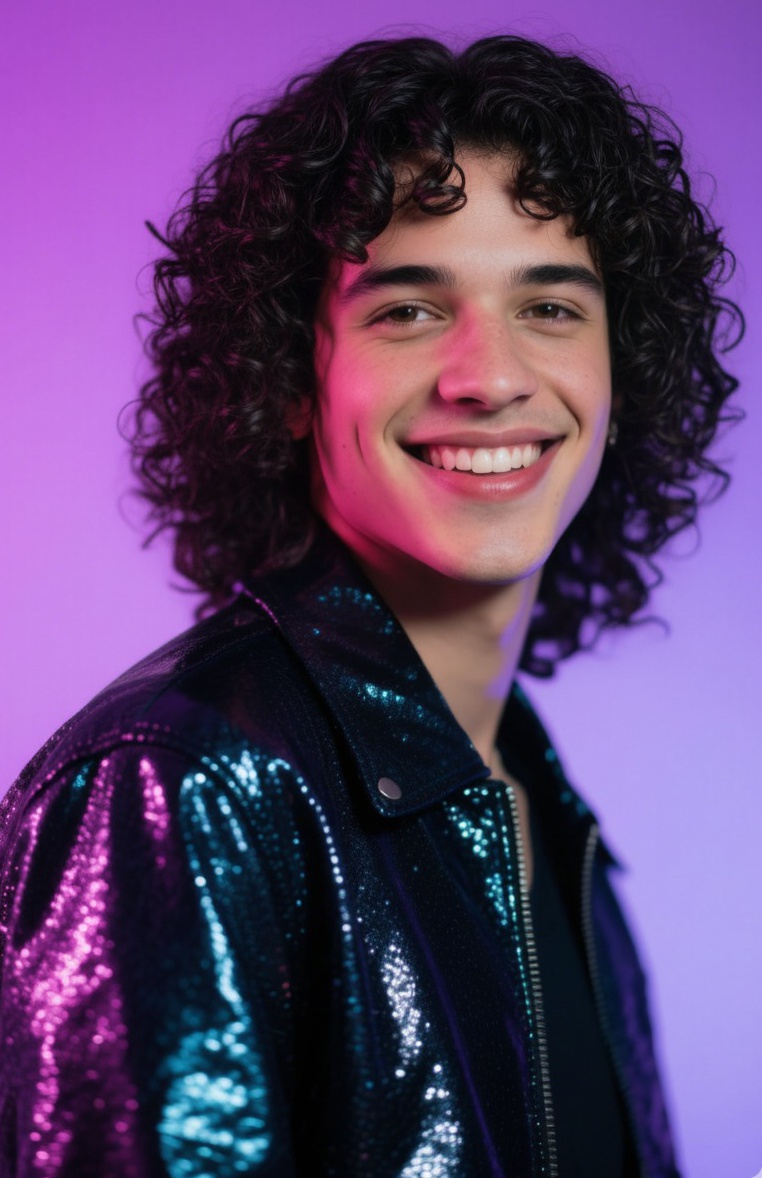

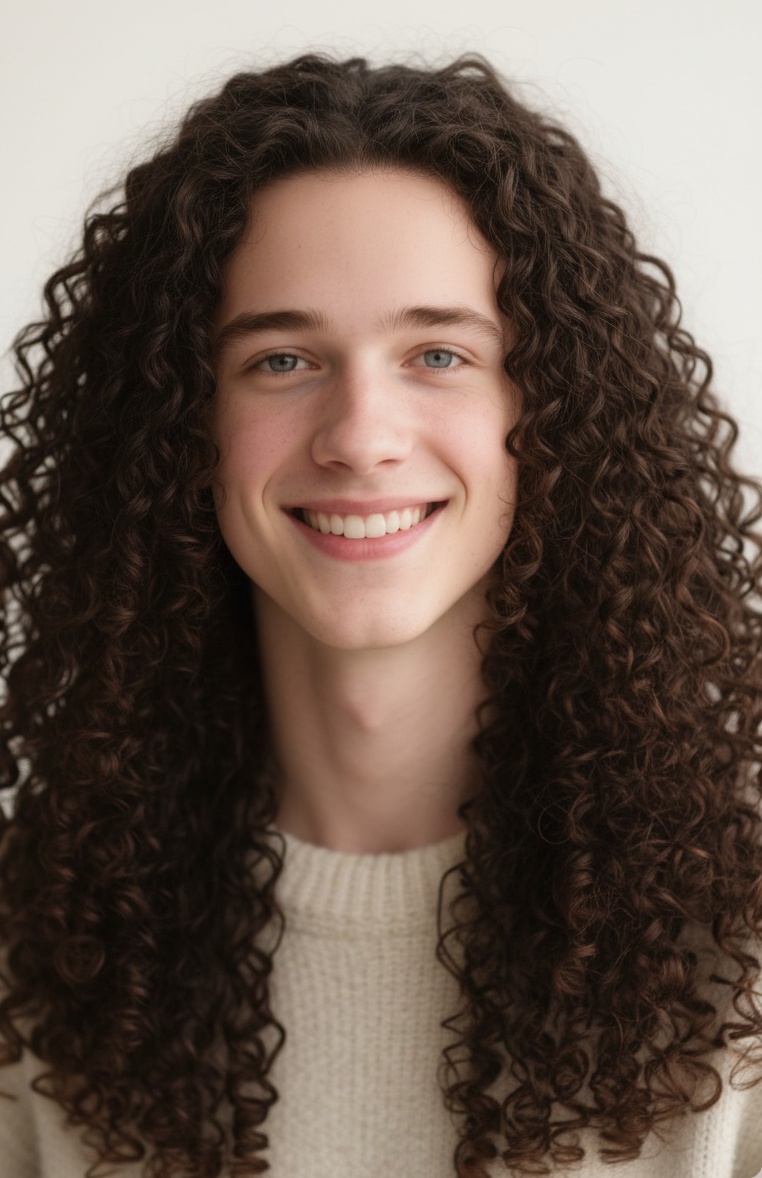
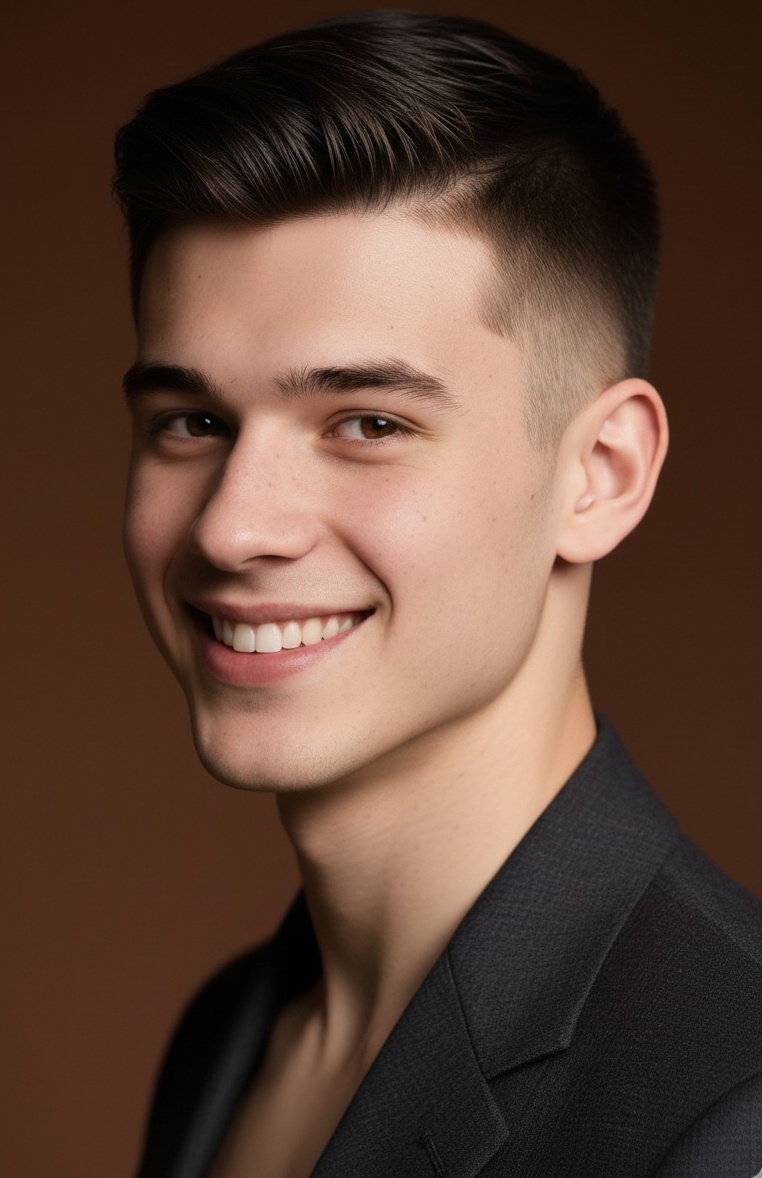
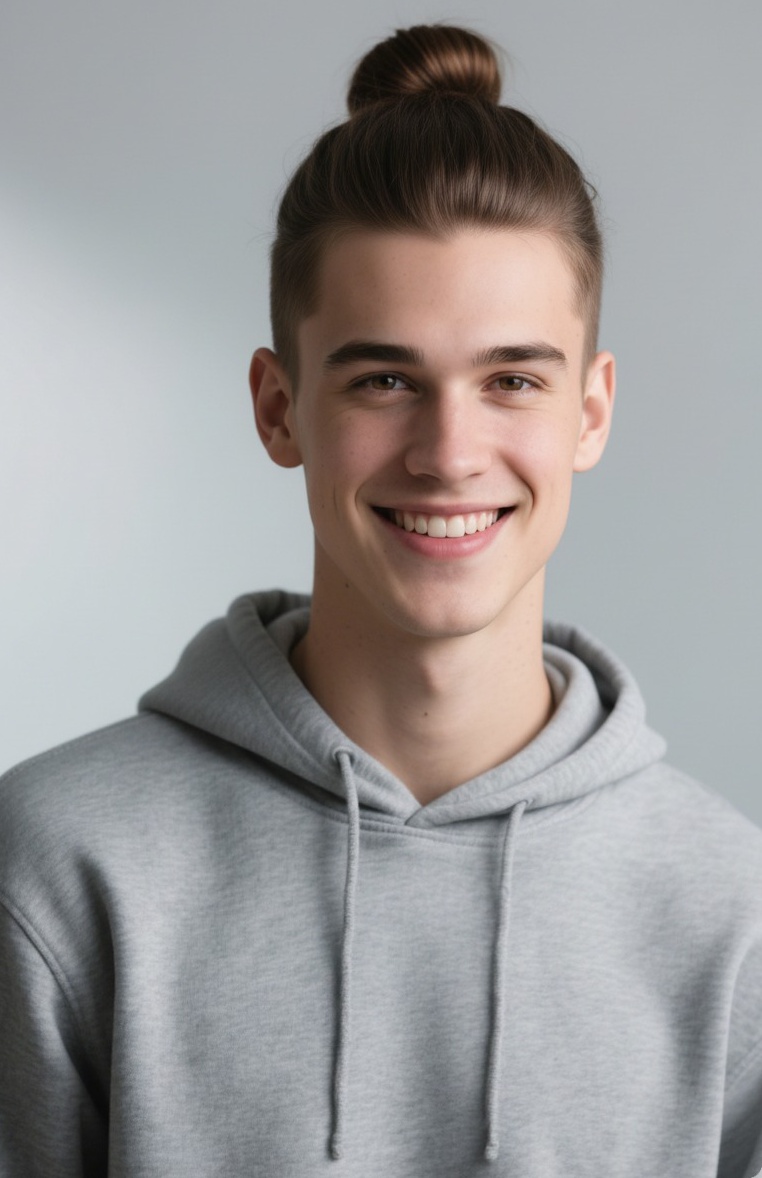



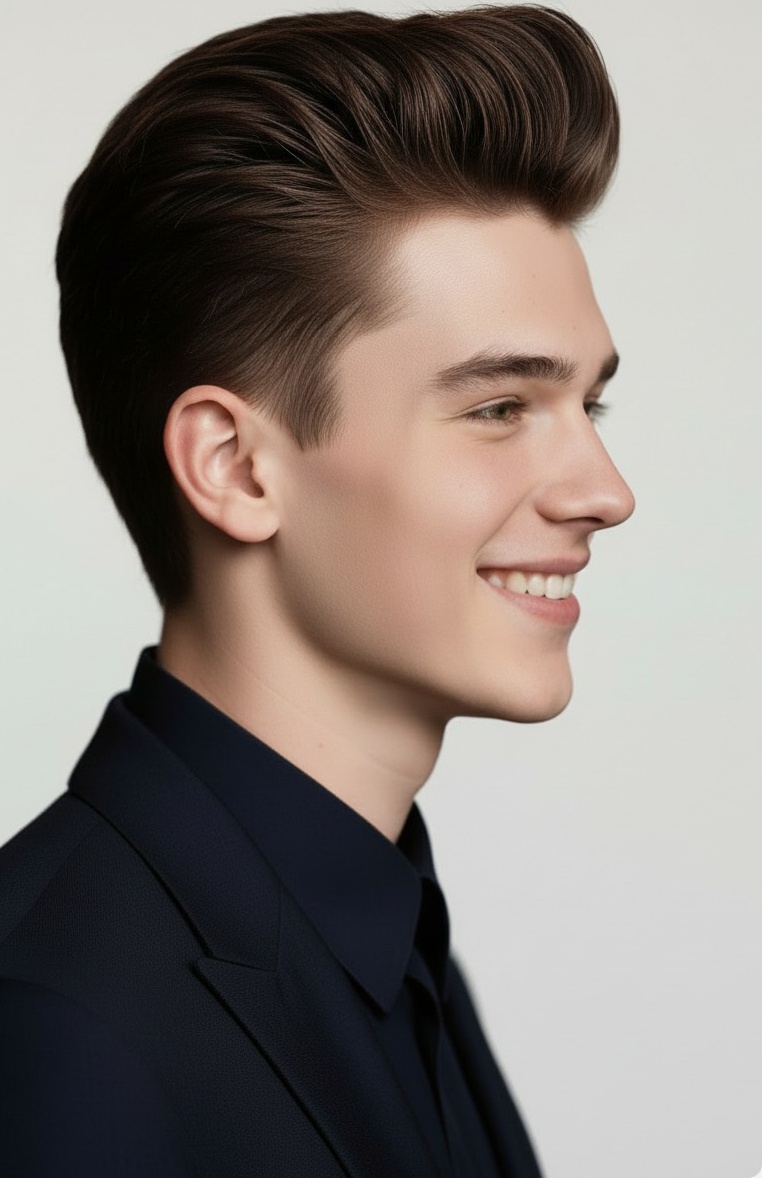
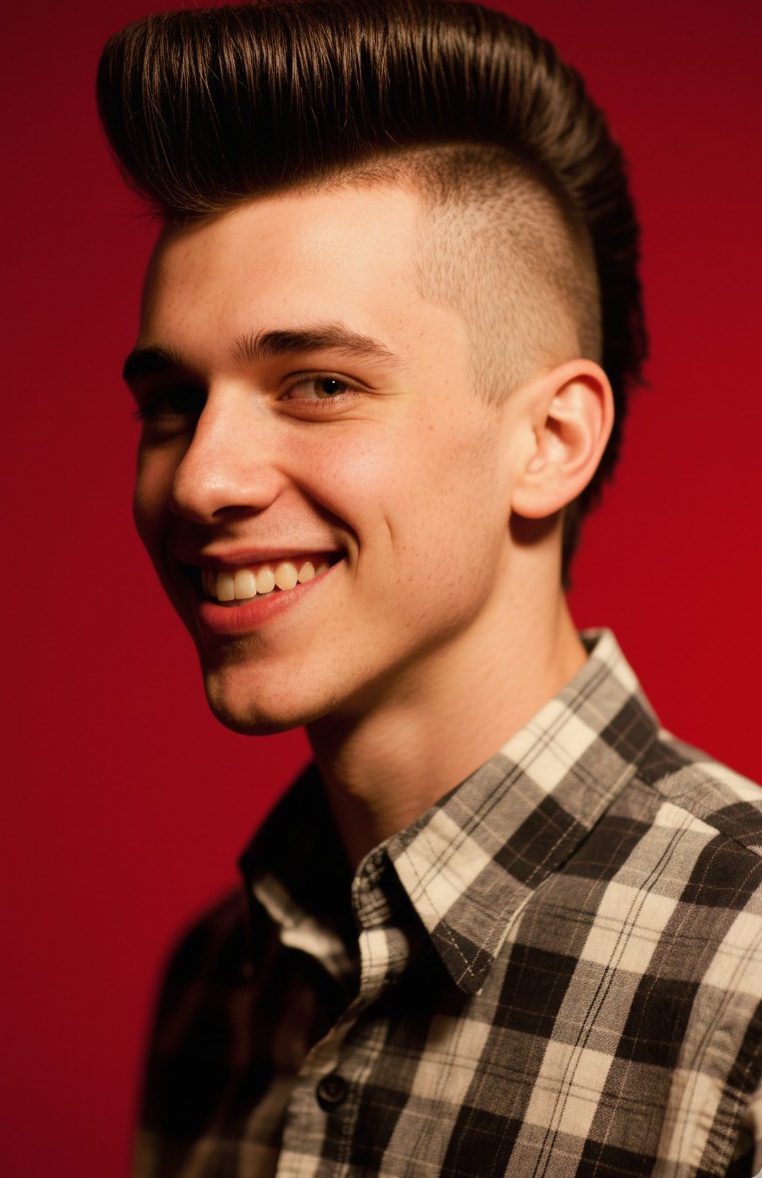
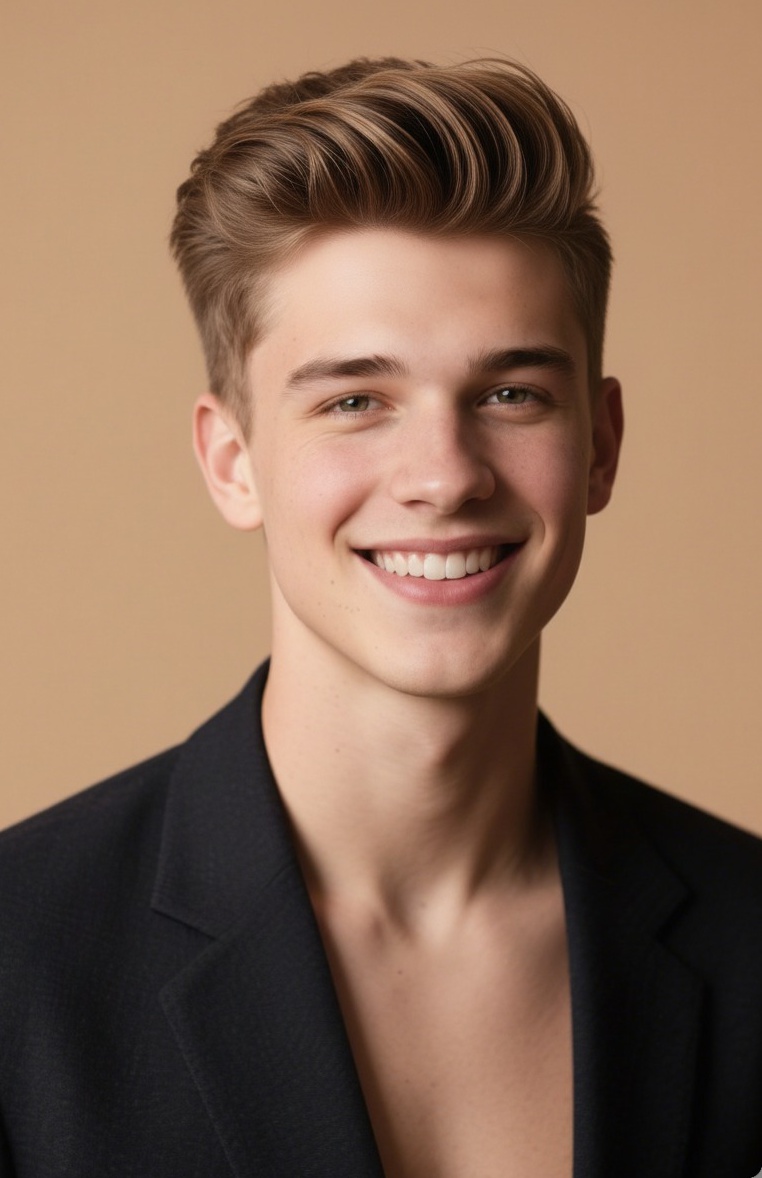



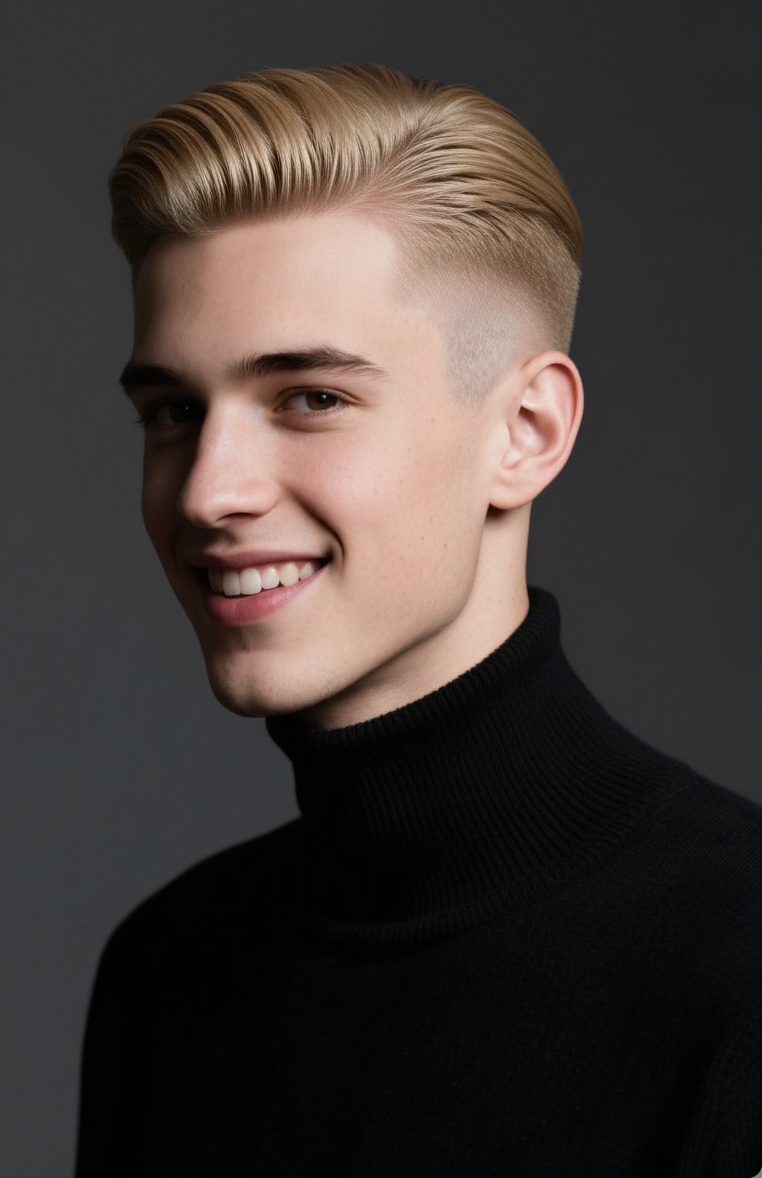




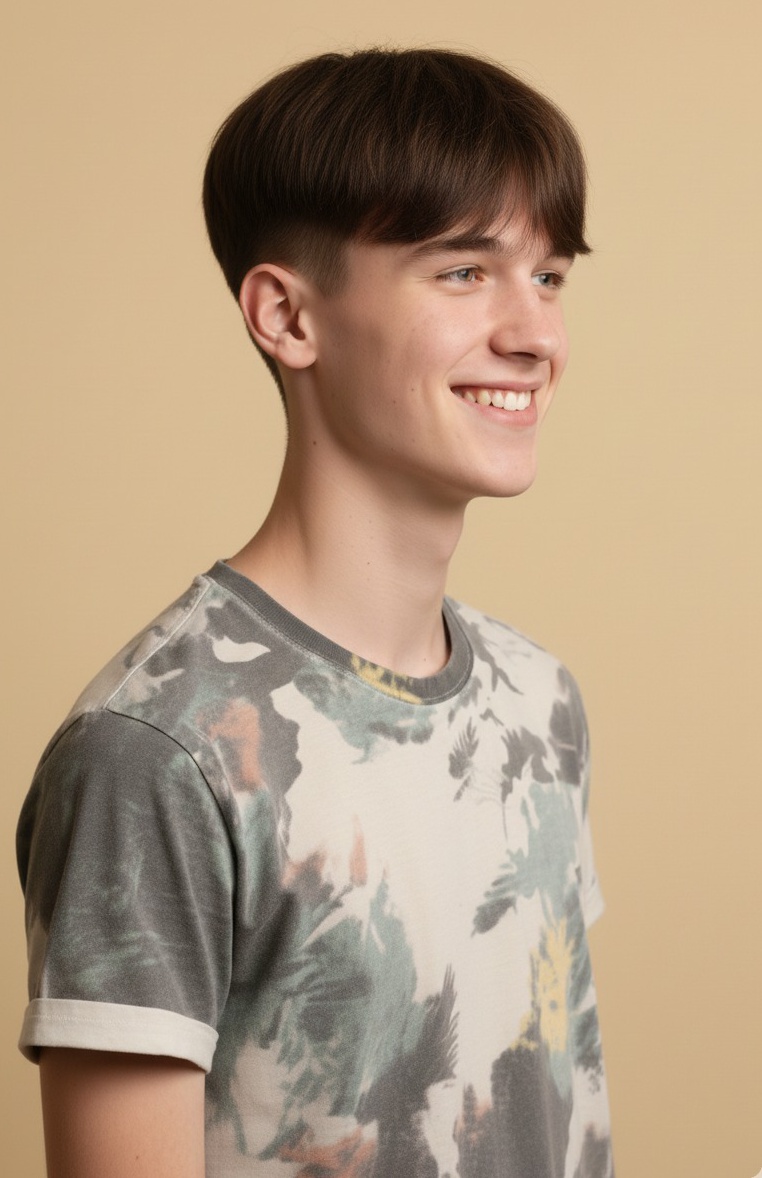
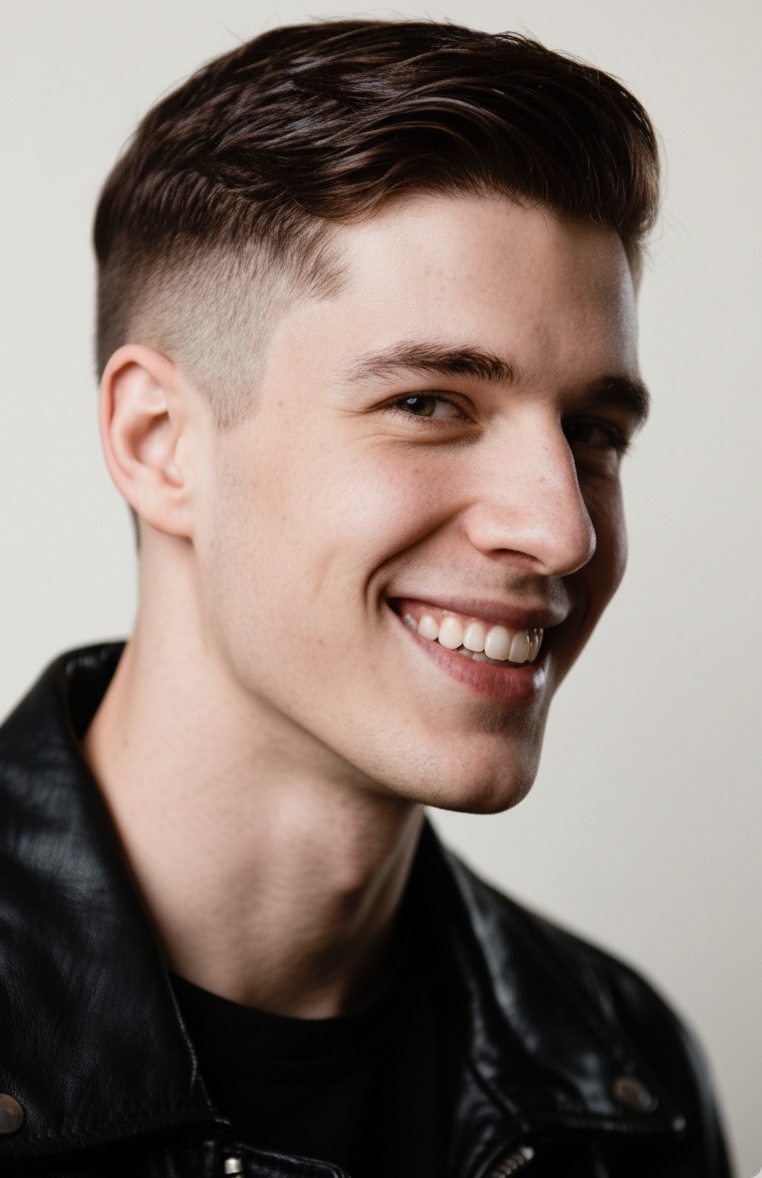

Choose your preferred style, then upload and process your photo on the left
The fade haircut is one of the most versatile, enduring styles in modern men’s grooming. Born from military precision and now a staple in mainstream fashion, the fade’s clean blend from longer hair on top to shorter sides works across almost every hair type, face shape, and lifestyle. Whether you want a polished office look or something more expressive, there is a fade variation that fits. This guide distills the research, SERP insights, and content brief into a concise playbook so you can choose the right fade, maintain it confidently, and even preview it with AI before you book the chair.
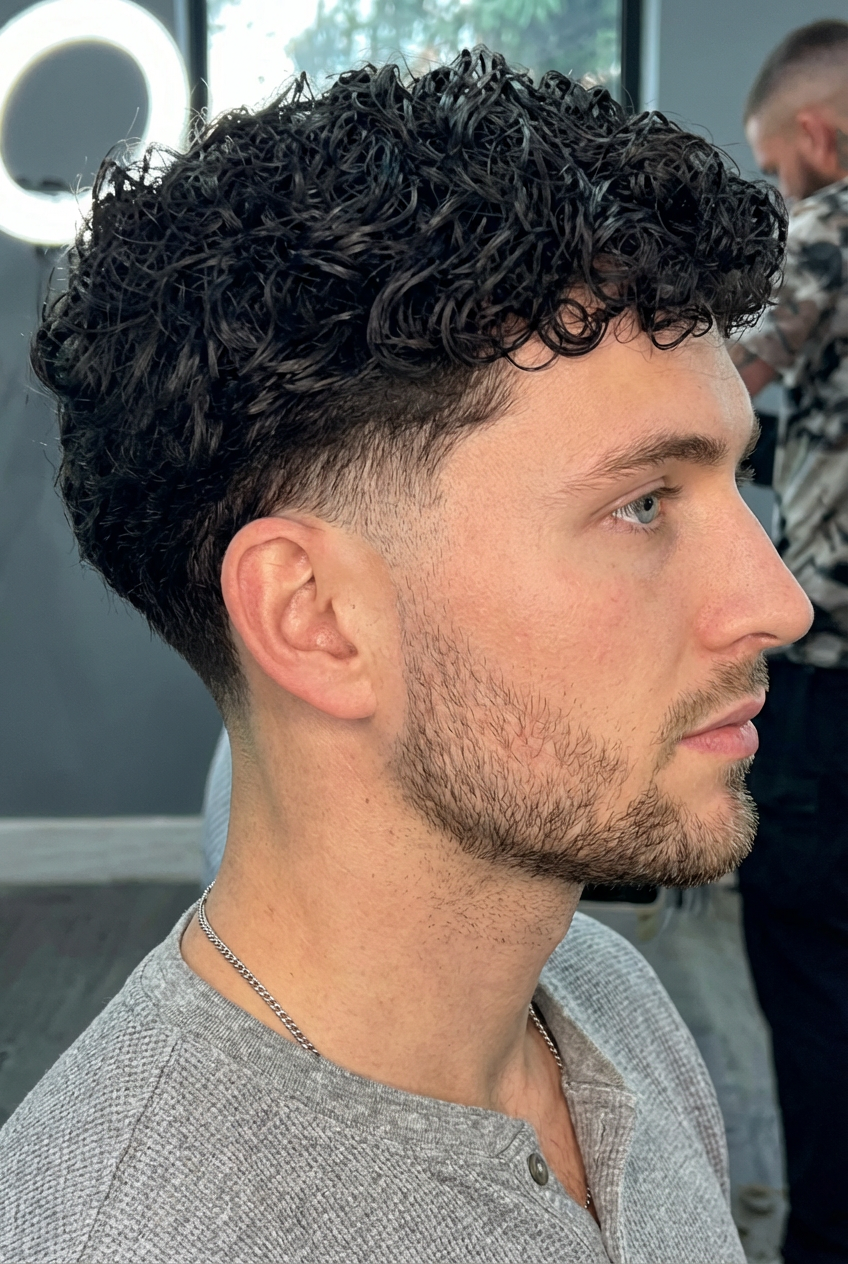
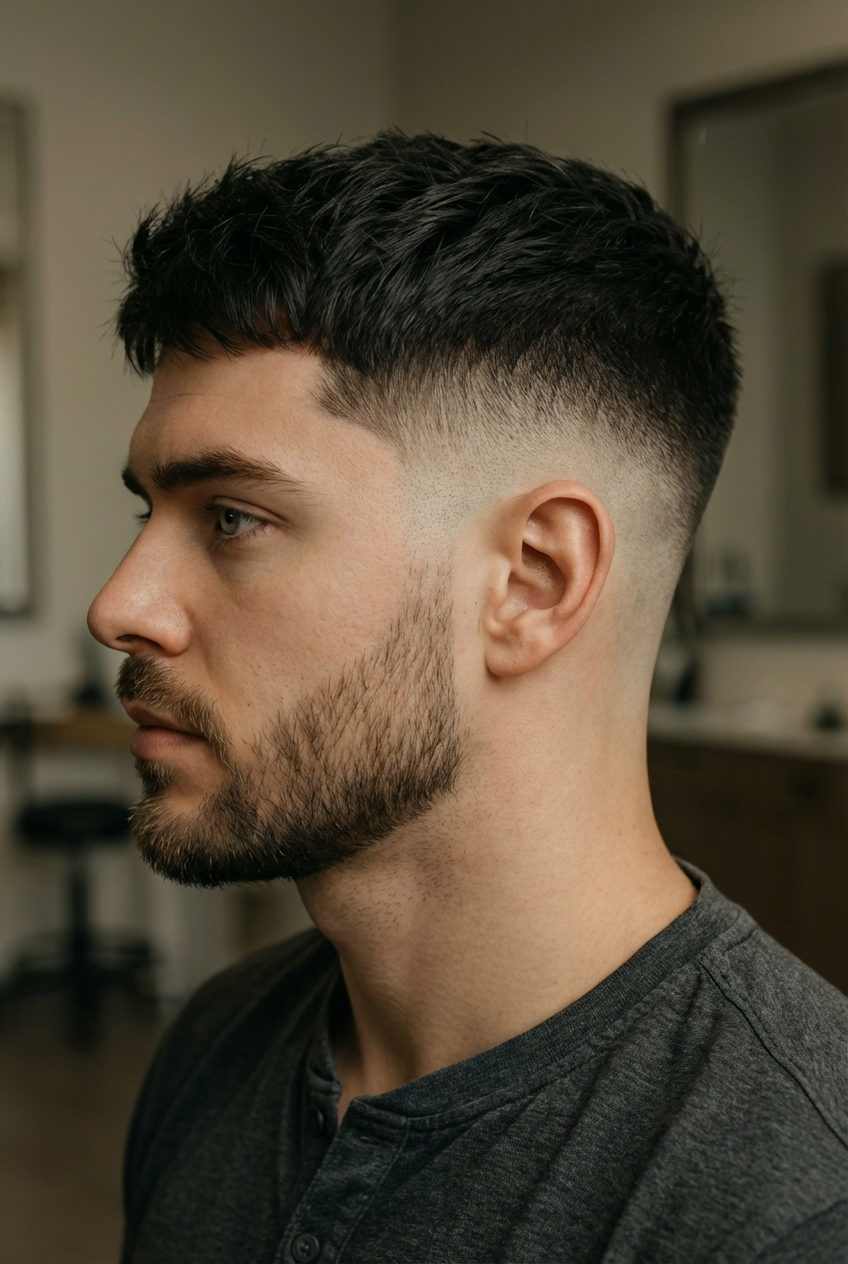
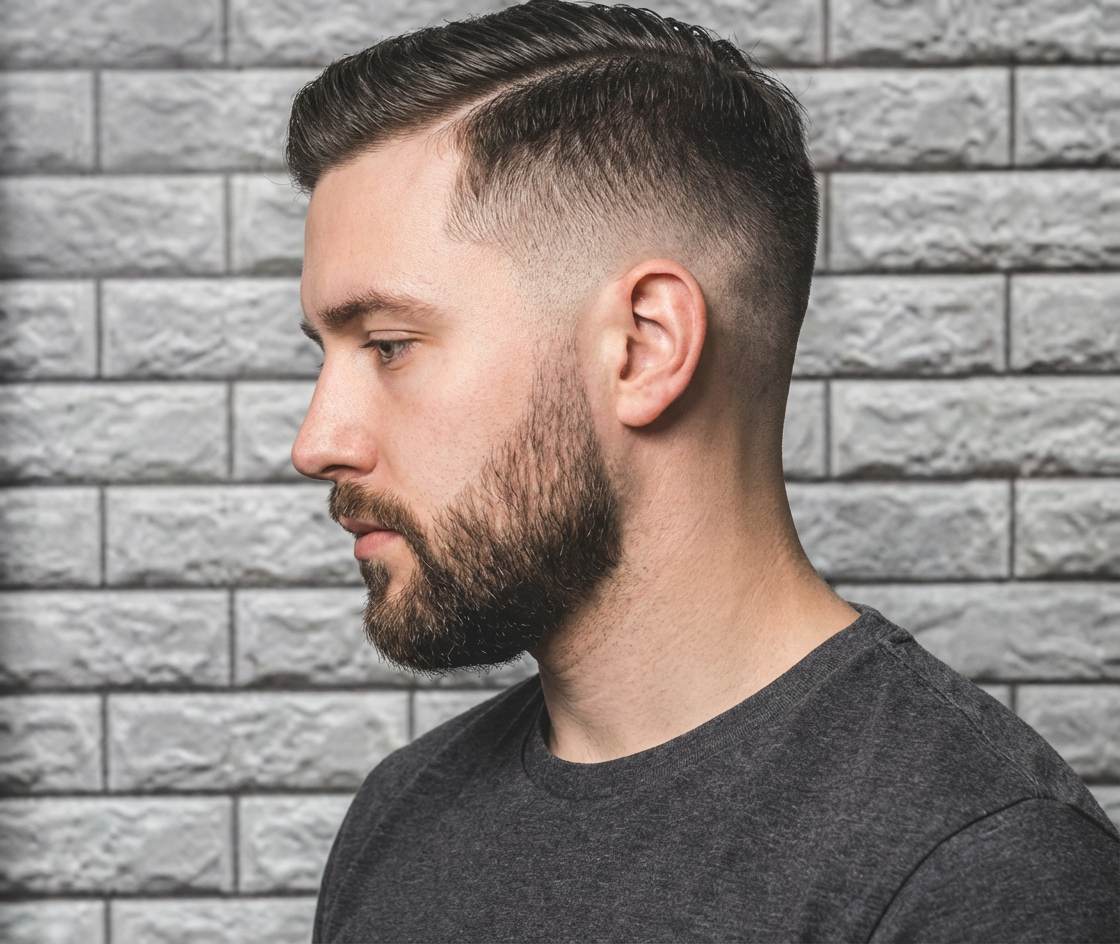
Fade hairstyle lookbook (file paths for on-page images):
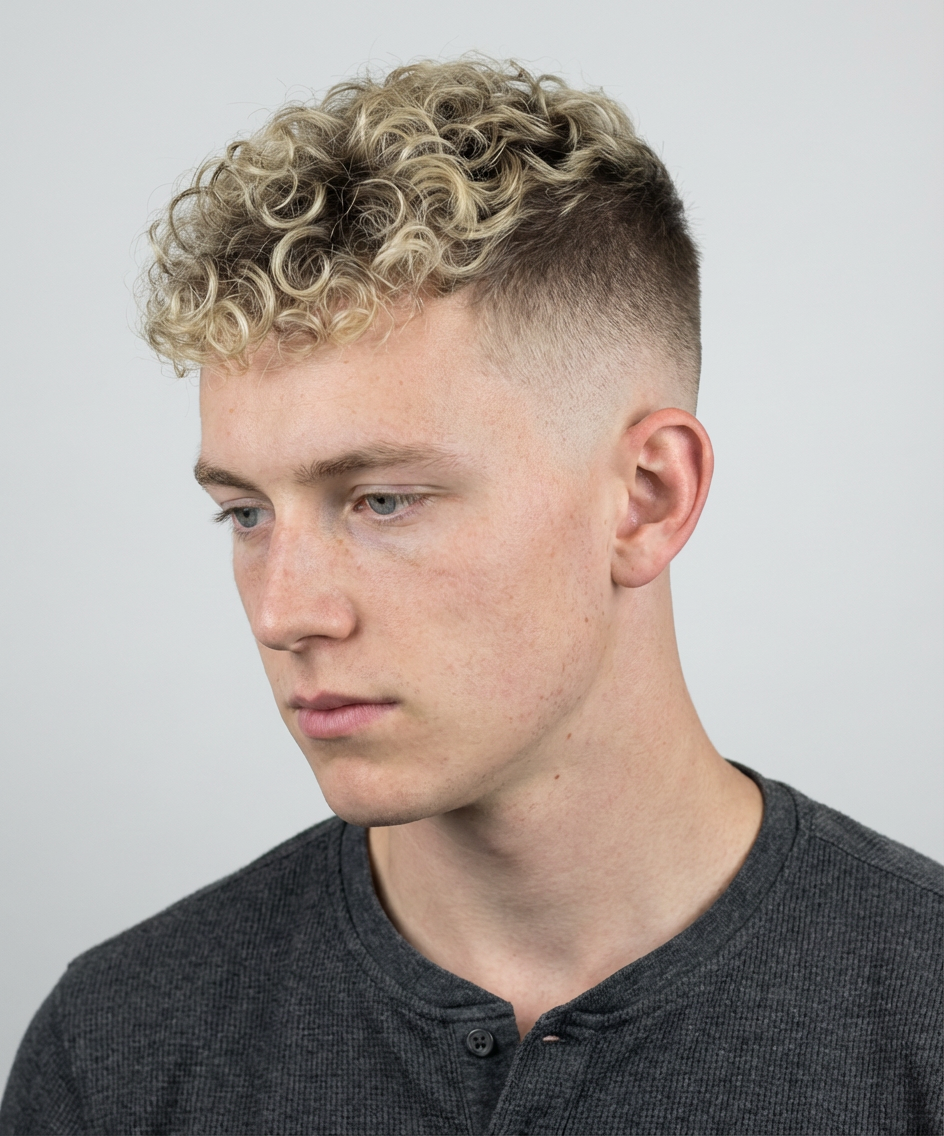
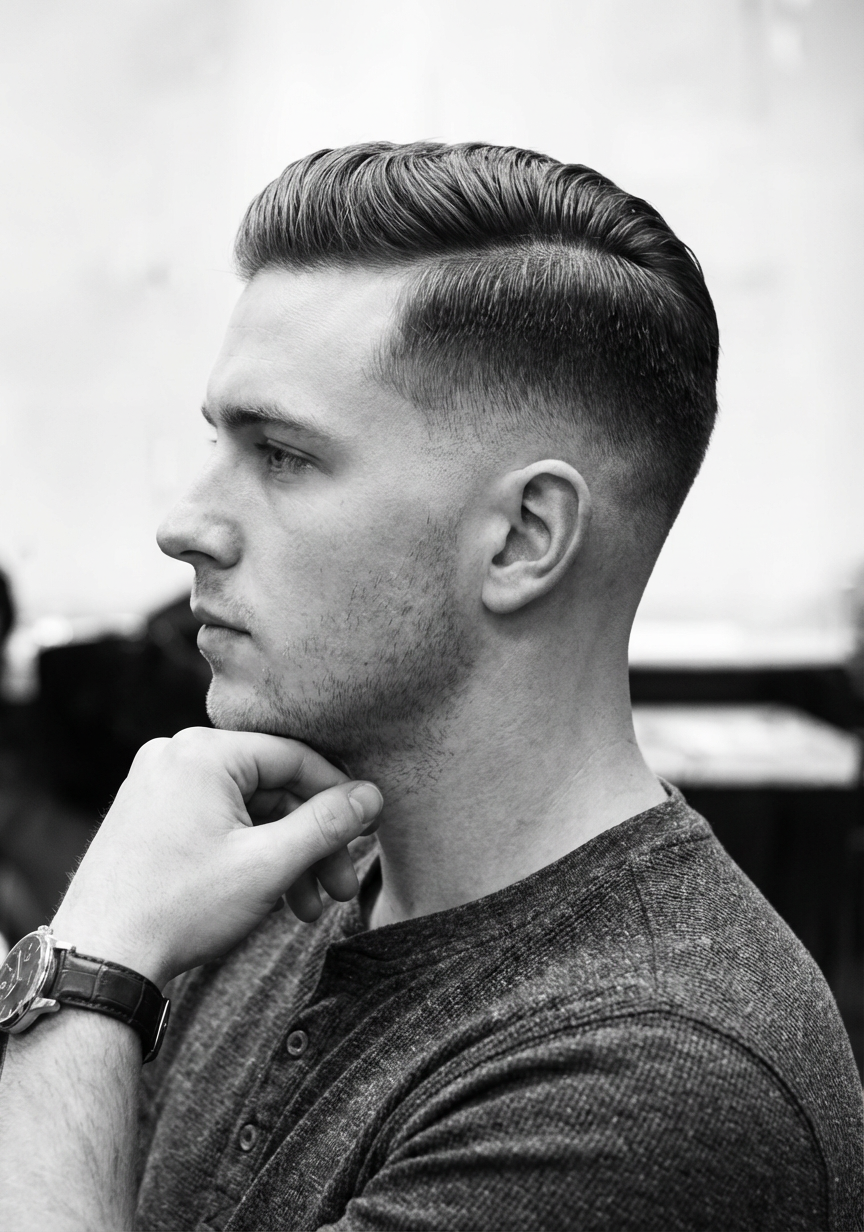
What Is a Fade Haircut? Defining the Classic Cut
A fade haircut is defined by its seamless blend from longer hair on top to progressively shorter hair on the sides and back, often tapering down to very short stubble or bare skin. Barbers create the fade line—the point where the shift in length is most visible—by stepping through clipper guards to sculpt a smooth transition. The result is intentional, sharp, and adaptable. Pair it with a textured crop, pompadour, slick-back, or longer top; the fade provides structure without locking you into a single style.
Rooted in military grooming, the fade was built for neatness and low fuss. That practicality explains its staying power: it grows out cleanly, fits both casual and professional settings, and complements different styling products, from matte clays to lightweight pomades. Because the contrast softens as hair grows, most fades look best with touch-ups every two to four weeks.
Try it first: Use BlondeFilter’s AI hairstyle filter to see low, mid, and high fades on your own face before you schedule a cut.
Fade vs. Taper: Key Differences You Should Know
Fade and taper are close cousins, but they are not identical. A taper leaves visible length at the shortest point—typically around a quarter inch—creating a subtle, conservative transition that grows out slowly. It’s a strong option if you want professional polish with minimal maintenance.
A fade cuts closer to the scalp and often down to bare skin. The contrast between top and sides is sharper, and the fade line is more pronounced. Because that crisp boundary is part of the look, fades need more frequent cleanups to keep their definition. If you want dramatic clarity and do not mind visiting the barber regularly, choose a fade. If you prefer softer edges and slower grow-out, a taper may be better. Some barbers also offer a taper fade, blending the gradual start of a taper into a fade lower on the head.
Popular Fade Haircut Types: Find Your Perfect Match
Think of “fade haircut” as a family with multiple variants rather than one fixed cut. The right choice depends on how much contrast you want, how you style the top, and how often you’re willing to maintain it.
Low Fade Haircuts: The Subtle Choice
The low fade begins its transition just above the ear, preserving more length through the midsection for a softer blend. It pairs naturally with comb-overs, side parts, and longer tops—ideal for professional settings or anyone who wants understated structure. Low fades also grow out more forgivingly, stretching the time between appointments.
Mid Fade Haircuts: The Balanced Standard
Starting around the temples, the mid fade delivers visible contrast without feeling extreme. It’s popular because it suits most face shapes and works in both casual and business contexts. Mid fades match especially well with textured crops, quiffs, pompadours, and wavy or curly tops.
High Fade Haircuts: The Bold Statement
The high fade starts higher on the sides—often near the parietal ridge—creating the strongest contrast. It puts all the focus on the top, which means styling choices like sharp line-ups, textured faux hawks, or tight crops really stand out. Expect more frequent maintenance to keep the high fade line crisp.
Skin Fade and Bald Fade: Maximum Contrast
Skin (or bald) fades take the shortest length all the way to bare scalp. You can apply this intensity to low, mid, or high fades for maximum definition. Skin fades are popular in Black men’s styling and with anyone who wants a razor-clean outline that spotlights texture on top.
Special Variations: Drop Fade, Burst Fade, Temple Fade
Drop fades curve behind the ear for a contoured silhouette. Burst fades arc around the ear in a circular shape, great with textured tops or mohawks. Temple fades focus detail at the temples, adding sharpness without changing the entire fade height. These variations highlight barber artistry and let you personalize the baseline fade.
See it side by side: Use the BlondeFilter virtual hairstyle try-on to compare low vs. mid vs. high fades on your photo before committing.
How to Choose the Right Fade for Your Hair and Face
Choosing a fade is about matching height and intensity to your hair type, face shape, and lifestyle.
Fade Haircuts by Hair Type
- Thick hair: Handles mid and high fades well because density keeps the shape strong. Frequent maintenance is manageable if you like sharp contrast.
- Curly and coily hair: Fades showcase natural texture on top while keeping the sides clean. They prevent bulk and spotlight curls, coils, twists, or waves.
- Thin or fine hair: Low or mid fades can make hair look fuller. Extremely high skin fades can expose scalp and may emphasize thinness, so keep some length at the base and focus volume on top.
Fade Haircuts by Face Shape
- Round faces: Higher fades can elongate the face visually, especially when paired with height or texture on top.
- Square faces: Mid fades balance strong angles and keep proportions even.
- Oval faces: Any fade height works, so choose based on style preference and maintenance comfort.
Styling and Maintenance Basics
- Visit every 3–4 weeks for most fades; skin and high fades may need closer to 2–3 weeks.
- Match product to style: matte paste or clay for textured tops, light pomade for side parts or slick-backs.
- Avoid overwashing; leaving a day between shampoos can help the fade line hold and makes styling easier.
- If the fade loses definition between cuts, a quick line-up can extend the clean look.
Fade Haircuts with Beard
Pairing a fade with a beard creates a cohesive outline. Low or mid fades flow naturally into fuller beards, while high or skin fades look intentional when the beard is equally groomed and edged. Align the beard line with the fade line so the transition feels planned, not accidental.
Decision support: Test beard-and-fade combos with BlondeFilter’s AI hairstyle filter to see how your beard line connects with different fade heights.
Virtual Hairstyle Try-On: Preview Your Fade Risk-Free
Before you make a change, a virtual hairstyle try-on lets you explore fade heights and styling options on your own face. Upload a photo, toggle between low, mid, high, or skin fades, and view how the blend interacts with your hair color and face shape. This is especially helpful if you’re moving from a different cut or debating how dramatic you want the contrast. Using an AI hairstyle filter removes guesswork, clarifies what to ask your barber for, and builds confidence that the chosen fade matches your goals.
Why Fade Haircuts Work for Almost Everyone
Fades thrive because they are adaptable frameworks. They fit corporate offices and creative studios, teenagers and grown men, bearded and clean-shaven looks. You can dial the fade higher or lower, choose skin-close or softer, and change the top styling without abandoning the cut. That flexibility keeps fades current while respecting their classic roots. Whether you go for a conservative low fade or a statement high skin fade, you’re working within a shape that is widely understood, flattering across demographics, and easy to personalize.
Frequently Asked Questions About Fade Haircuts
Which fade haircut is best?
It depends on your hair type, face shape, and how bold you want the contrast. Low fades are subtle and professional; mid fades are versatile; high or skin fades are the sharpest and need the most upkeep.
What is a fade vs taper?
A fade transitions to very short hair or bare skin, creating a sharper contrast and needing more frequent maintenance. A taper keeps some length at the base for a softer, longer-growing look. A taper fade mixes both.
What is a fade in a haircut?
It’s a blended transition from longer hair on top to progressively shorter sides and back, defined by a clean fade line and precise clipper work.
Is low taper fade haram?
Perspectives vary by community and scholar. If you have religious considerations, consult an advisor who understands your tradition to align grooming choices with your practice.
Ready to see your next cut? Try a fade virtually with BlondeFilter’s AI hairstyle filter, choose the height that fits your face shape, and walk into your barber visit with clarity.