Curtained Hair for Men: Master the Trend with Styling Tips & Face Shape Guide
Discover the ultimate guide to curtained hair for men—styling tips, face shape compatibility, and modern variations. Try this trending '90s hairstyle online with AI.


Click or drag photos here to upload
Supports JPG, PNG formats, max 5MB, JPEG format recommended
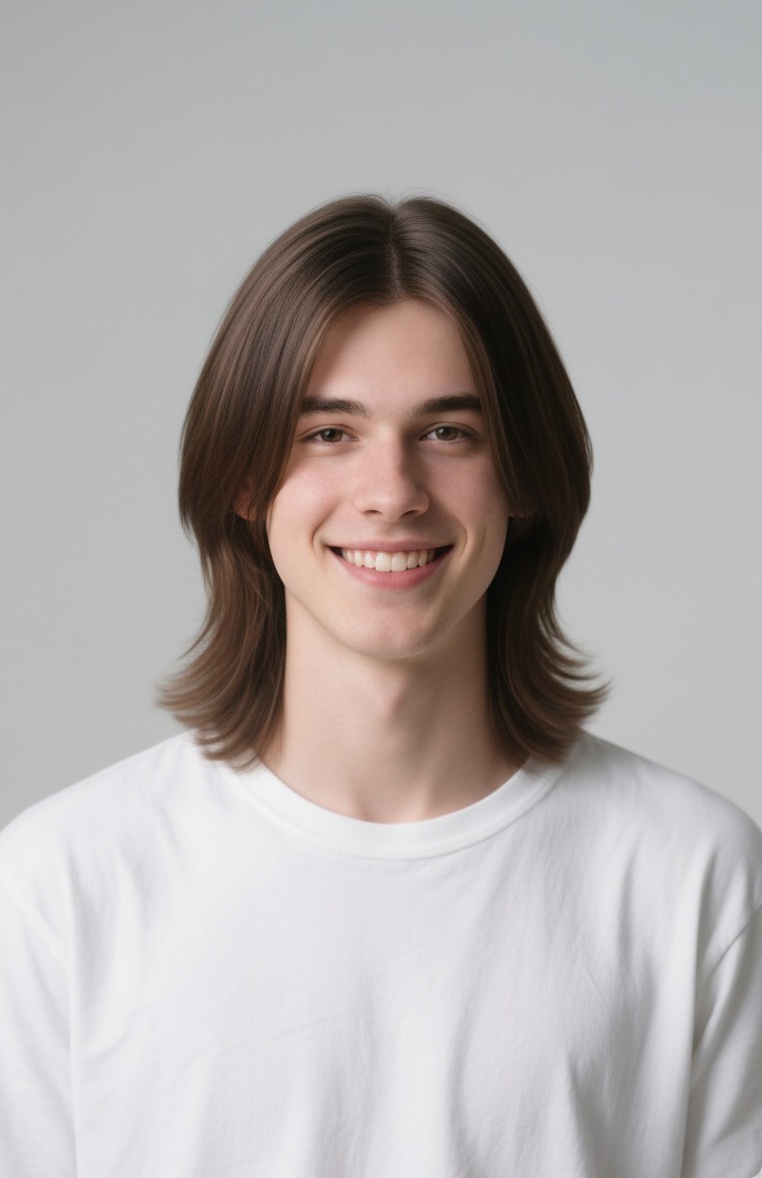
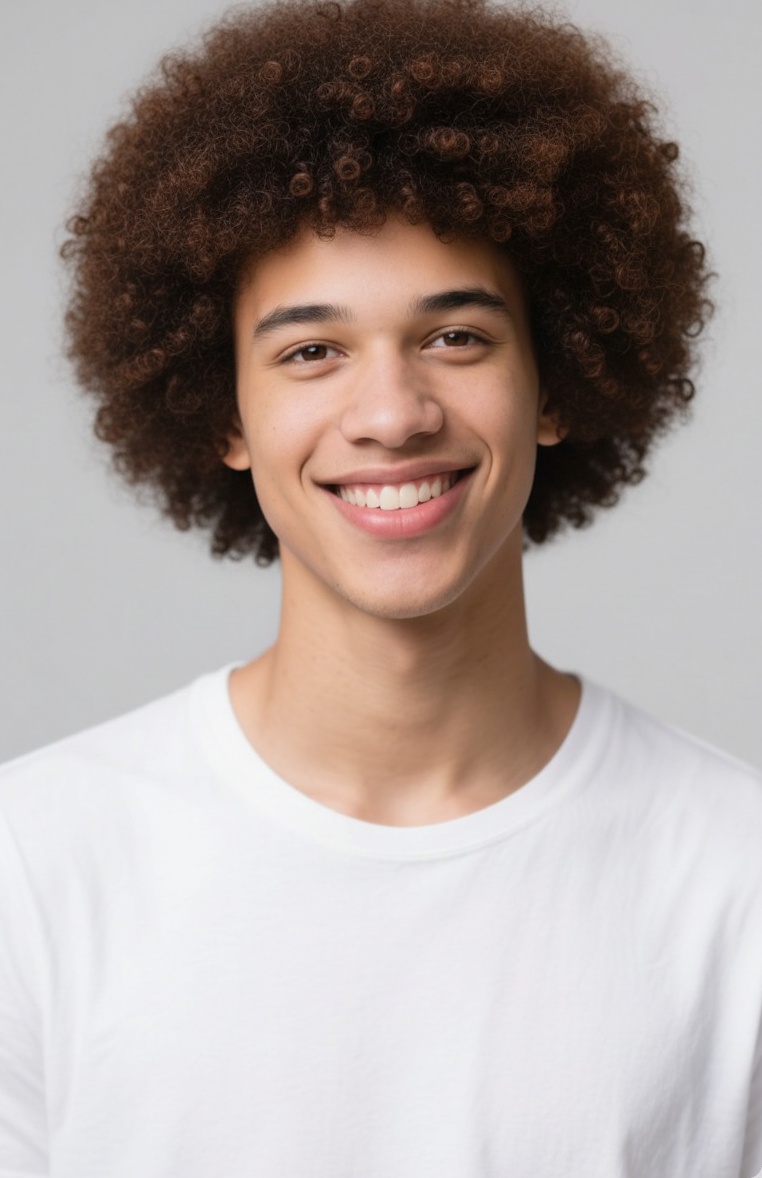
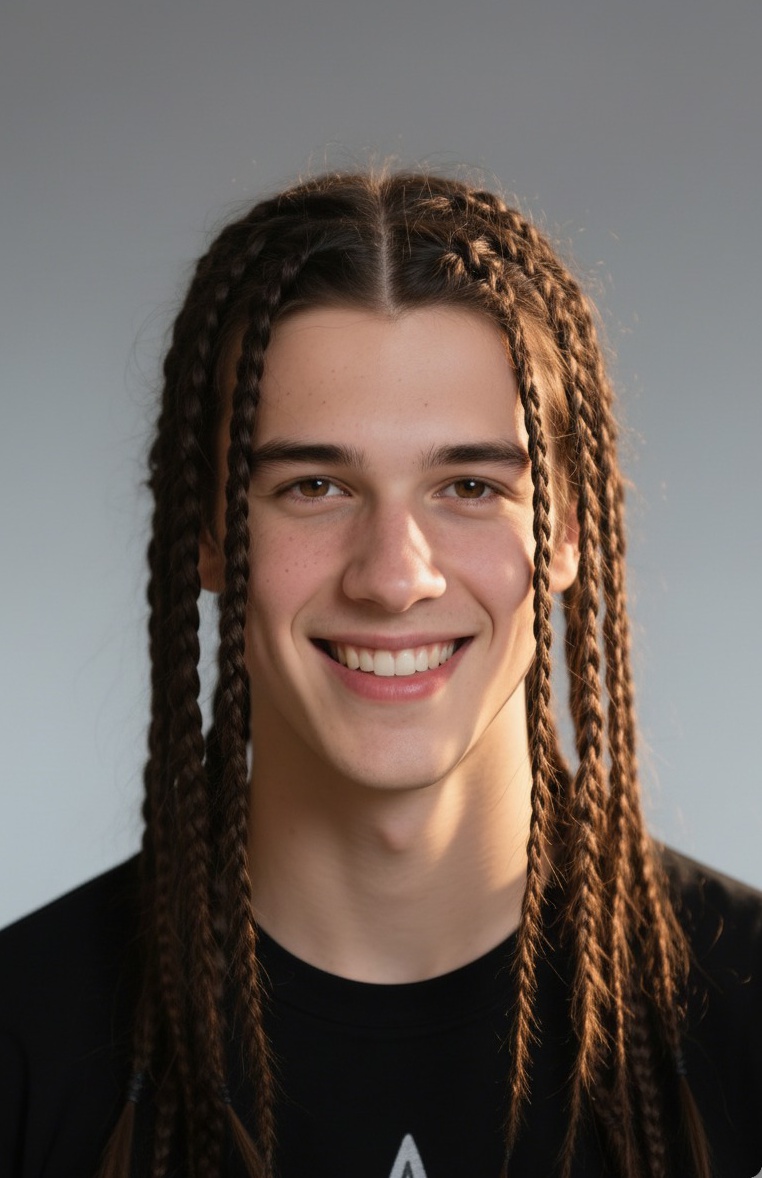
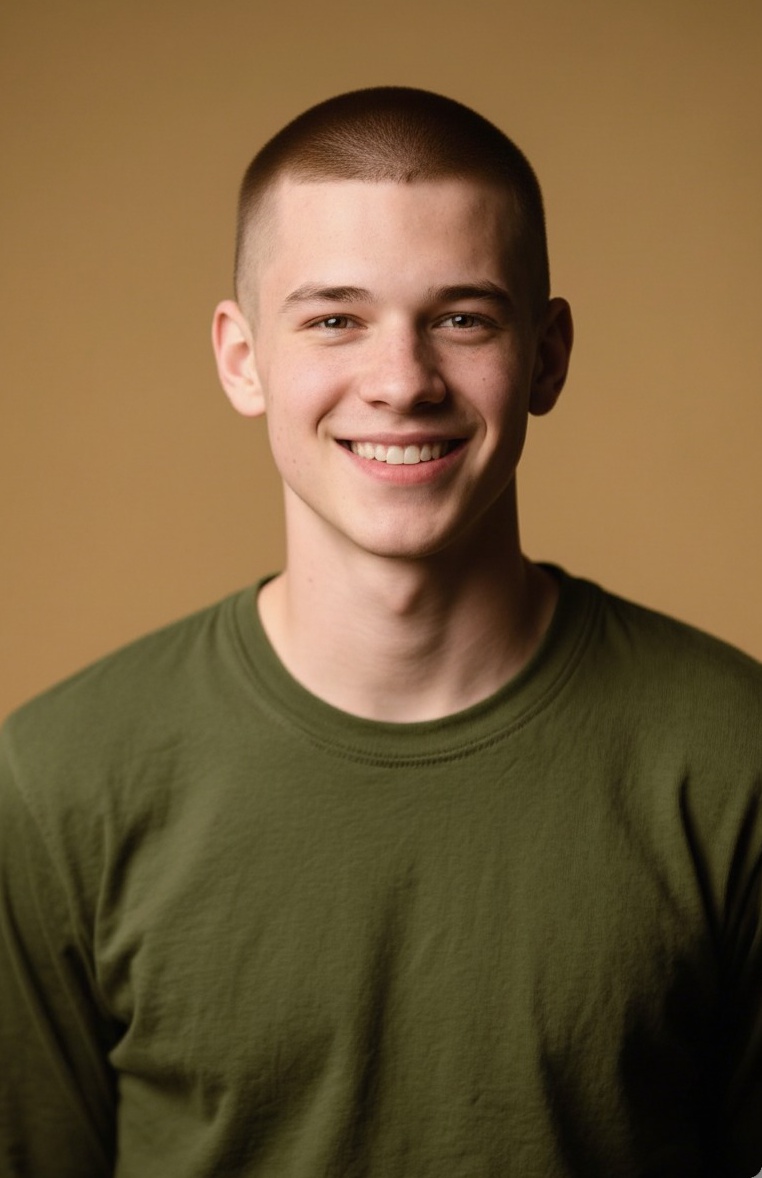
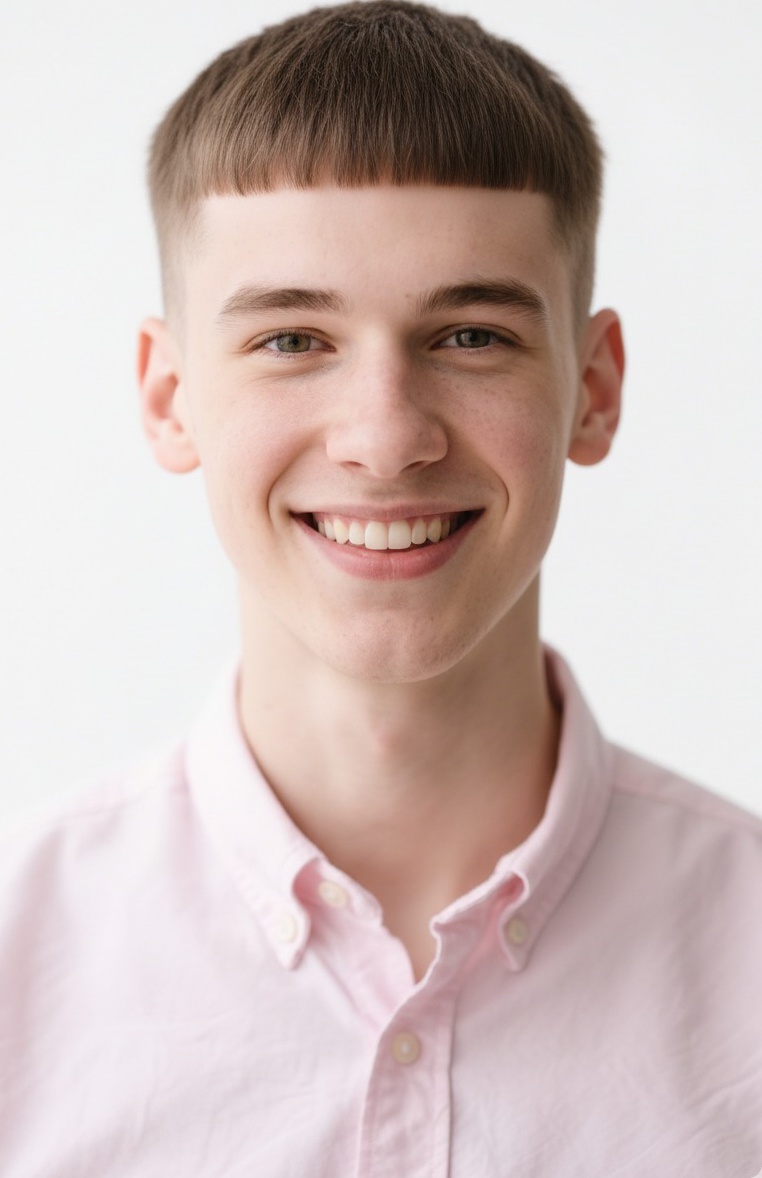
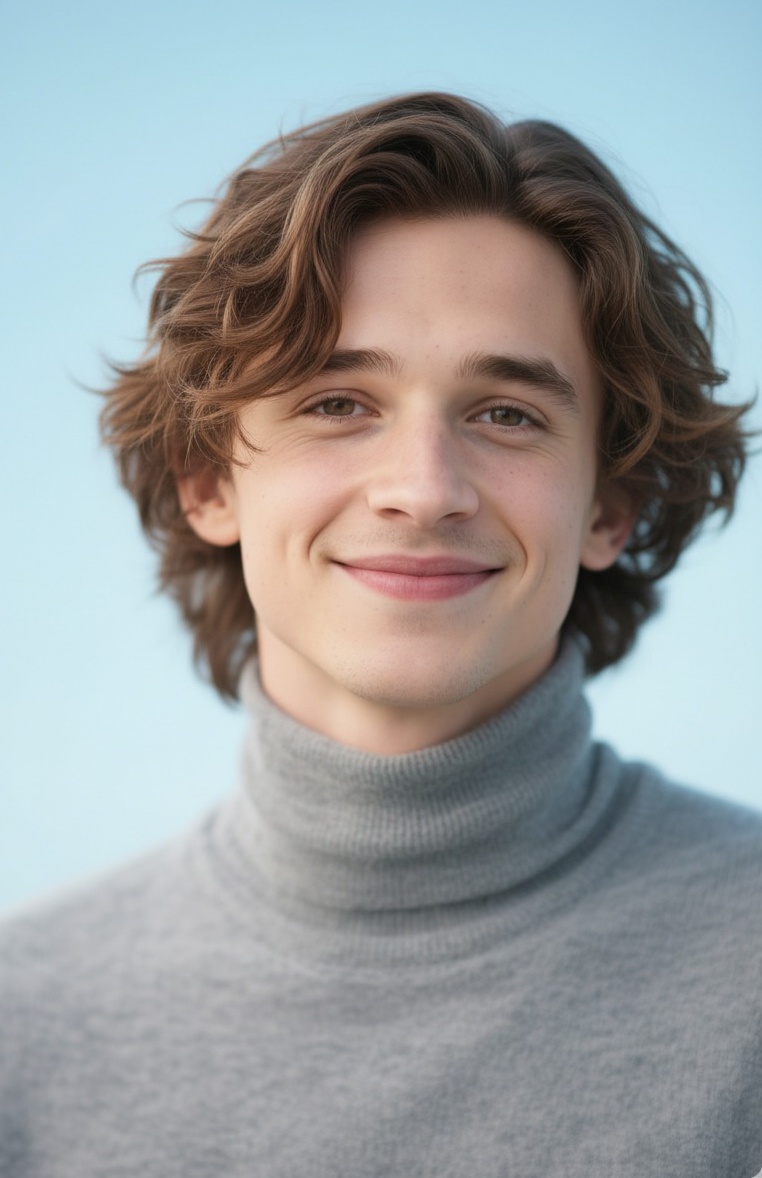
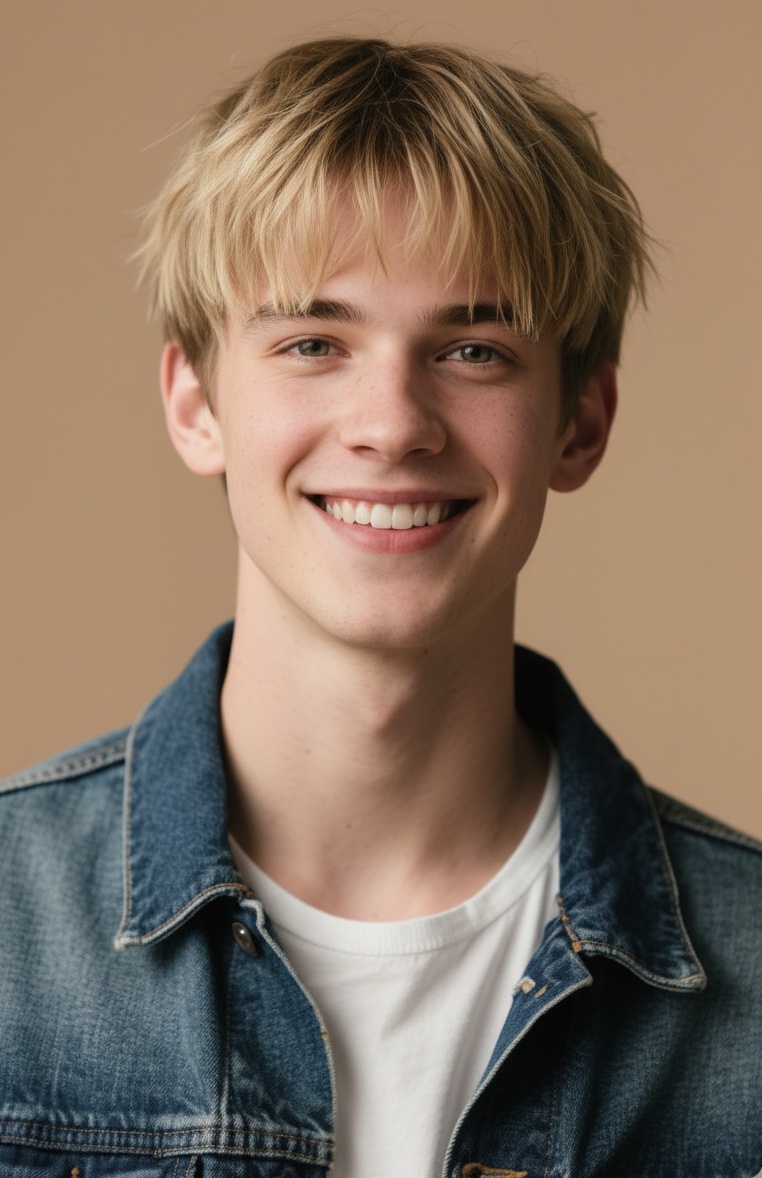
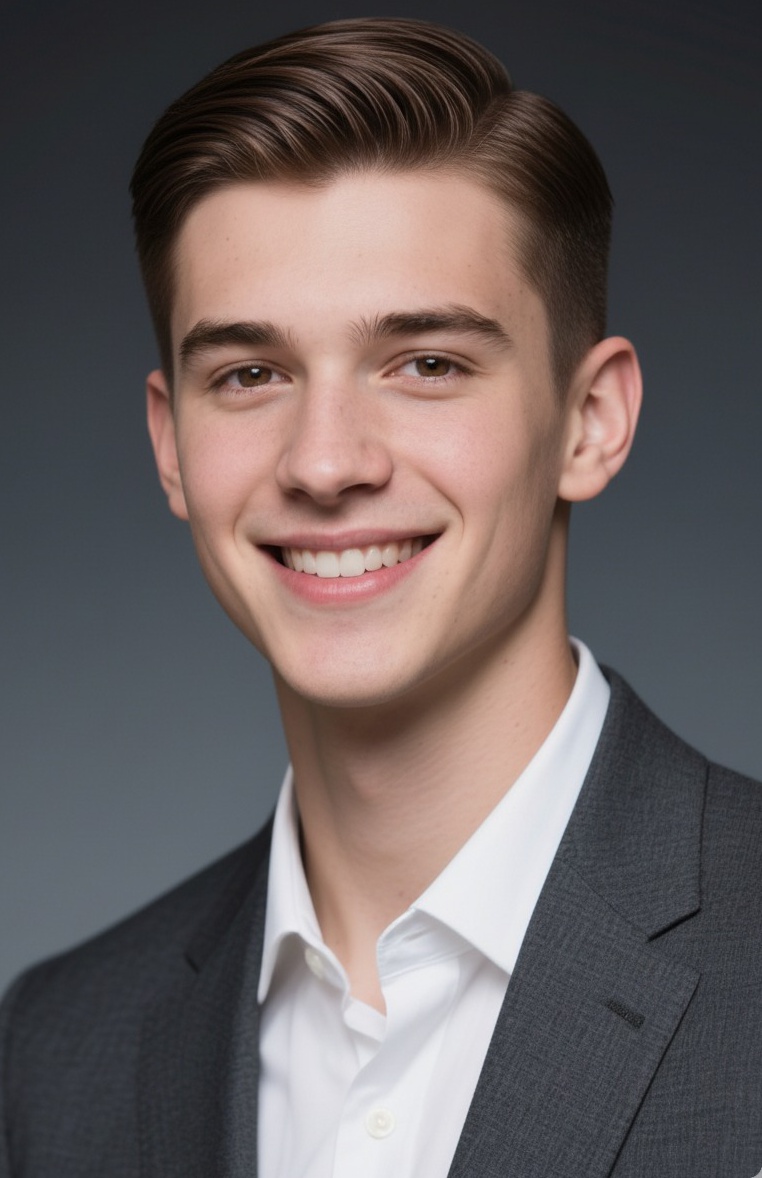
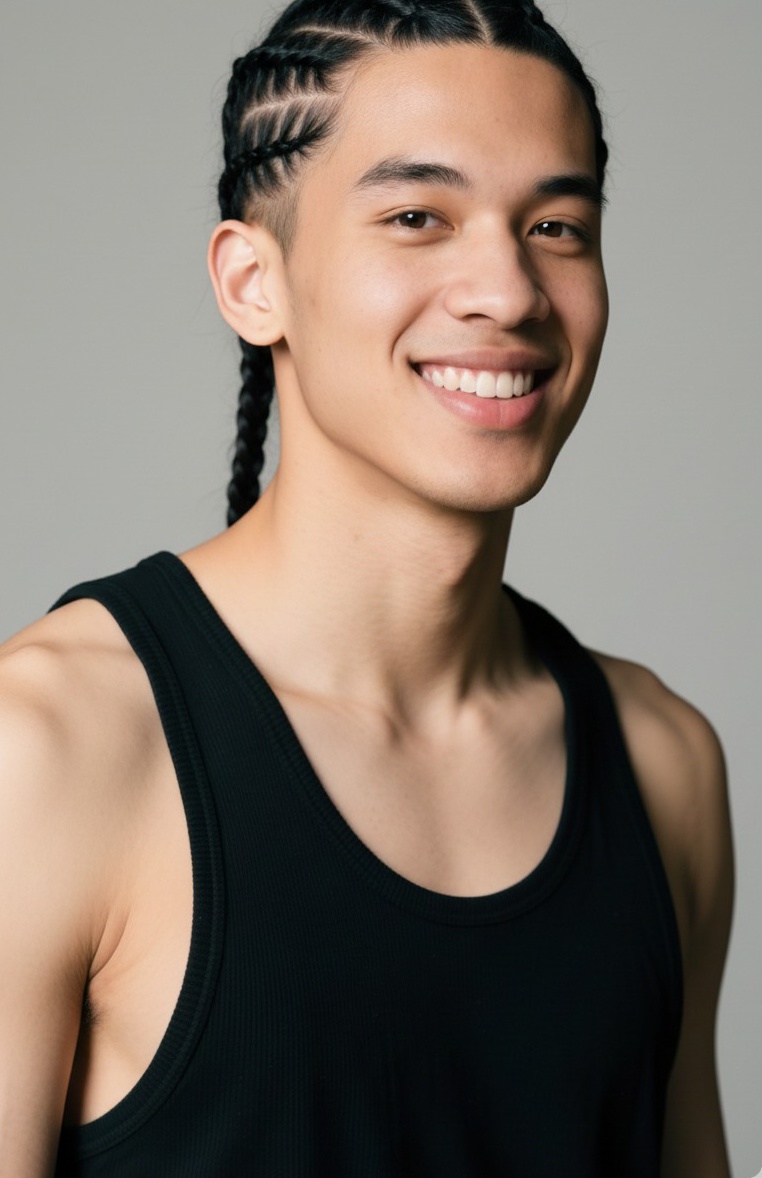
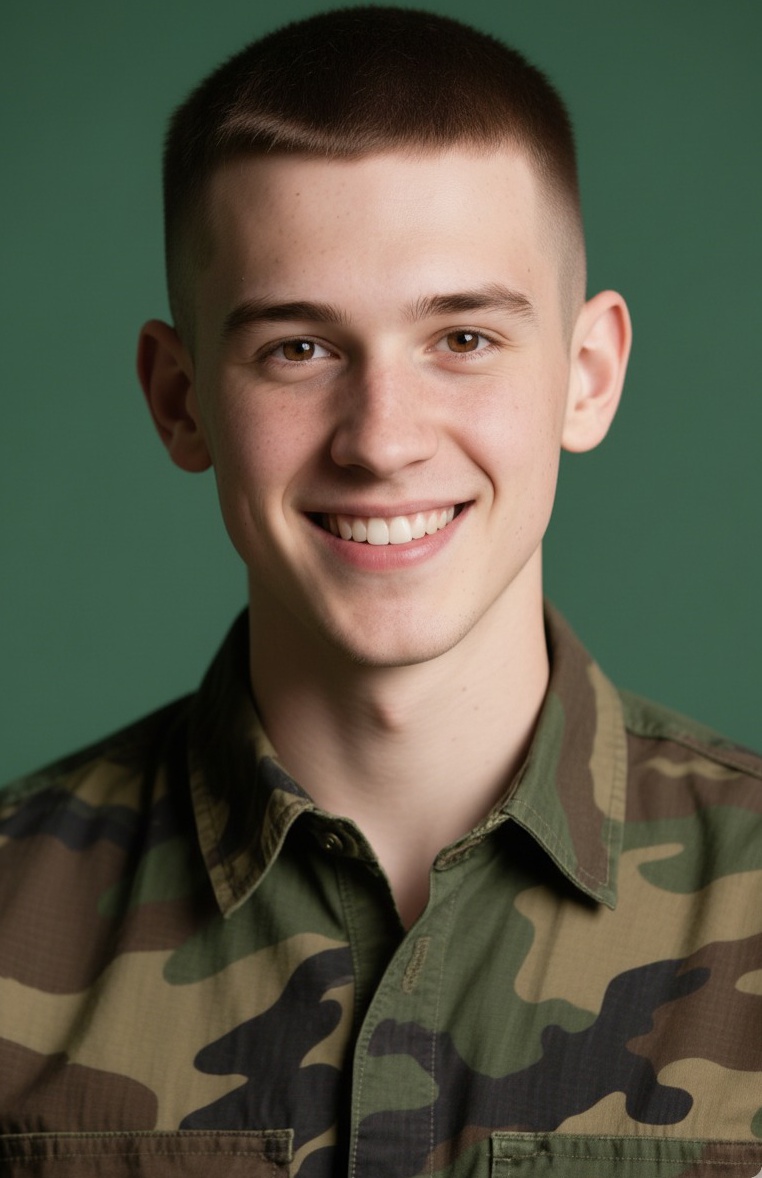
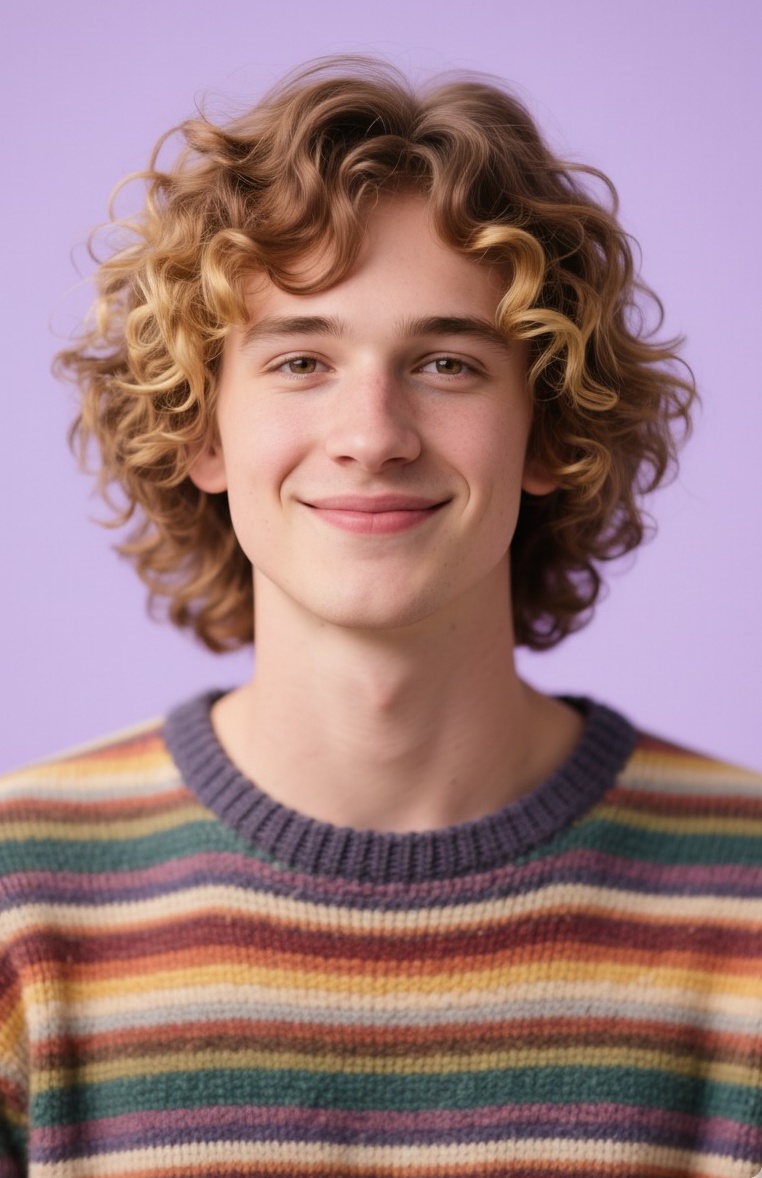
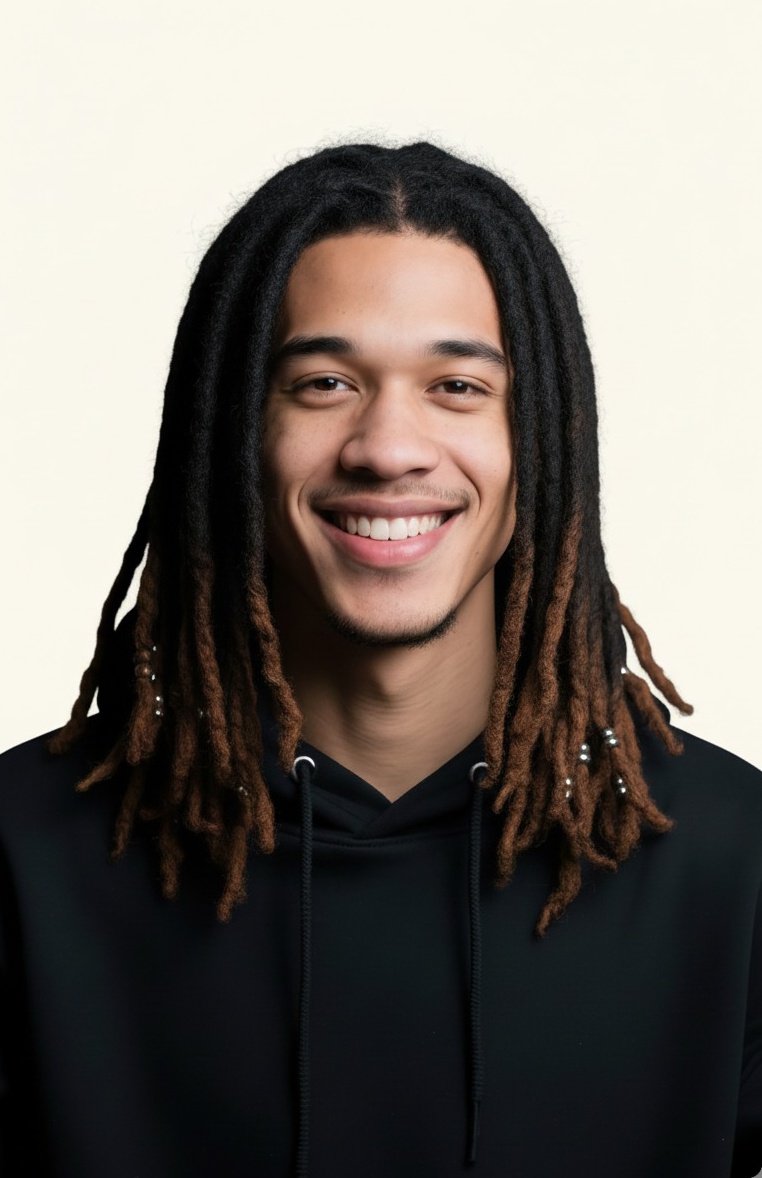
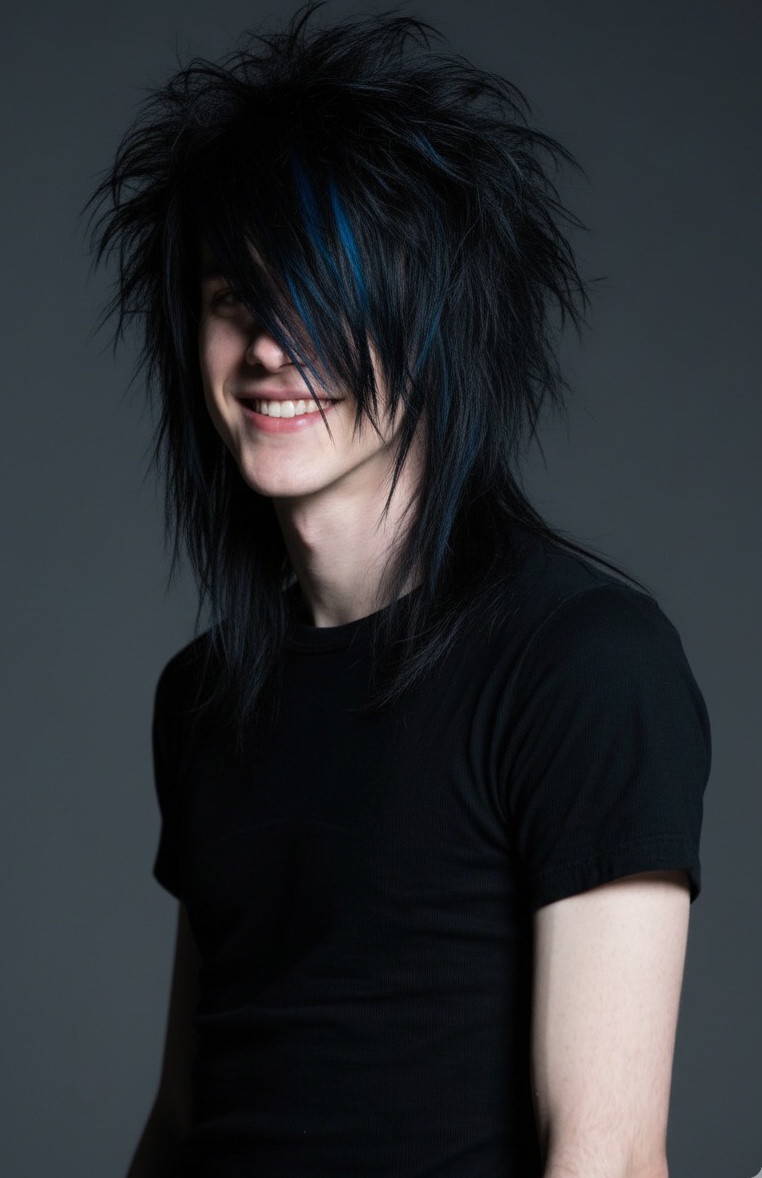
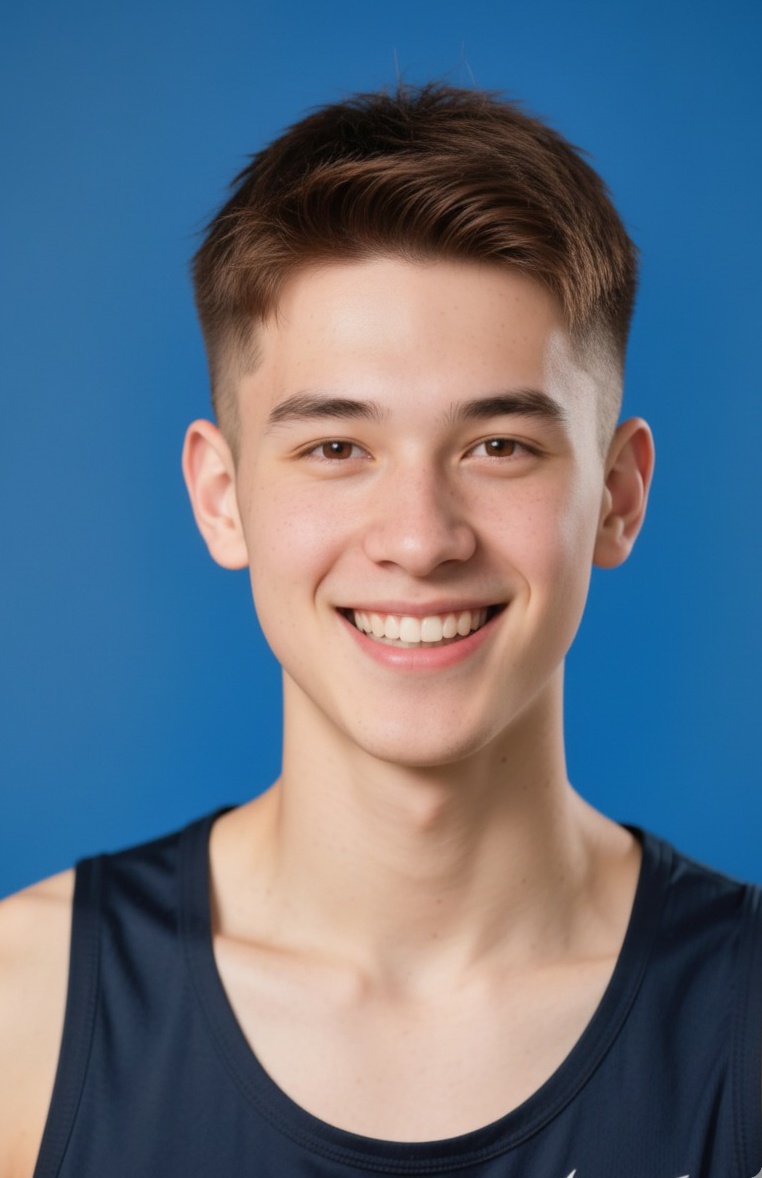
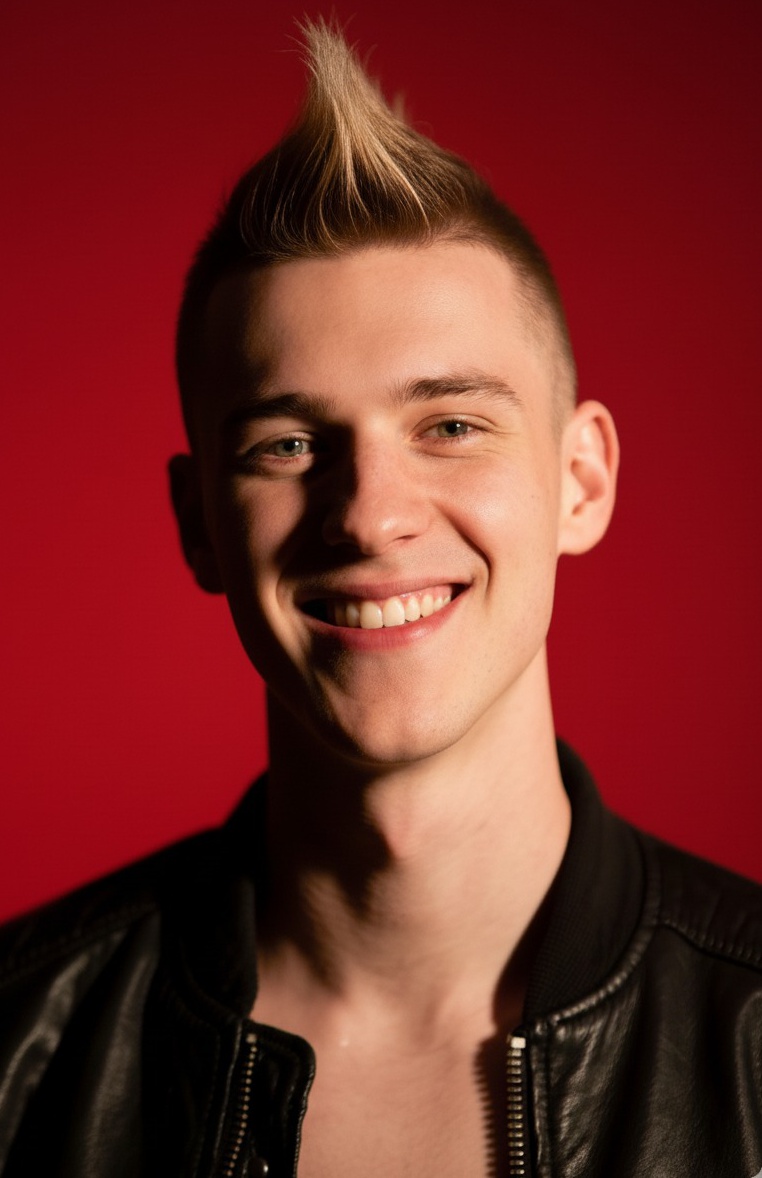
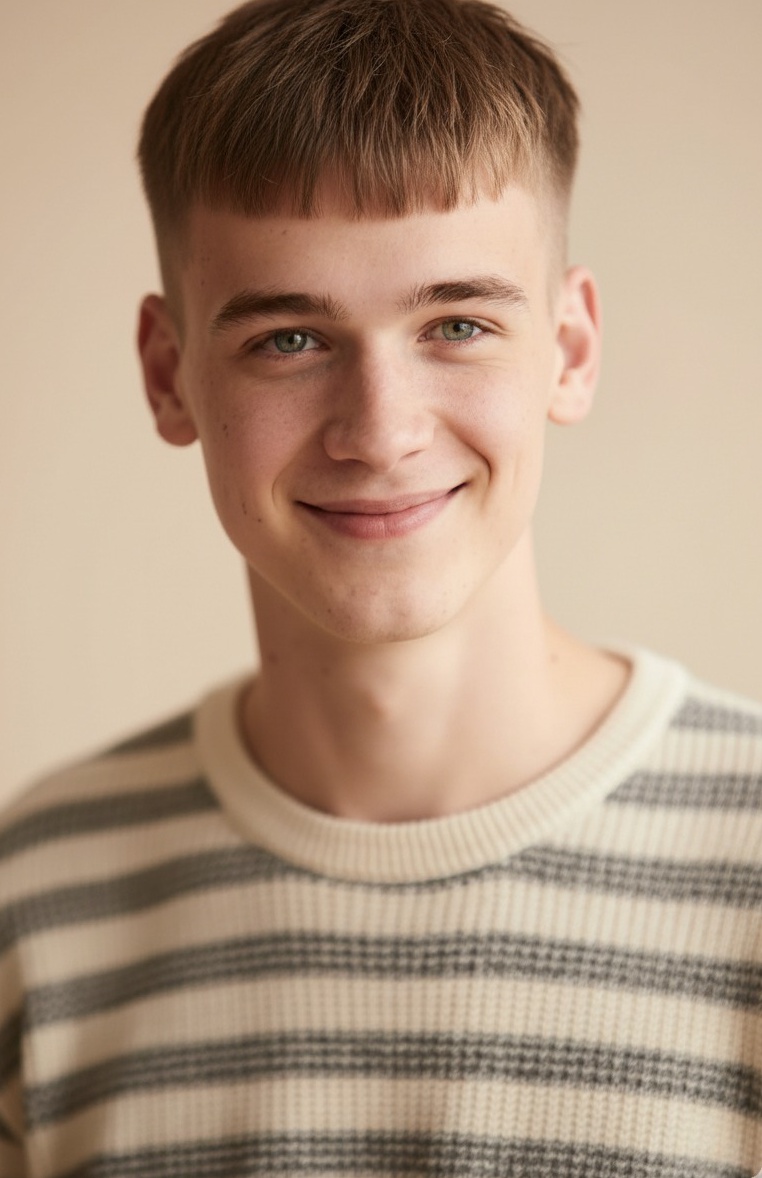
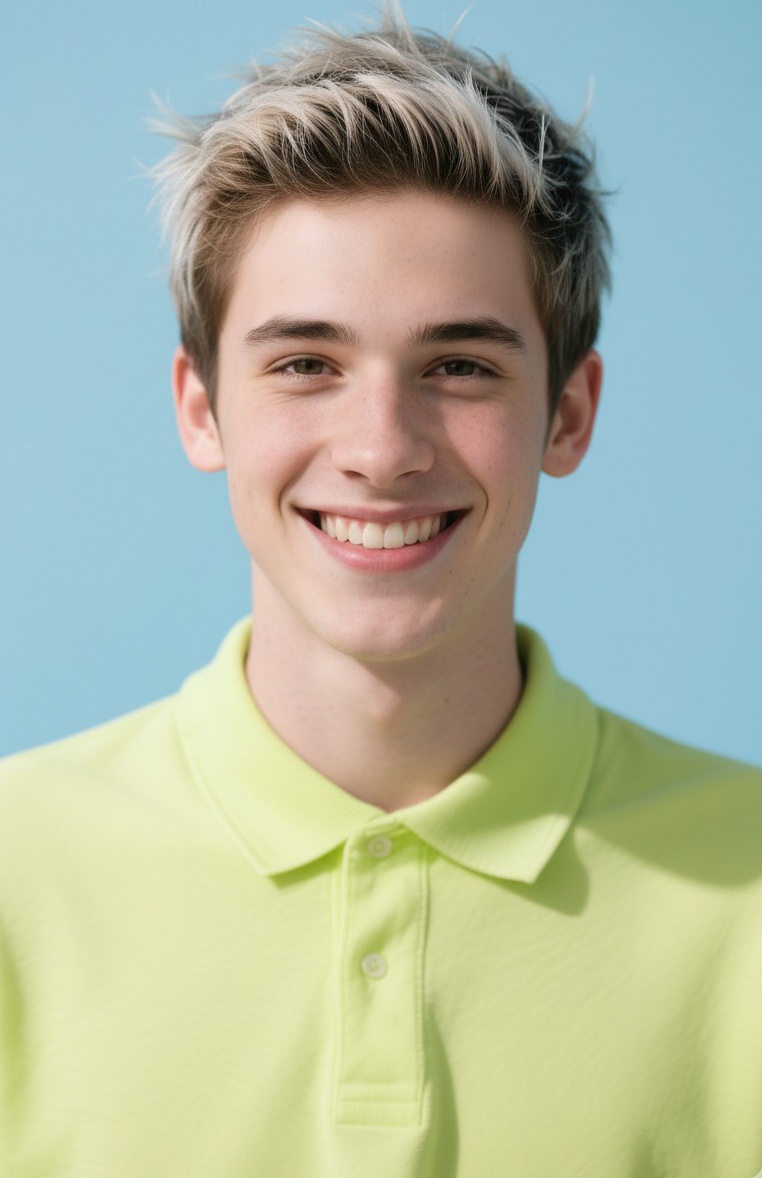
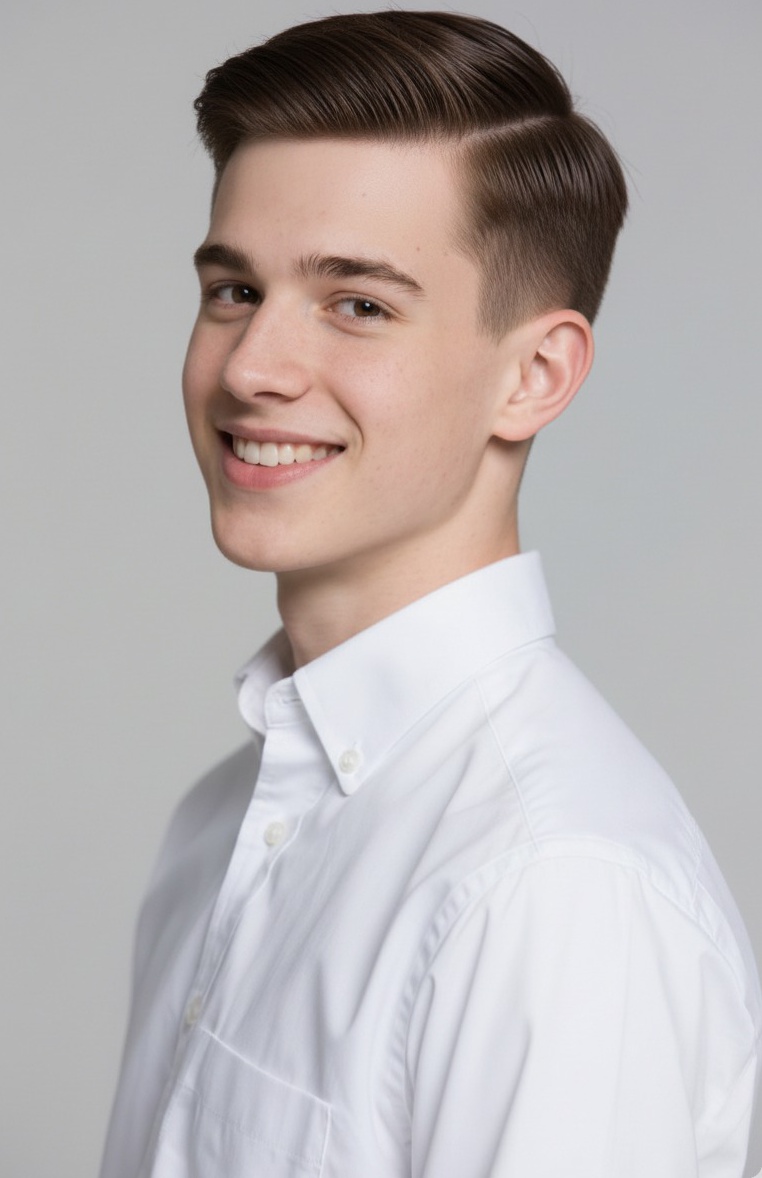
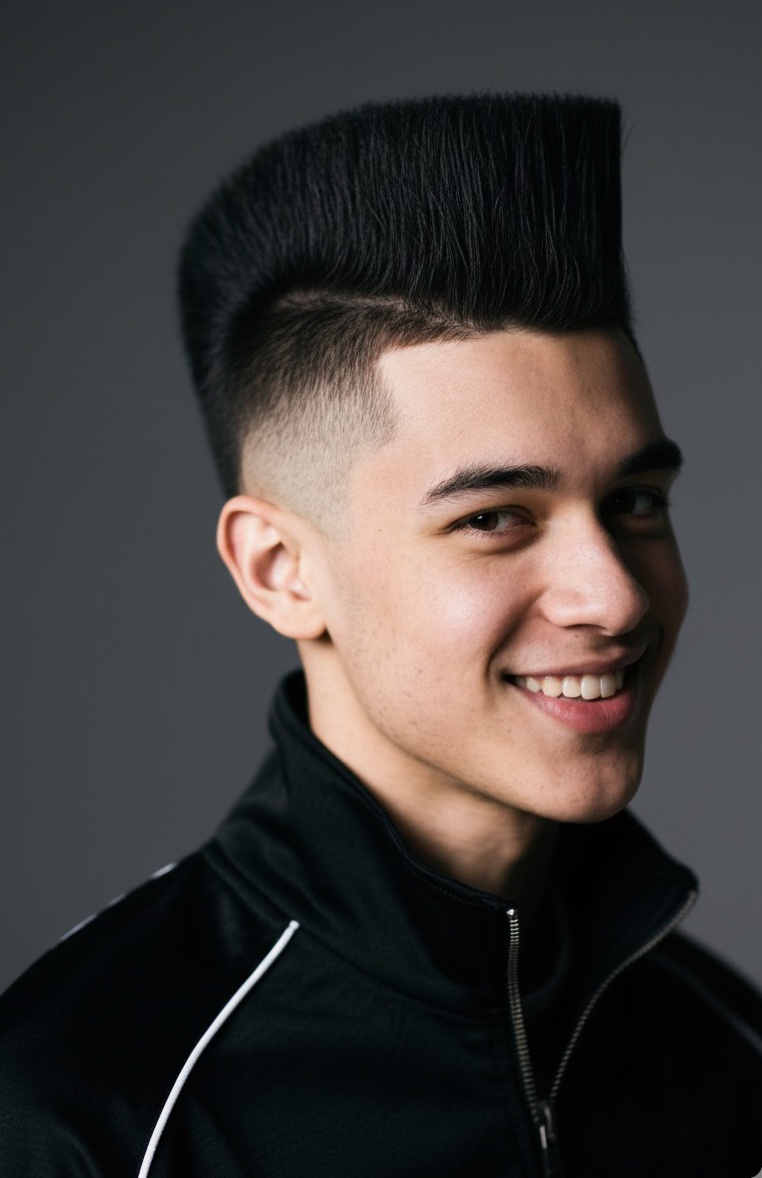
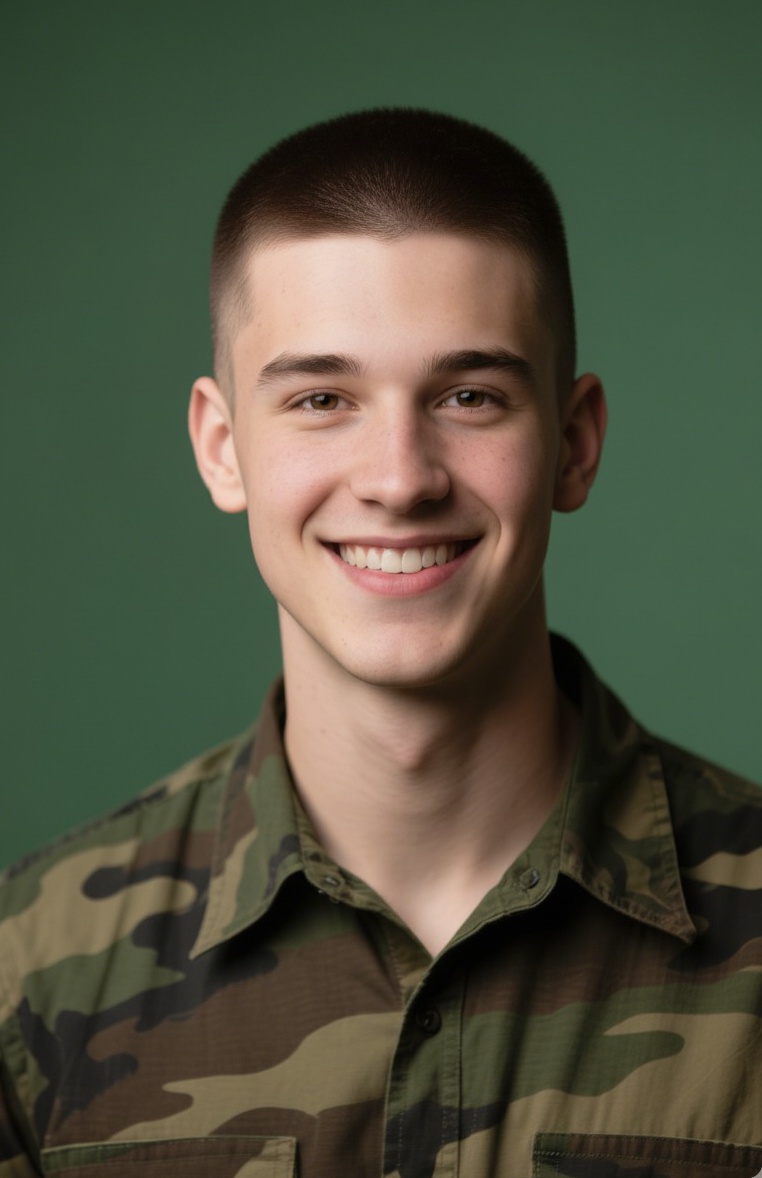
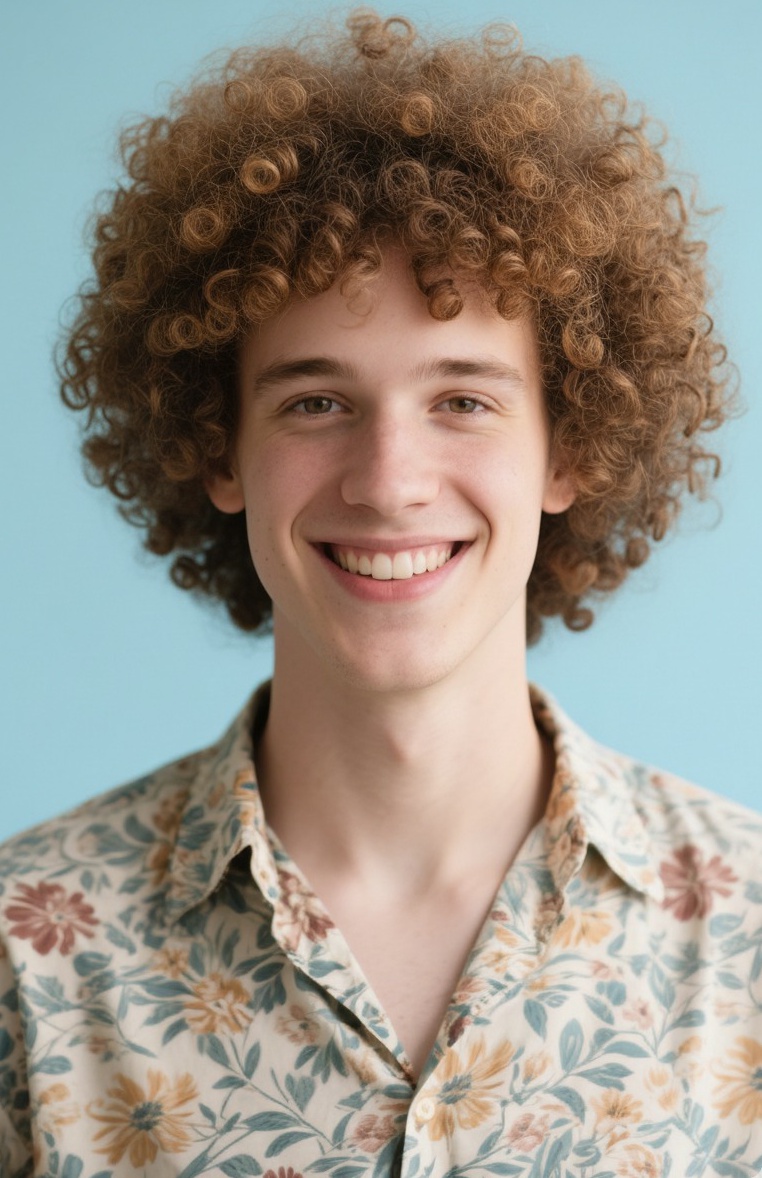
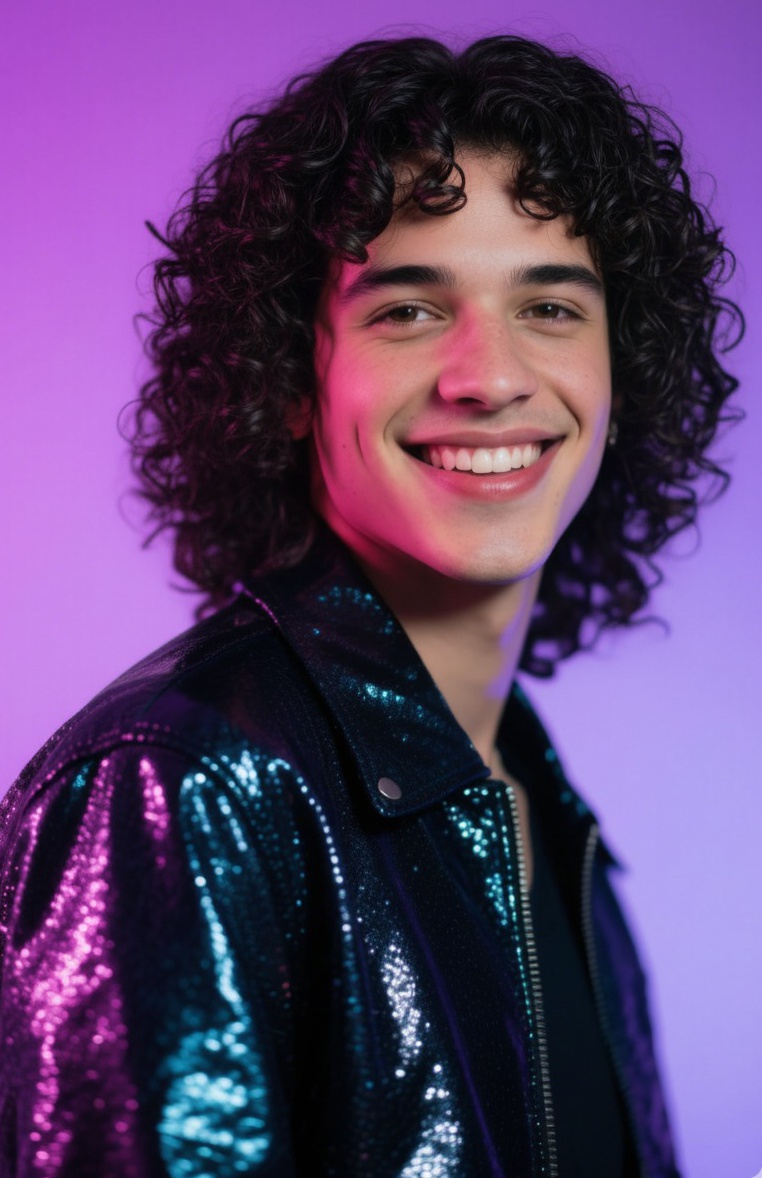
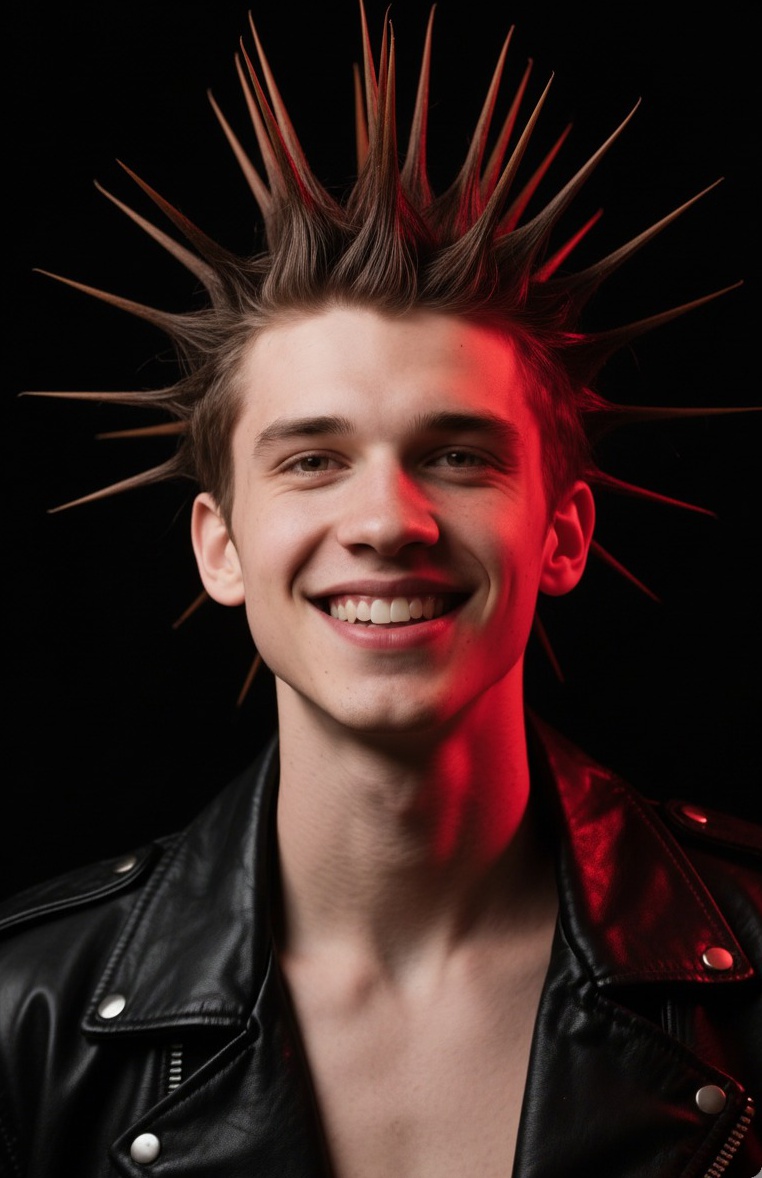
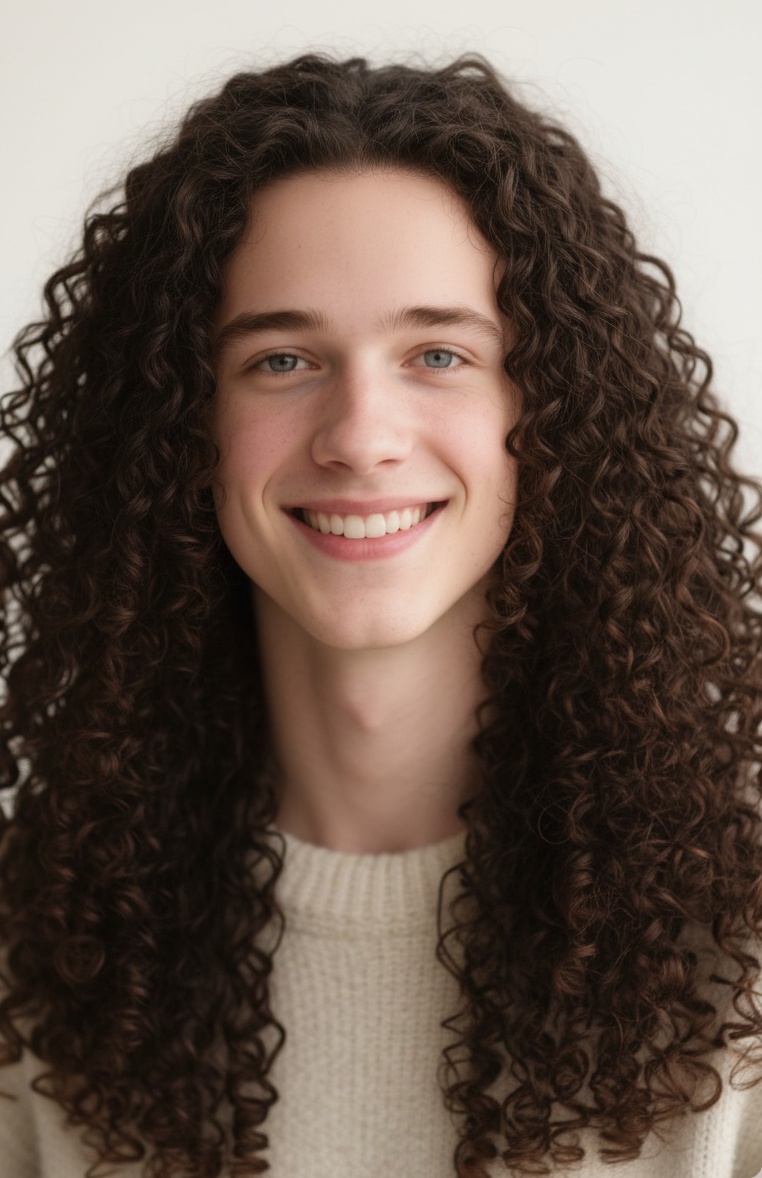
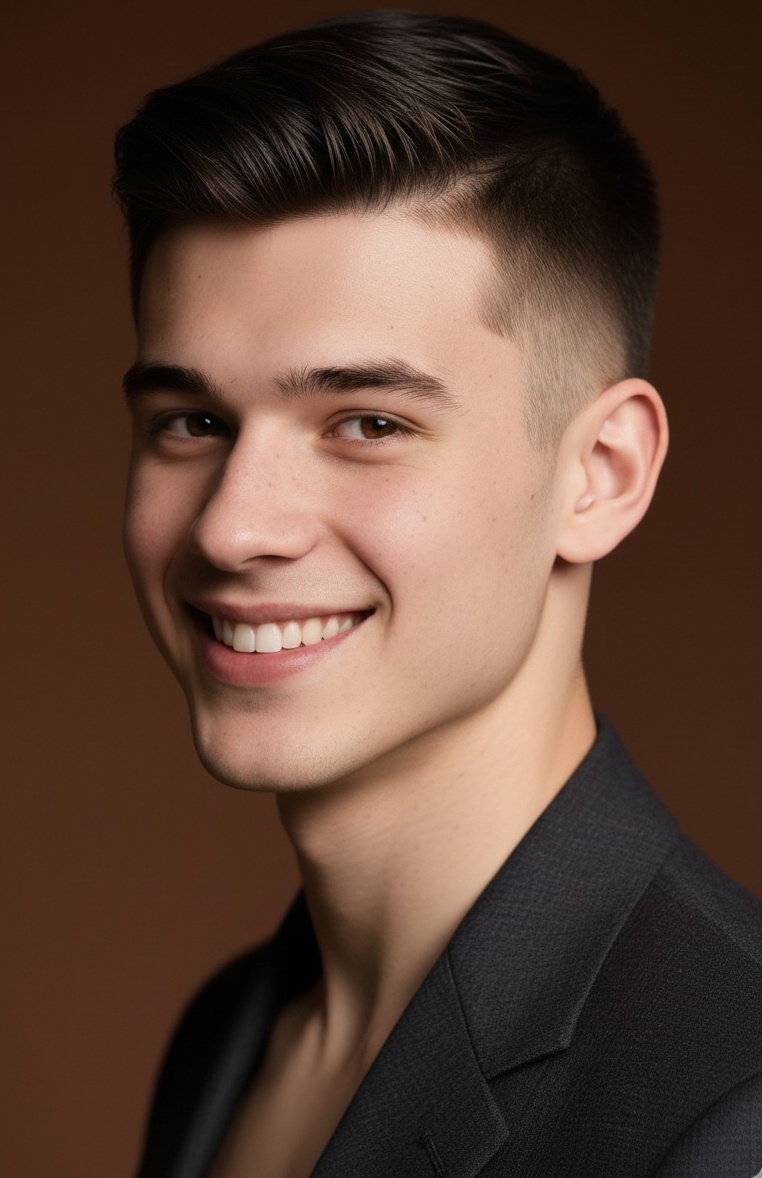
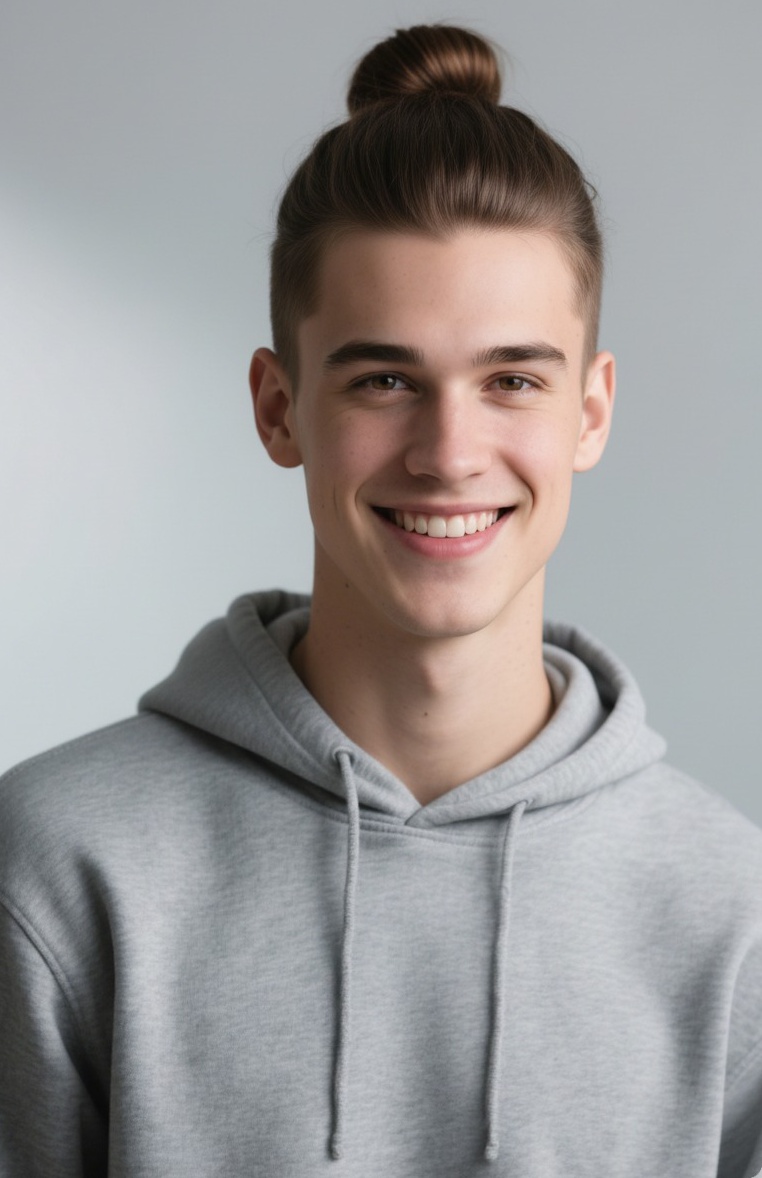
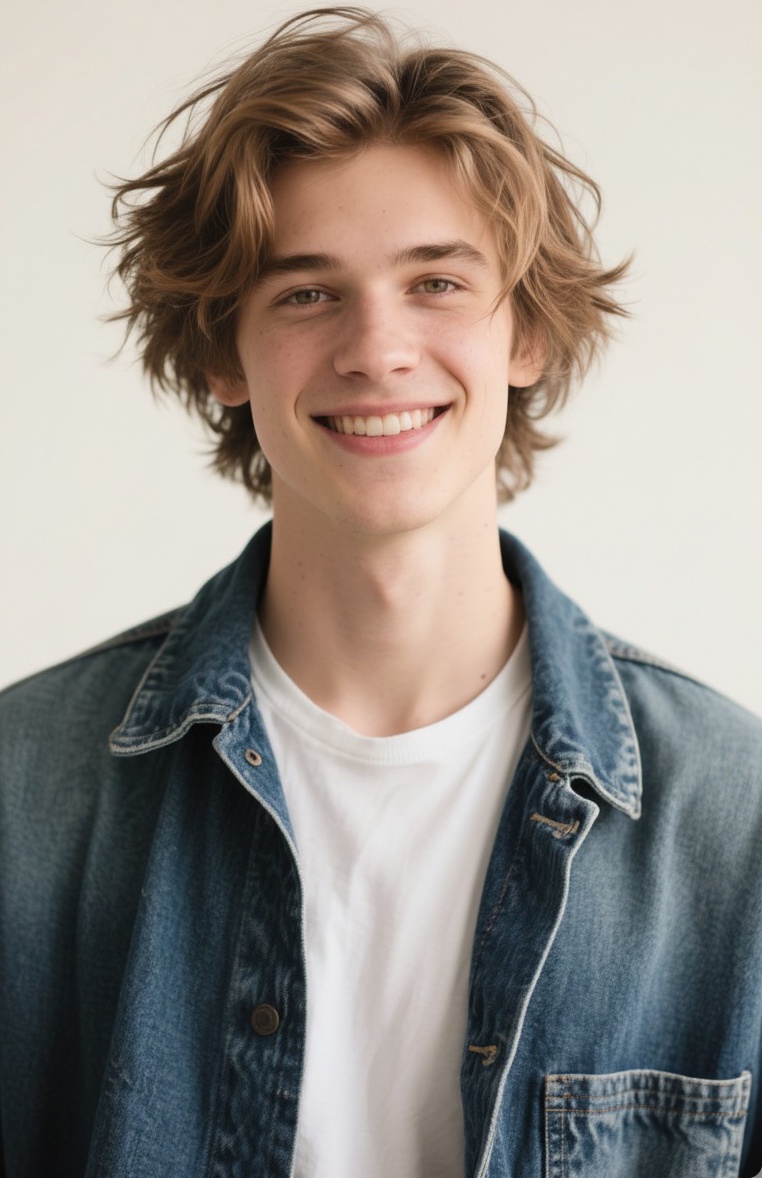
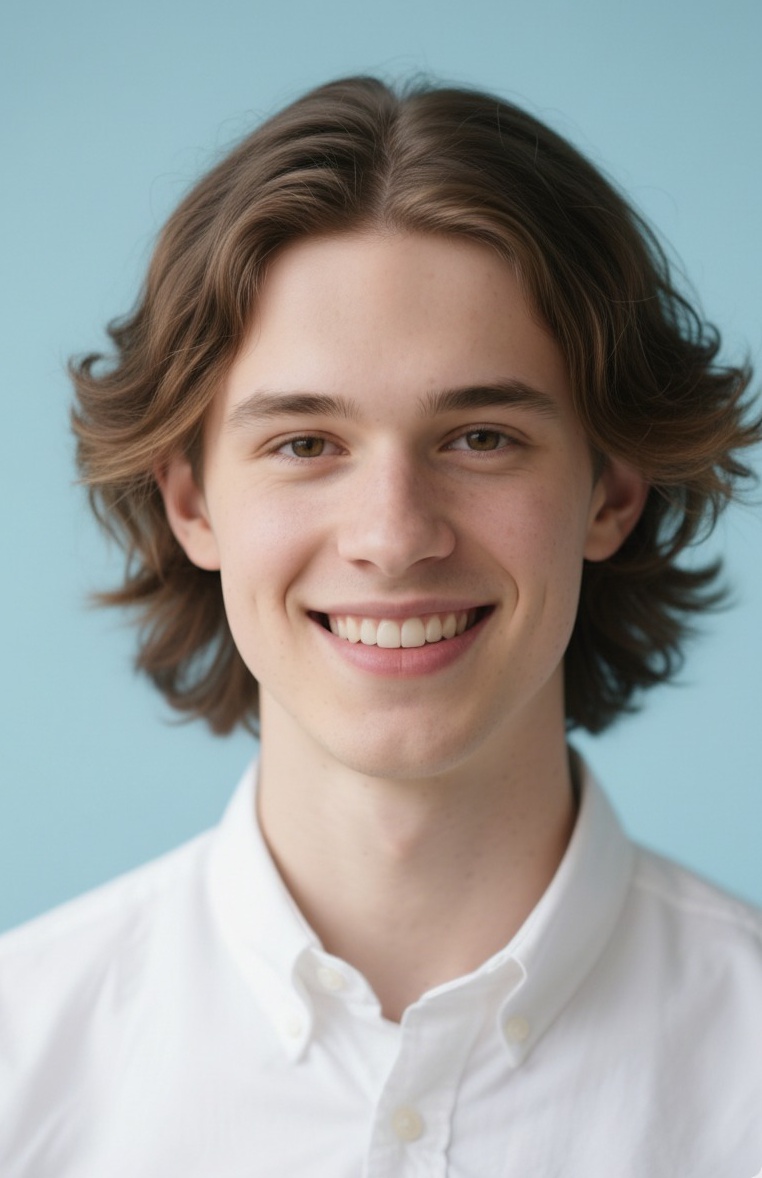
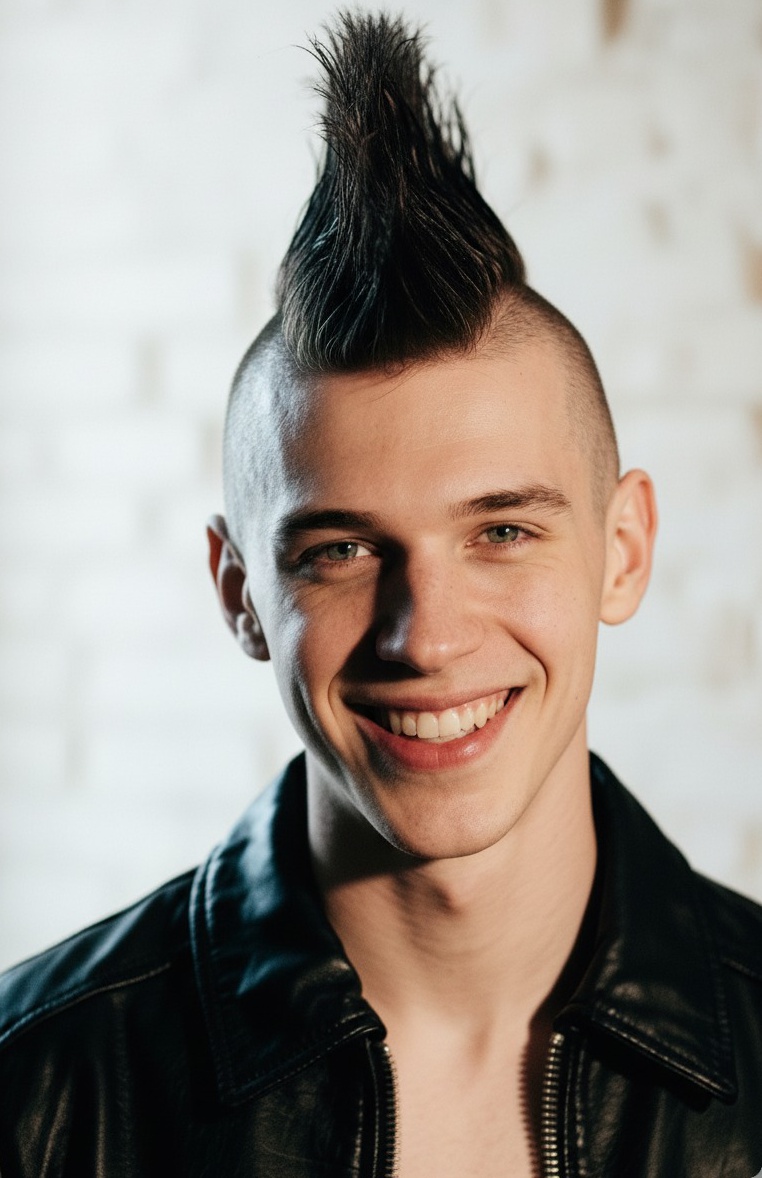
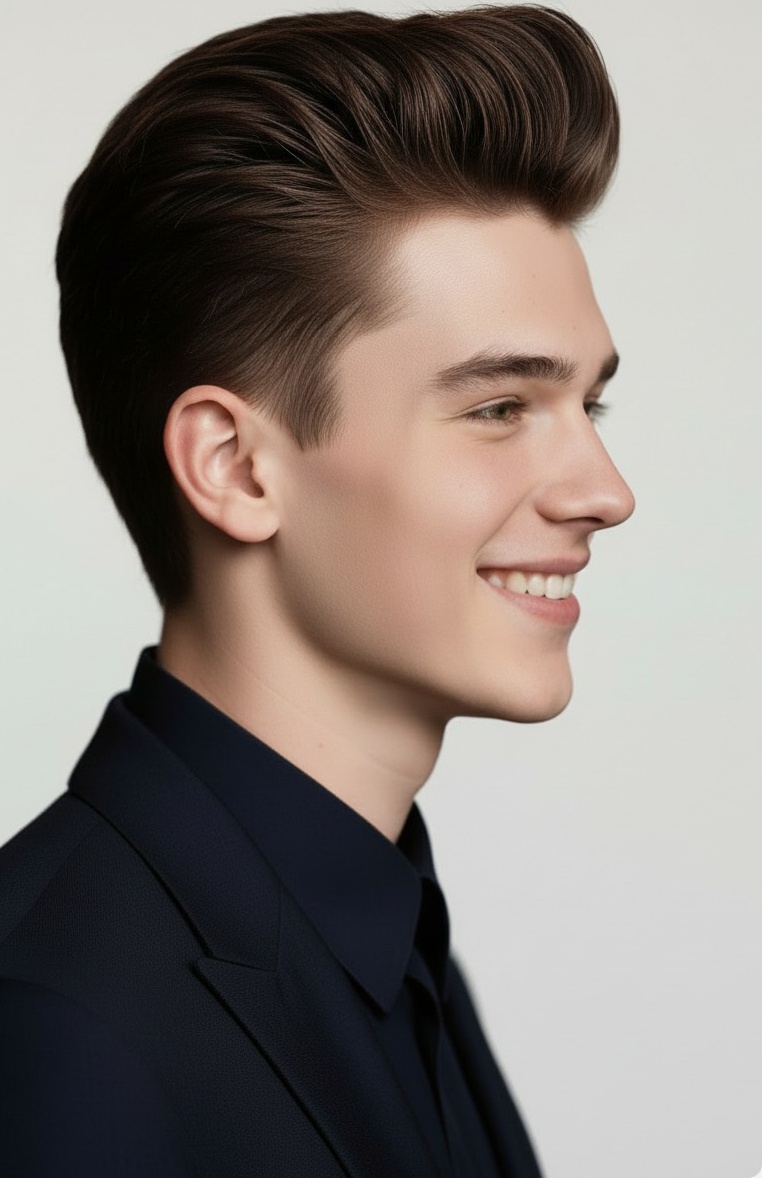
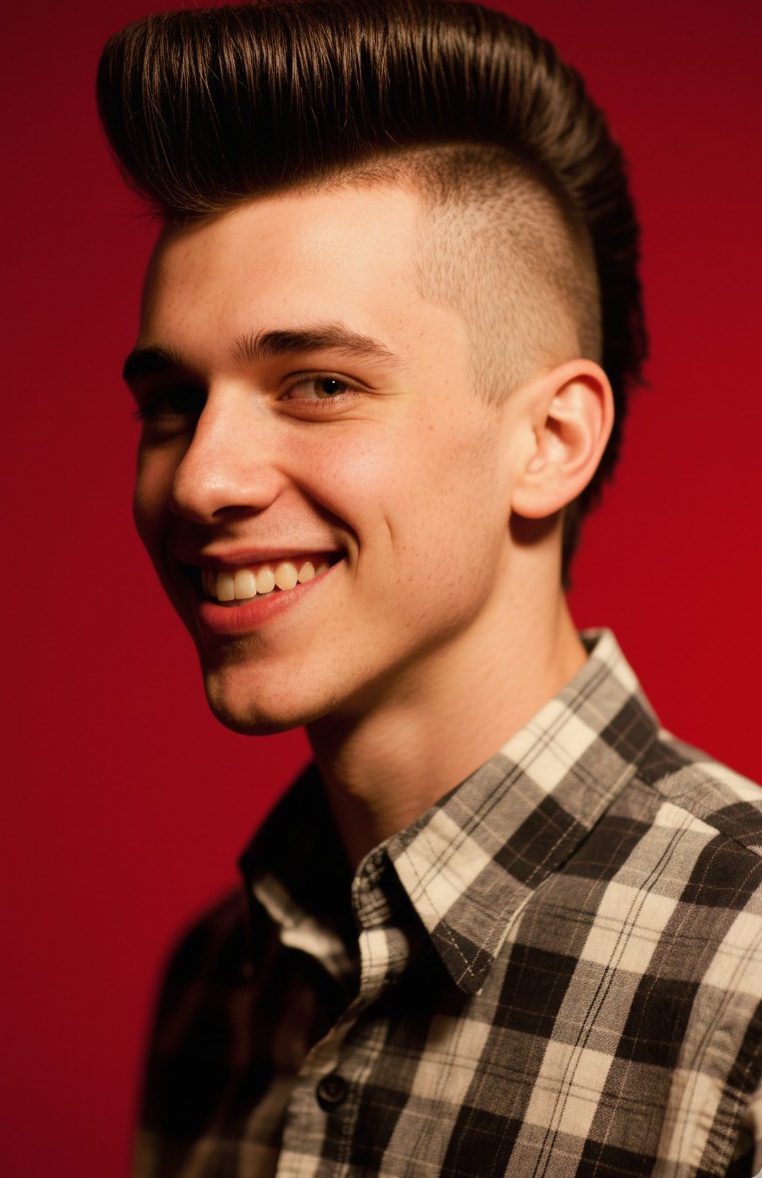
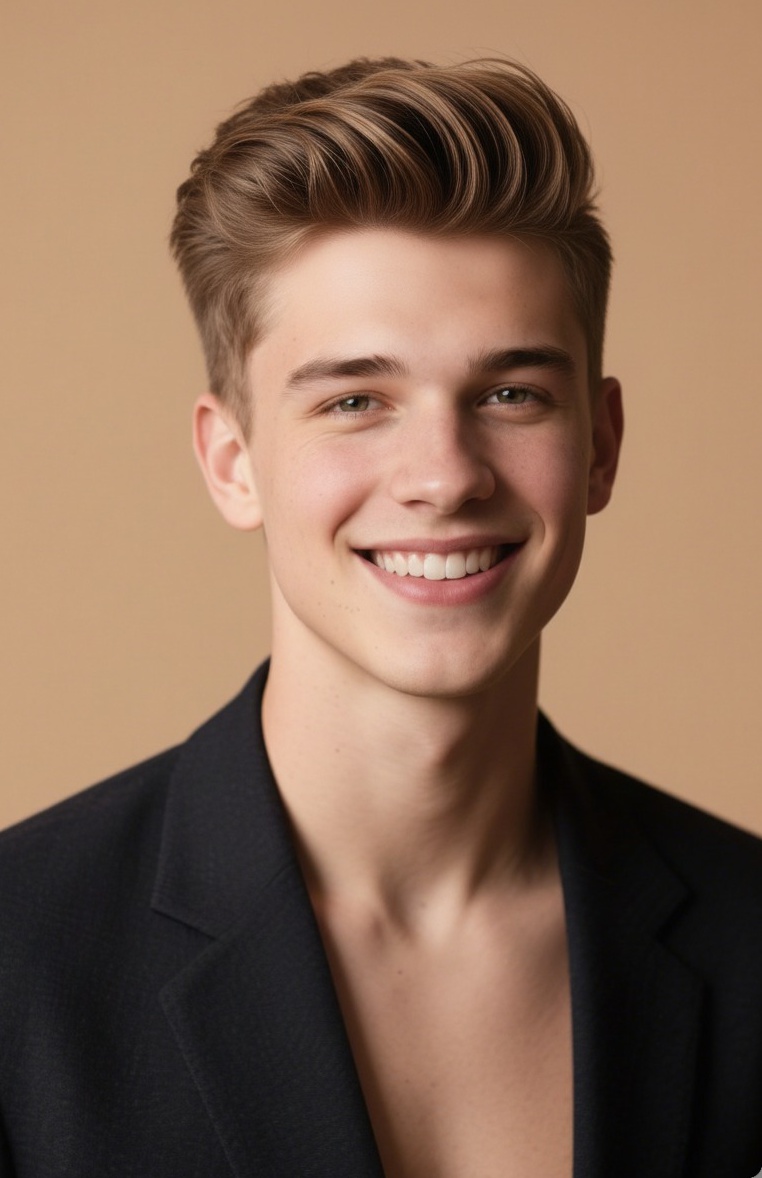
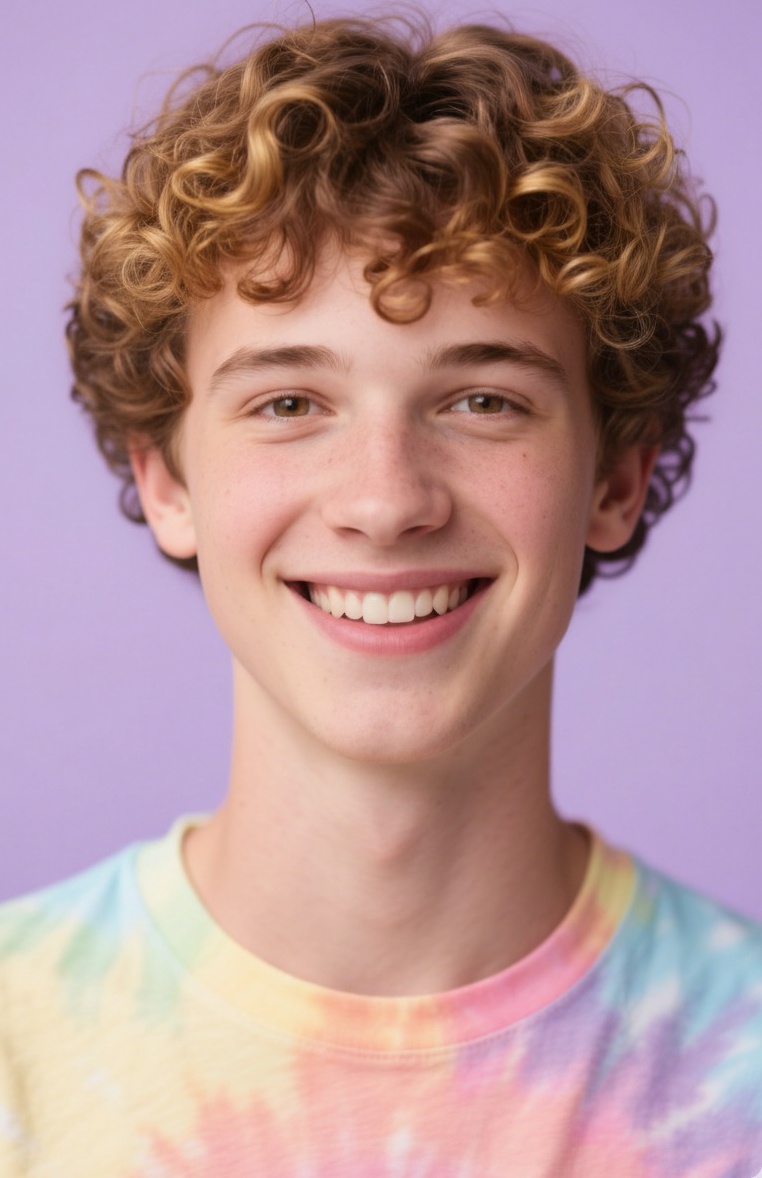
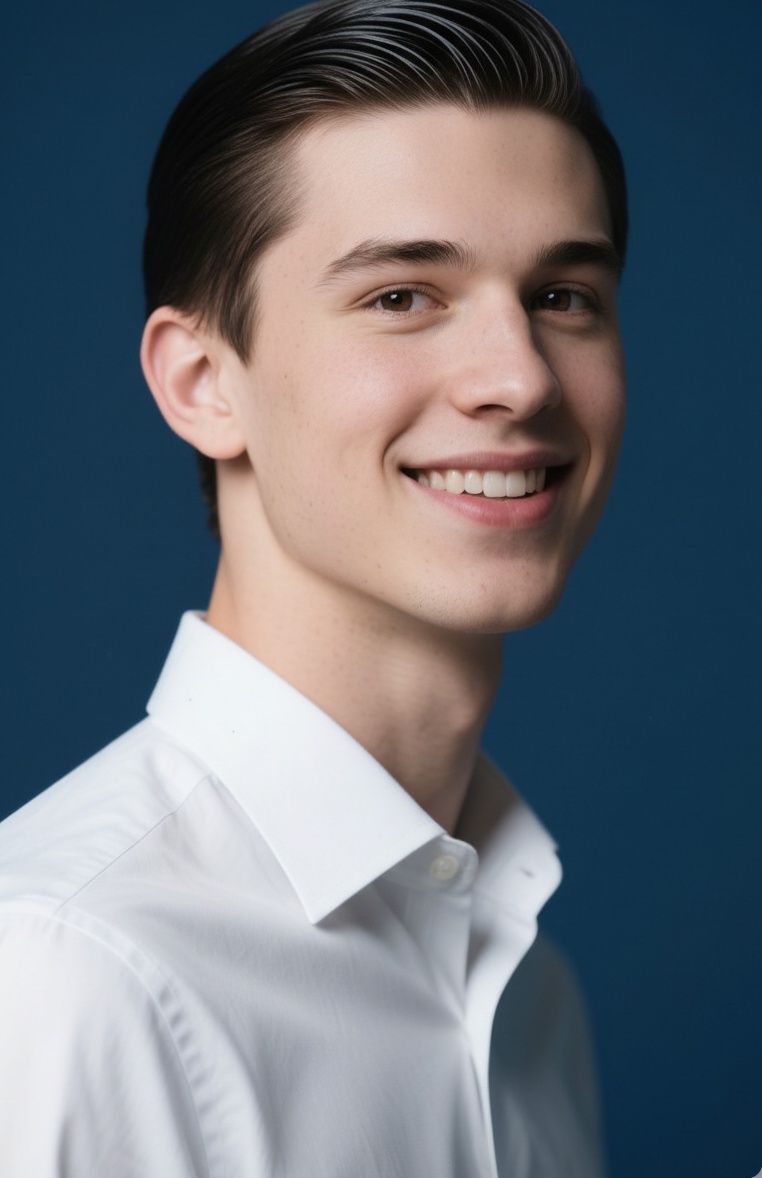
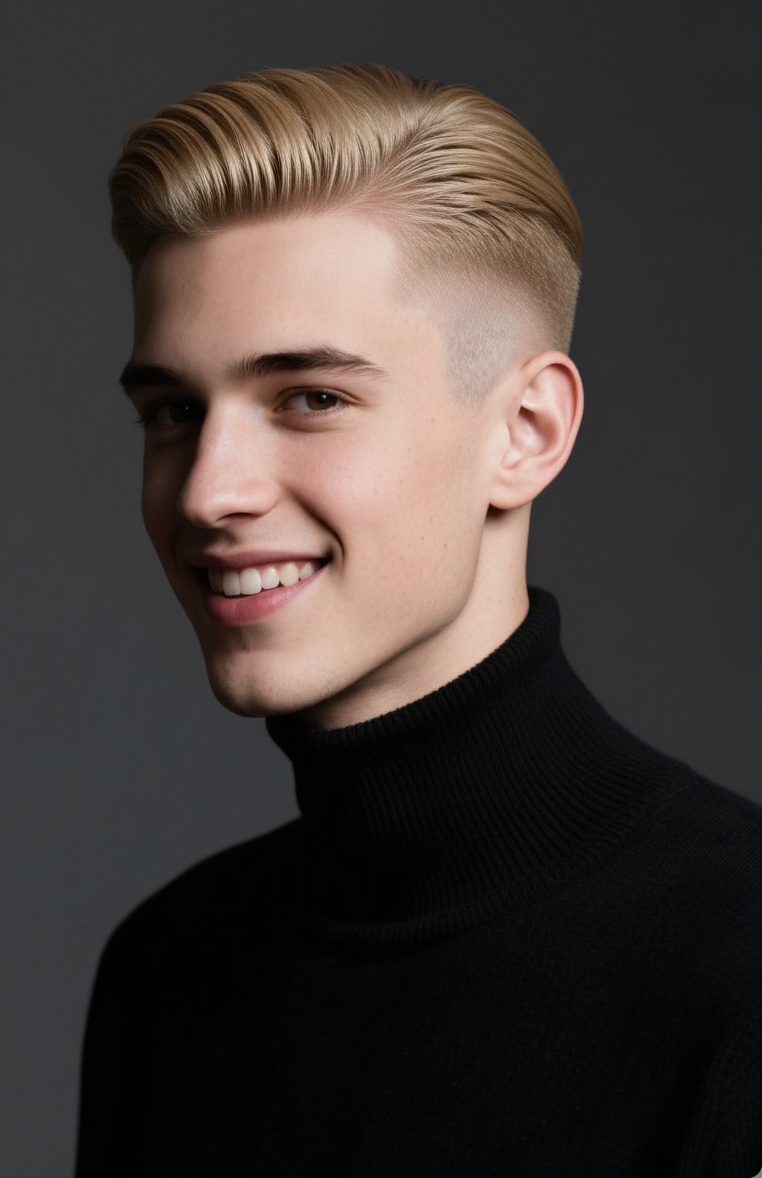
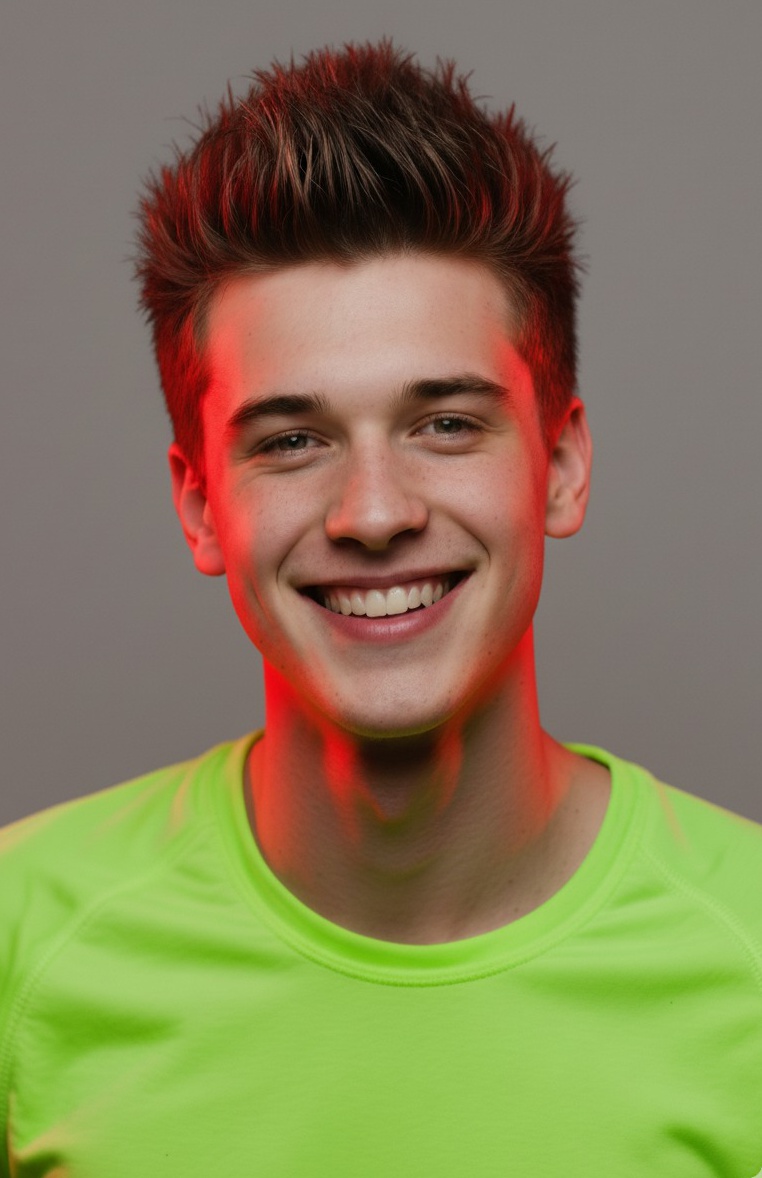
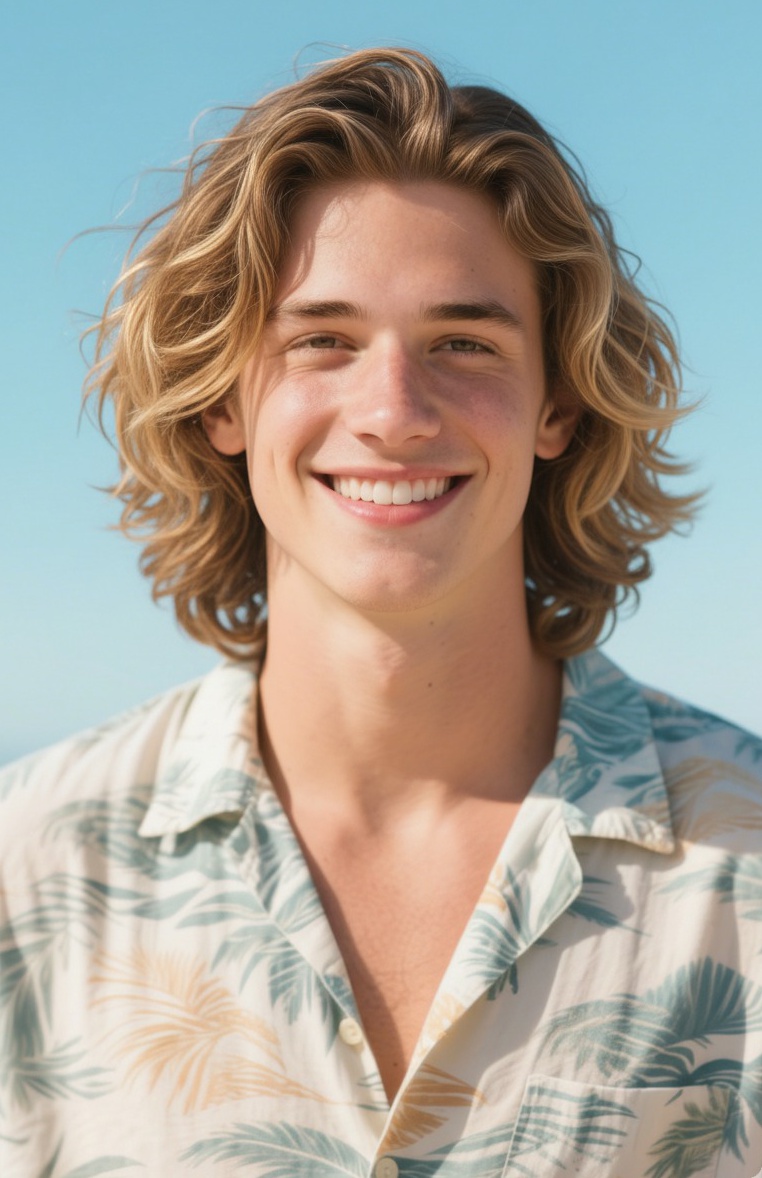
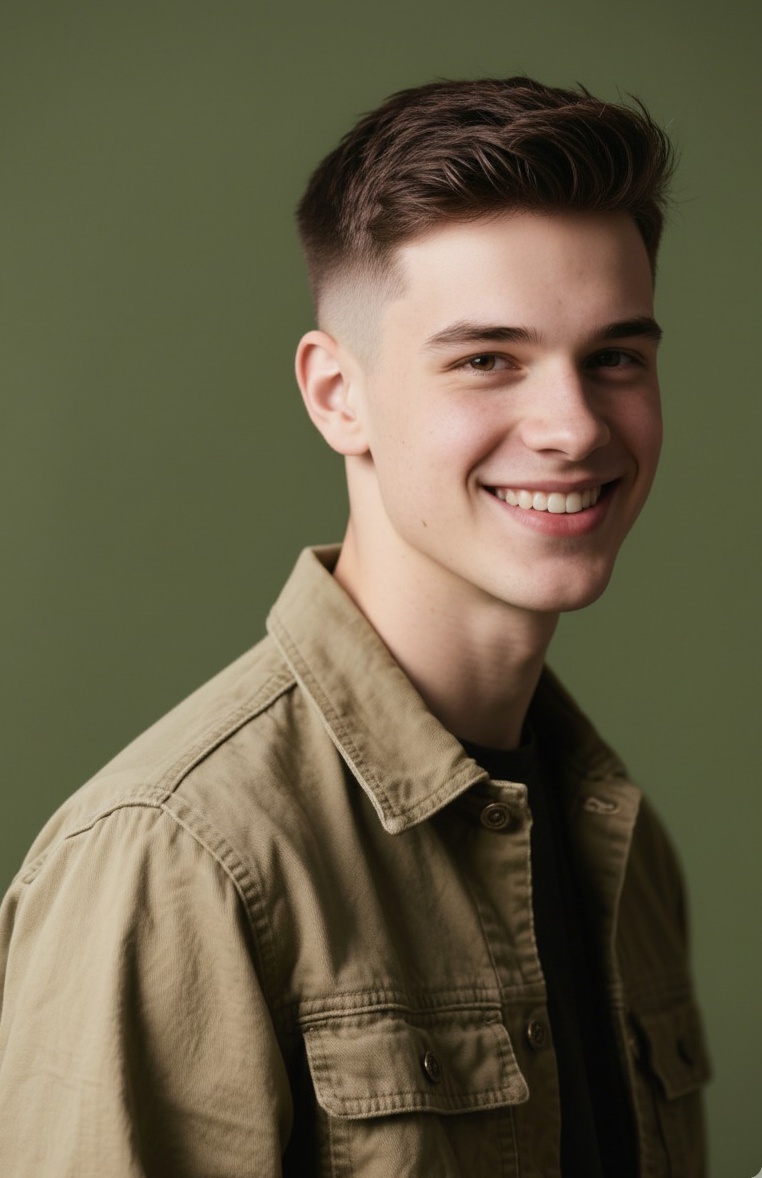
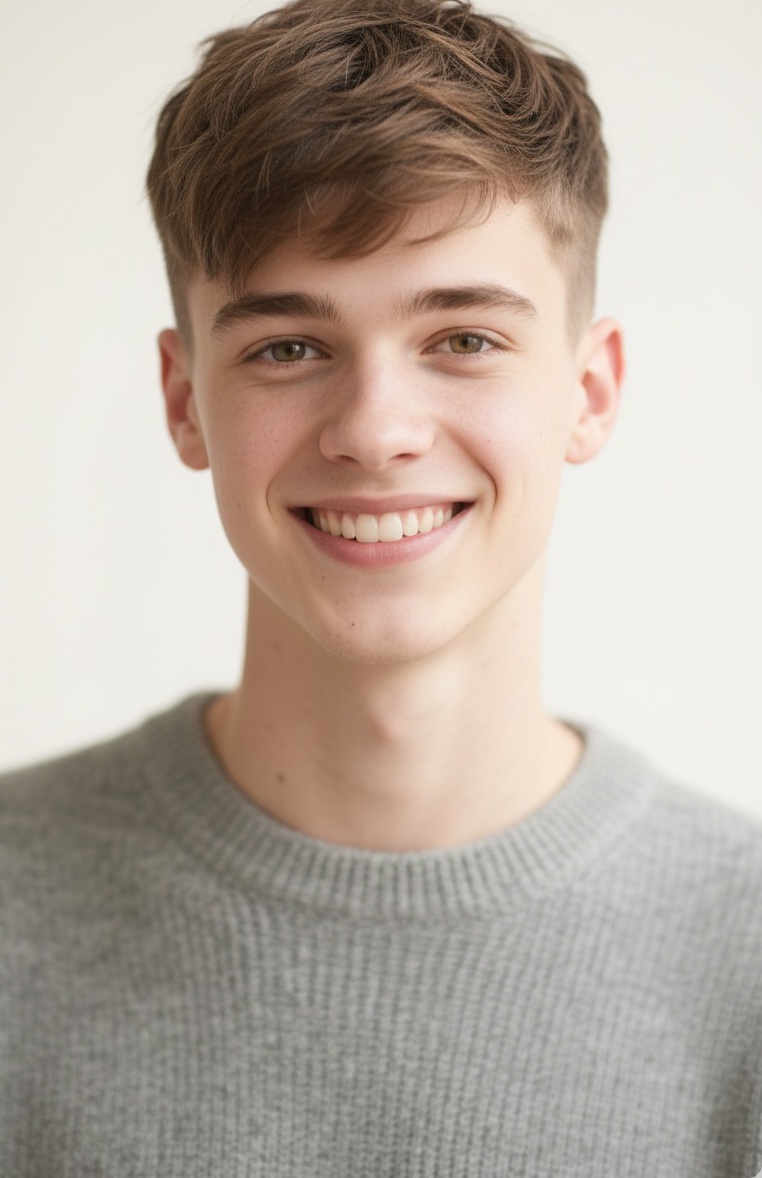
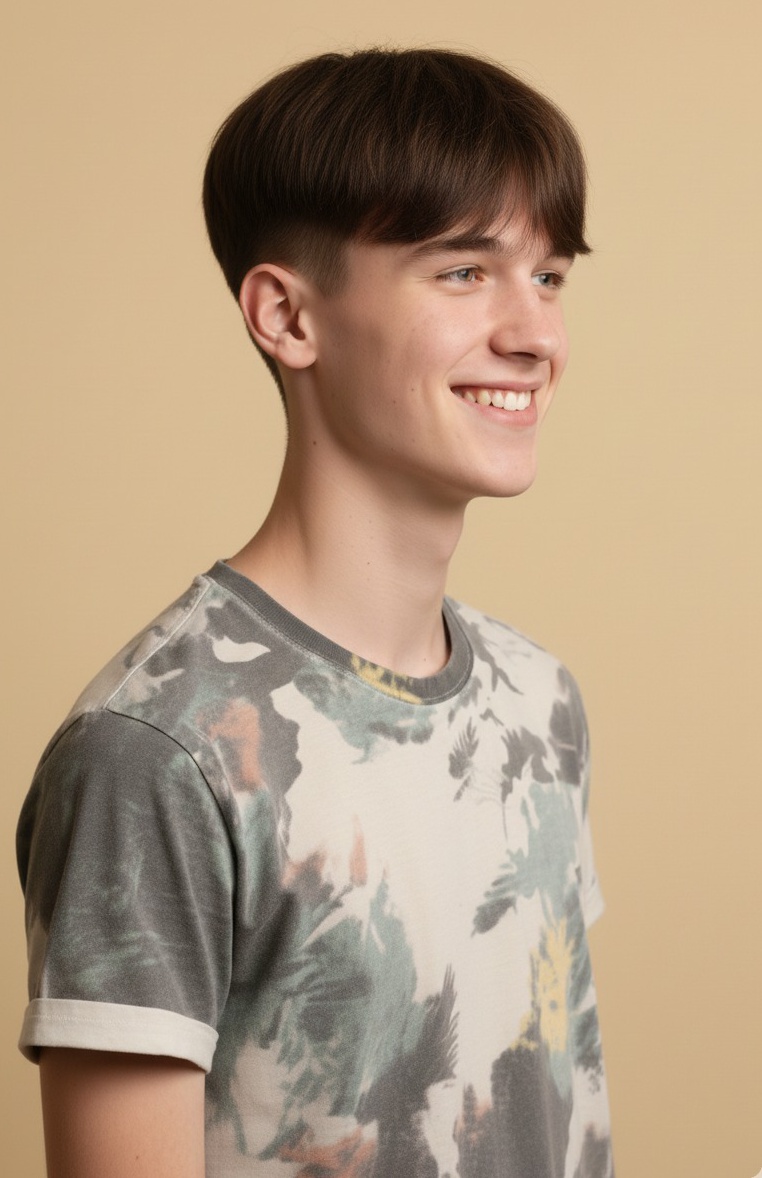
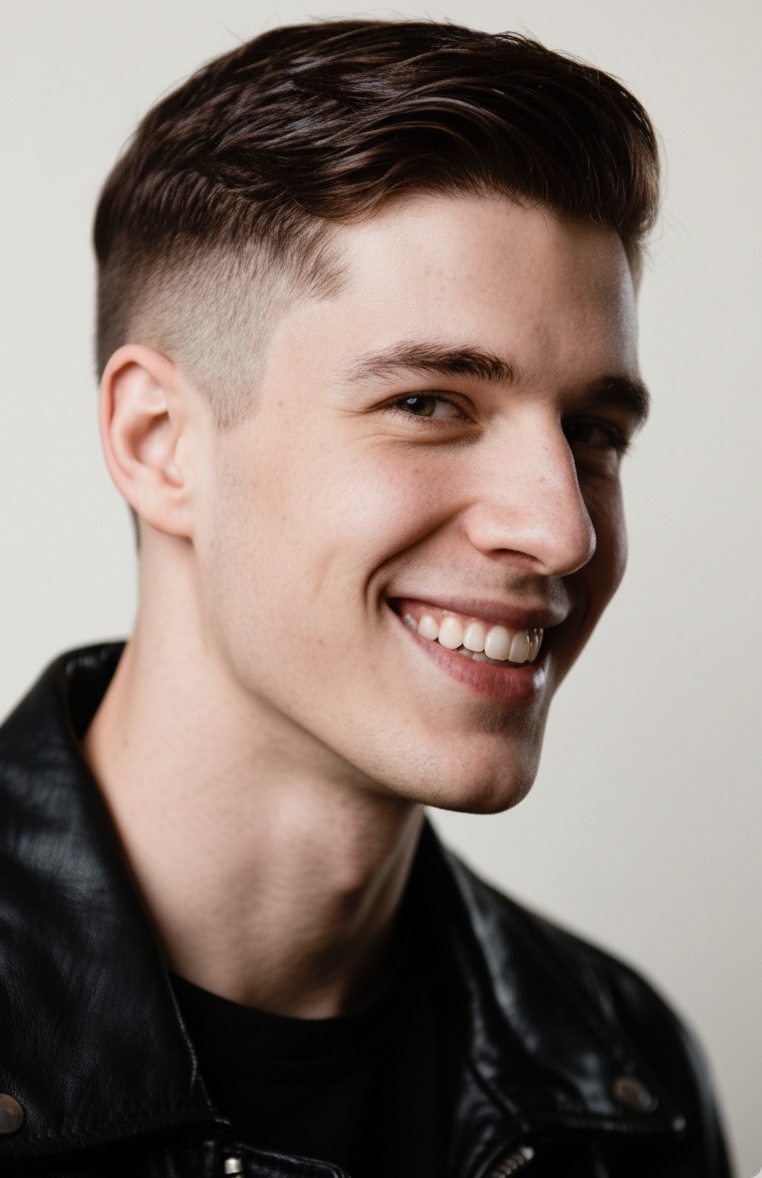
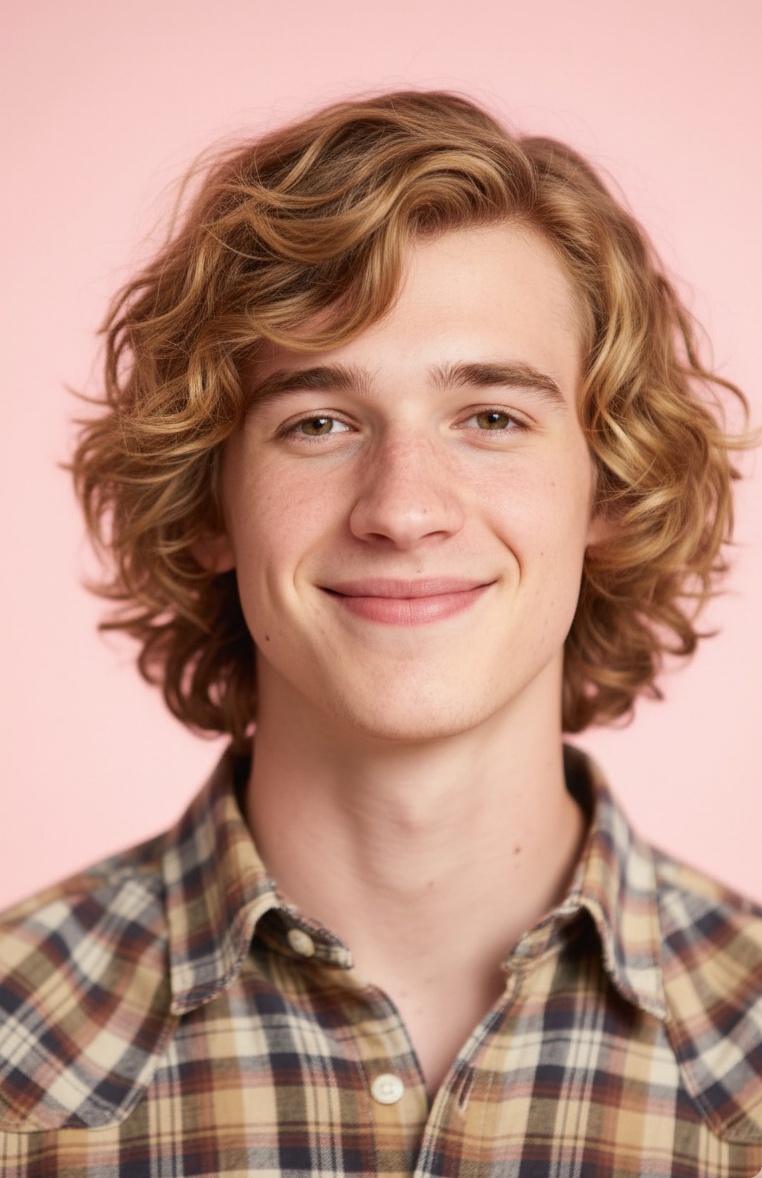
Choose your preferred style, then upload and process your photo on the left
Curtained hair is one of the most recognizable men’s haircuts of the 1990s—and in 2025 it’s fully back, upgraded with modern fades, cleaner shapes, and smarter styling. The soft middle part, longer fringe, and relaxed movement give this haircut a laid‑back, confident vibe that works from campus to creative offices and weekend nights out.
At the same time, many men still have questions: What exactly counts as “curtained hair”? Does it only work on guys with perfectly straight hair? Will it suit my face shape, or will it make my forehead look bigger? And how hard is it to style every morning? This guide breaks it all down, using real search trends and modern barbering practice—plus AI virtual try‑on—to help you decide whether curtained hair should be your next haircut.
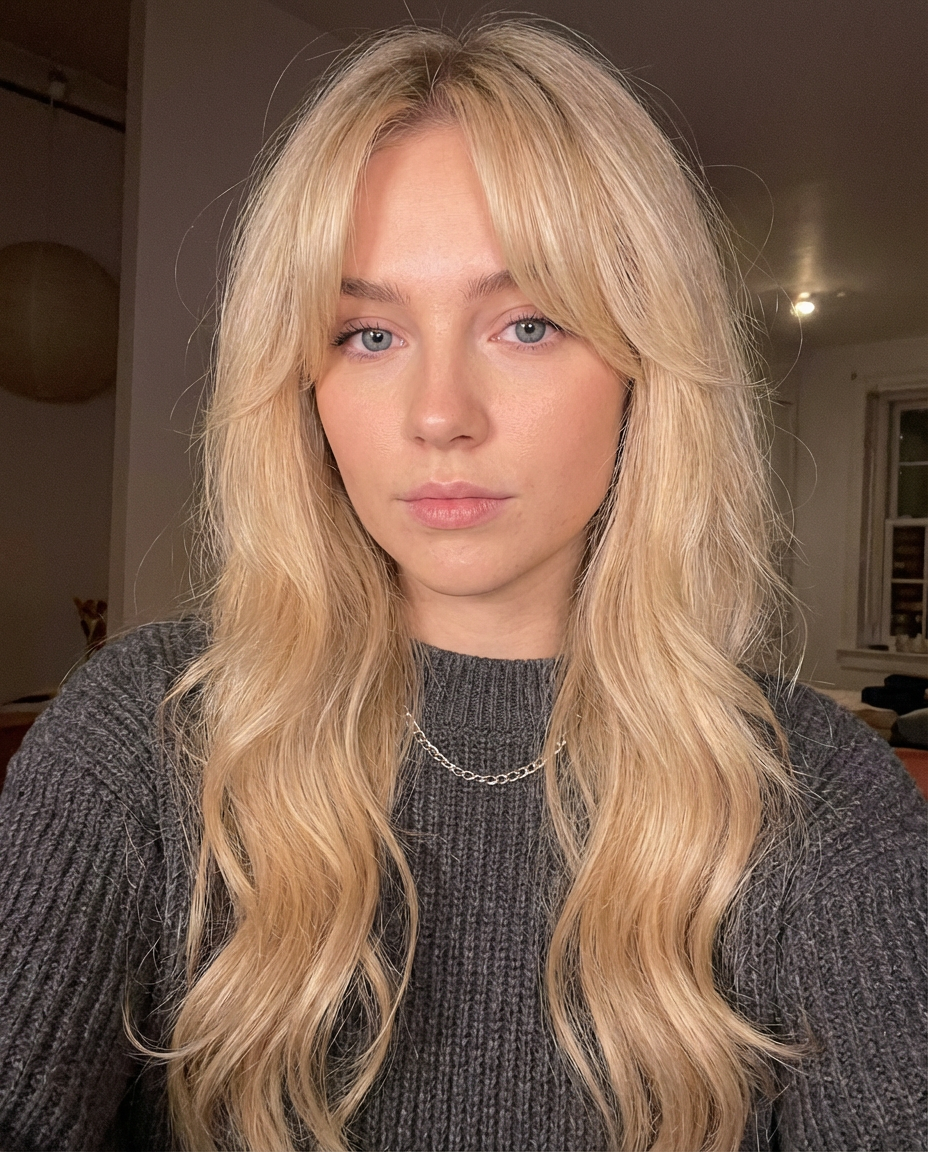
What Is Curtained Hair?
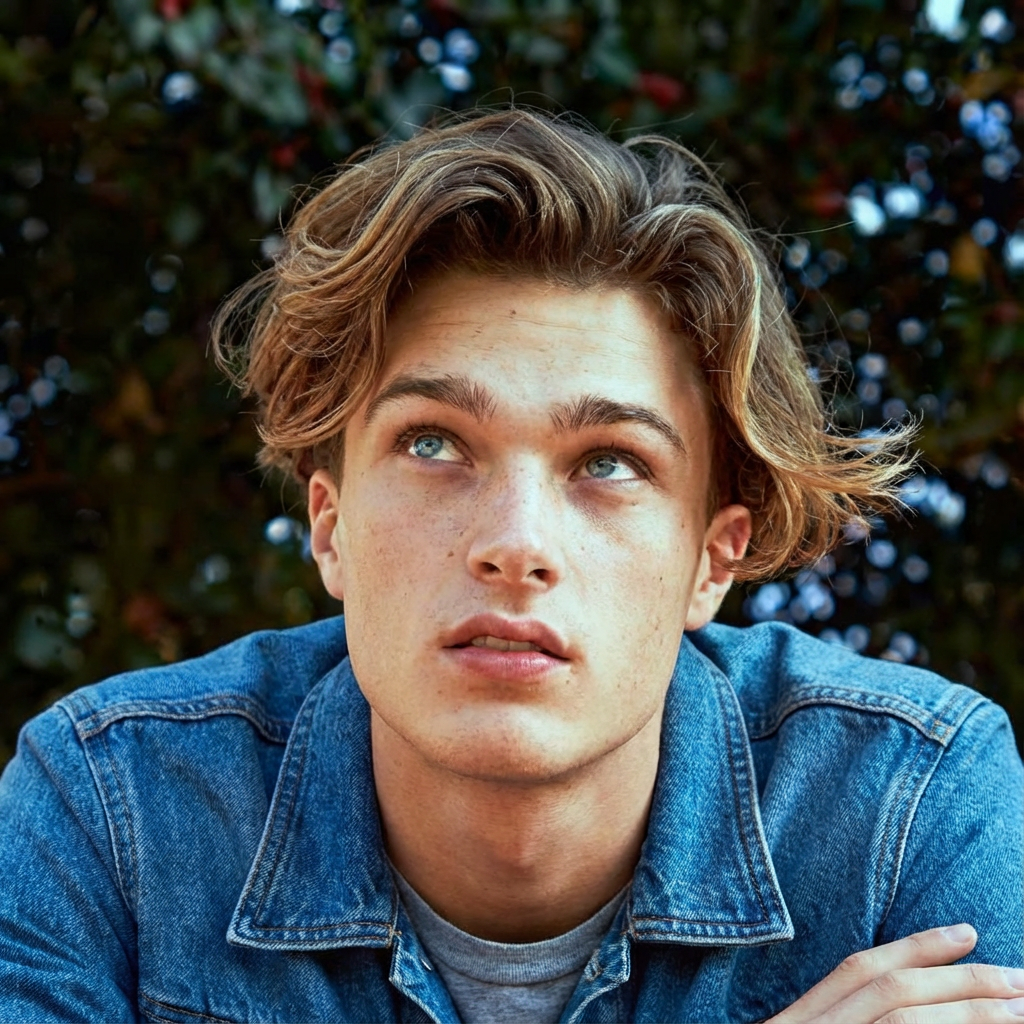
Curtained hair is a medium‑length hairstyle with a center or off‑center part and longer hair on top that falls to either side of the face like a pair of curtains. The fringe area is usually the longest, while the sides and back are cut shorter or faded so the hair naturally frames the face rather than hanging straight down.
Key characteristics:
- A visible center or soft off‑center part
- Longer top and fringe that split and fall to the sides
- Shorter, cleaner sides and back (tapered, scissor‑cut, or faded)
- Natural movement and texture rather than stiff, sprayed hair
Unlike a classic side part, curtained hair is less formal and more relaxed. It suits a wide range of personal styles—from “soft boy” aesthetics to retro‑inspired rock looks—without locking you into one subculture.
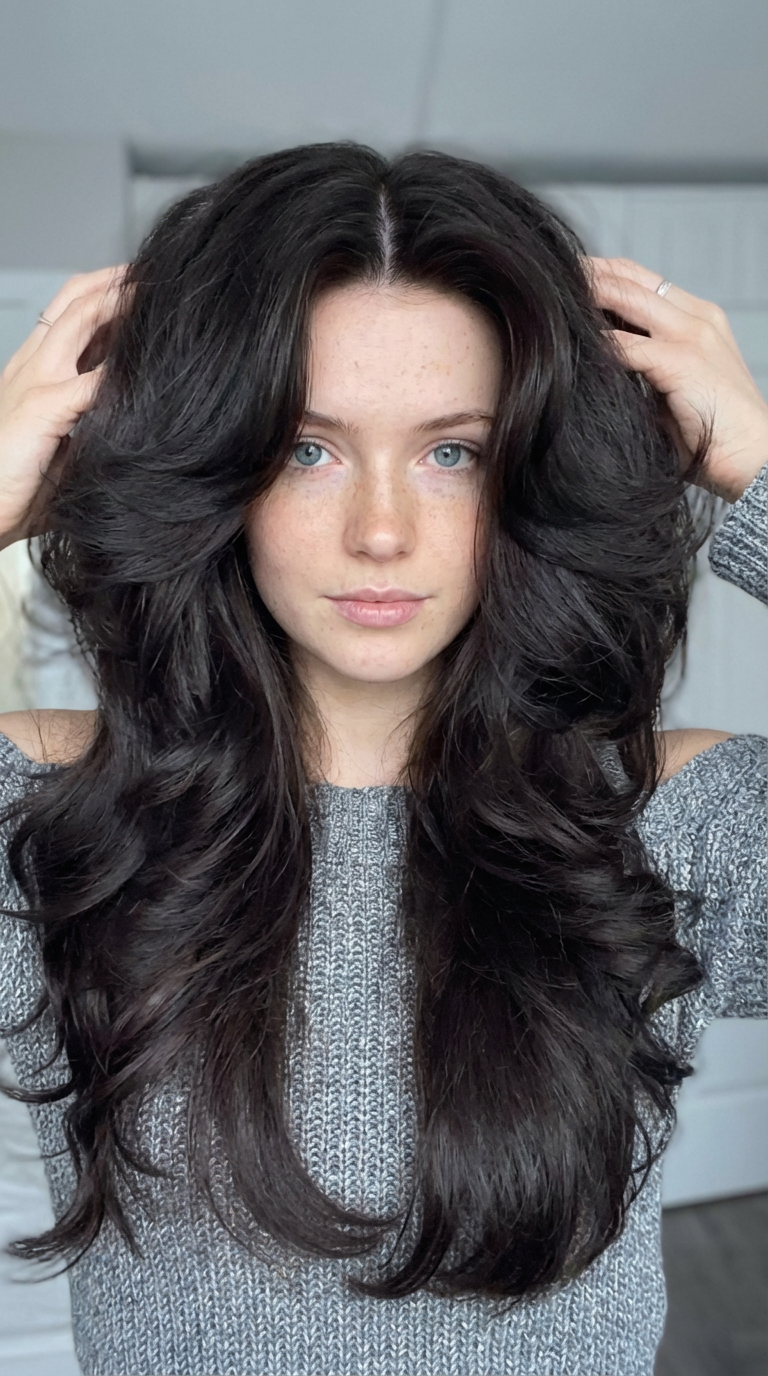
Who Does Curtained Hair Suit? Face Shape Guide
Curtain haircuts are surprisingly versatile when they’re tailored to your features. The key is adjusting length, parting, and side shape to balance your face.
Oval faces
Oval faces are the easiest match. Most curtained styles work: short, cheekbone‑length, or even longer versions. Ask your barber to keep some volume on top, let the fringe skim the brows or cheekbones, and keep the sides neat rather than bulky.
Square faces
If you have a strong jaw and broad forehead, curtained hair can soften angles without hiding them. Try:
- Slightly longer fringe that falls just below the brows
- Gentle texture through the front instead of a razor‑sharp part
- Tapered or low‑fade sides to keep the silhouette clean
The result is a look that stays masculine but a bit more approachable.
Diamond faces
Diamond faces (wide cheekbones, narrower forehead and chin) benefit from curtain bangs that visually widen the upper third of the face. A center or soft off‑center part with a medium‑length curtain fringe helps balance the cheekbones while still showing them off.
Round faces
Curtained hair can work on round faces as long as you avoid too much width at cheek level. Go for:
- Slightly longer curtains that hit below the cheekbones
- Extra height and texture near the part
- Sides that are tapered or faded to create vertical lines
This adds structure and makes the face look more oval.
Heart and oblong faces
For heart‑shaped faces, a curtain fringe with some width and gentle volume helps balance a wider forehead. On oblong faces, avoid too much extra height; keep the top fairly flat and let the curtains sit near cheek level to visually shorten the face.
If you’re unsure which variation fits you best, use BlondeFilter’s AI hairstyle filter to preview several curtained‑hair options on your own face before you commit.
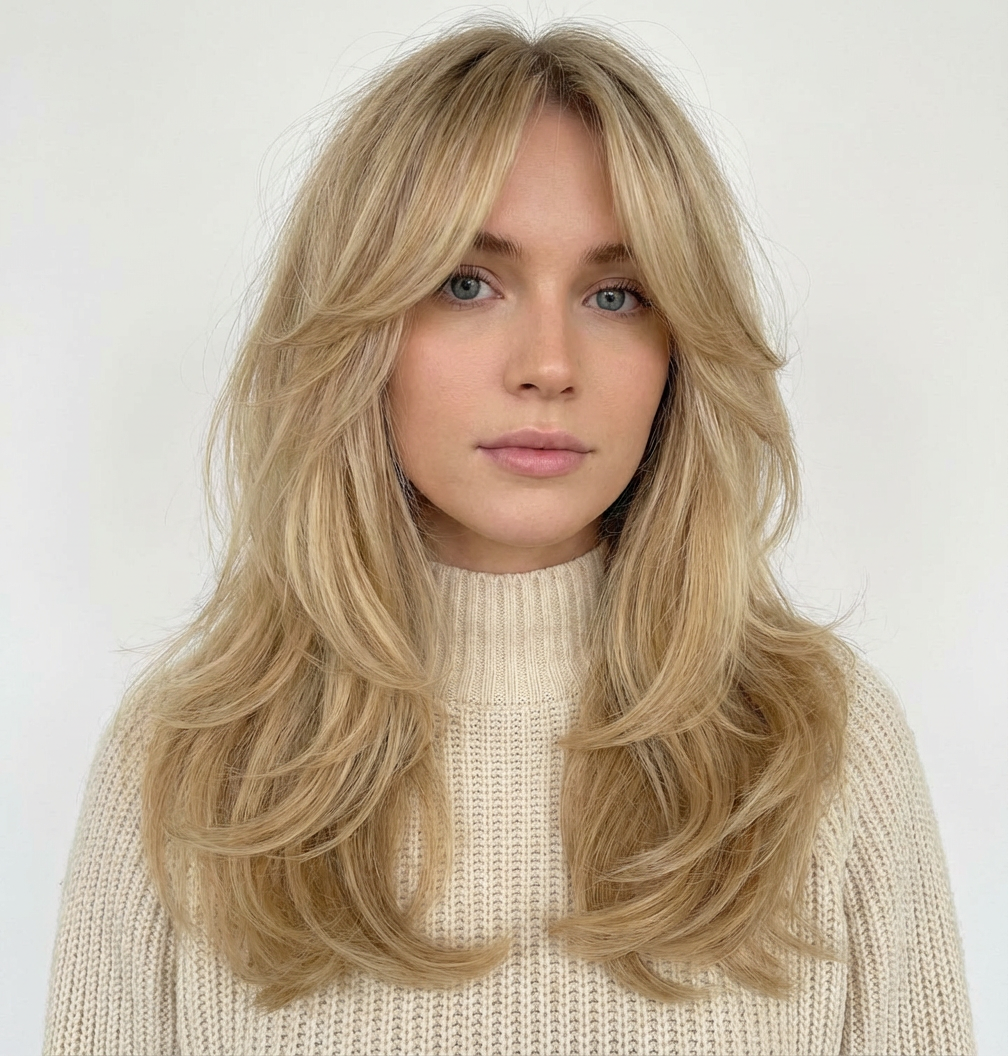
Popular Curtained Hair Variations in 2025
Classic Middle‑Part Curtains
This is the most iconic version: mid‑length fringe parted down the middle, with the front sections falling to the cheekbones. The sides and back are scissor‑cut or lightly tapered for a soft outline. It works especially well on straight or softly wavy hair.
Ask your barber for:
- Length that reaches between the brow and cheekbone
- A natural center part created with the cut, not just styling
- Light internal layering so the ends don’t look bulky
Wavy Curtains with Texture
If you have naturally wavy hair, lean into it. Wavy curtained hair adds volume and movement while keeping the center part as a focal point. The waves soften the look and make it feel lived‑in rather than perfectly polished.
Styling tips:
- Use a lightweight curl cream or sea salt spray on damp hair
- Let it air‑dry or diffuse on low heat to keep definition
- Break up any heavy clumps with your fingers instead of a brush
Curtained Hair with Fade or Undercut
Pairing curtain fringe with a fade or undercut creates a sharper, more modern silhouette. The sides are taken very short—sometimes to skin—while the top and fringe remain longer and split over the forehead.
Good for:
- Guys who like clean, barbershop‑fresh edges
- Higher contrast between top and sides
- Combining retro curtains with modern fade culture
You’ll see this variation a lot on social media because it photographs extremely well from the side.
Messy, Casual Curtains
Not every curtain needs to be perfectly styled. A messy version keeps similar length but emphasizes natural movement and separation. It’s ideal if you prefer an effortless, artsy look.
To style:
- Towel‑dry hair, apply a light matte cream or paste
- Use your hands to push the fringe into a loose center or off‑center part
- Let pieces fall naturally; avoid over‑combing
How to Ask Your Barber for Curtained Hair
Walking into the shop and simply saying “curtains” can lead to miscommunication. Use more precise language:
- Bring a reference photo (or BlondeFilter AI preview) that shows the exact length and part you want.
- Specify how short you want the sides (taper vs. low/mid fade vs. undercut).
- Explain whether you want the fringe to sit at the brow, mid‑forehead, or closer to the cheekbones.
- Mention your styling habits—if you want something low‑effort, ask for softer layers and less daily product.
The clearer you are, the easier it is for your barber to customize the cut to your hair type and lifestyle.
Styling & Maintenance Tips
Curtained hair is relatively forgiving but still benefits from simple routines.
Daily styling
- Start with clean, towel‑damp hair.
- Apply a small amount of lightweight cream, mousse, or sea salt spray.
- Create your part with your fingers or a comb.
- Blow‑dry on low heat while directing the fringe away from the face, or let it air‑dry for more natural texture.
Trims and shape‑ups
- Expect to visit the barber every 4–6 weeks to keep the sides neat and the fringe at the ideal length.
- If you wear a fade on the sides, you may prefer a 3–4 week schedule to keep the contrast sharp.
Products to keep on hand
- Matte paste or cream for everyday texture
- Light hairspray if you want extra hold without stiffness
- Heat protectant if you regularly blow‑dry or use hot tools
Try Curtained Hair Virtually Before You Commit
Still unsure whether curtained hair will suit your face shape, hair density, or personal style? Instead of guessing, you can test it first. With BlondeFilter’s AI hairstyle filter, you can:
- Upload a clear selfie
- Preview different curtained‑hair variations (classic, wavy, faded, messy)
- Compare how each option frames your face and works with your features
This virtual try‑on step dramatically reduces the risk of haircut regret and gives you a concrete reference to bring to your barber. If you love how curtained hair looks in your preview, you’ll walk into the shop with confidence—and walk out with a cut that feels intentional, modern, and very you.