
Crew Cut Men's Hairstyle | BlondeFilter AI Hairstyle Try‑On
Explore the classic crew cut for men. Learn styling tips, face shape guides, fade variations, and how to ask your barber. Try it virtually with BlondeFilter AI.


Click or drag photos here to upload
Supports JPG, PNG formats, max 5MB, JPEG format recommended


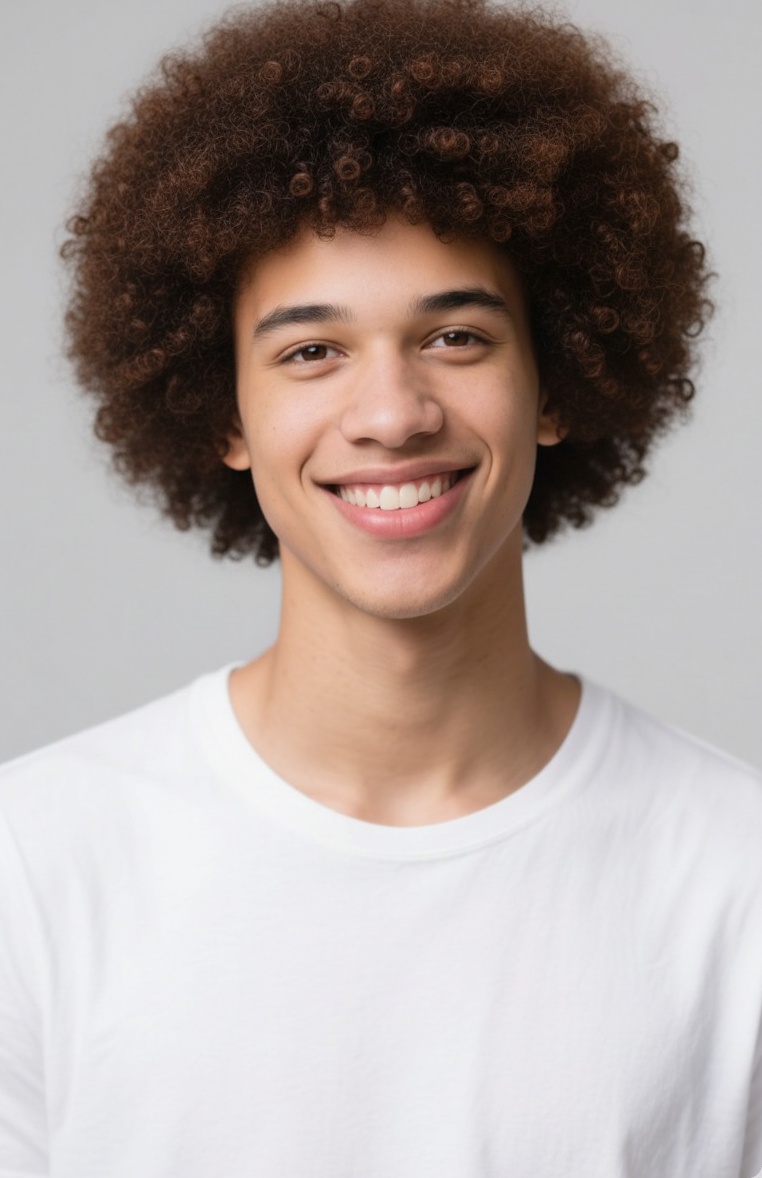


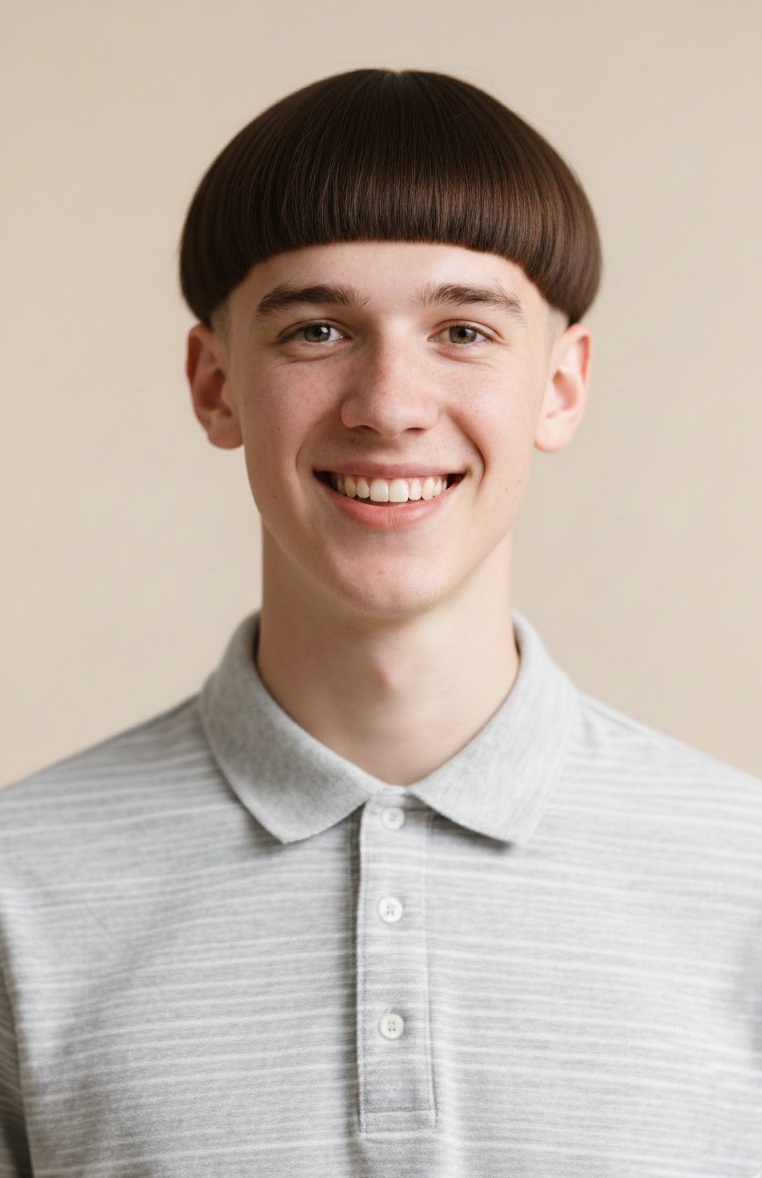

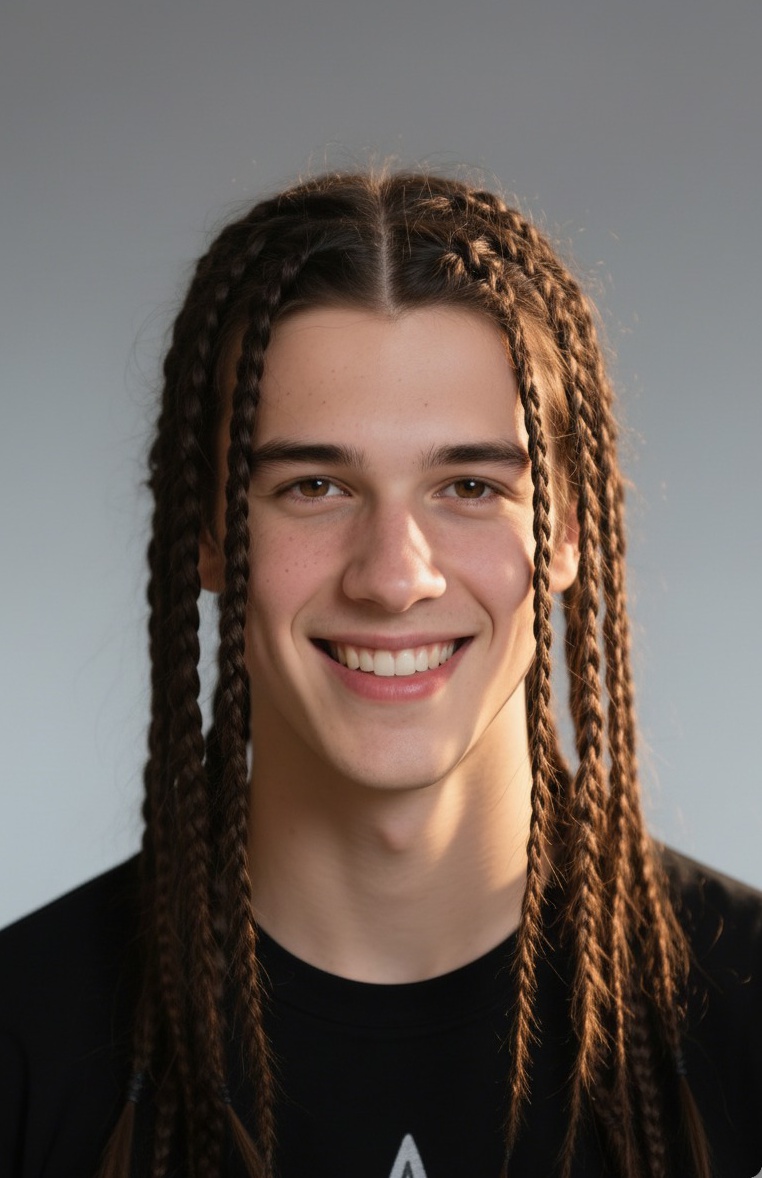





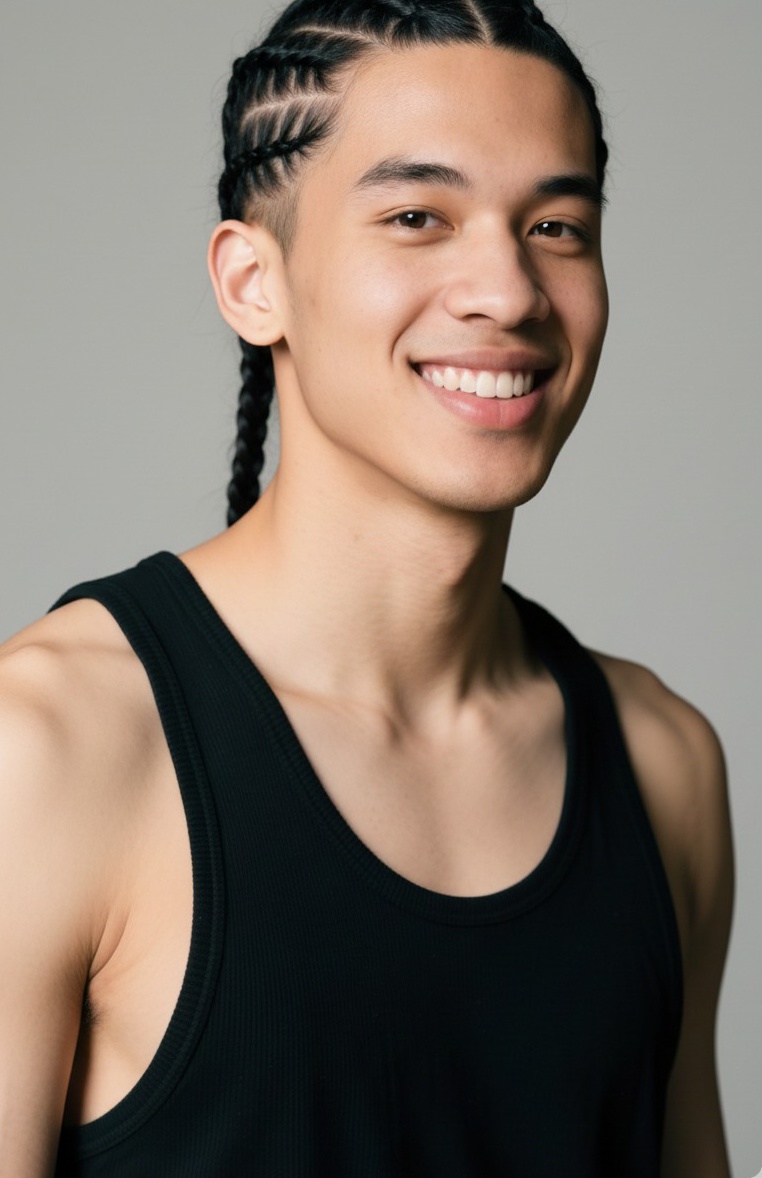































Choose your preferred style, then upload and process your photo on the left
The crew cut is one of the most versatile and enduring men’s hairstyles. Whether you’re heading into a boardroom, lifting at the gym, or keeping it casual on the weekend, this cut delivers a clean, masculine look with very little daily effort. Its short, structured shape strikes a rare balance between practicality and style, which is why barbers and clients keep coming back to it year after year.
At the same time, many men still wonder what exactly a crew cut is, how it differs from other short styles, and whether it will actually flatter their face shape. Committing to a new haircut can feel risky if you can’t visualize the result. That’s where virtual try-ons come in—tools like BlondeFilter’s AI hairstyle filter let you preview how a crew cut frames your face before your barber ever picks up the clippers.
What Is a Crew Cut? Definition & Characteristics
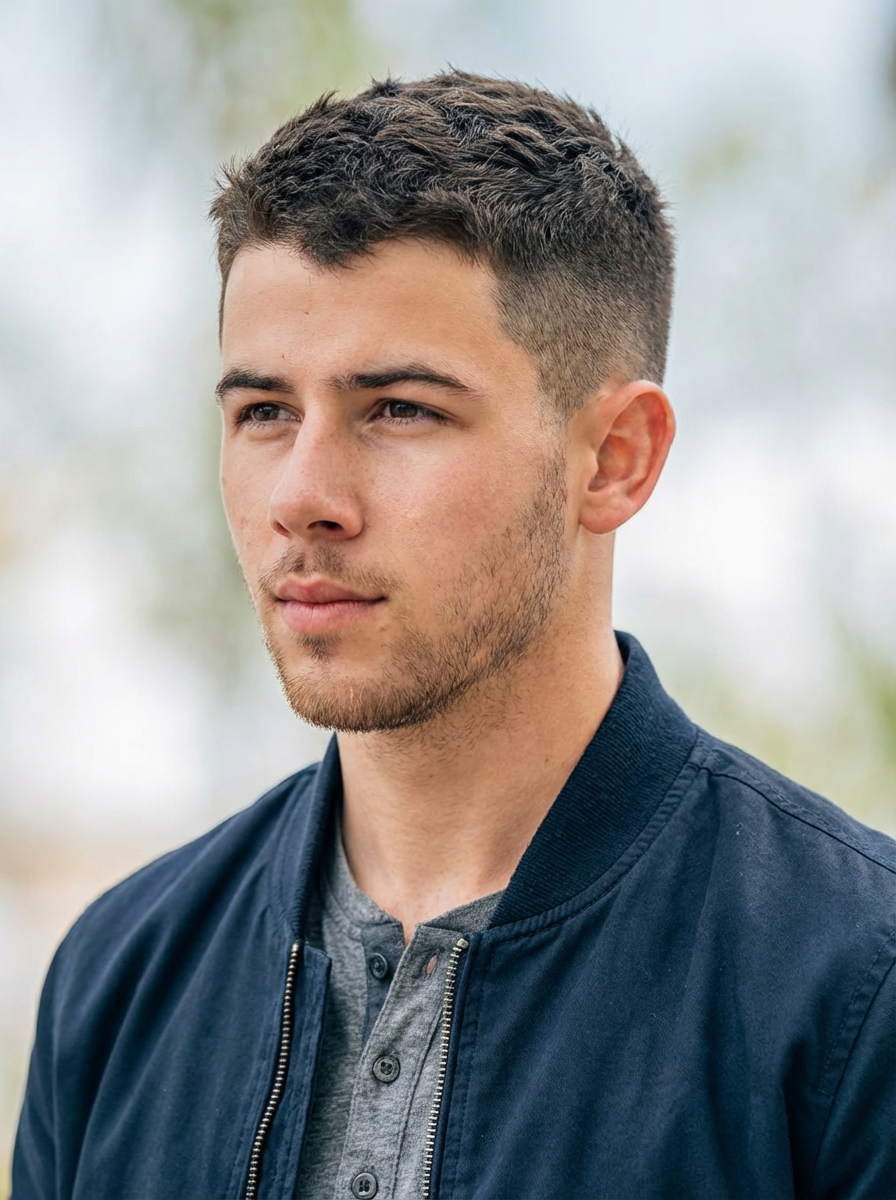
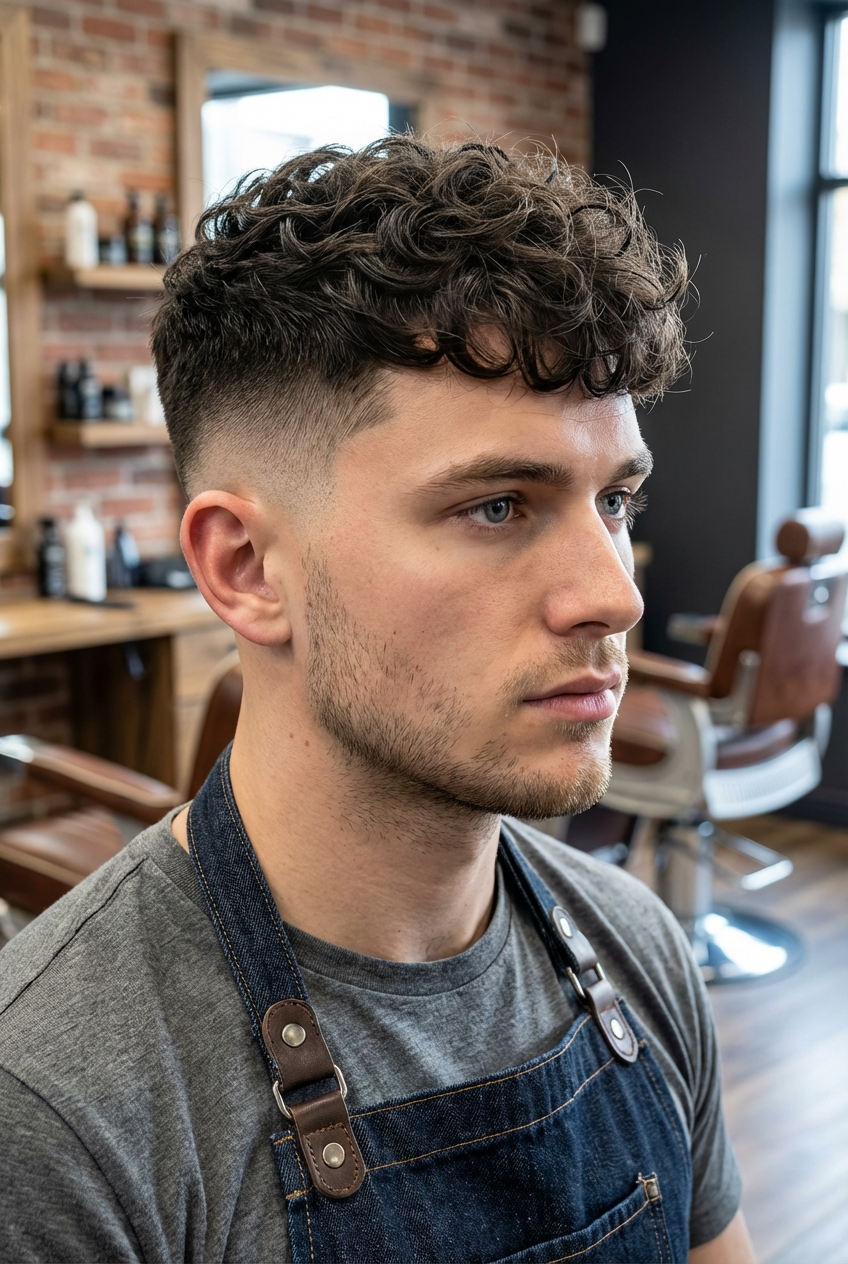
A crew cut features short, tapered hair on the sides and back that blends smoothly into slightly longer hair on top. The top is usually between half an inch and two inches long, giving just enough length for texture and subtle styling while staying neat and low-maintenance. The sides and back are typically done with clippers at a uniform length, often combined with a taper or fade for a seamless transition into the top.
Historically, the crew cut grew out of strict military grooming standards. Soldiers needed hair that was fast to cut, simple to maintain, and compatible with helmets and regulations. Over time, this functional look evolved into a symbol of clean-cut masculinity. Modern crew cuts still honor that origin but now appear everywhere from corporate offices to fashion-forward barbershops.
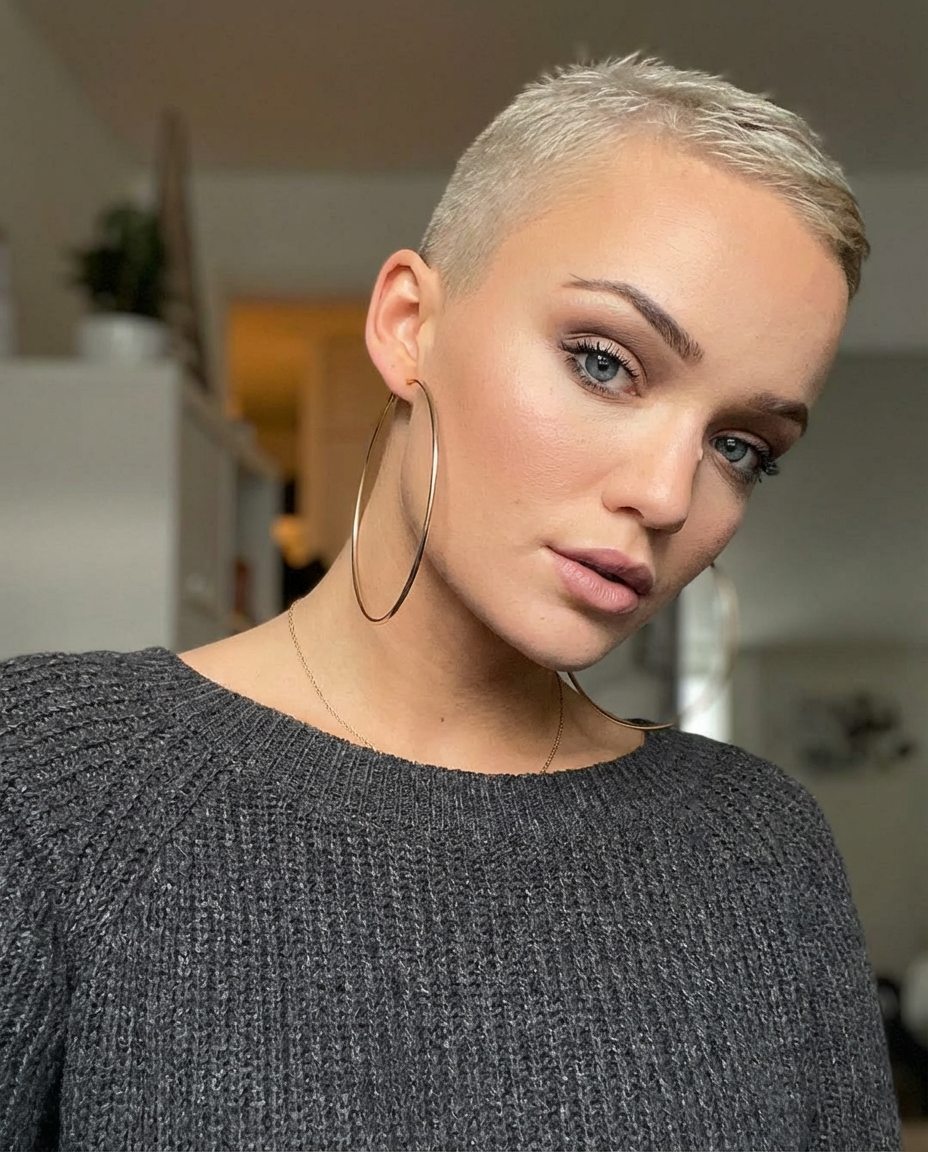
What sets a crew cut apart from similar short styles is its graduated structure. Unlike a buzz cut, which keeps the same length all over, the crew cut leaves more length at the front and on top. Unlike a flat top, which is shaped into a flat, horizontal “deck,” a crew cut gently tapers from the forehead toward the crown. The result is a shape that feels purposeful rather than generic—easy to live with, but not boring.
Popular Crew Cut Variations for Every Style
One reason the crew cut never really goes out of style is its adaptability. By adjusting the length, texture, and fade, you can tailor it to your lifestyle, hair type, and personal aesthetic.
Classic Crew Cut – This is the foundation: short clippered sides and back with a slightly longer, softly structured top. It suits most hair types and looks appropriate in almost any setting, from conservative offices to relaxed weekends.
Textured Crew Cut – Here the top is left a bit longer and cut with more layering and choppiness. This variation is ideal for men with medium to thick hair who want a modern, effortless look that still appears professional.
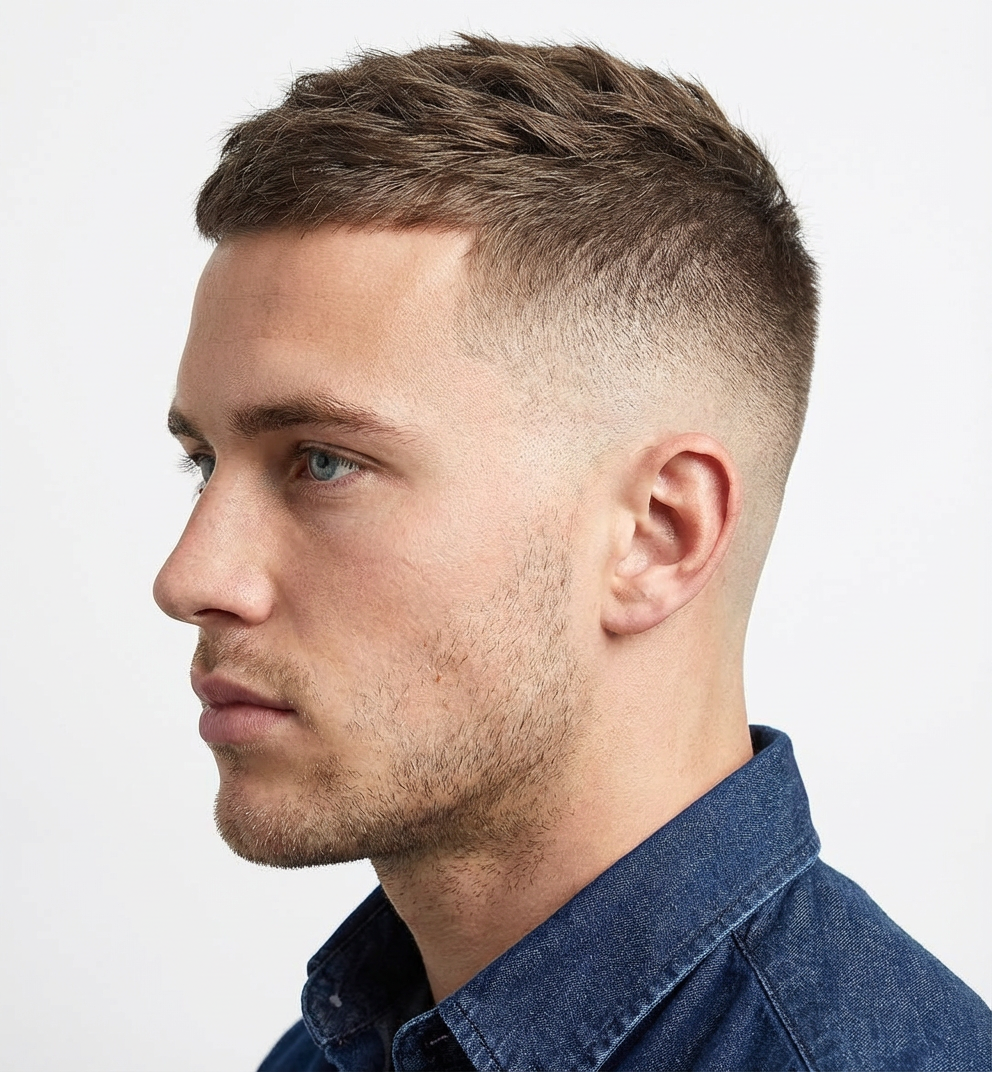
High Fade Crew Cut – A high fade starts higher on the temples and drops quickly to very short or skin-level. The contrast between the tight sides and the fuller top sharpens the jawline and cheekbones, creating a bold, athletic look that especially flatters square and diamond face shapes.
Military-Inspired Crew Cut – This takes the cut back to its roots: ultra-short length all over with a strong taper. It is about pure function—fast to cut, almost zero styling, and perfect if you want a tough, no-nonsense look.
Long Crew Cut – Keeping extra length on top while maintaining tight, neat sides gives you more styling options. You can sweep the top to the side, push it slightly up, or add texture while still keeping the overall silhouette crisp.
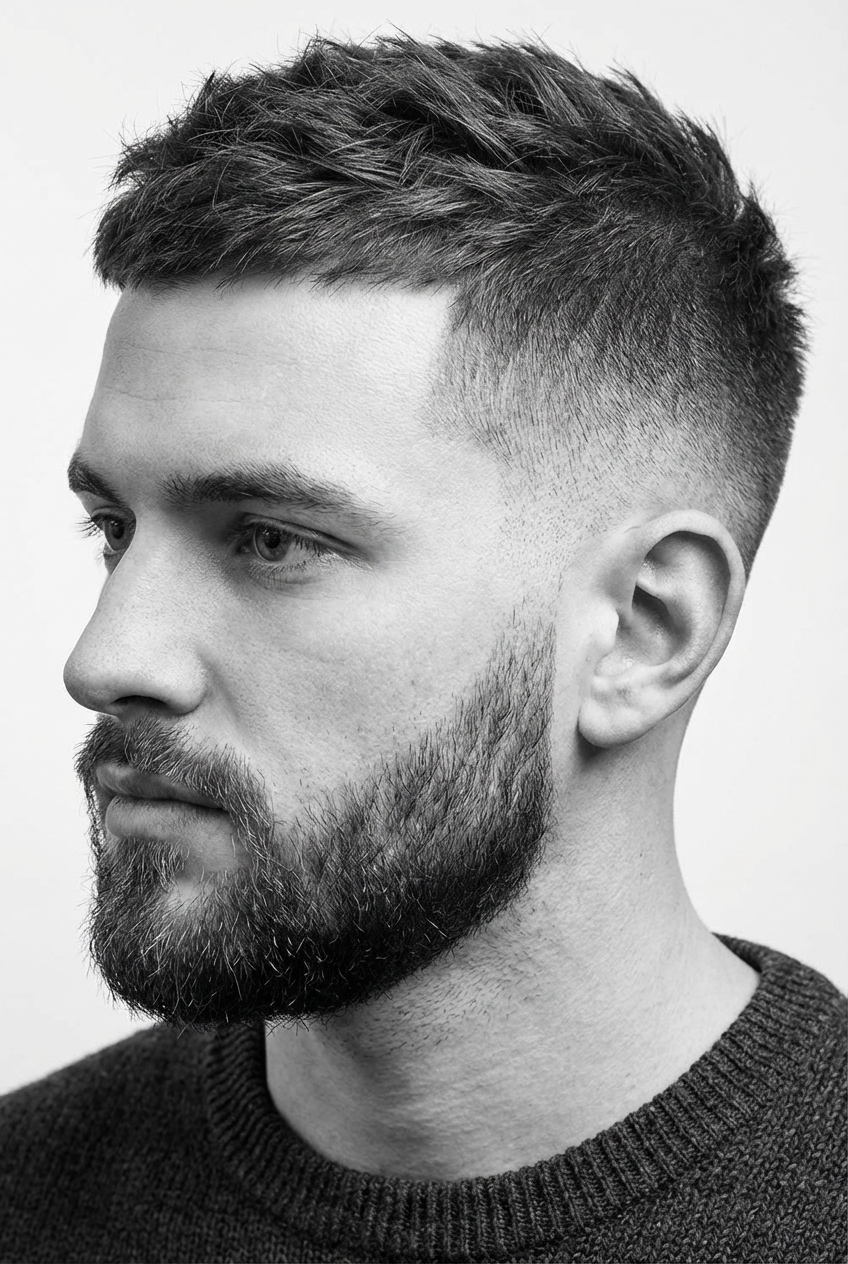
Crew Cut with Beard – Pairing a structured crew cut with a well-groomed beard creates strong lines and a rugged, masculine impression. The contrast between the short hair on top and fuller facial hair works especially well for men who want to emphasize jaw definition.
Before you lock in a specific variation, think about your hair density, how often you’re willing to get trims, and how polished you want the result to look. Testing different crew cut variations virtually can dramatically simplify this decision—try a high fade, textured top, or classic version on your face using BlondeFilter’s AI hairstyle filter to see which suits your features best.
Finding Your Perfect Crew Cut: Face Shape Guide
Not every crew cut variation flatters every face in the same way. Matching the details of the cut to your face shape makes the difference between “good enough” and “this is my signature haircut.”
Oval faces are the most versatile. Because your proportions are naturally balanced, you can wear almost any crew cut—from short, military-inspired versions to longer textured tops with low, mid, or high fades.
Square faces benefit from haircuts that highlight strong angles without making them too severe. High fade crew cuts emphasize a bold jawline, while slightly messy or textured tops can soften the overall effect if you want something more approachable.
Round faces look best with crew cuts that add height on top and keep the sides tight. Texture and volume on the top visually lengthen the face, while sharp fades create vertical lines and structure.
Heart-shaped faces have broader foreheads and narrower chins. A crew cut with a gentle side-sweep on top and a modest fade along the sides helps balance the upper and lower halves of the face.
Rectangular or oblong faces benefit from avoiding too much height. A medium-length top with a gradual taper keeps the silhouette clean without making the face appear longer.
How to Ask Your Barber for a Crew Cut
The gap between the crew cut you imagine and the one you walk out with usually comes down to communication. Learning a few key terms makes your consultation smoother and more precise.
Clipper guard numbers are the basic language. As a rough guide, a #1 guard leaves around one-eighth of an inch of hair, #2 leaves about one-quarter of an inch, and #3 leaves close to three-eighths of an inch. Many classic crew cuts use a #2 or #3 on the sides and back, with the top shaped using scissors or a longer guard. Saying “I’d like a #2 on the sides with about an inch on top” is far clearer than simply asking for “short.”
Fade terminology matters as well. A low fade sits just above the ear, giving subtle graduation; a mid fade runs through the middle of the sides for balanced contrast; and a high fade climbs toward the temples for a sharp, dramatic look. Decide how bold you want the transition to appear and share that openly.
Texture is the final piece. Tell your barber whether you prefer a smooth, uniform top or a more choppy, textured finish with visible movement. Ask them to point out how your hair’s natural growth patterns might affect the final shape.
Bringing visual references ranks among the most effective communication strategies—show your barber specific crew cut images you’ve found online, and for maximum clarity, take a screenshot of your crew cut preview from BlondeFilter’s AI hairstyle filter to ensure your barber sees exactly the variation, fade style, and texture level you’re targeting.
Styling & Maintaining Your Crew Cut
Once you have your crew cut, keeping it looking sharp is straightforward, but it still benefits from a bit of routine.
For daily styling, matte pomades, clays, and texture waxes work best. They add definition without the hard shine or stiffness that heavy gels can create. Work a small amount through dry or slightly damp hair, then use your fingers, a comb, or a brush to nudge the top into place—whether that’s standing slightly up, swept to the side, or left natural.
Most men find that trimming a crew cut every three to four weeks keeps the fade crisp and the proportions balanced. Waiting too long lets the sides puff out and the top lose its shape. Between appointments, some people maintain the neckline or clean up around the ears with clippers at home, but major reshaping is best left to a professional.
FAQs: Your Crew Cut Questions Answered
How do I ask a barber for a crew cut?
Tell your barber you want a crew cut, then specify the fade (low, mid, or high) you prefer on the sides and how long you’d like the top—usually between half an inch and two inches. Use clipper guard numbers when possible (for example, “#2 or #3 on the sides with a fade and about an inch on top”) and show a photo or virtual preview of your ideal result.
What is considered a crew cut?
A crew cut is a short men’s hairstyle with tapered or faded sides and back that transition smoothly into slightly longer hair on top. The top usually ranges from half an inch to two inches, giving a clean, structured look that requires minimal daily styling. It originated in the military but has evolved into a flexible option suitable for both casual and formal environments.
What face shape is crew cut good for?
Crew cuts work especially well on oval, square, and rectangular faces, but the right variation can suit almost anyone. Higher fades and sharper lines emphasize strong jawlines on square and diamond faces, while textured tops and slightly softer fades can flatter round or heart-shaped faces by adding height and structure.
What is the 3 2 1 rule for haircuts?
In the context of crew cuts, the 3-2-1 idea often refers to using a #3 guard on top, a #2 on the sides, and a #1 or skin fade around the very bottom near the neckline and ears. It’s a simple way to think about graduated clipper lengths, but your barber may adjust these numbers based on your hair type, head shape, and personal preference—so treat it as a guideline rather than a strict rule.
The crew cut remains a masterclass in masculine grooming: simple, adaptable, and consistently flattering when tailored to your features. Whether you’re trying it for the first time or refining a familiar favorite, understanding the key variations, knowing how to talk to your barber, and keeping up with basic maintenance will help you get the most from this classic style. Before you book your next appointment, try visualizing yourself with different crew cut variations using BlondeFilter’s AI hairstyle filter—seeing the style on your actual face might be exactly the confidence boost you need to take the leap.